About South Marianne Island
South Marianne Island, also known simply as Marianne Island, stands out as a premier dive site near Praslin and La Digue, captivating divers with its distinctive geological formations. This Inner Island site is a testament to the Seychelles' ancient granitic origins, featuring massive granite blocks, impressive pinnacles, and intricate swim-throughs and caves that forge a dynamic underwater topography. These unique structures create a habitat teeming with life, drawing in a wide spectrum of marine species from vibrant reef inhabitants to larger pelagic predators. The depths at South Marianne Island vary, commencing in shallower zones but rapidly descending to more advanced levels, making it particularly appealing for experienced divers. The presence of strong and often unpredictable currents contributes to an abundance of pelagic activity, offering thrilling drift diving opportunities. Visibility typically remains excellent, allowing for clear views of the extensive rock formations and the diverse ecosystems they support. Divers frequently encounter various shark species and eagle rays navigating these nutrient-rich waters. Additionally, during specific seasons, the site is renowned for whale shark sightings, further enhancing its allure. The combination of challenging currents, unique underwater architecture, and rich marine biodiversity firmly establishes South Marianne Island as a top-tier destination for those seeking an adventurous and rewarding diving experience in the Seychelles.
Highlights
Dramatic granite topographyAbundant pelagic encountersChallenging drift divesImpressive underwater pinnaclesSeasonal whale shark sightingsDiverse shark species
Season calendar
Best months to dive here
Jan
Feb
Mar
Apr
May
Jun
Jul
Aug
Sep
Oct
Nov
Dec
Excellent
Good
Dive site facts: South Marianne Island
- Depth
- 15–40 m
- Typical dive
- 20–30 m, 45–55 min
- Current
- Strong, variable
- Visibility
- 15–30 m
- Water temperature
- 25–30 °C
- Entry
- Boat / negative entry
- Level
- Advanced recommended, current experience essential
- Dive type
- Pelagic, drift, topographical
- Night dive
- Possible, advanced
- Region / port
- Praslin / La Digue
- Coordinates
- 4.3400° S, 55.9400° E
Conditions & Currents
Diving at South Marianne Island is characterized by strong and often unpredictable currents, particularly around its deeper sections and prominent granite formations. These currents necessitate excellent buoyancy control and previous experience with active water movement, often resulting in challenging drift dive conditions. The site's exposure to open ocean elements contributes to significant variability in current strength and direction, which, while attracting large pelagic species, requires meticulous dive planning and conservative gas management. Entry often involves a negative descent to quickly pass through surface currents, and due to potential strong surface currents and swell, exits typically require live boat pickups. While currents can be strong, visibility generally remains high, though localized thermoclines may occasionally occur.
Marine life & sighting chances

Grey reef shark
common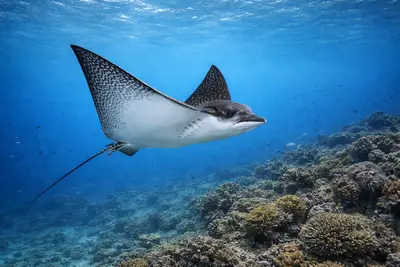
Eagle ray
common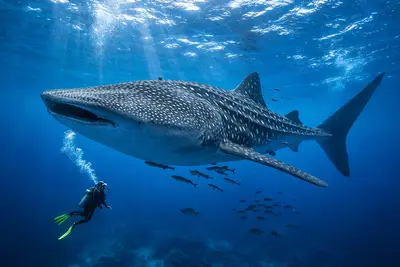
Whale shark
September to November · occasional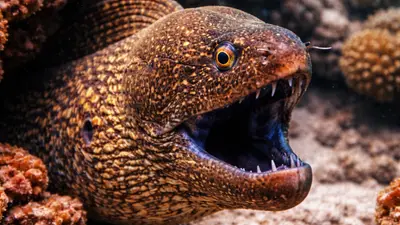
Giant moray eel
common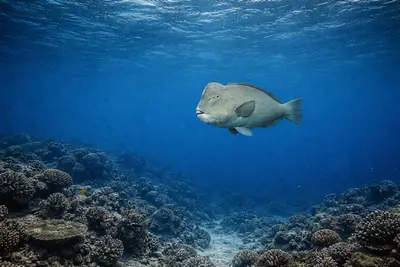
Bumphead parrotfish
occasional
Barracuda
occasional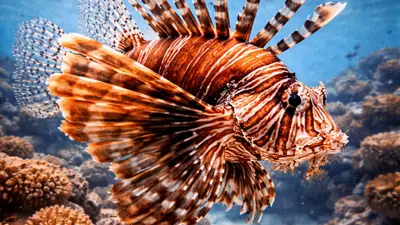
Lionfish
occasionalReef shark
common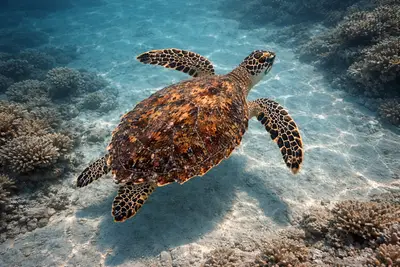
Hawksbill turtle
common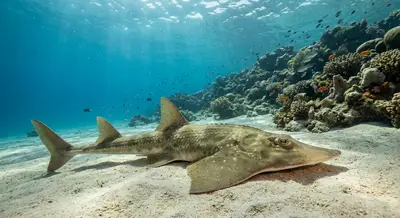
Guitarfish
occasionalDive profile & how the dive runs
Your dive at South Marianne Island commences with a negative entry, facilitating a swift descent to bypass potential surface currents. The typical route involves navigating through massive granite block formations, exploring various tunnels, and following impressive walls. You generally progress from shallower areas around 15 meters, gradually working deeper towards 30-40 meters, where pelagic activity is more pronounced. The dive often transforms into a drift dive, utilizing the current to cover a larger section of the extensive reef structure. The turn point is primarily determined by air consumption and bottom time. The safety stop is conducted in open water, usually at 5 meters, before a boat pickup, which is essential due to the shifting current conditions.
Underwater photography
South Marianne Island offers exceptional opportunities for wide-angle photography, especially to capture the dramatic granite topography and large pelagic species. A wide-angle or fisheye lens is crucial for conveying the scale of the boulders, pinnacles, and tunnels. For pelagic encounters like sharks, eagle rays, and whale sharks, be prepared for rapid action; a fast autofocus system and a camera with a high burst rate will be advantageous. External strobes are highly recommended to enhance the vibrant colors of soft corals and to adequately illuminate deeper sections or the interiors of caves. Maintain excellent buoyancy to prevent stirring up sediment and to navigate currents without damaging delicate coral growth. Always be considerate of the marine environment.
Combine with nearby dive sites
- Ave Maria (Praslin)
Ave Maria is a unique granite rock formation near Praslin, celebrated for its striking underwater architecture, featuring an impressive…
- St. Pierre
St.
- Channel Rocks
Channel Rocks is a distinguished dive site nestled between Praslin and La Digue, forming part of the granitic Inner Islands of Seychelles.
- White Bank
White Bank is a captivating dive site situated off Praslin, a highlight among the Seychelles' granitic Inner Islands.
- Whale Rock
Whale Rock, located in La Rivière Anglaise, Seychelles, is renowned for its unique underwater geology, featuring large granite formations…
Getting there & logistics
South Marianne Island is readily accessible from Praslin or La Digue, which are among the Seychelles' main Inner Islands. Divers typically reach these islands via domestic flights or ferry services from Mahé, where the main international airport is located. Dive trips to South Marianne Island are generally day trips organized by local dive centers operating from Praslin or La Digue. Given the site's advanced nature and exposure to currents, liveaboard options that visit multiple Inner Island sites are also a popular way to explore. Ensure your chosen operator includes this specific site in their itinerary. No specific permits or fees beyond standard dive trip costs are usually mentioned for this site.
Safety & environment
Due to the strong and variable currents at South Marianne Island, divers must possess excellent buoyancy control and prior experience with drift diving. Pay close attention to dive briefings, and maintain conservative gas planning. The nearest recompression chamber is located on Mahé Island, which requires emergency evacuation by boat or helicopter, highlighting the importance of having comprehensive dive insurance that covers medical emergencies and evacuation. Always dive with a reputable operator, and ensure you have an audible and visual surface signaling device. Be aware of boat traffic when surfacing, especially with live boat pickups.
Who it suits — and who it doesn't
Suited for
- Advanced divers with drift experience
- Underwater photographers seeking pelagic action
- Divers comfortable with strong currents
- Those who appreciate dramatic granite topography
- Divers looking for seasonal whale shark encounters
Less suited for
- Beginner divers
- Divers without good buoyancy control
- Individuals uncomfortable with strong or unpredictable currents
- Those prone to seasickness on open ocean sites
- Divers who prefer calm, sheltered reefs
FAQ
South Marianne Island FAQ
What makes South Marianne Island a unique dive site?
South Marianne Island stands out for its dramatic granite topography, featuring massive boulders, pinnacles, and intricate swim-throughs that are geologically distinct. This unique underwater landscape, combined with strong currents, creates a vibrant ecosystem attracting a wide variety of marine life, including numerous pelagic species.
What kind of marine life can I expect to see?
Divers frequently encounter various species of sharks, eagle rays, and schooling fish like barracuda. Seasonal whale shark sightings are a major highlight. You can also spot giant moray eels, bumphead parrotfish, lionfish, and hawksbill turtles exploring the granite formations.
Is South Marianne Island suitable for beginner divers?
No, South Marianne Island is primarily recommended for advanced divers. The site experiences strong and unpredictable currents, which demand excellent buoyancy control and previous experience with drift diving. Beginners may find the conditions challenging and potentially unsafe.
What are the typical dive conditions at South Marianne Island?
Depths typically range from 15 to 40 meters, with good visibility generally between 15-30 meters. Water temperatures average between 25-30°C. However, strong and variable currents are a constant feature, requiring negative entry and live boat pickups.
When is the best time to dive South Marianne Island, especially for whale sharks?
The period from March to May and September to November offers the calmest seas and best visibility for diving. For whale shark encounters specifically, the peak season is usually between September and November, extending into December.
Why is a negative entry often required here?
A negative entry, where divers descend immediately upon entering the water, is often required at South Marianne Island to quickly pass through any strong surface currents. This technique helps divers avoid being swept away and allows for a more controlled start to the dive amidst the challenging conditions.
Why dive South Marianne Island from a liveaboard?
South Marianne Island is one of Seychelles's signature dive sites. A liveaboard sleeps you on the water and puts you in the water for three to four guided dives per day, including dawn and night dives that day-boat operators rarely offer. You skip the daily commute back to port and reach quieter, less-crowded sites in the same region on a single trip.
Below are the liveaboards that include South Marianne Island on their Seychelles itineraries.
Liveaboards diving South Marianne Island
These liveaboards may visit South Marianne Island on selected itineraries — the exact dive sites depend on departure, weather and conditions.
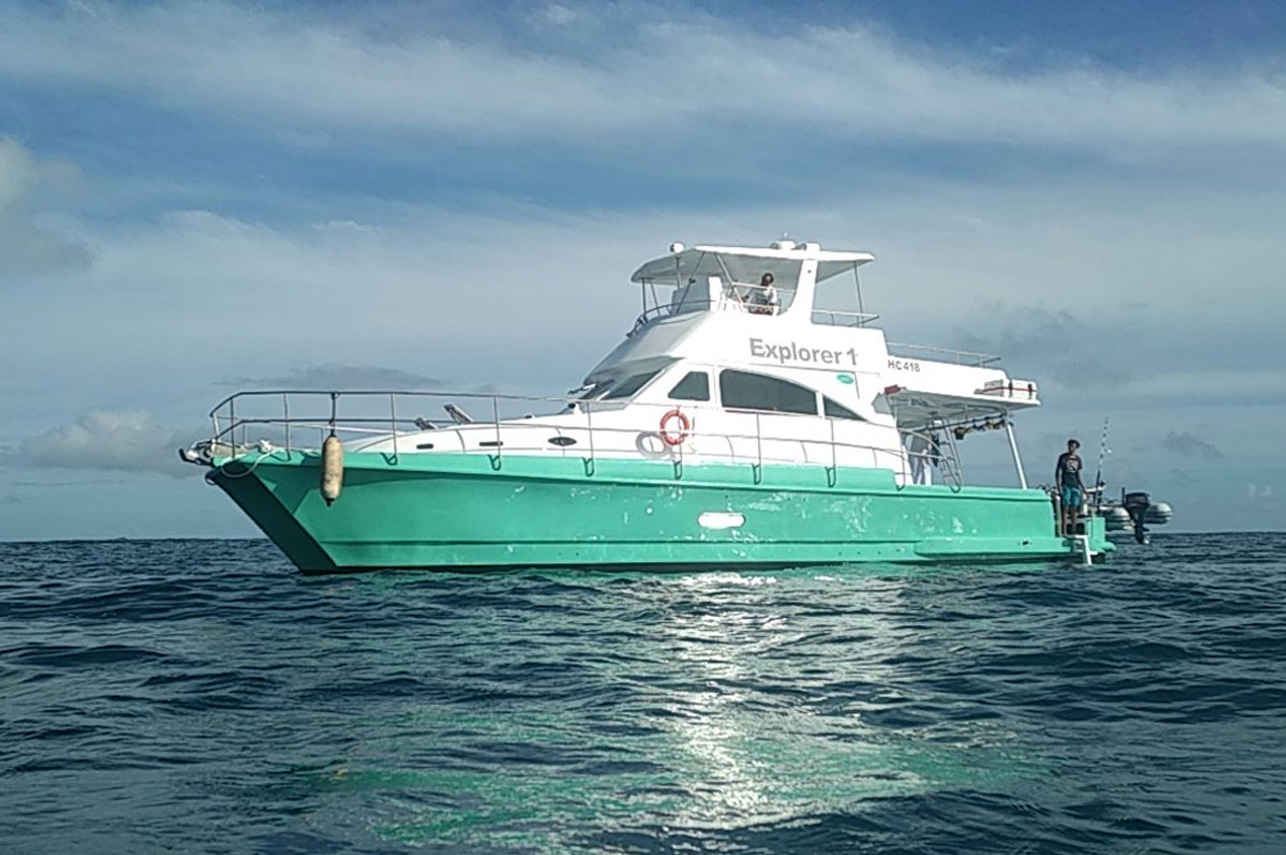
Explorer 1
Seychelles
6 guests17 m
$522/day
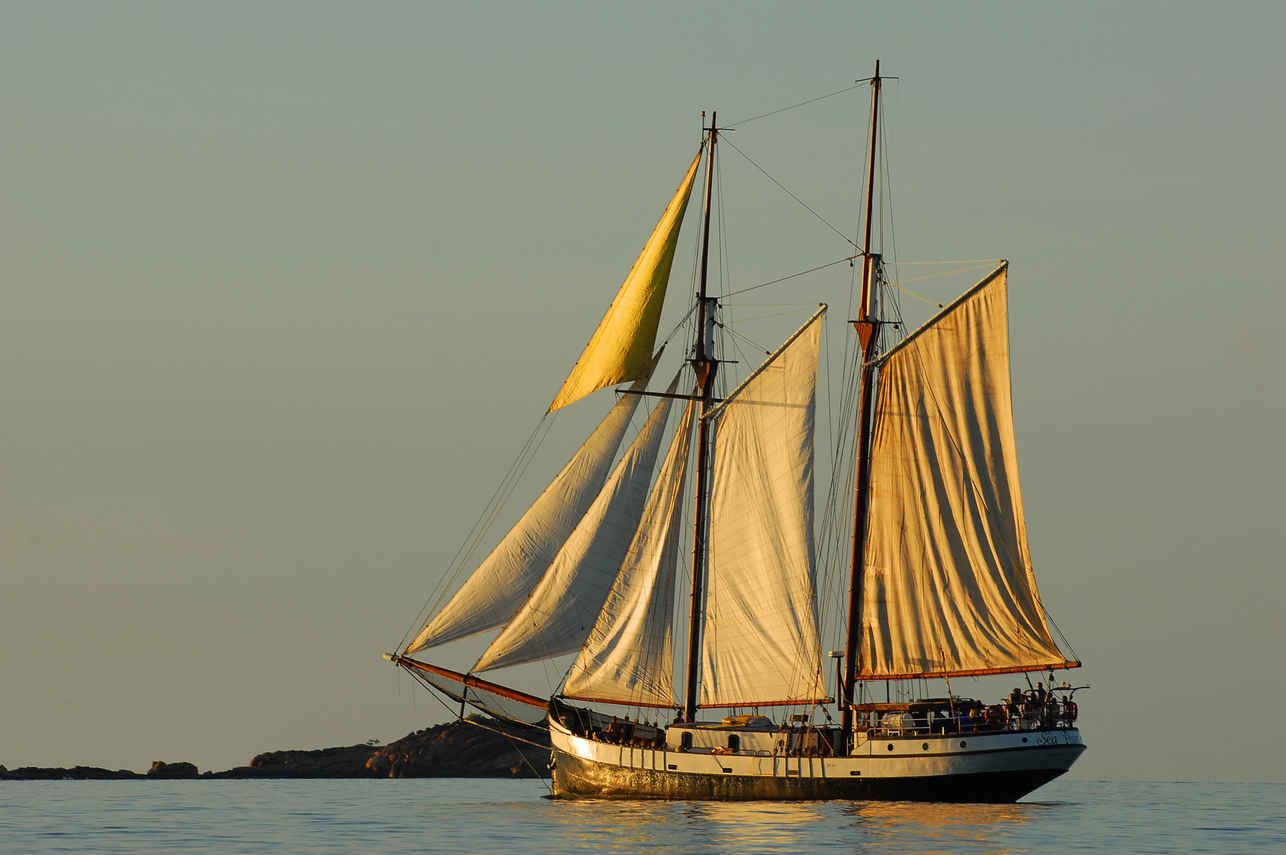
Sea Pearl
Seychelles
16 guests36 m
$212/day
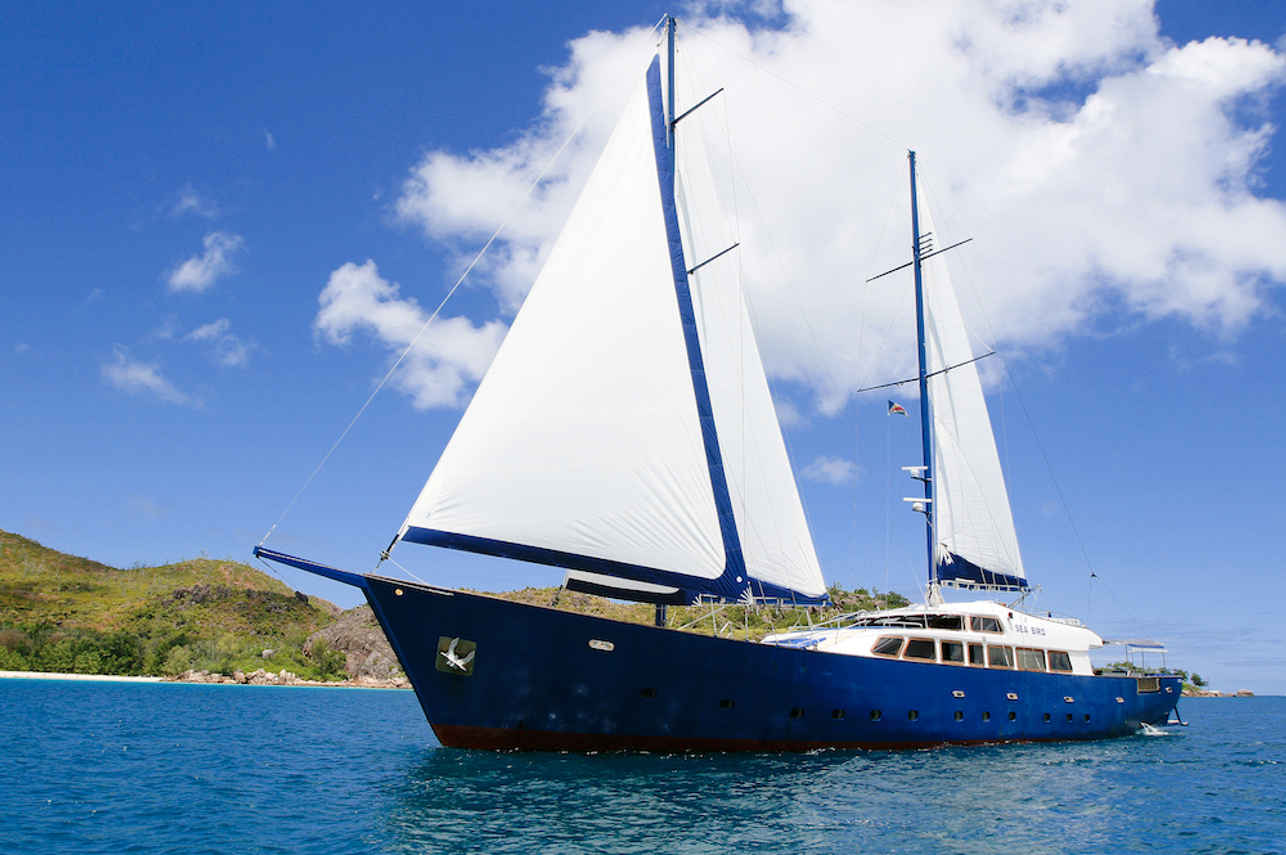
Sea Bird and Sea Star
Seychelles
18 guests42 m
$288/day
Dive sites similar to South Marianne Island
Same character, same waters — six more sites divers love for the exact same reasons.Compare seasons, access and liveaboard routes — then pick the site that fits your trip best.
Sister Bank
Seychelles
Sister Bank is a notable dive site situated in the Inner Islands of Seychelles, specifically near Praslin Island.
- Suitable for
- Intermediate
- Current
- Mild
- Access
- Liveaboard only
- Depth
- 15–30 m
- Theme
- Reef / Drift
Brissare Rocks (Mahé)
Seychelles
Brissare Rocks, located just north of Mahé, is a renowned dive site in Seychelles, widely considered one of Mahé's top five.
- Suitable for
- Intermediate
- Current
- Strong
- Access
- Liveaboard or dayboat
- Depth
- 8–20 m
- Theme
- Cave & cavern / Drift
Whale Rock
Seychelles
Whale Rock, located in La Rivière Anglaise, Seychelles, is renowned for its unique underwater geology, featuring large granite formations that extend from the surface to depths of…
- Suitable for
- Intermediate
- Current
- Moderate
- Access
- Liveaboard only
- Depth
- 15–25 m
- Theme
- Drift
Assumption Island
Seychelles
Assumption Island, situated in the Aldabra Group, is a secluded and infrequently visited island about 30 km south of Aldabra Atoll and 1300 km southwest of Mahé. Its allure for…
- Suitable for
- Intermediate
- Current
- Mild
- Access
- Liveaboard only
- Depth
- 5–40 m
- Theme
- Reef / Drift
Trois Bancs
Seychelles
Trois Bancs is a remarkable dive site in the Seychelles' Inner Islands, distinguished by its unique topography of three granite-based reefs.
- Suitable for
- Advanced
- Current
- Strong
- Access
- Liveaboard only
- Depth
- 8–30 m
- Theme
- Drift
Aride Island Reef
Seychelles
Aride Island Reef is a prominent dive site within the inner Seychelles islands, distinguished by its unique blend of granite boulder formations and flourishing coral ecosystems.
- Suitable for
- Intermediate
- Current
- Strong
- Access
- Liveaboard or dayboat
- Depth
- 6–24 m
- Theme
- Drift / Reef