About Addu Kandu
Addu Kandu, also known as Addu Channel, is a significant natural waterway situated within the Addu Atoll, which is the southernmost atoll in the Maldives. This channel serves as more than just a geographical feature; it is a thriving ecosystem and a major draw for tourists seeking underwater adventures. Its exceptional marine biodiversity and stunning underwater topography make it a renowned destination for divers. Diving in Addu Kandu allows for exploration of various sites, notably the famous British Loyalty wreck, which is the largest World War II shipwreck in the Maldives. This historic wreck hosts a rich variety of marine species, providing a distinctive and unforgettable diving experience. The channel is also recognized for its healthy coral reefs, which largely escaped the widespread bleaching event in 1998, contributing to a vibrant underwater landscape. Addu Atoll features the only year-round manta ray cleaning station in the Maldives, where reef mantas are consistently observed. The area also boasts a significant shark population, including thresher, hammerhead, silvertip, and even whale sharks. Divers can also spot various rays and a multitude of tropical fish within the clear waters. Considering the potential for currents within the channel, particularly when diving, liveaboard itineraries often visit the deep south during February and March when conditions are ideal for experienced divers, featuring increased visibility and calmer surface conditions. While accessible for snorkeling, divers should be prepared for channel diving, often requiring live boat operations or careful current management.
Highlights
British Loyalty WWII wreckYear-round manta ray cleaning stationThresher shark encountersHammerhead shark sightingsSilvertip sharksWhale shark encountersHealthy coral reefs
Season calendar
Best months to dive here
Jan
Feb
Mar
Apr
May
Jun
Jul
Aug
Sep
Oct
Nov
Dec
Excellent
Good
Aug – Sep & Nov – Apr (NE Monsoon)
Best visibility up to 40m, calm seas, manta rays on the eastern atolls, whale sharks in South Ari Atoll.
May – Jul & Oct (Transition)
Changing conditions, good value, mantas moving between atolls, occasional rain showers.
Dive site facts: Addu Kandu
- Depth
- 10–35 m+
- Current
- Moderate to strong
- Visibility
- 20–35 m
- Water temperature
- 27–31°C
- Entry
- Liveaboard / day boat
- Level
- Intermediate to Advanced
- Dive type
- Channel, reef, wreck, drift
- Night dive
- Possible
- Region / port
- Addu Atoll / Deep South
- Coordinates
- -0.6358, 73.197
Conditions & Currents
Addu Kandu is a channel, meaning currents are a significant factor and awareness is crucial, especially when diving or snorkeling. Divers should anticipate and be prepared for potential currents within the channel. Liveaboard itineraries that explore the deep south, including this site, often target periods like February and March when conditions are considered perfect for experienced divers, implying that currents can be strong but manageable under the right circumstances. While specific current directions are not detailed, the nature of a 'kandu' (channel) dive typically involves drift diving, often utilizing negative entry techniques and live boat pickups. Visibility is generally excellent in this region, particularly during optimal seasons, but currents can influence clarity. Certification levels for channel dives often lean towards intermediate or advanced due to current management.
Marine life & sighting chances

Manta ray
Year-round · common
Grey reef shark
Year-round · common
Whitetip reef shark
Year-round · common
Eagle ray
Year-round · common
Green turtle
Year-round · common
Barracuda
Year-round · common
Tuna
Year-round · common
Napoleon wrasse
Year-round · occasional
Stingray
Year-round · common
Silky shark
occasional
Hammerhead shark
rareDive profile & how the dive runs
Dives in Addu Kandu's internal channels typically begin with a negative entry to quickly descend to the channel entrance or wall, where the most significant current and pelagic action are expected. Divers then drift along the reef edge or channel, observing marine life in the blue and along the wall. Common routes include following the current past cleaning stations, particularly at sites like Muli Kolhu Faru or Maa Kandu, which are renowned for manta ray aggregations. Depths during the drift usually range from 10 to 30 meters, allowing for extended bottom time while observing the dynamic ecosystem. The dive typically culminates in a gradual ascent along the leeward side of the channel, where the current subsides, for a safety stop before surfacing, usually a short distance from the initial entry point, with the boat following the dive group's trajectory.
Underwater photography
Addu Kandu and its surrounding channels offer fantastic opportunities for wide-angle photography, especially with the clear visibility and frequent pelagic encounters. A wide-angle lens is ideal for capturing schooling sharks, manta rays at cleaning stations, and the dramatic channel topography. Given the potential for strong currents, excellent buoyancy control is crucial to stabilize for shots. Natural light can be effective for large subjects in good visibility, but strobes are highly recommended to bring out the vibrant colors of the healthy corals and to properly expose darker subjects in the blue. For macro subjects, while less common in the channels themselves, the reef walls and calmer sections offer critters that benefit from a macro lens and snooted lighting to isolate subjects from busy backgrounds.
Combine with nearby dive sites
- Gan Corner (Addu Atoll)
Gan Corner, locally known as Gan Kandu, is a prominent channel dive site nestled in the southwestern part of Addu (Seenu) Atoll, situated…
- Hithadhoo Corner (Addu)
Hithadhoo Corner, situated in Addu Atoll, offers a unique opportunity for exceptional diving and snorkeling.
- Gan Kandu
Gan Kandu is one of the four main channels that define the western side of Addu Atoll, a unique Maldivian destination just below the…
- Villingili Kandu (Gaafu Alifu)
A channel known for shark action, in the wider Huvadhoo Atoll area.
- Kudimaa Wreck
A wreck in Addu Atoll, though its name is given as Kudhimaa Wreck in the source (this seems like a typo).
Getting there & logistics
Access to Addu Atoll is notably easier than other southern destinations, primarily via Gan International Airport (GAN), which has direct international flights from Colombo and daily 70-90 minute domestic flights from Velana International Airport (MLE). Divers typically choose between liveaboards on Deep South itineraries or staying at resorts or guesthouses on Gan, Hithadhoo, or other causeway-connected islands. Many dive operators are based on Gan, offering daily boat trips to the major sites within 10-40 minutes. Liveaboard trips often combine Addu with Fuvahmulah and other Huvadhoo Atoll sites. No specific diving permits are generally required beyond standard Maldivian regulations.
Safety & environment
While diving in Addu Atoll is generally safe, strong currents, especially in the channels, demand appropriate training and experience. Divers should be comfortable with drift diving and competent in negative entries. Always carry a surface marker buoy (SMB) and dive computer, and ensure your dive insurance covers emergency evacuation and hyperbaric treatment, as these can be extremely costly in remote locations. The nearest recompression chamber is likely in Male, requiring air evacuation in case of a serious incident. Always adhere to your dive guide's instructions and never dive beyond your certification limits. Dive operators in Addu are reputable, but a pre-dive check dive is recommended if you haven't dived in a while or are new to Maldivian currents.
Who it suits, and who it doesn't
Suited for
- Experienced drift divers
- Shark enthusiasts
- Manta ray lovers
- Divers seeking healthy coral reefs
- Those interested in historical wrecks
- Photographers (wide-angle)
Less suited for
- Beginner divers without current experience
- Divers uncomfortable with strong currents
- Those who prefer purely macro diving
- Divers seeking calm, current-free sites
FAQ
Addu Kandu FAQ
What kind of marine life can I expect in Addu Kandu?
Addu Kandu, particularly its internal channels, is renowned for consistent sightings of manta rays year-round. You can also expect to encounter large schools of grey reef sharks and whitetip reef sharks, along with eagle rays, barracuda, tuna, and various schooling reef fish. The healthy coral reefs also host numerous smaller species and green turtles.
Is Addu Kandu suitable for beginner divers?
While some sheltered sites within Addu Atoll's lagoon are suitable for beginners, the main channels of Addu Kandu are typically recommended for intermediate to advanced divers. This is due to the presence of moderate to strong currents that require comfort with drift diving techniques. Divers without prior current experience may find these sites challenging.
When is the best time to dive Addu Kandu?
Addu Kandu and the wider Addu Atoll offer excellent diving conditions year-round, thanks to its position just south of the equator. For the best surface conditions and slightly warmer waters, the dry season from December to April is ideal. Manta rays are reliably present throughout all seasons, making any time a good time for encounters.
How do I get to Addu Kandu?
Addu Kandu is accessed via the dive sites within Addu Atoll. You can reach Addu Atoll by flying into Gan International Airport (GAN), which has international connections from Colombo and frequent domestic flights from Velana International Airport (MLE) in Male. From Gan, dive operators arrange boat transfers to the various dive sites.
Are there any wrecks in Addu Kandu?
Within Addu Atoll, a significant wreck known as the British Loyalty is a prominent dive site. It is the largest shipwreck in the Maldives, offering a distinct experience from the channel dives. While not directly in the main Addu Kandu channel, it is a key attraction for divers visiting the region.
What is the visibility like in Addu Kandu?
Visibility in Addu Kandu and the surrounding dive sites of Addu Atoll is generally excellent, often ranging between 20 to 35 meters (65 to 115 feet). In peak conditions, particularly during the dry season, visibility can even exceed 40 meters. The clear waters enhance the experience of drift diving and observing pelagic marine life.
Why dive Addu Kandu from a liveaboard?
Addu Kandu is one of Maldives's signature dive sites. A liveaboard sleeps you on the water and puts you in the water for three to four guided dives per day, including dawn and night dives that day-boat operators rarely offer. You skip the daily commute back to port and reach quieter, less-crowded sites in the same region on a single trip.
Below are the liveaboards that include Addu Kandu on their Maldives itineraries.
Liveaboards diving Addu Kandu
These liveaboards may visit Addu Kandu on selected itineraries, the exact dive sites depend on departure, weather and conditions.
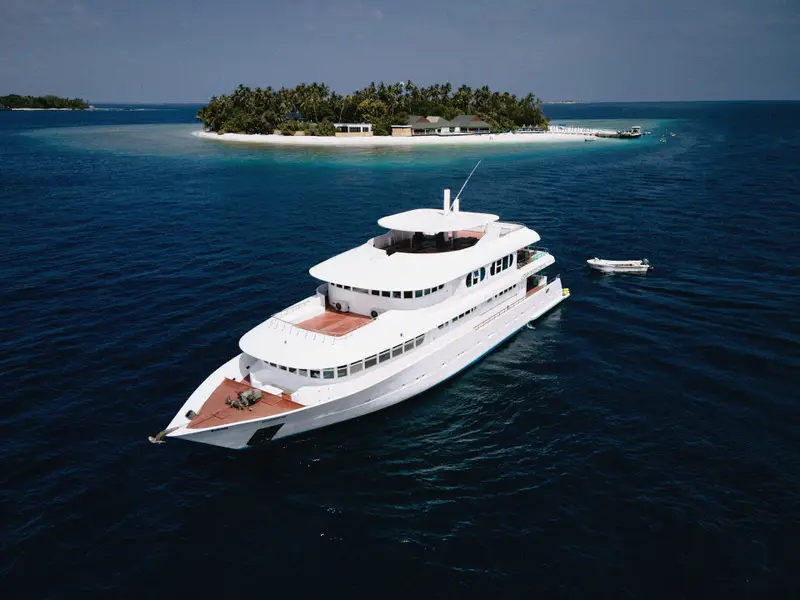
Horizon III
Maldives
25 guests
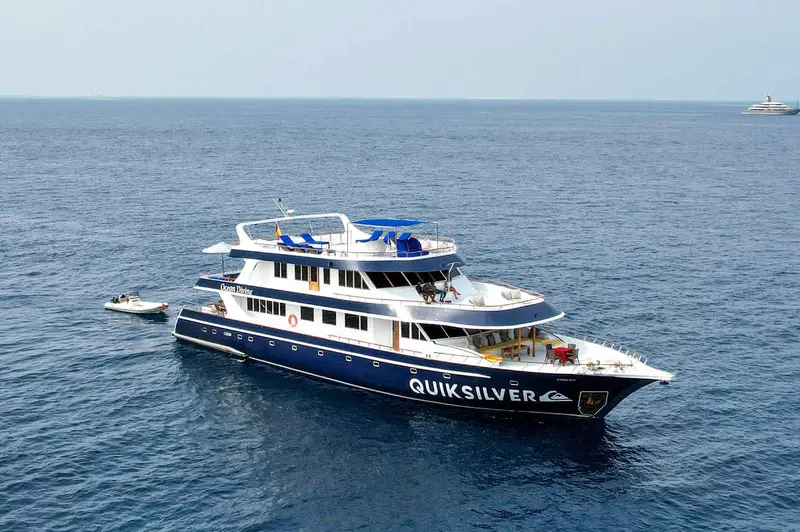
Ocean Divine
Maldives
16 guests34 m
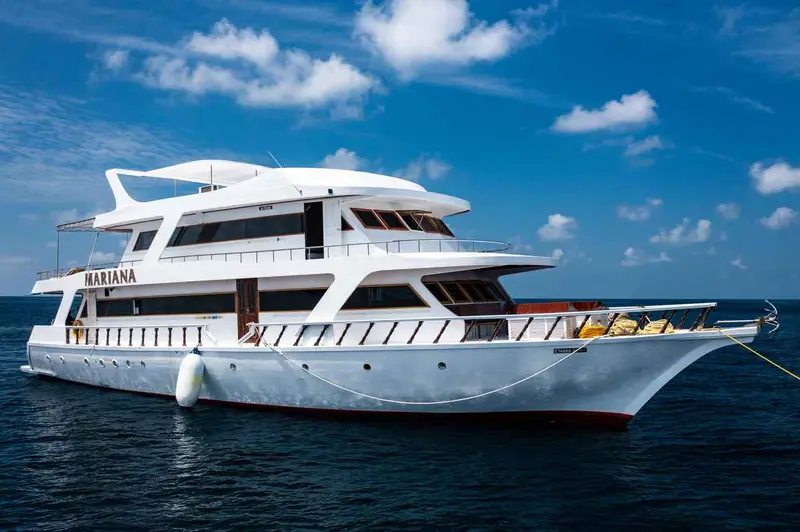
EcoPro Mariana
Maldives
16 guests30 m

Maldives Blue Force 3
Maldives
26 guests42 m
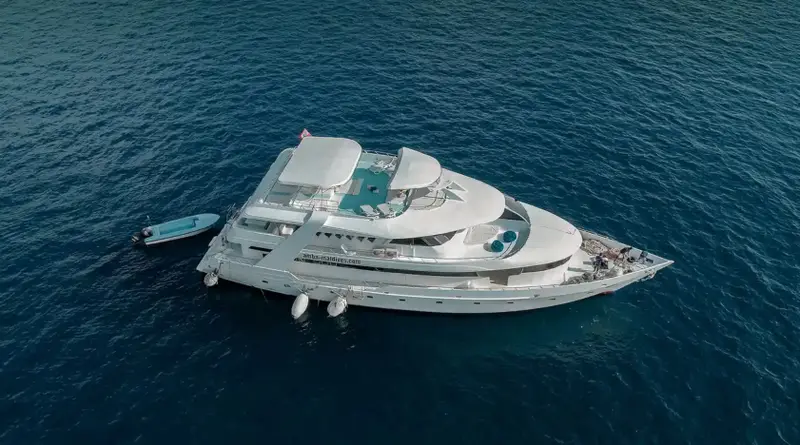
Amba
Maldives
20 guests
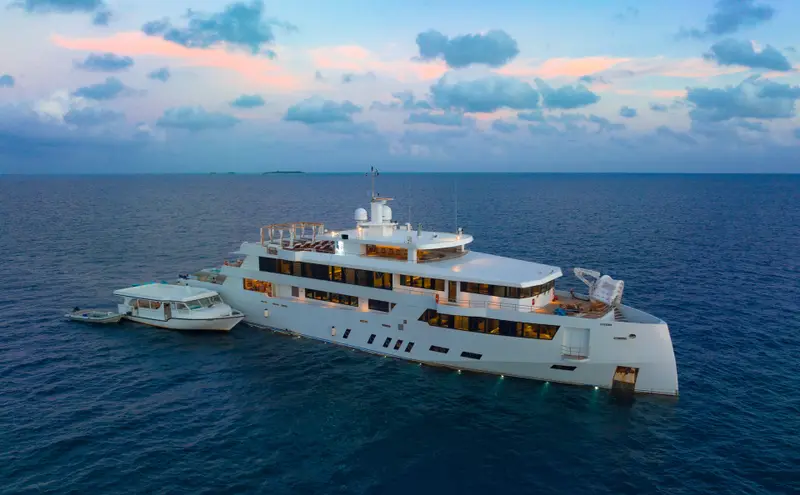
White Pearl
Maldives
26 guests
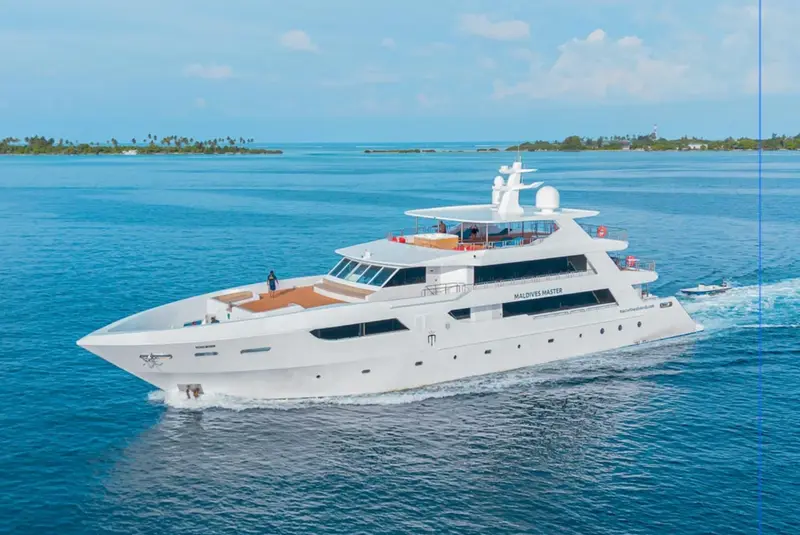
Maldives Master
Maldives
26 guests

Adora
Maldives
22 guests
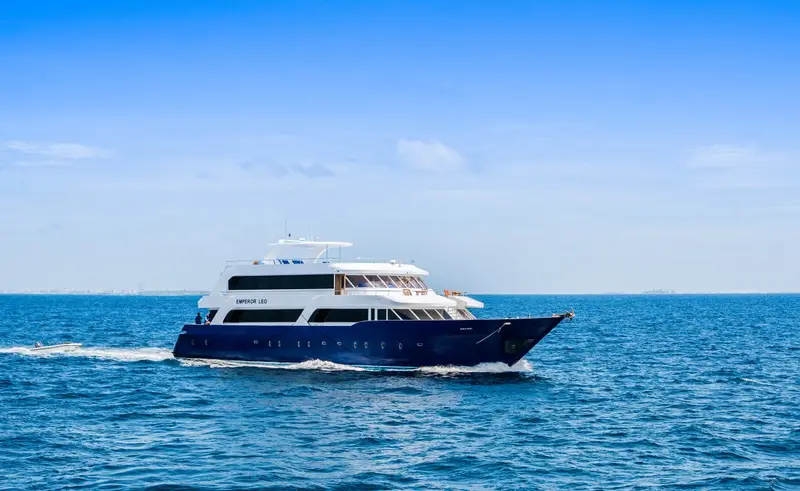
Emperor Leo
Maldives
24 guests35 m
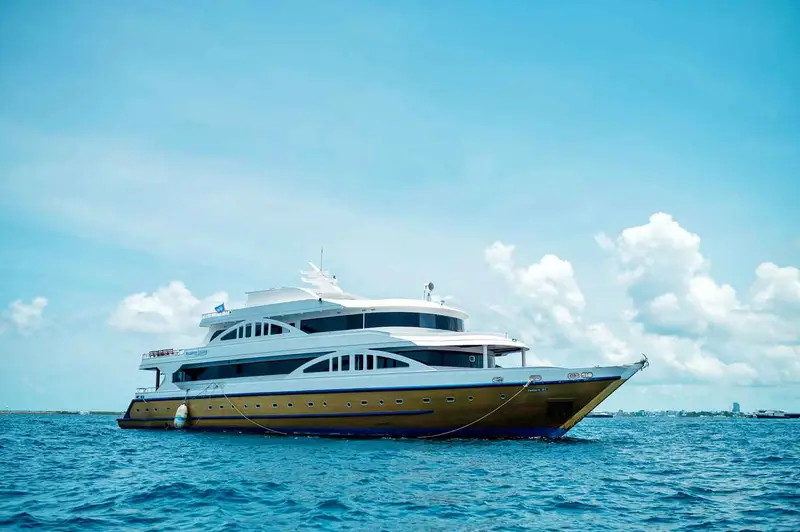
Maldives Legend Zen
Maldives
24 guests41 m
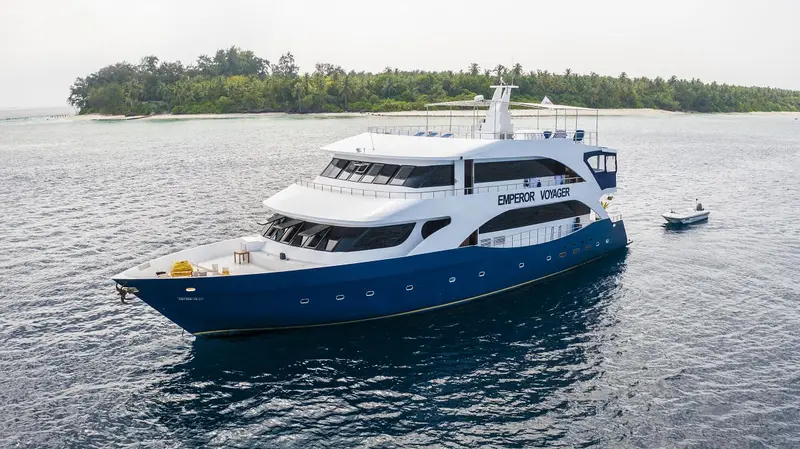
Emperor Voyager
Maldives
20 guests30 m
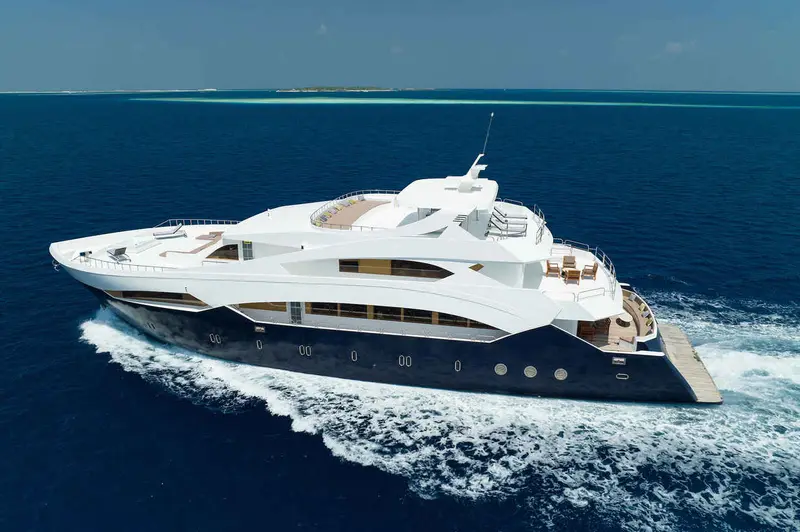
Felicity
Maldives
26 guests41 m
Dive sites similar to Addu Kandu
Same character, same waters, six more sites divers love for the exact same reasons.Compare seasons, access and liveaboard routes, then pick the site that fits your trip best.
© EsriMaxar, Earthstar, GIS
7th Heaven
Maldives
7th Heaven is a vibrant channel reef located in the South Ari Atoll of the Maldives.
- Suitable for
- Intermediate
- Current
- Strong
- Access
- Liveaboard only
- Depth
- 10–30 m
- Theme
- Reef / Drift
The dive site known as "Abyss" is not specifically mentioned or described in the provided sources.
- Suitable for
- Intermediate
- Current
- Moderate
- Access
- Liveaboard or dayboat
- Depth
- 18–50 m
- Theme
- Reef
© EsriMaxar, Earthstar, GIS
Aldabra Atoll
Seychelles
Aldabra Atoll, a remote UNESCO World Heritage Site in the Seychelles, offers an unparalleled diving experience that transports you back to a pristine, pre-industrial marine ecosystem.
- Suitable for
- Advanced
- Current
- Strong
- Access
- Liveaboard or dayboat
- Depth
- 5–40 m
- Theme
- Cave & cavern / Drift
© EsriMaxar, Earthstar, GIS
Aldebaran Wreck
Seychelles
The Aldebaran Wreck, a 28-meter (92-foot) fishing vessel, was intentionally sunk on July 11, 2008, by the Seychelles Tourism Board to create an artificial reef.
- Suitable for
- Advanced
- Current
- Moderate
- Access
- Liveaboard or dayboat
- Depth
- 28–40 m
- Theme
- Wreck
© EsriMaxar, Earthstar, GIS
Alimatha Jetty
Maldives
Alimatha Jetty, situated in the Vaavu Atoll beside the Alimatha Aquatic Resort's working pier, is celebrated as a premier night dive destination in the Maldives.
- Suitable for
- Beginner
- Current
- Moderate
- Access
- Liveaboard or dayboat
- Depth
- 2–12 m
- Theme
- Reef
© EsriMaxar, Earthstar, GIS
Alimatha Reef
Maldives
Alimatha Reef, located in the Central Atolls of the Maldives within Vaavu Atoll, is particularly renowned for its exceptional night diving experiences.
- Suitable for
- Intermediate
- Current
- Mild
- Access
- Liveaboard or dayboat
- Depth
- 1–13 m
- Theme
- —