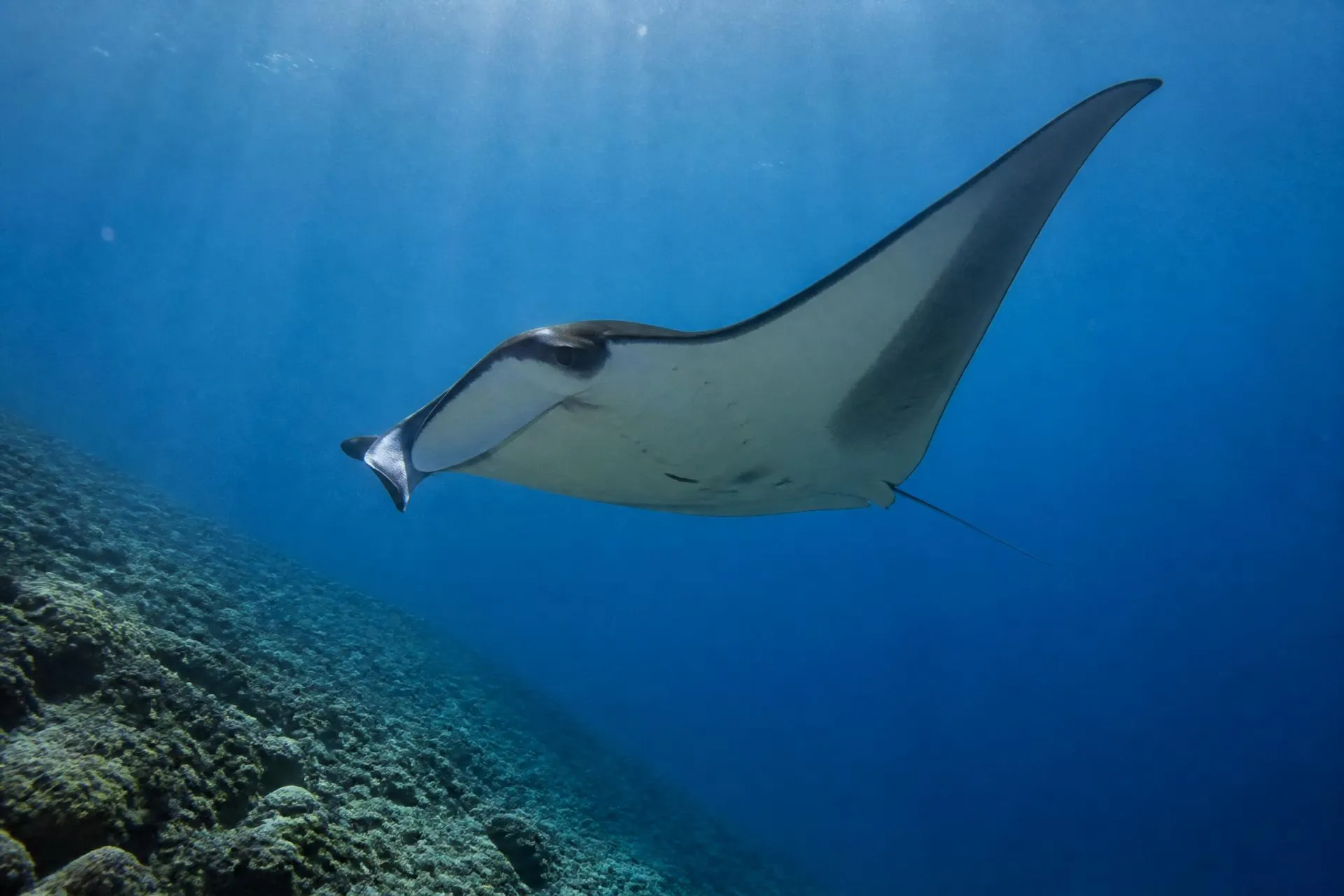
Dive Sites in the Indian Ocean
Channel dives, manta cleaning stations and whale shark crossings. Trust the currents to lead you to a dive you'll never forget.
Diving in the Indian Ocean
Countries
Diving countries in the Indian Ocean region
The Indian Ocean spans several diving countries, each with its own liveaboard routes and signature sites. Click a country to see every dive site we cover there and the boats that visit them.
Dive by type
Dive sites by type
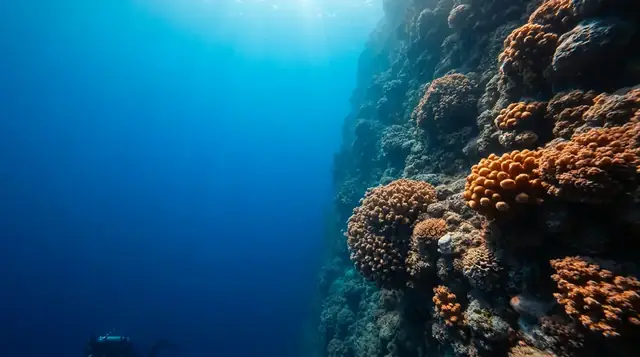
Wrecks, walls, drift dives, caves and pinnacles in the Indian Ocean, filter by the kind of diving you prefer. Each type links to a dedicated theme page with the best sites worldwide.
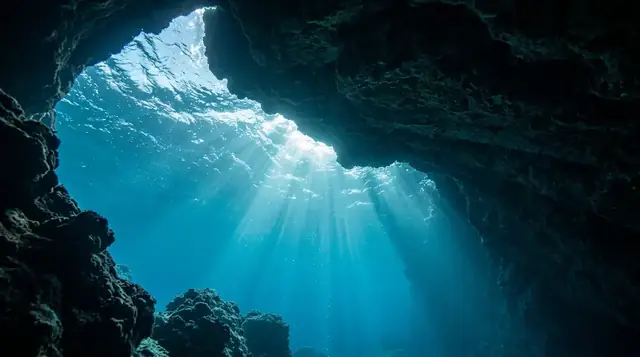
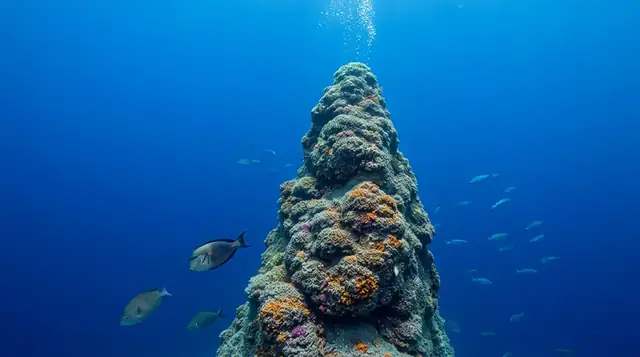
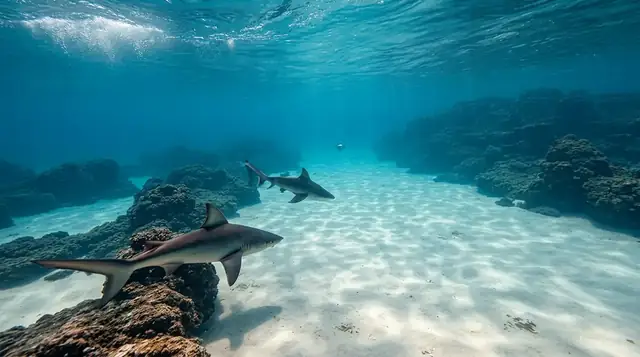
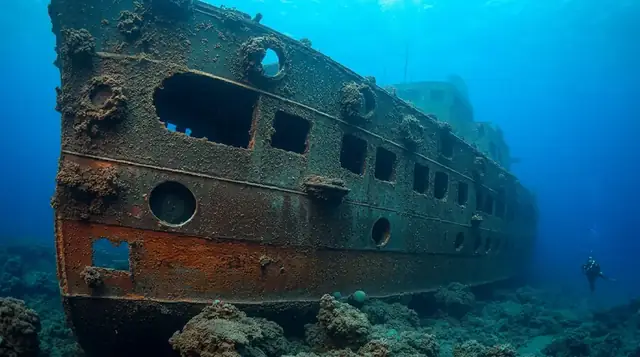
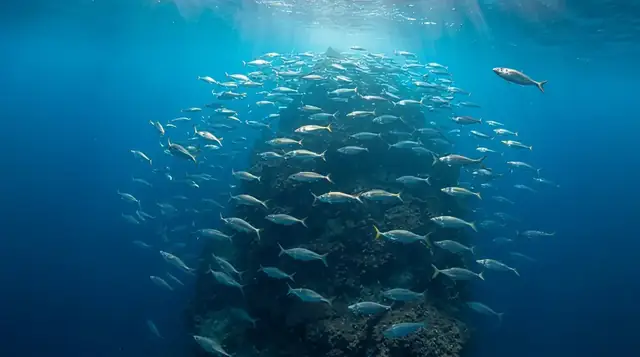
Marine life
Marine life highlights
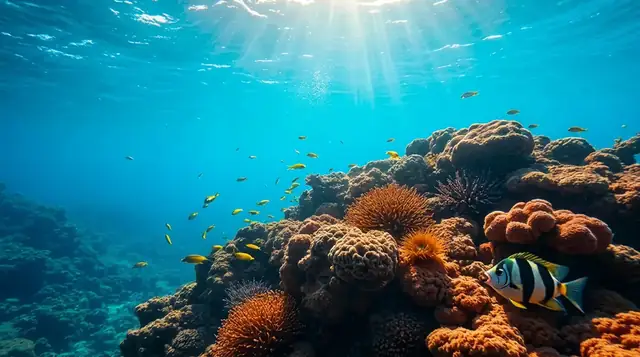
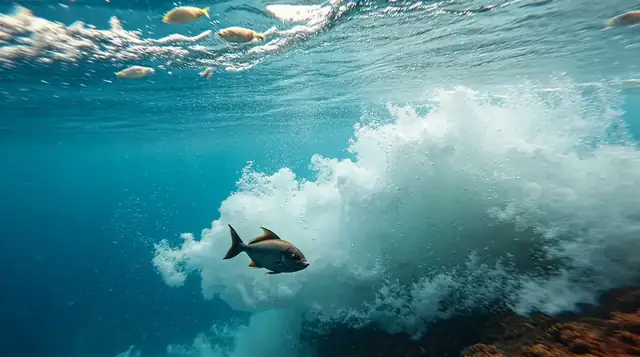
The animals that make diving in the Indian Ocean worth it: sharks, rays, turtles, pelagics and macro highlights logged on these sites. Choose a species to find the dive sites and liveaboards where you are most likely to see it.
Explore the sites
Dive sites in the Indian Ocean
Explore 202 dive sites in the Indian Ocean, from legendary wall dives and drift dives to coral gardens, wrecks and shark cleaning stations. Every site shows depth, current, access, marine life and the liveaboard itineraries that visit it, so you can compare and book the trip that matches your experience level.
202 dive sites
Christmas Island Drop-off
Australia
Christmas Island Drop-off refers to the dramatic wall diving characteristic of Christmas Island, an Australian territory situated in the Indian Ocean, approximately 2600 km off Western Australia.
- Suitable for
- Advanced
- Current
- Moderate
- Access
- Dayboat
- Depth
- 5–36 m
- Theme
- Wall / Drift
Aldabra Atoll
Seychelles
Aldabra Atoll, a remote UNESCO World Heritage Site in the Seychelles, offers an unparalleled diving experience that transports you back to a pristine, pre-industrial marine ecosystem.
- Suitable for
- Advanced
- Current
- Strong
- Access
- Liveaboard or dayboat
- Depth
- 5–40 m
- Theme
- Cave & cavern / Drift
Maaya Thila
Maldives
Maaya Thila, a protected Marine Reserve located in the North Ari Atoll of the Maldives, is a prominent pinnacle dive site.
- Suitable for
- Advanced
- Current
- Strong
- Access
- Liveaboard or dayboat
- Depth
- 6–30 m
- Theme
- Drift / Cave & cavern
Navy Pier, situated near Exmouth in Western Australia, stands as a premier shore dive often regarded among the world's best.
- Suitable for
- Advanced
- Current
- Strong
- Access
- Shore / dayboat
- Depth
- 3–15 m
- Theme
- Reef
Conditions & practicalities
Diving in the Indian Ocean: seasons, conditions and logistics
202 dive sites in the Indian Ocean, here is what the season data says about the best months, water temperature, visibility and currents, plus how divers usually get there and which fees to budget for.
- Best months
- Mar–Nov
- Water temperature
- 23–30 °C
- Visibility
- 10–35 m
- Currents
- Mild, Most reefs can be dived without drift skills; water only picks up around channels and exposed corners. Newly certified divers with decent buoyancy are comfortable here.
- Getting there
- Most divers fly into the nearest international airport and continue by transfer or domestic flight to the departure port; liveaboards usually leave the evening before day one.
- Permits & fees
- Marine park fees, port taxes and nitrox are rarely included in the trip price, budget a few hundred dollars extra and check the visa rules before booking.
FAQ
Diving in the Indian Ocean: your questions
When is the best time to dive in the Indian Ocean?
How good is the visibility in the Indian Ocean?
How strong are the currents and which level do I need in the Indian Ocean?
Do I need a liveaboard to dive in the Indian Ocean?
How many dive sites are there in the Indian Ocean and where are they?

Ready to dive these sites?
Choose a destination or search every available vessel to find the liveaboard that dives the sites you want to see.