About Huvadhoo Kandu South (Gaafu Dhaalu)
Huvadhoo Kandu South, part of the vast Huvadhoo Atoll (also known as Suvadiva), offers some of the most thrilling and untouched diving experiences in the Maldives. Located in Gaafu Dhaalu, this area is distinguished by its deep, current-swept channels that act as highways for large pelagic species. Unlike the calmer inner atoll reefs, Huvadhoo Kandu South's outer reef channels promise dynamic encounters, making it a bucket-list destination for experienced divers seeking intense shark action and vibrant coral ecosystems. The atoll's remote position, far from more developed regions, has preserved its natural beauty. While the inner lagoon features thriving coral islets and calm conditions, the outer channels are where the true spectacle unfolds. Depths typically range from 5 to 30 meters, with visibility often extending 15 to 30 meters, showcasing impressive table corals, staghorns, and soft corals like sea fans that thrive in these nutrient-rich waters. Divers here can expect to encounter an incredible array of marine life, particularly a high density of sharks. The channels are patrolled by grey reef sharks, whitetip reef sharks, and oceanic blacktips, with occasional sightings of hammerheads, thresher sharks, and even spinner sharks. Beyond sharks, schools of bigeye trevally, tuna, snapper, and oriental sweetlips are common, alongside nesting sea turtles and various rays. The region is especially renowned for its consistent pelagic action, driven by strong currents that funnel nutrients and attract a diverse food chain. Diving Huvadhoo Kandu South typically involves drift dives through these channels, requiring divers to be comfortable with negative entries and deploying SMBs. Liveaboards are the primary way to access these remote sites, often combining them into itineraries that explore the broader southern atolls. The experience is tailored for advanced divers due to the challenging conditions, but the rewards are unparalleled encounters with the Maldives' mos
Highlights
World-class channel divingHigh density of sharksPristine coral ecosystemsExhilarating drift divesAbundant pelagic encountersRemote, untouched atoll
Season calendar
Best months to dive here
Jan
Feb
Mar
Apr
May
Jun
Jul
Aug
Sep
Oct
Nov
Dec
Excellent
Good
Aug – Sep & Nov – Apr (NE Monsoon)
Best visibility up to 40m, calm seas, manta rays on the eastern atolls, whale sharks in South Ari Atoll.
May – Jul & Oct (Transition)
Changing conditions, good value, mantas moving between atolls, occasional rain showers.
Dive site facts: Huvadhoo Kandu South (Gaafu Dhaalu)
- Depth
- 5–30 m
- Typical dive
- 15–25 m, 45–60 min
- Current
- Moderate to strong, often unpredictable
- Visibility
- 15–30 m
- Water temperature
- 26–29°C (can drop to 24°C)
- Entry
- Liveaboard / negative entry
- Level
- Advanced Open Water (minimum 50 logged dives, current experience required)
- Dive type
- Channel, drift, pelagic, shark
- Night dive
- Possible in calmer areas
- Region / port
- Gaafu Dhaalu Atoll (Southern Huvadhoo)
- Coordinates
- 0.328, 73.075
Conditions & Currents
Diving in Huvadhoo Kandu South is characterized by strong and often unpredictable currents, typical of the Maldivian southern atolls. These currents are the primary draw, funneling nutrients through the channels and attracting a high density of pelagic life, including numerous shark species. Divers should expect drift dives and must be comfortable with negative entries to quickly descend and manage the currents effectively. Surface conditions can also be choppy, especially during the southwest monsoon, which can impact visibility and create surge near reef edges. Visibility typically ranges from 15 to 30 meters but can fluctuate with plankton blooms. Divers must be highly experienced in current diving, capable of independent buddy team diving, and proficient in deploying an SMB underwater, as dive guides may not always be able to intervene in strong currents. Water temperatures remain wa
Marine life & sighting chances

Grey reef shark
Year-round · common
Whitetip reef shark
Year-round · common
Oceanic blacktip shark
Year-round · occasional
Hammerhead shark
rare
Thresher shark
rare
Spinner shark
rare
Giant trevally
Year-round · common
Tuna
Year-round · common
Snapper
Year-round · common
Oriental sweetlips
Year-round · common
Sea turtle
Year-round · occasional
Eagle ray
Year-round · occasionalDive profile & how the dive runs
Dives at Huvadhoo Kandu South typically involve a negative entry directly into the channel to quickly descend past the strongest surface currents. The exact entry point depends on the prevailing current direction, with the goal of crossing the channel mouth or drifting along its edge. Divers often drop to depths of 25-30 meters along the channel floor or outer reef walls, where pelagic life is most active. The dive progresses as a drift, allowing the current to carry divers along the reef, observing sharks and schooling fish. Turnaround points are determined by air consumption and no-decompression limits, often dictated by the current's flow towards a calmer inner channel area or an outer reef corner. Safety stops are performed in mid-water as the current lessens, or by finding shelter behind a reef section, ensuring careful monitoring of depth and time before a controlled ascent.
Underwater photography
Huvadhoo Kandu South is a prime location for wide-angle photography, focusing on its abundant shark populations and expansive schools of pelagic fish. A fisheye or wide-angle lens (e.g., 10-17mm or 16-35mm equivalent) is essential to capture the sheer scale of the marine action. Strobes are highly recommended to bring out the vibrant colors of the healthy corals and marine life against the clear blue water. Due to strong currents, fast shutter speeds and precise buoyancy control are crucial to maintain position and avoid blurry shots. Consider using a reef hook to steady yourself for stationary shots, but always ensure minimal environmental impact. Capturing the dynamic interactions between sharks and other large marine animals will be the highlight, so be ready for quick compositional changes.
Combine with nearby dive sites
- Villingili Kandu (Gaafu Alifu)
Known for shark encounters in the atoll's northeast.
- Kooddoo Corner (Gaafu Alifu)
Another channel dive in the northern part of Huvadhoo Atoll.
- Nilandhoo Kandu (Faafu)
A favorite for shark diving in the atoll's northeast.
- Gemanafushi Outside (Gaafu Dhaalu)
An outer reef site in Gaafu Dhaalu with potential pelagic sightings.
Getting there & logistics
Access to Huvadhoo Kandu South and the wider Huvadhoo Atoll is primarily via liveaboard, departing from Kooddoo Airport (GKK) in Gaafu Alifu. Kooddoo Airport is accessible by domestic flights from Malé (MLE), with direct flights taking around 1 hour and 5 minutes. Liveaboards typically offer 7 to 10-night itineraries, focusing on the southern atolls. Guests should arrange flights to arrive in Kooddoo the day before embarkation or no later than 13:00 on the embarkation day, as transfers to the liveaboard are usually coordinated. Transfers from hotels are generally not arranged by liveaboard operators, so divers staying at resorts need to plan their own transport to the airport. Dive permits are typically included in liveaboard packages, with no additional park fees common for this region.
Safety & environment
Diving in Huvadhoo Kandu South and the southern atolls demands a high level of preparedness due to challenging conditions. Strong and unpredictable currents are common, necessitating excellent buoyancy control, comfort with drift dives, negative entries, and the ability to deploy an SMB underwater. Divers must carry a dive computer, an SMB, and a reel on every dive. There are no hyperbaric chambers in the southern atolls; the closest is at Kandima Maldives Resort in Dhaalu Atoll, or further afield at Bandos Island, ADK Hospital in Malé, Kuredu, or Kuramathi. Emergency evacuation to a recompression chamber would require speedboat transfer, which must be paid for at the time. Therefore, comprehensive dive insurance covering emergency evacuation and recompression chamber costs is mandatory and critical for all divers.
Who it suits — and who it doesn't
Suited for
- Advanced Open Water divers with current experience
- Photographers seeking wide-angle pelagic action
- Divers comfortable with drift and negative entries
- Those looking for high-adrenaline shark encounters
- Liveaboard enthusiasts exploring remote atolls
Less suited for
- Entry-level or novice divers
- Divers uncomfortable with strong currents
- Those without recent drift diving experience
- Individuals prone to seasickness on choppy waters
- Divers without comprehensive dive insurance
FAQ
Huvadhoo Kandu South (Gaafu Dhaalu) FAQ
What marine life can I expect at Huvadhoo Kandu South?
Huvadhoo Kandu South is renowned for its abundant pelagic life, especially sharks. You can commonly expect to see grey reef sharks, whitetip reef sharks, and large schools of trevally, tuna, and snapper. Occasional sightings of oceanic blacktips, eagle rays, and even rare hammerhead or thresher sharks are possible, making every dive an exciting adventure.
What are the diving conditions like at Huvadhoo Kandu South?
Diving conditions are generally characterized by strong and sometimes unpredictable currents, especially within the channels. This makes it ideal for drift diving but requires divers to be experienced and comfortable with such conditions. Visibility is usually excellent, ranging from 15 to 30 meters, and water temperatures are consistently warm, typically between 26-29°C.
Is Huvadhoo Kandu South suitable for beginner divers?
No, Huvadhoo Kandu South is not suitable for beginner or entry-level divers. The strong, unpredictable currents and the requirement for negative entries and drift diving make it challenging. A minimum certification of Advanced Open Water with at least 50 logged dives and prior experience with current diving is mandatory to ensure diver safety and enjoyment.
How do I get to Huvadhoo Kandu South?
Huvadhoo Kandu South is best accessed via liveaboard trips operating in the southern atolls of the Maldives. Most liveaboards depart from Kooddoo Airport (GKK) in Gaafu Alifu, which is reachable by domestic flights from Malé (MLE). These itineraries typically last 7 to 10 nights and explore multiple dive sites within the Huvadhoo Atoll.
What essential gear should I bring for diving here?
For diving Huvadhoo Kandu South, essential gear includes a dive computer, an SMB (Surface Marker Buoy) with a reel, and a reef hook. Nitrox certification is highly recommended to extend bottom time, especially for multiple deep dives. A 3mm or 5mm full wetsuit is usually sufficient for the water temperatures, but additional thermal layers might be useful for those who get cold easily.
Why dive Huvadhoo Kandu South (Gaafu Dhaalu) from a liveaboard?
Huvadhoo Kandu South (Gaafu Dhaalu) is one of Maldives's signature dive sites. A liveaboard sleeps you on the water and puts you in the water for three to four guided dives per day, including dawn and night dives that day-boat operators rarely offer. You skip the daily commute back to port and reach quieter, less-crowded sites in the same region on a single trip.
Below are the liveaboards that include Huvadhoo Kandu South (Gaafu Dhaalu) on their Maldives itineraries.
Liveaboards diving Huvadhoo Kandu South (Gaafu Dhaalu)
These liveaboards may visit Huvadhoo Kandu South (Gaafu Dhaalu) on selected itineraries — the exact dive sites depend on departure, weather and conditions.
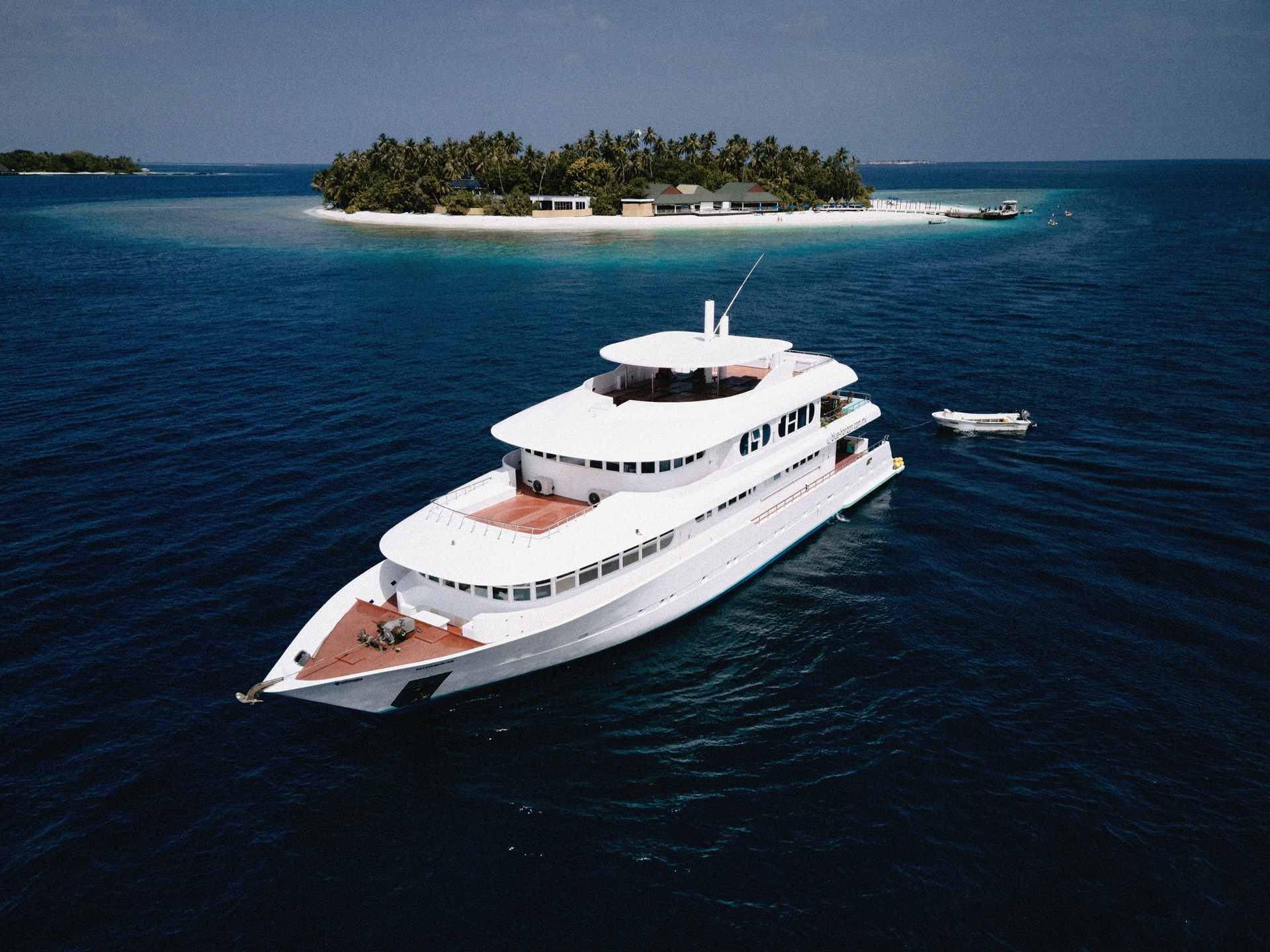
Horizon III
Maldives
25 guests
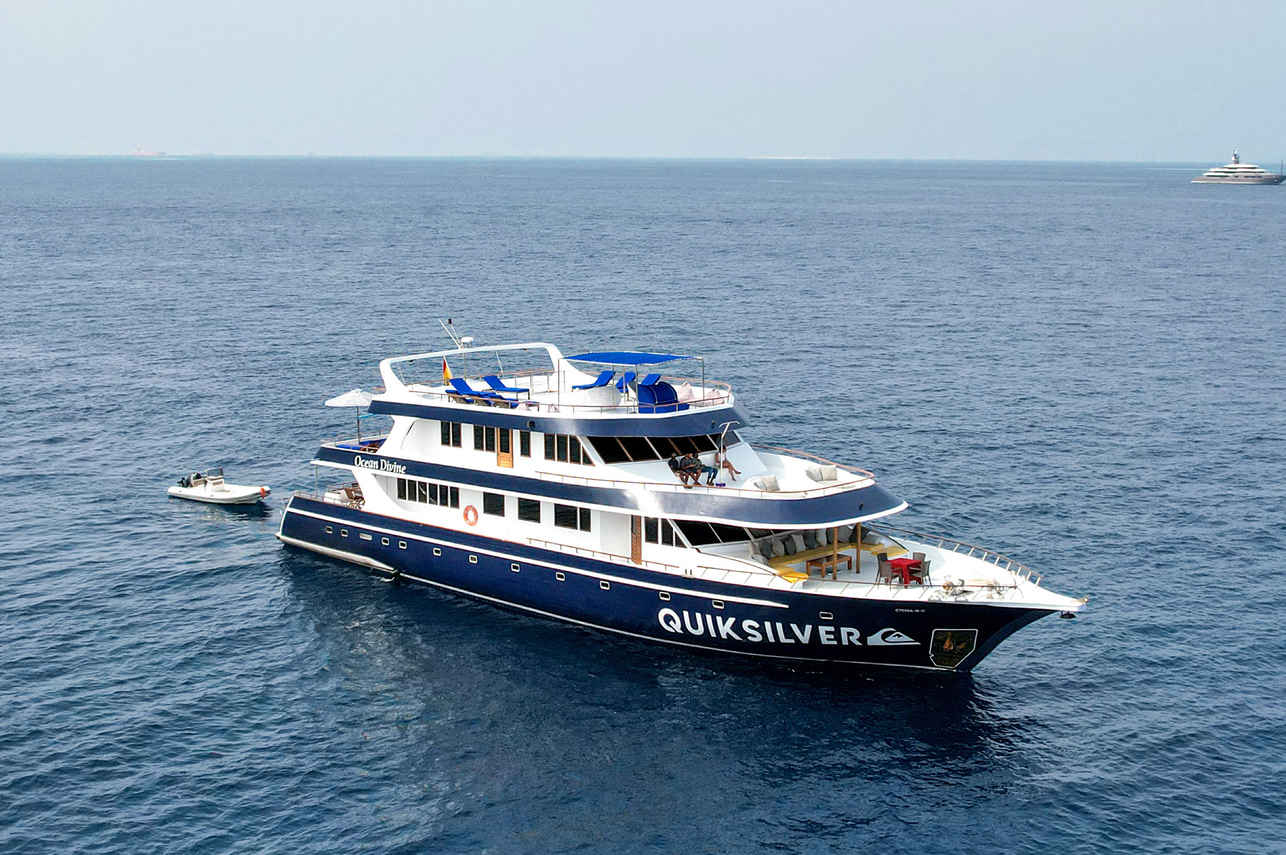
Ocean Divine
Maldives
16 guests34 m
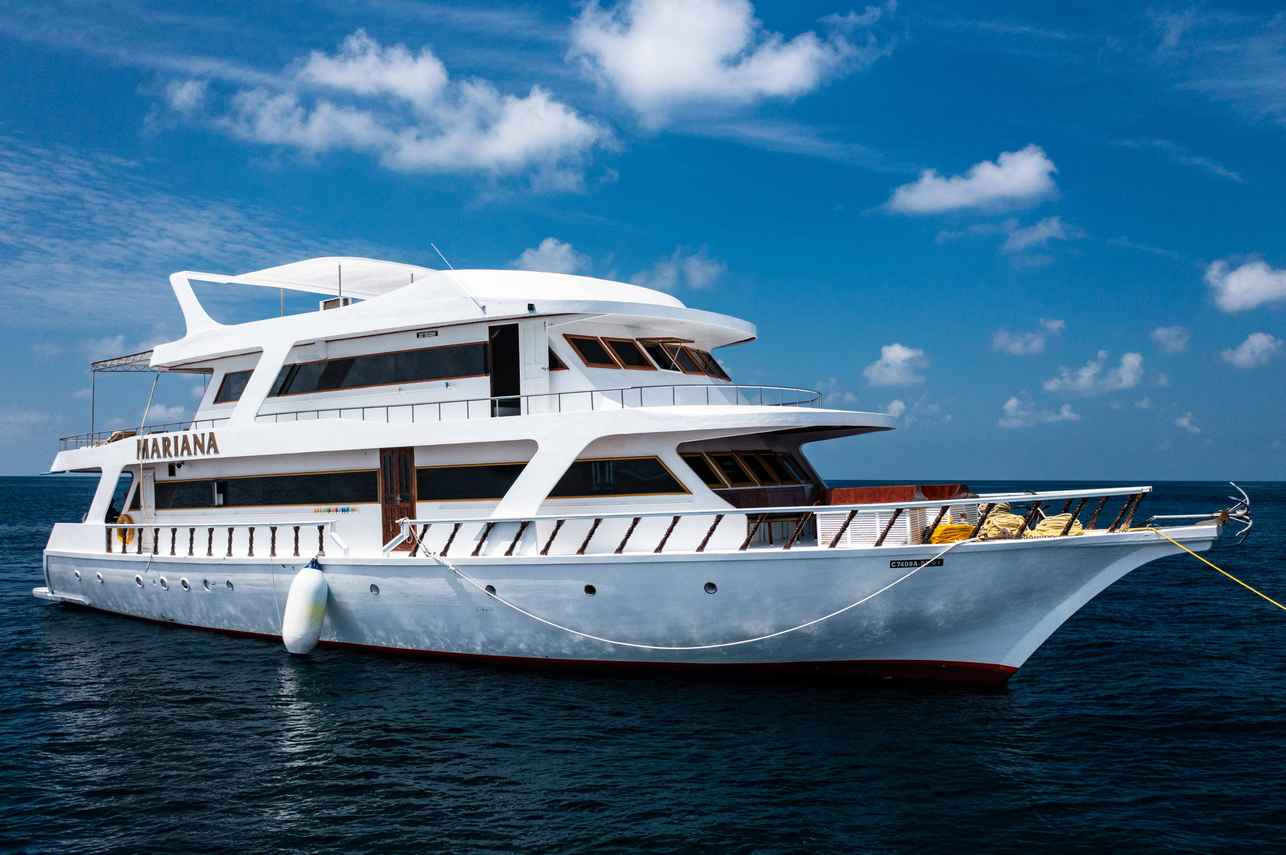
EcoPro Mariana
Maldives
16 guests30 m
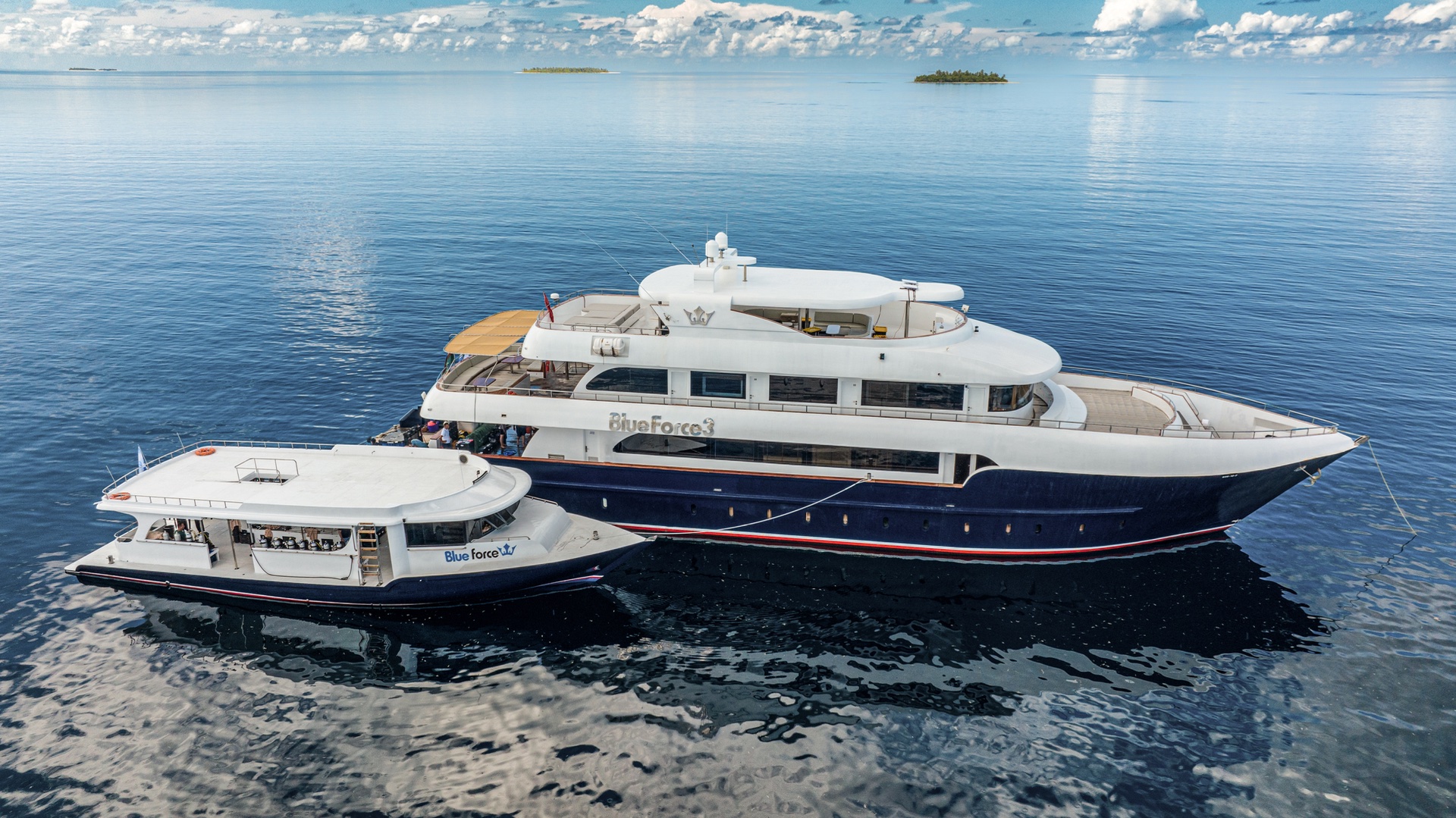
Maldives Blue Force 3
Maldives
26 guests42 m
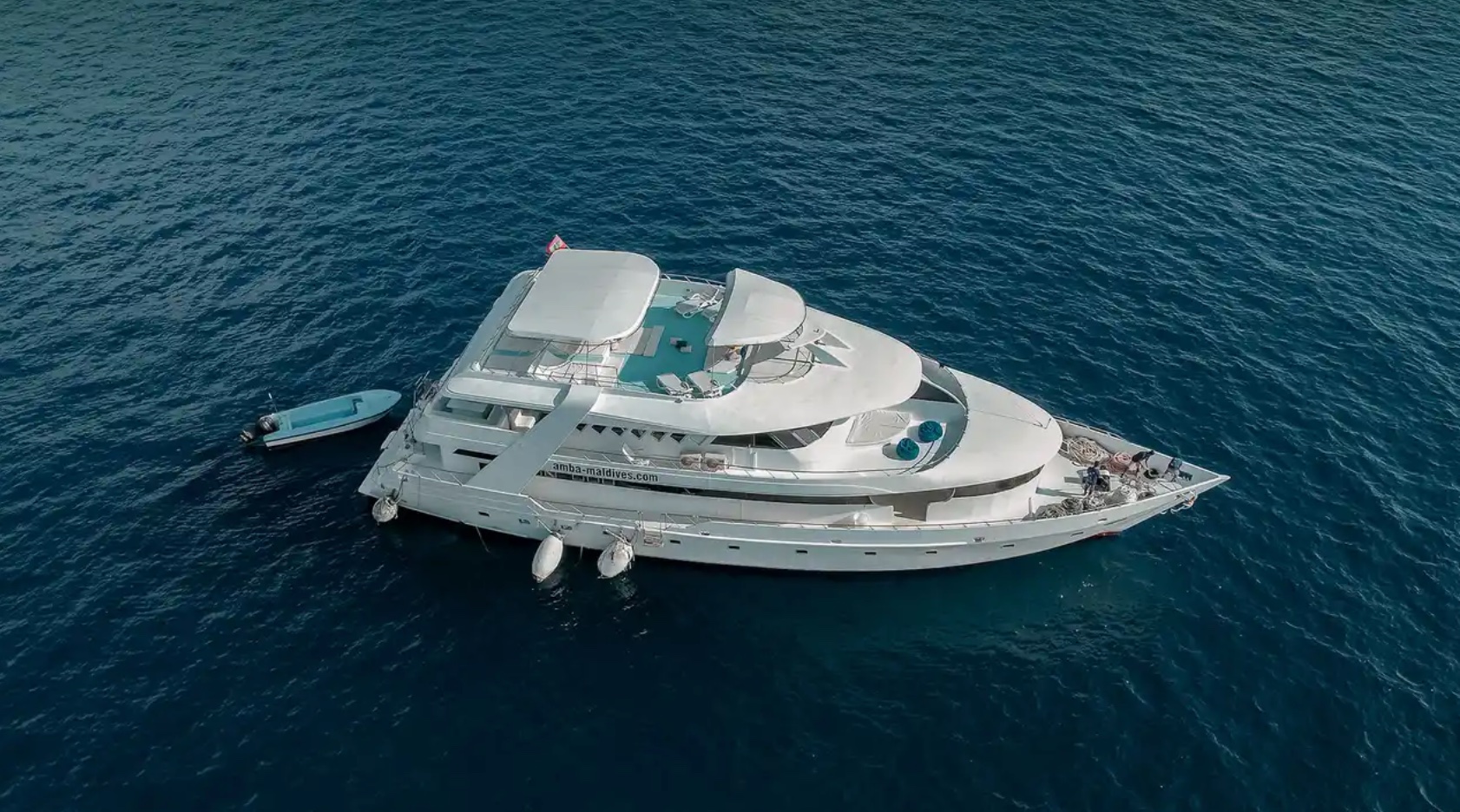
Amba
Maldives
20 guests
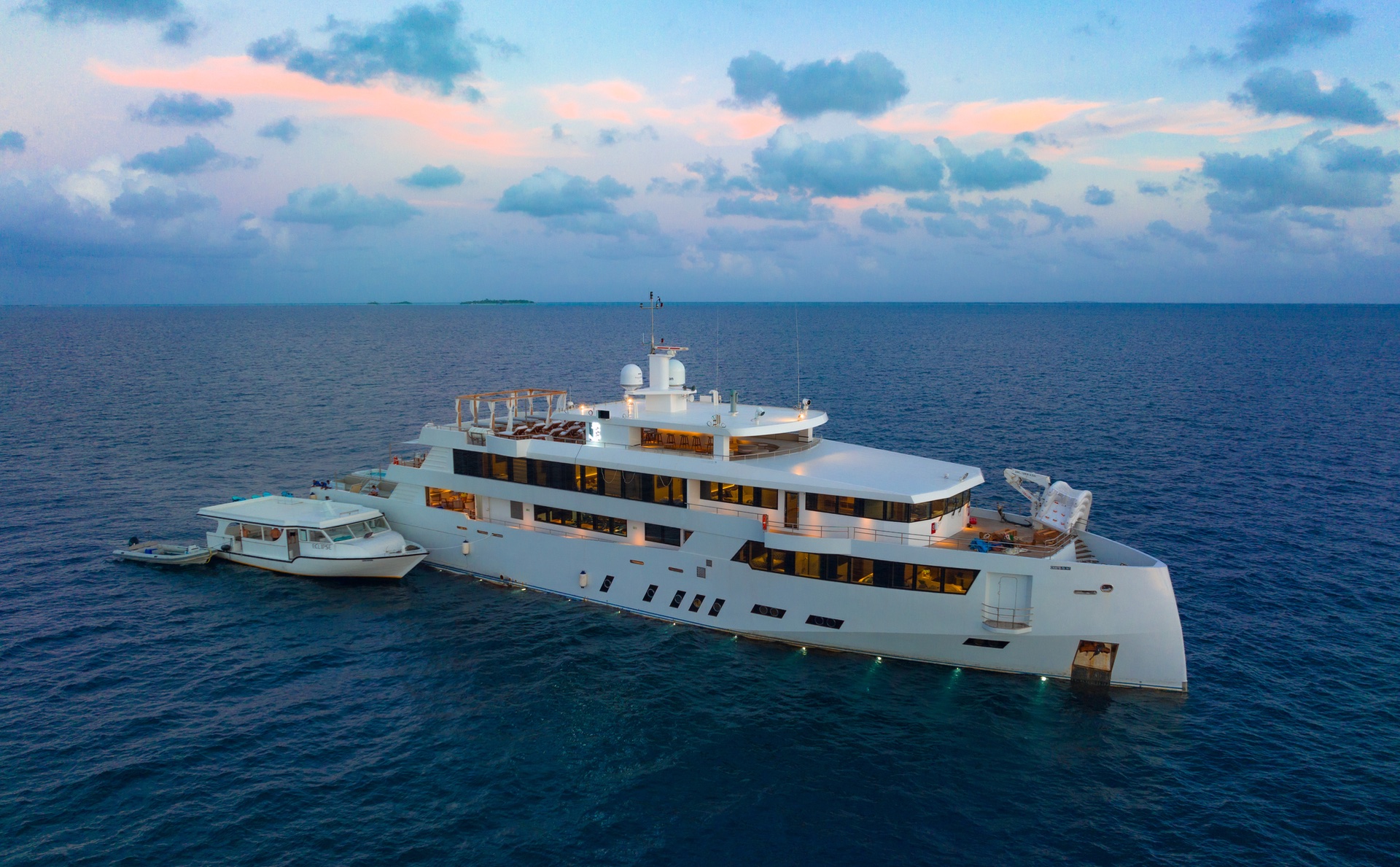
White Pearl
Maldives
26 guests
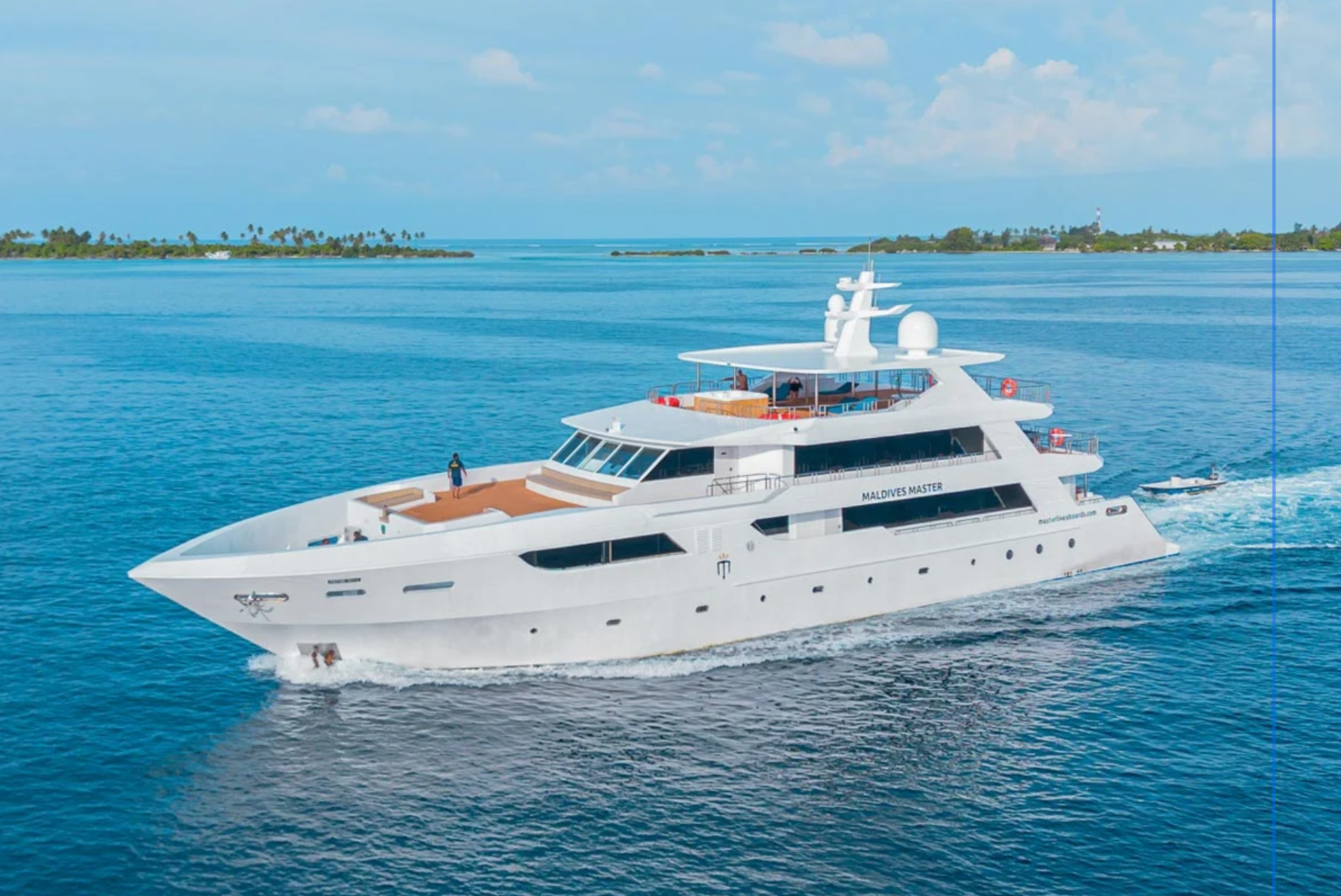
Maldives Master
Maldives
26 guests
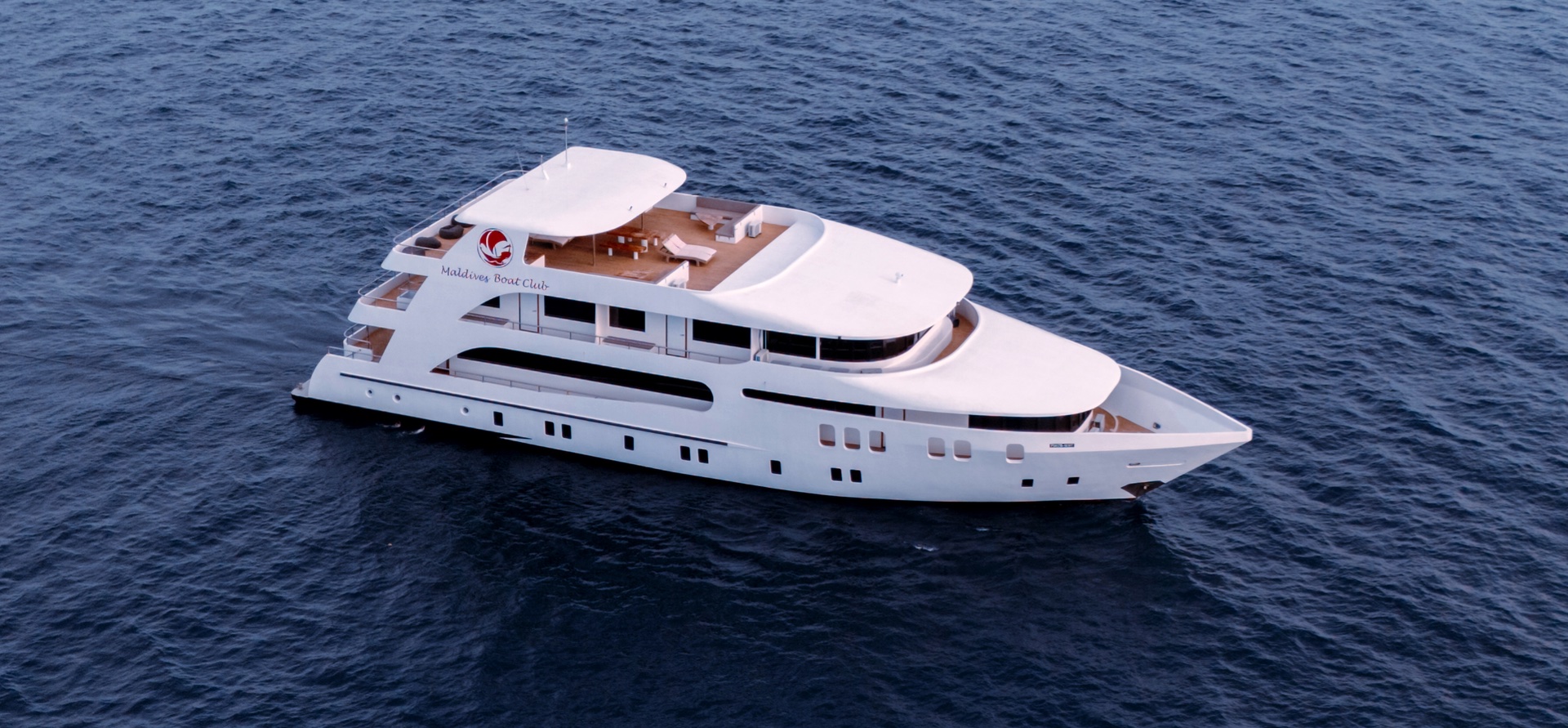
Adora
Maldives
22 guests
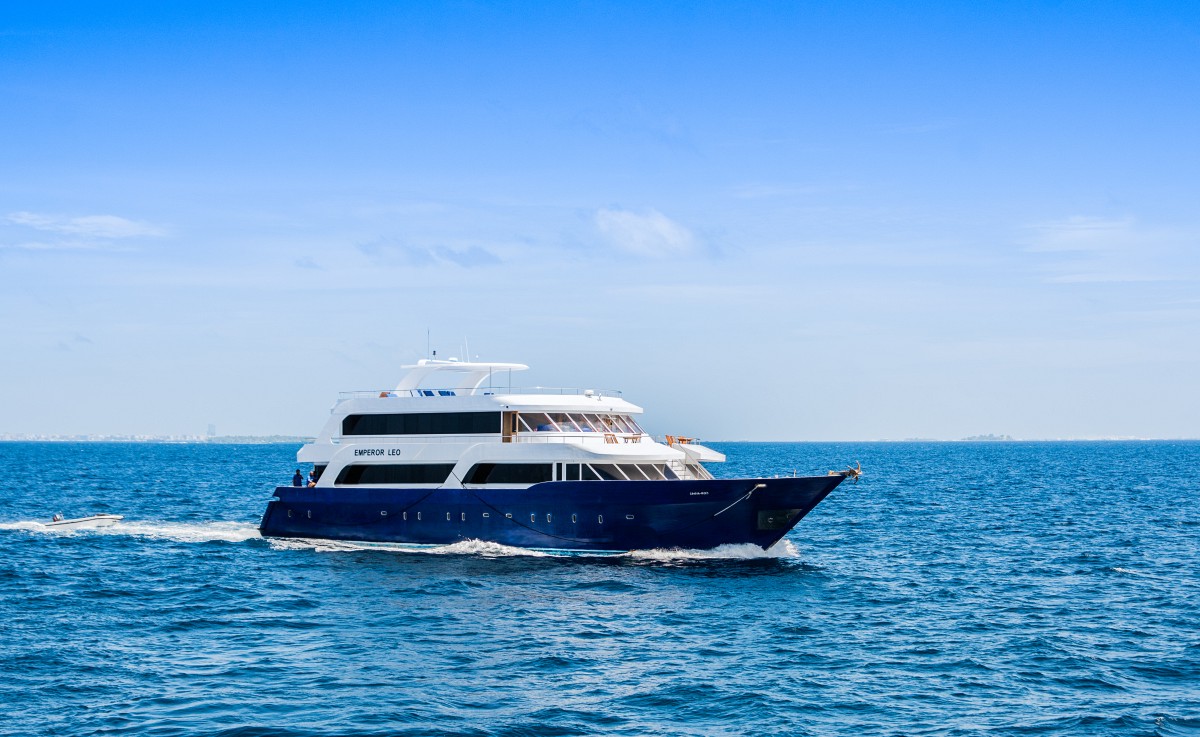
Emperor Leo
Maldives
24 guests35 m
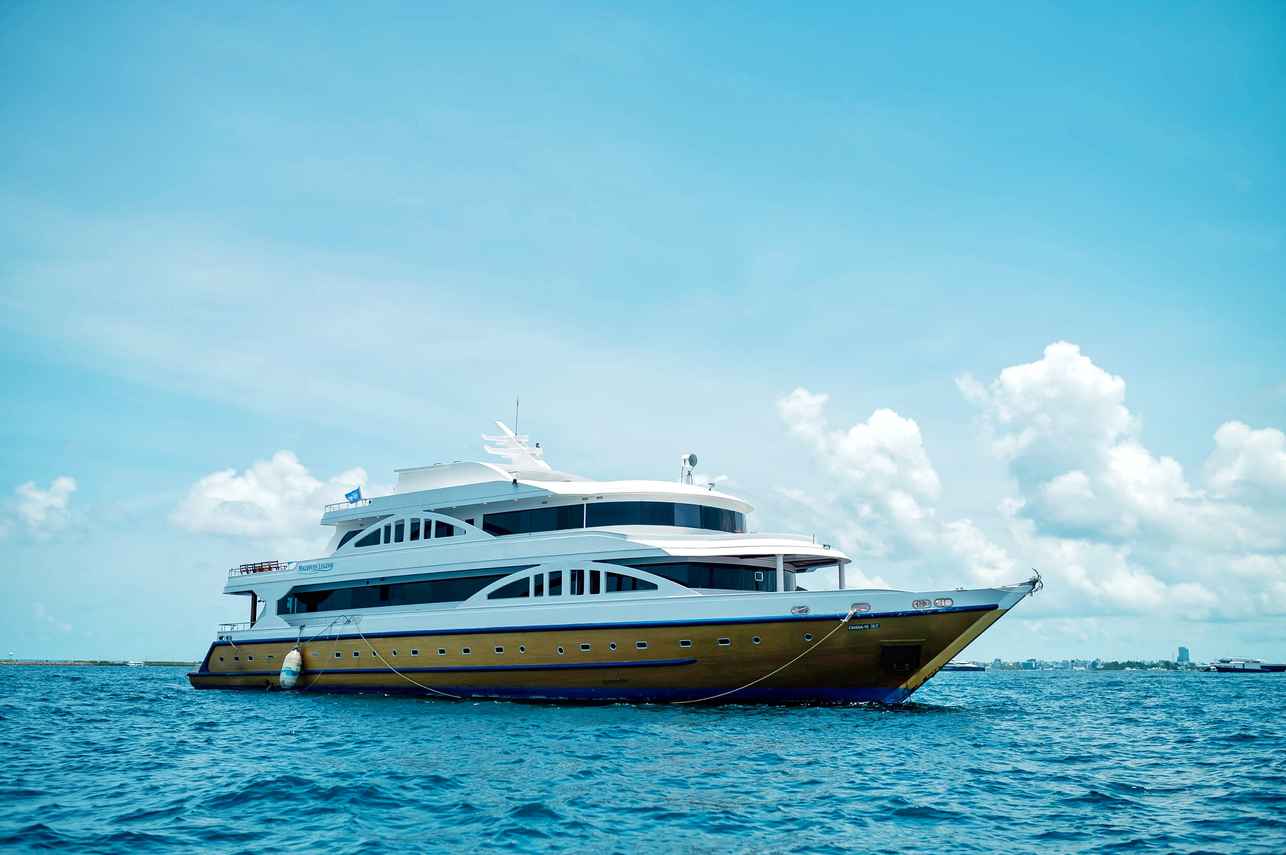
Maldives Legend Zen
Maldives
24 guests41 m
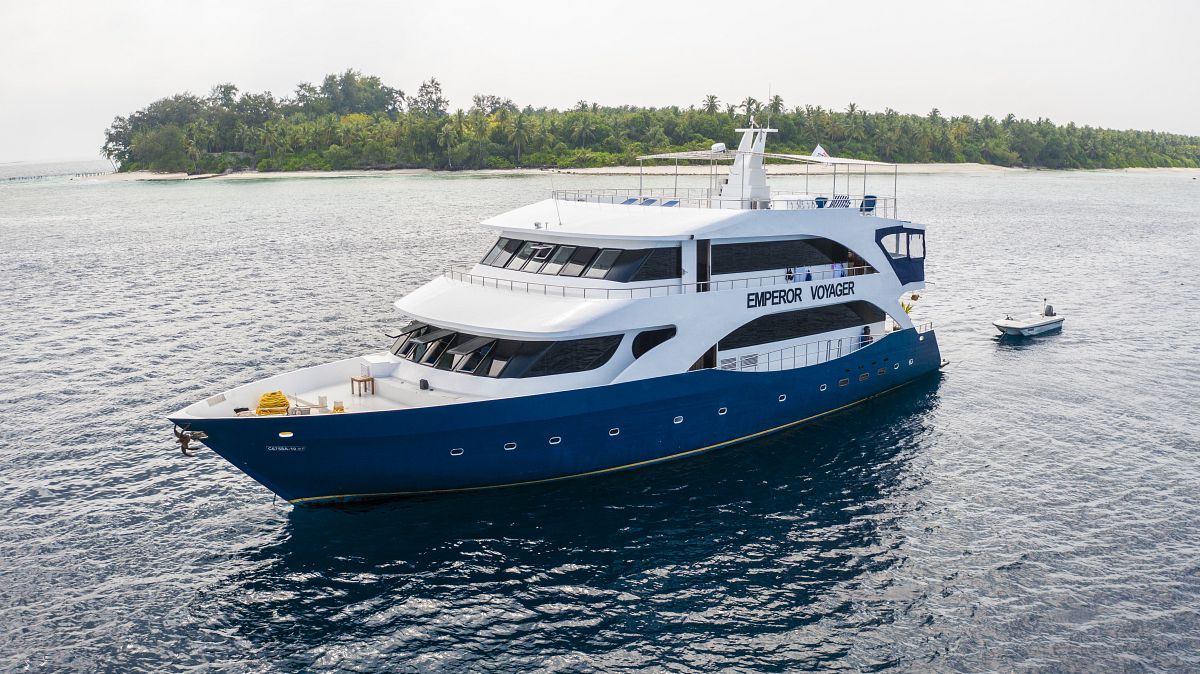
Emperor Voyager
Maldives
20 guests30 m
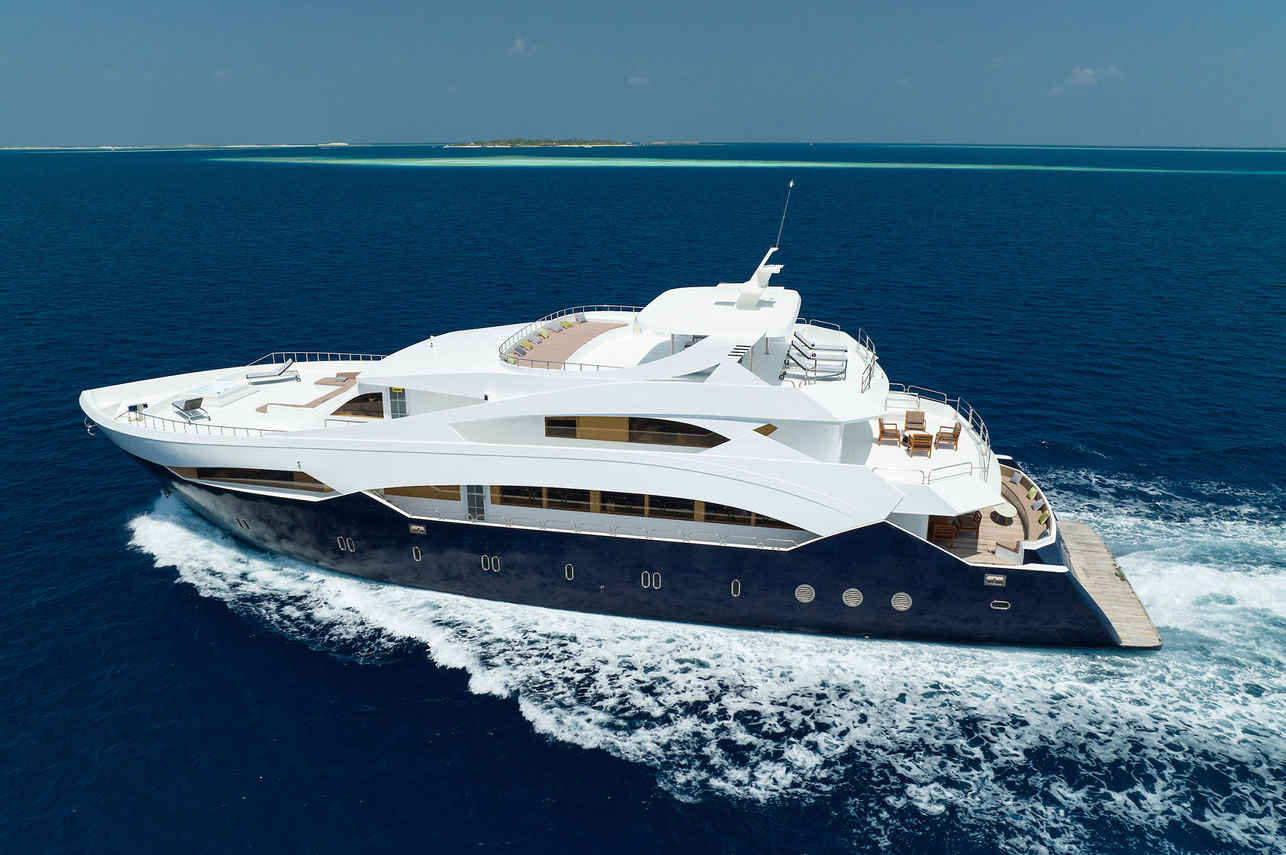
Felicity
Maldives
26 guests41 m
Dive sites similar to Huvadhoo Kandu South (Gaafu Dhaalu)
Same character, same waters — six more sites divers love for the exact same reasons.Compare seasons, access and liveaboard routes — then pick the site that fits your trip best.
© Esri — Maxar, Earthstar, GIS
7th Heaven
Maldives
7th Heaven is a vibrant channel reef located in the South Ari Atoll of the Maldives.
- Suitable for
- Intermediate
- Current
- Strong
- Access
- Liveaboard only
- Depth
- 10–30 m
- Theme
- Reef / Drift
The dive site known as "Abyss" is not specifically mentioned or described in the provided sources.
- Suitable for
- Intermediate
- Current
- Moderate
- Access
- Liveaboard or dayboat
- Depth
- 18–50 m
- Theme
- Reef
© Esri — Maxar, Earthstar, GIS
Addu Kandu
Maldives
Addu Kandu, also known as Addu Channel, is a significant natural waterway situated within the Addu Atoll, which is the southernmost atoll in the Maldives.
- Suitable for
- Advanced
- Current
- Strong
- Access
- Liveaboard only
- Depth
- 10–35 m
- Theme
- Drift
© Esri — Maxar, Earthstar, GIS
Aldabra Atoll
Seychelles
Aldabra Atoll, a remote UNESCO World Heritage Site in the Seychelles, offers an unparalleled diving experience that transports you back to a pristine, pre-industrial marine ecosystem.
- Suitable for
- Advanced
- Current
- Strong
- Access
- Liveaboard or dayboat
- Depth
- 5–40 m
- Theme
- Cave & cavern / Drift
© Esri — Maxar, Earthstar, GIS
Aldebaran Wreck
Seychelles
The Aldebaran Wreck, a 28-meter (92-foot) fishing vessel, was intentionally sunk on July 11, 2008, by the Seychelles Tourism Board to create an artificial reef.
- Suitable for
- Advanced
- Current
- Moderate
- Access
- Liveaboard or dayboat
- Depth
- 28–40 m
- Theme
- Wreck
© Esri — Maxar, Earthstar, GIS
Alimatha Jetty
Maldives
Alimatha Jetty, situated in the Vaavu Atoll beside the Alimatha Aquatic Resort's working pier, is celebrated as a premier night dive destination in the Maldives.
- Suitable for
- Beginner
- Current
- Moderate
- Access
- Liveaboard or dayboat
- Depth
- 2–12 m
- Theme
- Reef