About La Digue Channel
La Digue Channel, located near the island of La Digue in the Seychelles, offers a distinctive diving experience characterized by its rugged underwater granite formations and prolific marine life. This site is part of the inner islands, which are known for their dramatic landscapes both above and below the water, shaped by the Mascarene Plateau's submerged microcontinent. Divers here can navigate through a dynamic environment where oceanic currents play a significant role in attracting large pelagic species. The topography features dramatic granite boulders, arches, and swim-throughs, creating an intricate habitat for a diverse ecosystem. Depths typically range from shallow sections down to 30 meters, accommodating various dive profiles. The currents, which can be quite strong, sweep nutrients across the reefs, fostering healthy coral growth and drawing in a rich array of fish life, from colorful reef inhabitants to impressive schooling fish and occasional larger predators. While the inner islands generally have less pristine conditions compared to the remote outer atolls due to human impact, La Digue Channel still boasts remarkable biodiversity. You can anticipate frequent encounters with green and hawksbill turtles, various reef sharks, and schooling fish. The transition months of April-May and October-November often provide the best conditions, with excellent visibility and calm seas enhancing the experience. Diving La Digue Channel is typically conducted as a drift dive, utilizing the prevailing currents to traverse the site. This method allows divers to effortlessly observe the bustling marine activity and the expansive underwater scenery. Due to the potential for strong currents, it is often recommended for more experienced divers who are comfortable with drift diving techniques and managing dynamic underwater conditions.
Highlights
Dramatic granite formationsStrong current drift divesPelagic marine life encountersHealthy reef fish populationsUnique underwater archesFrequent turtle sightingsWhale shark season sightings
Season calendar
Best months to dive here
Jan
Feb
Mar
Apr
May
Jun
Jul
Aug
Sep
Oct
Nov
Dec
Excellent
Good
Dive site facts: La Digue Channel
- Depth
- 8–30 m
- Current
- Strong
- Visibility
- 15–35 m
- Water temperature
- 25–30°C
- Entry
- Negative entry
- Level
- Advanced, drift experience recommended
- Dive type
- Drift, pelagic, granite topography
- Night dive
- Possible (at nearby sites)
- Region / port
- Inner Islands, Seychelles
- Coordinates
- -4.35, 55.82
Conditions & Currents
La Digue Channel is renowned for its strong, consistent currents, which dictate a dynamic drift diving profile. Divers must be prepared for continuous movement, as the currents actively transport nutrients, attracting a wide range of pelagic species. Entry is typically a negative entry to quickly descend and avoid being swept away, with divers moving along the reef with the current. Exit strategies involve surface marker buoy deployment to signal the boat, which tracks the divers' drift. While currents are generally present, their strength can vary, influencing visibility and the types of marine life encountered. Visibility often ranges from 15-20 meters on average, but can improve significantly to 30 meters or more during the calm transition periods. There is no significant surge at depth, but surface conditions can be choppier depending on the monsoon. Thermal layers are not a common
Marine life & sighting chances

Whale shark
August–November · occasional
Green turtle
common
Hawksbill turtle
common
Whitetip reef shark
common
Eagle ray
occasional
Napoleon wrasse
occasional
Humphead parrotfish
occasional
Manta ray
rare
Octopus
occasional
Lionfish
occasional
Moray eel
common
Batfish
commonDive profile & how the dive runs
A typical drift dive at La Digue Channel begins with a negative entry, quickly descending to approximately 10-15 meters to catch the current and avoid surface sweep. Divers then allow the current to carry them along the granite rock formations and coral slopes, often maintaining a depth of 15-20 meters. The dive route explores the channels and deeper sections where pelagic activity is more prominent. Turn points are determined by air consumption and current strength, with the group generally continuing to drift until the planned end-of-dive signal. The safety stop is conducted while drifting, utilizing a deployed SMB to alert the surface vessel, which will follow the divers' trajectory for pickup.
Underwater photography
Capturing the dynamic environment of La Digue Channel requires specific photographic considerations, especially given the strong currents. A wide-angle lens is ideal for showcasing the impressive granite topography and schooling pelagic fish, while a macro lens might be challenging due to the constant movement. Strong strobes are essential to bring out the vibrant colors of corals and reef fish, compensating for any potential loss of color at depth or in slightly reduced visibility. Divers should prioritize excellent buoyancy control to maintain position and avoid contact with the reef, especially when framing shots. Be mindful of not getting separated from your buddy or the group while focusing on a subject, and always respect marine life by maintaining a respectful distance.
Combine with nearby dive sites
- Île Cocos Marine Park
Known for abundant marine life and shallow diving ideal for all levels.
- Marianne Island
Offers unique topography with caves and pinnacles, home to various shark species.
- Channel Rocks
Another site known for pelagic encounters in strong currents.
- Curieuse Marine Park
Famous for its population of giant tortoises and diverse dive sites.
- Ave Maria (Praslin)
A shallow site with granite substrate, popular for moray eels and large parrotfish.
Getting there & logistics
Access to La Digue Channel typically involves travel to Seychelles International Airport (SEZ) on Mahé, the main international gateway. From Mahé, divers take inter-island flights or high-speed ferries to La Digue. Most liveaboards depart from Victoria harbour on Mahé and include La Digue Channel as part of their Inner Islands itinerary. Day trips from La Digue are also common. Trip lengths vary, but liveaboards often run for 7 to 10 days, combining multiple Inner Island sites. No specific permits beyond a general visitor's permit (issued on arrival) are usually required for diving, but dive operators often manage any necessary marine park fees.
Safety & environment
Diving La Digue Channel, particularly with its strong currents, requires adherence to stringent safety protocols. All divers should have appropriate insurance that covers recreational diving and potential medical evacuations. The nearest recompression chamber is located on Mahé, necessitating a boat transfer and potentially an inter-island flight, which can take several hours depending on location and availability. Site-specific hazards include unpredictable current shifts and the potential for separation from the group, underscoring the importance of proficient drift diving skills, clear communication, and carrying an SMB. Divers must stay close to their buddy and follow the dive guide's instructions precisely, especially regarding entry, descent, and ascent procedures.
Who it suits — and who it doesn't
Suited for
- Advanced divers with drift experience
- Photographers seeking pelagic action
- Divers comfortable with strong currents
- Marine life enthusiasts targeting sharks and turtles
- Those who appreciate dramatic underwater topography
Less suited for
- Beginner divers or those without drift training
- Divers uncomfortable in strong currents
- Individuals with poor buoyancy control
- Anyone prone to seasickness in choppy conditions
- Divers seeking purely sheltered, calm reef dives
FAQ
La Digue Channel FAQ
What kind of currents can I expect at La Digue Channel?
La Digue Channel is known for its strong and often unpredictable currents. These currents are a key feature of the dive, facilitating dynamic drift dives that carry you along the underwater landscape. Divers should be proficient in drift diving techniques and comfortable with varying current intensities to safely enjoy this site.
What marine life is commonly seen at La Digue Channel?
Divers frequently encounter green and hawksbill turtles, whitetip reef sharks, and various schooling fish like batfish. Due to the currents bringing in nutrients, there's a good chance of spotting larger pelagic species, and during the whale shark season from August to November, sightings become more likely.
Is La Digue Channel suitable for beginner divers?
La Digue Channel is generally not recommended for beginner divers due to its strong currents. It is best suited for advanced divers who have experience with drift diving and possess excellent buoyancy control. Beginners might find the conditions challenging and less enjoyable.
What is the underwater topography like at this dive site?
The underwater topography of La Digue Channel is characterized by impressive granite formations, including large boulders, swim-throughs, and arches. These structures create a dramatic and intricate environment that provides diverse habitats for marine life and offers stunning visual interest for divers.
When is the best visibility at La Digue Channel?
The best visibility at La Digue Channel occurs during the transition months, specifically April to May and October to November. During these periods, the seas are calmer, and visibility can extend up to 25-35 meters, offering clearer views of the vibrant marine life and stunning rock formations.
How do liveaboards incorporate La Digue Channel into their itineraries?
Liveaboards typically include La Digue Channel as a highlight of their Inner Islands itineraries. These trips often depart from Victoria harbour on Mahé and combine this site with other notable dives around Mahé, Praslin, and La Digue over a 7- to 10-day period. This allows divers to experience a variety of sites within the region.
Why dive La Digue Channel from a liveaboard?
La Digue Channel is one of Seychelles's signature dive sites. A liveaboard sleeps you on the water and puts you in the water for three to four guided dives per day, including dawn and night dives that day-boat operators rarely offer. You skip the daily commute back to port and reach quieter, less-crowded sites in the same region on a single trip.
Below are the liveaboards that include La Digue Channel on their Seychelles itineraries.
Liveaboards diving La Digue Channel
These liveaboards may visit La Digue Channel on selected itineraries — the exact dive sites depend on departure, weather and conditions.
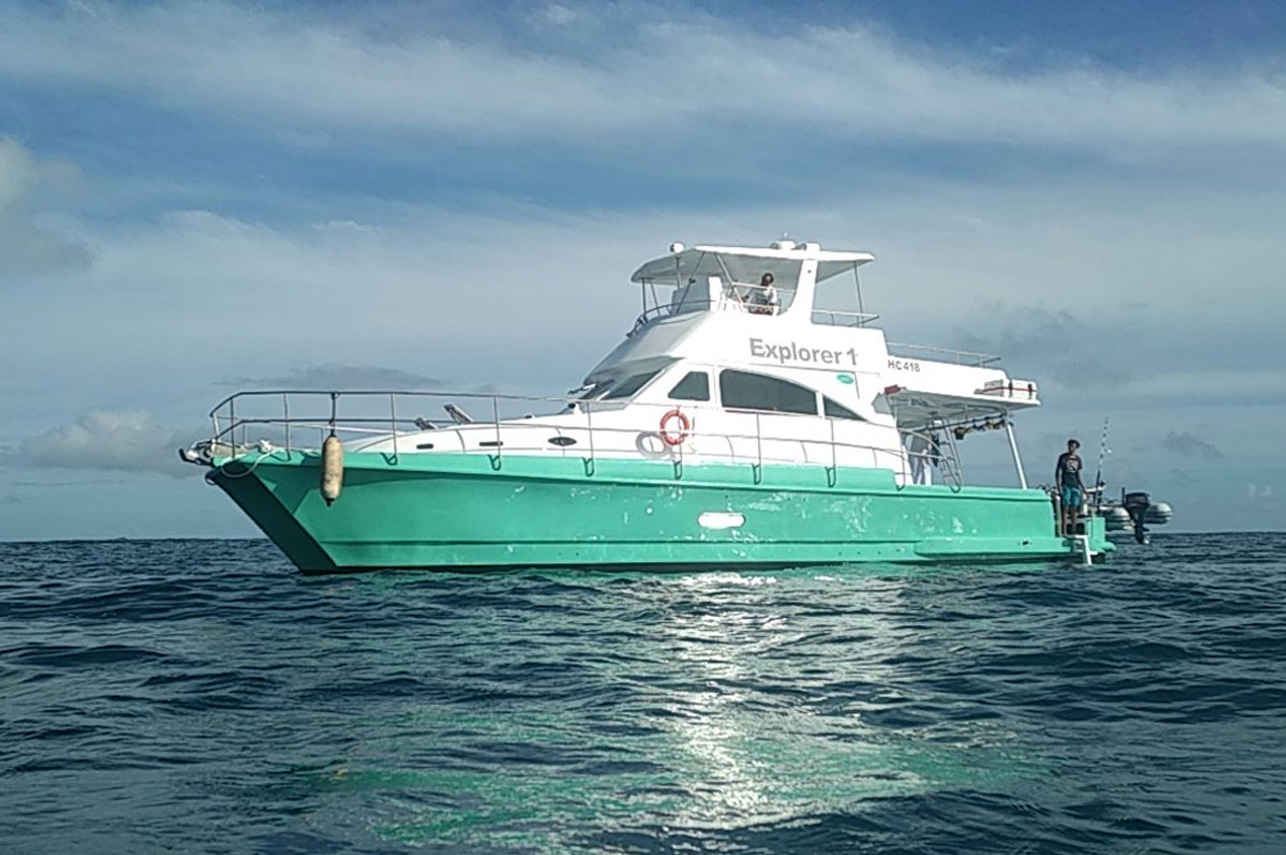
Explorer 1
Seychelles
6 guests17 m
$522/day
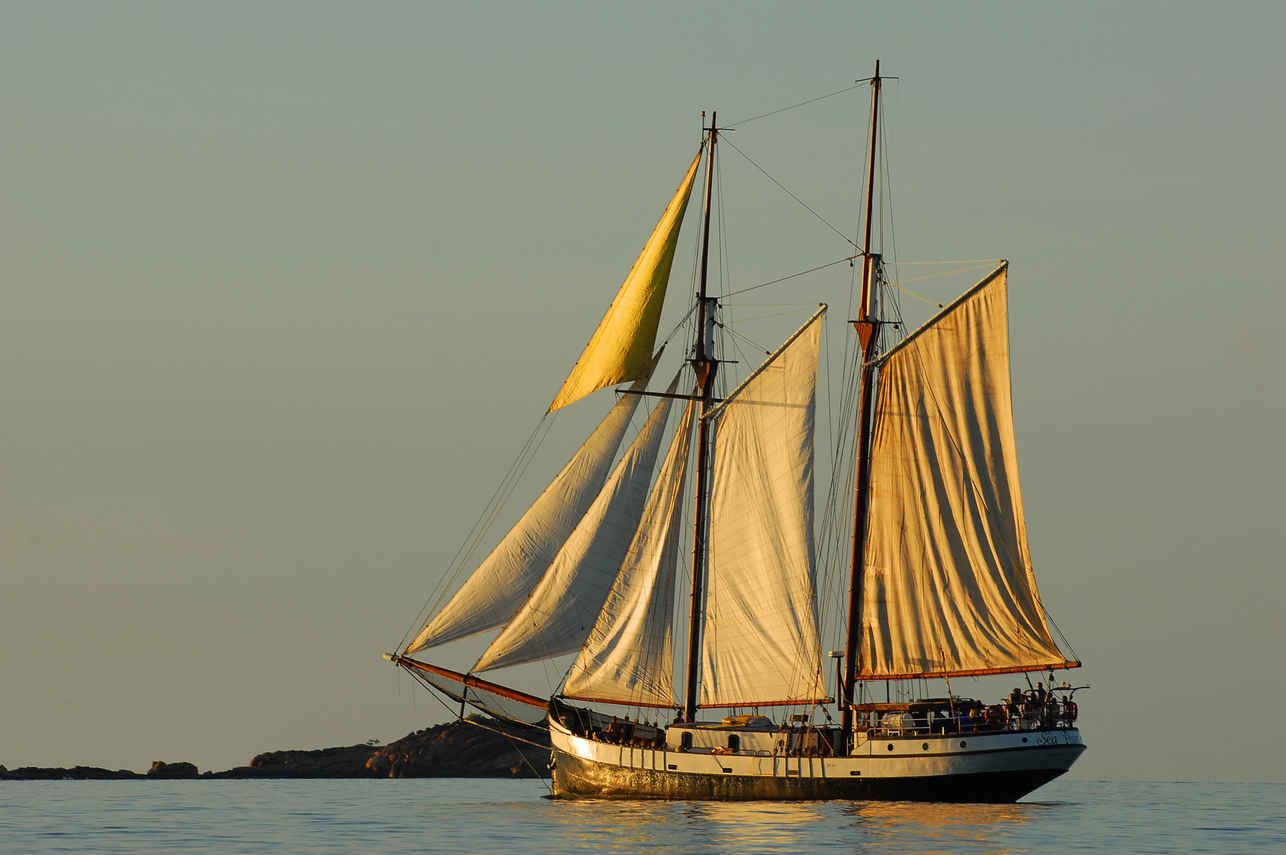
Sea Pearl
Seychelles
16 guests36 m
$209/day
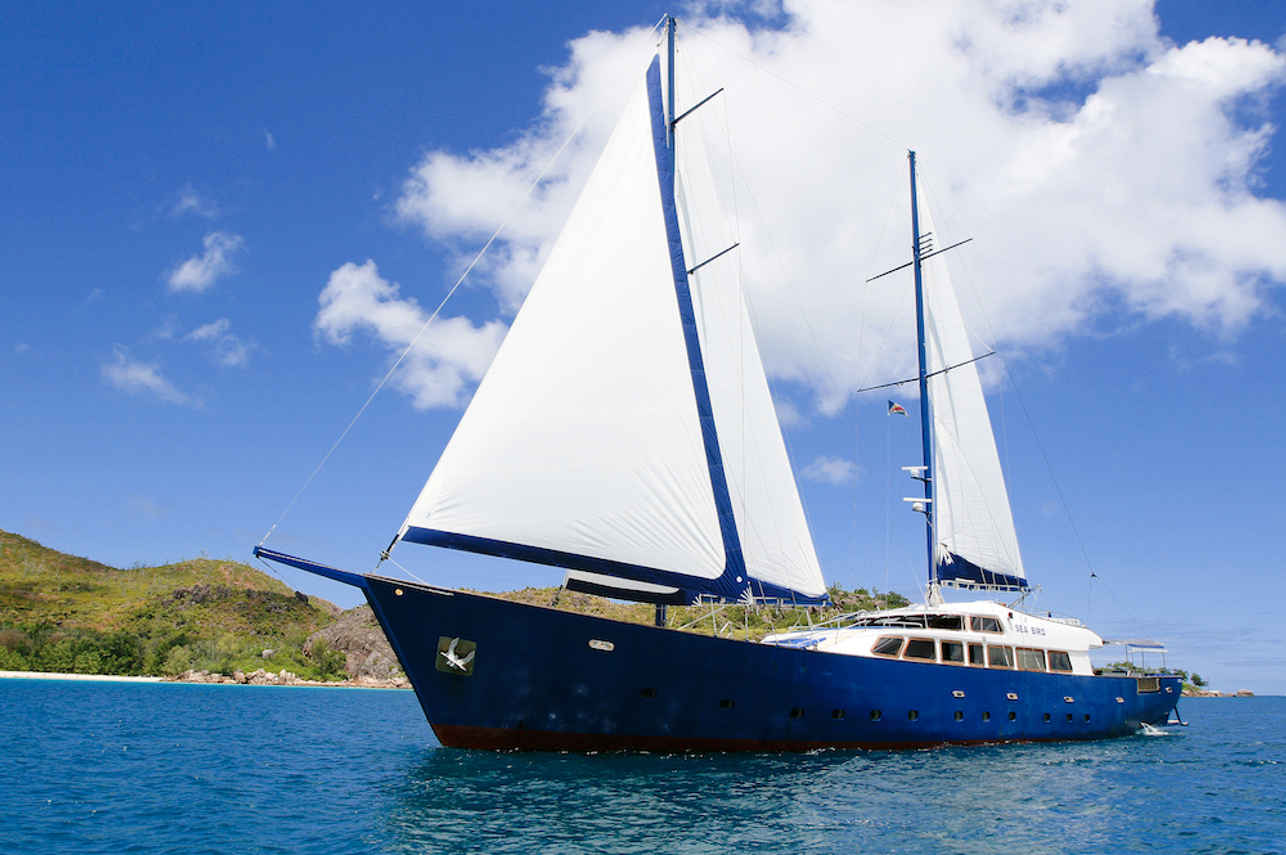
Sea Bird and Sea Star
Seychelles
18 guests42 m
$285/day
Dive sites similar to La Digue Channel
Same character, same waters — six more sites divers love for the exact same reasons.Compare seasons, access and liveaboard routes — then pick the site that fits your trip best.
© Esri — Maxar, Earthstar, GIS
Kudimaa Wreck
Maldives
The Kudimaa Wreck is a compelling dive site in the Maldives, offering a fascinating artificial reef environment.
- Suitable for
- Advanced
- Current
- Moderate
- Access
- Liveaboard only
- Depth
- ≤ 30 m
- Theme
- Wreck / Reef
© Esri — Maxar, Earthstar, GIS
Blizzard Ridge
Australia
Blizzard Ridge is a renowned dive site situated within Lighthouse Bay on Ningaloo Reef, Western Australia, easily accessible from Exmouth.
- Suitable for
- Beginner
- Current
- Moderate
- Access
- Liveaboard or dayboat
- Depth
- ≤ 15 m
- Theme
- Reef
© Esri — Maxar, Earthstar, GIS
Andilana Reef
Madagascar
Andilana Reef, situated near Nosy Be on Madagascar's northwestern coast, presents a captivating underwater landscape that appeals to divers of all experience levels.
- Suitable for
- Intermediate
- Current
- Mild
- Access
- Liveaboard or dayboat
- Depth
- 6–22 m
- Theme
- Cave & cavern / Reef
© Esri — Maxar, Earthstar, GIS
Aldebaran Wreck
Seychelles
The Aldebaran Wreck, a 28-meter (92-foot) fishing vessel, was intentionally sunk on July 11, 2008, by the Seychelles Tourism Board to create an artificial reef.
- Suitable for
- Advanced
- Current
- Moderate
- Access
- Liveaboard or dayboat
- Depth
- 28–40 m
- Theme
- Wreck
© Esri — Maxar, Earthstar, GIS
Rottnest Island
Australia
Rottnest Island, located approximately 18 kilometers off Perth, Western Australia, offers exceptional diving characterized by its distinctive limestone formations.
- Suitable for
- Intermediate
- Current
- Mild
- Access
- Dayboat
- Depth
- 8–22 m
- Theme
- Reef / Cave & cavern
© Esri — Maxar, Earthstar, GIS
North Island
Seychelles
North Island is an exclusive dive location within the Seychelles, known for its pristine underwater environment and the opportunity to explore newly discovered sites.
- Suitable for
- Intermediate
- Current
- Moderate
- Access
- Liveaboard only
- Depth
- 18–35 m
- Theme
- Reef