About Navy Pier
Navy Pier, situated near Exmouth in Western Australia, stands as a premier shore dive often regarded among the world's best. This operational pier, serving a naval communications base, has transformed its underwater infrastructure into a thriving artificial reef, creating a unique and easily accessible dive experience. It is celebrated as a photographer's paradise, offering an exceptional density and variety of marine life. The dive itself is relatively shallow, reaching a maximum depth of 15 meters. Divers explore the vast network of pylons and submerged structures that provide shelter and habitat for countless species. While some areas might experience a slight surge, especially during entry, the dive generally unfolds in calm conditions, making it an engaging site for exploring the intricate ecosystems beneath the pier. Descents and ascents can be made using a line, simplifying the experience. The pier is a haven for diverse marine creatures, from impressive pelagic species to intricate macro life. You can encounter wobbegong sharks, grey nurse sharks, and white-tip reef sharks, alongside schools of trevally, barracuda, and sweetlips. The pylons are adorned with extensive macro life, including nudibranchs, flatworms, frogfish, scorpionfish, and stonefish, ensuring every dive presents new discoveries. Sea snakes, octopi, and giant groupers are also common sightings. Due to strong currents outside slack tide, dives at Navy Pier are strictly timed, typically occurring at slack water. Entry often involves a giant stride from the pier. Visibility can range from 3 to 10 meters, improving significantly during calm weather. This site is suitable for experienced divers, though its manageable depths and controlled access make it approachable for those comfortable with specific entry procedures and tidal planning. Night dives are highly recommended here.
Highlights
Wobbegong sharksGrey nurse sharksSchools of trevallyPylon macro lifeFrogfish and scorpionfishGiant groupers
Season calendar
Best months to dive here
Jan
Feb
Mar
Apr
May
Jun
Jul
Aug
Sep
Oct
Nov
Dec
Good
Dive site facts: Navy Pier
- Depth
- 0–15 m
- Current
- Slack tide only
- Visibility
- 3–20 m
- Water temperature
- 24–27°C (summer)
- Entry
- Shore / Giant stride from platform
- Level
- Advanced recommended
- Dive type
- Macro, reef, pier, night
- Night dive
- Recommended
- Region / port
- Exmouth, Western Australia
- Coordinates
- -21.8092, 114.1569
Conditions & Currents
Diving at Navy Pier is exclusively permitted during slack tide due to the notoriously strong currents in the area. This necessitates careful planning, as dive times fluctuate daily depending on lunar phases, sometimes allowing for single or double dives. While usually current-free during the designated dive windows, divers must be prepared for the potential of mild surge, especially during entry. The pier's active military status means strict entry and exit procedures are followed, with divers typically entering via a giant stride or ladder from a platform at the pier's end. The currents, though challenging if mistimed, are crucial to the site's rich ecosystem, bringing in nutrients that sustain the dense marine life and contribute to the site's high biodiversity. Visibility can range from 3 to 10 meters, occasionally reaching 20 meters in optimal conditions, but the sheer volume of life
Marine life & sighting chances

Wobbegong Shark
common
Grey Nurse Shark
Winter months · common
Whitetip Reef Shark
occasional
Nudibranch
common
Flatworm
common
Frogfish
common
Scorpionfish
common
Stonefish
occasional
Barracuda
common
Trevally
common
Moray Eel
common
Octopus
common
Giant Grouper
common
Sea Snake
commonDive profile & how the dive runs
Dives at Navy Pier begin with a shore entry or a giant stride from a lower platform at the end of the pier. You'll descend directly beneath the towering pilings, which are covered in vibrant soft corals and sponges. The dive typically involves exploring the various sections of the T-shaped pier, moving between the central structure and the outer arms. Depth remains relatively shallow, generally between 5 and 15 meters, allowing for extended bottom times. Expect to spend significant time observing the intricate macro life on the pilings and the abundant schools of fish that congregate around the structure. Turn points are flexible, determined by air consumption and desired exploration areas. Safety stops are conducted beneath the pier or near the entry point, maintaining visual contact with the structure before ascending.
Underwater photography
Navy Pier is a photographer's dream, offering an incredible density of subjects for both macro and wide-angle photography. For macro, bring your preferred lens (e.g., 60mm or 100mm) to capture the myriad of nudibranchs, flatworms, frogfish, and shrimp found on the pilings and sandy bottom. Focus on slow, deliberate movements to avoid disturbing critters. For wide-angle, a rectilinear lens is ideal to frame the impressive pier structure and the massive schools of fish, such as barracuda and trevally, swirling between the pilings. External strobes are highly recommended for both, helping to bring out the vibrant colors of the corals and marine life, especially in lower visibility or shaded areas. Be mindful of buoyancy to avoid contact with the fragile ecosystem and practice good etiquette, ensuring you don't stress marine animals for a shot.
Combine with nearby dive sites
Getting there & logistics
Access to Navy Pier is highly restricted due to its location on an active Australian naval base. You must book your dive through a licensed operator, such as Dive Ningaloo, which currently holds the sole license. Divers are typically transported from the operator's office in Exmouth to the pier, a journey of approximately 10-30 minutes. Strict security procedures are in place, requiring photo ID for entry, and photography within the base itself is prohibited. A surcharge is payable on-site to cover the Commonwealth license fee. Dive trips are scheduled around slack tide, meaning dive times vary daily and can include single or double dives. The pier is not accessible to the general public, and independent diving is not permitted.
Safety & environment
Diving at Navy Pier requires adherence to strict safety protocols due to the active military base environment and potentially strong tidal currents. All divers must follow directions from licensed operators and base personnel without question. Ensure you have adequate dive insurance that covers all potential emergencies, including recompression, as the nearest recompression chamber may be several hours away. Emergency evacuation procedures would typically involve transport to Exmouth and potentially further, depending on the severity of the incident. Site-specific hazards include overhead environments, marine life that can sting or bite (e.g., stonefish, lionfish), and the need for excellent buoyancy control to avoid contact with the pier structure and marine life. Always dive with a reputable operator and respect the rules of this unique site.
Who it suits — and who it doesn't
Suited for
- Experienced divers comfortable with overhead environments
- Underwater photographers seeking diverse subjects
- Macro enthusiasts
- Divers interested in unique artificial reef ecosystems
- Night dive aficionados
Less suited for
- Beginner divers without strong buoyancy skills
- Divers uncomfortable with potential surge or limited visibility
- Those who prefer open, natural reef environments
- Divers who do not possess photo identification for base entry
- Individuals unwilling to follow strict military base protocols
FAQ
Navy Pier FAQ
Can I dive Navy Pier independently?
No, independent diving at Navy Pier is strictly prohibited. The pier is located on an active Australian naval base and requires special access. You must book your dive through a licensed tour operator, such as Dive Ningaloo, which has the necessary permits to conduct guided dives at this site.
What kind of marine life can I expect to see at Navy Pier?
Navy Pier boasts an incredible diversity of marine life. You can expect to encounter various sharks, including wobbegongs, grey nurse sharks, and whitetips, as well as large schools of barracuda and trevally. Macro life is abundant, featuring numerous nudibranchs, flatworms, frogfish, and scorpionfish, alongside moray eels, octopi, and massive groupers.
Are there strong currents at Navy Pier?
Yes, Navy Pier is known for very strong tidal currents. Dives are exclusively scheduled during periods of slack tide, which occur only for short windows each day. This precise timing ensures a safe and enjoyable dive experience, minimizing exposure to strong water movement.
What is the visibility like at Navy Pier?
Visibility at Navy Pier can be variable, typically ranging from 3 to 10 meters, although it can extend up to 20 meters in optimal conditions. Despite potential lower visibility, the sheer density of marine life means you will always have plenty to observe up close.
Is Navy Pier suitable for beginner divers?
Navy Pier is generally recommended for advanced divers due to the overhead environment, the potential for surge, and the need for excellent buoyancy control. While the depth is shallow, the unique conditions and density of marine life are best appreciated by those with more experience.
Can I do a night dive at Navy Pier?
Yes, night diving at Navy Pier is highly recommended and often considered one of the best experiences there. Many of the resident creatures become more active after dark, offering a completely different perspective of the abundant marine life beneath the pier.
Why dive Navy Pier from a liveaboard?
Navy Pier is one of Australia's signature dive sites. A liveaboard sleeps you on the water and puts you in the water for three to four guided dives per day, including dawn and night dives that day-boat operators rarely offer. You skip the daily commute back to port and reach quieter, less-crowded sites in the same region on a single trip.
Below are the liveaboards that include Navy Pier on their Australia itineraries.
Liveaboards diving Navy Pier
These liveaboards may visit Navy Pier on selected itineraries — the exact dive sites depend on departure, weather and conditions.
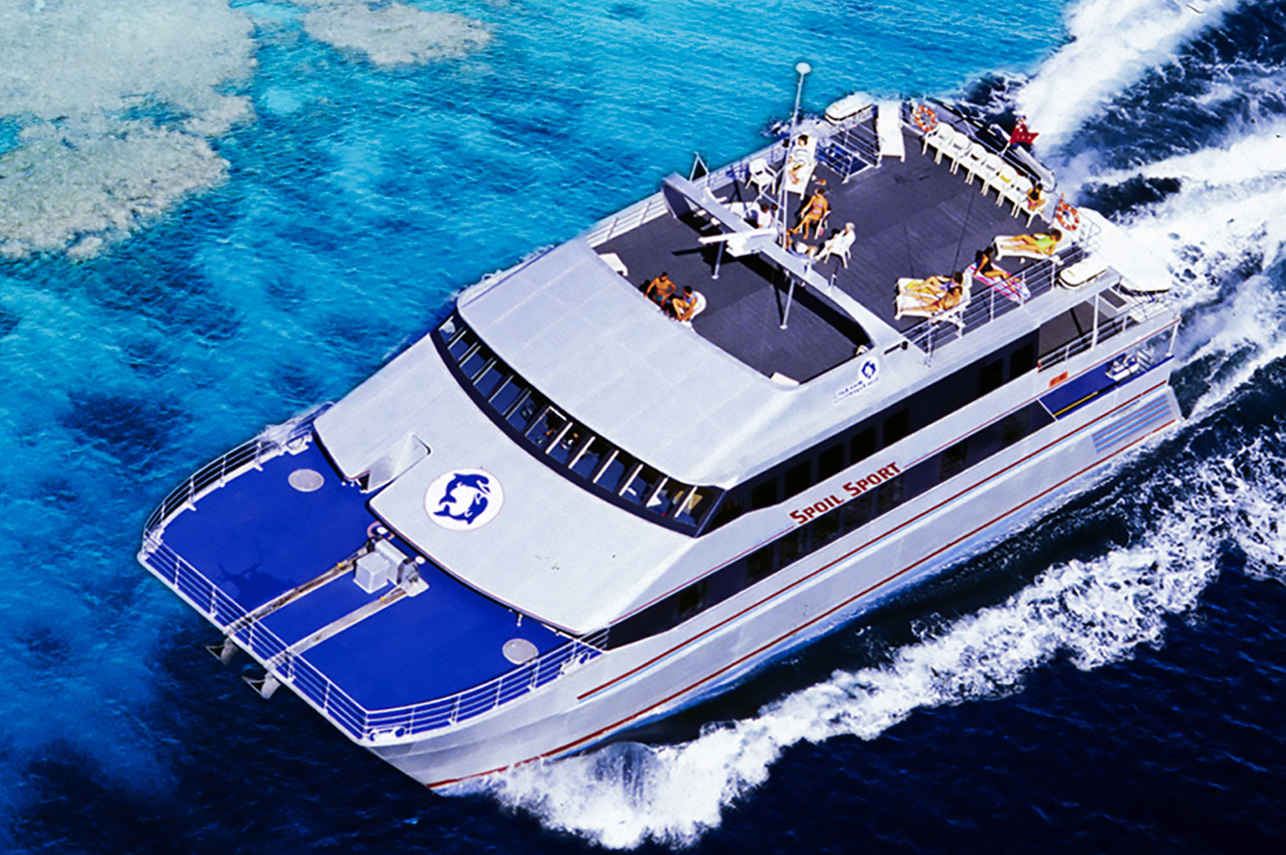
Spoilsport
Australia
28 guests30 m
$403/day
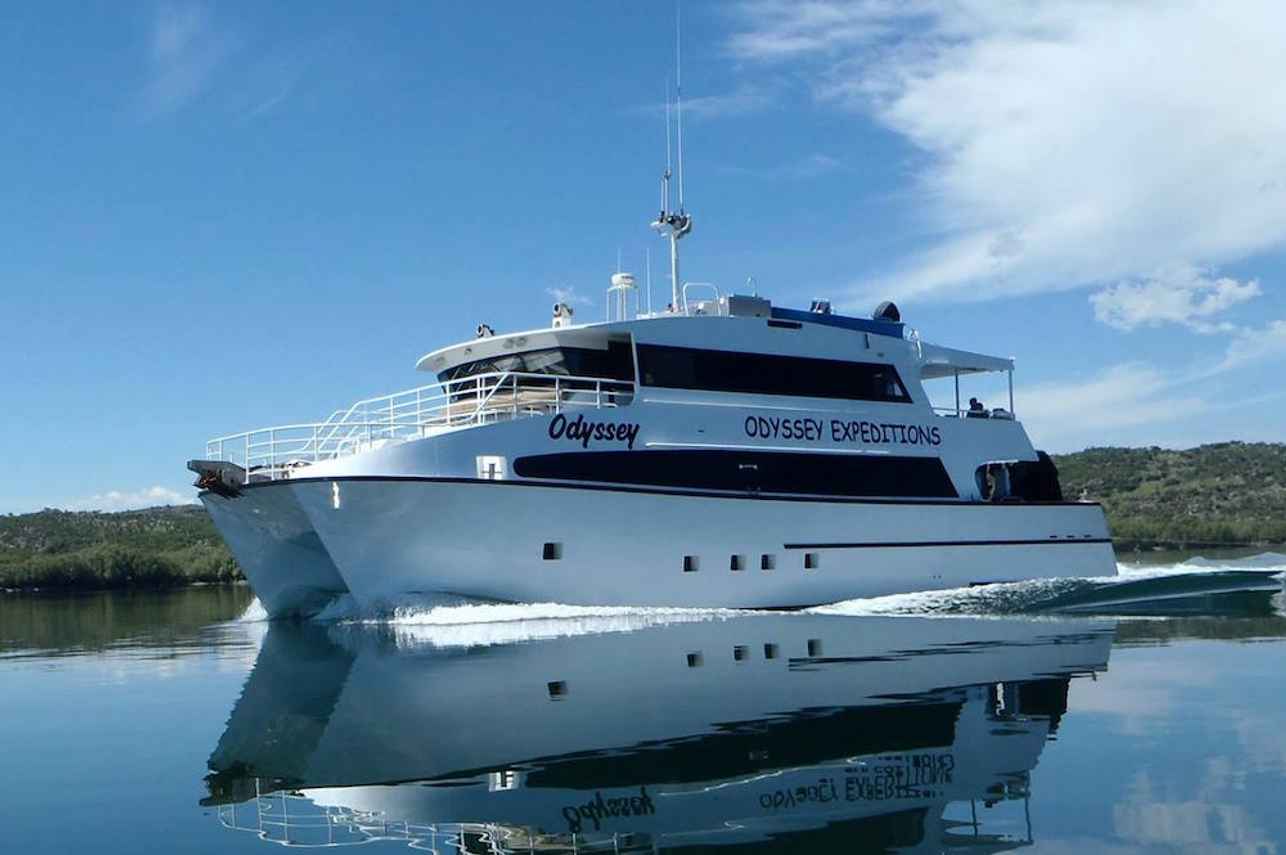
Odyssey Liveaboard
Australia
20 guests24 m
$392/day
Dive sites similar to Navy Pier
Same character, same waters — six more sites divers love for the exact same reasons.Compare seasons, access and liveaboard routes — then pick the site that fits your trip best.
© Esri — Maxar, Earthstar, GIS
Challenger Bay
Australia
Challenger Bay, nestled on Ribbon Reef #10, approximately 176 kilometers north of Port Douglas, is a renowned dive site on the remote northern Great Barrier Reef.
- Suitable for
- Advanced
- Current
- Moderate
- Access
- Liveaboard only
- Depth
- 5–30 m
- Theme
- Reef
© Esri — Maxar, Earthstar, GIS
Blizzard Ridge
Australia
Blizzard Ridge is a renowned dive site situated within Lighthouse Bay on Ningaloo Reef, Western Australia, easily accessible from Exmouth.
- Suitable for
- Beginner
- Current
- Moderate
- Access
- Liveaboard or dayboat
- Depth
- ≤ 15 m
- Theme
- Reef
© Esri — Maxar, Earthstar, GIS
Rottnest Island
Australia
Rottnest Island, located approximately 18 kilometers off Perth, Western Australia, offers exceptional diving characterized by its distinctive limestone formations.
- Suitable for
- Intermediate
- Current
- Mild
- Access
- Dayboat
- Depth
- 8–22 m
- Theme
- Reef / Cave & cavern
© Esri — Maxar, Earthstar, GIS
Bare Island East
Australia
Bare Island East is a highly regarded shore dive in Sydney, celebrated for its diverse and colourful sponge gardens.
- Suitable for
- Intermediate
- Current
- Mild
- Access
- Shore / dayboat
- Depth
- 2–11 m
- Theme
- Reef
© Esri — Maxar, Earthstar, GIS
Raine Island
Australia
Raine Island is a pivotal dive site located in the Far Northern Great Barrier Reef, approximately 85 kilometers east-north-east of Cape Grenville and just over 4 nautical miles south of the island itself.
- Suitable for
- Advanced
- Current
- Strong
- Access
- Liveaboard only
- Depth
- 5–40 m
- Theme
- Reef / Wall
© Esri — Maxar, Earthstar, GIS
Gravel Loader
Australia
The Gravel Loader dive site in New South Wales offers a productive jetty dive experience, particularly appealing for its unique artificial reef habitat.
- Suitable for
- Beginner
- Current
- Moderate
- Access
- Shore / dayboat
- Depth
- ≤ 9 m
- Theme
- Reef