About Ningaloo Reef - Turquoise Bay
Turquoise Bay, part of the expansive Ningaloo Reef in Western Australia, is renowned for its crystalline waters and vibrant coral gardens, easily accessible directly from the shore. This site caters to various diving and snorkeling preferences, featuring two distinct areas: the exhilarating Drift Loop and the tranquil Bay Loop. The topography of the Drift Loop allows snorkelers to effortlessly glide with the current over an underwater landscape teeming with marine life, including colorful corals, tropical fish, and occasional sightings of sea turtles and rays. For those seeking a more relaxed experience, the Bay Loop provides calmer, shallower waters perfect for leisurely exploration of the coral gardens. Ningaloo Reef, stretching over 300 kilometers along Western Australia's coast, boasts an incredible biodiversity. At Turquoise Bay, snorkelers and divers can expect to encounter hundreds of fish species and numerous coral species. The marine sanctuary status of this area further enhances the health and abundance of its ecosystem, regularly revealing reef sharks, sea snakes, crayfish, shrimp, and large schools of fish. During specific seasons, the reef is also a migratory path for megafauna such as whale sharks, manta rays, and humpback whales, enriching the underwater experience with these majestic creatures. The diving experience at Turquoise Bay is generally calm and clear, making it suitable for a range of skill levels, from beginners to more experienced divers. The Drift Loop, while offering a gentle current for an effortless ride, requires awareness to exit before stronger currents near the sandbar. Shore entry is straightforward, allowing direct access to the thriving marine environment without the need for a boat. This accessibility, combined with the rich marine life and comfortable water conditions, makes Turquoise Bay a premier destination on the Ningaloo Reef.
Highlights
Crystal-clear watersVibrant coral gardensEffortless drift snorkelingNumerous tropical fishSea turtles and raysAccessible shore entryMega-fauna sightings
Season calendar
Best months to dive here
Jan
Feb
Mar
Apr
May
Jun
Jul
Aug
Sep
Oct
Nov
Dec
Excellent
Good
Off-Season
Jun – Oct
Dry season with best visibility on the Great Barrier Reef. Minke whale season June–July. Ningaloo whale sharks March–July.
Apr – May & Nov
Comfortable temperatures, good visibility, fewer crowds. Giant cuttlefish aggregation in South Australia May–August.
Dec – Mar
Wet season in the tropics. Reduced visibility, jellyfish season. Warmer water attracts coral spawning.
Dive site facts: Ningaloo Reef - Turquoise Bay
- Depth
- 1-5 m
- Typical dive
- 1-5 m, 60 min (snorkeling/free diving)
- Current
- Mild to moderate drift
- Visibility
- 15-20 m
- Water temperature
- 22-28°C
- Entry
- Shore entry
- Level
- Beginner to advanced (snorkeling)
- Dive type
- Reef, drift, coral gardens
- Night dive
- Not specified
- Region / port
- Ningaloo Reef, Western Australia
- Coordinates
- -23.09, 113.83
Conditions & Currents
Turquoise Bay is well-known for its gentle current that facilitates the famous Drift Loop snorkel. Divers and snorkelers enter the water at the southern end of the bay and are softly carried northward along the reef. While generally mild, this current can strengthen significantly near the sandbar, making it crucial to exit the water before this point to avoid being pulled into stronger outbound flows. The Bay Loop, conversely, offers calmer waters, making it suitable for those preferring a more static experience. Visibility is typically excellent, often reaching 15-20 meters, though local conditions and recent weather can cause fluctuations. Water temperatures are comfortable, ranging between 22-28°C throughout the year, removing the concern for thermoclines. Entry and exit are shore-based, requiring comfortable finning from the beach.
Marine life & sighting chances

Green sea turtle
Year-round · common
Loggerhead sea turtle
Year-round · occasional
Hawksbill sea turtle
Year-round · occasional
Whale shark
March-July · occasional
Manta ray
May-November · occasional
Humpback whale
June-October · occasional
Blue-green puller
common
Hawaiian triggerfish
common
Wrasse
common
Parrotfish
common
Moorish idol
common
Angelfish
common
Convict surgeonfish
common
Reef shark
Year-round · occasionalDive profile & how the dive runs
Entry for the Drift Loop at Turquoise Bay typically begins at the southern end of the beach. After a short walk along the shore, divers and snorkelers enter the water and allow the gentle current to carry them northward over the coral gardens. The depth averages between 1-5 meters, making it ideal for extended surface intervals or free-diving. The route winds past various coral formations and sandy patches, offering continuous marine life viewing. The turning point is indicated by signage and a natural shift in current, signaling the need to exit before reaching the stronger currents near the sandbar. For the Bay Loop, entry is directly from the main beach area into shallower, calmer waters, allowing for independent exploration of the coral. Safety stops are generally conducted within the shallow reef areas before exiting back onto the beach.
Underwater photography
Turquoise Bay's clear, shallow waters and abundant marine life make it an excellent location for underwater photography, particularly for wide-angle and macro shots. For the vibrant coral gardens and schools of fish, a wide-angle lens is ideal to capture the expansive reefscape. Macro lenses will be rewarding for capturing intricate details of smaller reef inhabitants like nudibranchs and juvenile fish, which are plentiful. Natural light is often sufficient due to the shallow depth and excellent visibility, but a good video light or strobes can enhance colors and reduce backscatter, especially when photographing shy subjects hiding in coral crevices. Buoyancy control is paramount to avoid disturbing the delicate coral and marine life, as well as to achieve stable shots. Given the site's popularity, practicing patience and observing marine life from a respectful distance will yield the best photographic opportunities.
Combine with nearby dive sites
Getting there & logistics
Reaching Ningaloo Reef typically involves flying into Learmonth Airport (LEA), located 36 km south of Exmouth, with direct flights available from Perth. From the airport, rental cars or shuttles provide transport to Exmouth town or Cape Range National Park. Alternatively, a scenic 1,200 km road trip from Perth along the Coral Coast Highway is an option. Most dive tours and excursions depart from Exmouth or Coral Bay, offering daily trips to various reef sites, including Turquoise Bay. National Park fees apply for entry to Cape Range National Park, where Turquoise Bay is located, currently around $17 per standard vehicle. Trips can range from single-day excursions to multi-day liveaboard options for exploring more remote parts of the reef, though Turquoise Bay is typically a shore-based activity.
Safety & environment
While Turquoise Bay is generally safe for snorkeling and diving, awareness of local conditions is crucial. The primary hazard is the strengthening current near the sandbar in the Drift Loop; always exit the water before this point to prevent being carried further offshore. It's recommended to swim with a buddy and to be mindful of your energy levels, especially if undertaking multiple drifts. The nearest recompression chamber is in Perth, emphasizing the need for comprehensive dive insurance and conservative dive planning. Emergency services are available in Exmouth, but evacuation from remote reef locations can be time-consuming. Adhering to park regulations, respecting marine life, and avoiding contact with coral are essential for diver safety and marine conservation.
Who it suits — and who it doesn't
Suited for
- Snorkelers of all experience levels
- Free divers
- Underwater photographers seeking macro and wide-angle subjects
- Families with children (calmer Bay Loop)
- Divers seeking easy shore access
Less suited for
- Divers seeking deep wreck diving
- Those who prefer boat-only access to dive sites
- Individuals uncomfortable with mild currents (Drift Loop)
- Divers expecting only pelagic encounters (while possible, not guaranteed)
FAQ
Ningaloo Reef - Turquoise Bay FAQ
What makes Turquoise Bay unique for snorkeling?
Turquoise Bay is renowned for its exceptional accessibility, allowing snorkelers to enter the vibrant reef directly from the beach. It offers both a gentle 'Drift Loop' where currents carry you over coral gardens and a calmer 'Bay Loop' for relaxed exploration, making it suitable for all skill levels.
Are there strong currents at Turquoise Bay?
The 'Drift Loop' at Turquoise Bay features a gentle current that assists snorkelers, but it can become stronger near the sandbar. It is important to be aware of this and exit the water before reaching the sandbar to avoid being carried out to sea. The 'Bay Loop' area is typically calmer.
What kind of marine life can I expect to see?
Turquoise Bay is teeming with diverse marine life, including numerous species of colorful reef fish, various corals, and frequent sightings of green sea turtles and rays. Occasional encounters with reef sharks, humpback whales (seasonal), and manta rays (seasonal) are also possible, enhancing the underwater experience.
Do I need a boat to access Turquoise Bay?
No, one of the greatest advantages of Turquoise Bay, and much of Ningaloo Reef, is its shore accessibility. You can simply walk into the water directly from the beach to begin your snorkeling or free-diving adventure, eliminating the need for boat transfers to reach the coral gardens.
Is Turquoise Bay suitable for beginner snorkelers?
Yes, Turquoise Bay is highly suitable for beginners, particularly the 'Bay Loop' section which offers calm, shallow waters ideal for leisurely exploration. The 'Drift Loop' is also manageable for beginners with some swimming ability, provided they are mindful of exit points and currents.
What is the best time of year to visit Turquoise Bay?
The best time to visit Turquoise Bay is during the dry season from April to October. During these months, the weather is calm, the waters are clear, and ocean temperatures are comfortable, providing excellent visibility and optimal conditions for marine encounters.
Why dive Ningaloo Reef - Turquoise Bay from a liveaboard?
Ningaloo Reef - Turquoise Bay is one of Australia's signature dive sites. A liveaboard sleeps you on the water and puts you in the water for three to four guided dives per day, including dawn and night dives that day-boat operators rarely offer. You skip the daily commute back to port and reach quieter, less-crowded sites in the same region on a single trip.
Below are the liveaboards that include Ningaloo Reef - Turquoise Bay on their Australia itineraries.
Liveaboards diving Ningaloo Reef - Turquoise Bay
These liveaboards may visit Ningaloo Reef - Turquoise Bay on selected itineraries — the exact dive sites depend on departure, weather and conditions.
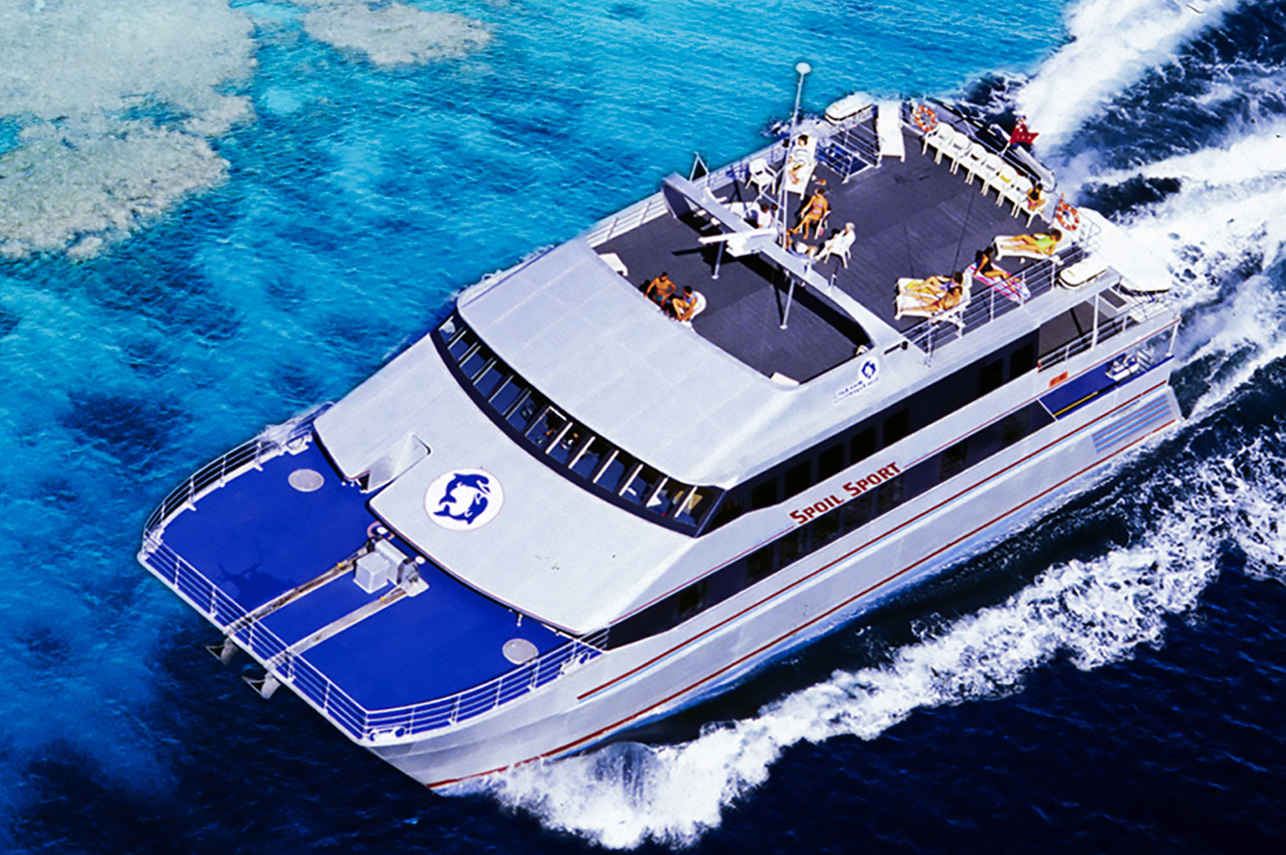
Spoilsport
Australia
28 guests30 m
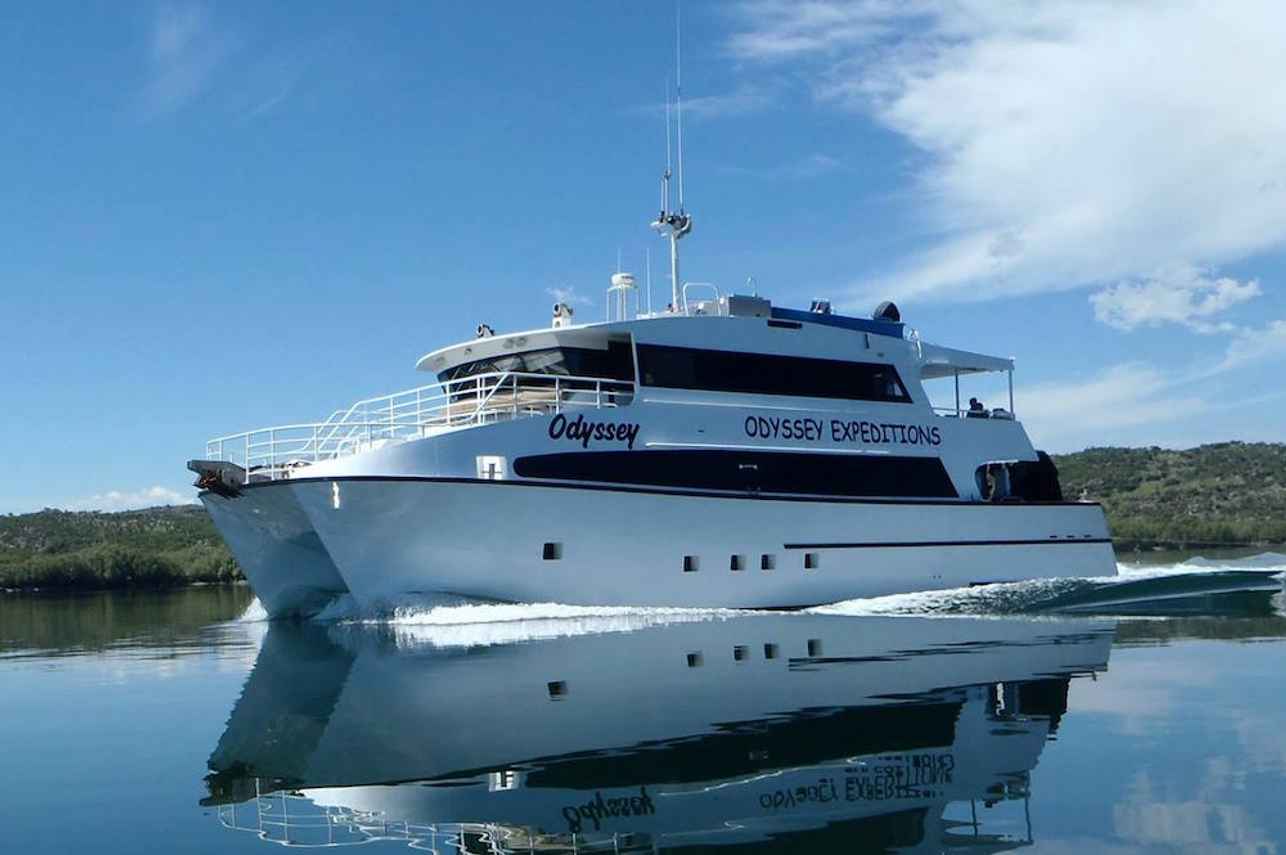
Odyssey Liveaboard
Australia
20 guests24 m
Dive sites similar to Ningaloo Reef - Turquoise Bay
Same character, same waters — six more sites divers love for the exact same reasons.Compare seasons, access and liveaboard routes — then pick the site that fits your trip best.
© Esri — Maxar, Earthstar, GIS
7th Heaven
Maldives
7th Heaven is a vibrant channel reef located in the South Ari Atoll of the Maldives.
- Suitable for
- Intermediate
- Current
- Strong
- Access
- Liveaboard only
- Depth
- 10–30 m
- Theme
- Reef / Drift
The dive site known as "Abyss" is not specifically mentioned or described in the provided sources.
- Suitable for
- Intermediate
- Current
- Moderate
- Access
- Liveaboard or dayboat
- Depth
- 18–50 m
- Theme
- Reef
© Esri — Maxar, Earthstar, GIS
Addu Kandu
Maldives
Addu Kandu, also known as Addu Channel, is a significant natural waterway situated within the Addu Atoll, which is the southernmost atoll in the Maldives.
- Suitable for
- Advanced
- Current
- Strong
- Access
- Liveaboard only
- Depth
- 10–35 m
- Theme
- Drift
© Esri — Maxar, Earthstar, GIS
Aldabra Atoll
Seychelles
Aldabra Atoll, a remote UNESCO World Heritage Site in the Seychelles, offers an unparalleled diving experience that transports you back to a pristine, pre-industrial marine ecosystem.
- Suitable for
- Advanced
- Current
- Strong
- Access
- Liveaboard or dayboat
- Depth
- 5–40 m
- Theme
- Cave & cavern / Drift
© Esri — Maxar, Earthstar, GIS
Aldebaran Wreck
Seychelles
The Aldebaran Wreck, a 28-meter (92-foot) fishing vessel, was intentionally sunk on July 11, 2008, by the Seychelles Tourism Board to create an artificial reef.
- Suitable for
- Advanced
- Current
- Moderate
- Access
- Liveaboard or dayboat
- Depth
- 28–40 m
- Theme
- Wreck
© Esri — Maxar, Earthstar, GIS
Alimatha Jetty
Maldives
Alimatha Jetty, situated in the Vaavu Atoll beside the Alimatha Aquatic Resort's working pier, is celebrated as a premier night dive destination in the Maldives.
- Suitable for
- Beginner
- Current
- Moderate
- Access
- Liveaboard or dayboat
- Depth
- 2–12 m
- Theme
- Reef