About Exmouth Navy Pier - Outer Piles
The Exmouth Navy Pier, often rated among the top shore dives globally and a premier Australian dive site, is located just 14 kilometers from Exmouth. This 300-meter-long pier remains an active naval facility, utilized by Navy ships for the nearby base, restricting general public access. Consequently, diving here is exclusively managed by licensed operators, enhancing the preservation of its vibrant marine ecosystem. The pier's unique status, coupled with a prohibition on fishing, creates an "oasis in the desert" effect, where marine life congregates for shelter and sustenance, resulting in an exceptionally high biodiversity within a compact area. Diving at the pier is entirely dependent on tidal movements due to significant currents. Dives are meticulously timed for slack water periods, allowing for either single or double dives based on the lunar cycle. The structure itself is a haven for soft corals and sponges, thriving on the nutrient-rich currents. These filter feeders, in turn, attract a colorful array of reef fish, from intricate butterflyfish to schooling fusiliers, making it a spectacular environment for observation. Beneath the shadowy framework, divers encounter large schools of snapper, rabbitfish, and impressive groupers. The site is also home to sea snakes, wobbegong sharks, and frequently, grey nurse sharks, particularly during the southern winter months. Macro enthusiasts will delight in the abundance of nudibranchs, flatworms, scorpionfish, frogfish, moray eels, toadfish, shrimp, and octopuses tucked into every crevice and cranny. This rich tapestry of life, from the minute to the magnificent, makes the Navy Pier a photographer's dream. Visibility can range from 3 to 10 meters, influenced by weather and tidal conditions. However, the sheer density of marine life ensures that even on days with lesser visibility, the underwater spectacle remains captivating. Divers should be prepared for security procedures given its status as a Defence Restricted
Highlights
World's top shore diveExceptional marine biodiversitySlack tide dependent divingGrey nurse shark encountersMacro life abundanceColorful soft corals and spongesActive naval pier experienceHuge schools of fish
Best Season
The Navy Pier can be dived year-round, but the period from June to November generally offers better underwater visibility and more comfortable surface conditions with less rainfall. While the wet season from December to May brings warmer waters and tropical monsoon activity, diving is strictly governed by slack tide, which is consistently available regardless of the season.
Dive site facts: Exmouth Navy Pier - Outer Piles
- Depth
- 14 m
- Typical dive
- 14 m, 50 min
- Current
- Strong, only dived at slack tide
- Visibility
- 3–10 m
- Entry
- Long stride from pier
- Level
- Certified, logged dives within 6 months
- Dive type
- Pier dive, macro, pelagics
- Region / port
- Exmouth, Western Australia
- Coordinates
- -21.812, 114.16
Conditions & Currents
Diving at Exmouth Navy Pier is strictly regulated by tidal movements, as the area experiences very strong currents. Dives are exclusively conducted during slack water, which means dive times vary daily depending on the moon phase. Failure to adhere to slack tide can result in dangerously fast currents capable of carrying a diver out to sea at speeds up to 40 km/hr. Entry typically involves a long stride from the pier, sometimes a 2-meter drop, requiring divers to be ready and in the water quickly. Visibility usually ranges from 3 to 10 meters, fluctuating with weather and tidal conditions. Divers should expect these specific conditions and be prepared for swift entries and exits, always following the guide's instructions for a safe experience.
Marine life & sighting chances
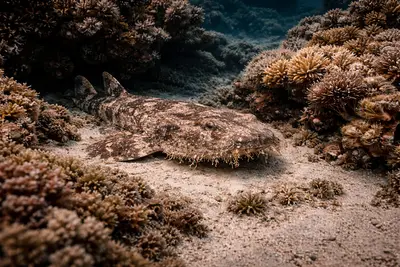
Wobbegong shark
occasional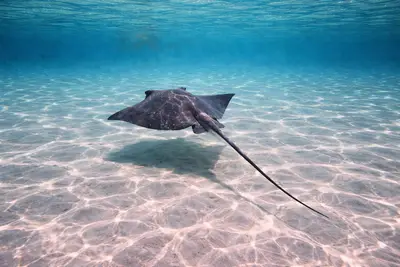
Stingray
occasional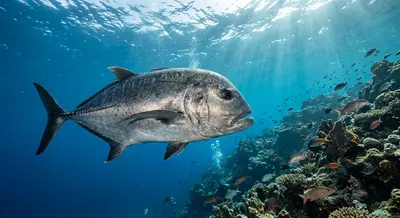
Trevallies
common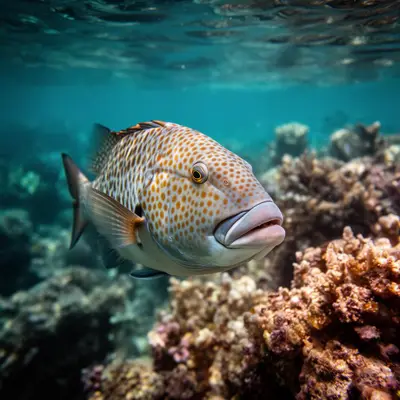
Sweetlips
common
Coral trout
occasional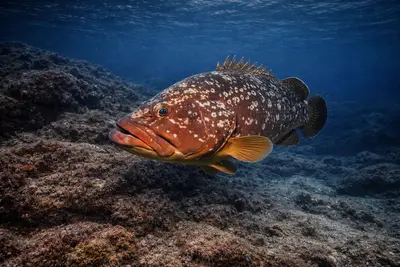
Grouper
common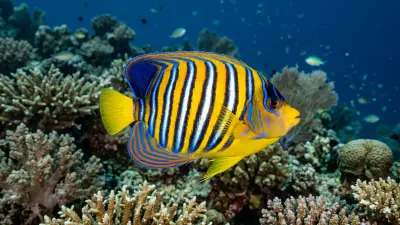
Angelfish
common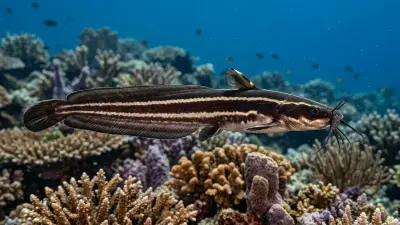
Catfish
occasional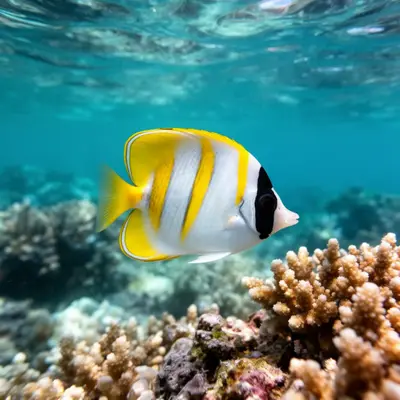
Butterflyfish
common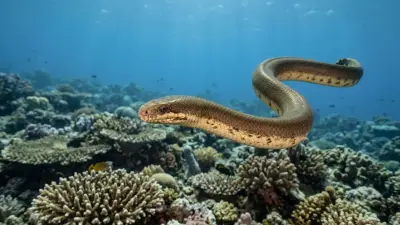
Olive sea snake
occasional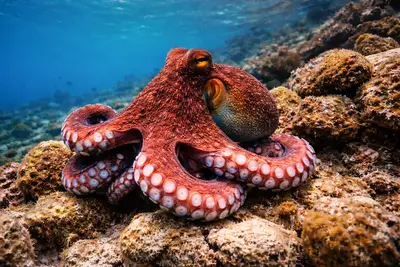
Octopus
occasional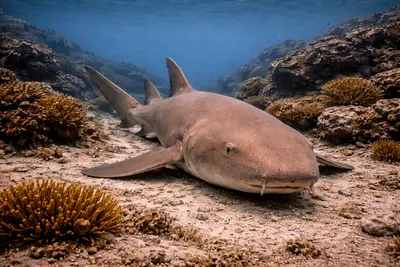
Grey nurse shark
Southern winter months · occasional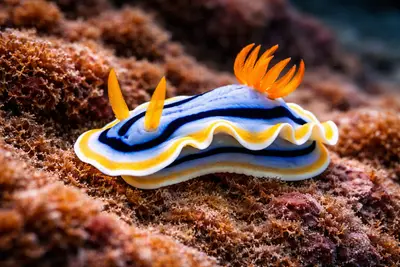
Nudibranch
common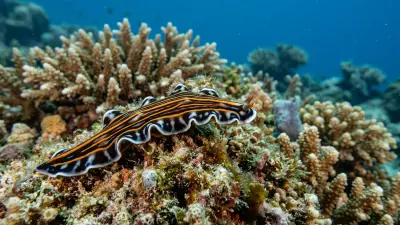
Flatworm
commonDive profile & how the dive runs
Divers for Exmouth Navy Pier gather at the dive operator's office in Exmouth town, where gear is prepared before a 30-minute van ride to the pier. Upon arrival, extensive video briefings are provided, covering site specifics and stringent security procedures, as it's an active naval base. Entry involves a long stride from the pier's platform, with a drop of up to 3 meters, which must be executed quickly and efficiently at slack water. The dive typically lasts around 50 minutes at a depth of 14 meters, exploring the pilings and submerged structures. The route usually follows the pier's length, allowing observation of diverse marine life that congregates around the supports. Safety stops are conducted during the ascent back to the platform, from which divers exit the water.
Underwater photography
The Exmouth Navy Pier is an exceptional site for underwater photography, appealing to both wide-angle and macro enthusiasts due to its immense biodiversity. For wide-angle shots, a fisheye or wide-angle lens is ideal to capture the grandeur of the pier structure adorned with soft corals, as well as schooling fish like trevallies and snapper. For macro photography, a dedicated macro lens will reveal the intricate details of nudibranchs, flatworms, and various small critters inhabiting the pier's nooks and crannies. External strobes are highly recommended to bring out the vibrant colors of the corals and marine life, especially given that visibility can range from 3 to 10 meters and light penetration beneath the pier may be limited. Practicing excellent buoyancy control is crucial to avoid stirring up sediment and to navigate safely around the delicate ecosystem of the pier pilings without touching them. Always respect the marine life and maintain a safe distance.
Combine with nearby dive sites
Getting there & logistics
Access to Exmouth Navy Pier requires coordination through the sole licensed dive operator, Dive Ningaloo. Divers first meet at the operator's office in Exmouth to finalize arrangements and collect gear. A van then transports divers about 30 minutes to the naval base. Strict security protocols are in place, requiring photo ID for entry, and photography within the base is prohibited. A mandatory surcharge of $50 AUD per person is payable on the day for access to the Defence Restricted Area. Dive trips typically involve either a single or double dive, with scheduling entirely dependent on slack tide availability. This dive is generally integrated into broader itineraries exploring the Ningaloo Reef.
Safety & environment
Diving the Exmouth Navy Pier requires strict adherence to safety protocols due to strong currents and its status as an active naval base. All dives are meticulously timed for slack water periods, and divers must follow guides' instructions for rapid entry and exit. The nearest recompression chamber is located in Perth, approximately 1,250 kilometers away, underscoring the critical need for comprehensive dive insurance that covers emergency medical evacuation. Divers must be certified and have recent logged dives to ensure competence in potentially challenging conditions. It is crucial not to dive if feeling unwell or recovering from illness, as this can severely impair judgment and physical performance. Respecting the restricted area rules and refraining from photography within the base premises are mandatory.
Who it suits — and who it doesn't
Suited for
- Experienced certified divers
- Macro photographers
- Wide-angle photographers
- Divers seeking unique marine biodiversity
- Divers comfortable with swift entries
Less suited for
- Beginner divers without recent logged experience
- Divers uncomfortable with strong currents (outside slack tide)
- Divers prone to seasickness (due to potential surge)
- Individuals seeking night dives at this specific site
- Divers who prefer unsupervised diving
FAQ
Exmouth Navy Pier - Outer Piles FAQ
Why is the Exmouth Navy Pier considered one of the best dive sites?
The Exmouth Navy Pier is renowned for its extraordinary marine biodiversity within a compact area. Its status as an active naval facility, coupled with a strict fishing ban, has created an underwater oasis where countless species of fish, corals, and macro life thrive without human interference. This unique ecosystem, attracting both large pelagics and intricate critters, makes it a top-tier destination for divers.
What kind of marine life can I expect to see at Exmouth Navy Pier?
Divers can expect to encounter an incredible array of marine life. This includes large schools of fish such as trevallies, snapper, and rabbitfish, alongside impressive groupers and various reef fish like angelfish and butterflyfish. The pier is also home to wobbegong sharks, stingrays, olive sea snakes, and during the southern winter, frequently hosts grey nurse sharks. Macro enthusiasts will delight in finding nudibranchs, flatworms, scorpionfish, frogfish, moray eels, and octopuses.
Are there any special requirements for diving the Navy Pier?
Yes, there are several special requirements. Divers must be certified and have recent logged dives, typically within the last six months. It is mandatory to dive with the single licensed operator, Dive Ningaloo, due to its status as an active naval base. Furthermore, strict security procedures are in place, requiring photo identification, and a surcharge is payable on the day for access to the Defence Restricted Area. All dives are strictly scheduled around slack tide, necessitating prompt entry and adherence to guide instructions.
What are the current conditions like at Exmouth Navy Pier?
The Exmouth Navy Pier experiences very strong currents outside of slack tide periods. Consequently, all dives are meticulously planned and conducted only during slack water, which means dive times fluctuate daily based on lunar phases. Divers must be prepared for quick entries and exits. While strong currents are avoided during actual dive times, surge can still be present, and underwater visibility ranges from 3 to 10 meters, depending on weather and tidal conditions.
Can I do a night dive at Exmouth Navy Pier?
The provided sources do not indicate that night dives are permitted at Exmouth Navy Pier. Given its status as an active Defence Restricted Area with stringent security protocols and strict adherence to slack tide for daytime diving, it is highly probable that night diving activities are not allowed. Divers interested in nocturnal marine encounters should inquire directly with the licensed dive operator for alternative locations.
Is the Exmouth Navy Pier suitable for beginner divers?
The Exmouth Navy Pier is not generally recommended for beginner divers without recent logged experience. The site requires divers to be comfortable with potentially swift entries and exits, and while dives occur at slack tide, current conditions can still be challenging for the inexperienced. Furthermore, the mandatory quick descent and adherence to strict protocols make it better suited for certified divers with a good level of confidence and skill.
Why dive Exmouth Navy Pier - Outer Piles from a liveaboard?
Exmouth Navy Pier - Outer Piles is one of Australia's signature dive sites. A liveaboard sleeps you on the water and puts you in the water for three to four guided dives per day, including dawn and night dives that day-boat operators rarely offer. You skip the daily commute back to port and reach quieter, less-crowded sites in the same region on a single trip.
Below are the liveaboards that include Exmouth Navy Pier - Outer Piles on their Australia itineraries.
Liveaboards diving Exmouth Navy Pier - Outer Piles
These liveaboards may visit Exmouth Navy Pier - Outer Piles on selected itineraries — the exact dive sites depend on departure, weather and conditions.
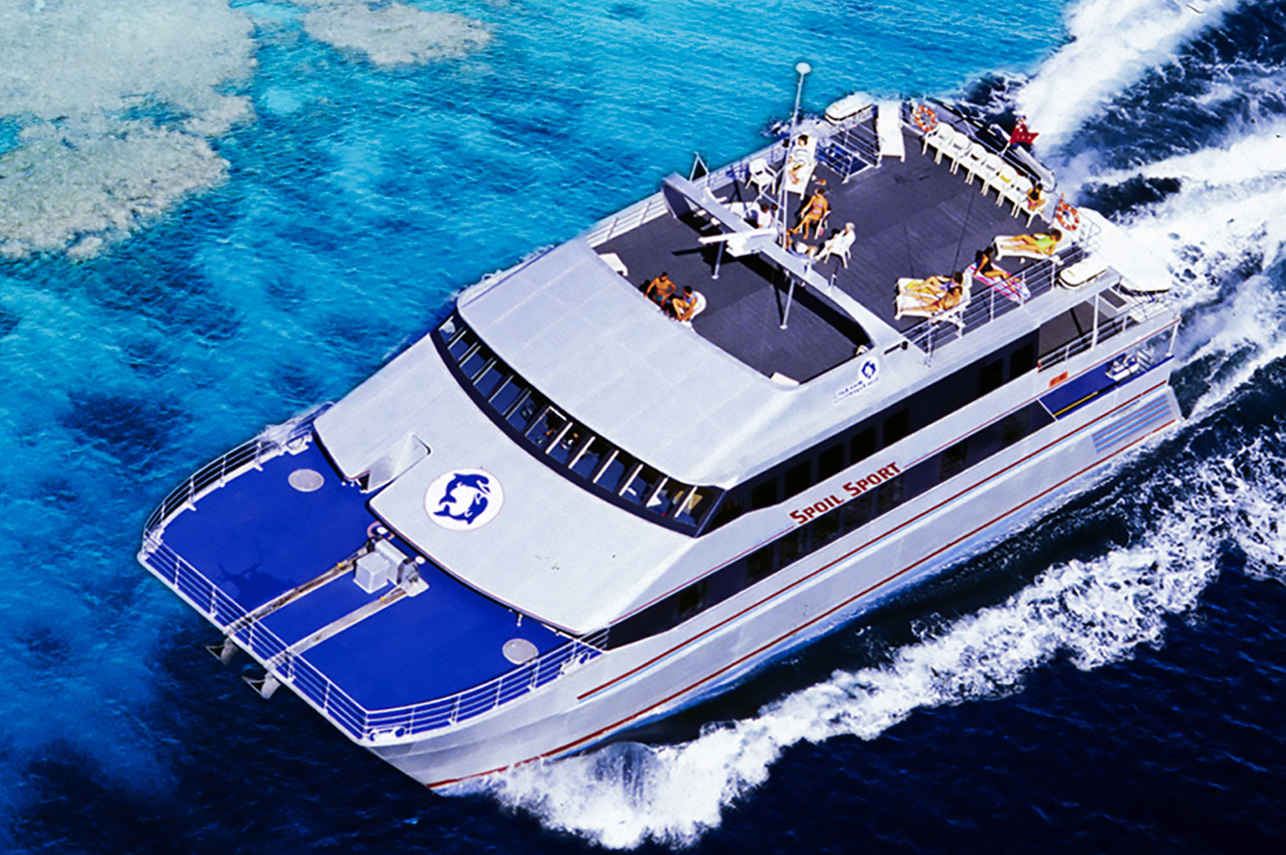
Spoilsport
Australia
28 guests30 m
$406/day
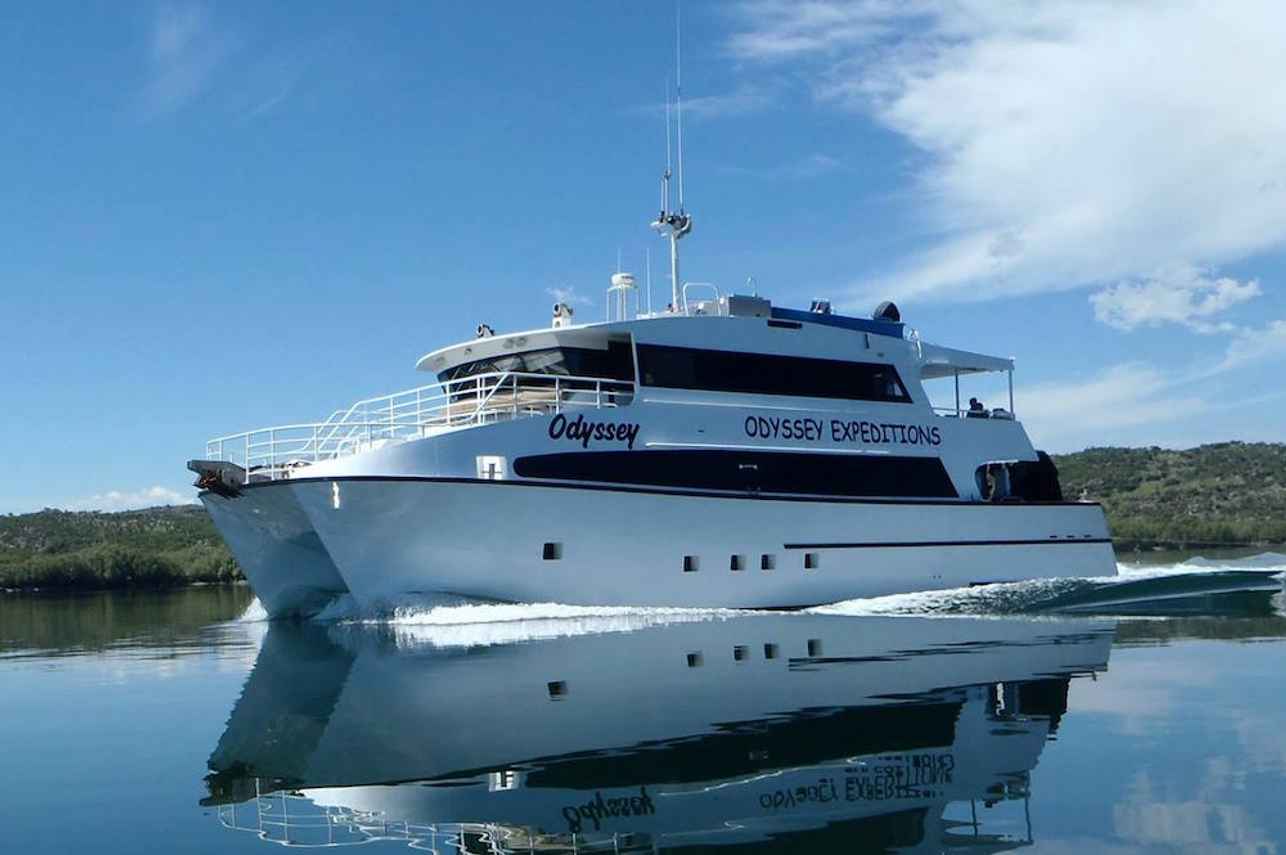
Odyssey Liveaboard
Australia
20 guests24 m
$392/day
Dive sites similar to Exmouth Navy Pier - Outer Piles
Same character, same waters — six more sites divers love for the exact same reasons.Compare seasons, access and liveaboard routes — then pick the site that fits your trip best.
Agincourt Reef
Australia
Agincourt Reef sits on the outer edge of the Great Barrier Reef, roughly 60–72 km off Port Douglas in Far North Queensland, at the southern end of the true ribbon reefs that run…
- Suitable for
- Beginner
- Current
- Moderate
- Access
- Dayboat
- Depth
- 2–20 m
- Theme
- Reef / Wall
Cocos Keeling - Canons
Australia
Cocos Keeling - Canons offers a distinctive dive experience within the Cocos (Keeling) Islands lagoon, making it Australia's most remote dive destination.
- Suitable for
- Beginner
- Current
- Mild
- Access
- Dayboat
- Depth
- 8–12 m
- Theme
- Reef
Raine Island
Australia
Raine Island is a pivotal dive site located in the Far Northern Great Barrier Reef, approximately 85 kilometers east-north-east of Cape Grenville and just over 4 nautical miles south of the island itself.
- Suitable for
- Advanced
- Current
- Strong
- Access
- Liveaboard only
- Depth
- 5–40 m
- Theme
- Reef / Wall
Bare Island East
Australia
Bare Island East is a highly regarded shore dive in Sydney, celebrated for its diverse and colourful sponge gardens.
- Suitable for
- Intermediate
- Current
- Mild
- Access
- Shore / dayboat
- Depth
- 2–11 m
- Theme
- Reef
Cocos Keeling - Broccoli Patch
Australia
Broccoli Patch is a premier dive site nestled within the Cocos (Keeling) Islands lagoon system, offering a gentle yet captivating underwater experience.
- Suitable for
- Beginner
- Current
- Mild
- Access
- Dayboat
- Depth
- 5–10 m
- Theme
- Reef
Milln Reef
Australia
Milln Reef, located approximately 60km offshore from Cairns within the Great Barrier Reef, stands out as a highly favored outer reef destination for both divers and snorkelers.
- Suitable for
- Intermediate
- Current
- Moderate
- Access
- Liveaboard or dayboat
- Depth
- 4–22 m
- Theme
- Reef