About Raine Island
Raine Island is a pivotal dive site located in the Far Northern Great Barrier Reef, approximately 85 kilometers east-north-east of Cape Grenville and just over 4 nautical miles south of the island itself. It stands as an important, remote, and largely unexplored part of the reef, offering an expedition-style diving experience. The underwater topography features steep oceanic walls, flourishing coral gardens, and a reef top sloping gradually from about one meter down to five meters before a sharp drop to depths exceeding 30 meters. This location is globally recognized as the largest and most critical nesting area for green sea turtles, drawing thousands of females to its shores annually, especially between October and March. Divers here frequently encounter large numbers of green sea turtles, along with grey and whitetip reef sharks, barracuda schools, and manta rays during specific conditions. The site also boasts diverse macro marine life, including nudibranchs, shrimps, and pipefish. The strong oceanic currents contribute to exceptional water clarity and resilient coral systems, which maintain high coral cover. Due to its remote location and exposure to oceanic conditions, Raine Island is exclusively accessible via liveaboard, requiring a liveaboard journey from Cairns or Horn Island. Diving here is suited for experienced divers comfortable with potential strong currents and deep wall dives, promising a wild and unfiltered underwater adventure away from crowded tourist routes.
Highlights
World's largest green sea turtle nurserySpectacular coral wall divesTiger shark encountersRemote, pristine Great Barrier ReefExceptional pelagic marine lifeUnexplored, dynamic ecosystemHigh coral cover and vibrancy
Season calendar
Best months to dive here
Jan
Feb
Mar
Apr
May
Jun
Jul
Aug
Sep
Oct
Nov
Dec
Good
Dive site facts: Raine Island
- Depth
- 5–40+ m
- Current
- Moderate to strong
- Visibility
- 10–25 m
- Water temperature
- 24–30 °C
- Entry
- Liveaboard / drift dive
- Level
- Advanced Open Water
- Dive type
- Wall, drift, big_animals, reef
- Night dive
- Possible
- Region / port
- Far Northern Great Barrier Reef
- Coordinates
- 11.5900° S, 144.0300° E
Conditions & Currents
Raine Island is known for common and potentially strong oceanic currents, particularly around its exposed reef structures. These currents contribute to the exceptional water clarity and the health of the coral systems but require divers to be proficient in drift diving techniques and comfortable with dynamic conditions. Due to the deep wall and potential for strong currents, dives are typically conducted as drift dives, with boats unable to anchor in the deep waters. Divers should be prepared for varying current strengths, which can change quickly, necessitating careful gas planning and excellent buoyancy control. The visibility is typically very good, ranging from 10 to 25 meters, often reaching exceptional clarity, though strong currents can sometimes stir up particulate matter closer to the reef.
Marine life & sighting chances

Green sea turtle
October to March · common
Tiger shark
occasional
Grey reef shark
common
Whitetip reef shark
common
Barracuda
common
Manta ray
April to October · occasional
Sea snake
occasional
Nudibranch
common
Shrimp
common
Pipefish
common
Black snapper
common
Bluestreak fusilier
common
Surgeonfish
common
Bumphead parrotfish
occasionalDive profile & how the dive runs
Dives at Raine Island are typically conducted as drift dives along the northern wall due to the depth and strong currents, and the inability of boats to anchor. Divers usually enter the water near the reef's edge, which slopes gradually from one meter to about five meters, before dropping steeply to over 30 meters. The main objective is to explore the vibrant coral wall, often descending to around 20 meters to take in the gorgonians and coral trees. Divers drift along the wall, observing the abundant marine life, particularly the green sea turtles and potential tiger sharks. The dive concludes with a controlled ascent and safety stop, typically in the blue, before surfacing for boat pick-up down current.
Underwater photography
Capturing the essence of Raine Island's vibrant wall and abundant marine life requires careful consideration. For wide-angle shots of the impressive coral walls and schooling fish, a fisheye or wide-angle lens is ideal. This is especially true for showcasing the large number of green sea turtles and the occasional pelagic encounters. For macro enthusiasts, there is a rich biodiversity of nudibranchs, shrimps, and pipefish, best photographed with a macro lens and powerful strobes to highlight intricate details and colors. Given the potential for strong currents, maintaining excellent buoyancy and stability is crucial for sharp images. Be mindful of marine life, especially the nesting turtles and feeding tiger sharks, and maintain a respectful distance to avoid disturbance.
Combine with nearby dive sites
Getting there & logistics
Raine Island is an extremely remote destination within the Far Northern Great Barrier Reef, accessible only by liveaboard expeditions. Trips typically depart from Cairns or Horn Island and can last for several days, such as 8-day/7-night itineraries. Travelers usually fly into Horn Island (adjacent to Thursday Island) for embarkation, or Cairns, depending on the specific liveaboard itinerary. Permits and fees for diving within the Great Barrier Reef Marine Park are generally included in liveaboard packages. This site is usually combined with other remote Far North GBR sites like Tijou Reef and sections of the Great Detached Reef to create a comprehensive expedition-style diving adventure, far removed from standard day-trip locations.
Safety & environment
Diving at Raine Island is considered an expedition experience suited for confident and experienced divers due to common and potentially strong currents, as well as significant depth variations. Divers should ensure they possess Advanced Open Water certification, with Deep Diver certification beneficial for some deeper areas. Given the remote location, robust dive insurance covering medical evacuation is highly recommended. The nearest recompression chambers would likely be in Cairns or Townsville, requiring substantial evacuation time, underscoring the need for careful dive planning and adherence to safety protocols. Site-specific hazards include encountering large pelagic predators like tiger sharks, attracted by the turtle nesting activity, and rapidly changing open-water conditions. Divers must maintain excellent buoyancy control, monitor their air consumption closely, and always dive within their limits and with a buddy.
Who it suits — and who it doesn't
Suited for
- Experienced divers comfortable with drift diving
- Advanced Open Water certified divers
- Photographers seeking unique pelagic encounters
- Divers interested in remote, expedition-style trips
- Those passionate about marine conservation and turtles
Less suited for
- Beginner divers or those new to currents
- Divers who prefer sheltered, calm conditions
- Those seeking quick, easily accessible day trips
- Divers without advanced certifications
- Travelers with limited timeframes
FAQ
Raine Island FAQ
Why is Raine Island considered so important for marine life?
Raine Island holds global significance as the world's largest nesting site for green sea turtles. Thousands of female turtles return to its shores between October and March to lay their eggs, making it a critical breeding ground for the species. This concentration of turtle activity also attracts a unique ecosystem of predators, including tiger sharks, making it a crucial area for understanding marine food webs.
What kind of dive experience can I expect at Raine Island?
You can expect an expedition-style, open-water dive experience characterized by strong oceanic currents and excellent visibility along a vibrant coral wall. Dives are typically drift dives, focusing on pelagic encounters like green sea turtles, reef sharks, and possibly tiger sharks, alongside rich coral formations. It's a remote and pristine environment, offering an unfiltered look at the Great Barrier Reef's northern reaches.
Are there many sharks at Raine Island?
Yes, Raine Island is known for significant shark activity, particularly tiger sharks. These large predators are attracted to the area due to the abundant green sea turtle population, especially during nesting season when some turtles may be injured or exhausted. You can also expect to see grey and whitetip reef sharks patrolling the walls.
What are the typical dive conditions like?
Dive conditions at Raine Island include water temperatures ranging from 24°C to 30°C and visibility typically between 10 and 25 meters, often reaching exceptional clarity. Currents can be common and strong, especially along the exposed walls, requiring confident diving skills. The sites can be exposed to open ocean conditions, meaning swift changes in weather are possible.
How do I get to Raine Island for diving?
Raine Island is extremely remote and cannot be reached by day boats or standard tourist trips from Cairns. Access is exclusively via multi-day liveaboard expeditions that depart from Cairns or Horn Island. These liveaboards are specially equipped to handle the long distances and remote nature of this Far Northern Great Barrier Reef destination, often combining it with other pristine sites.
Why dive Raine Island from a liveaboard?
Raine Island is one of Australia's signature dive sites. A liveaboard sleeps you on the water and puts you in the water for three to four guided dives per day, including dawn and night dives that day-boat operators rarely offer. You skip the daily commute back to port and reach quieter, less-crowded sites in the same region on a single trip.
Below are the liveaboards that include Raine Island on their Australia itineraries.
Liveaboards diving Raine Island
These liveaboards may visit Raine Island on selected itineraries — the exact dive sites depend on departure, weather and conditions.
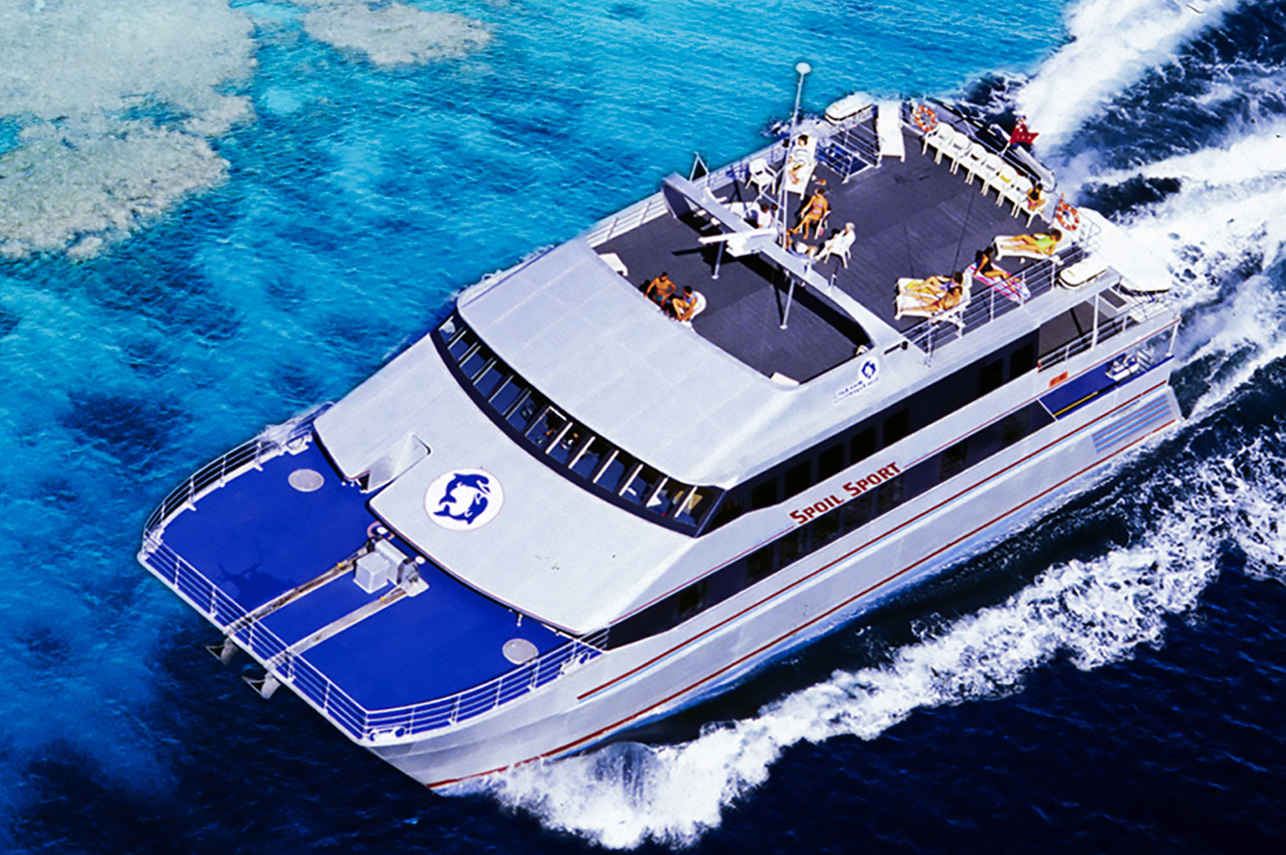
Spoilsport
Australia
28 guests30 m
$409/day
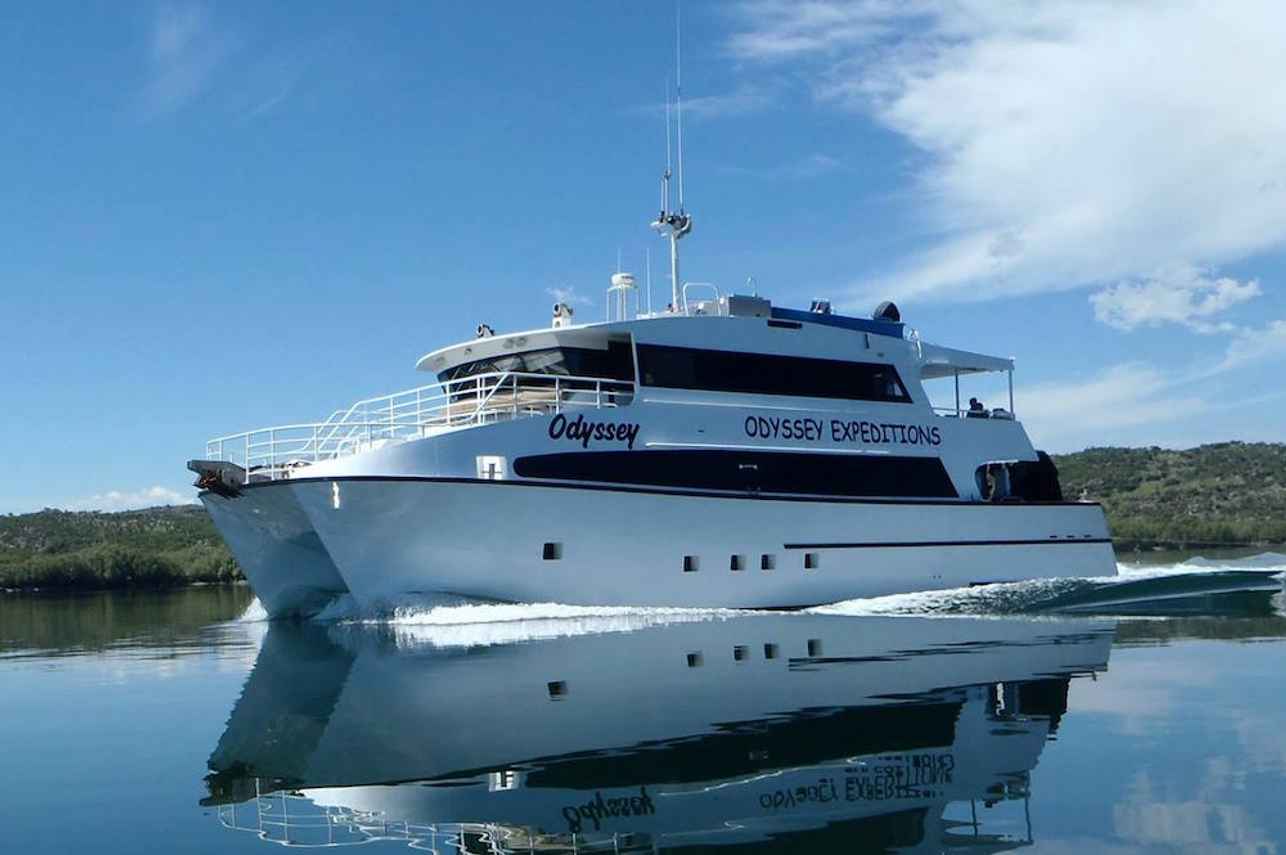
Odyssey Liveaboard
Australia
20 guests24 m
$392/day
Dive sites similar to Raine Island
Same character, same waters — six more sites divers love for the exact same reasons.Compare seasons, access and liveaboard routes — then pick the site that fits your trip best.
© Esri — Maxar, Earthstar, GIS
Agincourt Reef
Australia
Agincourt Reef sits on the outer edge of the Great Barrier Reef, roughly 60–72 km off Port Douglas in Far North Queensland, at the southern end of the true ribbon reefs that run…
- Suitable for
- Beginner
- Current
- Moderate
- Access
- Dayboat
- Depth
- 2–20 m
- Theme
- Reef / Wall
© Esri — Maxar, Earthstar, GIS
Cocos Keeling - Canons
Australia
Cocos Keeling - Canons offers a distinctive dive experience within the Cocos (Keeling) Islands lagoon, making it Australia's most remote dive destination.
- Suitable for
- Beginner
- Current
- Mild
- Access
- Dayboat
- Depth
- 8–12 m
- Theme
- Reef
© Esri — Maxar, Earthstar, GIS
Neptune Islands
Australia
The Neptune Islands, nestled at the mouth of South Australia's Spencer Gulf, offer an unparalleled opportunity to encounter great white sharks.
- Suitable for
- Advanced
- Current
- Strong
- Access
- Liveaboard or dayboat
- Depth
- 5–15 m
- Theme
- Drift
© Esri — Maxar, Earthstar, GIS
Bare Island East
Australia
Bare Island East is a highly regarded shore dive in Sydney, celebrated for its diverse and colourful sponge gardens.
- Suitable for
- Intermediate
- Current
- Mild
- Access
- Shore / dayboat
- Depth
- 2–11 m
- Theme
- Reef
© Esri — Maxar, Earthstar, GIS
Cocos Keeling - Broccoli Patch
Australia
Broccoli Patch is a premier dive site nestled within the Cocos (Keeling) Islands lagoon system, offering a gentle yet captivating underwater experience.
- Suitable for
- Beginner
- Current
- Mild
- Access
- Dayboat
- Depth
- 5–10 m
- Theme
- Reef
© Esri — Maxar, Earthstar, GIS
Milln Reef
Australia
Milln Reef, located approximately 60km offshore from Cairns within the Great Barrier Reef, stands out as a highly favored outer reef destination for both divers and snorkelers.
- Suitable for
- Intermediate
- Current
- Moderate
- Access
- Liveaboard or dayboat
- Depth
- 4–22 m
- Theme
- Reef