About Great Detached Reefs
The Great Detached Reefs represent a truly remote and untouched section of the Far Northern Great Barrier Reef, far removed from regular tourist routes. This area offers unparalleled exploratory diving within one of the healthiest coral systems globally, often unmapped and unexplored, providing a unique expedition feel. Underwater topography is highly diverse, featuring towering oceanic walls, isolated pinnacles, vibrant coral gardens, deep canyons, and hidden caves. Depths commonly range from shallow reef tops at 12 meters to over 40 meters on deeper walls, shaped by strong oceanic currents that contribute to its exceptional water clarity and robust ecosystems. Marine life encounters are significant and varied throughout the year, with a particular highlight from October to March when the region becomes a major nesting ground for green sea turtles. This period sees thousands of turtles congregating, offering rare opportunities to witness their nesting activities and migration patterns. Diving here is an unfiltered, wild experience, free from crowds or coastal runoff. It requires preparation and advanced certification due to common strong currents and rapidly changing conditions, making it best suited for confident and experienced divers seeking a dynamic and diverse ecosystem.
Highlights
Unexplored, pristine coral systemsTowering oceanic wallsIsolated pinnaclesDeep canyons and hidden cavesGreen sea turtle nesting groundsAbundant pelagic and macro lifeExpedition-style divingStrong oceanic currents
Season calendar
Best months to dive here
Jan
Feb
Mar
Apr
May
Jun
Jul
Aug
Sep
Oct
Nov
Dec
Excellent
Good
Dive site facts: Great Detached Reefs
- Depth
- 12–40 m+
- Current
- Strong
- Visibility
- 10–25 m (occasional exceptional clarity)
- Entry
- Tender / drift entry
- Level
- Advanced Open Water (Deep Diver for some sites)
- Dive type
- Wall, pinnacle, coral garden, drift
- Region / port
- Far Northern Great Barrier Reef
- Coordinates
- 14.5000° S, 145.8000° E
Conditions & Currents
Currents are a prominent feature of the Great Detached Reefs, often described as strong and dynamic, especially along its steep oceanic walls. These currents are an integral part of the dive experience, contributing to the exceptional water clarity and the health of the coral systems, but they demand preparedness from divers. Divers must be comfortable with drift diving techniques, including maintaining precise buoyancy control to stay within specific current layers and avoid unintended ascents or descents. Entry points may involve tendering to a specific drop-off location, with divers drifting along the reef and being picked up downstream by the boat, necessitating diligent use of surface marker buoys for visibility. While these currents add excitement and concentrate pelagic life, they also mean conditions can change rapidly, requiring confident, experienced divers with good physical
Marine life & sighting chances
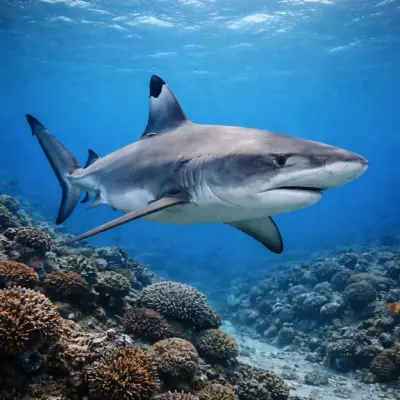
Grey reef shark
common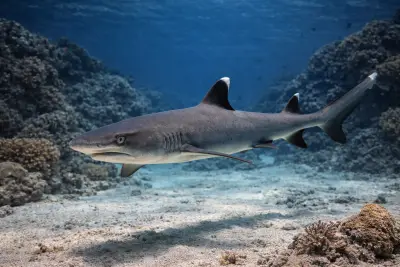
Whitetip reef shark
common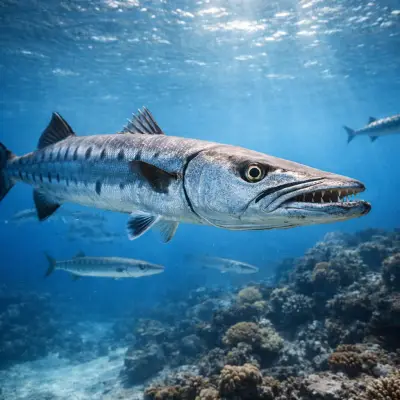
Barracuda
common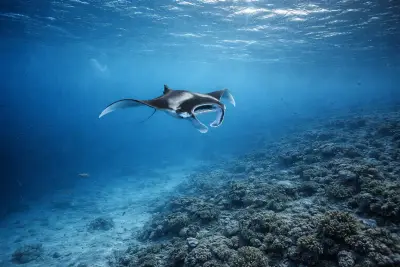
Manta ray
occasional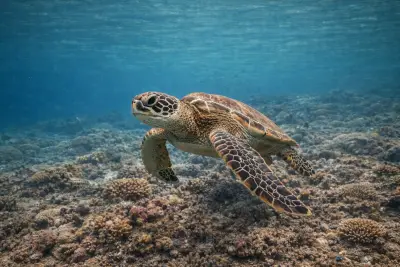
Green sea turtle
October to March · common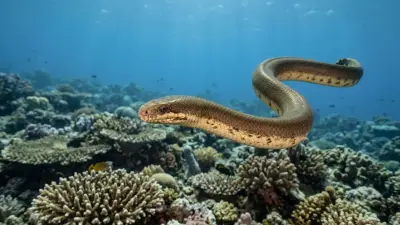
Sea snake
occasional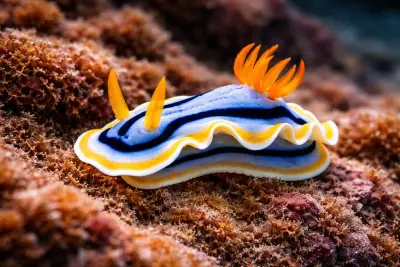
Nudibranch
common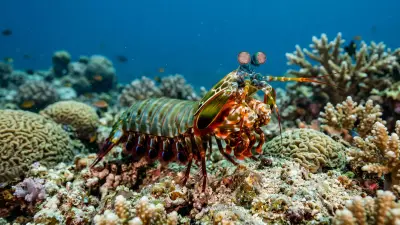
Shrimp
common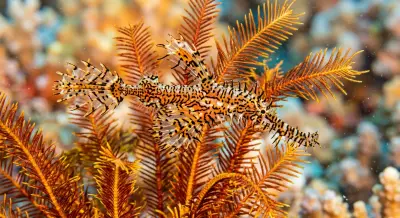
Pipefish
common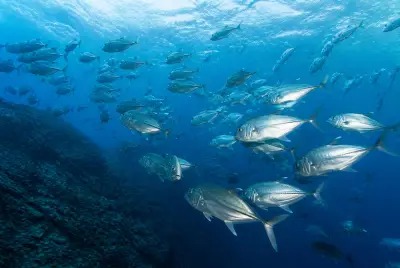
Pelagic fish schools
commonDive profile & how the dive runs
Diving the Great Detached Reefs typically involves drift diving due to the prevalent strong currents, with entries often made from a tender. Divers descend into deep oceanic walls or along coral gardens, allowing the current to carry them past diverse topography like pinnacles, canyons, and caves. The dive profile involves staying streamlined and maintaining excellent buoyancy to avoid fighting the current, focusing on the passing scenery and pelagic encounters. The dive culminates as divers drift towards a pre-determined pick-up point, where a surface marker buoy is deployed from depth to signal their position to the dive boat for recovery. Safety stops are conducted in the blue, managing buoyancy against the current before surfacing for tender pickup.
Underwater photography
Capturing the wild beauty of the Great Detached Reefs requires careful planning due to the strong currents and variable visibility. For wide-angle shots of the towering walls, coral gardens, and pelagic schools, a fisheye or wide-angle rectilinear lens is ideal. Be prepared for strong backscatter in certain conditions; external strobes are essential to provide fill light and bring out the vibrant colors of soft corals and gorgonians, especially on deeper walls. When photographing macro life like nudibranchs, shrimp, or pipefish, consider a dedicated macro lens and a snooted strobe to isolate subjects in the current. Maintaining excellent buoyancy is crucial for steady shots and to avoid contact with the fragile reef. For turtle encounters during nesting season, a medium zoom lens (e.g., 60mm equivalent) can be effective. Always respect marine life, especially nesting turtles, and avoid disruptive lighting or close approaches.
Combine with nearby dive sites
Getting there & logistics
Access to the Great Detached Reefs is exclusively via liveaboard trips due to its remote location hundreds of kilometers offshore, far from populated areas like Cairns. Standard day trips from Cairns do not reach this region. Liveaboards typically depart from Cairns, Australia, requiring divers to fly into Cairns Airport (CNS) for embarkation. Expeditions to the Far Northern Great Barrier Reef, including the Great Detached Reefs, are multi-day voyages focused entirely on diving these pristine and remote sites. Marine Park fees are typically included in liveaboard packages, but divers should confirm. Trips are often combined with other remote Far North sites like the Ribbon Reefs and Osprey Reef, providing a comprehensive exploration of Australia's wildest underwater frontier.
Safety & environment
Diving in the remote Great Detached Reefs requires stringent safety protocols due to its distance from shore and potential for strong currents. While liveaboards are equipped with trained crew for emergency management, including CPR, oxygen therapy, and defibrillators, the nearest recompression chamber is in Cairns, hours away by sea and air. Divers are issued personal locator beacons (e.g., Nautilus Lifeline units) as standard in-water safety equipment, alongside whistles and safety sausages, to aid in surface tracking and recovery. Dive buddies are responsible for planning and executing their dives within safe limits, as full guided services are not typically offered. Comprehensive dive insurance, covering emergency evacuation and hyperbaric treatment, is highly recommended. Physical fitness and recent diving experience (e.g., 10 ocean dives within the last 12 months for Ribbon Reefs or 20 for Coral Sea) are prerequisites, and a refresher course is advised for those with limited recent experience. Rapidly changing conditions and strong currents are inherent hazards requiring careful attention to briefings and situational awareness.
Who it suits — and who it doesn't
Suited for
- Experienced Advanced Open Water divers
- Divers seeking remote, expedition-style diving
- Those comfortable with strong currents and drift diving
- Underwater photographers targeting pelagic and wide-angle scenes
- Nature enthusiasts keen on green sea turtle nesting (seasonal)
Less suited for
- Beginner Open Water divers
- Divers uncomfortable with strong currents
- Those preferring guided dives with fixed itineraries
- Divers with limited physical fitness
- Individuals prone to seasickness on liveaboards
FAQ
Great Detached Reefs FAQ
What kind of marine life can I expect to see at the Great Detached Reefs?
The Great Detached Reefs boast significant marine biodiversity. Divers frequently encounter grey and whitetip reef sharks, large schools of pelagic fish like barracuda, and occasional manta rays. The region is particularly renowned for its dense macro life, including nudibranchs, shrimp, and pipefish, while green sea turtles are abundant during their nesting season from October to March.
How do currents affect diving at the Great Detached Reefs?
Currents at the Great Detached Reefs are generally strong and can be dynamic, which is a defining characteristic of these pristine oceanic reefs. These currents provide excellent drift diving opportunities, carrying divers along walls and pinnacles. Divers must be proficient in buoyancy control and comfortable with drift diving techniques, as conditions can change quickly and require confident navigation.
What certification level is required for diving here?
An Advanced Open Water certification is strongly recommended due to the depth range and common strong currents. For some deeper wall dives that exceed 30 meters, a Deep Diver certification may also be necessary. This site is best suited for experienced and confident divers with a good level of physical fitness.
When is the best time to visit for green sea turtles?
The prime time to witness green sea turtles at the Great Detached Reefs, and particularly at nearby Raine Island, is during their nesting season from October to March. During this period, thousands of turtles return to these protected beaches for nesting and migration, making the surrounding waters exceptionally active with these ancient creatures.
Is the Great Detached Reefs accessible for day trips?
No, the Great Detached Reefs are not accessible via day trips. Due to their extreme remoteness and distance from the mainland, these reefs can only be reached through multi-day liveaboard expeditions. Trips typically depart from Cairns and combine visits to various remote sites in the Far Northern Great Barrier Reef.
Why dive Great Detached Reefs from a liveaboard?
Great Detached Reefs is one of Australia's signature dive sites. A liveaboard sleeps you on the water and puts you in the water for three to four guided dives per day, including dawn and night dives that day-boat operators rarely offer. You skip the daily commute back to port and reach quieter, less-crowded sites in the same region on a single trip.
Below are the liveaboards that include Great Detached Reefs on their Australia itineraries.
Liveaboards diving Great Detached Reefs
These liveaboards may visit Great Detached Reefs on selected itineraries — the exact dive sites depend on departure, weather and conditions.
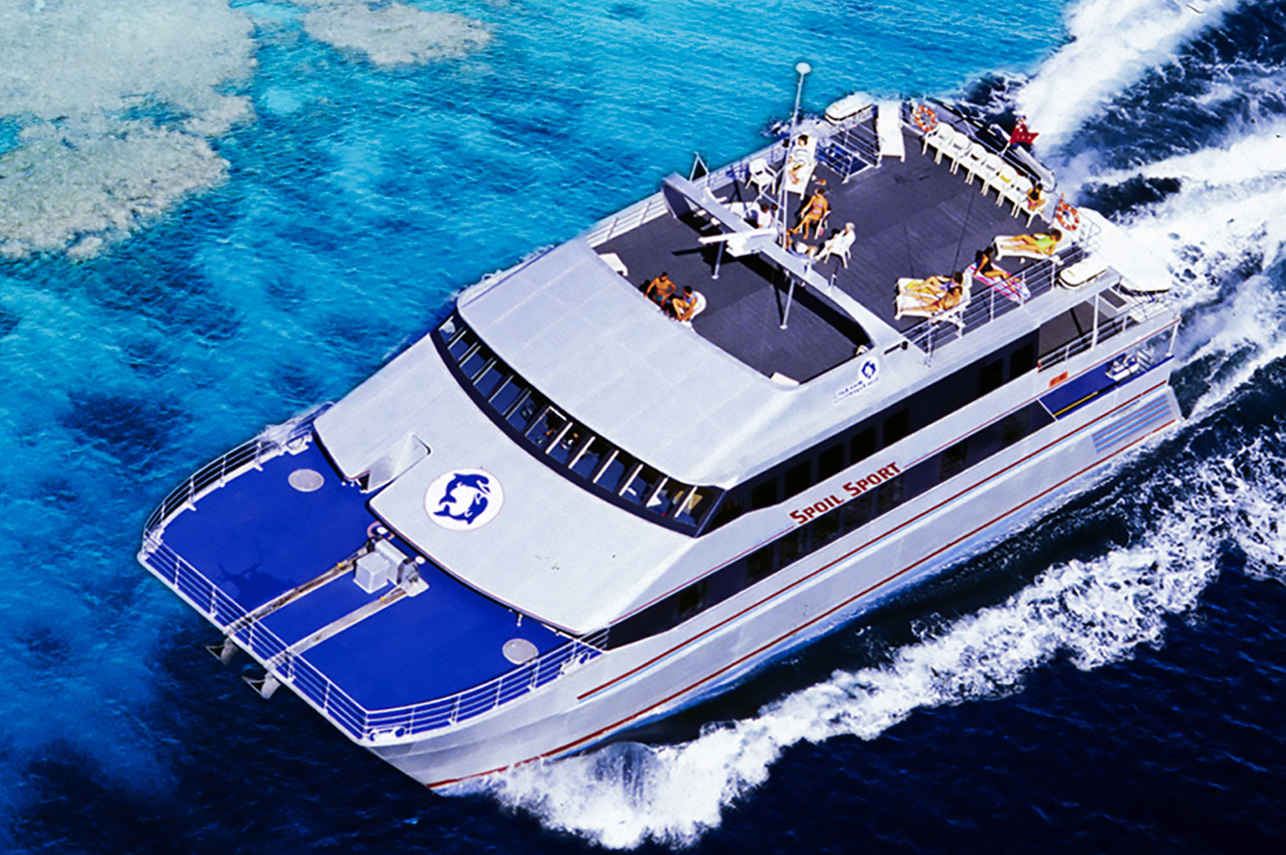
Spoilsport
Australia
28 guests30 m
$408/day
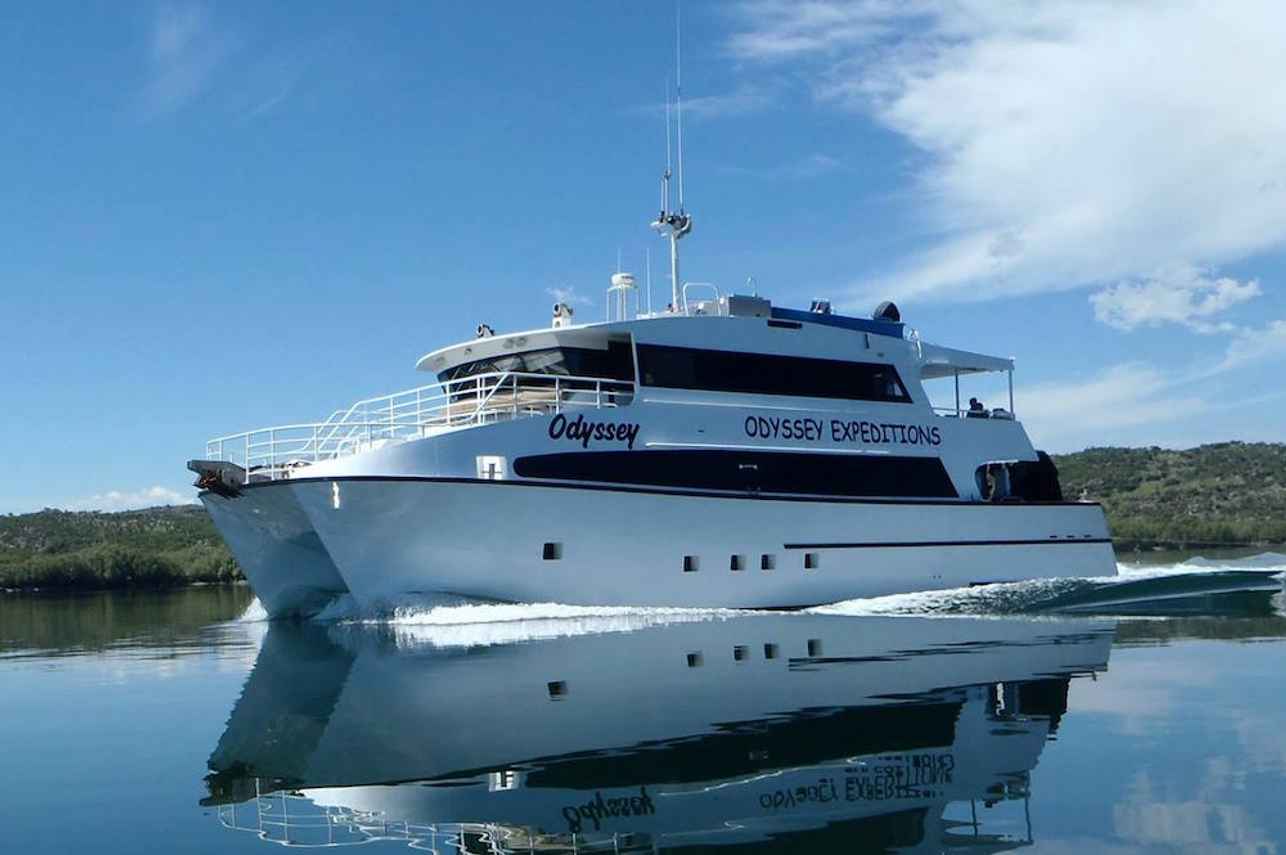
Odyssey Liveaboard
Australia
20 guests24 m
$392/day
Dive sites similar to Great Detached Reefs
Same character, same waters — six more sites divers love for the exact same reasons.Compare seasons, access and liveaboard routes — then pick the site that fits your trip best.
© Esri — Maxar, Earthstar, GIS
Agincourt Reef
Australia
Agincourt Reef sits on the outer edge of the Great Barrier Reef, roughly 60–72 km off Port Douglas in Far North Queensland, at the southern end of the true ribbon reefs that run…
- Suitable for
- Beginner
- Current
- Moderate
- Access
- Dayboat
- Depth
- 2–20 m
- Theme
- Reef / Wall
© Esri — Maxar, Earthstar, GIS
Cocos Keeling - Canons
Australia
Cocos Keeling - Canons offers a distinctive dive experience within the Cocos (Keeling) Islands lagoon, making it Australia's most remote dive destination.
- Suitable for
- Beginner
- Current
- Mild
- Access
- Dayboat
- Depth
- 8–12 m
- Theme
- Reef
© Esri — Maxar, Earthstar, GIS
Raine Island
Australia
Raine Island is a pivotal dive site located in the Far Northern Great Barrier Reef, approximately 85 kilometers east-north-east of Cape Grenville and just over 4 nautical miles south of the island itself.
- Suitable for
- Advanced
- Current
- Strong
- Access
- Liveaboard only
- Depth
- 5–40 m
- Theme
- Reef / Wall
© Esri — Maxar, Earthstar, GIS
Bare Island East
Australia
Bare Island East is a highly regarded shore dive in Sydney, celebrated for its diverse and colourful sponge gardens.
- Suitable for
- Intermediate
- Current
- Mild
- Access
- Shore / dayboat
- Depth
- 2–11 m
- Theme
- Reef
© Esri — Maxar, Earthstar, GIS
Cocos Keeling - Broccoli Patch
Australia
Broccoli Patch is a premier dive site nestled within the Cocos (Keeling) Islands lagoon system, offering a gentle yet captivating underwater experience.
- Suitable for
- Beginner
- Current
- Mild
- Access
- Dayboat
- Depth
- 5–10 m
- Theme
- Reef
© Esri — Maxar, Earthstar, GIS
Milln Reef
Australia
Milln Reef, located approximately 60km offshore from Cairns within the Great Barrier Reef, stands out as a highly favored outer reef destination for both divers and snorkelers.
- Suitable for
- Intermediate
- Current
- Moderate
- Access
- Liveaboard or dayboat
- Depth
- 4–22 m
- Theme
- Reef