About Ribbon Reef
The Ribbon Reefs comprise ten elongated, narrow coral structures that form the outer edge of the Great Barrier Reef, stretching between Cooktown and Cape York in northern Queensland, Australia. These remote reefs are situated approximately 50-100 km offshore, making them exclusively accessible via liveaboard trips. Characteristically, the Ribbon Reefs are no wider than 450 meters and generally quite shallow, often rising to within 5 meters of the surface from sandy bottoms typically 15-20 meters deep. The outer walls can drop to significant depths, in places covered by soft coral communities. The northern reefs, particularly Ribbon Reef #9 and #10, are celebrated for the highest quality diving, featuring cleaner oceanic water and exceptional marine life density. Marine biodiversity is remarkable, including resident populations of potato cod at famous sites like Cod Hole, alongside frequent sightings of reef sharks, large pelagics, and abundant macro life. Specific seasonal highlights include dwarf minke whales from June to July and extensive turtle nesting activity from October to March, particularly around Raine Island. Visibility is generally excellent year-round, often ranging from 10 to 25 meters, with potential for up to 35 meters or even 60 meters in the Coral Sea. The diving experience here is considered pristine and adventurous, far removed from typical tourist crowds, making it a staple for liveaboard itineraries seeking an untouched Great Barrier Reef experience.
Highlights
Giant potato cod interactionPristine outer reef conditionsAbundant macro and pelagic lifeWhitetip and grey reef sharksVibrant coral gardensDwarf minke whale encountersExceptional water clarityRemote, uncrowded dive sites
Season calendar
Best months to dive here
Jan
Feb
Mar
Apr
May
Jun
Jul
Aug
Sep
Oct
Nov
Dec
Good
Dive site facts: Ribbon Reef
- Depth
- 5–40+ m
- Typical dive
- 15–28 m, 50–60 min
- Current
- Mild to strong, site-dependent
- Visibility
- 10–35 m, up to 60 m in Coral Sea
- Water temperature
- 24–30 °C
- Entry
- Liveaboard tender / backroll
- Level
- Open Water to Advanced Open Water (Deep Diver for some sites)
- Dive type
- Reef, drift, pelagic, macro, wall, pinnacles
- Night dive
- Possible
- Region / port
- Far North Great Barrier Reef, Queensland
- Coordinates
- 16.3667° S, 145.8500° E
Conditions & Currents
Diving the Ribbon Reefs involves variable current conditions, ranging from mild in protected areas to strong on exposed reef walls and in passages between reefs. These passages, designed as ship channels, can create excellent drift diving opportunities during specific tidal conditions, necessitating careful planning for entry and exit techniques. While many sites are shallow and beginner-friendly with minimal currents, deeper wall dives and certain locations like Raine Island and Tijou can experience significant water movement, requiring advanced diving skills and good buoyancy control. Visibility is consistently good, ranging from 10 to 25 meters, with potential for up to 35 meters on the northern ribbons due to cleaner oceanic flushing, and rarely up to 60 meters in the Coral Sea. Surface conditions are generally calm year-round, though south-easterly trade winds can be stronger from M
Marine life & sighting chances
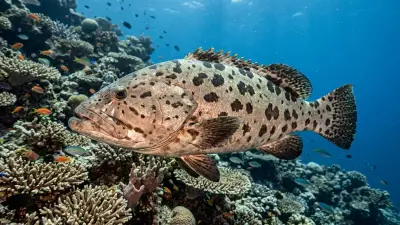
Potato Cod
common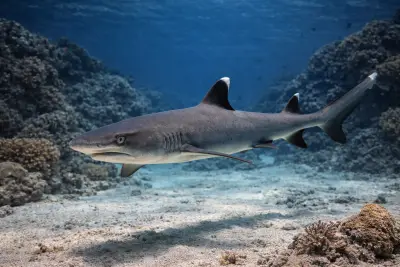
Whitetip Reef Shark
common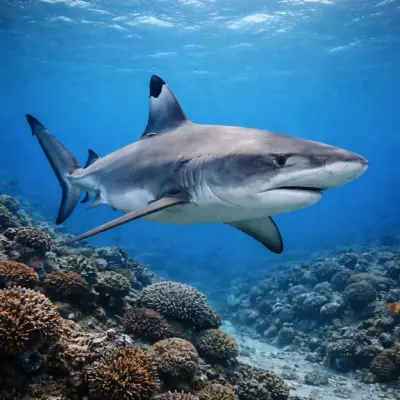
Grey Reef Shark
common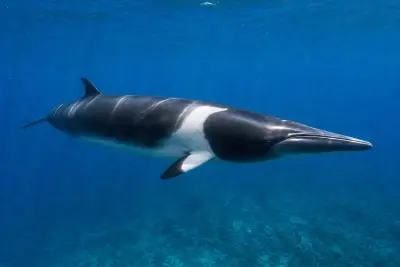
Dwarf Minke Whale
June-July · occasional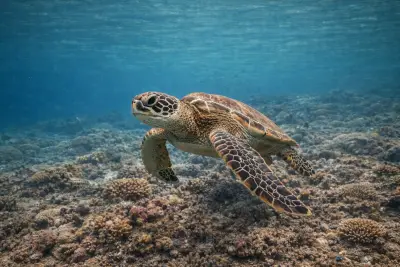
Green Turtle
Oct-Mar (nesting) · common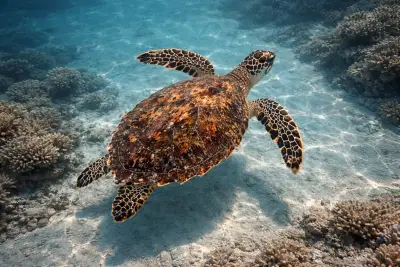
Hawksbill Turtle
common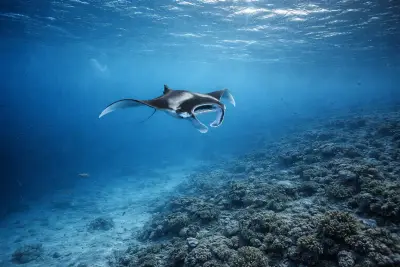
Manta Ray
Apr-Oct & Jan-Apr · occasional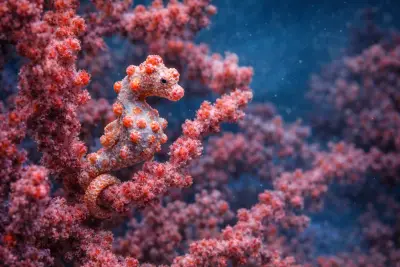
Pygmy Seahorse
occasional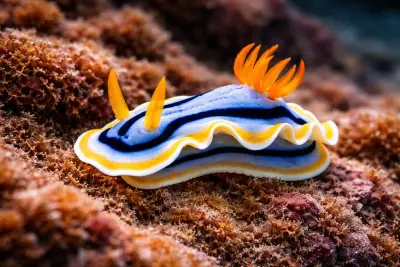
Nudibranch
common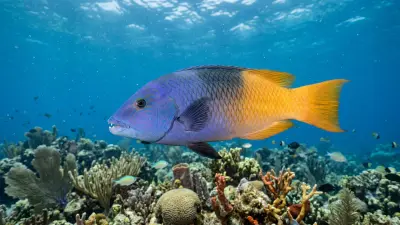
Maori Wrasse
common
Coral Trout
common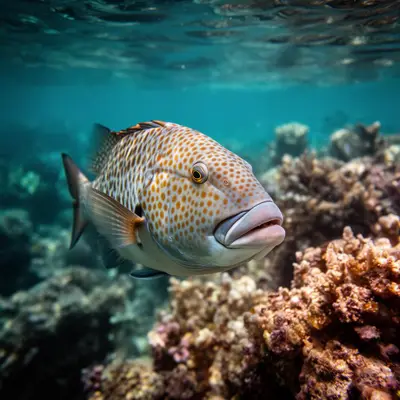
Sweetlips
Spring · common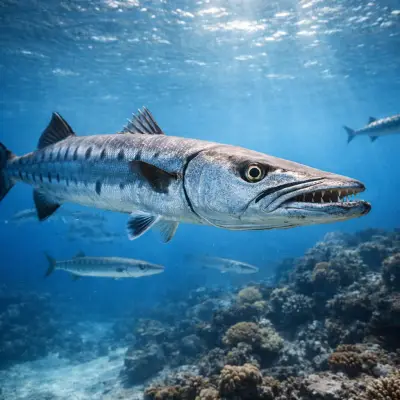
Chevron Barracuda
common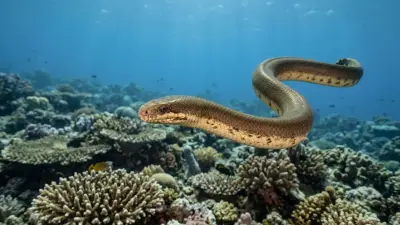
Olive Sea Snake
occasionalDive profile & how the dive runs
Typical dives at the Ribbon Reefs often involve descending to a sandy area at around 18-22 meters, as seen at Cod Hole, to observe resident potato cod. From here, divers can explore the surrounding reef structure, which starts at a mere 5 meters and gently slopes down, revealing extensive hard coral fields intertwined with sandy gullies. Sites like Steve's Bommie are pinnacles rising from 28 meters to within 3 meters of the surface, offering a circular route to view diverse macro and schooling fish life across different depth bands. Deeper wall dives, found on the outer edges, may require descents to 40+ meters. Safety stops are typically conducted in the shallower sections of the reef, often among vibrant coral gardens, where plenty of smaller marine life can be observed. Given the potential for currents, particularly in passages between reefs, divers should maintain situational awareness and stay close to their guides.
Underwater photography
Underwater photography at the Ribbon Reefs offers a wide array of subjects, from large pelagics to intricate macro life. For wide-angle shots, especially with the charismatic potato cod at Cod Hole, an 8-15mm lens is ideal; position strobes wide and behind the lens to minimize backscatter from the bright sandy bottom. Mid-range lenses are excellent for capturing schools of barracuda, trevally, and reef sharks. Macro enthusiasts will find abundant opportunities for nudibranchs, pygmy seahorses, pipefish, and anemonefish, particularly at sites like Lighthouse Bommie. Consider shooting wide-angle during midday for natural light and vibrant color saturation, reserving macro dives for earlier mornings or late afternoons when artificial light becomes more crucial. Buoyancy control is paramount to avoid disturbing delicate corals and stirring up sand, especially around subject-rich areas.
Combine with nearby dive sites
- Cod Hole
Famous for resident potato cod, often combined with Ribbon Reef itineraries.
- Steve’s Bommie
A renowned coral pinnacle offering extensive schooling fish and macro subjects.
- Challenger Bay
Located between Ribbon Reef #9 and #10, known for excellent corals and stingrays.
- Lighthouse Bommie
A creature-rich pinnacle with turtles, sea snakes, and diverse schooling fish.
- Great Detached Reefs
Remote, untouched oceanic walls and pinnacles in the Far Northern GBR.
- Lizard Island
Northernmost point for many liveaboard journeys to the Ribbon Reefs.
Getting there & logistics
Access to the Ribbon Reefs is predominantly via liveaboard cruises, departing from Cairns or Port Douglas. Cairns International Airport (CNS) serves as the primary gateway. These itineraries typically span 3 to 7 days, combining Ribbon Reef sites with the renowned Cod Hole and sometimes extending to Coral Sea destinations like Osprey Reef. Given the remote location, day trips are not feasible for most Ribbon Reef sites. Park fees may apply as it is part of the Great Barrier Reef Marine Park. It's advisable to book well in advance, especially during peak seasons, as liveaboard spaces can be limited.
Safety & environment
Diving at the Ribbon Reefs, due to its remote location, requires adherence to strict safety protocols. The nearest recompression chamber is located in Townsville. Evacuation in case of a medical emergency can be complex and time-consuming, often requiring air transport, so comprehensive dive insurance including emergency evacuation coverage is highly recommended. Site-specific hazards include potentially strong currents, especially in passages, which necessitate proper dive planning and buddy system adherence. Divers should be confident in their skills, particularly for advanced sites, and follow dive guide instructions diligently. Always monitor air consumption and bottom time, and be aware of surrounding marine life, maintaining respectful distances from animals, particularly large groupers and sharks.
Who it suits — and who it doesn't
Suited for
- Experienced divers seeking pristine, remote reef diving
- Divers interested in diverse marine life, from macro to large pelagics
- Underwater photographers looking for unique subjects and clear conditions
- Liveaboard enthusiasts seeking multi-day immersion
- Divers with advanced certifications comfortable with varied currents
Less suited for
- Divers seeking day trip access from the mainland
- Beginner divers uncomfortable with potential currents or deeper profiles
- Those prone to seasickness on longer boat journeys
- Budget-conscious travelers, as liveaboards are typically higher cost
- Divers who prefer heavily structured and predictable dive sites
FAQ
Ribbon Reef FAQ
What is the best time of year to visit the Ribbon Reefs?
The best time to visit is from September to December for warm waters, light winds, and excellent visibility, coinciding with coral spawning. For specific encounters with dwarf minke whales, June and July are the prime months. While diving is possible year-round, the 'wet' season from January to April can bring more rain, though offshore conditions often remain good.
How do I get to the Ribbon Reefs?
The Ribbon Reefs are located far offshore and are exclusively accessible via liveaboard dive boats. These typically depart from Cairns or Port Douglas, offering itineraries ranging from 3 to 7 days. Day trips to these specific reefs are not available due to their remote location.
What kind of marine life can I expect to see at the Ribbon Reefs?
You can anticipate encountering a remarkable diversity of marine life, including the famous giant potato cod at Cod Hole. Expect to see various reef sharks like whitetips and grey reefs, schooling pelagics such as barracudas and trevally, and vibrant reef fish. Macro life like nudibranchs and pygmy seahorses is also abundant, with seasonal sightings of dwarf minke whales and numerous turtles.
Are the Ribbon Reefs suitable for beginner divers?
While some shallow, protected areas of the Ribbon Reefs can be suitable for Open Water divers, many sites involve deeper profiles, potential currents, and open ocean conditions. An Advanced Open Water certification is generally recommended to fully enjoy the diverse dive sites, and comfort with drift diving is beneficial. Beginners should consult with liveaboard operators about specific site suitability.
What is Cod Hole and why is it famous?
Cod Hole is a specific dive site within Ribbon Reef #10, renowned for its resident population of exceptionally large and charismatic potato cod. These groupers, some weighing over 60 kg, are accustomed to divers and often approach closely, providing unique interaction opportunities. It's considered one of the Great Barrier Reef's most iconic dive experiences.
What are the typical dive depths and visibility like?
Dive depths range from shallow reef tops at 5 meters to deeper walls extending beyond 40 meters. Typical dives often occur between 15-28 meters. Visibility is consistently excellent throughout the year, usually ranging from 10 to 25 meters, and can often reach 35 meters or more on the northern ribbons due to clean oceanic water flushing.
Why dive Ribbon Reef from a liveaboard?
Ribbon Reef is one of Australia's signature dive sites. A liveaboard sleeps you on the water and puts you in the water for three to four guided dives per day, including dawn and night dives that day-boat operators rarely offer. You skip the daily commute back to port and reach quieter, less-crowded sites in the same region on a single trip.
Below are the liveaboards that include Ribbon Reef on their Australia itineraries.
Liveaboards diving Ribbon Reef
These liveaboards may visit Ribbon Reef on selected itineraries — the exact dive sites depend on departure, weather and conditions.
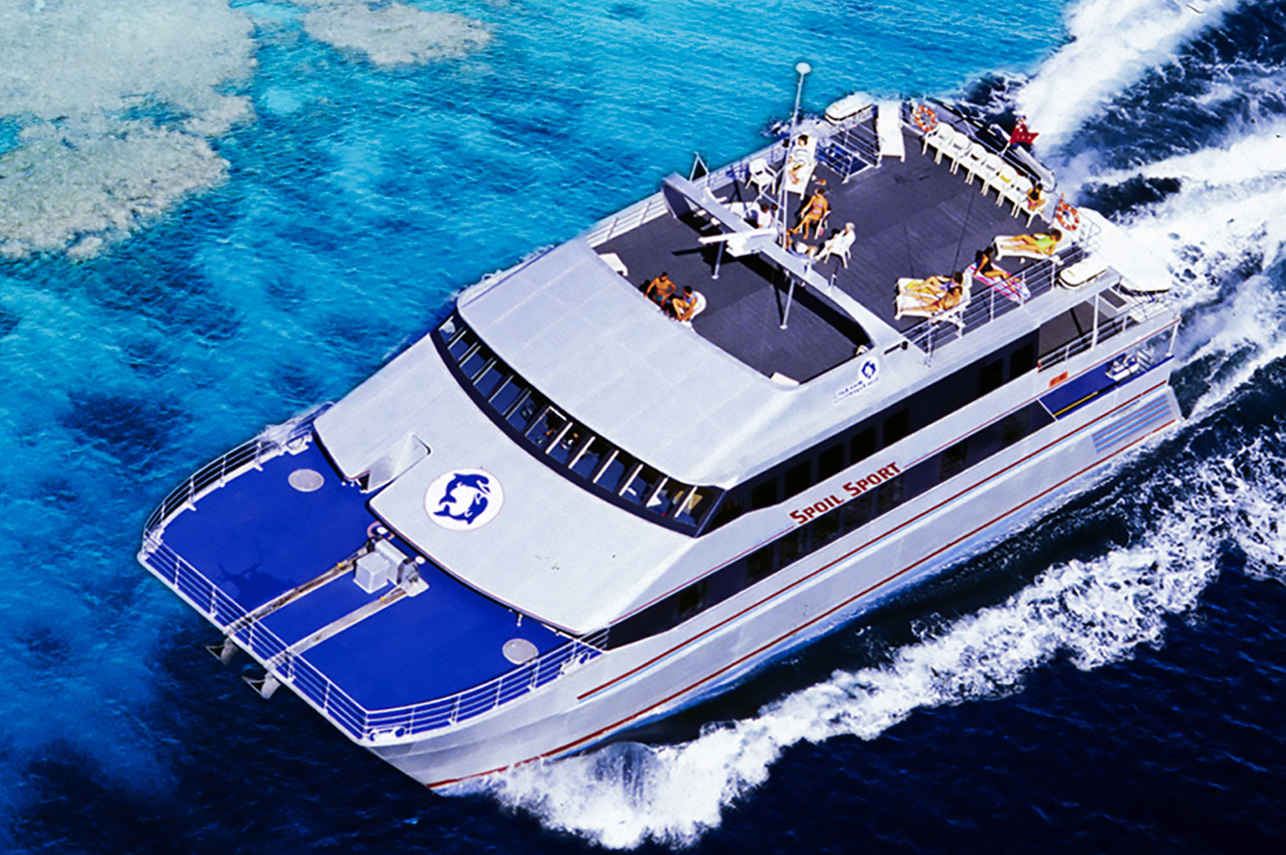
Spoilsport
Australia
28 guests30 m
$408/day
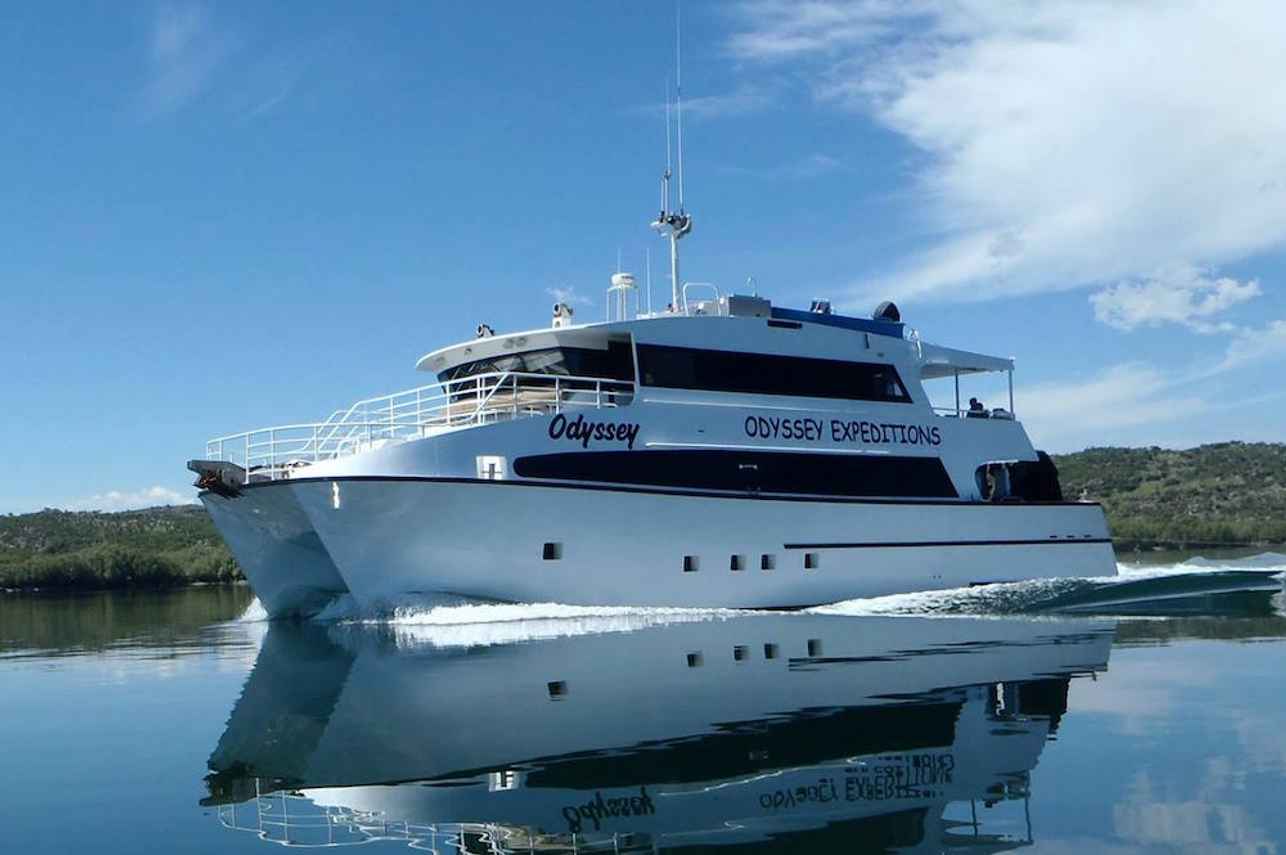
Odyssey Liveaboard
Australia
20 guests24 m
$392/day
Dive sites similar to Ribbon Reef
Same character, same waters — six more sites divers love for the exact same reasons.Compare seasons, access and liveaboard routes — then pick the site that fits your trip best.
© Esri — Maxar, Earthstar, GIS
Agincourt Reef
Australia
Agincourt Reef sits on the outer edge of the Great Barrier Reef, roughly 60–72 km off Port Douglas in Far North Queensland, at the southern end of the true ribbon reefs that run…
- Suitable for
- Beginner
- Current
- Moderate
- Access
- Dayboat
- Depth
- 2–20 m
- Theme
- Reef / Wall
© Esri — Maxar, Earthstar, GIS
Cocos Keeling - Canons
Australia
Cocos Keeling - Canons offers a distinctive dive experience within the Cocos (Keeling) Islands lagoon, making it Australia's most remote dive destination.
- Suitable for
- Beginner
- Current
- Mild
- Access
- Dayboat
- Depth
- 8–12 m
- Theme
- Reef
© Esri — Maxar, Earthstar, GIS
Raine Island
Australia
Raine Island is a pivotal dive site located in the Far Northern Great Barrier Reef, approximately 85 kilometers east-north-east of Cape Grenville and just over 4 nautical miles south of the island itself.
- Suitable for
- Advanced
- Current
- Strong
- Access
- Liveaboard only
- Depth
- 5–40 m
- Theme
- Reef / Wall
© Esri — Maxar, Earthstar, GIS
Bare Island East
Australia
Bare Island East is a highly regarded shore dive in Sydney, celebrated for its diverse and colourful sponge gardens.
- Suitable for
- Intermediate
- Current
- Mild
- Access
- Shore / dayboat
- Depth
- 2–11 m
- Theme
- Reef
© Esri — Maxar, Earthstar, GIS
Cocos Keeling - Broccoli Patch
Australia
Broccoli Patch is a premier dive site nestled within the Cocos (Keeling) Islands lagoon system, offering a gentle yet captivating underwater experience.
- Suitable for
- Beginner
- Current
- Mild
- Access
- Dayboat
- Depth
- 5–10 m
- Theme
- Reef
© Esri — Maxar, Earthstar, GIS
Milln Reef
Australia
Milln Reef, located approximately 60km offshore from Cairns within the Great Barrier Reef, stands out as a highly favored outer reef destination for both divers and snorkelers.
- Suitable for
- Intermediate
- Current
- Moderate
- Access
- Liveaboard or dayboat
- Depth
- 4–22 m
- Theme
- Reef