About Ahe Atoll
Ahe Atoll, a remote and authentic destination in French Polynesia, offers a dive experience deeply intertwined with its local pearl farming community. Located in the Tuamotu Archipelago, this low-lying coral atoll provides a stark contrast to the volcanic islands, focusing instead on the vibrant underwater life within its lagoon and passes. Diving here reveals pristine coral gardens and a healthy population of reef fish, largely due to its isolation and less frequent tourist traffic, ensuring a more intimate encounter with nature. The topography primarily consists of gentle slopes leading into deeper waters, with particular attention given to the passes where currents bring in nutrient-rich water. These areas are magnets for pelagic species, creating dynamic drift dives. Depths typically range from shallow lagoon explorations suitable for beginners to more advanced drift dives in the passes, reaching beyond 20 meters. Marine life is abundant and diverse, often featuring healthy shark populations, manta rays, and various schooling fish. The dry season from March to November offers optimal visibility and calmer seas, enhancing the chances of encountering larger pelagics. While specific seasonal aggregations are less documented than in more famous passes like Fakarava, Ahe maintains a consistent high quality of marine biodiversity year-round. Divers can expect a less commercialized setup, with local dive operators providing personalized experiences. The focus is on the natural environment and sustainable practices, often including visits to local pearl farms which also contribute to the atoll's ecological balance. This destination appeals to those seeking an unspoiled, adventurous dive trip away from the mainstream.
Highlights
Authentic pearl farming communityPristine coral gardensHealthy shark populationsRemote Tuamotu AtollPersonalized dive experiencesManta ray sightings
Season calendar
Best months to dive here
Jan
Feb
Mar
Apr
May
Jun
Jul
Aug
Sep
Oct
Nov
Dec
Excellent
Dive site facts: Ahe Atoll
- Depth
- 5–30 m
- Typical dive
- 15–25 m, 50–60 min
- Current
- Moderate to strong in passes
- Visibility
- 30–50 m
- Water temperature
- 27–29°C
- Entry
- Tender / Negative entry for drift dives
- Level
- Advanced Open Water recommended, current experience beneficial
- Dive type
- Drift, reef, pelagic encounters
- Night dive
- Possible
- Region / port
- Tuamotu Archipelago, French Polynesia
- Coordinates
- -14.4833, -146.3
Conditions & Currents
Diving in Ahe Atoll, particularly around its passes, often involves noticeable currents. These currents, though sometimes strong, are responsible for bringing in nutrient-rich waters that attract a wide array of marine life, including various pelagics. Divers should be prepared for drift dives, where the current guides the underwater journey, requiring good buoyancy control and comfort with dynamic conditions. Entry methods often involve tender drops directly into the current, and exits typically occur at designated pick-up points further along the pass. Visibility remains excellent, often exceeding 30 meters, even with currents, but can be temporarily reduced after heavy rainfall near shore. There are no significant thermoclines reported, with water temperatures consistently warm. Divers should plan their gas consumption carefully, as dive times can vary depending on the speed of the dr
Marine life & sighting chances

Manta Ray
occasional
Reef Shark
common
Grouper
common
Eagle Ray
occasional
Tuna
occasional
Trevally
common
Hawksbill Turtle
occasional
Napoleon Wrasse
occasional
Barracuda
occasionalDive profile & how the dive runs
Dives in Ahe typically begin with a tender drop at the mouth of one of the atoll's passes, strategically timed with the incoming or outgoing tide to initiate a drift. Divers descend quickly to a comfortable depth, usually around 15-20 meters, allowing the current to carry them into the pass. The route follows the natural contours of the channel, showcasing diverse coral formations and an abundance of reef fish sheltering from the flow. As the dive progresses, expect encounters with pelagic species like reef sharks and occasional manta rays drawn in by the currents. The dive typically lasts 50-60 minutes, with the turn point determined by air consumption and current strength. The safety stop is performed while drifting, with the dive boat tracking the group and making a pick-up further inside the lagoon or outside the pass, depending on the current direction.
Underwater photography
Ahe Atoll offers excellent opportunities for wide-angle photography, particularly during drift dives in the passes where schools of fish and larger pelagics like sharks and manta rays are common subjects. A fisheye or wide-angle rectilinear lens is ideal for capturing the expansive underwater landscapes and groups of marine life. Natural light is often sufficient due to the exceptional visibility, but strobes can enhance colors and bring out details, especially in deeper sections or for macro subjects on the reef. Pay close attention to buoyancy control during drift dives to avoid stirring up sediment and to maintain a stable platform for shooting. Consider slow shutter speeds to convey motion in current shots, and always respect marine life by maintaining a safe distance, especially from sensitive pearl farm installations.
Combine with nearby dive sites
- Manihi - Tairapa Pass
Manihi's Tairapa Pass, located in the Tuamotu Archipelago of French Polynesia, stands out as a premier dive site for those seeking an…
- Tikehau - Tuheiava Pass
Tuheiava Pass, located in Tikehau, French Polynesia, is a renowned dive site in the stunning Tuamotu Archipelago, offering exceptional…
- Rangiroa - The Aquarium
The Aquarium at Rangiroa stands out as one of French Polynesia's most accessible dive sites, making it an ideal choice for both novice…
- Fakarava - Ohotu Reef
Ohotu Reef, situated in Fakarava's immense Garuae Pass, is a premier dive destination within the UNESCO Biosphere Reserve of French…
Getting there & logistics
Access to Ahe Atoll generally requires flights into Faa'a International Airport (PPT) in Tahiti, followed by an inter-island flight to Ahe Airport. Given its remote nature, independent travel often involves pre-arranged transfers and accommodation with local dive operators. Trips typically last several days to a week, often combined with other Tuamotu atolls like Manihi or Tikehau for a comprehensive French Polynesian dive itinerary. There are no specific park fees mentioned, but dive packages with local operators will include necessary permits and boat fees. Divers should confirm travel insurance coverage for remote destinations and emergency evacuations prior to their trip.
Safety & environment
Diving in Ahe Atoll, while rewarding, requires adherence to strict safety protocols due to its remote location and the potential for strong currents. The nearest recompression chamber is located in Tahiti, meaning evacuation times can be significant in an emergency. Comprehensive dive insurance with medical evacuation coverage is absolutely essential. Divers should always dive within their certification limits and experience level, especially in pass drift dives. Follow your dive guide's instructions closely, maintain good buoyancy, and stay hydrated. Local pearl farms are active, and divers should be mindful of their presence, avoiding any disturbance to their operations or equipment.
Who it suits — and who it doesn't
Suited for
- Experienced drift divers
- Advanced Open Water certified divers
- Photographers seeking pelagic action
- Divers seeking remote, authentic experiences
- Those interested in local culture and pearl farming
FAQ
Ahe Atoll FAQ
What kind of marine life can I expect to see in Ahe Atoll?
Ahe Atoll is known for its healthy marine ecosystem, offering encounters with various shark species, including reef sharks. You can also frequently spot manta rays, groupers, tuna, and trevally, especially during drift dives in the passes. The pristine coral gardens also host a wide array of colorful reef fish.
Are the currents in Ahe Atoll strong?
Yes, diving in the passes of Ahe Atoll often involves moderate to strong currents. These currents are a key feature of the diving experience, providing exciting drift dives and attracting a rich diversity of pelagic marine life. Divers should have experience with drift diving and good buoyancy control.
Is Ahe Atoll suitable for beginner divers?
While some sheltered lagoon areas may be suitable for less experienced divers, the signature drift dives in Ahe's passes are generally more appropriate for Advanced Open Water certified divers with comfort and experience in current. Beginners might find the conditions challenging without prior experience.
How do I get to Ahe Atoll?
Accessing Ahe Atoll typically involves flying into Faa'a International Airport (PPT) in Tahiti, followed by a domestic flight to Ahe Airport. Given its remote nature, it's advisable to arrange your inter-island flights and transfers in advance, often as part of a package with a local dive operator or accommodation.
What makes Ahe Atoll unique compared to other French Polynesian dive sites?
Ahe Atoll stands out for its authentic, less commercialized atmosphere and its close connection to pearl farming. It offers a more intimate and unspoiled dive experience away from larger crowds, combined with healthy coral ecosystems and consistent pelagic sightings. The focus here is on raw natural beauty and local interaction.
Why dive Ahe Atoll from a liveaboard?
Ahe Atoll is one of French Polynesia's signature dive sites. A liveaboard sleeps you on the water and puts you in the water for three to four guided dives per day, including dawn and night dives that day-boat operators rarely offer. You skip the daily commute back to port and reach quieter, less-crowded sites in the same region on a single trip.
Below are the liveaboards that include Ahe Atoll on their French Polynesia itineraries.
Liveaboards diving Ahe Atoll
These liveaboards may visit Ahe Atoll on selected itineraries — the exact dive sites depend on departure, weather and conditions.
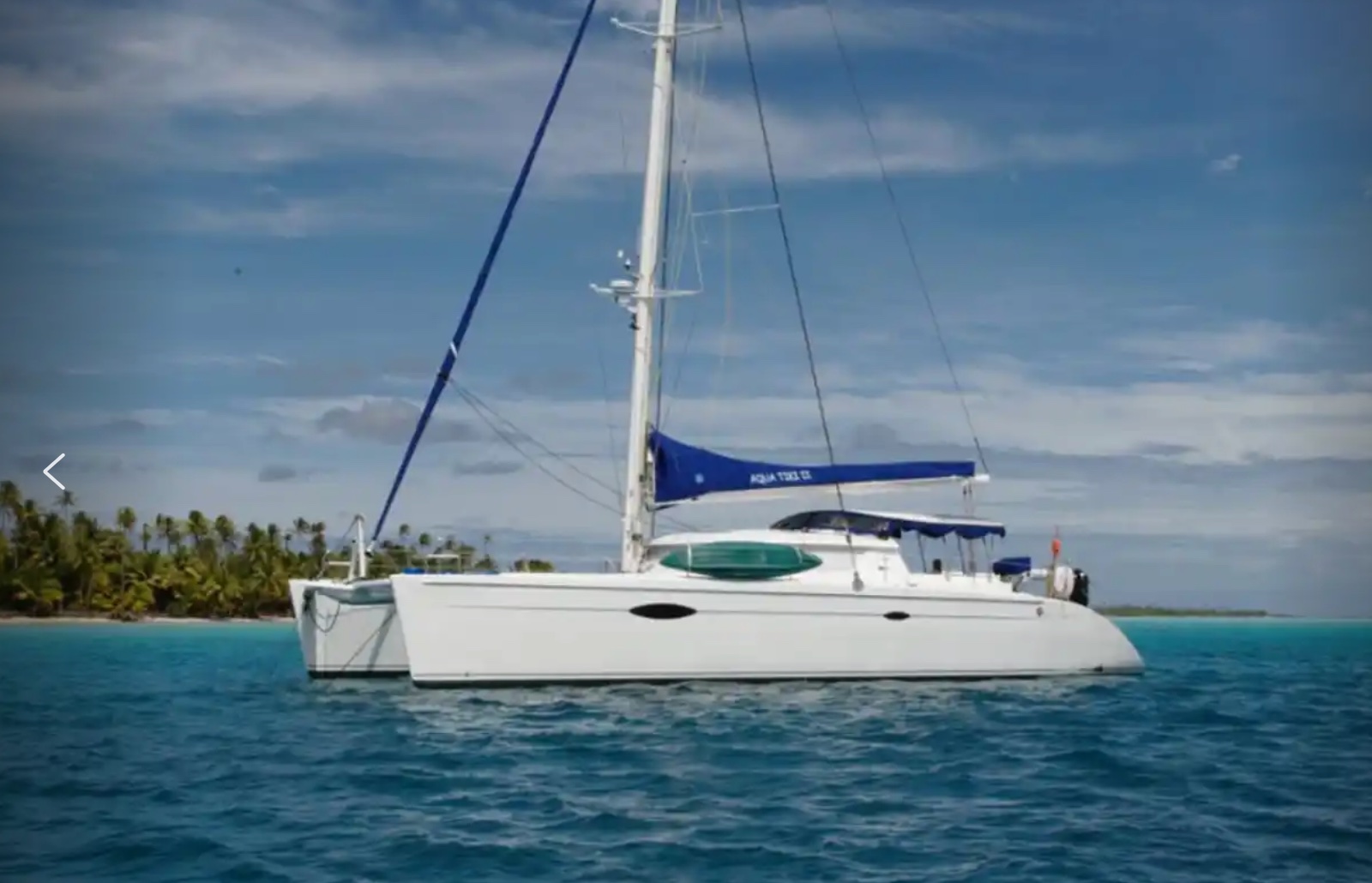
Aqua Tiki II
French Polynesia
8 guests
$579/day
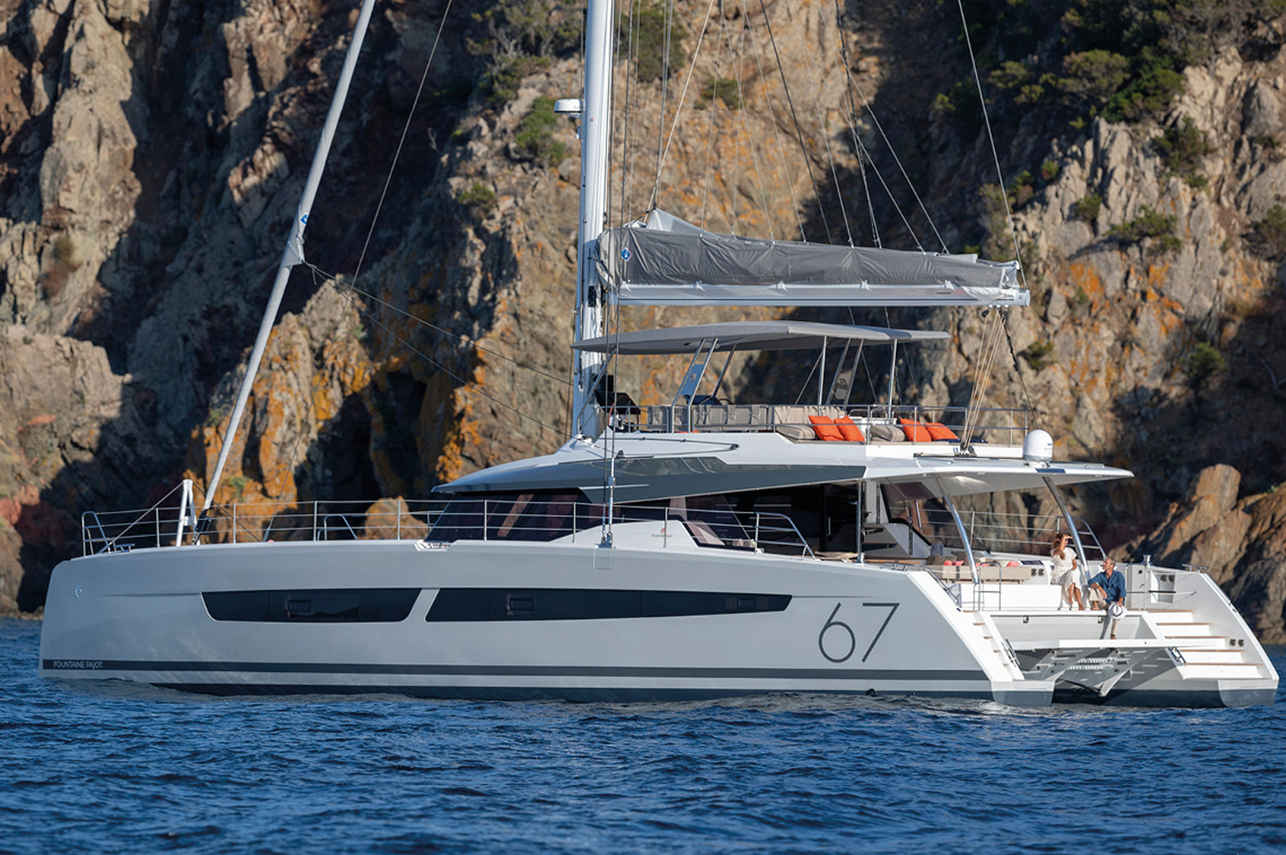
Aqua Tiki III
French Polynesia
10 guests20 m
$504/day
Dive sites similar to Ahe Atoll
Same character, same waters — six more sites divers love for the exact same reasons.Compare seasons, access and liveaboard routes — then pick the site that fits your trip best.
© Esri — Maxar, Earthstar, GIS
Fakarava - Ohotu Reef
French Polynesia
Ohotu Reef, situated in Fakarava's immense Garuae Pass, is a premier dive destination within the UNESCO Biosphere Reserve of French Polynesia.
- Suitable for
- Advanced
- Current
- Strong
- Access
- Liveaboard or dayboat
- Depth
- 5–18 m
- Theme
- Drift / Reef
© Esri — Maxar, Earthstar, GIS
Moorea - Ray Corridor
French Polynesia
The Ray Corridor in Moorea offers an exhilarating drift dive experience within a natural lagoon, making it a favorite for divers seeking dynamic encounters.
- Suitable for
- Beginner
- Current
- Moderate
- Access
- Liveaboard or dayboat
- Depth
- 3–12 m
- Theme
- Drift / Reef
© Esri — Maxar, Earthstar, GIS
Fakarava - North Pass
French Polynesia
Fakarava's North Pass, officially known as Garuae Pass, is a world-renowned drift dive site in the Tuamotu Archipelago of French Polynesia.
- Suitable for
- Advanced
- Current
- Strong
- Access
- Dayboat
- Depth
- 8–40 m
- Theme
- Drift
© Esri — Maxar, Earthstar, GIS
Ohutu Pass
French Polynesia
Pakaka Pass, situated in the Apataki Atoll within French Polynesia's Tuamotu Archipelago, lies approximately 370 kilometers northeast of Tahiti.
- Suitable for
- Advanced
- Current
- Strong
- Access
- Liveaboard only
- Depth
- ≤ 30 m
- Theme
- Reef / Drift
© Esri — Maxar, Earthstar, GIS
Garaue Pass
French Polynesia
Garaue Pass, located in the northern part of Fakarava Atoll within the Tuamotu Archipelago, is recognized as a premier diving destination, particularly for shark encounters.
- Suitable for
- Advanced
- Current
- Ripping
- Access
- Liveaboard or dayboat
- Depth
- 12–30 m
- Theme
- Drift
© Esri — Maxar, Earthstar, GIS
The Sharks’ cavern
French Polynesia
The Sharks’ Cavern is a prominent dive site located within the Tiputa Pass of Rangiroa, French Polynesia, celebrated for its unique shark encounters and exhilarating drift diving experience.
- Suitable for
- Advanced
- Current
- Strong
- Access
- Dayboat
- Depth
- 12–35 m
- Theme
- Drift / Cavern