About Manihi - Tairapa Pass
Manihi's Tairapa Pass, located in the Tuamotu Archipelago of French Polynesia, stands out as a premier dive site for those seeking an authentic and less crowded experience. This channel connects the vast Pacific Ocean with the serene Manihi lagoon, creating a constant flow of water that fuels an extraordinary abundance of marine life. Known for its clear waters and spectacular coral formations, the pass provides a dramatic backdrop for encounters with pelagic species and vibrant reef inhabitants. The topography of Tairapa Pass is characterized by deep walls and coral reefs shaped like rose petals, descending to depths of 70-80 meters along the outer reef. The pass itself is a dynamic environment, best known for its powerful drift dives, where divers are propelled by strong currents. These conditions attract large schools of fish and a diverse array of sharks, making each dive an unpredictable adventure. While diving is excellent year-round, the continuous influx of oceanic water ensures a rich display of species like manta rays, various sharks, barracudas, and turtles. The establishment of a no-take marine protected area, or Rahui, around Tairapa Pass in 2017 further supports its thriving ecosystem. Divers can expect to witness an explosion of marine biodiversity, from tiny tropical fish to larger predators, in exceptionally clear waters. Scuba excursions typically involve drift dives through the pass, requiring careful current management. This site caters to divers who appreciate off-the-beaten-path destinations and are comfortable with strong currents. It offers a unique opportunity to witness the raw power of nature and the resilient beauty of a protected coral environment, often with very few other divers present.
Highlights
Powerful drift divesWalls of coral and fishAbundant shark encountersPristine Tuamotu ecosystemManta ray sightingsExcellent visibility
Season calendar
Best months to dive here
Jan
Feb
Mar
Apr
May
Jun
Jul
Aug
Sep
Oct
Nov
Dec
Excellent
Dive site facts: Manihi - Tairapa Pass
- Depth
- 5–34 m
- Typical dive
- 24–30 m, 65–75 min
- Current
- Strong, drift dependent
- Visibility
- 30–40 m
- Water temperature
- 27–29°C
- Entry
- Rollback from boat
- Level
- Advanced recommended, current experience essential
- Dive type
- Drift, wall, pelagic encounters
- Region / port
- Tuamotu Archipelago, French Polynesia
- Coordinates
- -14.4333, -146.0667
Conditions & Currents
Tairapa Pass is renowned for its powerful drift dives, driven by strong tidal currents flowing between the ocean and the lagoon. These currents are a defining feature, demanding advanced diving skills and thorough understanding of current management, including staying close to the bottom and swimming in zig-zag patterns. Divers can expect a fast-paced experience, sometimes likened to 'surfing underwater,' with the added spectacle of tidal bores above the surface. Visibility typically ranges from 30 to 40 meters, offering clear views of the dynamic marine action. While the currents are strong within the pass, the outer reef walls also present excellent diving opportunities with slightly less intense conditions. Proper buoyancy control and adherence to dive guide briefings are crucial for a safe and rewarding experience in this high-energy environment.
Marine life & sighting chances

Manta Ray
occasional
Grey Reef Shark
common
White-tip Shark
common
Nurse Shark
occasional
Barracuda
common
Turtle
occasional
Marbled Grouper
common
Napoleon Wrasse
occasional
Threadfin Trevally
occasional
Bluefin Trevally
occasional
Butterflyfish
common
Longfin Bannerfish
common
Pufferfish
commonDive profile & how the dive runs
Dives in Tairapa Pass typically begin with a rollback entry from the dive boat. The dive briefing emphasizes managing the strong currents by staying close to the bottom and navigating in zig-zag patterns across the pass. The route involves a thrilling drift through the channel, propelled by the tidal flow, where divers observe the rich marine life congregating in the currents. Depths during these drift dives usually range from 24 to 30 meters, with overall dive times lasting 65-75 minutes. Divers continually scan the blue for pelagic encounters, while also observing the vibrant coral formations along the pass walls. The safety stop is conducted in a calmer area towards the end of the drift, often near the lagoon entrance or sheltered parts of the reef, ensuring a controlled ascent and exit.
Underwater photography
Capturing the dynamic environment of Tairapa Pass demands careful planning due to the strong currents and the sheer scale of marine life. Wide-angle lenses are essential for photographing the vast schools of barracuda, the frequent shark encounters, and the dramatic coral walls. Patience and good buoyancy are key to compose shots while drifting. For macro subjects found in sheltered crevices along the walls, a dedicated macro setup can yield stunning results, but prioritizing stability in current is paramount. Avoid using strobes directly on sensitive marine life. Natural light photography is often effective given the excellent visibility, but strobes can enhance colors in deeper sections. Always maintain a respectful distance from subjects, especially sharks and rays, and practice impeccable buoyancy to prevent disturbing the delicate coral.
Combine with nearby dive sites
- Rangiroa - The Aquarium
The Aquarium at Rangiroa stands out as one of French Polynesia's most accessible dive sites, making it an ideal choice for both novice…
- Tiputa Pass
Tiputa Pass, located in Rangiroa, stands as one of the two main channels connecting the open ocean to the atoll's lagoon, making it a…
- North Pass - Fakarava
Fakarava, a UNESCO biosphere reserve within the Tuamotu Archipelago, stands as a premier dive destination renowned for its exceptional…
- South Pass - Fakarava
Fakarava's South Pass, known locally as Tumakohua Pass, is a renowned drift dive located in the Tuamotu archipelago of French Polynesia, a…
- Tikehau - Tuheiava Pass
Tuheiava Pass, located in Tikehau, French Polynesia, is a renowned dive site in the stunning Tuamotu Archipelago, offering exceptional…
Getting there & logistics
Manihi is a remote atoll within the Tuamotu Archipelago, typically accessed by flying into Manihi Airport (XMH) from Tahiti (PPT). Dive operators on Manihi are limited, with only one main dive center, which often provides pickup directly from the airport. Divers can arrange accommodation through this operator or independently. Liveaboards like Aqua Tiki II and Aqua Tiki III include Manihi in their French Polynesia itineraries, offering a convenient way to visit this site along with others in the region. Most dive packages include two dives, often combining a drift dive in Tairapa Pass with a wall dive along the outer reef. Given its remote location, plan for multi-day stays to maximize diving opportunities, typically for 3-4 days to experience multiple dives within the pass and surrounding reefs.
Safety & environment
Diving in Tairapa Pass requires a high level of situational awareness due to the powerful currents, making it suitable for experienced divers only. Comprehensive briefings on current management and emergency procedures are provided by local guides, whose expertise is invaluable. Always adhere to your guide's instructions, especially regarding staying close to the bottom and managing your position within the pass. Divers should possess good buoyancy control and comfort with drift diving. The nearest recompression chamber is located in Tahiti, emphasizing the critical importance of proper dive planning, adherence to depth limits (typically 30 meters), and careful gas management. Dive insurance covering emergency evacuation and hyperbaric treatment is strongly recommended for all divers visiting this remote location.
Who it suits — and who it doesn't
Suited for
- Experienced divers comfortable with strong currents
- Advanced Open Water certified divers
- Photographers seeking pelagic and wide-angle opportunities
- Divers looking for remote, less crowded dive sites
- Those interested in rich coral wall ecosystems
Less suited for
- Beginner divers or those without current experience
- Divers with poor buoyancy control
- Individuals prone to seasickness in strong currents
- Divers seeking purely calm, sheltered reef dives
- Those who prefer large dive groups and bustling sites
FAQ
Manihi - Tairapa Pass FAQ
What is the primary appeal of diving in Manihi - Tairapa Pass?
The primary appeal of Tairapa Pass is its exhilarating drift dives through strong currents that funnel nutrient-rich water between the ocean and the lagoon. This dynamic environment attracts an incredible abundance of marine life, including numerous sharks, barracudas, and rays, providing a thrilling and unpredictable dive experience.
Is Manihi - Tairapa Pass suitable for beginner divers?
No, Manihi - Tairapa Pass is not suitable for beginner divers. Its powerful currents demand advanced diving skills, excellent buoyancy control, and prior experience with drift diving. It is recommended for advanced open water divers who are comfortable in challenging conditions.
What kind of marine life can I expect to see in Tairapa Pass?
Divers can expect to see a diverse array of marine life, including grey reef sharks, white-tip sharks, and occasionally nurse sharks. Large schools of barracuda and various trevally species are common, alongside marbled groupers, Napoleon wrasse, and vibrant tropical reef fish like butterflyfish and bannerfish. Manta ray sightings are also possible.
What are the typical dive conditions like in Tairapa Pass?
Typical dive conditions feature strong currents, which are the highlight of the drift dives, with excellent visibility usually ranging from 30 to 40 meters. Water temperatures remain consistently warm, between 27-29°C. Divers must be prepared for a fast-paced environment and follow specific guidance on current management.
How do I get to Manihi - Tairapa Pass?
Manihi - Tairapa Pass is accessed by flying to Manihi Airport (XMH) from Tahiti (PPT). Once on Manihi, the local dive center typically provides transfers and organizes dives. It is also featured on itineraries of liveaboards operating in French Polynesia, offering another way to reach this remote dive site.
Why dive Manihi - Tairapa Pass from a liveaboard?
Manihi - Tairapa Pass is one of French Polynesia's signature dive sites. A liveaboard sleeps you on the water and puts you in the water for three to four guided dives per day, including dawn and night dives that day-boat operators rarely offer. You skip the daily commute back to port and reach quieter, less-crowded sites in the same region on a single trip.
Below are the liveaboards that include Manihi - Tairapa Pass on their French Polynesia itineraries.
Liveaboards diving Manihi - Tairapa Pass
These liveaboards may visit Manihi - Tairapa Pass on selected itineraries — the exact dive sites depend on departure, weather and conditions.
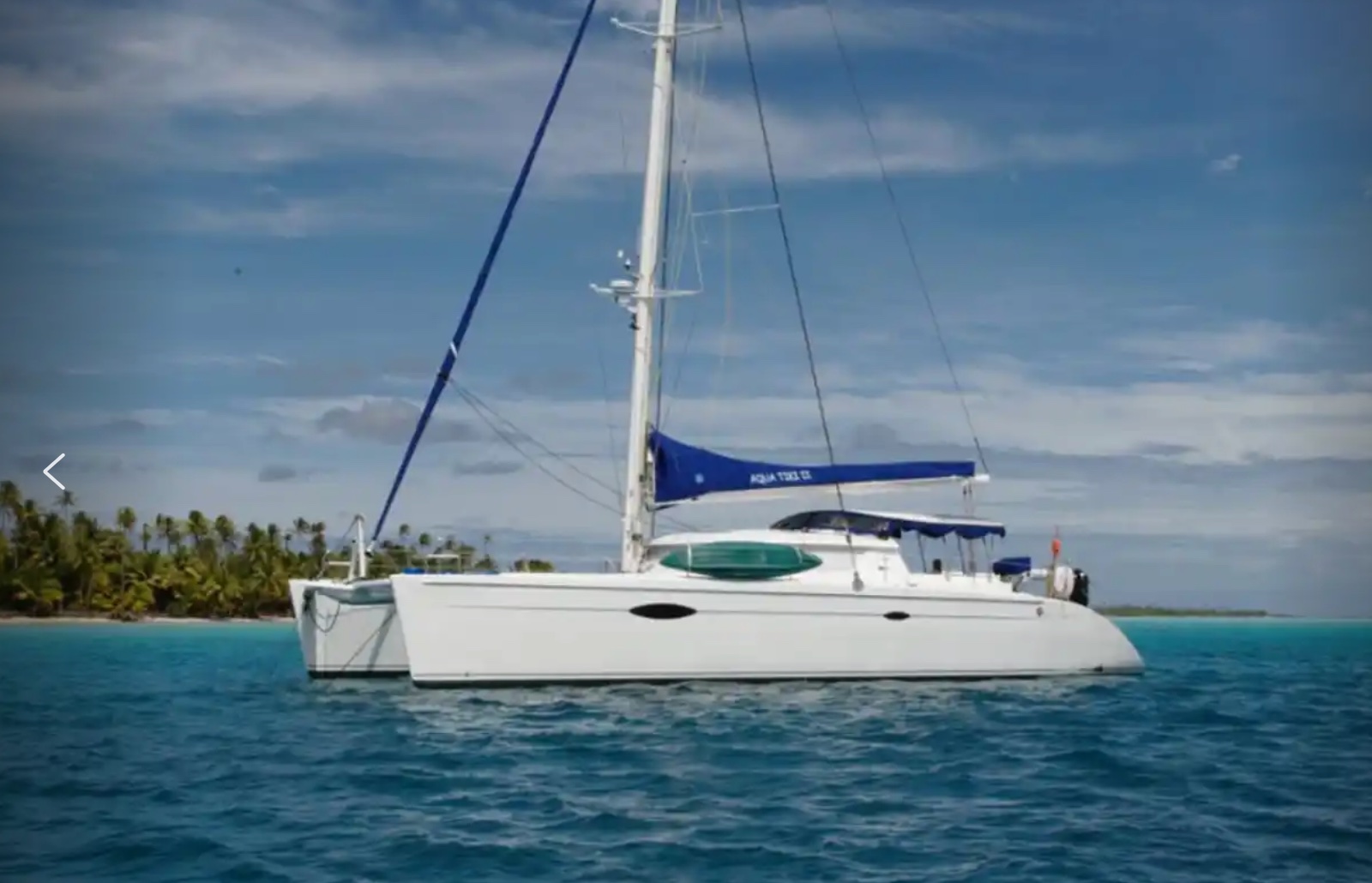
Aqua Tiki II
French Polynesia
8 guests
$576/day
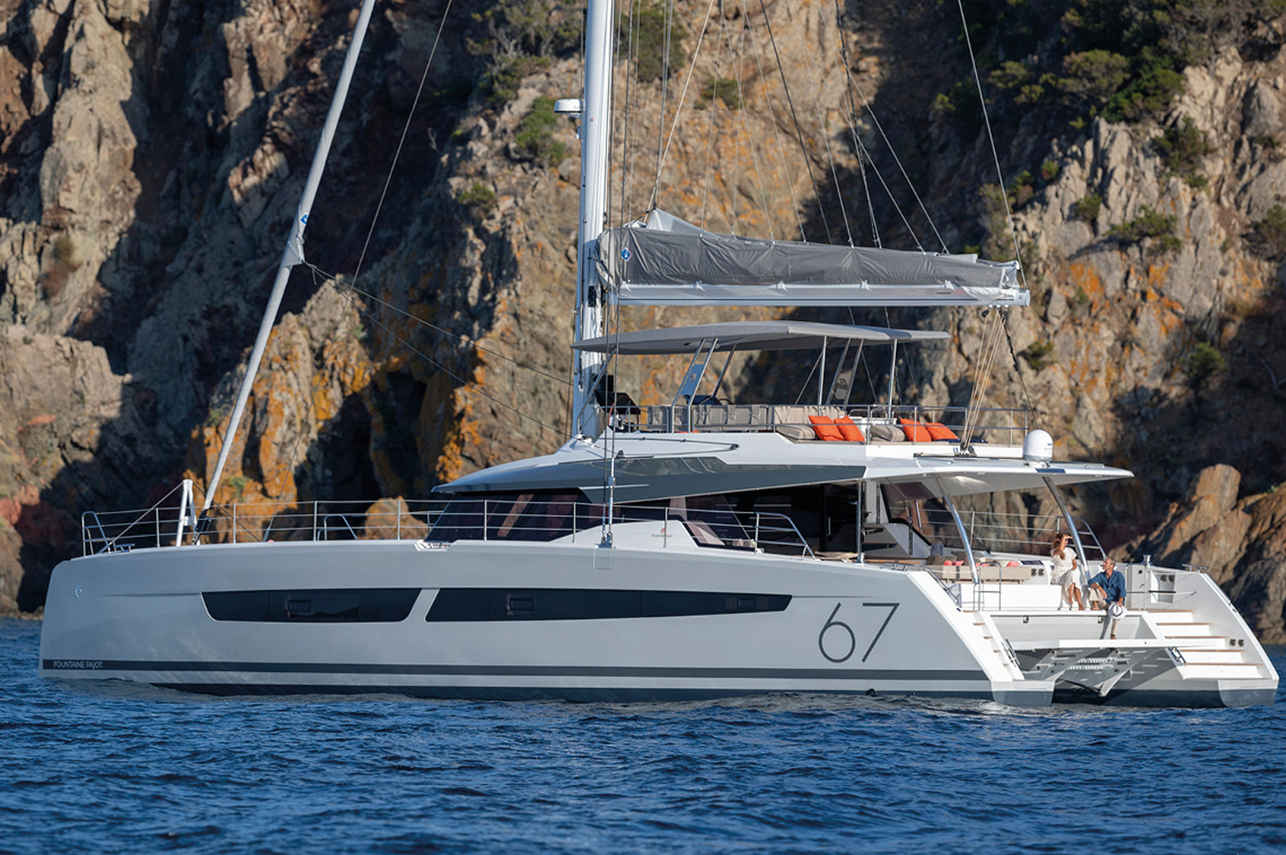
Aqua Tiki III
French Polynesia
10 guests20 m
$502/day
Dive sites similar to Manihi - Tairapa Pass
Same character, same waters — six more sites divers love for the exact same reasons.Compare seasons, access and liveaboard routes — then pick the site that fits your trip best.
Ahe Atoll, a remote and authentic destination in French Polynesia, offers a dive experience deeply intertwined with its local pearl farming community.
- Suitable for
- Advanced
- Current
- Strong
- Access
- Liveaboard or dayboat
- Depth
- 5–22 m
- Theme
- Channel / Drift
© Esri — Maxar, Earthstar, GIS
Avatoru Pass
French Polynesia
Avatoru Pass is one of Rangiroa's prominent drift dive sites, renowned for its strong, predictable currents and abundant pelagic marine life.
- Suitable for
- Advanced
- Current
- Strong
- Access
- Liveaboard or dayboat
- Depth
- 8–30 m
- Theme
- Drift / Wall
© Esri — Maxar, Earthstar, GIS
Bora Bora - Anau
French Polynesia
Anau, nestled in Bora Bora's lagoon near Le Méridien, is celebrated as a prime manta ray cleaning station, often referred to as the Manta Ray Spot or Anau Manta Wall.
- Suitable for
- Intermediate
- Current
- Mild
- Access
- Liveaboard or dayboat
- Depth
- 6–20 m
- Theme
- Reef / Wall
© Esri — Maxar, Earthstar, GIS
Bora Bora - Tapu
French Polynesia
Tapu, located in Bora Bora, is a prominent dive site known for its thrilling shark encounters and diverse marine life.
- Suitable for
- Intermediate
- Current
- Mild
- Access
- Liveaboard or dayboat
- Depth
- 8–30 m
- Theme
- Drift / Reef
© Esri — Maxar, Earthstar, GIS
Bora Bora - Tupitipiti
French Polynesia
Tupitipiti Point is a renowned dive site located on the southeast outer reef of Bora Bora, celebrated for its unique underwater topography and rich marine biodiversity.
- Suitable for
- Advanced
- Current
- Strong
- Access
- Liveaboard or dayboat
- Depth
- 10–35 m
- Theme
- Cave & cavern / Wall