About North Pass - Fakarava
Fakarava, a UNESCO biosphere reserve within the Tuamotu Archipelago, stands as a premier dive destination renowned for its exceptional marine biodiversity. This atoll, the second largest in French Polynesia, features two significant passes connecting its inner lagoon to the ocean: the Garuae Pass in the north and the Tumakohua Pass in the south. These natural channels serve as vital arteries, drawing nutrient-rich plankton from the lagoon and, in turn, attracting a remarkable concentration of pelagic species, particularly sharks. Garuae Pass, the wider of the two, offers diverse diving experiences characterized by its impressive topography, vibrant coral ecosystems, and thrilling drift dives. Divers frequently encounter vast schools of fish and numerous sharks here. The strong currents on incoming tides create an exhilarating environment, propelling divers through the pass alongside the abundant marine life. Despite the potential for strong currents, various gullies within the pass provide distinct routes, ensuring a dynamic and ever-changing underwater journey. The dive sites within Garuae Pass are celebrated for their pristine hard corals and an astonishing quantity of marine inhabitants. Beyond the sheer numbers, divers can observe specific behaviors, such as nurse sharks resting under overhangs and large Napoleon wrasse. The visibility within the pass is often excellent, enhancing the spectacle of the thriving ecosystem. Fakarava's commitment to marine protection, including a ban on shark feeding, further preserves the natural integrity of these encounters. While the north hosts the main airport and several dive centers, catering to both beginners in the calmer lagoon and experienced divers in the pass, it is crucial for divers to be comfortable with current and maintain close proximity to their guides. The incoming tide typically offers the most dramatic shark action, making morning dives particularly exciting. The outgoing tide provides a different, often c
Highlights
UNESCO Biosphere ReserveWidest navigable pass in French PolynesiaMassive shark aggregationsExhilarating drift divesPristine hard coral reefsDiverse pelagic encountersHigh-speed gully transits
Season calendar
Best months to dive here
Jan
Feb
Mar
Apr
May
Jun
Jul
Aug
Sep
Oct
Nov
Dec
Good
Dive site facts: North Pass - Fakarava
- Depth
- 8–25 m
- Current
- Strong, tidal-dependent
- Visibility
- 10–30 m
- Water temperature
- 26–29°C
- Entry
- Drift / Live drop
- Level
- Advanced recommended, current experience essential
- Dive type
- Drift, pelagic, shark encounters
- Night dive
- Possible
- Region / port
- Fakarava, Tuamotu Archipelago
- Coordinates
- -16.05, -145.6167
Conditions & Currents
The Garuae Pass is renowned for its strong, tidal-dependent currents. Dives are typically planned around the incoming tide for maximum pelagic activity and exhilarating drift experiences. Divers should be comfortable with strong currents and able to perform efficient fin kicks. Staying close to the dive guide is essential, as the currents can quickly carry divers through various gullies within the wide pass.
Marine life & sighting chances

Grey reef shark
Year-round · common
Blacktip reef shark
Year-round · common
Whitetip reef shark
Year-round · common
Lemon shark
Year-round · occasional
Napoleon wrasse
common
Eagle ray
occasional
Manta ray
occasional
Grouper
June–July · common
Parrotfish
common
Surgeonfish
common
Damselfish
common
Barracuda
common
Tuna
occasional
Turtles
occasionalDive profile & how the dive runs
Diving the Garuae Pass primarily involves drift dives, with the specific route dictated by the incoming tide for optimal pelagic action. Divers typically begin with a negative entry from the boat directly into the current on the outer reef side of the pass. The current then sweeps divers into the pass, often through specific gullies like "Alibaba" or "Le Twins." During the drift, you'll pass over vibrant hard coral reefs and observe massive schools of fish and a 'wall' of grey reef sharks in the blue. Dive masters will guide you to areas where you can hook onto the reef to observe sharks without damaging corals. Depth progression is usually shallow to moderate, often staying above 25 meters, making it accessible even for divers comfortable with drift. The dive concludes inside the calmer lagoon, where the safety stop is performed before ascent and pickup by the support boat.
Underwater photography
Capturing the intense pelagic action and vast schools of fish in Garuae Pass requires wide-angle lenses. A rectilinear wide-angle is ideal for showcasing the sheer numbers of sharks and the expansive coral landscapes. Given the often strong currents, a robust, streamlined camera setup is beneficial. External strobes are recommended to bring out the vibrant colors of the corals and marine life, especially in deeper sections or when shooting against the sun. Practice good buoyancy control to avoid contact with the pristine reefs, particularly when holding position against the current. Be mindful of ethical behavior around marine life, especially sharks; avoid chasing or disturbing them. The excellent visibility provides ample opportunities for dramatic ambient light shots, but strobes enhance the dynamic range and color saturation of subjects, from massive schools of bigeye trevally to individual Napoleon wrasse.
Combine with nearby dive sites
- South Pass - Fakarava
Known for its 'wall of sharks' and incredible grouper spawning events.
- Fakarava - Ohotu Reef
An inner reef site offering calmer conditions and diverse reef life.
- Rangiroa - The Aquarium
A popular shallow drift site inside Rangiroa's pass, ideal for vibrant reef fish.
- Tikehau - Tuheiava Pass
Offers thrilling drift dives and diverse shark encounters in another Tuamotu atoll.
Getting there & logistics
Access to Fakarava typically begins with a flight to Faa'a International Airport (PPT) in Papeete, Tahiti. From Papeete, a 70-minute connecting flight will take you to Fakarava's domestic airport. Alternatively, you can fly from Rangiroa Airport (RGI), which is a 30-minute flight. Most dive operations in the north of Fakarava, near the airport, will arrange transfers from your accommodation to their dive shops, usually a short car ride. Dive centers often organize two dives per day, frequently in the morning to align with optimal incoming tides. While some lodges might not have in-house dive operations, nearby centers are readily available. An itinerary combining Fakarava with other Tuamotu atolls like Rangiroa requires careful planning due to Air Tahiti's inter-island flight schedules, which may necessitate an overnight stay in Papeete on certain days.
Safety & environment
The nearest recompression chamber is located in Papeete, Tahiti, highlighting the importance of cautious diving practices in Fakarava. In the event of a dive emergency, evacuation to Papeete would be necessary, making comprehensive dive insurance with medical evacuation coverage essential. The primary site-specific hazard in Garuae Pass is the strong, unpredictable current. Divers must be comfortable with drift diving techniques, maintain excellent buoyancy control, and stay close to their dive guide to avoid being separated. Entry is often a negative entry, requiring immediate descent. Adhere strictly to dive briefings, and avoid touching corals or marine life, especially when hooking onto the reef for observation. French Polynesia maintains a strict ban on shark feeding, ensuring natural encounters. Always dive within your training and comfort limits.
Who it suits — and who it doesn't
Suited for
- Experienced drift divers
- Shark enthusiasts
- Underwater photographers with wide-angle setups
- Divers seeking pristine marine environments
- Those comfortable with strong currents
Less suited for
- Beginner divers or those new to currents
- Divers with poor buoyancy control
- Anyone unwilling to follow strict dive guide instructions
- Macro photography specialists
- Divers seeking calm, shallow reef dives only
FAQ
North Pass - Fakarava FAQ
What kind of sharks can I expect to see in North Pass - Fakarava?
North Pass (Garuae Pass) is famous for its abundant shark populations. You can expect to encounter large numbers of grey reef sharks, often forming impressive 'walls' in the blue. Blacktip and whitetip reef sharks are also common, and occasionally, you might spot lemon sharks. The concentration of sharks is particularly high during incoming tides.
Is North Pass suitable for all dive levels?
North Pass is best suited for advanced divers or those with significant experience in drift diving and strong currents. While the inner lagoon offers calmer options for beginners, diving in the pass itself requires comfort with negative entries, efficient fin kicks, and the ability to maintain position in swift water. Always consult with a local dive center about your experience level.
When is the best time to dive North Pass for shark encounters?
Shark encounters are common year-round in North Pass, but the most intense aggregations often occur during the incoming tide, especially in the mornings. Additionally, the grouper spawning season in June and July attracts an even greater number of sharks to the area, making these months particularly exciting for big animal encounters.
What is drift diving, and how does it work in North Pass?
Drift diving in North Pass involves letting the strong tidal current carry you through the channel. Divers make a negative entry from the boat and are swept along, observing the vibrant marine life and coral formations. Dive guides lead the way, and divers are instructed to stay close to the group, with the boat picking them up at the end of the drift inside the lagoon. It's a thrilling, effortless way to cover large distances underwater.
Are there any specific safety considerations for diving in Garuae Pass?
Yes, safety is paramount due to the strong currents. Divers must be comfortable with current diving and be prepared for potential rapid changes in speed and direction. Maintaining excellent buoyancy, following your guide's instructions precisely, and having appropriate dive insurance that covers emergency medical evacuation are crucial. Avoid touching corals and other marine life at all times.
Can I combine a trip to North Pass with other dive sites in Fakarava or nearby atolls?
Yes, Fakarava is often combined with its sister pass, South Pass (Tumakohua), for a full experience of the atoll's diving highlights. Many divers also visit other Tuamotu atolls like Rangiroa or Tikehau. When planning multi-atoll trips, be aware of inter-island flight schedules, as connections can sometimes require overnight stays in Tahiti.
Why dive North Pass - Fakarava from a liveaboard?
North Pass - Fakarava is one of French Polynesia's signature dive sites. A liveaboard sleeps you on the water and puts you in the water for three to four guided dives per day, including dawn and night dives that day-boat operators rarely offer. You skip the daily commute back to port and reach quieter, less-crowded sites in the same region on a single trip.
Below are the liveaboards that include North Pass - Fakarava on their French Polynesia itineraries.
Liveaboards diving North Pass - Fakarava
These liveaboards may visit North Pass - Fakarava on selected itineraries — the exact dive sites depend on departure, weather and conditions.
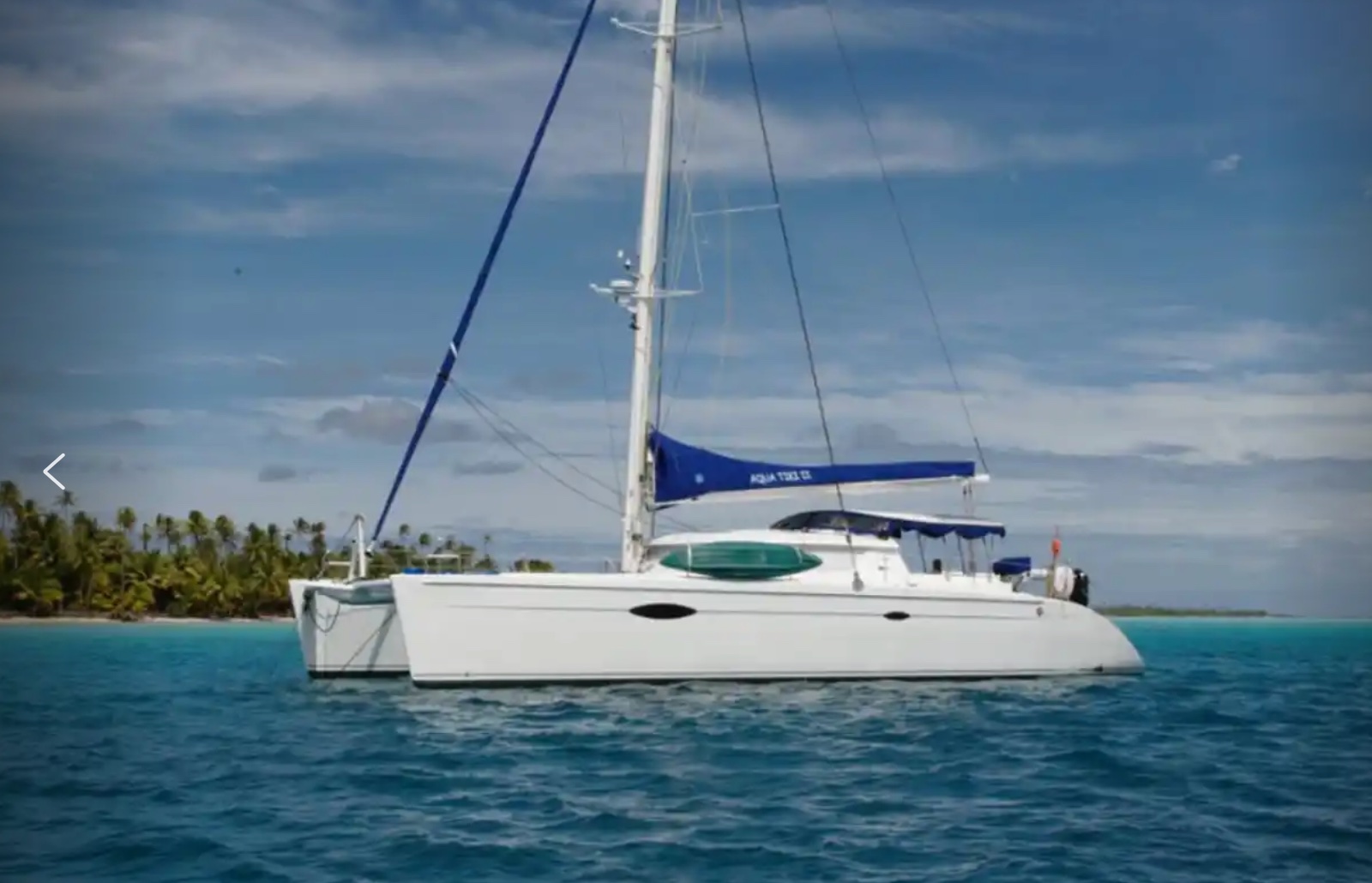
Aqua Tiki II
French Polynesia
8 guests
$573/day
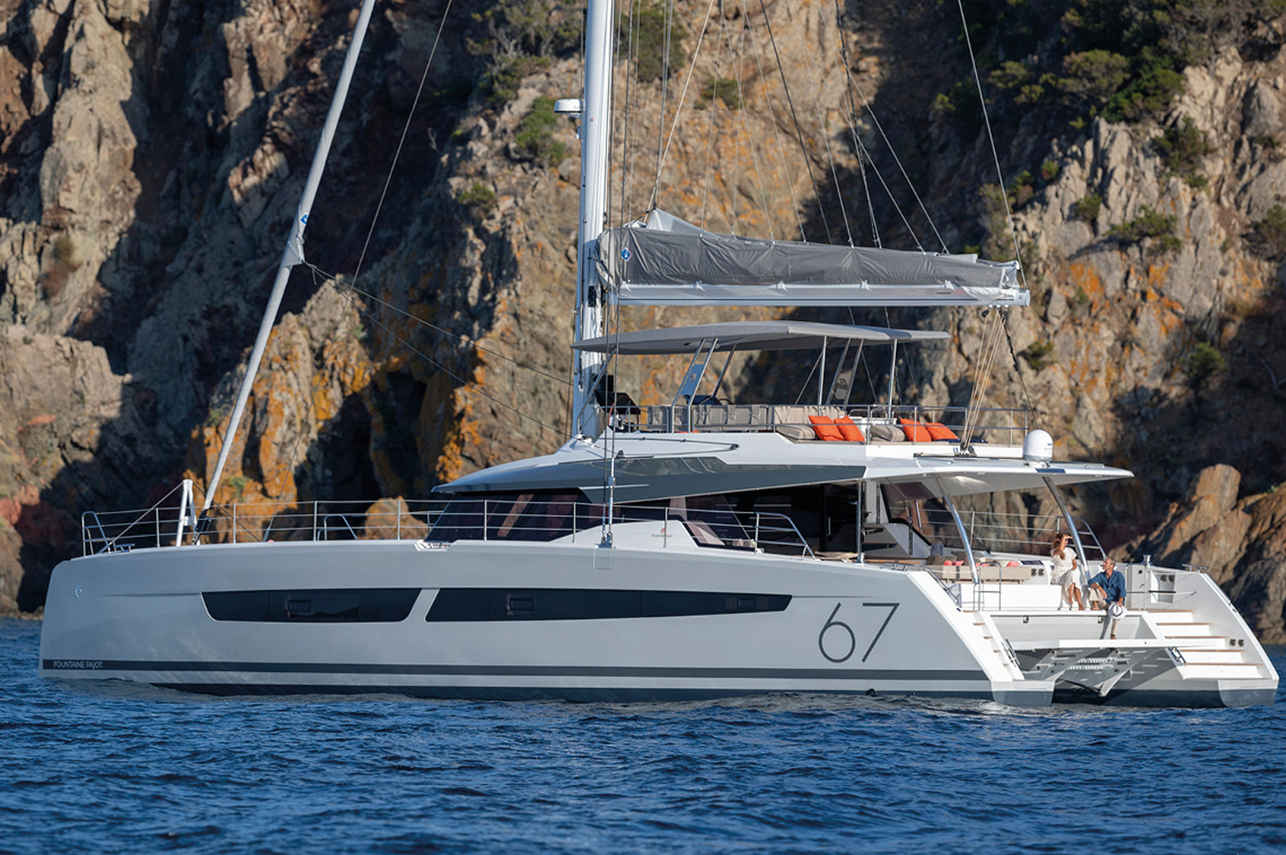
Aqua Tiki III
French Polynesia
10 guests20 m
$499/day
Dive sites similar to North Pass - Fakarava
Same character, same waters — six more sites divers love for the exact same reasons.Compare seasons, access and liveaboard routes — then pick the site that fits your trip best.
© Esri — Maxar, Earthstar, GIS
Challenger Bay
Australia
Challenger Bay, nestled on Ribbon Reef #10, approximately 176 kilometers north of Port Douglas, is a renowned dive site on the remote northern Great Barrier Reef.
- Suitable for
- Advanced
- Current
- Moderate
- Access
- Liveaboard only
- Depth
- 5–30 m
- Theme
- Reef
© Esri — Maxar, Earthstar, GIS
Trochus Sanctuary
Micronesia
Trochus Sanctuary is a distinctive dive site located north of the mid-point of Kosrae, southwest of the island's airport.
- Suitable for
- Beginner
- Current
- Mild
- Access
- Dayboat
- Depth
- 5–13 m
- Theme
- Reef
© Esri — Maxar, Earthstar, GIS
Bare Island East
Australia
Bare Island East is a highly regarded shore dive in Sydney, celebrated for its diverse and colourful sponge gardens.
- Suitable for
- Intermediate
- Current
- Mild
- Access
- Shore / dayboat
- Depth
- 2–11 m
- Theme
- Reef
© Esri — Maxar, Earthstar, GIS
Raine Island
Australia
Raine Island is a pivotal dive site located in the Far Northern Great Barrier Reef, approximately 85 kilometers east-north-east of Cape Grenville and just over 4 nautical miles south of the island itself.
- Suitable for
- Advanced
- Current
- Strong
- Access
- Liveaboard only
- Depth
- 5–40 m
- Theme
- Reef / Wall
© Esri — Maxar, Earthstar, GIS
Neptune Islands
Australia
The Neptune Islands, nestled at the mouth of South Australia's Spencer Gulf, offer an unparalleled opportunity to encounter great white sharks.
- Suitable for
- Advanced
- Current
- Strong
- Access
- Liveaboard or dayboat
- Depth
- 5–15 m
- Theme
- Drift
© Esri — Maxar, Earthstar, GIS
Walung Drop-Off
Micronesia
Walung Drop-Off is a well-known dive site situated off the southwest coast of Kosrae in the Federated States of Micronesia.
- Suitable for
- Intermediate
- Current
- Moderate
- Access
- Dayboat
- Depth
- ≤ 30 m
- Theme
- Wall / Reef