About Tikehau - Tuheiava Pass
Tuheiava Pass, located in Tikehau, French Polynesia, is a renowned dive site in the stunning Tuamotu Archipelago, offering exceptional marine encounters. This drift dive site serves as a vital channel connecting the atoll's lagoon to the open ocean, creating a dynamic environment where divers can experience a strong flushing of nutrient-rich waters. The pass itself is relatively shallow compared to other atolls in the region, making it accessible while still teeming with vibrant life. Diving here typically involves navigating the currents that flow through the pass, with depths varying depending on the chosen route through the channel. The topography of Tuheiava Pass features channel walls and sandy plateaus. Divers can expect diverse marine life drawn to the rich currents. Frequently observed species include large hammerhead sharks, tiger sharks, grey reef sharks, and blacktip sharks. Beyond the shark populations, the site is also home to humphead wrasses, sea turtles, and impressive schools of longface emperors, barracudas, great barracudas, jackfishes, and taias. A unique and highly anticipated highlight is the manta ray cleaning station, where these majestic creatures, sometimes reaching up to 5 meters wide, congregate to be cleaned by smaller wrasses. This particular site is shallow, making it suitable for both divers and snorkelers. Dive experiences at Tuheiava Pass are largely dictated by the tides and current direction. Dives are often easier and less deep here than at other atolls, but navigating the currents requires good buoyancy control. Most operators undertake two consecutive dives due to the 20-25 minute boat journey from the village. Beyond the exhilarating drift dives, special "Manta Dives" focus on the cleaning station, while "Sunset Dives" offer a chance to witness unique marine behaviors like the reproduction of surgical and parrotfish, as well as shark hunting events, all against the backdrop of changing light. Non-divers can often join boat trips to the pass for snorkeling or observation from the surface, especially at the manta ray cleaning station.
Highlights
Manta RaysGrey Reef SharksDolphinsLess Crowded
Season calendar
Best months to dive here
Jan
Feb
Mar
Apr
May
Jun
Jul
Aug
Sep
Oct
Nov
Dec
Good
Dive site facts: Tikehau - Tuheiava Pass
- Depth
- 1–30 m
- Current
- Strong
- Visibility
- 25–50 m
- Water temperature
- 26–29°C
- Entry
- Boat / drift
- Level
- Intermediate
- Dive type
- Drift, pelagic, reef
- Night dive
- Possible (sunset dives)
- Region / port
- Tuamotu Archipelago, French Polynesia
- Coordinates
- -14.9833, -148.2167
Conditions & Currents
Tuheiava Pass is primarily a drift dive, with currents that can be strong, especially during tidal changes. Dives are typically planned for the incoming current, which carries divers into the lagoon, making buoyancy control and comfort with moving water essential. While strong, the currents are often considered more manageable and less deep compared to other major passes in the Tuamotus, making it accessible to intermediate divers. Surface conditions are generally flat, but divers should be prepared for the dynamic environment within the pass. Local operators are crucial for timing entries correctly with the tides and current direction, ensuring a safe and rewarding experience. Visibility remains consistently excellent, ranging from 25 to 50 meters.
Marine life & sighting chances

Grey Reef Shark
common
Whitetip Reef Shark
common
Silvertip Shark
occasional
Great Hammerhead Shark
Jan-Jun · occasional
Tiger Shark
Jan-Jun · occasional
Manta Ray
Year-round (less Feb-Mar) · common
Eagle Ray
common
Barracuda
common
Tuna
common
Snapper
common
Napoleon Wrasse
occasional
Sea Turtle
occasional
Dolphin
occasional
Javanese Moray Eel
commonDive profile & how the dive runs
Dives in Tuheiava Pass typically begin with a boat entry timed to the incoming current. Divers descend along the channel entrance, allowing the current to carry them into the lagoon. The route often involves drifting along the reef walls and over coral formations, with depths varying from a few meters to around 30 meters. The pass is known for its extensive coral gardens and large schools of fish that can be found throughout the drift. Depending on the current's strength and the dive plan, divers might explore specific areas known for pelagic sightings or coral tables. The drift concludes as the current dissipates inside the lagoon, where a safety stop is performed, often in shallower, calmer waters, before surfacing for boat pick-up.
Underwater photography
Tuheiava Pass is an outstanding location for wide-angle photography, capturing the large schools of fish and numerous pelagic species that frequent the channel. A fisheye or wide-angle lens is ideal for showcasing the sheer volume of marine life and the vibrant reefscapes. Be prepared for strong currents, requiring good buoyancy control to maintain position and stability for clear shots. External strobes are highly recommended to bring out the true colors of the corals and marine life, especially when photographing in deeper sections or against strong ambient light. For closer encounters with sharks and rays, ensure your camera settings allow for fast shutter speeds. Patience is key, as the dynamic environment means waiting for the perfect moment for a captivating shot.
Combine with nearby dive sites
- Tikehau - Shark Pit
A vertical cave known for hiding schools of grey reef sharks.
- Avatoru Pass
A drift dive in Rangiroa, known for reef shark encounters.
- South Pass - Fakarava
Famous for its "wall of sharks" and dense fish aggregations.
- Tetamanu - Grouper Wall
A popular site in Fakarava, especially during the grouper spawning season.
- Rangiroa - The Aquarium
A shallow, protected lagoon site perfect for beginners and snorkelers.
Getting there & logistics
Access to Tikehau, and thus Tuheiava Pass, typically involves a domestic flight from Pape’ete (PPT) on Tahiti, which serves as the international gateway to French Polynesia. The flight duration is approximately 55 minutes. Dive trips are usually arranged through local dive centers on Tikehau, often operating from small hotels or pensions, with boat departures directly to the pass. Most visitors combine Tikehau with other Tuamotu atolls like Rangiroa or Fakarava for a comprehensive dive itinerary. There are no specific dive permits beyond standard dive operator bookings, but travel insurance covering diving is always recommended.
Safety & environment
While diving in Tuheiava Pass is exhilarating, strong currents are a significant factor requiring solid experience and comfort in drift diving. Divers should always follow the lead of local dive guides who are expert in timing dives with tidal conditions. The nearest recompression chamber is located in Pape’ete, Tahiti. In case of a diving emergency, evacuation from Tikehau to Tahiti would be necessary, which can be time-consuming and costly. Therefore, comprehensive dive insurance, such as DAN, is essential. Always maintain good buoyancy control, stay close to your buddy and group, and be aware of your surroundings, especially given the presence of large pelagic species and sharks.
Who it suits — and who it doesn't
Suited for
- Experienced drift divers
- Pelagic enthusiasts
- Underwater photographers (wide-angle)
- Divers seeking abundant marine life
- Intermediate to advanced divers
Less suited for
- Beginner divers without current experience
- Divers uncomfortable with strong currents
- Individuals prone to seasickness (boat rides)
- Those seeking only macro photography subjects
FAQ
Tikehau - Tuheiava Pass FAQ
What kind of marine life can I expect in Tuheiava Pass?
Tuheiava Pass is famous for its rich pelagic life. You can anticipate seeing numerous shark species including grey reef sharks, whitetip reef sharks, and occasionally silvertips, great hammerheads, and tiger sharks. Manta rays, eagle rays, barracudas, tuna, and large schools of snapper are also common sights within the pass and its surrounding reef.
Is Tuheiava Pass suitable for beginner divers?
Tuheiava Pass is an intermediate-level dive due to its strong currents and drift diving conditions. While often less deep than other Tuamotu passes, solid buoyancy control and prior experience with current diving are highly recommended. Beginners may find the dynamic environment challenging and should consider shallower, calmer sites first.
When is the best time of year to dive Tuheiava Pass?
Diving in Tuheiava Pass is excellent year-round, with consistently warm water and superb visibility. For specific encounters, January to June offers the best chances to spot hammerhead and tiger sharks. Manta rays are present throughout the year, though sightings might be slightly less frequent in February and March.
What are the typical dive depths in Tuheiava Pass?
Dive depths within Tuheiava Pass typically range from 1 meter to 30 meters. The drift often begins in deeper sections of the pass entrance and gradually progresses into shallower parts of the lagoon. Divers should be comfortable with varying depths during the drift.
Are there manta rays in Tikehau, and where can I see them?
Yes, Tikehau is well-known for its manta rays, which can be seen year-round at a dedicated cleaning station located inside the lagoon. This site is shallow, around 6 meters deep, making it accessible for both divers and snorkelers. Early mornings often provide the best opportunities for sightings.
How do currents affect diving in Tuheiava Pass?
Currents are a defining feature of diving in Tuheiava Pass, creating an exhilarating drift. Dives are carefully timed with the incoming tide to carry divers into the lagoon. These currents are strong and require divers to be comfortable with drift techniques, but they are also responsible for attracting the abundant pelagic life that makes the pass so famous.
Why dive Tikehau - Tuheiava Pass from a liveaboard?
Tikehau - Tuheiava Pass is one of French Polynesia's signature dive sites. A liveaboard sleeps you on the water and puts you in the water for three to four guided dives per day, including dawn and night dives that day-boat operators rarely offer. You skip the daily commute back to port and reach quieter, less-crowded sites in the same region on a single trip.
Below are the liveaboards that include Tikehau - Tuheiava Pass on their French Polynesia itineraries.
Liveaboards diving Tikehau - Tuheiava Pass
These liveaboards may visit Tikehau - Tuheiava Pass on selected itineraries — the exact dive sites depend on departure, weather and conditions.
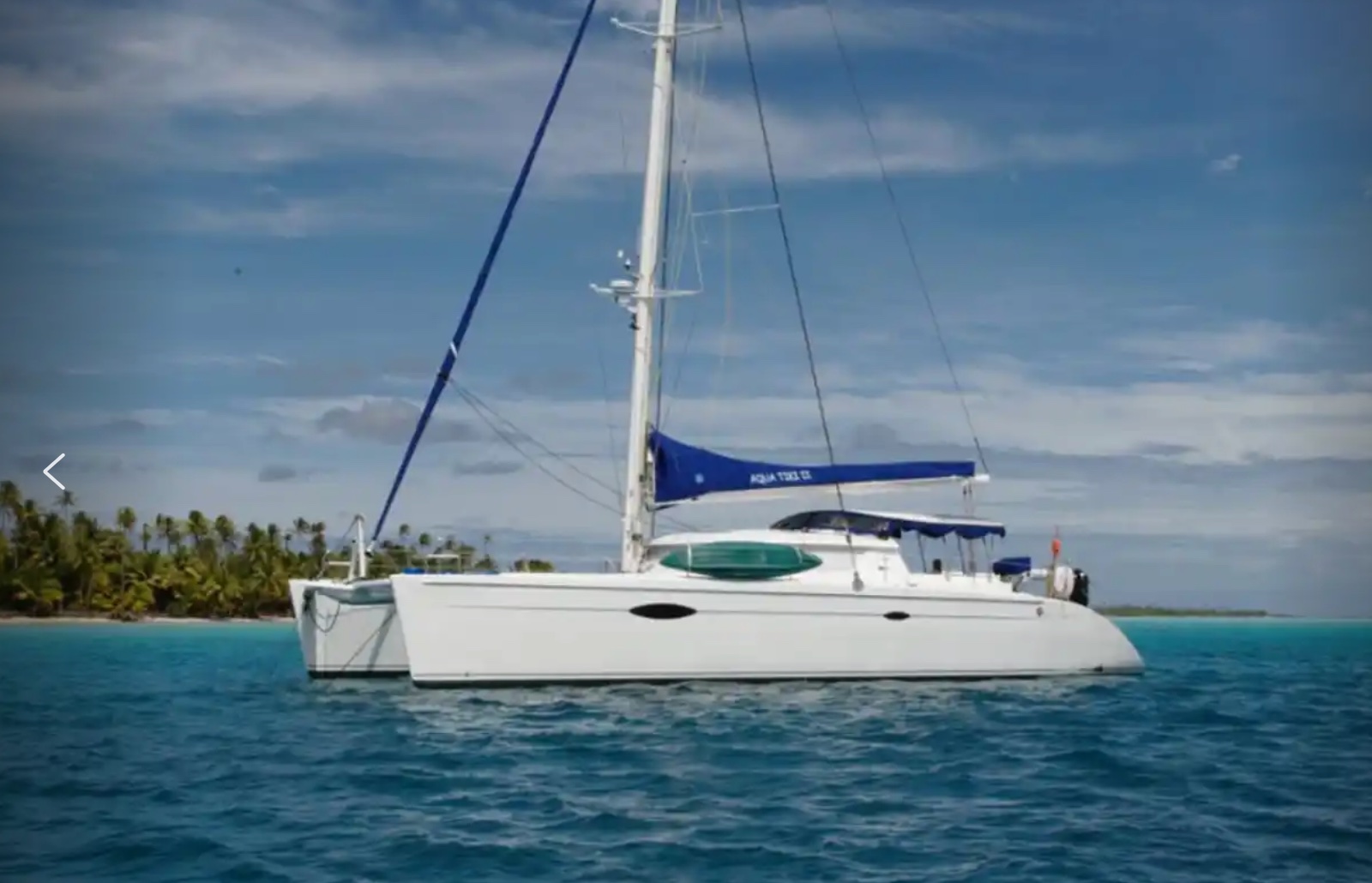
Aqua Tiki II
French Polynesia
8 guests
$574/day
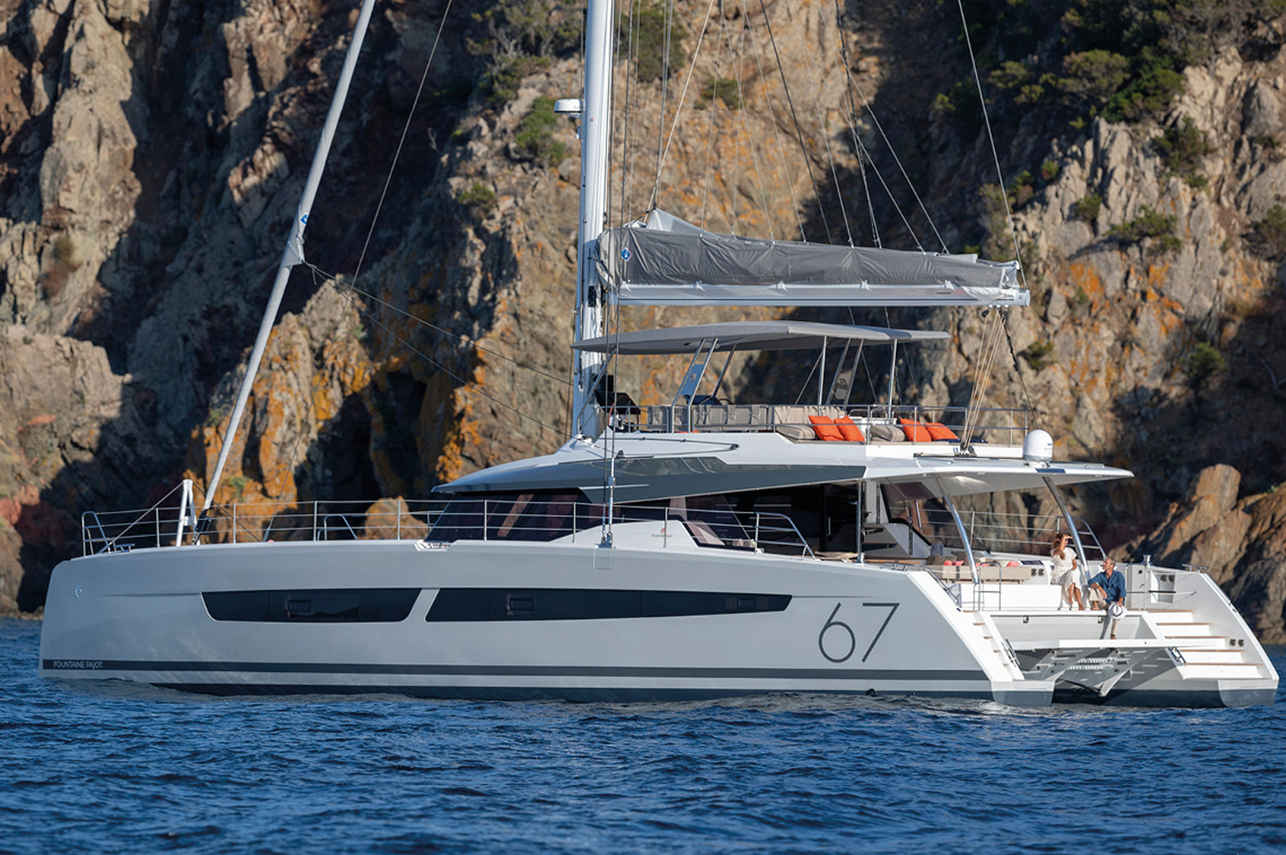
Aqua Tiki III
French Polynesia
10 guests20 m
$500/day
Dive sites similar to Tikehau - Tuheiava Pass
Same character, same waters — six more sites divers love for the exact same reasons.Compare seasons, access and liveaboard routes — then pick the site that fits your trip best.
© Esri — Maxar, Earthstar, GIS
Challenger Bay
Australia
Challenger Bay, nestled on Ribbon Reef #10, approximately 176 kilometers north of Port Douglas, is a renowned dive site on the remote northern Great Barrier Reef.
- Suitable for
- Advanced
- Current
- Moderate
- Access
- Liveaboard only
- Depth
- 5–30 m
- Theme
- Reef
© Esri — Maxar, Earthstar, GIS
Trochus Sanctuary
Micronesia
Trochus Sanctuary is a distinctive dive site located north of the mid-point of Kosrae, southwest of the island's airport.
- Suitable for
- Beginner
- Current
- Mild
- Access
- Dayboat
- Depth
- 5–13 m
- Theme
- Reef
© Esri — Maxar, Earthstar, GIS
Bare Island East
Australia
Bare Island East is a highly regarded shore dive in Sydney, celebrated for its diverse and colourful sponge gardens.
- Suitable for
- Intermediate
- Current
- Mild
- Access
- Shore / dayboat
- Depth
- 2–11 m
- Theme
- Reef
© Esri — Maxar, Earthstar, GIS
Raine Island
Australia
Raine Island is a pivotal dive site located in the Far Northern Great Barrier Reef, approximately 85 kilometers east-north-east of Cape Grenville and just over 4 nautical miles south of the island itself.
- Suitable for
- Advanced
- Current
- Strong
- Access
- Liveaboard only
- Depth
- 5–40 m
- Theme
- Reef / Wall
© Esri — Maxar, Earthstar, GIS
Neptune Islands
Australia
The Neptune Islands, nestled at the mouth of South Australia's Spencer Gulf, offer an unparalleled opportunity to encounter great white sharks.
- Suitable for
- Advanced
- Current
- Strong
- Access
- Liveaboard or dayboat
- Depth
- 5–15 m
- Theme
- Drift
© Esri — Maxar, Earthstar, GIS
Walung Drop-Off
Micronesia
Walung Drop-Off is a well-known dive site situated off the southwest coast of Kosrae in the Federated States of Micronesia.
- Suitable for
- Intermediate
- Current
- Moderate
- Access
- Dayboat
- Depth
- ≤ 30 m
- Theme
- Wall / Reef