About Avatoru Pass
Avatoru Pass is one of Rangiroa's prominent drift dive sites, renowned for its strong, predictable currents and abundant pelagic marine life. It serves as a vital channel connecting the atoll's vast lagoon to the open ocean, funneling nutrient-rich waters that attract a diverse array of species. The pass is split by a small islet, creating a wider and a narrower channel, each offering distinct diving experiences. Diving typically involves a drift through the pass on an incoming current, with depths ranging from 10 to 35 meters. Divers will traverse coral walls, sandy stretches, and open water, encountering impressive aggregations of sharks, rays, and schooling fish. The topography features colorful grottos and rich coral formations, particularly in the calmer sections of the lagoon where dives often conclude. Marine life encounters are a major draw year-round, with blacktip, whitetip, and silvertip reef sharks commonly sighted. Manta rays are frequent visitors, and large schools of jackfish, snapper, and grouper add to the spectacle. While the currents are a constant, local operators carefully time dives with tidal flows to optimize safety and encounters. This site is best accessed by boat, with local guides crucial for navigating the currents and ensuring a safe, rewarding experience. It is particularly suited for divers comfortable with drift diving and managing strong underwater flows, promising an unforgettable glimpse into the rich marine ecosystem of French Polynesia.
Highlights
Pelagic hotspotStrong current driftManta ray encountersAbundant reef sharksNutrient-rich channelCoral wall drifts
Season calendar
Best months to dive here
Jan
Feb
Mar
Apr
May
Jun
Jul
Aug
Sep
Oct
Nov
Dec
Good
Dive site facts: Avatoru Pass
- Depth
- 10–35 m
- Current
- Strong
- Visibility
- 25 m
- Water temperature
- 26–30°C
- Entry
- Boat / Negative entry
- Level
- Advanced
- Dive type
- Drift, wall, reef
- Night dive
- Not specified
- Region / port
- Rangiroa, French Polynesia
- Coordinates
- -14.9700, -147.7000
Conditions & Currents
Avatoru Pass is characterized by strong, often unpredictable currents, particularly in the narrower 'small pass' channel, making it primarily a drift dive. Dives are carefully timed with incoming and outgoing tidal flows, with guides orchestrating entries and exits to leverage the current's direction. An incoming current typically carries divers into the lagoon, while an outgoing current can allow for dives along the ocean-side slope. Divers must possess solid buoyancy control and experience in moving water, as fighting the current is discouraged; instead, you learn to let it propel you. Visibility generally improves once past the initial entry points, often reaching 25 meters, but surge can occur, especially in the unprotected parts of the pass. This site is not for beginners due to its demanding conditions, requiring advanced diving skills and strict adherence to the dive guide's plan.
Marine life & sighting chances

Blacktip Reef Shark
common
Whitetip Reef Shark
common
Silvertip Shark
occasional
Reef Manta Ray
common
Jackfish
common
Grouper
common
Snapper
common
Moray Eel
occasional
Green Sea Turtle
occasional
Tuna
occasionalDive profile & how the dive runs
Dives at Avatoru Pass are typically boat-accessed drift dives, commencing with a negative entry into the channel. The exact route depends on the current direction and strength. On an incoming current, you'll drift along the channel past a vibrant coral wall, then a sandy runout, and into the open blue water. Depths can vary from 10 to 35 meters, with divers often following the natural contour of the pass. The strong current will propel you, allowing for spectacular pelagic encounters. The turn point is not a fixed physical location but rather when the dive guide signals, often as the current pushes into the calmer waters of the inner lagoon, where you'll spend your decompression time. Safety stops are performed in the shallower, calmer sections of the lagoon, observing marine life until surfacing.
Underwater photography
Avatoru Pass offers dynamic photography opportunities, especially for wide-angle and fast-action subjects. Given the strong currents and the prevalence of large pelagics like sharks and manta rays, a wide-angle lens is essential to capture the scale of the marine life and the dramatic pass scenery. Fast shutter speeds are advisable to freeze motion in the current. Strong strobes are beneficial for color and contrast, especially when shooting into the blue or against the bright surface. Good buoyancy control is critical for stable shots while drifting. Be mindful of not obstructing other divers during fast-moving drifts, and always prioritize safety and respectful marine life interaction over photographic ambition.
Combine with nearby dive sites
- Tiputa Pass
Iconic Rangiroa pass dive for drifts and wildlife, known for very strong currents.
- Rangiroa - The Aquarium
Sheltered lagoon site near Tiputa, suitable for beginners and snorkelers.
- Eolienne
Sheltered coral drift near Tiputa with dolphins and mantas.
- Manta Point
Beginner-friendly manta cleaning station dive.
Getting there & logistics
Access to Avatoru Pass is exclusively by boat, requiring arrangement with local dive operators in Rangiroa. The main airport for Rangiroa is RGI (Rangiroa Airport), which is approximately 4.5 km from the pass. International flights typically arrive in Tahiti (PPT), followed by a domestic flight to Rangiroa, often via Air Tahiti. Many liveaboard itineraries in French Polynesia, particularly those focusing on the Tuamotu atolls, will include Rangiroa. Day trips from local resorts are also common. While there are no specific park fees mentioned, dive trip costs usually encompass boat access and guide services. Trip lengths can vary, from single day dives to multi-day packages exploring Rangiroa's various sites.
Safety & environment
Diving Avatoru Pass demands a high degree of situational awareness and adherence to guide instructions due to strong, unpredictable currents and potential encounters with large marine life. Dive insurance, including coverage for evacuation and recompression, is highly recommended. The nearest recompression chamber is located in Tahiti. Site-specific hazards include fast-moving currents that can separate divers, as well as the presence of numerous sharks, which while generally docile, require respectful observation. Divers must maintain good buoyancy and avoid fighting the current. Solo diving is not permitted, and all dives are guided. Always ensure your gear is in excellent condition and that you are physically prepared for challenging drift conditions.
Who it suits — and who it doesn't
Suited for
- Experienced drift divers
- Pelagic enthusiasts
- Shark lovers
- Underwater photographers with wide-angle setups
- Divers comfortable with strong currents
Less suited for
- Beginner divers
- Divers uncomfortable with strong currents
- Those without good buoyancy control
- Snorkelers without a guided tour
- Freedivers (due to depth and current)
FAQ
Avatoru Pass FAQ
What is the best time of year to dive Avatoru Pass?
Avatoru Pass can be dived year-round, as marine life and currents are consistently present. However, local operators can provide the most current information on tidal flows and expected conditions, which may vary seasonally. March historically shows the highest percentage of favorable diving days.
What kind of marine life can I expect to see at Avatoru Pass?
The pass is a pelagic hotspot. You can frequently encounter blacktip, whitetip, and silvertip reef sharks, as well as reef manta rays. Schools of jackfish, snapper, and grouper are common, and moray eels and green sea turtles are occasionally sighted.
Is Avatoru Pass suitable for beginner divers?
No, Avatoru Pass is not suitable for beginner divers. The strong, often unpredictable currents and drift diving conditions require advanced diving skills, excellent buoyancy control, and previous experience in moving water. It is recommended for intermediate to advanced divers.
How deep are the dives at Avatoru Pass?
Dive depths at Avatoru Pass typically range from 10 to 35 meters (33 to 115 feet). The specific depth profile will depend on the chosen route through the pass and the prevailing current conditions during your dive.
Do I need a local guide to dive Avatoru Pass?
Yes, a local guide is essential for diving Avatoru Pass. Due to the complex current patterns and the importance of timing entries and exits, attempting to dive independently is strongly discouraged and can be dangerous. Guides ensure a safe and optimal dive experience.
Can I snorkel at Avatoru Pass?
Guided drift snorkeling is possible at Avatoru Pass, but it is not a casual snorkel site. It is only recommended for strong swimmers and should always be done with a guide due to the moderate to strong currents and depth. Unguided snorkeling is not advisable.
Why dive Avatoru Pass from a liveaboard?
Avatoru Pass is one of French Polynesia's signature dive sites. A liveaboard sleeps you on the water and puts you in the water for three to four guided dives per day, including dawn and night dives that day-boat operators rarely offer. You skip the daily commute back to port and reach quieter, less-crowded sites in the same region on a single trip.
Below are the liveaboards that include Avatoru Pass on their French Polynesia itineraries.
Liveaboards diving Avatoru Pass
These liveaboards may visit Avatoru Pass on selected itineraries — the exact dive sites depend on departure, weather and conditions.
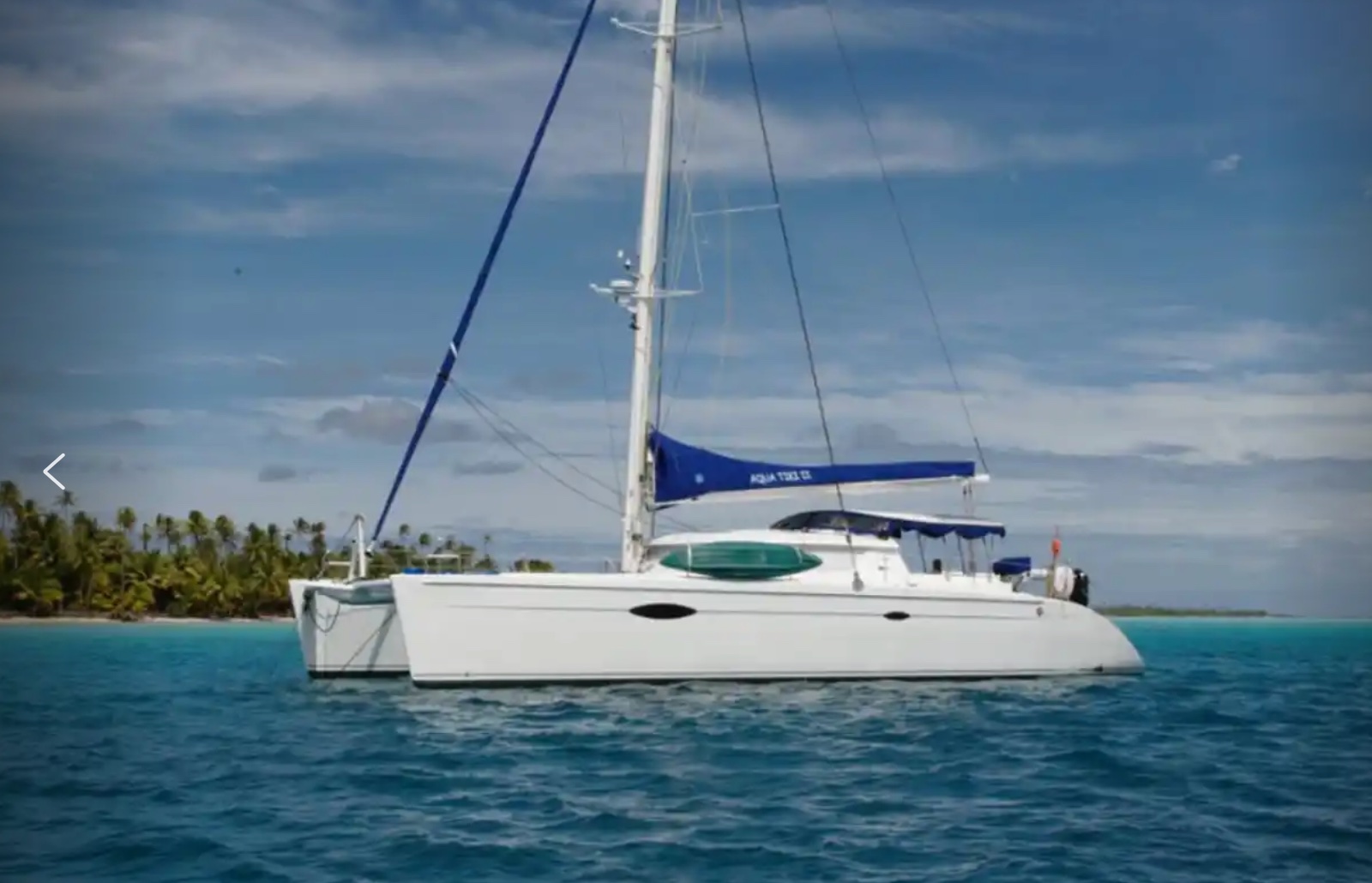
Aqua Tiki II
French Polynesia
8 guests
$654/day
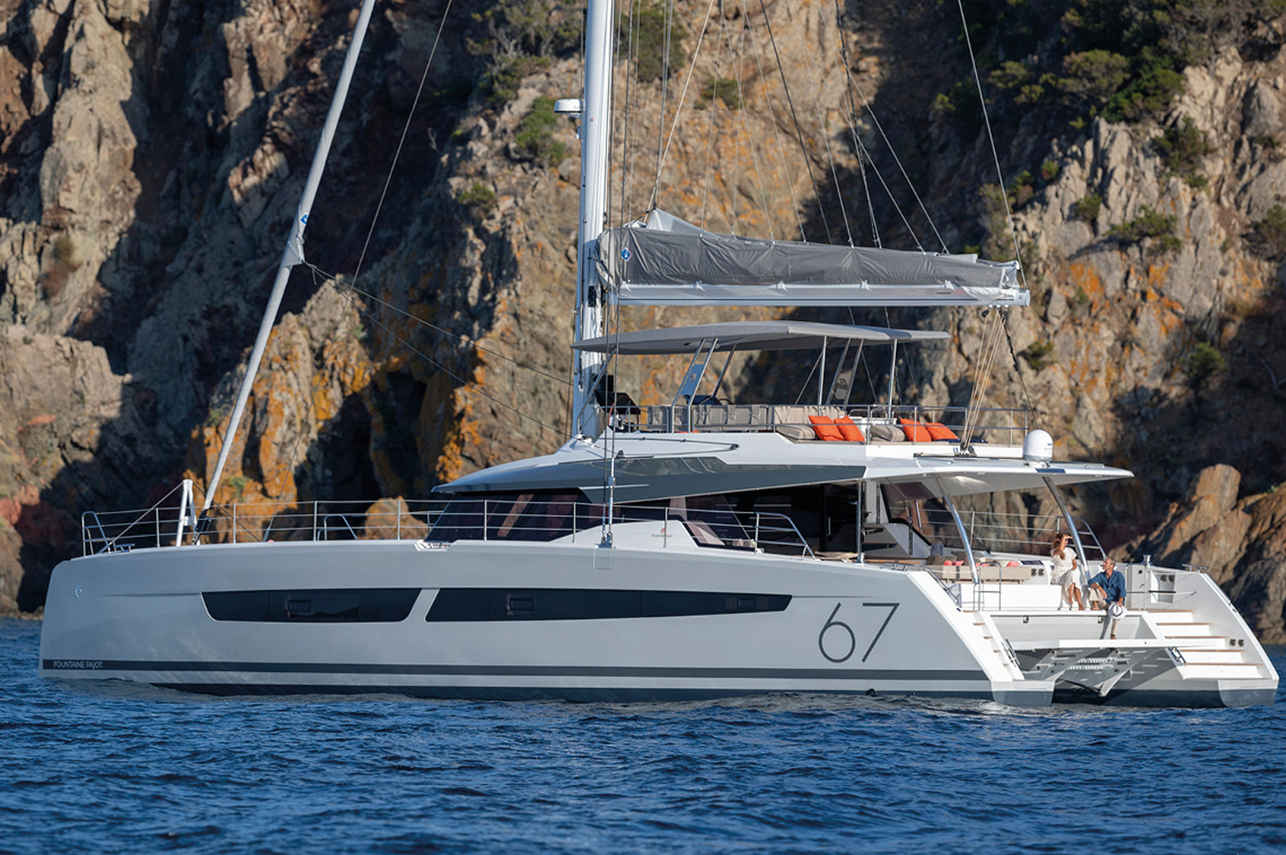
Aqua Tiki III
French Polynesia
10 guests20 m
$570/day
Dive sites similar to Avatoru Pass
Same character, same waters — six more sites divers love for the exact same reasons.Compare seasons, access and liveaboard routes — then pick the site that fits your trip best.
© Esri — Maxar, Earthstar, GIS
Fakarava - Ohotu Reef
French Polynesia
Ohotu Reef, situated in Fakarava's immense Garuae Pass, is a premier dive destination within the UNESCO Biosphere Reserve of French Polynesia.
- Suitable for
- Advanced
- Current
- Strong
- Access
- Liveaboard or dayboat
- Depth
- 5–18 m
- Theme
- Drift / Reef
© Esri — Maxar, Earthstar, GIS
Moorea - Ray Corridor
French Polynesia
The Ray Corridor in Moorea offers an exhilarating drift dive experience within a natural lagoon, making it a favorite for divers seeking dynamic encounters.
- Suitable for
- Beginner
- Current
- Moderate
- Access
- Liveaboard or dayboat
- Depth
- 3–12 m
- Theme
- Drift / Reef
© Esri — Maxar, Earthstar, GIS
Fakarava - North Pass
French Polynesia
Fakarava's North Pass, officially known as Garuae Pass, is a world-renowned drift dive site in the Tuamotu Archipelago of French Polynesia.
- Suitable for
- Advanced
- Current
- Strong
- Access
- Dayboat
- Depth
- 8–40 m
- Theme
- Drift
© Esri — Maxar, Earthstar, GIS
Ohutu Pass
French Polynesia
Pakaka Pass, situated in the Apataki Atoll within French Polynesia's Tuamotu Archipelago, lies approximately 370 kilometers northeast of Tahiti.
- Suitable for
- Advanced
- Current
- Strong
- Access
- Liveaboard only
- Depth
- ≤ 30 m
- Theme
- Reef / Drift
© Esri — Maxar, Earthstar, GIS
Garaue Pass
French Polynesia
Garaue Pass, located in the northern part of Fakarava Atoll within the Tuamotu Archipelago, is recognized as a premier diving destination, particularly for shark encounters.
- Suitable for
- Advanced
- Current
- Ripping
- Access
- Liveaboard or dayboat
- Depth
- 12–30 m
- Theme
- Drift
© Esri — Maxar, Earthstar, GIS
The Sharks’ cavern
French Polynesia
The Sharks’ Cavern is a prominent dive site located within the Tiputa Pass of Rangiroa, French Polynesia, celebrated for its unique shark encounters and exhilarating drift diving experience.
- Suitable for
- Advanced
- Current
- Strong
- Access
- Dayboat
- Depth
- 12–35 m
- Theme
- Drift / Cavern