About Neptune Islands
The Neptune Islands, nestled at the mouth of South Australia's Spencer Gulf, offer an unparalleled opportunity to encounter great white sharks. This remote and rugged marine park, comprising North and South Neptune Islands, is the sole location in Australia where regulated white shark interactions are permitted, providing a truly unique wildlife adventure. Here, divers can choose between surface cage experiences, which require no prior scuba certification, or venture deeper into a submersible cage to a maximum depth of 20 meters. This allows for an extraordinary perspective of sharks moving gracefully over varied reef structures and sandy seafloors. Beyond the primary draw of great whites, expeditions often include engaging interactions with playful Australian sea lions and exploring the protected islands themselves. The waters surrounding Neptune Islands are characterized by their cool temperatures, typically ranging from 14-22°C, and excellent visibility, often extending up to 20 meters. While conditions can be challenging with significant wave heights and wind speeds year-round, these robust conditions are often necessary for maximizing shark encounters. The marine park was established to conserve not only the great white sharks but also the New Zealand fur seal, Australian sea lions, and various breeding bird species. Divers planning a trip should prioritize aligning with peak white shark activity, which generally occurs from May to October, especially from July to October for the highest numbers of sharks. While specific trips are scheduled to coincide with these periods, great white sharks can be sighted in any given month, with variations influenced by weather and the seals' breeding cycles.
Highlights
Regulated great white shark encountersSurface and submersible cage divingInteraction with Australian sea lionsNew Zealand fur seal coloniesRemote, rugged marine parkExcellent underwater visibility
Season calendar
Best months to dive here
Jan
Feb
Mar
Apr
May
Jun
Jul
Aug
Sep
Oct
Nov
Dec
Good
Dive site facts: Neptune Islands
- Depth
- 0–20 m
- Current
- Variable, potentially strong
- Visibility
- Up to 20 m
- Water temperature
- 14–22°C
- Entry
- Cage entry (surface or submersible)
- Level
- All levels (surface cage), OWD (submersible cage)
- Dive type
- Cage diving, big marine life
- Region / port
- South Australia
- Coordinates
- -35.3305, 136.1149
Conditions & Currents
Currents around the Neptune Islands can be variable and strong, presenting a significant hazard for divers outside of controlled cage environments. The remote location and exposure to the Southern Ocean mean that boat traffic needs to be constantly monitored by surface crews, especially given the presence of large marine life. Water temperatures remain cool year-round, ranging from 14-22°C, necessitating appropriate thermal protection. Visibility is generally excellent, up to 20 meters, which is crucial for observing the large pelagic species. Divers should be prepared for robust surface conditions, including wave heights between 2.6 to 3.8 meters and winds from 30 to 40 km/h, which can impact comfort and entry/exit procedures, particularly when deploying and recovering cages.
Marine life & sighting chances

Great White Shark
May–October (peak July–October) · common
Australian Sea Lion
November–May (pupping/breeding) · common
New Zealand Fur Seal
November–May (pupping/breeding) · common
Western Blue Groper
occasional
Bronze Whaler
November–May · occasional
Harlequin Fish
occasional
Mako Shark
November–May · rare
Wrasse
occasionalDive profile & how the dive runs
Diving at Neptune Islands focuses on cage experiences. For surface cage diving, participants enter a secured cage floating at the surface, observing sharks from above and at eye level without needing scuba certification. Submersible cage dives allow certified Open Water divers to descend to approximately 20 meters. The cage is typically lowered to the kelp-covered seafloor, offering a unique perspective of sharks patrolling reef structures and the sandy bottom. The boat remains tethered to the cage, providing a secure and controlled environment for observation. Divers remain within the cage throughout the experience, with no free swimming in open water.
Underwater photography
To capture the imposing presence of great white sharks at Neptune Islands, a wide-angle lens is essential for both surface and submersible cage diving. Given the generally clear visibility up to 20 meters and the size of the subjects, a fisheye or rectilinear wide-angle lens will allow you to get close and fill the frame. External strobes are highly recommended to bring out color and detail, especially in the deeper submersible cage where ambient light diminishes. Consider using a dome port for wider coverage. Buoyancy is not a primary concern within the cages, but maintaining a steady position for stable shots is important. Always respect the guidelines set by the dive operators and avoid any actions that could disturb the sharks or other marine life.
Combine with nearby dive sites
Getting there & logistics
Access to Neptune Islands primarily involves flying into Adelaide, South Australia, and then taking a regional flight or bus to Port Lincoln on the Eyre Peninsula. Liveaboard trips typically depart from Port Lincoln, ranging from 3 to 6 days. The MV Rodney Fox is a prominent liveaboard operator for this destination, offering both surface and submersible cage diving. These expeditions are often combined with opportunities to interact with Australian sea lions at nearby Hopkins Island. Australian visa requirements vary by nationality, and travelers should confirm their specific entry needs well in advance of their trip.
Safety & environment
Safety at Neptune Islands is paramount, particularly due to the presence of great white sharks and the remote nature of the site. All cage diving operations are highly regulated and conducted under strict protocols, with experienced dive professionals supervising all in-water activities. Divers should ensure they have comprehensive dive accident insurance, as recompression chambers are located in major cities like Adelaide, requiring air evacuation in case of an emergency. Surface conditions can be challenging, with high swells and strong winds, which can affect comfort and the stability of the dive platform. Always follow the instructions of the dive crew and adhere to all safety briefings to ensure a safe and memorable experience.
Who it suits — and who it doesn't
Suited for
- Thrill-seekers and adventure divers
- Great white shark enthusiasts
- Underwater photographers seeking pelagic action
- Non-divers interested in wildlife encounters (surface cage)
- Divers comfortable with cold water and potentially rough surface conditions
Less suited for
- Divers seeking traditional coral reef diving
- Those uncomfortable with cage diving environments
- Divers prone to seasickness in rough conditions
- Individuals seeking warm water diving experiences
- Divers uninterested in large pelagic encounters
FAQ
Neptune Islands FAQ
Do I need a scuba diving certification to dive with great white sharks at Neptune Islands?
No, you do not need a scuba certification for all experiences. Surface cage diving at Neptune Islands is available to non-certified individuals, allowing everyone to safely observe great white sharks. However, if you wish to participate in the submersible cage dive, you will need to hold an Open Water Diver certification or equivalent.
What is the best time of year to see great white sharks?
The peak season for great white shark encounters at Neptune Islands is typically from May to October, with the highest numbers recorded between July and October. This period aligns with the breeding season of local seal colonies, which provides a natural food source that attracts the sharks to the area. While sightings can occur year-round, these months offer the best chances.
What is the water temperature like at Neptune Islands?
The water temperature at Neptune Islands is generally cool, ranging between 14°C and 22°C throughout the year. The coolest temperatures are usually experienced in late winter/early spring. Divers should be prepared with appropriate thermal protection, such as thick wetsuits or drysuits, to ensure comfort during their cage diving experience.
Are there other marine animals to see besides great white sharks?
Yes, beyond the main attraction of great white sharks, Neptune Islands is home to a rich diversity of marine life. You can expect to encounter playful Australian sea lions and New Zealand fur seals, particularly during their pupping and breeding season. Other species like Western Blue Groper, Bronze Whaler sharks, and Harlequin Fish are also frequently sighted in the area.
How do I get to Neptune Islands?
To reach Neptune Islands, you typically fly into Adelaide, South Australia. From Adelaide, you'll then take a domestic flight or bus to Port Lincoln, which serves as the departure point for liveaboard expeditions to the islands. Operators usually provide details on transfers and meeting points in Port Lincoln, ensuring a smooth journey to your shark diving adventure.
Why dive Neptune Islands from a liveaboard?
Neptune Islands is one of Australia's signature dive sites. A liveaboard sleeps you on the water and puts you in the water for three to four guided dives per day, including dawn and night dives that day-boat operators rarely offer. You skip the daily commute back to port and reach quieter, less-crowded sites in the same region on a single trip.
Below are the liveaboards that include Neptune Islands on their Australia itineraries.
Liveaboards diving Neptune Islands
These liveaboards may visit Neptune Islands on selected itineraries — the exact dive sites depend on departure, weather and conditions.
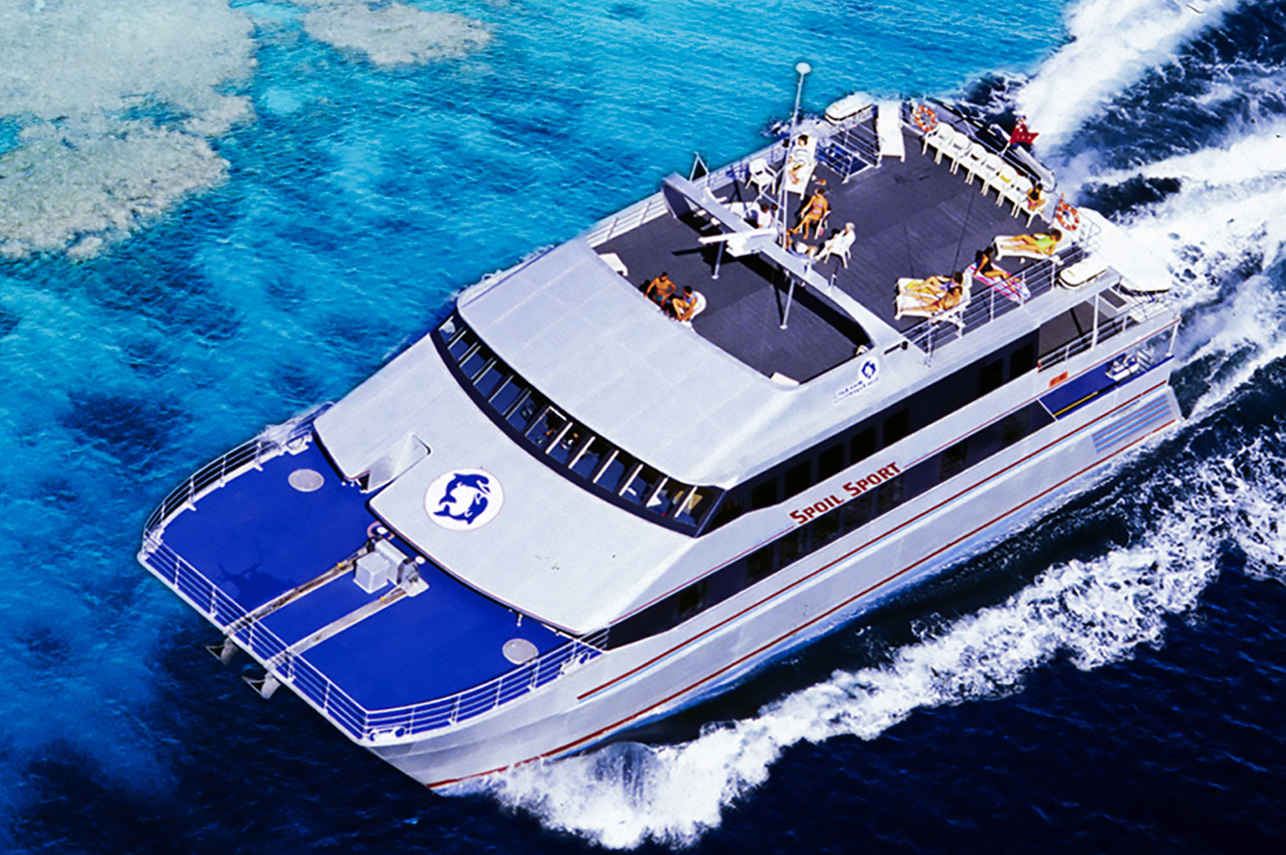
Spoilsport
Australia
28 guests30 m
$406/day
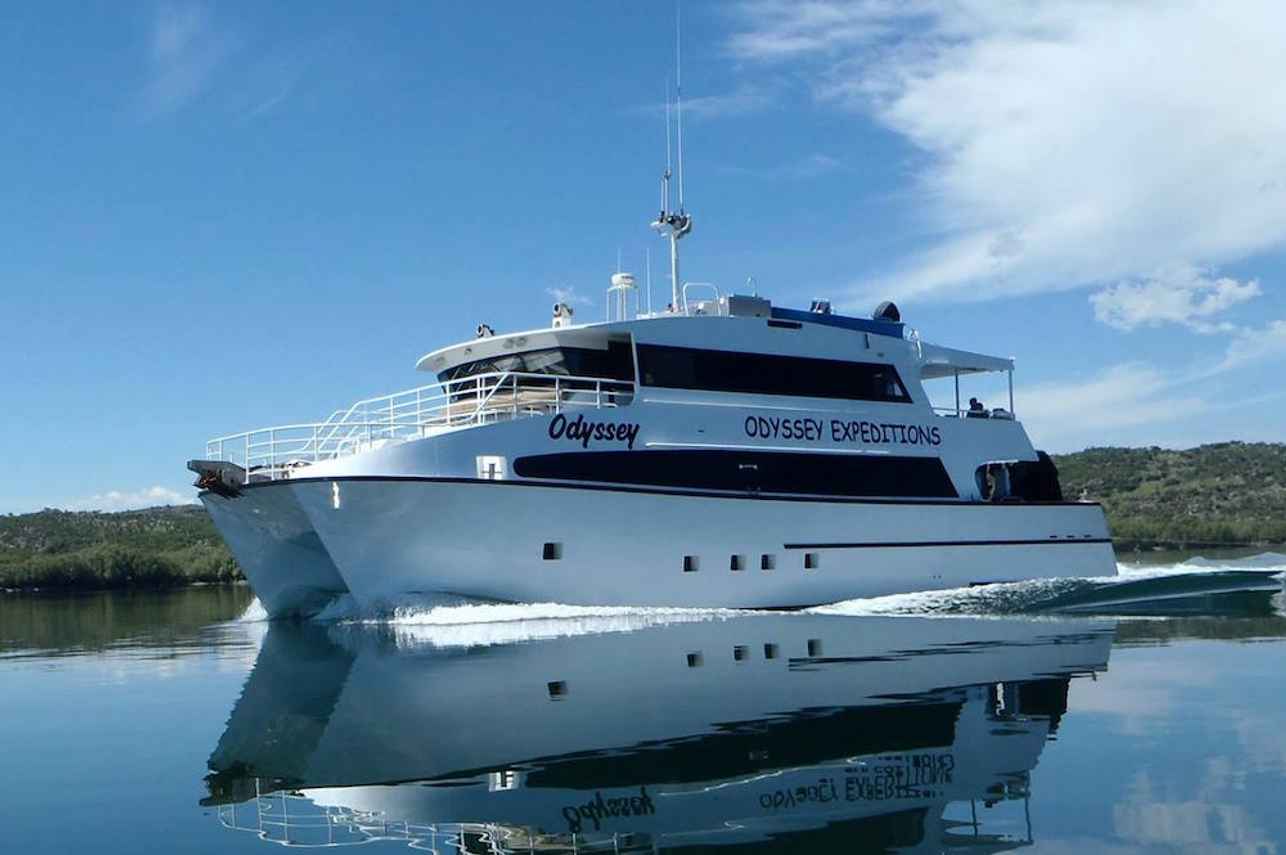
Odyssey Liveaboard
Australia
20 guests24 m
$392/day
Dive sites similar to Neptune Islands
Same character, same waters — six more sites divers love for the exact same reasons.Compare seasons, access and liveaboard routes — then pick the site that fits your trip best.
© Esri — Maxar, Earthstar, GIS
Raine Island
Australia
Raine Island is a pivotal dive site located in the Far Northern Great Barrier Reef, approximately 85 kilometers east-north-east of Cape Grenville and just over 4 nautical miles south of the island itself.
- Suitable for
- Advanced
- Current
- Strong
- Access
- Liveaboard only
- Depth
- 5–40 m
- Theme
- Reef / Wall
© Esri — Maxar, Earthstar, GIS
Boarfish Reef
Australia
Boarfish Reef is a renowned boat-access reef located in Victoria, Australia, specifically near Queenscliff on the Bellarine Peninsula.
- Suitable for
- Intermediate
- Current
- Strong
- Access
- Dayboat
- Depth
- 1–25 m
- Theme
- Reef / Drift
© Esri — Maxar, Earthstar, GIS
Jeff’s Edge
Australia
Jeff's Edge is a renowned dive site situated on the outer reef of Lady Musgrave Island, an exquisite part of the Southern Great Barrier Reef in Queensland, Australia.
- Suitable for
- Advanced
- Current
- Strong
- Access
- Dayboat
- Depth
- 6–22 m
- Theme
- Wall / Drift
© Esri — Maxar, Earthstar, GIS
Cocos Keeling - Enterprise
Australia
Enterprise is a dynamic dive site located in the Cocos (Keeling) Islands, renowned for its dramatic topography and abundant pelagic action.
- Suitable for
- Advanced
- Current
- Strong
- Access
- Dayboat
- Depth
- 15–35 m
- Theme
- Reef / Wall
© Esri — Maxar, Earthstar, GIS
Buchanan's Wall
Australia
Buchanan's Wall is a prominent dive site located on the southwestern flank of South Solitary Island, off the coast of Coffs Harbour in New South Wales, Australia.
- Suitable for
- Intermediate
- Current
- Mild
- Access
- Dayboat
- Depth
- 5–30 m
- Theme
- Wall / Drift
© Esri — Maxar, Earthstar, GIS
Anenome Bay
Australia
Anenome Bay is a captivating dive site situated within the expansive Great Barrier Reef system in Australia, renowned for its incredible biodiversity and pristine coral structures.
- Suitable for
- Intermediate
- Current
- Mild
- Access
- Liveaboard only
- Depth
- ≤ 20 m
- Theme
- Reef / Drift