About Tikehau - Shark Pit
Tikehau, a tranquil atoll in the Tuamotu Archipelago near Rangiroa, is renowned for its vibrant marine life, so much so that Jacques Cousteau once declared its lagoon the most fish-rich in French Polynesia. Measuring 25 kilometers wide and no more than 30 meters deep, the lagoon resembles an underwater aquarium. The atoll is characterized by tiny white and pink sand islets, offering both serene beauty and exhilarating dive opportunities. The dive site known as Shark Pit in Tikehau is likely referring to Tuheiava Pass, the sole navigable entry into Tikehau's lagoon on its western side, where the best diving is concentrated. This pass features a dynamic environment with strong currents, attracting a diverse range of marine megafauna. It's known for significant schools of barracudas, snapper, and tuna, alongside graceful eagle rays and curious dolphins. The topography includes large coral formations that host a multitude of smaller reef fish like parrotfish, triggerfish, grouper, big-eye jacks, and lionfish. The Shark Pit truly lives up to its name with an abundance of sharks, including grey reef sharks, silvertips, and whitetips. More impressively, divers frequently encounter great hammerhead sharks and even occasional tiger sharks in these waters. Graceful manta rays are also regular visitors, often seen at cleaning stations within the lagoon. Diving here offers dramatic drift experiences, particularly during incoming currents when marine life gathers. This site is suitable for divers seeking high-adrenaline encounters with large pelagic species.
Highlights
Abundant with sharksGreat hammerhead sightingsOccasional tiger sharksVibrant coral formationsManta ray cleaning stationsSchools of barracudas and tunaDrift diving experienceDolphin and turtle encounters
Season calendar
Best months to dive here
Jan
Feb
Mar
Apr
May
Jun
Jul
Aug
Sep
Oct
Nov
Dec
Excellent
Dive site facts: Tikehau - Shark Pit
- Depth
- 20–50 m
- Current
- Moderate
- Visibility
- 30–40 m+
- Water temperature
- 26–29°C
- Entry
- Boat
- Level
- Advanced
- Dive type
- Wall, cave, shark encounter
- Region / port
- Tuamotu Archipelago, French Polynesia
- Coordinates
- -14.96, -148.23
Conditions & Currents
The Shark Pit is an oceanic dive site, and while currents can be moderate, especially around deeper sections of the reef where it's located, they are generally manageable for experienced divers. Visibility at Tikehau is consistently excellent, often exceeding 30-40 meters, though heavy rain can temporarily reduce it near shore. Entry to the site is exclusively by boat, requiring careful descent planning to reach the cave system. Divers should be mindful of depth and bottom time, especially when exploring the deeper reaches of the pit, and maintain good buoyancy control to avoid disturbing the resident sharks.
Marine life & sighting chances

Grey reef shark
common
Tuna
occasional
Marlin
occasional
Tiger shark
January to June · rare
Great hammerhead shark
January to June · rare
Marine turtle
Year round · occasional
Dolphin
Year round · occasional
Schooling reef fish
Year round · common
Lemon shark
occasional
Silky shark
occasional
Nurse shark
occasionalDive profile & how the dive runs
Diving the Shark Pit typically begins with a boat drop directly over the site. Divers descend along the reef wall to explore the vertical cave, which starts around 20 meters and extends to depths of 50 meters or more. The primary focus is observing the resident grey reef sharks within the pit's recesses. Divers will navigate carefully, often staying at depths between 20-30 meters to maximize bottom time and safety while still observing the sharks. The dive concludes with a gradual ascent along the reef, performing a safety stop before surfacing for boat pick-up.
Underwater photography
The Shark Pit provides dramatic opportunities for wide-angle photography, capturing the imposing vertical cave and schools of sharks. A strong strobe is essential to illuminate the subjects and bring out the vibrant colors in the deeper, darker sections of the pit. Due to the potential for deeper diving and limited ambient light, high ISO settings or external lighting will be beneficial. Maintain excellent buoyancy to avoid stirring up sediment or disturbing marine life within the confined spaces. Respect the sharks' natural environment by avoiding intrusive flash photography or sudden movements that could startle them.
Combine with nearby dive sites
- Tikehau - Tuheiava Pass
A popular drift dive with abundant fish schools and various shark species.
- Rangiroa - The Aquarium
A shallow, protected lagoon site teeming with small reef fish.
- Rangiroa - Tiputa Pass
Renowned for thrilling drift dives and frequent encounters with pelagic species, including hammerhead sharks.
- South Pass - Fakarava
Famous for its 'wall of sharks' and seasonal grouper spawning.
Getting there & logistics
Access to Tikehau typically involves flying into Pape’ete (PPT) on Tahiti, then taking a domestic flight with Air Tahiti to Tikehau Airport. Many visitors combine Tikehau with other Tuamotu atolls like Rangiroa or Fakarava, utilizing multi-island air passes for cost-effective travel. Dive trips generally range from 3 to 7 days, often integrated into longer French Polynesia itineraries. There are no specific marine park fees for this site, but daily dive operator charges apply. Accommodations on Tikehau are mostly resorts or guesthouses, providing boat transfers to dive sites.
Safety & environment
The nearest recompression chamber is located in Pape’ete, Tahiti, highlighting the importance of cautious diving practices in this remote region. Evacuation in a medical emergency would be complex and time-consuming, necessitating robust dive insurance that covers emergency medical treatment and air evacuation. Divers should be advanced certified with experience in deep dives and current. Adhere strictly to depth and no-decompression limits, and always dive with a guide. Respect marine life, particularly sharks, by observing from a safe distance and avoiding provocative actions.
Who it suits — and who it doesn't
Suited for
- Advanced divers comfortable with deeper profiles
- Shark enthusiasts seeking close encounters
- Underwater photographers looking for dramatic wide-angle shots
- Divers interested in unique geological formations
- Those seeking authentic, less crowded dive experiences
Less suited for
- Beginner divers or those without deep dive experience
- Divers uncomfortable with potential currents and depths
- Individuals with poor buoyancy control
- Photographers without appropriate lighting for deep, dark environments
- Those expecting exclusively shallow, coral garden dives
FAQ
Tikehau - Shark Pit FAQ
What kind of sharks can I expect to see at Tikehau's Shark Pit?
The Shark Pit is primarily known for its resident schools of grey reef sharks, which can often be observed sheltering within the vertical cave. While grey reef sharks are the most common, occasionally other species like lemon, silky, or nurse sharks might be sighted in the surrounding oceanic waters.
How deep is the Shark Pit, and what certification level is required?
The Shark Pit is a vertical reef cave that extends from approximately 20 meters down to 50 meters or more. Due to these depths and the potential for currents, this site is best suited for advanced divers with experience in deep diving and good buoyancy control.
Is the Shark Pit suitable for underwater photography?
Yes, the Shark Pit offers unique opportunities for dramatic wide-angle photography, especially for capturing schools of sharks within the cave's striking geological formations. It is recommended to use a strong external strobe or video light to enhance visibility and color in the deeper, darker sections of the pit.
What are the typical water conditions at the Shark Pit?
Water temperatures in Tikehau generally range from 26-29°C year-round. Visibility at the Shark Pit is typically excellent, often exceeding 30-40 meters. Currents can be moderate, especially around the deeper entrance to the pit, requiring careful planning and good diving skills.
Can I combine a dive at the Shark Pit with other Tikehau dive sites?
Absolutely. Dive operators in Tikehau often combine sites like the Shark Pit with other local highlights, such as Tuheiava Pass for drift dives or the Manta Cleaning Station within the lagoon. This allows divers to experience the full range of Tikehau's rich marine environment.
Why dive Tikehau - Shark Pit from a liveaboard?
Tikehau - Shark Pit is one of French Polynesia's signature dive sites. A liveaboard sleeps you on the water and puts you in the water for three to four guided dives per day, including dawn and night dives that day-boat operators rarely offer. You skip the daily commute back to port and reach quieter, less-crowded sites in the same region on a single trip.
Below are the liveaboards that include Tikehau - Shark Pit on their French Polynesia itineraries.
Liveaboards diving Tikehau - Shark Pit
These liveaboards may visit Tikehau - Shark Pit on selected itineraries — the exact dive sites depend on departure, weather and conditions.
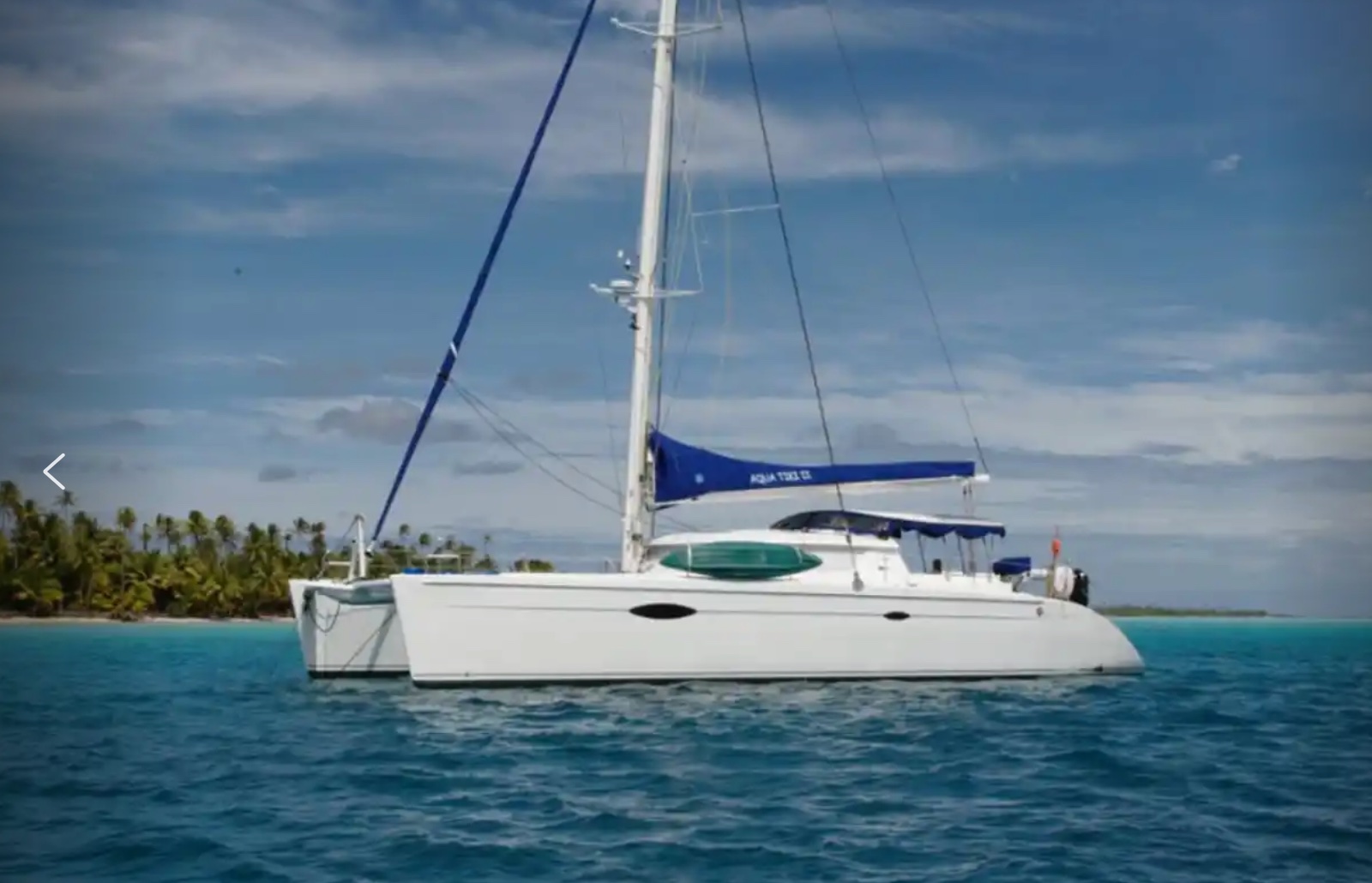
Aqua Tiki II
French Polynesia
8 guests
$571/day
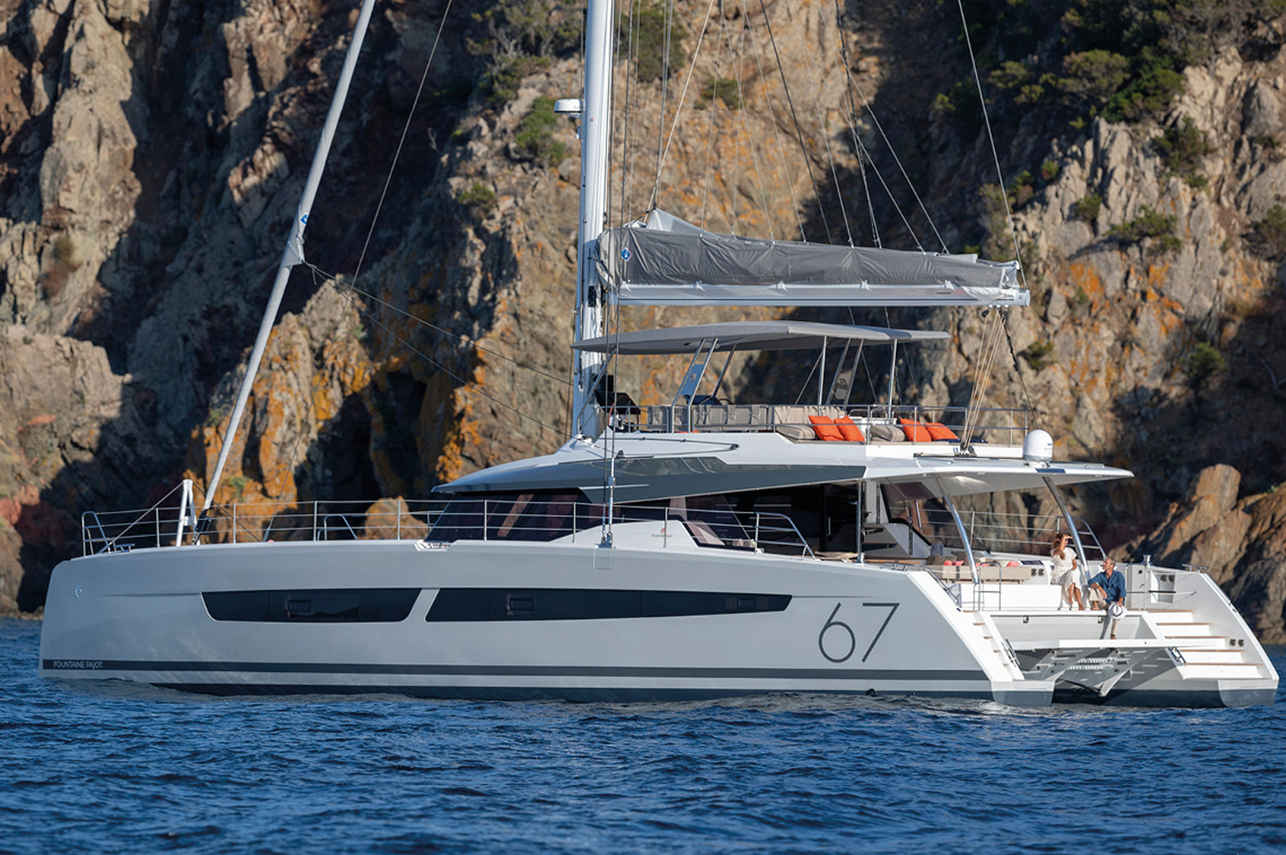
Aqua Tiki III
French Polynesia
10 guests20 m
$497/day
Dive sites similar to Tikehau - Shark Pit
Same character, same waters — six more sites divers love for the exact same reasons.Compare seasons, access and liveaboard routes — then pick the site that fits your trip best.
© Esri — Maxar, Earthstar, GIS
Challenger Bay
Australia
Challenger Bay, nestled on Ribbon Reef #10, approximately 176 kilometers north of Port Douglas, is a renowned dive site on the remote northern Great Barrier Reef.
- Suitable for
- Advanced
- Current
- Moderate
- Access
- Liveaboard only
- Depth
- 5–30 m
- Theme
- Reef
© Esri — Maxar, Earthstar, GIS
Trochus Sanctuary
Micronesia
Trochus Sanctuary is a distinctive dive site located north of the mid-point of Kosrae, southwest of the island's airport.
- Suitable for
- Beginner
- Current
- Mild
- Access
- Dayboat
- Depth
- 5–13 m
- Theme
- Reef
© Esri — Maxar, Earthstar, GIS
Bare Island East
Australia
Bare Island East is a highly regarded shore dive in Sydney, celebrated for its diverse and colourful sponge gardens.
- Suitable for
- Intermediate
- Current
- Mild
- Access
- Shore / dayboat
- Depth
- 2–11 m
- Theme
- Reef
© Esri — Maxar, Earthstar, GIS
Raine Island
Australia
Raine Island is a pivotal dive site located in the Far Northern Great Barrier Reef, approximately 85 kilometers east-north-east of Cape Grenville and just over 4 nautical miles south of the island itself.
- Suitable for
- Advanced
- Current
- Strong
- Access
- Liveaboard only
- Depth
- 5–40 m
- Theme
- Reef / Wall
© Esri — Maxar, Earthstar, GIS
Neptune Islands
Australia
The Neptune Islands, nestled at the mouth of South Australia's Spencer Gulf, offer an unparalleled opportunity to encounter great white sharks.
- Suitable for
- Advanced
- Current
- Strong
- Access
- Liveaboard or dayboat
- Depth
- 5–15 m
- Theme
- Drift
© Esri — Maxar, Earthstar, GIS
Walung Drop-Off
Micronesia
Walung Drop-Off is a well-known dive site situated off the southwest coast of Kosrae in the Federated States of Micronesia.
- Suitable for
- Intermediate
- Current
- Moderate
- Access
- Dayboat
- Depth
- ≤ 30 m
- Theme
- Wall / Reef