About Fish Rock Cave
Fish Rock Cave, located off South West Rocks in New South Wales, Australia, is renowned as the country's only true ocean cave dive. This spectacular 120 to 125-meter swim-through cuts directly beneath Fish Rock Island, an uninhabited rocky outcrop situated approximately 2km offshore. The topography around the island features a dramatic mix of gently sloping walls, gutters, and canyons, with depths ranging from 7m to 35m. The cave itself presents a unique journey, starting with a wide entrance at about 10m where grey nurse sharks often circle. It progressively narrows towards a thrilling vertical section, known as "the chimney," before leading into another horizontal passage and exiting at 24m. Within, divers can admire sponge-encrusted walls, encounter large lobsters, and spot camouflaged wobbegongs nestled on the bottom. What truly distinguishes Fish Rock Cave is its vibrant marine life, particularly its year-round population of grey nurse sharks. These majestic creatures frequently aggregate at the cave's entrances, seeking refuge and warmth or resting in the channels. The site's proximity to the East Australian Current brings a wealth of nutrients, fostering abundant fish life. Beyond the sharks, divers frequently encounter turtles, Queensland groupers, large bullrays, and various schools of fish. Seasonal visitors can include substantial schools of hammerhead sharks, especially in the currents, and migrating humpback whales from May to October. While the main cave dive is recommended for divers with at least 20 logged dives due to varying conditions, surrounding sites like "The Aquarium" are suitable for beginners. Currents around Fish Rock can be noticeable due to the East Australian Current, but the island's topography provides sheltered areas. Surge can occasionally build inside the shallow entrance of the cave, causing depth readings to fluctuate. The dive experience offers a unique combination of cave exploration and significant marine encounters, making it a must-visit destination for those seeking an unforgettable underwater adventure.
Highlights
Grey Nurse SharksWobbegongsCave Swim-through
Season calendar
Best months to dive here
Jan
Feb
Mar
Apr
May
Jun
Jul
Aug
Sep
Oct
Nov
Dec
Excellent
Good
Dive site facts: Fish Rock Cave
- Depth
- 7–35 m
- Typical dive
- 10–25 m, 40–60 min
- Current
- 1–2 knots
- Visibility
- 5–25 m
- Water temperature
- 14.9–25 ℃
- Entry
- Boat
- Level
- Advanced Open Water recommended
- Dive type
- Cave, drift, reef, shark
- Night dive
- Possible
- Region / port
- South West Rocks, NSW
- Coordinates
- -30.9117, 153.0583
Conditions & Currents
Fish Rock is directly influenced by the East Australian Current, which typically flows south from the Great Barrier Reef. This current can range from mild to very strong, impacting dive conditions significantly. When the current is strong, diving the shallow end of the cave can become challenging or even dangerous; however, sheltered areas always exist around the island. Divers should be prepared for drift dives, especially at sites like Colorado Pass, which is only divable when currents are not excessively strong. Surge can also be noticeable inside the shallow entrance of the cave, causing dive computers to register depth fluctuations. Divers should consult with local dive operators for daily conditions and be proficient in current management techniques for a safe and enjoyable experience.
Marine life & sighting chances

Grey Nurse Shark
Year-round · common
Wobbegong Shark
common
Bull Ray
occasional
Ladder-finned Pomfret
common
Crayfish
common
Green Sea Turtle
occasional
Blue Groper
occasional
Black Cod
occasional
Giant Cuttlefish
occasional
Scalloped Hammerhead Shark
October–January · rare
Dolphin
rare
Humpback Whale
May–November · rareDive profile & how the dive runs
Most dives to Fish Rock Cave begin at the shallow eastern entrance, which is found at a depth of about 10 meters, though you may descend to 17-20 meters to reach it from the mooring on the southern side. Once at the mooring, navigate north-west along the gutter, keeping to a depth of 15-20 meters, past boulders until you reach a ridge. Cross this ridge into the gutter leading directly to the shallow entrance. Inside the cave, you'll encounter numerous wobbegongs and crayfish. The cave narrows towards the middle, featuring a vertical chimney section that leads to the deeper horizontal passage. This chimney allows you to ascend into the main section of the cave, eventually leading to the deep entrance at 24 meters, or exiting via the shallow entrance. A unique feature is the 'bubble cave' where you can surface inside the cave for a brief chat. Safety stops are typically performed outside the cave in the vibrant reef areas.
Underwater photography
Fish Rock Cave is a true underwater photographer's paradise, especially for wide-angle shots due to its dramatic cave formations, schooling fish, and silhouetted grey nurse sharks at the entrances. A wide-angle lens is essential to capture the scale of the cave and the impressive marine life aggregations. Consider bringing external strobes to illuminate the cave's darker sections and highlight the vibrant colours of gorgonian corals and sponges. Pay close attention to buoyancy control, particularly in the narrower sections and chimneys, to avoid disturbing the delicate environment and stirring up sediment. Patience is key when waiting for sharks to position themselves perfectly in the cave's opening for that iconic shot. When photographing marine life, maintain a respectful distance to avoid causing stress, especially with the resting grey nurse sharks.
Combine with nearby dive sites
- South West Rocks - Green Island
Another fantastic dive site with schooling eagle rays and diverse marine life.
- North Solitary Island
Part of the Solitary Islands Marine Park, offering rich temperate and tropical species.
- Julian Rocks
Further north, known for its abundant marine life including leopard sharks and manta rays.
- Montague Island
Located south, famous for its fur seals and diverse fish life.
Getting there & logistics
To dive Fish Rock Cave, you'll need to reach South West Rocks, New South Wales. The town is approximately a five-hour drive from both Sydney and Brisbane. Daily dive trips depart from the Macleay River, with a scenic 30-minute boat ride to Fish Rock. Most operators offer multi-dive packages, often combining the cave with other local sites like The Aquarium or Shark Gutters. No specific permits are mentioned for diving the site itself beyond booking with a dive center. Plan for at least a few days to fully explore the diverse dive sites around Fish Rock and allow for potential weather-related cancellations, which can happen due to strong currents.
Safety & environment
Diving at Fish Rock Cave requires careful attention to safety protocols due to potential strong currents and the overhead environment of the cave. Always dive with a reputable local operator and ensure your gear is in excellent condition. Divers should possess at least an Advanced Open Water certification, with current experience highly recommended. The nearest recompression chamber would likely be in a major city like Sydney or Brisbane, emphasizing the importance of comprehensive dive insurance that covers emergency evacuation and medical treatment. Always plan your gas consumption meticulously, especially for the cave penetration, and adhere strictly to no-decompression limits. Be mindful of surge inside the cave and maintain good buoyancy control to avoid contact with the cave walls or marine life. Listen carefully to your dive guide's briefing regarding current conditions and exit procedures.
Who it suits — and who it doesn't
Suited for
- Experienced open water divers seeking unique cave experiences
- Underwater photographers looking for dramatic wide-angle opportunities
- Shark enthusiasts interested in grey nurse shark encounters
- Divers comfortable with currents and drift diving
- Those looking for a mix of temperate and tropical marine life
Less suited for
- Beginner divers without adequate experience in currents
- Divers uncomfortable with overhead environments
- Individuals prone to seasickness on boat rides
- Those unwilling to adhere to strict dive plan parameters
- Divers with limited buoyancy control
FAQ
Fish Rock Cave FAQ
What is the main attraction of Fish Rock Cave?
The main attraction is the 120-125 meter long ocean cave swim-through, which is Australia's only true ocean cave dive. It is renowned for its resident grey nurse sharks, which are frequently seen resting inside and around the entrances, providing incredible photographic opportunities and thrilling encounters.
What kind of marine life can I expect to see at Fish Rock Cave?
You can expect to encounter a diverse range of marine life including numerous grey nurse sharks, wobbegong sharks, and bull rays. Inside the cave, you'll find large schools of ladder-finned pomfrets, crayfish, and potentially giant cuttlefish. The surrounding reefs host turtles, blue gropers, black cod, and various pelagic species.
Is Fish Rock Cave suitable for beginner divers?
Fish Rock Cave is generally recommended for Advanced Open Water certified divers due to the potential for strong currents, surge within the cave, and the overhead environment. While some nearby sites like The Aquarium are more suitable for beginners, the cave itself requires good buoyancy control and experience with challenging conditions.
How long is the boat ride to Fish Rock Cave?
The boat ride to Fish Rock from the departure point on the Macleay River in South West Rocks typically takes about 30 minutes. The journey offers picturesque views of the undeveloped coastline and occasional sightings of dolphins or migrating humpback whales.
Are there any specific safety considerations for diving Fish Rock Cave?
Safety considerations include managing potentially strong currents and surge, especially inside the cave. Divers must maintain excellent buoyancy control to navigate the cave's confined spaces and avoid disturbing marine life or sediment. It is crucial to dive with a reputable operator, have appropriate experience, and carry comprehensive dive insurance.
When is the best time to see grey nurse sharks?
Grey nurse sharks are present at Fish Rock almost year-round, making sightings very common during most dives. The unique topography of the island provides sheltered resting areas for them, ensuring frequent encounters for divers exploring the cave and surrounding gutters.
Why dive Fish Rock Cave from a liveaboard?
Fish Rock Cave is one of Australia's signature dive sites. A liveaboard sleeps you on the water and puts you in the water for three to four guided dives per day, including dawn and night dives that day-boat operators rarely offer. You skip the daily commute back to port and reach quieter, less-crowded sites in the same region on a single trip.
Below are the liveaboards that include Fish Rock Cave on their Australia itineraries.
Liveaboards diving Fish Rock Cave
These liveaboards may visit Fish Rock Cave on selected itineraries — the exact dive sites depend on departure, weather and conditions.
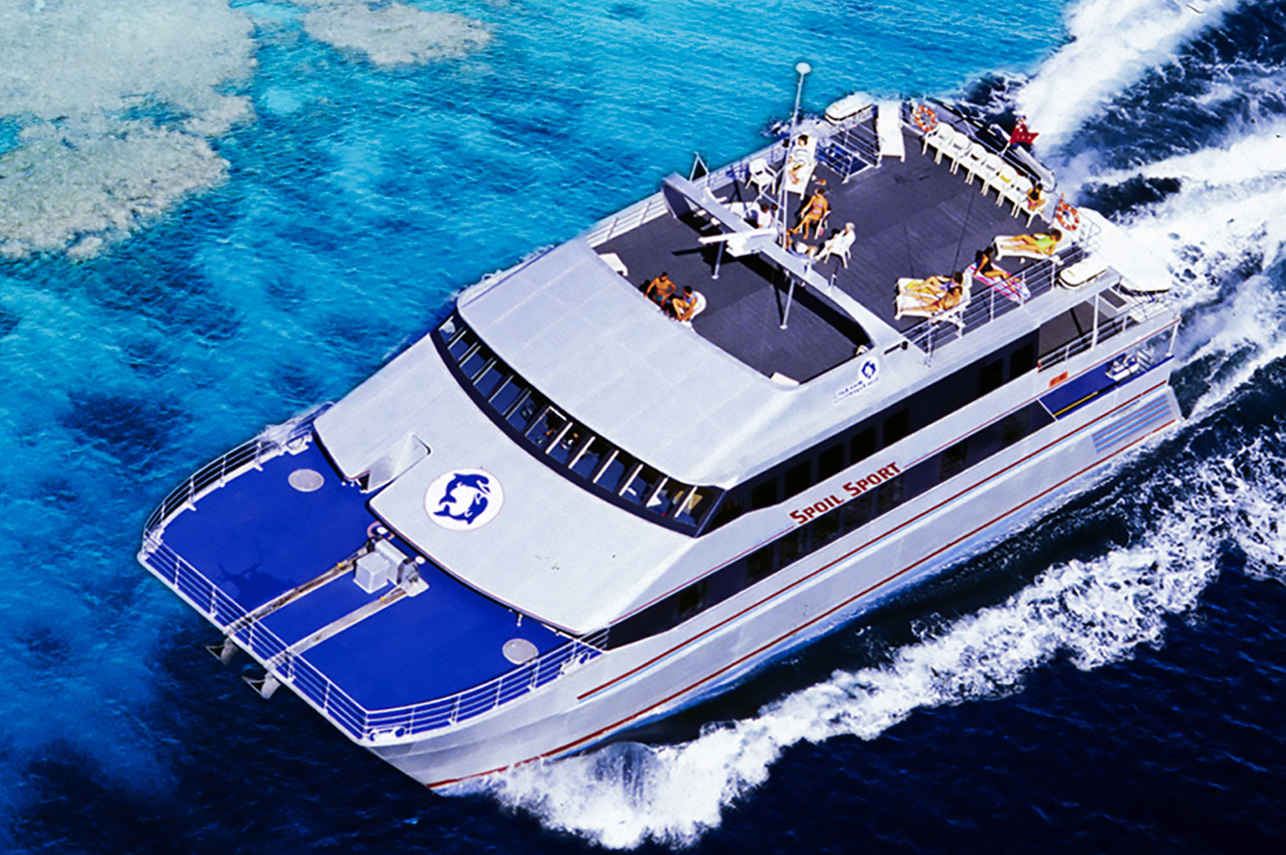
Spoilsport
Australia
28 guests30 m
$403/day
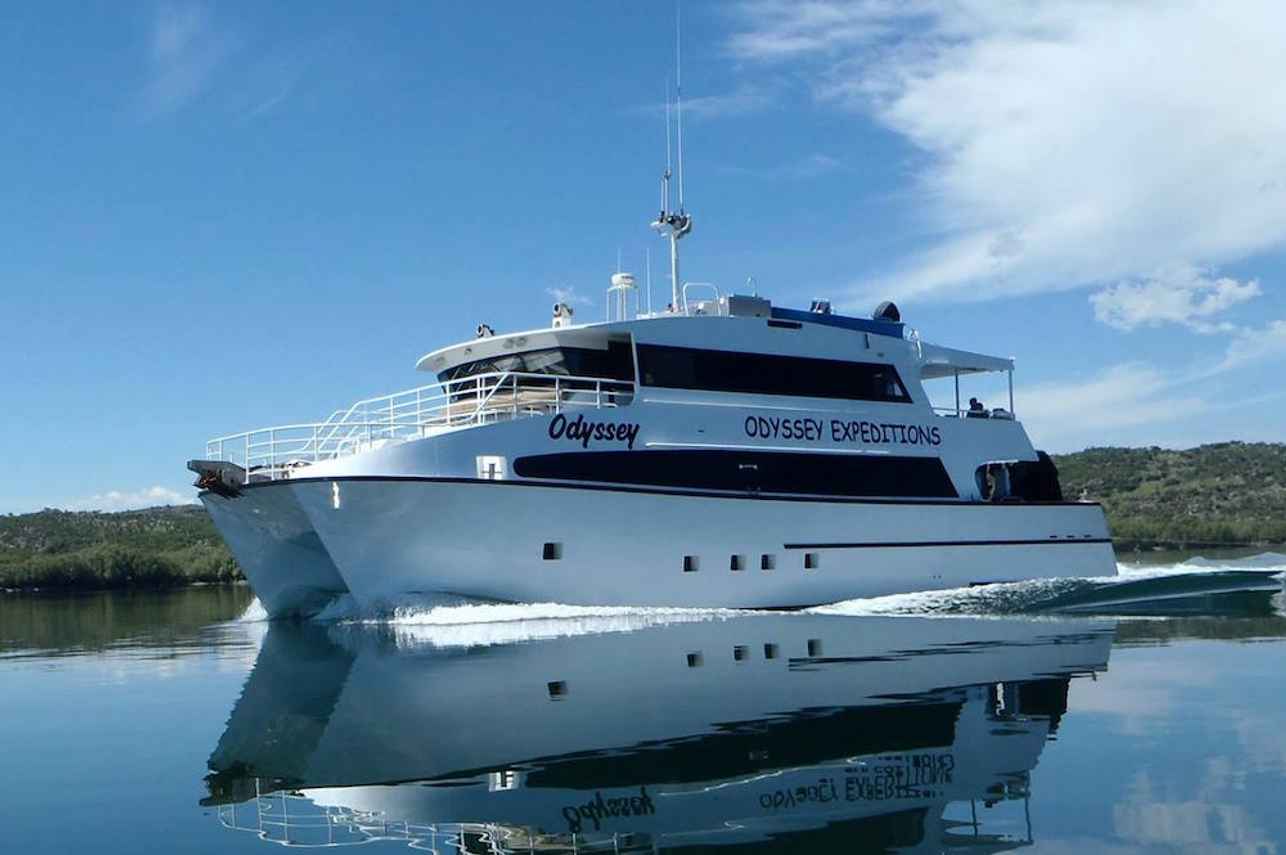
Odyssey Liveaboard
Australia
20 guests24 m
$392/day
Dive sites similar to Fish Rock Cave
Same character, same waters — six more sites divers love for the exact same reasons.Compare seasons, access and liveaboard routes — then pick the site that fits your trip best.
© Esri — Maxar, Earthstar, GIS
Challenger Bay
Australia
Challenger Bay, nestled on Ribbon Reef #10, approximately 176 kilometers north of Port Douglas, is a renowned dive site on the remote northern Great Barrier Reef.
- Suitable for
- Advanced
- Current
- Moderate
- Access
- Liveaboard only
- Depth
- 5–30 m
- Theme
- Reef
© Esri — Maxar, Earthstar, GIS
Trochus Sanctuary
Micronesia
Trochus Sanctuary is a distinctive dive site located north of the mid-point of Kosrae, southwest of the island's airport.
- Suitable for
- Beginner
- Current
- Mild
- Access
- Dayboat
- Depth
- 5–13 m
- Theme
- Reef
© Esri — Maxar, Earthstar, GIS
Bare Island East
Australia
Bare Island East is a highly regarded shore dive in Sydney, celebrated for its diverse and colourful sponge gardens.
- Suitable for
- Intermediate
- Current
- Mild
- Access
- Shore / dayboat
- Depth
- 2–11 m
- Theme
- Reef
© Esri — Maxar, Earthstar, GIS
Raine Island
Australia
Raine Island is a pivotal dive site located in the Far Northern Great Barrier Reef, approximately 85 kilometers east-north-east of Cape Grenville and just over 4 nautical miles south of the island itself.
- Suitable for
- Advanced
- Current
- Strong
- Access
- Liveaboard only
- Depth
- 5–40 m
- Theme
- Reef / Wall
© Esri — Maxar, Earthstar, GIS
Neptune Islands
Australia
The Neptune Islands, nestled at the mouth of South Australia's Spencer Gulf, offer an unparalleled opportunity to encounter great white sharks.
- Suitable for
- Advanced
- Current
- Strong
- Access
- Liveaboard or dayboat
- Depth
- 5–15 m
- Theme
- Drift
© Esri — Maxar, Earthstar, GIS
Walung Drop-Off
Micronesia
Walung Drop-Off is a well-known dive site situated off the southwest coast of Kosrae in the Federated States of Micronesia.
- Suitable for
- Intermediate
- Current
- Moderate
- Access
- Dayboat
- Depth
- ≤ 30 m
- Theme
- Wall / Reef