About Julian Rocks
Julian Rocks, known as Nguthungulli by the local Bundjalung people, is a prominent marine reserve located approximately 2.5–3 km off the coast of Byron Bay, Australia. This world-class dive site is exceptional due to its position within the Cape Byron Marine Park, where the warm East Australian Current converges with cooler southern waters. This creates an unparalleled biodiversity, allowing for a mix of species typically found in both tropical and temperate zones, often likened to a 'mini Galapagos'. The topography features two distinct diving areas. The sheltered south side, with depths of 8–14 meters, is ideal for Open Water divers, hosting numerous leopard sharks and green turtles. The north side, dropping to 24 meters, experiences stronger currents and attracts larger pelagics such as grey nurse sharks and eagle rays. The site boasts excellent visibility, typically ranging from 10 to 20 meters, though it can be affected by storm swells and heavy summer rains. Marine life is abundant year-round, with seasonal highlights adding to the allure. From December to May, the area is renowned for its large aggregations of leopard sharks and frequent sightings of manta rays. Cooler winter months, from May to October, bring aggregations of critically endangered grey nurse sharks. Resident green turtles, wobbegong sharks, and a diverse array of reef fish and invertebrates are consistently present, making every dive a unique encounter. Diving at Julian Rocks offers accessible experiences for all skill levels, with various mooring points catering to different conditions and dive plans. Operators typically offer single or double-tank trips, often combining both the shallower, calmer south side and the deeper, more dynamic north side to showcase the full spectrum of its marine wonders.
Highlights
Leopard shark aggregationsSeasonal grey nurse sharksGreen sea turtle encountersReef manta ray sightingsConvergence of marine ecosystemsVibrant reef fish diversityProtected marine reserve statusWobbegong sharks
Season calendar
Best months to dive here
Jan
Feb
Mar
Apr
May
Jun
Jul
Aug
Sep
Oct
Nov
Dec
Good
Dive site facts: Julian Rocks
- Depth
- 5–24 m
- Typical dive
- 8–14 m (south side), 18–22 m (north side), 50–60 min
- Current
- Mild–Moderate
- Visibility
- 10–20 m
- Water temperature
- 18–27°C
- Entry
- Tender / Negative entry (current dependent)
- Level
- Open Water+
- Dive type
- Reef, pelagic, shark encounters
- Night dive
- Possible (check operator schedules)
- Region / port
- Byron Bay, New South Wales
- Coordinates
- -28.6417, 153.625
Conditions & Currents
Currents at Julian Rocks range from mild to moderate, influenced significantly by the East Australian Current. The south side typically experiences milder currents, making it suitable for less experienced divers. However, the north side, with its deeper channels, can have stronger tidal flows, especially during certain moon phases. Divers should be prepared for drift dives and be proficient in current management, as conditions can change. Visibility is generally very good, often between 10 to 20 meters, but heavy rain or significant swells can temporarily reduce it. Entry is usually via tender from the main boat, and strong currents may necessitate negative entries to quickly descend to the reef. Dive plans are often adjusted on-site to match prevailing current conditions, ensuring a safe and enjoyable experience for all divers.
Marine life & sighting chances

Leopard Shark
December–May · common
Green Sea Turtle
Year-round · common
Grey Nurse Shark
May–October · common
Reef Manta Ray
March–June · occasional
Loggerhead Turtle
Year-round · occasional
Wobbegong Shark
Year-round · common
Eagle Ray
Year-round · common
Eastern Blue Groper
Year-round · common
Octopus
Year-round · common
Nudibranch
Year-round · common
Humpback Whale
June–November · occasional
Bull Shark
Occasional · rareDive profile & how the dive runs
A typical dive at Julian Rocks often begins with a boat transfer from Byron Bay or Brunswick Heads, followed by a tender entry to one of the several mooring sites. Many dives commence at a western mooring like 'Nursery' on the more sheltered south side, which maintains depths between 8–14 meters. Divers often explore the sandy gutters and bommies here, observing leopard sharks and turtles. The dive then progresses, often drifting with the current, towards the northern side of the rocks. Here, depths increase to 18–22 meters, with sites like 'Cod Hole' attracting grey nurse sharks during winter months. The dive concludes by ascending towards another mooring on either the north or south side, where the safety stop is performed, before returning to the boat.
Underwater photography
Julian Rocks offers exceptional photographic opportunities for both wide-angle and macro enthusiasts, given its unique blend of species. For wide-angle, the large aggregations of leopard sharks and grey nurse sharks, along with manta rays (seasonally), provide excellent subjects. A fisheye or wide-angle rectilinear lens is ideal for capturing these larger animals and the vibrant reefscapes. For macro photography, the site is rich with nudibranchs, crustaceans, and various reef fish; a macro lens will be invaluable. Ensure good buoyancy control, especially on the north side where currents can be stronger, to avoid stirring up sediment and disturbing marine life. Given the presence of critically endangered species like grey nurse sharks, avoid flash photography and maintain a respectful distance (minimum 3 meters) to minimize disturbance. Natural light photography is often sufficient in the good visibility conditions.
Combine with nearby dive sites
- North Solitary Island
North Solitary Island, located within the protected Solitary Islands Marine Park off the coast of New South Wales, Australia, represents a…
- South Solitary Island
South Solitary Island, located approximately 8-9 nautical miles offshore from Coffs Harbour, New South Wales, Australia, is a premier dive…
- Fish Rock Cave
Fish Rock Cave, located off South West Rocks in New South Wales, Australia, is renowned as the country's only true ocean cave dive.
- Wolf Rock
Wolf Rock is a spectacular dive site located just 2 kilometers off Double Island Point, near Rainbow Beach, Queensland, and marks the last…
Getting there & logistics
Julian Rocks is exclusively accessible by boat from Byron Bay or Brunswick Heads. Commercial dive operators, such as Sundive and Byron Bay Dive Centre from Byron Bay, and Blue Bay Divers from Brunswick Heads, offer daily trips. Sundive and Byron Bay Dive Centre typically run single-tank dives using rigid inflatable vessels launched directly from the beach, with divers transferred by bus. Blue Bay Divers, operating from Brunswick Heads, provides more comfortable double-tank trips on larger vessels. Travelers from Brisbane may find Brunswick Heads more convenient due to reduced driving time. Trip durations vary, usually half a day for single dives. It's advisable to book in advance, especially during peak seasons, and verify sea conditions, as bar crossings or beach launches require reasonably calm waters. There are no additional park fees beyond the dive trip cost.
Safety & environment
Diving at Julian Rocks is generally considered safe for certified divers, but awareness of conditions and adherence to marine park regulations are crucial. The nearest recompression chamber is located in Brisbane, approximately two hours' drive away, highlighting the importance of dive insurance that covers emergency evacuation and medical treatment. All divers must maintain a minimum distance from marine life, particularly protected species like grey nurse sharks (3 meters, no flash photography) and turtles (2 meters, no obstruction of movement), and touching marine life is strictly prohibited. Stronger currents on the north side necessitate good buoyancy control and current diving experience. Always follow your dive guide's instructions and conduct. Ensure all equipment is in good working order and carry an SMB for surface signaling.
Who it suits — and who it doesn't
Suited for
- Open Water divers seeking abundant marine life
- Divers interested in shark and ray encounters
- Underwater photographers (both macro and wide-angle)
- Divers comfortable with mild to moderate currents
- Beginners looking for sheltered, shallower reef dives
Less suited for
- Divers unwilling to respect marine life approach distances
- Divers without current diving experience for the north side
- Individuals prone to seasickness on small boats
- Those expecting remote, untouched dive sites (it's popular)
- Divers seeking extreme deep technical dives
FAQ
Julian Rocks FAQ
What marine life can I expect to see at Julian Rocks?
Julian Rocks is a marine biodiversity hotspot, offering a chance to see both temperate and tropical species. Common sightings include leopard sharks (especially in summer), green sea turtles, and various rays. From May to October, critically endangered grey nurse sharks aggregate here, while manta rays are often spotted between March and June. Wobbegong sharks, eastern blue gropers, and a vast array of reef fish and invertebrates are present year-round.
Is Julian Rocks suitable for beginner divers?
Yes, Julian Rocks is suitable for Open Water certified divers. The south side of the rocks offers sheltered areas with depths of 8–14 meters, ideal for less experienced divers. However, some areas on the north side can have stronger currents and reach deeper depths, making it more suitable for divers with some current experience or those guided by experienced instructors.
What are the typical dive conditions like?
Visibility at Julian Rocks is generally very good, ranging from 10 to 20 meters. Water temperatures vary from 21-27°C in summer to 18-21°C in winter. Currents can be mild to moderate, with stronger flows often encountered on the north side. Dive operators usually adjust plans based on prevailing conditions to ensure diver safety and enjoyment.
How do I get to Julian Rocks for diving?
Julian Rocks is only accessible by boat from either Byron Bay or Brunswick Heads. Several commercial dive operators run daily trips, offering single or double-tank dives. These trips typically include boat transfers and guided dives, making it convenient for visitors to experience the site.
What is the best time of year to dive Julian Rocks?
The best time to dive depends on what marine life you wish to see. October to May is excellent for warm water and sightings of leopard sharks and manta rays. For grey nurse shark aggregations, the cooler winter months from May to October are prime. However, Julian Rocks offers exceptional diving and diverse marine life encounters throughout the entire year.
Are there any specific rules for interacting with marine life?
Yes, as a protected marine reserve, strict rules apply. Divers must maintain a minimum distance of 3 meters from grey nurse sharks and refrain from using flash photography around them. A 2-meter distance should be kept from turtles, ensuring their movement to the surface for air is not obstructed. Touching any marine life is strictly prohibited to protect the delicate ecosystem.
Why dive Julian Rocks from a liveaboard?
Julian Rocks is one of Australia's signature dive sites. A liveaboard sleeps you on the water and puts you in the water for three to four guided dives per day, including dawn and night dives that day-boat operators rarely offer. You skip the daily commute back to port and reach quieter, less-crowded sites in the same region on a single trip.
Below are the liveaboards that include Julian Rocks on their Australia itineraries.
Liveaboards diving Julian Rocks
These liveaboards may visit Julian Rocks on selected itineraries — the exact dive sites depend on departure, weather and conditions.
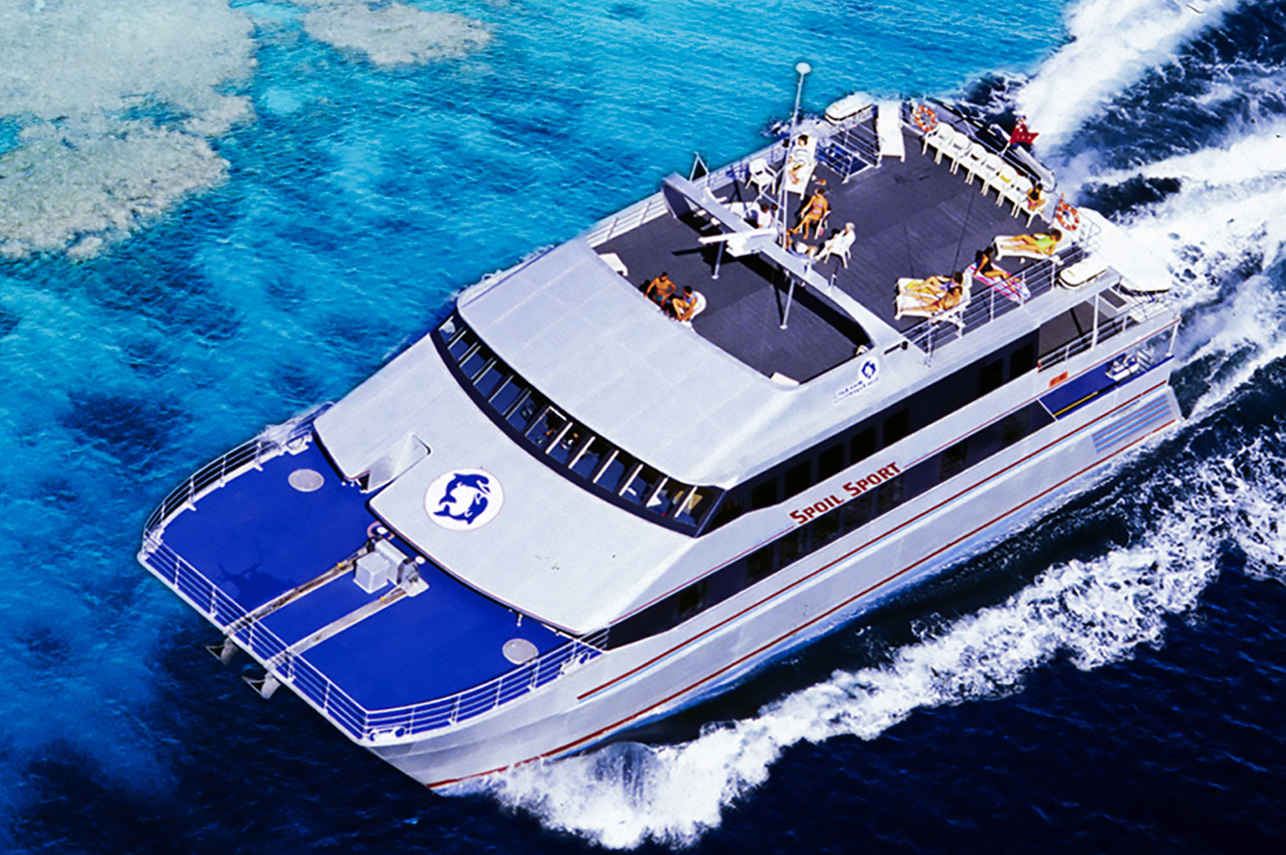
Spoilsport
Australia
28 guests30 m
$406/day
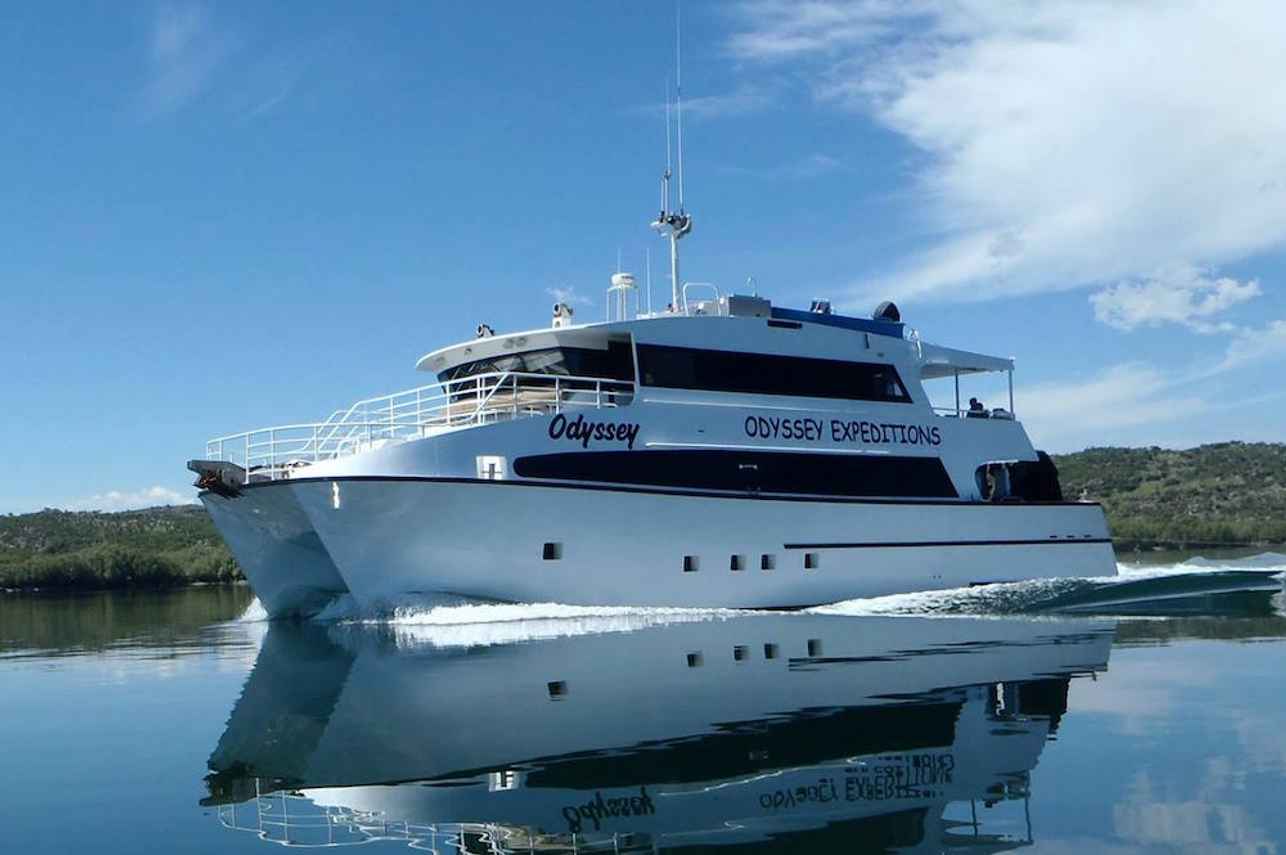
Odyssey Liveaboard
Australia
20 guests24 m
$392/day
Dive sites similar to Julian Rocks
Same character, same waters — six more sites divers love for the exact same reasons.Compare seasons, access and liveaboard routes — then pick the site that fits your trip best.
© Esri — Maxar, Earthstar, GIS
Agincourt Reef
Australia
Agincourt Reef sits on the outer edge of the Great Barrier Reef, roughly 60–72 km off Port Douglas in Far North Queensland, at the southern end of the true ribbon reefs that run…
- Suitable for
- Beginner
- Current
- Moderate
- Access
- Dayboat
- Depth
- 2–20 m
- Theme
- Reef / Wall
© Esri — Maxar, Earthstar, GIS
Cocos Keeling - Canons
Australia
Cocos Keeling - Canons offers a distinctive dive experience within the Cocos (Keeling) Islands lagoon, making it Australia's most remote dive destination.
- Suitable for
- Beginner
- Current
- Mild
- Access
- Dayboat
- Depth
- 8–12 m
- Theme
- Reef
© Esri — Maxar, Earthstar, GIS
Raine Island
Australia
Raine Island is a pivotal dive site located in the Far Northern Great Barrier Reef, approximately 85 kilometers east-north-east of Cape Grenville and just over 4 nautical miles south of the island itself.
- Suitable for
- Advanced
- Current
- Strong
- Access
- Liveaboard only
- Depth
- 5–40 m
- Theme
- Reef / Wall
© Esri — Maxar, Earthstar, GIS
Bare Island East
Australia
Bare Island East is a highly regarded shore dive in Sydney, celebrated for its diverse and colourful sponge gardens.
- Suitable for
- Intermediate
- Current
- Mild
- Access
- Shore / dayboat
- Depth
- 2–11 m
- Theme
- Reef
© Esri — Maxar, Earthstar, GIS
Cocos Keeling - Broccoli Patch
Australia
Broccoli Patch is a premier dive site nestled within the Cocos (Keeling) Islands lagoon system, offering a gentle yet captivating underwater experience.
- Suitable for
- Beginner
- Current
- Mild
- Access
- Dayboat
- Depth
- 5–10 m
- Theme
- Reef
© Esri — Maxar, Earthstar, GIS
Milln Reef
Australia
Milln Reef, located approximately 60km offshore from Cairns within the Great Barrier Reef, stands out as a highly favored outer reef destination for both divers and snorkelers.
- Suitable for
- Intermediate
- Current
- Moderate
- Access
- Liveaboard or dayboat
- Depth
- 4–22 m
- Theme
- Reef