About South Solitary Island
South Solitary Island, located approximately 8-9 nautical miles offshore from Coffs Harbour, New South Wales, Australia, is a premier dive destination within the Solitary Islands Marine Park. This area is unique as it marks the convergence of tropical waters from the north, carried by the East Australian Current, and cooler temperate waters from the south. This blend creates an exceptionally biodiverse environment supporting both tropical and subtropical marine life, including hard and soft corals. The island itself is rugged and boasts a historic, now unmanned, lighthouse. The surrounding waters feature a variety of dive sites characterized by reefs, rocky formations, boulders, gutters, and in some areas, remnants of historical structures like the gantry, which now serve as artificial reefs. Divers can explore sites like Manta Arch, known for its underwater arch and boulder formations between 15-30 meters deep, and the North Boulder Wall. Marine life is abundant, with frequent sightings of Grey Nurse Sharks, especially prominent in the cooler months, though they are increasingly year-round residents. Other common inhabitants include Wobbegongs, Bull Rays, Eagle Rays, Green Sea Turtles, Loggerhead Turtles, Hawksbill Turtles, and a wide array of reef fish such as Clownfish, Blue Tangs, and various butterflyfish. Large pelagic schools are also common. Cleaner stations attract diverse species, and encounters with frogfish, anglerfish, moray eels, and giant cuttlefish add to the rich viewing experience. Visibility is generally good, and while some dives can be leisurely, drift dives are also common, particularly at sites like The Gantry, offering an dynamic way to experience multiple sections of the reef in a single dive. Currents can vary, and conditions can sometimes be rough depending on recent weather. The dive experience caters to a range of skill levels, though some sites or conditions may benefit from more experience. The unique blend of marine ecosystems provides a continuous display of diverse life, making each dive a vibrant exploration.
Highlights
Diverse marine ecosystemsGrey Nurse Shark encountersBull Rays and Eagle RaysAbundant turtle sightingsTropical and temperate fishCoral formationsDrift diving opportunities
Season calendar
Best months to dive here
Jan
Feb
Mar
Apr
May
Jun
Jul
Aug
Sep
Oct
Nov
Dec
Excellent
Good
Dive site facts: South Solitary Island
- Depth
- 8–30 m
- Typical dive
- 12–25 m, 50–60 min
- Current
- Moderate to strong
- Visibility
- 10–30 m
- Water temperature
- 18–24°C
- Entry
- Boat / drift
- Level
- Intermediate to Advanced
- Dive type
- Reef, wall, pelagic, shark
- Night dive
- Possible
- Region / port
- Coffs Harbour, NSW
- Coordinates
- -30.2083, 153.2667
Conditions & Currents
The East Australian Current (EAC) significantly influences dive conditions around South Solitary Island, bringing warm, nutrient-rich waters but also potentially strong currents. While some sites like Manta Arch can experience robust flows from north to south, sheltered areas near the island offer respite. Drift diving is a common and recommended practice to navigate these currents effectively, requiring divers to stay aware of the boat's position for pick-up. Surface watches are crucial, especially during stronger currents. Divers should be proficient in drift diving techniques and comfortable with potential water movement, ensuring buoyancy control is maintained to avoid contact with marine life. Visibility can range from 10 to 30 meters depending on the current and recent weather, with the EAC generally bringing clearer water.
Marine life & sighting chances

Grey Nurse Shark
May–November (peak), year-round · common
Loggerhead Turtle
common
Blue Groper
common
Wobbegong
common
Giant Cuttlefish
Winter · occasional
Shovelnose Ray
occasional
Eagle Ray
occasional
Clownfish
common
Frogfish
occasional
Kingfish
common
Moray Eel
common
Nudibranch
commonDive profile & how the dive runs
A typical dive at South Solitary Island often begins with a boat entry, especially for drift dives, allowing the East Australian Current to guide you along the reef structure. For sites like Manta Arch, divers descend to depths around 15 meters to explore the archway and boulder formations, then follow gutters that drop to 30 meters, observing Grey Nurse Sharks. From there, you might drift towards boulder piles rising from 21 meters, a prime spot for schooling pelagics. Other sites, such as Grey Nurse Gutters, involve exploring radial gutters between 10 and 18 meters, passing through swim-throughs and around boulders rich in fish life. A drift dive might pass Cleaner Station before ending near Buchanan's Wall. The turn point for the dive is dictated by current, air consumption, and no-decompression limits, with the safety stop typically performed in shallower, calmer waters near the end of the drift or in a sheltered bay before boat pick-up.
Underwater photography
South Solitary Island offers exceptional wide-angle opportunities, particularly for capturing the abundant schooling pelagics and the majestic Grey Nurse Sharks at Manta Arch. A wide-angle lens is essential to encompass the archways, extensive boulder fields, and the sheer volume of marine life. For macro enthusiasts, the diverse array of nudibranchs, frogfish, and clownfish in their anemones provides excellent subjects, requiring a macro lens and careful buoyancy for stability in potential currents. Using strobes is highly recommended to bring out the vibrant colors of soft corals and reef fish, especially in deeper sections or during overcast conditions. Maintaining excellent buoyancy is crucial, especially during drift dives, to avoid disturbing the delicate marine environment and to secure steady shots. Patience is key when photographing Grey Nurse Sharks; move slowly and avoid sudden movements to capture their natural behavior.
Combine with nearby dive sites
- North Solitary Island
Another key diving location within the Solitary Islands Marine Park, offering diverse sites like Fish Soup.
- Julian Rocks
Located in Byron Bay, known for its marine biodiversity, including manta rays and leopard sharks.
- Fish Rock Cave
A renowned shark and cave diving site, accessible from South West Rocks.
- Montague Island
South of Solitary Islands, famous for its fur seal colonies and pelagic encounters.
- South West Rocks - Green Island
Offers a variety of marine life and often combined with Fish Rock Cave.
Getting there & logistics
Access to South Solitary Island primarily begins with flights into either Sydney (SYD) or Brisbane (BNE) International Airports. From there, domestic connections can be made to Coffs Harbour Airport (CFS), which is the closest gateway to the Solitary Islands Marine Park. Dive tours depart from the Coffs Harbour marina, typically within a 30-40 minute boat ride to the island. Most dive operators in Coffs Harbour offer day trips, often including two dives, making it suitable for divers staying in local accommodation. Multi-day dive packages focusing on the Solitary Islands Marine Park are also available. There are no specific park fees mentioned for diving, but dive trips include boat charters and guiding services.
Safety & environment
Diving at South Solitary Island requires adherence to marine park regulations and local dive operator guidelines. Strong currents from the East Australian Current can be a factor, necessitating good buoyancy control and comfort with drift diving techniques. Always dive with a reputable local charter that provides experienced guides and surface support for pick-ups. Divers should carry appropriate safety equipment, including a surface marker buoy (SMB) and a dive computer. Comprehensive dive insurance, including coverage for evacuation and hyperbaric treatment, is highly recommended. The nearest recompression chamber is located in Sydney, emphasizing the importance of preventative measures and safe diving practices. Be mindful of marine life, especially Grey Nurse Sharks, maintaining a respectful distance and avoiding actions that could disturb them.
Who it suits — and who it doesn't
Suited for
- Experienced divers comfortable with currents
- Photographers seeking diverse marine subjects
- Shark enthusiasts
- Divers interested in temperate and tropical marine crossovers
- Those looking for a mix of pelagic and macro life
Less suited for
- Beginner divers without current experience
- Divers uncomfortable with boat entries and exits
- Individuals prone to seasickness on open ocean crossings
- Those seeking exclusively sheltered, calm diving conditions
- Divers expecting only tropical reef environments
FAQ
South Solitary Island FAQ
What kind of sharks can I see at South Solitary Island?
South Solitary Island is primarily known for its aggregations of Grey Nurse Sharks, especially around sites like Manta Arch. These sharks are a protected species, gentle, and offer fantastic encounters. Wobbegong sharks and Shovelnose Rays are also common sightings.
Is South Solitary Island suitable for beginner divers?
While some shallower sites might be accessible, the presence of potentially strong currents from the East Australian Current means that South Solitary Island is generally more suited for intermediate to advanced divers. Good buoyancy control and comfort with drift diving are often beneficial for fully enjoying the dive sites.
When is the best time to see Grey Nurse Sharks?
While Grey Nurse Sharks are present year-round, their numbers significantly increase during the cooler winter months, typically from May to November. This period offers the best chance for large aggregations, particularly at Manta Arch, where dozens can be seen.
How do currents affect diving at South Solitary Island?
Currents, primarily from the East Australian Current, can range from mild to strong. Local dive operators often plan drift dives to leverage these currents, allowing divers to cover more ground with less effort. Divers should be comfortable with current diving and maintain excellent buoyancy.
What is the water temperature like at South Solitary Island?
Water temperatures at South Solitary Island vary seasonally. During summer (December-February), temperatures can be around 23-24°C, while in winter (June-August), they drop to approximately 18-19°C. This range reflects the unique blend of tropical and temperate waters found here.
What other marine life can I expect to see besides sharks?
Beyond sharks, South Solitary Island boasts a rich diversity of marine life. You can expect to encounter Loggerhead Turtles, various rays like Eagle Rays, large schools of pelagic fish, Giant Cuttlefish, Blue Groper, and a colorful array of reef fish including Clownfish, Bannerfish, and Wrasses. Macro life like Nudibranchs are also plentiful.
Why dive South Solitary Island from a liveaboard?
South Solitary Island is one of Australia's signature dive sites. A liveaboard sleeps you on the water and puts you in the water for three to four guided dives per day, including dawn and night dives that day-boat operators rarely offer. You skip the daily commute back to port and reach quieter, less-crowded sites in the same region on a single trip.
Below are the liveaboards that include South Solitary Island on their Australia itineraries.
Liveaboards diving South Solitary Island
These liveaboards may visit South Solitary Island on selected itineraries — the exact dive sites depend on departure, weather and conditions.
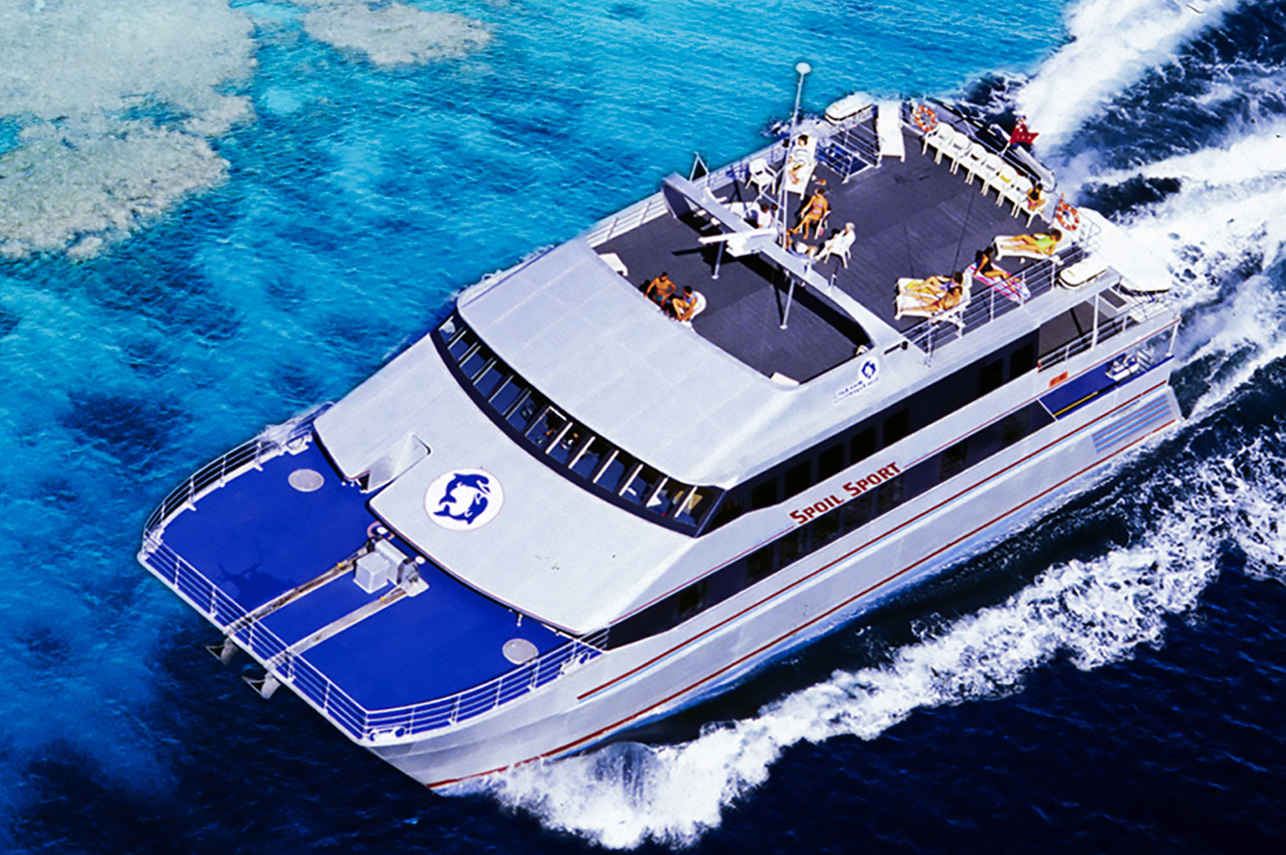
Spoilsport
Australia
28 guests30 m
$403/day
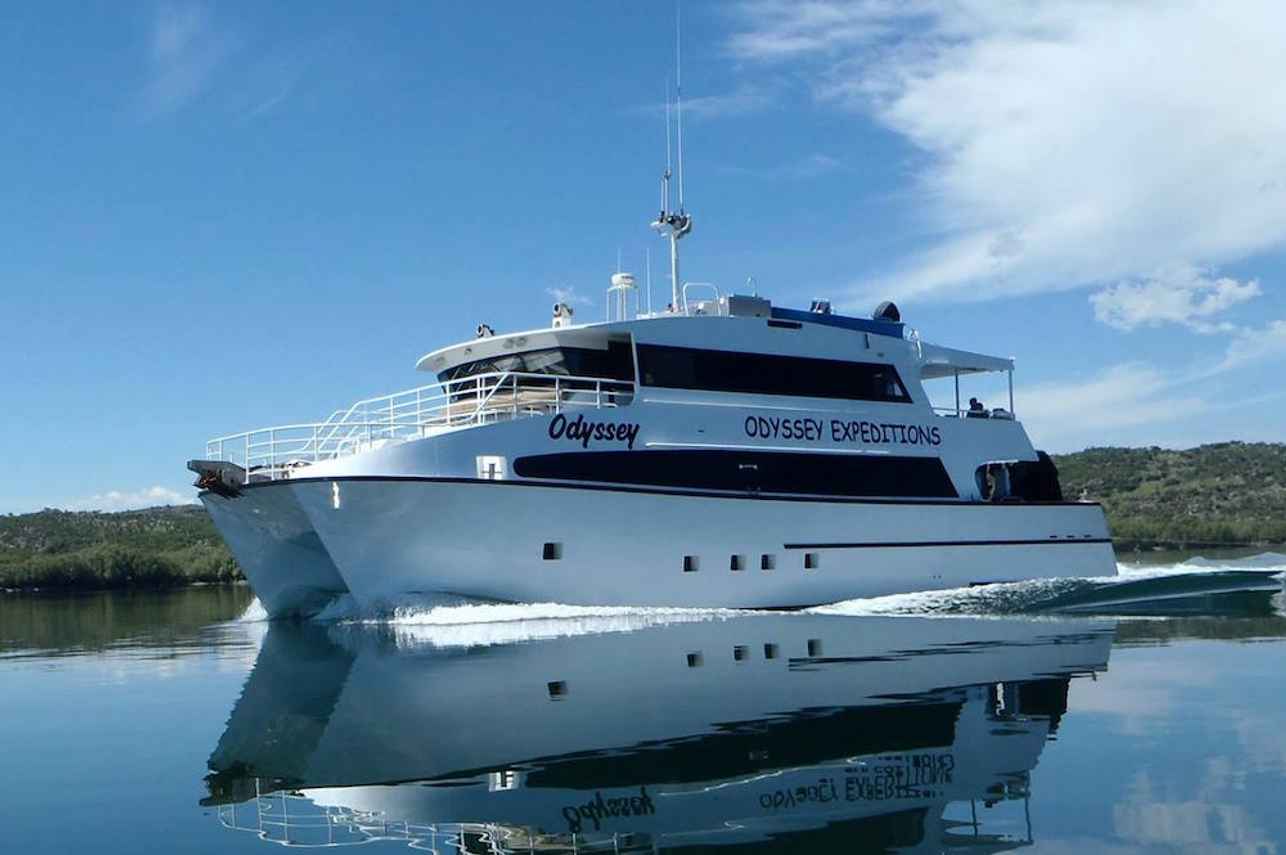
Odyssey Liveaboard
Australia
20 guests24 m
$392/day
Dive sites similar to South Solitary Island
Same character, same waters — six more sites divers love for the exact same reasons.Compare seasons, access and liveaboard routes — then pick the site that fits your trip best.
© Esri — Maxar, Earthstar, GIS
Challenger Bay
Australia
Challenger Bay, nestled on Ribbon Reef #10, approximately 176 kilometers north of Port Douglas, is a renowned dive site on the remote northern Great Barrier Reef.
- Suitable for
- Advanced
- Current
- Moderate
- Access
- Liveaboard only
- Depth
- 5–30 m
- Theme
- Reef
© Esri — Maxar, Earthstar, GIS
Trochus Sanctuary
Micronesia
Trochus Sanctuary is a distinctive dive site located north of the mid-point of Kosrae, southwest of the island's airport.
- Suitable for
- Beginner
- Current
- Mild
- Access
- Dayboat
- Depth
- 5–13 m
- Theme
- Reef
© Esri — Maxar, Earthstar, GIS
Bare Island East
Australia
Bare Island East is a highly regarded shore dive in Sydney, celebrated for its diverse and colourful sponge gardens.
- Suitable for
- Intermediate
- Current
- Mild
- Access
- Shore / dayboat
- Depth
- 2–11 m
- Theme
- Reef
© Esri — Maxar, Earthstar, GIS
Raine Island
Australia
Raine Island is a pivotal dive site located in the Far Northern Great Barrier Reef, approximately 85 kilometers east-north-east of Cape Grenville and just over 4 nautical miles south of the island itself.
- Suitable for
- Advanced
- Current
- Strong
- Access
- Liveaboard only
- Depth
- 5–40 m
- Theme
- Reef / Wall
© Esri — Maxar, Earthstar, GIS
Neptune Islands
Australia
The Neptune Islands, nestled at the mouth of South Australia's Spencer Gulf, offer an unparalleled opportunity to encounter great white sharks.
- Suitable for
- Advanced
- Current
- Strong
- Access
- Liveaboard or dayboat
- Depth
- 5–15 m
- Theme
- Drift
© Esri — Maxar, Earthstar, GIS
Walung Drop-Off
Micronesia
Walung Drop-Off is a well-known dive site situated off the southwest coast of Kosrae in the Federated States of Micronesia.
- Suitable for
- Intermediate
- Current
- Moderate
- Access
- Dayboat
- Depth
- ≤ 30 m
- Theme
- Wall / Reef