About Buchanan's Wall
Buchanan's Wall is a prominent dive site located on the southwestern flank of South Solitary Island, off the coast of Coffs Harbour in New South Wales, Australia. It represents a unique confluence zone where the warm East Australian Current meets cooler southern waters, fostering an exceptionally rich biodiversity. The site is characterized by a dramatic, sheer granite wall that plunges into deeper waters, adorned with a spectrum of sponges and soft corals. Depths at Buchanan's Wall range from a 12-meter plateau to a maximum of 30 meters at the sand line. The wall itself drops vertically from around 15 meters, featuring various ledges and overhangs. This topographical diversity supports a wide array of marine species, from iconic grey nurse sharks that patrol the cooler, deeper sections to intricate macro subjects like Duncker’s pipehorses and Spanish dancers. Diving here often involves a gentle drift along the wall, guided by the prevailing east-to-west current, allowing divers to effortlessly observe the unfolding marine spectacle. Entry is typically a giant stride onto a boulder-strewn plateau, with a gradual ascent back along stepped shelves to the mooring. The site's blend of impressive wall topography, diverse marine encounters, and manageable currents makes it a standout destination in the Solitary Islands Marine Park, offering an immersive experience into a thriving underwater world.
Highlights
Dramatic granite wallGrey nurse shark encountersWarm/temperate current convergenceDiverse macro and pelagic lifeEffortless drift divingVibrant sponge and coral gardensGreen and hawksbill turtles
Season calendar
Best months to dive here
Jan
Feb
Mar
Apr
May
Jun
Jul
Aug
Sep
Oct
Nov
Dec
Good
Dive site facts: Buchanan's Wall
- Depth
- 5–30 m
- Typical dive
- 12–25 m, 50–60 min
- Current
- Mild and predictable, east to west
- Visibility
- 10–30 m, best in winter
- Water temperature
- 19–25 °C
- Entry
- Giant stride from boat
- Level
- Open Water, Advanced for deeper sections
- Dive type
- Wall, drift, reef, macro, big animals
- Night dive
- Possible (Spanish dancers at dusk)
- Region / port
- Coffs Harbour, NSW
- Coordinates
- -34.076173, 151.171155
Conditions & Currents
Currents at Buchanan's Wall are generally mild and predictable, predominantly flowing east to west due to eddies from the East Australian Current. Dive operators typically time entries to allow for a gentle drift along the wall, minimizing exertion for divers. While the current aids in covering the site, surge can be noticeable in shallower areas, especially above 10 meters and during spring tides, requiring divers to time fin kicks with the ocean's pulse. Visibility averages between 10 to 15 meters, often improving significantly in winter months. Divers should remain aware of their position relative to the wall and maintain good buoyancy, particularly when navigating the wall's vertical sections and ledges.
Marine life & sighting chances
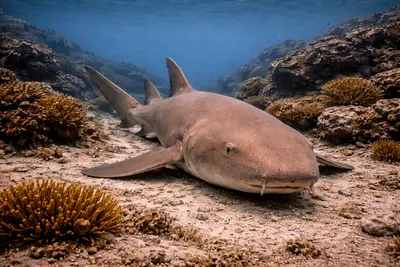
Grey Nurse Shark
May to October · common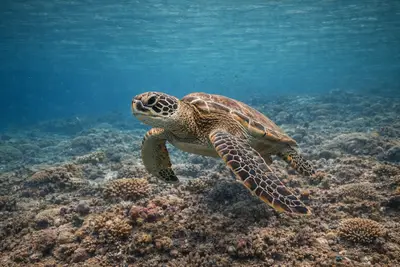
Green Turtle
Year-round · common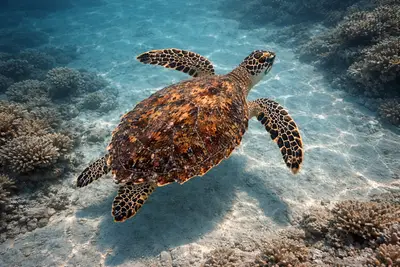
Hawksbill Turtle
Year-round · common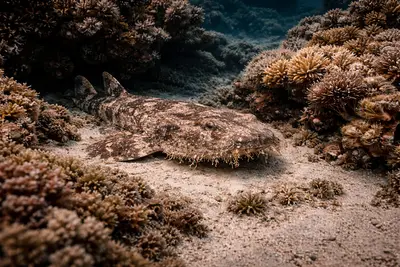
Wobbegong
common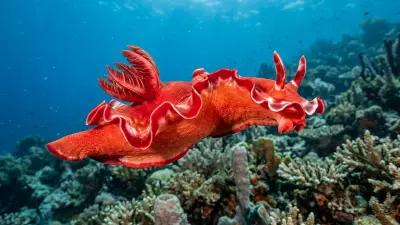
Spanish Dancer
Late Summer (dusk) · occasional
Banded Coral Shrimp
occasional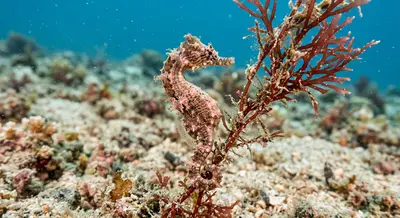
Duncker’s Pipehorse
occasional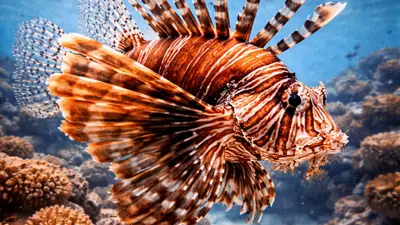
Lionfish
occasional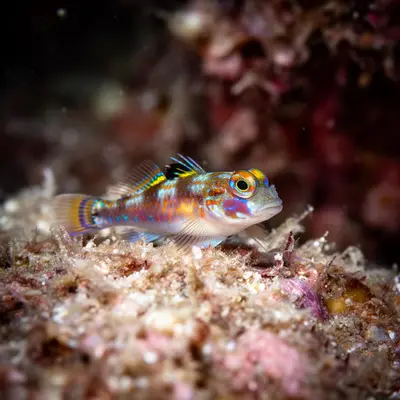
Fire Goby
occasional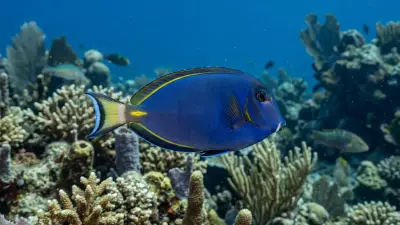
Blue Groper
common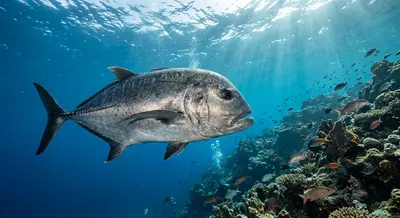
Silver Trevally
common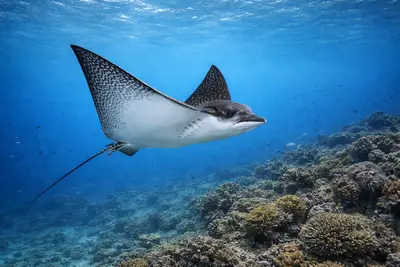
Eagle Ray
occasional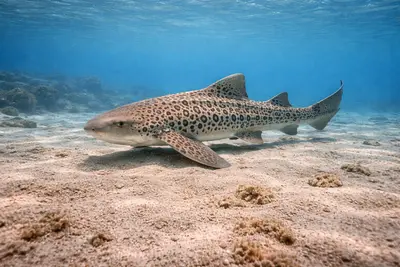
Leopard Shark
rareDive profile & how the dive runs
Divers initiate the dive with a giant stride entry, landing on a plateau of boulders around 12 meters, where schools of silver trevally often congregate. From here, you descend to approximately 15 meters where the named granite wall begins its vertical drop. The prevailing current gently guides you east along the wall, past overhangs concealing lionfish and ledges where green turtles might be resting. At 25 to 30 meters, the wall meets the sand line, an area favored by wobbegongs and, in cooler months, cruising grey nurse sharks. The dive typically turns west for a gradual ascent along stepped shelves back towards the mooring line. The safety stop is performed at 5 meters, often amidst noticeable surge, with opportunities to spot eagle rays in mid-water.
Underwater photography
Buchanan's Wall offers excellent opportunities for both wide-angle and macro photography due to its diverse topography and marine life. For the dramatic wall structure and schooling fish like trevally, a wide-angle lens is ideal. You can capture the vibrant sponges and soft corals that cloak the granite face. For macro enthusiasts, the ledges and crevices hide subjects like Duncker’s pipehorses, banded coral shrimp, and colorful nudibranchs, making a macro lens highly rewarding. Dusk dives in late summer are particularly good for capturing Spanish dancers in open water. Use strobes to bring out the true colors of the corals and sponges, especially at depth. Maintain excellent buoyancy to avoid stirring up sediment near the sand line and to safely navigate the wall, respecting marine life, particularly the protected grey nurse sharks by keeping a respectful distance of at least five meters.
Combine with nearby dive sites
Getting there & logistics
Access to Buchanan's Wall is exclusively by boat, typically a fast RIB, with a travel time of 30 to 40 minutes from Coffs Harbour Marina. Coffs Harbour is centrally located on the NSW north coast, between Sydney and Brisbane, making it accessible by domestic flights or road. Dive tours usually depart from local dive centers, such as those in Coffs Harbour, which serve as the gateway to the Solitary Islands Marine Park. The site is a part of the Solitary Islands Marine Park, established in 1998, which was a marine reserve since 1992. No specific permits or fees beyond standard dive trip costs are mentioned, but divers should be aware of marine park regulations. Typically, Buchanan's Wall is explored as a day trip dive from Coffs Harbour, often combined with other sites within the South Solitary Island area, such as Manta Arch or the Grey Nurse Gutters.
Safety & environment
Diving at Buchanan's Wall requires attention to the generally mild but present currents, especially the east-to-west flow which dictates drift diving techniques. Surge can be strong in shallower areas, particularly at 8 meters, necessitating good buoyancy control and awareness of the ocean's rhythm. Divers should be certified to Open Water level, though Advanced certification is recommended for comfortably exploring deeper sections of the wall down to 30 meters. Encountering grey nurse sharks, while generally placid, requires maintaining a respectful distance of at least five meters, keeping arms close, and staying below the animal. The nearest recompression chamber is likely located in a major city like Sydney or Brisbane, emphasizing the importance of adhering to dive limits and having comprehensive dive insurance. All dives should be conducted with a surface watch on the boat due to the drift nature and potential for stronger currents.
Who it suits — and who it doesn't
Suited for
- Advanced Open Water Divers comfortable with drift diving
- Photographers seeking diverse wide-angle and macro subjects
- Divers interested in shark encounters and large pelagic life
- Explorers of vibrant wall and reef topography
- Experienced Open Water divers under careful guidance
Less suited for
- Beginner divers without drift experience
- Divers uncomfortable with strong surge in shallow areas
- Those unwilling to maintain respectful distance from marine life
- Individuals prone to seasickness in open ocean swells
FAQ
Buchanan's Wall FAQ
What kind of marine life can I expect to see at Buchanan's Wall?
Buchanan's Wall is renowned for its diverse marine life, offering both large animal encounters and intricate macro subjects. You can regularly see green and hawksbill turtles, wobbegongs, and blue gropers. Depending on the season, especially from May to October, grey nurse sharks are a common and highly anticipated sighting. For macro enthusiasts, Duncker’s pipehorses, banded coral shrimp, and various nudibranchs are frequently found, while eagle rays and leopard sharks might make occasional appearances in mid-water.
What is the best time of year to dive Buchanan's Wall?
The prime diving season for Buchanan's Wall generally extends from October to April, offering warmer water temperatures and a high diversity of macro life. However, if your primary interest is encountering grey nurse sharks, the cooler winter months from May to October are considered the most reliable period for sightings, and visibility tends to be at its clearest during this time. The site is diveable year-round, with conditions varying to favor different marine experiences.
Is Buchanan's Wall suitable for beginner divers?
While Open Water certified divers are accepted at Buchanan's Wall, it is generally considered an intermediate site. The maximum depth can reach 30 meters, making an Advanced Open Water certification beneficial for extended bottom time and exploration. Currents are typically mild and predictable, allowing for drift dives, but surge can be present in shallower areas, requiring good buoyancy control. Divers with some experience in currents or drift diving will find the site more enjoyable and manageable.
How do currents affect the dive at Buchanan's Wall?
Currents at Buchanan's Wall are usually mild and flow from east to west, influenced by the East Australian Current. This allows for comfortable drift dives, where the boat drops you up-current, and you gently glide along the wall with minimal finning. Dive operators expertly plan entries to maximize this drift. While the current generally aids the dive, surge can be present in shallower sections, especially above 10 meters, requiring divers to be mindful of their position and buoyancy.
What is the typical depth and visibility at Buchanan's Wall?
The dive begins on a plateau at about 12 meters, with the sheer wall dropping to a sand line between 25 and 30 meters. Most of the dive explores the 12 to 25-meter range. Visibility at Buchanan's Wall averages 10 to 15 meters but can significantly improve to 30 meters or more during the winter months, offering exceptionally clear views of the vibrant marine life and dramatic topography. Water temperatures range from approximately 18°C in July to 24°C in February.
Why dive Buchanan's Wall from a liveaboard?
Buchanan's Wall is one of Australia's signature dive sites. A liveaboard sleeps you on the water and puts you in the water for three to four guided dives per day, including dawn and night dives that day-boat operators rarely offer. You skip the daily commute back to port and reach quieter, less-crowded sites in the same region on a single trip.
Below are the liveaboards that include Buchanan's Wall on their Australia itineraries.
Liveaboards diving Buchanan's Wall
These liveaboards may visit Buchanan's Wall on selected itineraries — the exact dive sites depend on departure, weather and conditions.
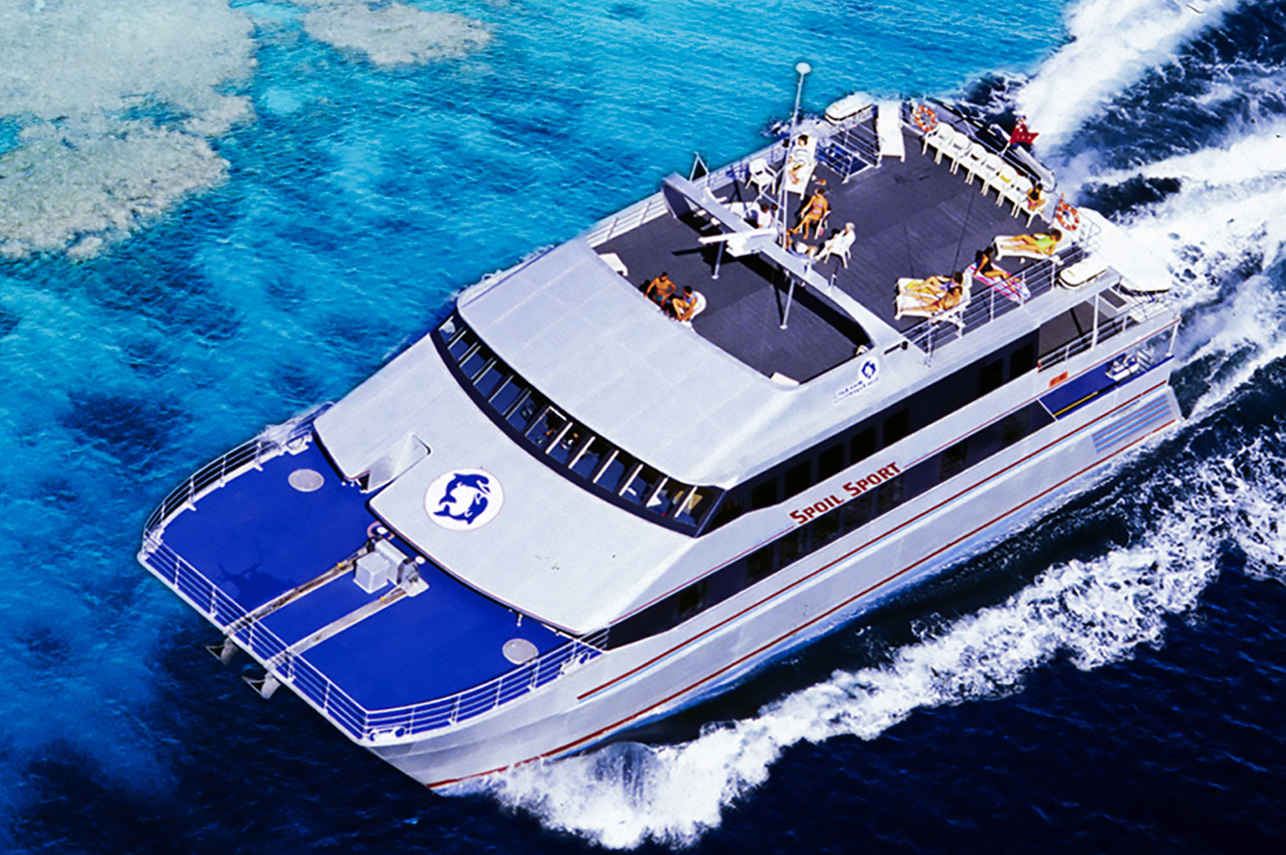
Spoilsport
Australia
28 guests30 m
$405/day
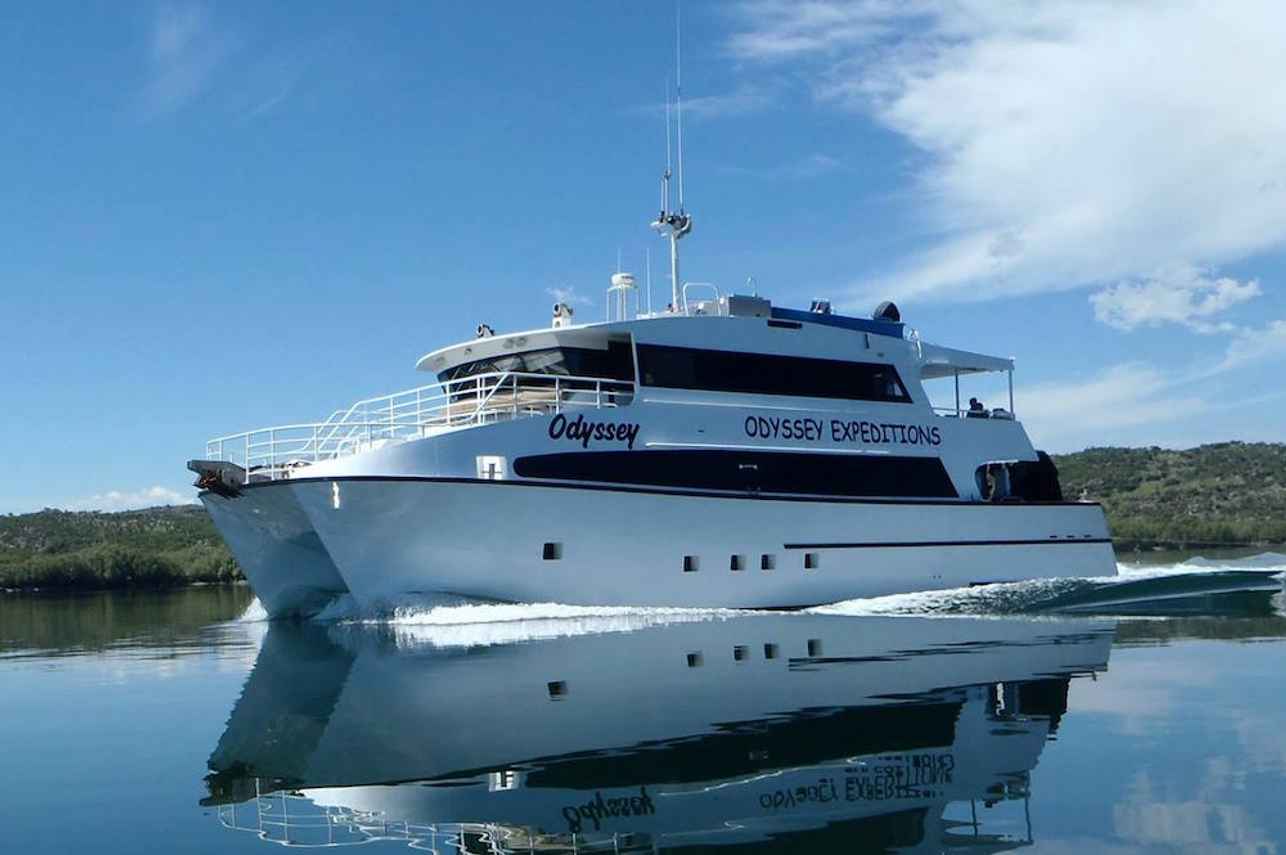
Odyssey Liveaboard
Australia
20 guests24 m
$392/day
Dive sites similar to Buchanan's Wall
Same character, same waters — six more sites divers love for the exact same reasons.Compare seasons, access and liveaboard routes — then pick the site that fits your trip best.
Agincourt Reef
Australia
Agincourt Reef sits on the outer edge of the Great Barrier Reef, roughly 60–72 km off Port Douglas in Far North Queensland, at the southern end of the true ribbon reefs that run…
- Suitable for
- Beginner
- Current
- Moderate
- Access
- Dayboat
- Depth
- 2–20 m
- Theme
- Reef / Wall
Cocos Keeling - Canons
Australia
Cocos Keeling - Canons offers a distinctive dive experience within the Cocos (Keeling) Islands lagoon, making it Australia's most remote dive destination.
- Suitable for
- Beginner
- Current
- Mild
- Access
- Dayboat
- Depth
- 8–12 m
- Theme
- Reef
Raine Island
Australia
Raine Island is a pivotal dive site located in the Far Northern Great Barrier Reef, approximately 85 kilometers east-north-east of Cape Grenville and just over 4 nautical miles south of the island itself.
- Suitable for
- Advanced
- Current
- Strong
- Access
- Liveaboard only
- Depth
- 5–40 m
- Theme
- Reef / Wall
Neptune Islands
Australia
The Neptune Islands, nestled at the mouth of South Australia's Spencer Gulf, offer an unparalleled opportunity to encounter great white sharks.
- Suitable for
- Advanced
- Current
- Strong
- Access
- Liveaboard or dayboat
- Depth
- 5–15 m
- Theme
- Drift
Bare Island East
Australia
Bare Island East is a highly regarded shore dive in Sydney, celebrated for its diverse and colourful sponge gardens.
- Suitable for
- Intermediate
- Current
- Mild
- Access
- Shore / dayboat
- Depth
- 2–11 m
- Theme
- Reef
Cocos Keeling - Broccoli Patch
Australia
Broccoli Patch is a premier dive site nestled within the Cocos (Keeling) Islands lagoon system, offering a gentle yet captivating underwater experience.
- Suitable for
- Beginner
- Current
- Mild
- Access
- Dayboat
- Depth
- 5–10 m
- Theme
- Reef