About North Bommie
North Bommie is a prominent coral pinnacle situated off Heron Island, within the southern Great Barrier Reef, making it a key dive location in the region. This site is celebrated for its rich marine biodiversity and intricate coral structures, forming a natural magnet for divers exploring the area. The topography features a massive coral bommie that ascends from the seabed, with its shallowest point at approximately 5 meters and extending down to 18 meters on the surrounding sand. The bommie itself is heavily encrusted with diverse hard and soft corals, including delicate plate corals, branching staghorns, sturdy table corals, and soft leather corals. Divers can navigate through numerous overhangs, ledges, and small caverns that are cut into the bommie's structure, providing shelter and exploration opportunities for various species. Marine life at North Bommie is exceptional throughout the year, with peak manta ray season from May to August. The site is frequented by reef sharks, green and loggerhead turtles, and large schools of fusiliers, sergeant majors, parrotfish, and butterflyfish. You can also spot coral trout, sweetlips, Maori wrasse, and occasionally, Queensland groupers. Macro enthusiasts will discover nudibranchs, leaf scorpionfish, anemone shrimp, and Christmas tree worms nestled within the coral. To dive North Bommie, access is exclusively by boat from the Heron Island resort beach, involving a short transit time. Divers typically enter the water via a giant stride or back roll, commencing their descent along a mooring line or performing a free descent onto the bommie's upper sections at 5 to 8 meters. The standard dive approach involves a multi-level progression, spiraling around the bommie from deeper sections to shallower areas to maximize bottom time and observation.
Highlights
Prominent coral bommie structureDiverse hard and soft coralsManta ray sightings (May-August)Reef sharks and turtlesIntricate overhangs and ledgesAbundant schooling fishMacro life opportunitiesMulti-level dive profile
Season calendar
Best months to dive here
Jan
Feb
Mar
Apr
May
Jun
Jul
Aug
Sep
Oct
Nov
Dec
Good
Dive site facts: North Bommie
- Depth
- 5–18 m
- Current
- Moderate
- Visibility
- 15–25 m
- Water temperature
- 20–28°C
- Entry
- Boat / Giant stride or back roll
- Level
- Open Water
- Dive type
- Reef, big_animals, coral_garden
- Region / port
- Heron Island, Queensland
- Coordinates
- 24.1080° S, 152.7120° E
Conditions & Currents
North Bommie generally offers a low hazard profile, though moderate currents can occur, particularly with tidal shifts around Heron Island. Divers typically make a boat entry, either by giant stride or back roll, and descend onto the bommie, often utilizing a mooring line. The dive strategy involves working around the bommie in a multi-level spiral, moving from deeper areas to shallower ones, which allows for conservative gas planning and extended bottom time. Visibility typically ranges from 15 to 25 meters, providing excellent viewing conditions. While currents are generally manageable, divers should be mindful of tidal influences to plan their dive effectively around the bommie's structure and avoid unnecessary exertion. Thermoclines are not commonly a significant factor at this site, but water temperatures vary seasonally.
Marine life & sighting chances

Reef sharks
common
Manta rays
May-August · occasional
Green turtles
common
Loggerhead turtles
common
Fusiliers
common
Sergeant majors
common
Parrotfish
common
Butterflyfish
common
Surgeonfish
common
Damselfish
common
Coral trout
common
Sweetlips
common
Maori wrasse
common
Queensland groper
occasionalDive profile & how the dive runs
Diving North Bommie typically begins with a boat entry from a launch departing Heron Island, followed by a giant stride or back roll into the water. Divers then descend either along a mooring line or perform a free descent, aiming for the upper section of the bommie which starts around 5 to 8 meters. The dive profile is best executed as a multi-level spiral, progressively circling the bommie from its deeper base at 18 meters towards the shallower coral gardens near the top. This allows for thorough exploration of the ledges, overhangs, and small caverns while maximizing bottom time. The turn point is flexible, determined by air consumption and no-decompression limits as you ascend. The safety stop is usually conducted around the 5-meter mark, often near the bommie's crown, where rich marine life continues to be observed.
Underwater photography
North Bommie offers fantastic opportunities for both wide-angle and macro photography. A wide-angle lens is ideal for capturing the grandeur of the coral bommie itself, showcasing its scale and the vibrant schooling fish that swarm around it. For capturing the intricate coral formations and larger subjects like reef sharks or turtles, a wide-angle setup will prove highly effective. However, macro photographers will also find ample subjects, including nudibranchs, anemone shrimp, and leaf scorpionfish nestled within the corals, so a macro lens is also highly rewarding. Bring a torch to illuminate the numerous overhangs and small caverns, revealing hidden subjects and enhancing colors. Practicing excellent buoyancy control is crucial to avoid contact with the delicate corals, especially when focusing on smaller creatures.
Combine with nearby dive sites
Getting there & logistics
Access to North Bommie is exclusively via Heron Island, which is reached by launch from Gladstone or by seaplane from the mainland. The island itself is a resort destination, meaning dive trips are typically organized directly through the resort's dive operator. There is no parking required at the dive site as all excursions are boat-based. Dives to North Bommie are usually day trips, incorporated into multi-day stays at the Heron Island Resort. There are strict no-take and no-touch rules that apply across the Great Barrier Reef Marine Park, which covers this site. Park fees are typically included in resort packages or dive trip costs.
Safety & environment
The hazard profile for North Bommie is generally considered low, but divers should always carry appropriate dive insurance for remote Australian locations. The nearest recompression chamber and comprehensive medical facilities would be on the mainland, requiring evacuation in case of a serious incident. Common hazards include marine stingers, which are prevalent from November to May, necessitating protective gear. Other potential reef hazards include stonefish, lionfish, fire coral, and titan triggerfish, particularly during their nesting season. It is imperative to observe strict no-take and no-touch rules to protect the marine environment and avoid harm. The cyclone season, from December to April, poses a risk of weather cancellations and divers should be aware of conditions before planning trips.
Who it suits — and who it doesn't
Suited for
- Open Water divers comfortable with boat entries
- Divers interested in diverse coral ecosystems
- Underwater photographers (both wide-angle and macro)
- Divers seeking encounters with reef sharks and turtles
- Enthusiasts of multi-level and exploratory reef dives
Less suited for
- Beginner divers without boat diving experience
- Divers unable to manage moderate currents
- Divers expecting only deep wreck or cave diving
- Those who prefer shore-based diving
- Divers who disregard marine park regulations
FAQ
North Bommie FAQ
What kind of marine life can I expect to see at North Bommie?
North Bommie is rich with marine biodiversity, offering common sightings of reef sharks, green and loggerhead turtles, and schools of fusiliers, parrotfish, and butterflyfish. You can also expect to see coral trout, sweetlips, Maori wrasse, and various macro life like nudibranchs and anemone shrimp. During peak season from May to August, manta rays are also frequently spotted.
What are the typical dive conditions at North Bommie?
Visibility at North Bommie typically ranges from 15 to 25 meters, providing clear views of the coral structures and marine life. Water temperatures vary seasonally, from 20°C in winter to 28°C in summer. While generally manageable, divers should be prepared for moderate currents influenced by tidal changes, especially when navigating around the bommie.
How do I access North Bommie for diving?
North Bommie is accessed exclusively by boat from Heron Island, which itself is reached by launch from Gladstone or seaplane from the mainland. Dives are typically organized through the Heron Island resort, involving a short boat ride to the site. Entry into the water is usually via a giant stride or back roll from the dive vessel.
Is North Bommie suitable for beginner divers?
North Bommie is suitable for Open Water certified divers who are comfortable with boat entries. While the site does not present extreme challenges, the presence of potential moderate currents means divers should have some comfort and experience with boat diving. The shallowest points are accessible, allowing for multi-level profiles that can cater to different experience levels.
What are the best times of year to visit North Bommie?
The prime time to dive North Bommie is between May and August, coinciding with the peak season for manta ray sightings. This period also offers mostly sunny weather, clear skies, and excellent underwater visibility. While other months are also diveable, the 'wet season' from December to April brings higher rainfall and the risk of cyclones.
What photographic opportunities does North Bommie offer?
North Bommie is a highly rewarding site for both wide-angle and macro photography. The expansive coral bommie and schooling fish are perfect for wide-angle shots, while the intricate crevices and rich coral host numerous macro subjects like nudibranchs and anemone shrimp. Bringing a torch is recommended to highlight colors and reveal hidden creatures in overhangs.
Why dive North Bommie from a liveaboard?
North Bommie is one of Australia's signature dive sites. A liveaboard sleeps you on the water and puts you in the water for three to four guided dives per day, including dawn and night dives that day-boat operators rarely offer. You skip the daily commute back to port and reach quieter, less-crowded sites in the same region on a single trip.
Below are the liveaboards that include North Bommie on their Australia itineraries.
Liveaboards diving North Bommie
These liveaboards may visit North Bommie on selected itineraries — the exact dive sites depend on departure, weather and conditions.
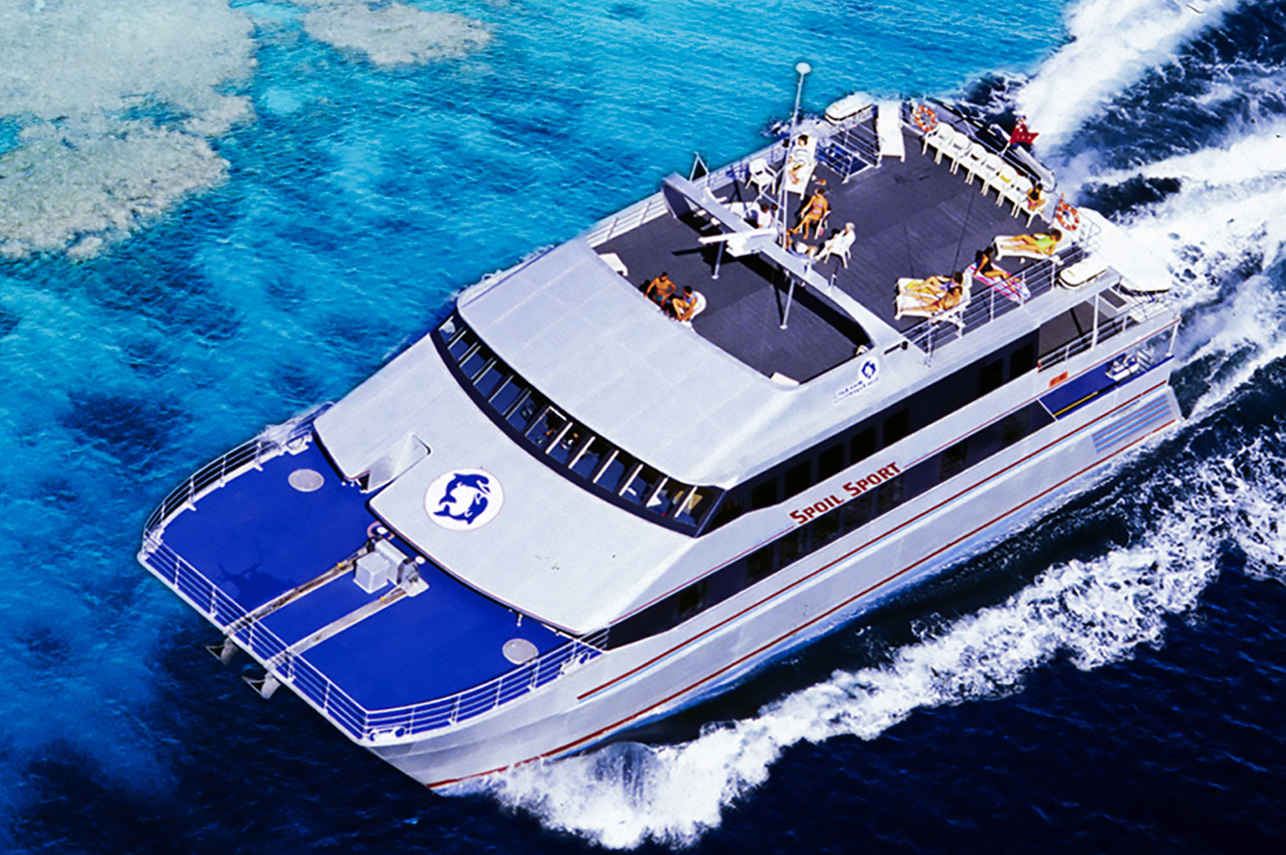
Spoilsport
Australia
28 guests30 m
$409/day
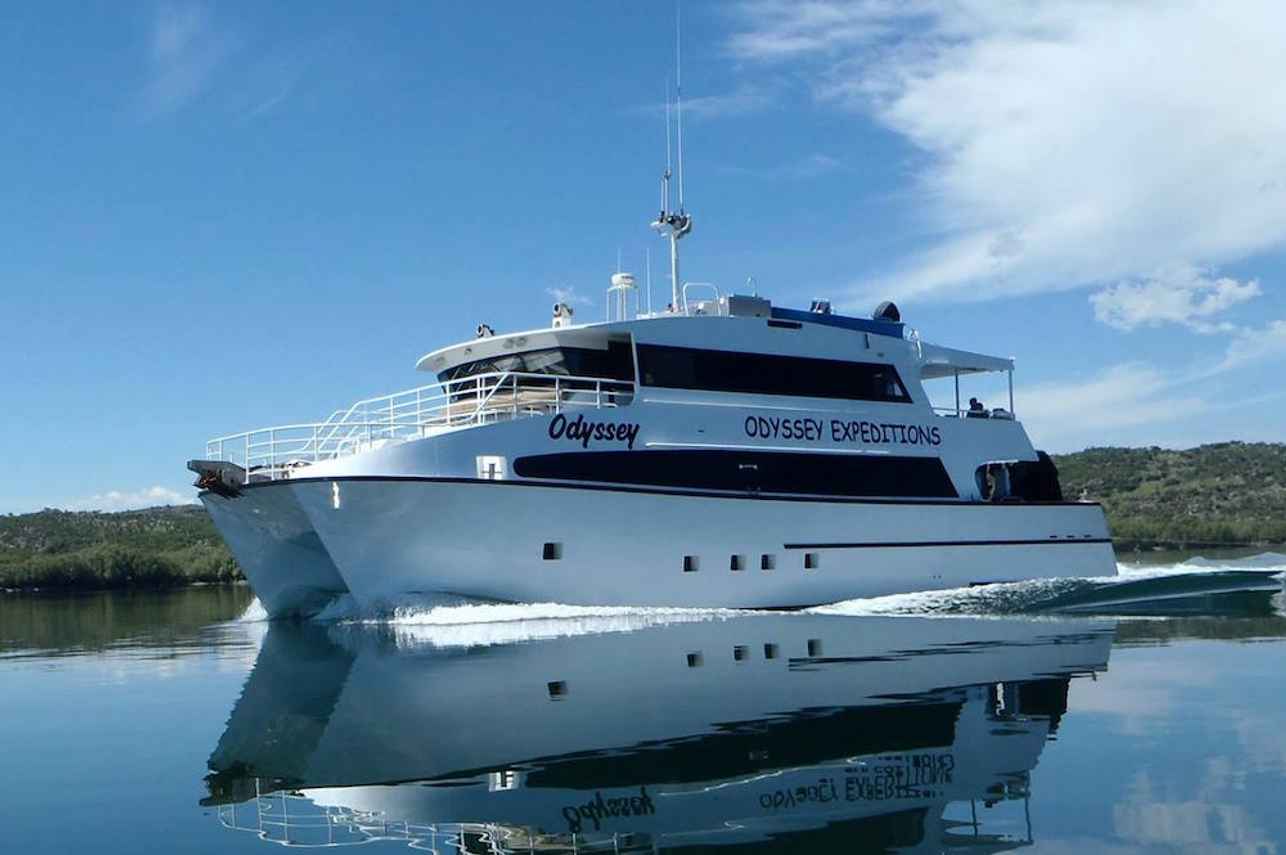
Odyssey Liveaboard
Australia
20 guests24 m
$392/day
Dive sites similar to North Bommie
Same character, same waters — six more sites divers love for the exact same reasons.Compare seasons, access and liveaboard routes — then pick the site that fits your trip best.
© Esri — Maxar, Earthstar, GIS
Agincourt Reef
Australia
Agincourt Reef sits on the outer edge of the Great Barrier Reef, roughly 60–72 km off Port Douglas in Far North Queensland, at the southern end of the true ribbon reefs that run…
- Suitable for
- Beginner
- Current
- Moderate
- Access
- Dayboat
- Depth
- 2–20 m
- Theme
- Reef / Wall
© Esri — Maxar, Earthstar, GIS
Cocos Keeling - Canons
Australia
Cocos Keeling - Canons offers a distinctive dive experience within the Cocos (Keeling) Islands lagoon, making it Australia's most remote dive destination.
- Suitable for
- Beginner
- Current
- Mild
- Access
- Dayboat
- Depth
- 8–12 m
- Theme
- Reef
© Esri — Maxar, Earthstar, GIS
Raine Island
Australia
Raine Island is a pivotal dive site located in the Far Northern Great Barrier Reef, approximately 85 kilometers east-north-east of Cape Grenville and just over 4 nautical miles south of the island itself.
- Suitable for
- Advanced
- Current
- Strong
- Access
- Liveaboard only
- Depth
- 5–40 m
- Theme
- Reef / Wall
© Esri — Maxar, Earthstar, GIS
Bare Island East
Australia
Bare Island East is a highly regarded shore dive in Sydney, celebrated for its diverse and colourful sponge gardens.
- Suitable for
- Intermediate
- Current
- Mild
- Access
- Shore / dayboat
- Depth
- 2–11 m
- Theme
- Reef
© Esri — Maxar, Earthstar, GIS
Cocos Keeling - Broccoli Patch
Australia
Broccoli Patch is a premier dive site nestled within the Cocos (Keeling) Islands lagoon system, offering a gentle yet captivating underwater experience.
- Suitable for
- Beginner
- Current
- Mild
- Access
- Dayboat
- Depth
- 5–10 m
- Theme
- Reef
© Esri — Maxar, Earthstar, GIS
Milln Reef
Australia
Milln Reef, located approximately 60km offshore from Cairns within the Great Barrier Reef, stands out as a highly favored outer reef destination for both divers and snorkelers.
- Suitable for
- Intermediate
- Current
- Moderate
- Access
- Liveaboard or dayboat
- Depth
- 4–22 m
- Theme
- Reef