About Lady Musgrave Island
Lady Musgrave Island, located approximately 102 kilometres north of Bundaberg, is a true coral cay in the Southern Great Barrier Reef, forming part of the Capricorn Bunker Group. This remote natural wonder is nestled within a 5-kilometre long, 3-kilometre wide coral atoll, with the island itself measuring 700 metres long and 350 metres wide. The dive experiences here range from shallow, sheltered lagoon dives suitable for beginners to more advanced drift dives along the outer reef walls. The lagoon, protected from strong winds and currents, is perfect for exploring vibrant coral gardens and encountering resident turtles. The outer reef, however, plunges to depths of up to 25 meters, where powerful currents create exciting drift opportunities. Marine life is abundant year-round, with frequent sightings of green and loggerhead turtles, reef sharks, and diverse fish species. Seasonal visitors include manta rays, especially from April to October, and humpback whales during their migration from June to September. The coral spawning event, typically occurring in October or November, adds another spectacular dimension to the underwater experience. Diving at Lady Musgrave Island is facilitated by dedicated operators offering day trips or overnight stays on a unique pontoon within the lagoon. Dives are typically led by dive masters, with options for both certified divers to explore various sites and non-certified individuals to experience the lagoon's wonders.
Highlights
Pristine coral cay atollDiverse lagoon and outer reef divesManta Ray cleaning stationsFrequent turtle encountersExhilarating drift divesVast hard coral gardensSouthern Great Barrier ReefSleep-on-the-reef pontoon
Season calendar
Best months to dive here
Jan
Feb
Mar
Apr
May
Jun
Jul
Aug
Sep
Oct
Nov
Dec
Excellent
Good
Dive site facts: Lady Musgrave Island
- Depth
- 5-25 m
- Current
- Mild in lagoon, strong on outer reef
- Visibility
- 15-35 m
- Entry
- Boat
- Level
- All levels (lagoon for beginners, outer reef for advanced)
- Dive type
- Reef, drift, macro, pelagics
- Night dive
- Possible (from pontoon)
- Region / port
- Southern Great Barrier Reef, Queensland
- Coordinates
- 23.9000° S, 152.3833° E
Conditions & Currents
Dive conditions at Lady Musgrave Island vary significantly between the sheltered lagoon and the exposed outer reef. The lagoon offers protection from strong currents, making it ideal for less experienced divers and for leisurely exploration of its shallow depths. In contrast, the outer reef sites, such as Jeff's Edge and The Campgrounds, are known for strong water movement and consistent currents, which are harnessed for dynamic drift dives. These drift dives allow divers to cover extensive reef areas, increasing the likelihood of encountering pelagic species. While visibility is generally excellent, reaching 15-35 metres, strong currents on the outer reef demand good buoyancy control and experience with drift diving techniques. Divers should anticipate these varying current conditions when planning their dives, especially when exploring sites outside the lagoon.
Marine life & sighting chances

Green sea turtle
Year-round, nesting December-February · common
Hawksbill turtle
Year-round, nesting December-February · common
Loggerhead turtle
Year-round, nesting October-March · common
Reef shark
Year-round · common
Manta ray
April-October · common
Moray eel
Year-round · occasional
Pelagic fish
Year-round, more common in currents · common
Hard corals
Year-round, spawning October/November · common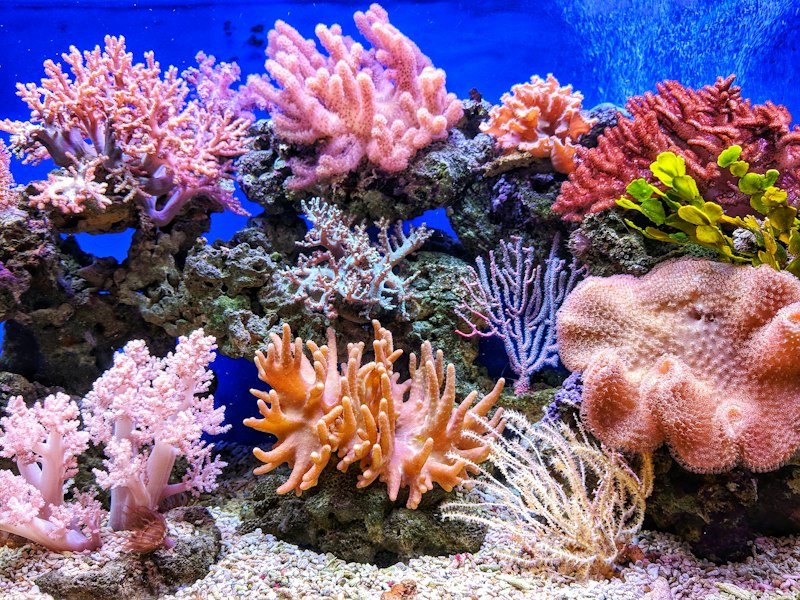
Soft corals
Year-round · common
Humpback whale
June-September · occasional
Clams
Year-round · common
Rays
Year-round · commonDive profile & how the dive runs
Diving at Lady Musgrave Island often begins with a boat entry, leading to diverse profiles depending on the chosen site. For lagoon dives like Lady Musgrave Aquarium or Turtle Bommie, the profile is typically shallow, ranging from 5 to 8 meters, with minimal current, allowing for extended bottom time and leisurely exploration of anemones, hard corals, and cleaning stations. Outer reef sites such as Manta Bommie or The Caves offer drift dives, commencing with a free descent into depths between 12 and 24 meters. Divers are carried by the current along reef walls, observing plate and foliose corals, and encountering pelagic life. Turn points are determined by gas consumption and current strength, aiming for maximum coverage. Safety stops are generally conducted as part of the drift or at a designated shallower area, often near the protection of the reef top, before surfacing for boat pick-up.
Underwater photography
Lady Musgrave Island offers excellent opportunities for both wide-angle and macro photography. For the expansive coral gardens and pelagic encounters on the outer reef and in the lagoon, a wide-angle lens is recommended to capture the vastness and schooling fish. When drift diving, maintaining buoyancy is crucial for sharp images. Macro lenses excel in the sheltered lagoon and reef crevices, allowing you to focus on the intricate details of anemones, smaller fish, and unique coral formations. External strobes are highly beneficial to bring out the true colours of the reef, especially in deeper sections or during overcast conditions. When photographing marine life, always prioritize ethical interactions, maintaining a respectful distance and avoiding disturbing subjects, particularly at cleaning stations or near nesting turtles.
Combine with nearby dive sites
- Lady Musgrave Aquarium
Inside the lagoon, maximum depth 8m with hard corals and clams.
- Turtle Bommie
Cleaning station 10m off lagoon wall, accessible to divers and snorkelers.
- Manta Bommie
Drift dive off southern end, 14-20m deep, manta ray cleaning station.
- The Campgrounds
North West wall of Lady Musgrave Island, drift dive up to 18m.
- The Caves
Reef wall dive with overhangs, caves, and crevices, 12-24m deep.
- Jeff’s Edge
Outer reef site with significant water movement, ideal for drift diving.
Getting there & logistics
Access to Lady Musgrave Island typically starts with flights to Gladstone or Bundaberg Airports in Queensland. From there, a 1-2 hour drive connects to coastal departure points at Seventeen Seventy or the Bundaberg Marina. Dive operators, such as Lady Musgrave Experience, run daily day trips or offer liveaboard-style overnight stays on the Lady Musgrave HQ pontoon within the lagoon. These trips usually include guided dives, equipment rental, and options for various certification levels. Lady Musgrave Island is often explored as a standalone destination due to its remote location in the Southern Great Barrier Reef, with itineraries tailored to include multiple dives within the lagoon and on the outer reef.
Safety & environment
Diving at Lady Musgrave Island is generally considered safe when following local operator guidelines, but divers should always carry personal dive insurance. The nearest recompression chamber facilities are located in Townsville or Brisbane, indicating that evacuation for serious incidents can be lengthy and complex. Site-specific hazards include potential strong currents on outer reef drift dives, which require experience and good buoyancy control. Divers must adhere to dive master briefings, stay within sight of their group, and be aware of boat traffic, especially around the lagoon entrance. Always check and follow guidelines regarding marine life interaction, particularly with turtles and manta rays, to ensure both diver safety and marine conservation.
Who it suits — and who it doesn't
Suited for
- Beginner divers (lagoon dives)
- Experienced divers (outer reef drift dives)
- Underwater photographers and videographers
- Marine life enthusiasts seeking turtles, sharks, and manta rays
- Those interested in 'sleep on the reef' experiences
Less suited for
- Divers uncomfortable with strong currents and drift diving
- Those seeking extensive wreck diving beyond ex-HMAS Tobruk
- Divers expecting large pelagic encounters only (more common on outer reef)
FAQ
Lady Musgrave Island FAQ
What kind of diving is available at Lady Musgrave Island?
Lady Musgrave Island offers a diverse range of diving. The sheltered lagoon provides calm, shallow sites ideal for beginners and snorkelers, featuring vibrant coral gardens and frequent turtle sightings. The outer reef, however, presents more advanced drift dives along reef walls, with stronger currents and opportunities to encounter larger pelagic species like manta rays and reef sharks.
When is the best time of year to dive Lady Musgrave Island?
The optimal time for diving is during the dry season, from May to October, offering clear skies, less humidity, and excellent visibility. While diving is possible year-round, manta rays are more commonly sighted from April to October, and humpback whales visit between June and September. January to April can bring higher rainfall but also warmer water temperatures.
Can beginners dive at Lady Musgrave Island?
Yes, beginners can certainly dive at Lady Musgrave Island. The calm, shallow waters of the island's lagoon are perfectly suited for learn-to-dive courses, non-certified divers, and those with limited experience. These protected areas allow for comfortable exploration of the reef's abundant marine life without strong currents.
Are there any 'liveaboard' options at Lady Musgrave Island?
Yes, Lady Musgrave Island offers a unique 'sleep on the reef' experience aboard the Lady Musgrave HQ pontoon, nestled within the calm lagoon. This allows divers to stay overnight directly on the Great Barrier Reef, maximizing dive time and offering exceptional opportunities for early morning and night dives. Meals and comfortable accommodations are provided.
What marine life can I expect to see at Lady Musgrave Island?
Lady Musgrave Island is renowned for its rich marine biodiversity. Divers commonly encounter green, loggerhead, and hawksbill turtles, various species of reef sharks, and an array of colourful reef fish. Manta rays are frequently sighted, especially during certain seasons, and humpback whales can be observed during their migratory period.
What are the typical dive depths and visibility at Lady Musgrave Island?
Dive depths at Lady Musgrave Island range from very shallow, around 5 to 8 meters in the lagoon, to deeper outer reef sites that can reach up to 25 meters. Visibility is generally excellent, often spanning between 15 and 35 meters, providing clear views of the vibrant coral formations and abundant marine life. Conditions can vary with weather and currents.
Why dive Lady Musgrave Island from a liveaboard?
Lady Musgrave Island is one of Australia's signature dive sites. A liveaboard sleeps you on the water and puts you in the water for three to four guided dives per day, including dawn and night dives that day-boat operators rarely offer. You skip the daily commute back to port and reach quieter, less-crowded sites in the same region on a single trip.
Below are the liveaboards that include Lady Musgrave Island on their Australia itineraries.
Liveaboards diving Lady Musgrave Island
These liveaboards may visit Lady Musgrave Island on selected itineraries — the exact dive sites depend on departure, weather and conditions.
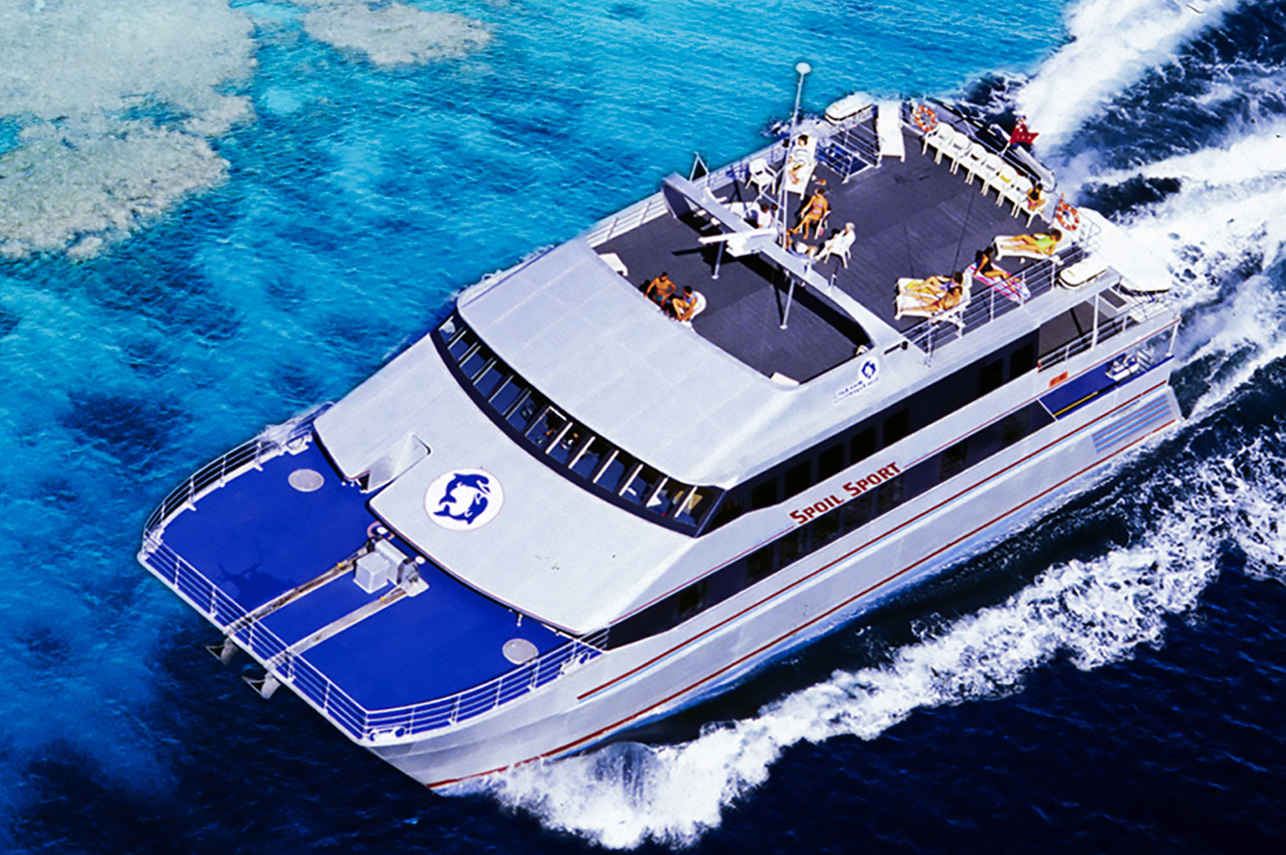
Spoilsport
Australia
28 guests30 m
$403/day
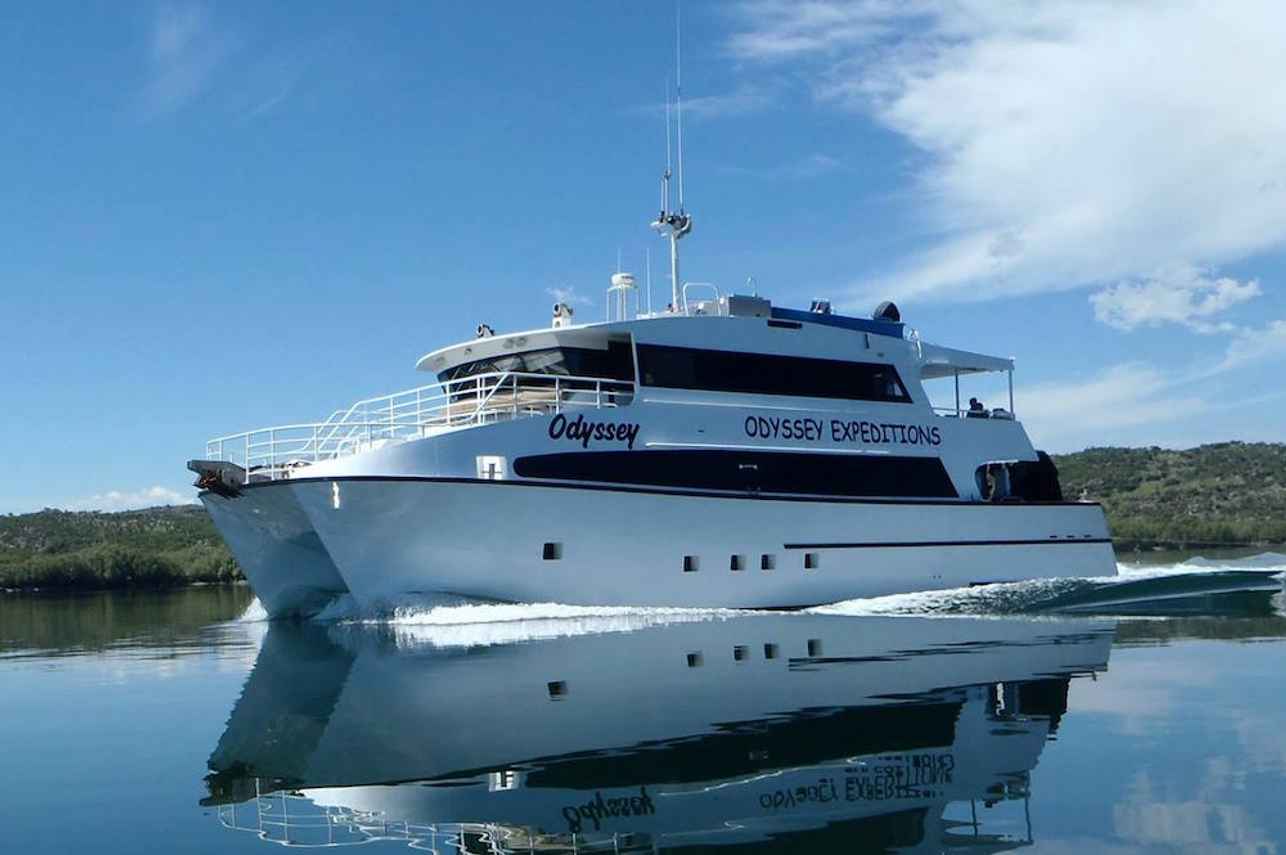
Odyssey Liveaboard
Australia
20 guests24 m
$392/day
Dive sites similar to Lady Musgrave Island
Same character, same waters — six more sites divers love for the exact same reasons.Compare seasons, access and liveaboard routes — then pick the site that fits your trip best.
© Esri — Maxar, Earthstar, GIS
Challenger Bay
Australia
Challenger Bay, nestled on Ribbon Reef #10, approximately 176 kilometers north of Port Douglas, is a renowned dive site on the remote northern Great Barrier Reef.
- Suitable for
- Advanced
- Current
- Moderate
- Access
- Liveaboard only
- Depth
- 5–30 m
- Theme
- Reef
© Esri — Maxar, Earthstar, GIS
Trochus Sanctuary
Micronesia
Trochus Sanctuary is a distinctive dive site located north of the mid-point of Kosrae, southwest of the island's airport.
- Suitable for
- Beginner
- Current
- Mild
- Access
- Dayboat
- Depth
- 5–13 m
- Theme
- Reef
© Esri — Maxar, Earthstar, GIS
Bare Island East
Australia
Bare Island East is a highly regarded shore dive in Sydney, celebrated for its diverse and colourful sponge gardens.
- Suitable for
- Intermediate
- Current
- Mild
- Access
- Shore / dayboat
- Depth
- 2–11 m
- Theme
- Reef
© Esri — Maxar, Earthstar, GIS
Raine Island
Australia
Raine Island is a pivotal dive site located in the Far Northern Great Barrier Reef, approximately 85 kilometers east-north-east of Cape Grenville and just over 4 nautical miles south of the island itself.
- Suitable for
- Advanced
- Current
- Strong
- Access
- Liveaboard only
- Depth
- 5–40 m
- Theme
- Reef / Wall
© Esri — Maxar, Earthstar, GIS
Neptune Islands
Australia
The Neptune Islands, nestled at the mouth of South Australia's Spencer Gulf, offer an unparalleled opportunity to encounter great white sharks.
- Suitable for
- Advanced
- Current
- Strong
- Access
- Liveaboard or dayboat
- Depth
- 5–15 m
- Theme
- Drift
© Esri — Maxar, Earthstar, GIS
Walung Drop-Off
Micronesia
Walung Drop-Off is a well-known dive site situated off the southwest coast of Kosrae in the Federated States of Micronesia.
- Suitable for
- Intermediate
- Current
- Moderate
- Access
- Dayboat
- Depth
- ≤ 30 m
- Theme
- Wall / Reef