About Turtle Bommie
Turtle Bommie is a celebrated dive site situated off Lady Musgrave Island, specifically about 10 meters from the Northern end of the Lady Musgrave Lagoon wall. This isolated bommie rises from a sand patch, creating a distinct habitat that attracts a wide array of marine species. It is particularly renowned as a turtle cleaning station, offering divers and snorkelers unique opportunities to observe these gentle creatures. The site features a large bommie structure adorned with an abundance of hard and soft corals, providing shelter and food for a diverse fish population. The surrounding white sandy bottom enhances visibility and simplifies navigation around the exquisite reef wall. The maximum depth of the site is approximately 13 meters, making it accessible for a range of diver experience levels. The rich biodiversity includes crustaceans, nudibranchs, moray eels, octopus, and cuttlefish, all thriving within the colorful coral formations. The ease of access and the vibrant ecosystem make Turtle Bommie a popular choice for both daytime exploration and especially for night dives, when many creatures become more active. Its high rating among divers underscores its consistent appeal and marine encounters. Located within the Southern Great Barrier Reef, the site benefits from warm waters and a generally mild current environment, contributing to its reputation as an enjoyable and rewarding dive. This location allows divers to experience a healthy segment of the reef system, showcasing its resilience and diverse inhabitants.
Highlights
Turtle cleaning stationVibrant coral bommieExcellent night divingDiverse marine lifeAccessible for snorkelersWhite sandy bottomHard and soft corals
Season calendar
Best months to dive here
Jan
Feb
Mar
Apr
May
Jun
Jul
Aug
Sep
Oct
Nov
Dec
Good
Dive site facts: Turtle Bommie
- Depth
- 13 m
- Typical dive
- ~38 min
- Current
- Mild
- Visibility
- Avg 14.5m
- Water temperature
- 23-29°C
- Entry
- Boat
- Level
- Beginner friendly
- Dive type
- Reef, night, big_animals, macro
- Night dive
- Possible, recommended
- Region / port
- Southern Great Barrier Reef, Lady Musgrave Island
- Coordinates
- 27.4300° S, 153.5500° E
Conditions & Currents
Currents at Turtle Bommie are typically described as mild, which contributes to its beginner-friendly rating and ease of navigation. This gentle water movement makes it a comfortable site for divers to explore the intricate coral structures without significant effort. Visibility at the site averages around 14.5 meters, though conditions can vary. Water temperatures remain warm throughout the year, ranging from 23°C to 29°C, eliminating concerns about thermoclines. The mild currents also facilitate easier entry and exit, often allowing for boat dives directly at the site. Divers can expect a relaxed experience, focusing on marine observation rather than battling strong flows. Night dives are particularly popular here, as the calm conditions and abundant nocturnal life create an ideal environment. The consistent conditions make gas planning straightforward, with less need to factor in str
Marine life & sighting chances
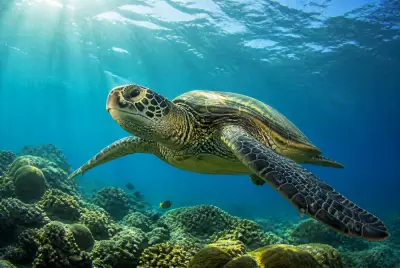
Sea turtle
Year-round, especially night dives · common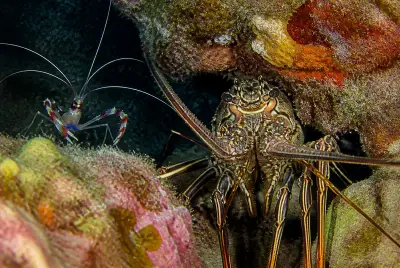
Crustacean
common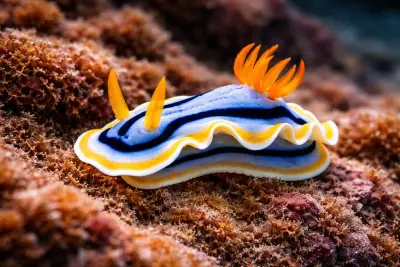
Nudibranch
common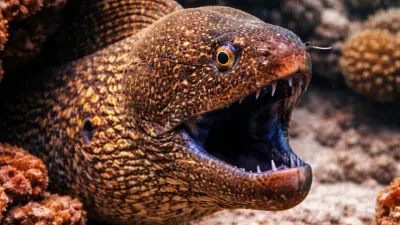
Moray eel
common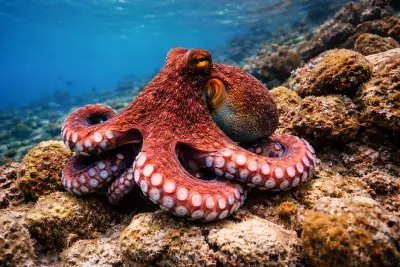
Octopus
common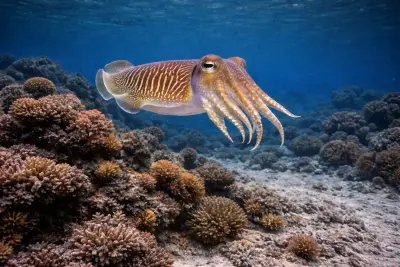
Cuttlefish
common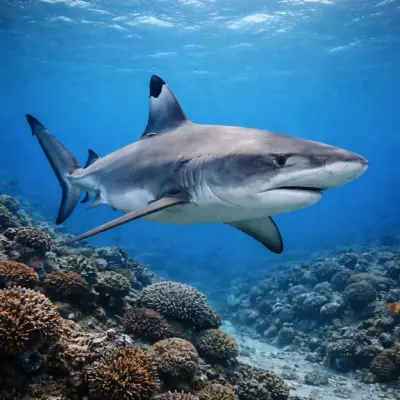
Reef shark
occasional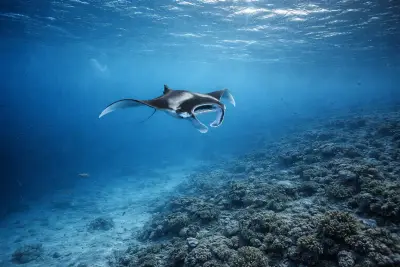
Manta ray
May-August (Southern GBR) · occasional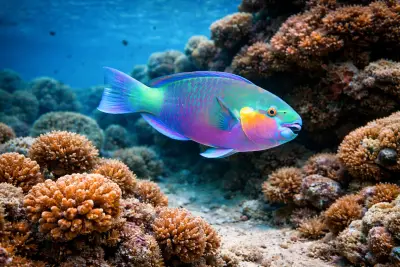
Parrotfish
common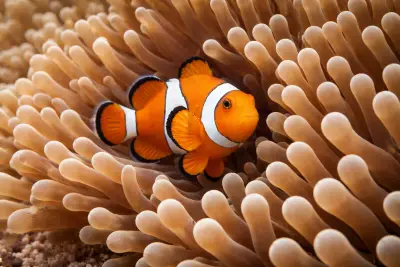
Clownfish
common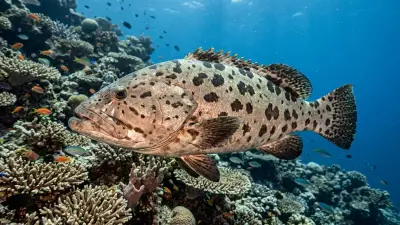
Potato cod
occasional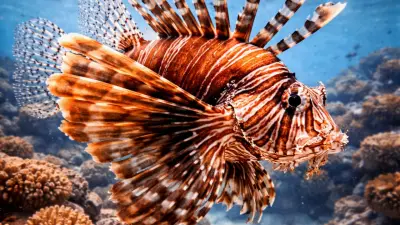
Lionfish
occasional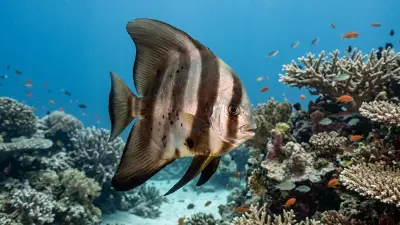
Batfish
occasionalDive profile & how the dive runs
Diving at Turtle Bommie typically begins with a boat entry, as the site is located off the Lady Musgrave Lagoon wall. Divers descend to a maximum depth of approximately 13 meters, reaching the white sandy bottom surrounding the central bommie. The dive profile often involves circumnavigating the large bommie, exploring its numerous hard and soft coral formations. Attention should be paid to the reef wall, which offers a wide range of brightly colored fish and macro life. A significant highlight is observing turtles, often found snuggled into reef shelves, particularly during night dives, as this site functions as a cleaning station. Navigation is straightforward due to the isolated bommie structure and clear sandy patches. The dive typically lasts around 38 minutes. The safety stop is usually performed over the shallower reef top or near the boat, taking advantage of the mild currents and accessible depths.
Underwater photography
Turtle Bommie offers excellent photographic opportunities, especially for macro and wide-angle shots due to its diverse marine life and vibrant corals. For wide-angle photography, a dome port and wide-angle lens are ideal for capturing the entire bommie structure, the expansive coral gardens, and passing turtles at the cleaning station. The clear white sandy bottom enhances light reflection, making colors pop. For macro subjects like nudibranchs, crustaceans, moray eels, octopus, and cuttlefish, a macro lens is essential. External strobes are highly recommended to bring out the true colors of the corals and marine inhabitants, especially given the maximum depth of 13 meters. During night dives, focus on capturing the nocturnal creatures that emerge, using a focus light for accurate targeting. Maintain excellent buoyancy to avoid stirring up sand and damaging delicate corals, ensuring clear shots and preserving the reef.
Combine with nearby dive sites
- Manta Bommie
A drift dive and manta ray cleaning station.
- Jeff’s Edge
Located on the outer reef inside Lady Musgrave Lagoon's channel.
- The Campgrounds
A drift dive on the North West wall of Lady Musgrave Island.
- Entrance Bommies
At the entrance of Lady Musgrave Lagoon, known for plate and foliose corals.
- Lady Musgrave Aquarium
Accessible via channel, with anemones, corals, and clams.
Getting there & logistics
Access to Turtle Bommie is typically part of a dive trip departing from Bundaberg or Burnett Heads, Australia, with operators like Lady Musgrave Experience. The nearest major airport would be Bundaberg Airport (BDB). Trips often involve day excursions or overnight stays on platforms like Lady Musgrave HQ, which offers accommodation directly on the reef. Dive tours usually include boat transfers to the site. The typical dive duration at Turtle Bommie is around 38 minutes. All visitors to the Great Barrier Reef over four years old are subject to an Environmental Management Charge (EMC), often referred to as the 'reef tax,' which supports conservation efforts. This fee, approximately A$3.50 per day, is usually collected by your tour operator or included in the trip price. The site is commonly combined with other dives around Lady Musgrave Island and the Southern Great Barrier Reef.
Safety & environment
For diving at Turtle Bommie, insurance covering recreational scuba diving and potential medical evacuation is highly recommended, as it is with any remote dive location. The nearest recompression chamber is generally located in larger coastal cities such as Cairns, though specific distances from Lady Musgrave Island are substantial. Emergency evacuation would likely involve boat transfer to the mainland, followed by road or air transport to a medical facility. Site-specific hazards are minimal due to mild currents and shallow depths, but divers should always be mindful of sharp corals to prevent cuts, which can easily become infected in a marine environment. Immediate first aid for any injuries should be sought from the dive crew. Adherence to responsible diving practices, including maintaining good buoyancy control to protect the fragile coral, is crucial. Divers should also be aware of the 24-hour no-fly period after diving.
Who it suits — and who it doesn't
Suited for
- Beginner divers seeking easy conditions
- Night divers interested in nocturnal marine life
- Underwater photographers focusing on macro and wide-angle
- Marine life enthusiasts, especially turtle spotters
- Snorkelers looking for vibrant reef experiences
Less suited for
- Technical divers seeking deep or challenging profiles
- Divers preferring strong current drift dives
- Those uninterested in reef or macro life
- Divers seeking large pelagic encounters exclusively
FAQ
Turtle Bommie FAQ
What kind of marine life can I expect to see at Turtle Bommie?
Turtle Bommie is renowned for its diverse marine life, especially sea turtles, which are commonly sighted as it serves as a cleaning station. You can also expect to encounter a variety of crustaceans, nudibranchs, moray eels, octopus, and cuttlefish hiding within the coral. The vibrant reef is home to many species of brightly colored fish, adding to the rich biodiversity.
Is Turtle Bommie suitable for beginner divers?
Yes, Turtle Bommie is considered very beginner-friendly. The site features mild currents and a relatively shallow maximum depth of 13 meters, making it comfortable for less experienced divers. Its clear navigation around the bommie and white sandy bottom further enhance the ease of diving, allowing beginners to fully enjoy the underwater experience.
What makes Turtle Bommie a good night dive site?
Turtle Bommie is an excellent night dive site because it's common to see sea turtles snuggled into the small reef shelves after dark. Nocturnal creatures like octopus, cuttlefish, and various crustaceans become more active, offering a different perspective on the reef's inhabitants. The mild conditions and abundant life make for a captivating and accessible night diving experience.
Where is Turtle Bommie located and how do I get there?
Turtle Bommie is located off Lady Musgrave Island in the Southern Great Barrier Reef, specifically about 10 meters from the northern end of the Lady Musgrave Lagoon wall. Most dive trips to this site depart from Bundaberg or Burnett Heads in Queensland, Australia. You would typically access the site via a boat tour provided by local operators.
What are the typical diving conditions at Turtle Bommie?
Diving conditions at Turtle Bommie are generally very favorable. The site experiences mild currents and offers average visibility of around 14.5 meters. Water temperatures are warm, ranging from 23°C to 29°C throughout the year. These calm and clear conditions contribute to a pleasant and accessible dive experience for all levels of divers and snorkelers.
Why dive Turtle Bommie from a liveaboard?
Turtle Bommie is one of Australia's signature dive sites. A liveaboard sleeps you on the water and puts you in the water for three to four guided dives per day, including dawn and night dives that day-boat operators rarely offer. You skip the daily commute back to port and reach quieter, less-crowded sites in the same region on a single trip.
Below are the liveaboards that include Turtle Bommie on their Australia itineraries.
Liveaboards diving Turtle Bommie
These liveaboards may visit Turtle Bommie on selected itineraries — the exact dive sites depend on departure, weather and conditions.
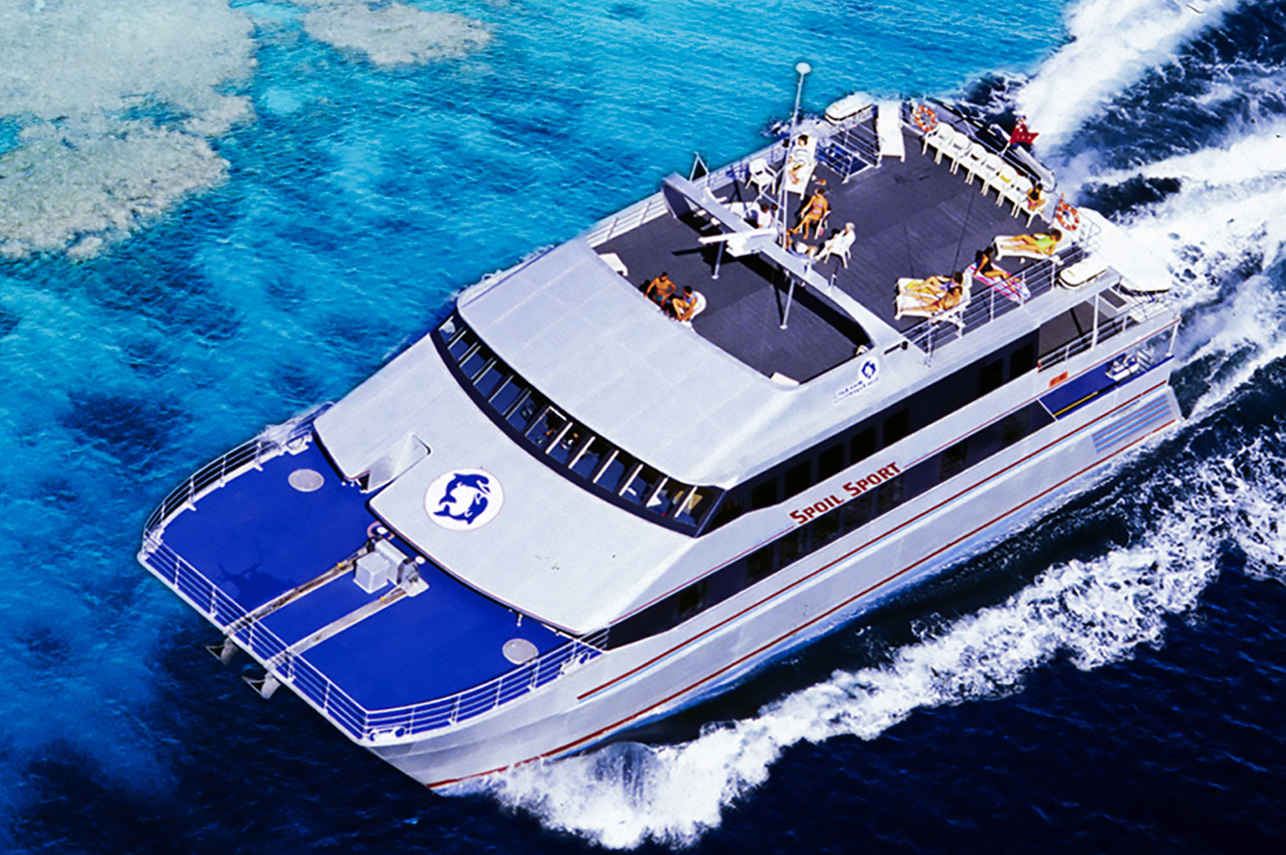
Spoilsport
Australia
28 guests30 m
$408/day
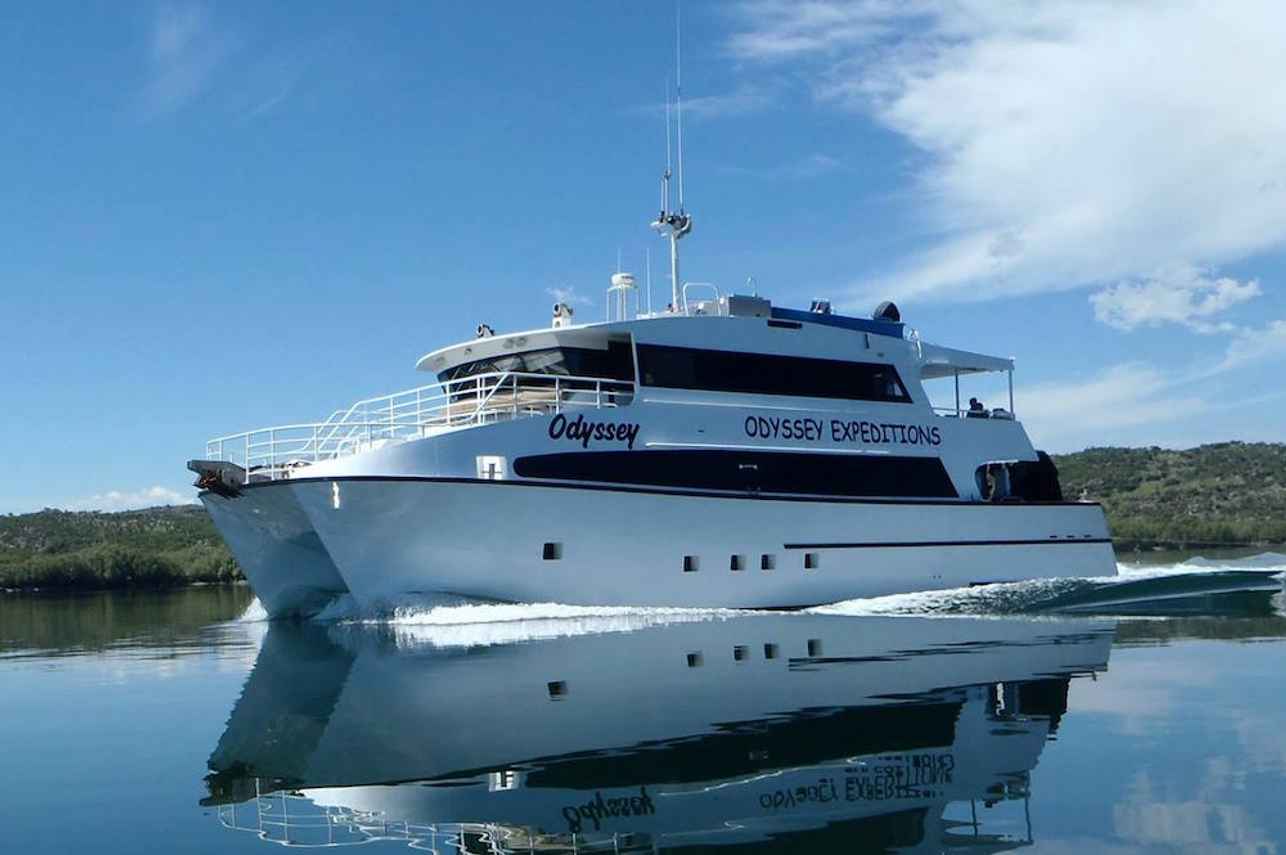
Odyssey Liveaboard
Australia
20 guests24 m
$392/day
Dive sites similar to Turtle Bommie
Same character, same waters — six more sites divers love for the exact same reasons.Compare seasons, access and liveaboard routes — then pick the site that fits your trip best.
© Esri — Maxar, Earthstar, GIS
Agincourt Reef
Australia
Agincourt Reef sits on the outer edge of the Great Barrier Reef, roughly 60–72 km off Port Douglas in Far North Queensland, at the southern end of the true ribbon reefs that run…
- Suitable for
- Beginner
- Current
- Moderate
- Access
- Dayboat
- Depth
- 2–20 m
- Theme
- Reef / Wall
© Esri — Maxar, Earthstar, GIS
Cocos Keeling - Canons
Australia
Cocos Keeling - Canons offers a distinctive dive experience within the Cocos (Keeling) Islands lagoon, making it Australia's most remote dive destination.
- Suitable for
- Beginner
- Current
- Mild
- Access
- Dayboat
- Depth
- 8–12 m
- Theme
- Reef
© Esri — Maxar, Earthstar, GIS
Raine Island
Australia
Raine Island is a pivotal dive site located in the Far Northern Great Barrier Reef, approximately 85 kilometers east-north-east of Cape Grenville and just over 4 nautical miles south of the island itself.
- Suitable for
- Advanced
- Current
- Strong
- Access
- Liveaboard only
- Depth
- 5–40 m
- Theme
- Reef / Wall
© Esri — Maxar, Earthstar, GIS
Bare Island East
Australia
Bare Island East is a highly regarded shore dive in Sydney, celebrated for its diverse and colourful sponge gardens.
- Suitable for
- Intermediate
- Current
- Mild
- Access
- Shore / dayboat
- Depth
- 2–11 m
- Theme
- Reef
© Esri — Maxar, Earthstar, GIS
Cocos Keeling - Broccoli Patch
Australia
Broccoli Patch is a premier dive site nestled within the Cocos (Keeling) Islands lagoon system, offering a gentle yet captivating underwater experience.
- Suitable for
- Beginner
- Current
- Mild
- Access
- Dayboat
- Depth
- 5–10 m
- Theme
- Reef
© Esri — Maxar, Earthstar, GIS
Milln Reef
Australia
Milln Reef, located approximately 60km offshore from Cairns within the Great Barrier Reef, stands out as a highly favored outer reef destination for both divers and snorkelers.
- Suitable for
- Intermediate
- Current
- Moderate
- Access
- Liveaboard or dayboat
- Depth
- 4–22 m
- Theme
- Reef