About Jeff’s Edge
Jeff's Edge is a renowned dive site situated on the outer reef of Lady Musgrave Island, an exquisite part of the Southern Great Barrier Reef in Queensland, Australia. This site is distinguished by its dramatic reef edge that plunges from a shallow upper shelf down to a deeper sand line, creating a captivating wall-like profile with significant structural relief. Depths vary from approximately 6 meters on the reef crest to 22 meters at the sand base. The wall itself is blanketed in dense soft coral cover, delicate gorgonian fans, sea whips, and ascidian growth, particularly in its deeper sections. The upper reef is adorned with hard coral formations and scattered bommie structures. Divers will discover numerous overhangs, ledges, and small caverns along the reef edge, which provide shelter for a variety of cryptic marine species. Marine life at Jeff's Edge is exceptional, featuring schools of barracuda, trevally, fusiliers, and bannerfish congregating along the wall. Reef sharks are often seen patrolling the deeper drop-offs, while green and loggerhead turtles gracefully navigate the reef. You can also spot coral trout, sweetlips, Maori wrasse, and Queensland groupers patrolling the structure, with anthias and basslets carpeting the wall faces. Macro enthusiasts will appreciate the anemonefish, leaf scorpionfish, octopus, and nudibranchs nestled among the soft corals and gorgonians. Accessibility is primarily by day boat from the Town of 1770, typically involving a 75-minute transit. The dive is commonly conducted as a multi-level drift, starting on the upper reef and progressively descending along the wall. Currents can be robust, making it an engaging experience for moderate to advanced divers, offering excellent visibility that averages between 15 and 25 meters.
Highlights
Dramatic reef wall profileDense soft coral coverFrequent shark sightingsAbundant turtle encountersSchools of pelagic fishOverhangs, ledges, and cavernsVibrant macro life
Season calendar
Best months to dive here
Jan
Feb
Mar
Apr
May
Jun
Jul
Aug
Sep
Oct
Nov
Dec
Excellent
Good
Dive site facts: Jeff’s Edge
- Depth
- 6–22 m
- Typical dive
- 10-22m, 40-50 min
- Current
- Moderate to strong
- Visibility
- 15–25 m
- Water temperature
- 21–28 °C
- Entry
- Boat / giant stride / back roll
- Level
- Moderate to advanced, current experience recommended
- Dive type
- Wall, drift, reef
- Region / port
- Lady Musgrave Island, Southern Great Barrier Reef
- Coordinates
- 23.9068° S, 152.4304° E
Conditions & Currents
Jeff's Edge is known for significant water movement, experiencing currents that can run quite hard, especially along the wall. This dynamic environment makes it an excellent site for drift diving, allowing divers to cover considerable distance as they are carried by the flow. Due to these currents, divers must be proficient in managing drift dives and comfortable with potential faster-paced movement; a surface marker buoy is essential for safety and efficient pick-up by the dive boat. Entry is typically a giant stride or back roll, with a descent down a shotline or free descent to the upper reef. Ascent is either via a shotline or with a deployed SMB, followed by a surface pick-up. Visibility at Jeff's Edge typically ranges from 15 to 25 meters, offering clear views of the abundant marine life. Water temperatures vary seasonally, from 21-24°C in winter to 25-28°C in summer.
Marine life & sighting chances

Barracuda
common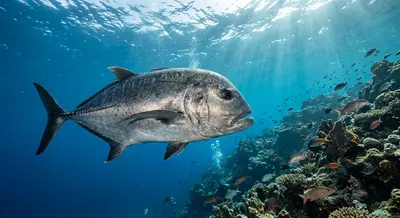
Trevally
common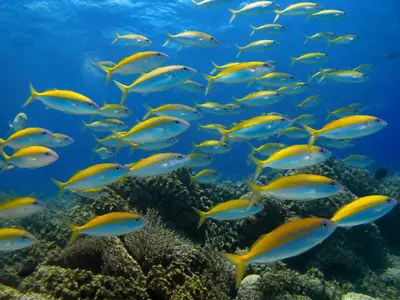
Fusilier
common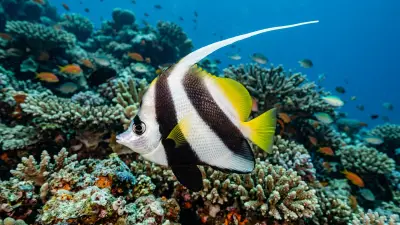
Bannerfish
common
Reef shark
occasional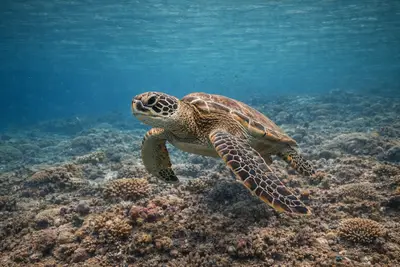
Green turtle
common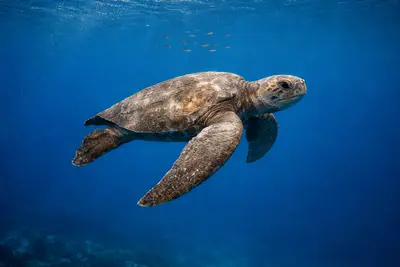
Loggerhead turtle
common
Coral trout
common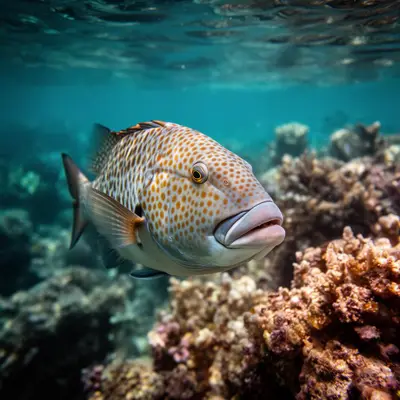
Sweetlips
common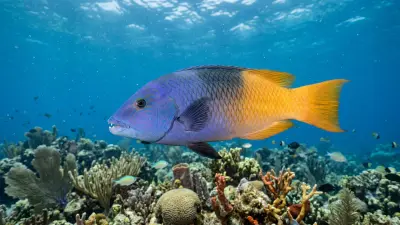
Maori wrasse
occasional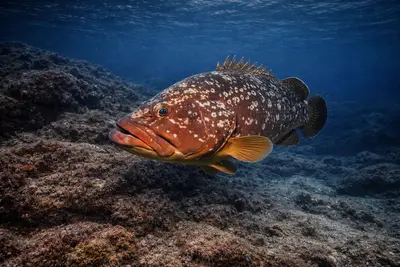
Queensland grouper
occasional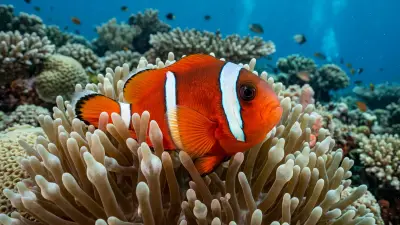
Anemonefish
common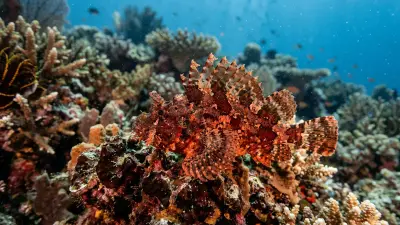
Leaf scorpionfish
occasional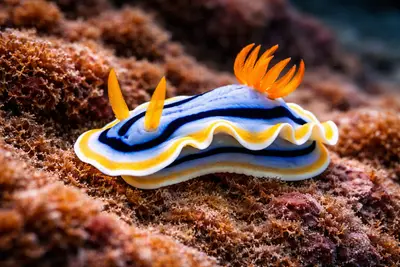
Nudibranch
occasionalDive profile & how the dive runs
Diving at Jeff's Edge begins with a giant stride or back roll entry from a day boat, followed by either a controlled free descent or a descent down a shotline to the upper reef edge, typically at 6 to 8 meters. The dive usually proceeds as a multi-level drift along the prominent reef wall. Divers explore the wall, gradually descending to deeper sections between 18 and 22 meters, examining the dense soft corals, gorgonian fans, and hidden caverns. The route follows the reef contour, allowing the current to carry divers past schooling pelagics and larger marine life such as sharks and turtles. As bottom time dictates, the dive ascends back along the structure to shallower depths for a safety stop, either completing it with an ascent up the shotline or by deploying a surface marker buoy for a boat pick-up.
Underwater photography
Jeff's Edge offers excellent opportunities for both wide-angle and macro photography. For wide-angle shots, a fisheye or wide-angle lens is ideal to capture the dramatic wall profile, extensive coral growth, and large schools of fish like barracuda and trevally. The vibrant hard and soft corals, coupled with clear visibility, create stunning scenic backdrops. Consider using strobes to bring out the true colors of the corals and marine life, especially in deeper sections or within overhangs. For macro subjects, a macro lens will be invaluable for capturing intricate details of anemonefish, leaf scorpionfish, nudibranchs, and other cryptic creatures found among the gorgonian fans and soft corals. Maintaining excellent buoyancy control is crucial, especially in currents, to avoid damaging delicate corals and to hold position for stable shots.
Combine with nearby dive sites
- Lady Musgrave Aquarium
Shallow lagoon dive with anemones, hard corals, clams, reef sharks, and green sea turtles.
- Turtle Bommie
A turtle cleaning station in Lady Musgrave Lagoon.
- Manta Bommie
Outer-reef manta ray cleaning station, with a bommie rising from 18-20m to 14-16m.
- The Campgrounds
A drift dive along the North West wall of Lady Musgrave Island, reaching depths of 18m.
- Entrance Bommies
Large bommies with stunning plate and foliose corals at the lagoon entrance, up to 18m deep.
- The Caves
A reef wall dive with overhangs, caves, and crevices, great for photography, between 12-24m.
Getting there & logistics
Access to Jeff's Edge is primarily via day boat or charter from the Town of 1770, with a transit time of approximately 75 minutes to Lady Musgrave Island. Liveaboard options are also available, often combining this site with other remote reef destinations in the Capricorn Group. Divers can depart from the marina at the end of the road in the Town of 1770, where paid parking is available. Many tours are offered by operators based out of Bundaberg or Burnett Heads. The Lady Musgrave Experience offers daily departures, providing access to outer reef dives. For those seeking multi-day experiences, the Lady Musgrave HQ pontoon offers 'sleep on the reef' accommodation within the calm lagoon, enabling earlier access to dive sites like Jeff's Edge.
Safety & environment
Diving at Jeff's Edge requires careful consideration of its conditions. Given the wall depth profile and potential for strong currents, it is classified as a moderate to advanced dive. Always carry a surface marker buoy (SMB) and know how to deploy it, as drift diving and boat pick-ups are common. The closest recompression chamber is likely located in larger coastal cities such as Brisbane or Cairns, necessitating robust dive insurance that covers emergency medical evacuation. Site-specific hazards include venomous marine life such as stonefish and lionfish, fire coral, and potentially aggressive titan triggerfish, particularly during nesting seasons. Divers should be aware of marine stingers from November to May. Additionally, the cyclone season, typically from December to April, can bring adverse weather conditions and increased cancellation risks.
Who it suits — and who it doesn't
Suited for
- Experienced divers comfortable with currents
- Underwater photographers seeking macro and wide-angle subjects
- Divers interested in diverse reef topography
- Enthusiasts of pelagic encounters and large marine life
- Those looking for drift diving experiences
Less suited for
- Beginner divers or those new to drift diving
- Divers uncomfortable with strong currents
- Individuals prone to seasickness on longer boat transits
- Those preferring sheltered, calm water dives
- Divers without adequate dive insurance for remote locations
FAQ
Jeff’s Edge FAQ
What kind of marine life can I expect at Jeff's Edge?
Jeff's Edge is teeming with diverse marine life. You can anticipate seeing large schools of barracuda, trevally, fusiliers, and bannerfish. Common sightings also include green and loggerhead turtles, reef sharks along the deeper sections, and a variety of reef fish like coral trout, sweetlips, and Maori wrasse. For macro enthusiasts, there are anemonefish, leaf scorpionfish, octopus, and nudibranchs.
Is Jeff's Edge suitable for beginner divers?
Jeff's Edge is generally considered a moderate to advanced dive site. The wall depth profile, reaching up to 22 meters, and the presence of potentially strong currents make it more suitable for experienced divers. Proficiency in drift diving techniques and comfort with dynamic conditions are highly recommended for this site.
What are the typical diving conditions at Jeff's Edge?
Conditions at Jeff's Edge typically feature clear visibility, ranging from 15 to 25 meters. Water temperatures vary from 21-24°C in winter to 25-28°C in summer. The site is known for strong currents along the reef wall, making it a popular drift dive location. Surface conditions can be influenced by its outer reef location.
How do I get to Jeff's Edge?
Jeff's Edge is accessed by day boat or charter, primarily departing from the Town of 1770 in Queensland, Australia. The boat journey to Lady Musgrave Island, where the site is located, typically takes around 75 minutes. Operators from Bundaberg and Burnett Heads also provide trips to this region, often including Jeff's Edge in their outer reef itineraries.
What safety precautions should I take when diving at Jeff's Edge?
Due to potential strong currents and its deeper profile, carrying and knowing how to deploy a surface marker buoy (SMB) is essential. Divers should have robust dive insurance covering emergency medical evacuation, as recompression chambers are located in distant major cities. Be aware of marine hazards like stonefish, lionfish, and titan triggerfish, and always dive within your training and comfort limits.
Why dive Jeff’s Edge from a liveaboard?
Jeff’s Edge is one of Australia's signature dive sites. A liveaboard sleeps you on the water and puts you in the water for three to four guided dives per day, including dawn and night dives that day-boat operators rarely offer. You skip the daily commute back to port and reach quieter, less-crowded sites in the same region on a single trip.
Below are the liveaboards that include Jeff’s Edge on their Australia itineraries.
Liveaboards diving Jeff’s Edge
These liveaboards may visit Jeff’s Edge on selected itineraries — the exact dive sites depend on departure, weather and conditions.
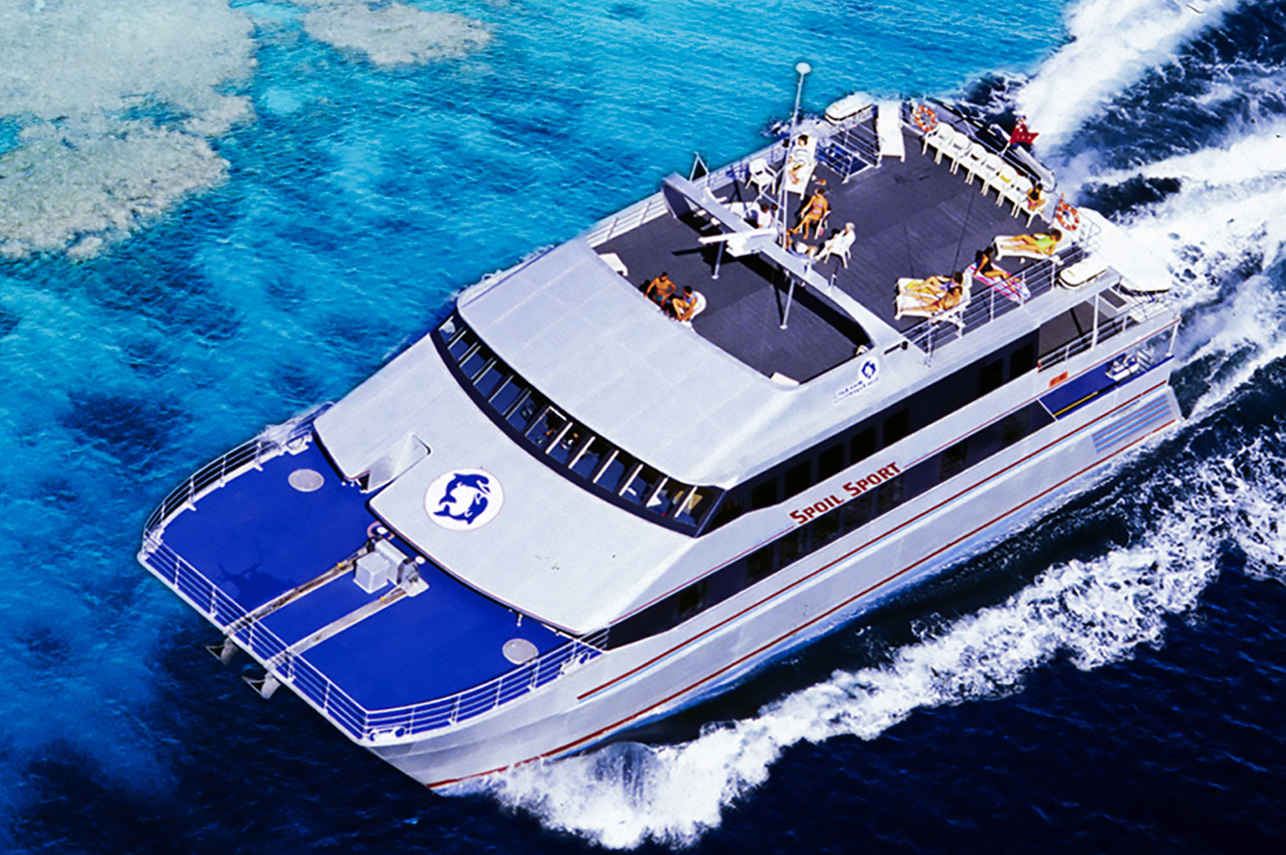
Spoilsport
Australia
28 guests30 m
$406/day
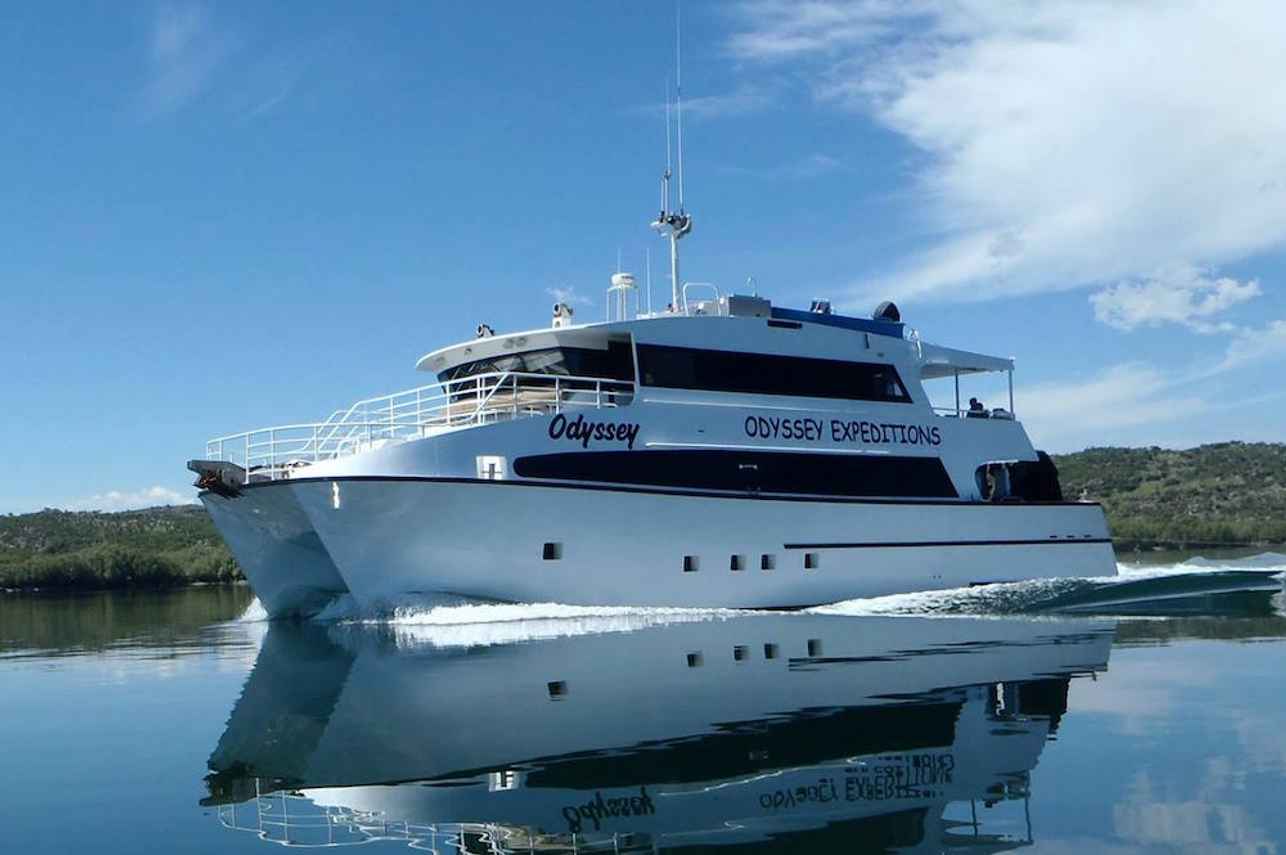
Odyssey Liveaboard
Australia
20 guests24 m
$392/day
Dive sites similar to Jeff’s Edge
Same character, same waters — six more sites divers love for the exact same reasons.Compare seasons, access and liveaboard routes — then pick the site that fits your trip best.
© Esri — Maxar, Earthstar, GIS
Agincourt Reef
Australia
Agincourt Reef sits on the outer edge of the Great Barrier Reef, roughly 60–72 km off Port Douglas in Far North Queensland, at the southern end of the true ribbon reefs that run…
- Suitable for
- Beginner
- Current
- Moderate
- Access
- Dayboat
- Depth
- 2–20 m
- Theme
- Reef / Wall
© Esri — Maxar, Earthstar, GIS
Cocos Keeling - Canons
Australia
Cocos Keeling - Canons offers a distinctive dive experience within the Cocos (Keeling) Islands lagoon, making it Australia's most remote dive destination.
- Suitable for
- Beginner
- Current
- Mild
- Access
- Dayboat
- Depth
- 8–12 m
- Theme
- Reef
© Esri — Maxar, Earthstar, GIS
Raine Island
Australia
Raine Island is a pivotal dive site located in the Far Northern Great Barrier Reef, approximately 85 kilometers east-north-east of Cape Grenville and just over 4 nautical miles south of the island itself.
- Suitable for
- Advanced
- Current
- Strong
- Access
- Liveaboard only
- Depth
- 5–40 m
- Theme
- Reef / Wall
© Esri — Maxar, Earthstar, GIS
Neptune Islands
Australia
The Neptune Islands, nestled at the mouth of South Australia's Spencer Gulf, offer an unparalleled opportunity to encounter great white sharks.
- Suitable for
- Advanced
- Current
- Strong
- Access
- Liveaboard or dayboat
- Depth
- 5–15 m
- Theme
- Drift
© Esri — Maxar, Earthstar, GIS
Bare Island East
Australia
Bare Island East is a highly regarded shore dive in Sydney, celebrated for its diverse and colourful sponge gardens.
- Suitable for
- Intermediate
- Current
- Mild
- Access
- Shore / dayboat
- Depth
- 2–11 m
- Theme
- Reef
© Esri — Maxar, Earthstar, GIS
Cocos Keeling - Broccoli Patch
Australia
Broccoli Patch is a premier dive site nestled within the Cocos (Keeling) Islands lagoon system, offering a gentle yet captivating underwater experience.
- Suitable for
- Beginner
- Current
- Mild
- Access
- Dayboat
- Depth
- 5–10 m
- Theme
- Reef