About Manta Bommie
Manta Bommie is consistently ranked among Australia's top dive sites, located a short boat ride from Point Lookout on North Stradbroke Island. This popular outer-reef cleaning station is famed for its consistent presence of reef manta rays, making it a significant draw for divers and snorkelers. The topography consists of large rock and reef formations rising from the sandy seafloor, forming a 'bommie' that serves as a vital cleaning station for mantas and other pelagic species. Depths at the bommie range from 14 to 20 meters, with the pinnacle reaching 14 to 16 meters and its base extending to 18 to 20 meters, making it accessible for various diver levels. While manta rays are frequently spotted from October to April, the site also hosts a rich variety of marine life year-round. Divers can expect to encounter green and loggerhead turtles, eagle rays, leopard sharks, guitarfish, and diverse reef fish. Seasonal highlights include schooling eagle rays and cownose rays, alongside numerous macro subjects like nudibranchs and flatworms. Diving Manta Bommie typically involves a guided boat operation, approaching the site as a patient mid-depth dive where divers maintain position around the bommie. The experience centers on observing mantas and other large animals as they interact with the cleaning station, providing exceptional wide-angle photography opportunities.
Highlights
Consistent manta ray sightingsOuter-reef cleaning stationDiverse shark speciesVibrant reef formationsRich pelagic encountersGreen and loggerhead turtles
Best Season
The best time to dive Manta Bommie for manta ray encounters is generally from October to April, when cleaning station activity is strongest. Clearer winter conditions can also offer excellent visibility, making year-round diving possible with seasonal highlights.
Dive site facts: Manta Bommie
- Depth
- 14–20 m
- Current
- Moderate
- Visibility
- 20 m
- Entry
- Boat
- Level
- Intermediate
- Dive type
- Pinnacle, big_animals, reef
- Region / port
- North Stradbroke Island, Queensland
- Coordinates
- -27.434, 153.556267
Conditions & Currents
Manta Bommie is an outer-reef site, meaning it is more exposed and weather-sensitive compared to sheltered lagoon sites. Currents here can be moderate to strong, necessitating comfort with blue-water style entries and exposed boat pickups. Surge may also be present, especially in less settled conditions. Divers should be prepared to hold position around the cleaning station without crowding wildlife, emphasizing good buoyancy control and respectful interaction. Visibility averages around 20 meters but can fluctuate based on conditions. While thermoclines are not specifically mentioned, water temperatures vary seasonally, influencing exposure suit choice. This site is best enjoyed when outer-reef conditions are settled, and divers should consult local operators for daily conditions.
Marine life & sighting chances
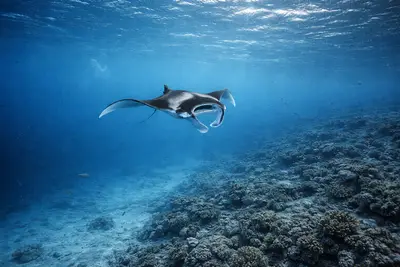
Reef Manta Ray
October–April · common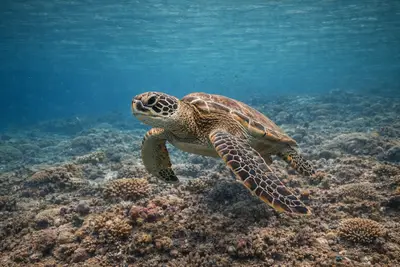
Green Turtle
common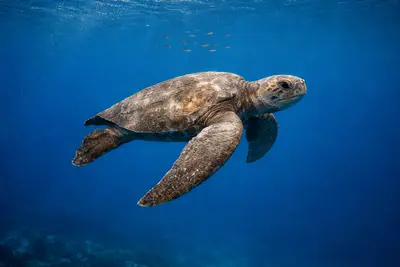
Loggerhead Turtle
common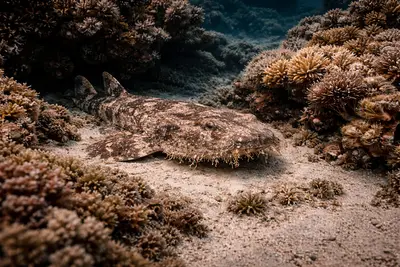
Wobbegong
common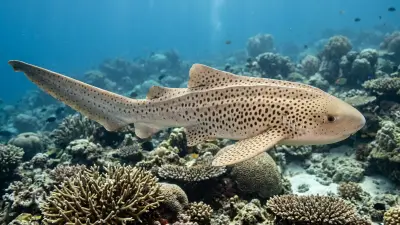
Zebra Shark
common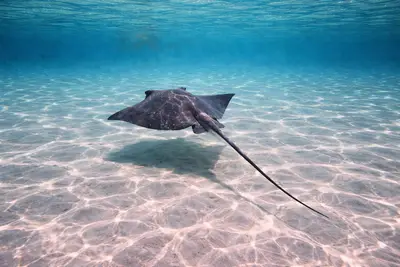
Stingrays
common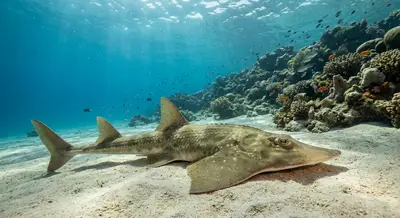
Guitarfish
common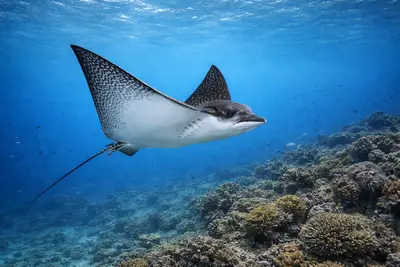
Eagle Ray
common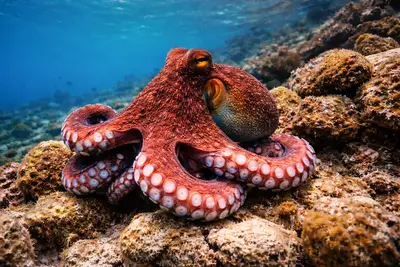
Octopus
occasional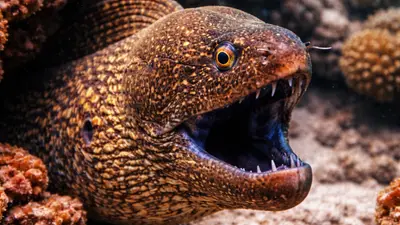
Moray Eel
occasional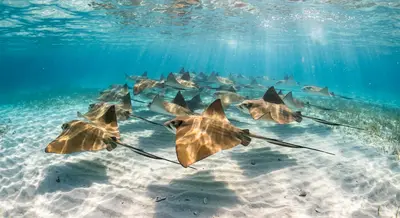
Cownose Ray
seasonal · occasional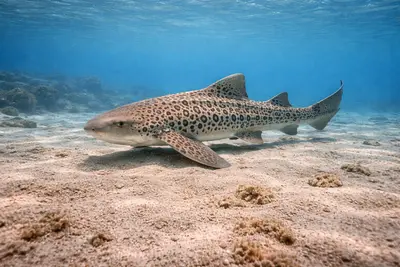
Leopard Shark
seasonal · occasionalDive profile & how the dive runs
Dives at Manta Bommie typically commence with a boat entry, usually a blue-water entry given its outer-reef location. The dive objective is to reach the bommie structure, which rises from a sandy base at 18-20 meters to a pinnacle at 14-16 meters. Divers then patiently hold position around the bommie, allowing manta rays and other large pelagic species to approach the cleaning station. The dive is usually conducted as a patient, mid-depth experience, focusing on observation rather than extensive swimming. The turn point is determined by air consumption or bottom time, with the safety stop conducted in the shallower water surrounding the bommie or during the ascent, before an exposed boat pickup.
Underwater photography
Manta Bommie is an exceptional site for wide-angle photography, especially to capture the majestic manta rays and the vibrant blue-water coral scenery. A wide-angle lens is essential for documenting the mantas and the extensive reef formations. Strobes are beneficial to bring out the colors of the corals and marine life, even in clear conditions. Focus on good buoyancy to maintain position around the cleaning station without disturbing the animals or kicking up sand. When photographing mantas, practice patience and respect; avoid chasing them or swimming onto the cleaning station, allowing them to approach naturally for the best shots.
Getting there & logistics
Manta Bommie is accessed via a short boat ride from Point Lookout on North Stradbroke Island, referred to locally as 'Straddie'. Getting to Straddie is straightforward, with a 25-minute ferry ride available from Cleveland, located south of Brisbane. Brisbane International Airport is approximately a 45-minute drive from Cleveland, providing convenient access for international and domestic travelers. Diving operations often run guided recreational boat dives almost daily from local dive centers, with options for standard two-dive trips or longer dives for technical divers. Manta Bommie is typically visited as a dedicated boat dive, often combined with other local sites.
Safety & environment
Diving at Manta Bommie requires adherence to local safety protocols due to its exposed outer-reef location and potential for moderate currents and surge. Divers should be comfortable with blue-water entries and exposed boat pickups. It's crucial to stay still around cleaning stations to avoid stressing marine life, particularly manta rays. The nearest recompression chamber and medical facilities would be located on mainland Brisbane, necessitating robust evacuation procedures in case of an emergency. Divers are strongly advised to have comprehensive dive insurance covering medical emergencies and evacuation. Always dive with a reputable operator and follow their briefings and guidelines, as Manta Bommie sits within protected Great Barrier Reef management zones, requiring low-impact behavior.
Who it suits — and who it doesn't
Suited for
- Experienced divers comfortable with currents
- Underwater photographers seeking large marine life
- Divers interested in manta ray encounters
- Those who appreciate outer-reef topography
- Snorkelers on dedicated manta trips
Less suited for
- Absolute beginner divers without current experience
- Divers prone to seasickness in exposed conditions
- Individuals who prefer calm, enclosed reef environments
- Those unable to maintain good buoyancy in varying conditions
FAQ
Manta Bommie FAQ
What kind of marine life can I expect to see at Manta Bommie?
Manta Bommie is primarily known for its consistent reef manta ray sightings, especially between October and April. Divers frequently encounter green and loggerhead turtles, eagle rays, leopard sharks, wobbegongs, and guitarfish. The site also hosts a variety of reef fish and smaller creatures like nudibranchs.
Is Manta Bommie suitable for beginner divers?
While Manta Bommie has a maximum depth of 15-20 meters, its outer-reef location means it can experience moderate currents and surge. It is generally recommended for intermediate divers or those comfortable with current and exposed boat operations. Beginners with limited experience may find conditions challenging.
When is the best time of year to see manta rays at Manta Bommie?
Manta rays are consistently seen at Manta Bommie from October to April. This period offers the highest likelihood of encountering these majestic creatures at the cleaning station. However, the site can be dived year-round, with good conditions and diverse marine life present outside of peak manta season.
How do I get to Manta Bommie?
Manta Bommie is accessible via a short boat ride from Point Lookout on North Stradbroke Island, known as 'Straddie'. You can reach Straddie by taking a 25-minute ferry from Cleveland, which is about a 45-minute drive from Brisbane International Airport. Dive centers on North Stradbroke Island operate regular boat trips to the site.
What are the typical diving conditions at Manta Bommie?
Manta Bommie features a maximum depth of 15-20 meters with visibility averaging around 20 meters. As an outer-reef site, it can be exposed to moderate currents and occasional surge. Dives typically involve a blue-water entry and an exposed boat pickup, requiring divers to be comfortable with these conditions.
Why dive Manta Bommie from a liveaboard?
Manta Bommie is one of Australia's signature dive sites. A liveaboard sleeps you on the water and puts you in the water for three to four guided dives per day, including dawn and night dives that day-boat operators rarely offer. You skip the daily commute back to port and reach quieter, less-crowded sites in the same region on a single trip.
Below are the liveaboards that include Manta Bommie on their Australia itineraries.
Liveaboards diving Manta Bommie
These liveaboards may visit Manta Bommie on selected itineraries — the exact dive sites depend on departure, weather and conditions.
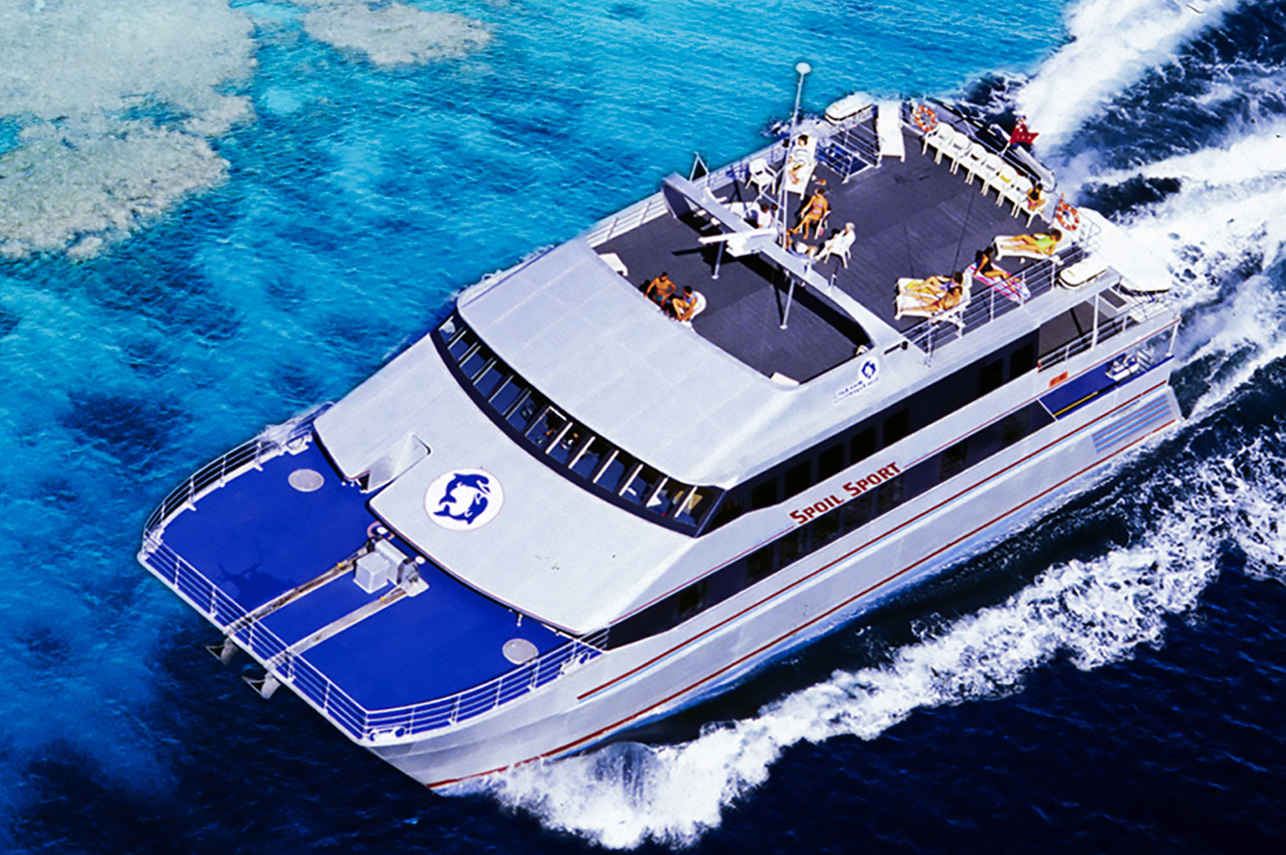
Spoilsport
Australia
28 guests30 m
$408/day
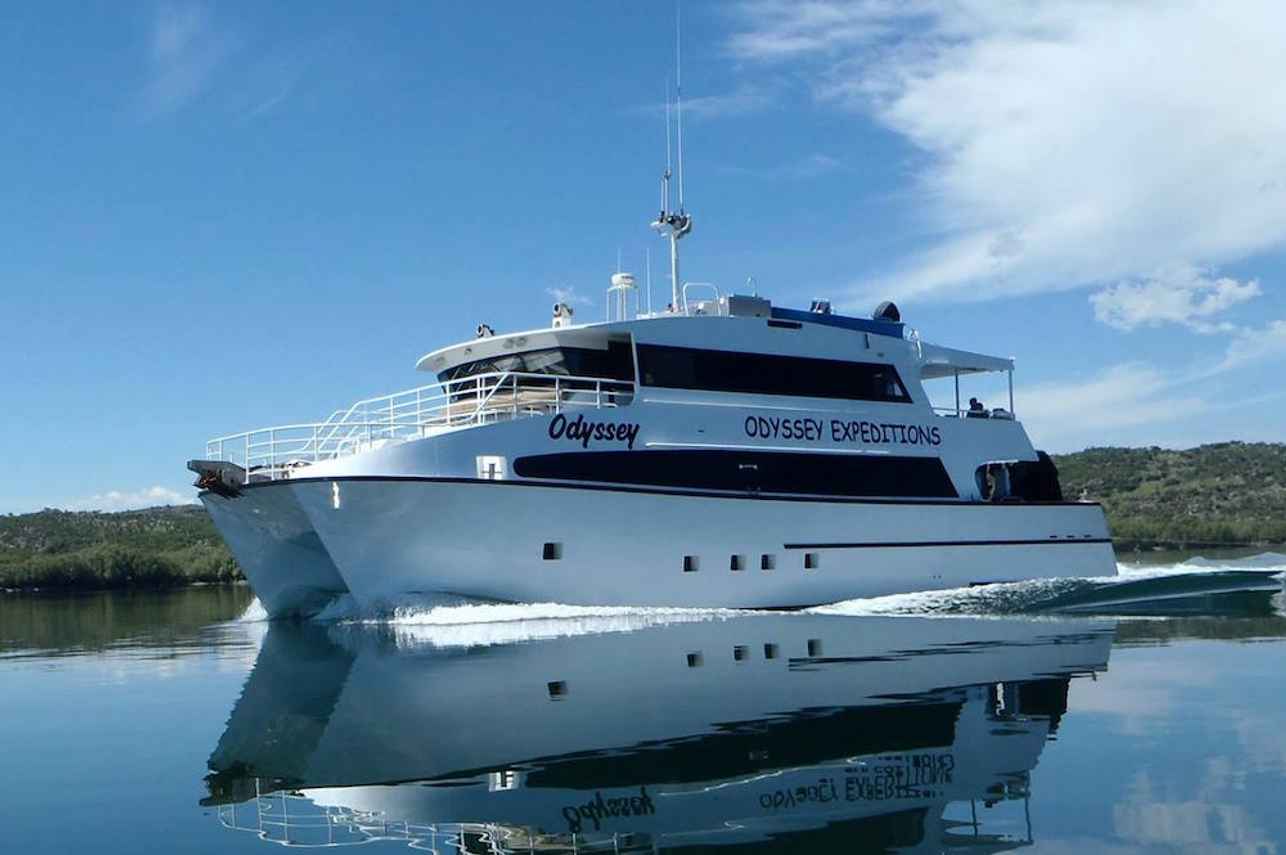
Odyssey Liveaboard
Australia
20 guests24 m
$392/day
Dive sites similar to Manta Bommie
Same character, same waters — six more sites divers love for the exact same reasons.Compare seasons, access and liveaboard routes — then pick the site that fits your trip best.
© Esri — Maxar, Earthstar, GIS
Agincourt Reef
Australia
Agincourt Reef sits on the outer edge of the Great Barrier Reef, roughly 60–72 km off Port Douglas in Far North Queensland, at the southern end of the true ribbon reefs that run…
- Suitable for
- Beginner
- Current
- Moderate
- Access
- Dayboat
- Depth
- 2–20 m
- Theme
- Reef / Wall
© Esri — Maxar, Earthstar, GIS
Cocos Keeling - Canons
Australia
Cocos Keeling - Canons offers a distinctive dive experience within the Cocos (Keeling) Islands lagoon, making it Australia's most remote dive destination.
- Suitable for
- Beginner
- Current
- Mild
- Access
- Dayboat
- Depth
- 8–12 m
- Theme
- Reef
© Esri — Maxar, Earthstar, GIS
Raine Island
Australia
Raine Island is a pivotal dive site located in the Far Northern Great Barrier Reef, approximately 85 kilometers east-north-east of Cape Grenville and just over 4 nautical miles south of the island itself.
- Suitable for
- Advanced
- Current
- Strong
- Access
- Liveaboard only
- Depth
- 5–40 m
- Theme
- Reef / Wall
© Esri — Maxar, Earthstar, GIS
Bare Island East
Australia
Bare Island East is a highly regarded shore dive in Sydney, celebrated for its diverse and colourful sponge gardens.
- Suitable for
- Intermediate
- Current
- Mild
- Access
- Shore / dayboat
- Depth
- 2–11 m
- Theme
- Reef
© Esri — Maxar, Earthstar, GIS
Cocos Keeling - Broccoli Patch
Australia
Broccoli Patch is a premier dive site nestled within the Cocos (Keeling) Islands lagoon system, offering a gentle yet captivating underwater experience.
- Suitable for
- Beginner
- Current
- Mild
- Access
- Dayboat
- Depth
- 5–10 m
- Theme
- Reef
© Esri — Maxar, Earthstar, GIS
Milln Reef
Australia
Milln Reef, located approximately 60km offshore from Cairns within the Great Barrier Reef, stands out as a highly favored outer reef destination for both divers and snorkelers.
- Suitable for
- Intermediate
- Current
- Moderate
- Access
- Liveaboard or dayboat
- Depth
- 4–22 m
- Theme
- Reef