Anemonefish in its natural habitat — diving encounters and best destinations

Anemonefish

Unknown
12 years
Not Evaluated

Want to dive with this animal?

The Anemonefish at a glance

Anemonefish, belonging to the genus Amphiprion within the damselfish family Pomacentridae, are amongst the most recognisable marine species encountered by scuba divers. Native to the warm, tropical waters of the Indo-Pacific, these fish are famous for their bold, contrasting colour patterns. Typically featuring vibrant shades of orange, red, yellow, brown, or black offset by distinct white vertical bars, they grow to a maximum length of roughly 15 centimetres, though many species average around 8 to 11 centimetres.

Behaviour & reproduction

Size
Unknown
Weight
20-60 g
Lifespan
12 years
Status
Not Evaluated

Divers cherish encounters with anemonefish due to their energetic movements and feisty temperaments. Whether dodging amongst stinging tentacles, fanning egg clutches deposited on nearby rocks, or boldly guarding their territory, these colourful damselfish offer an extraordinary window into complex marine ecological interactions across tropical coral reefs.
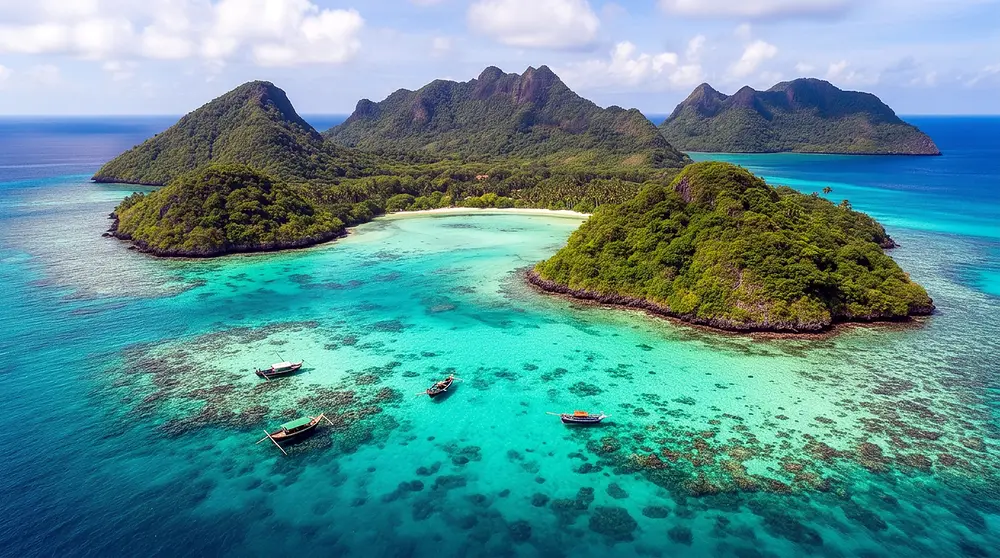
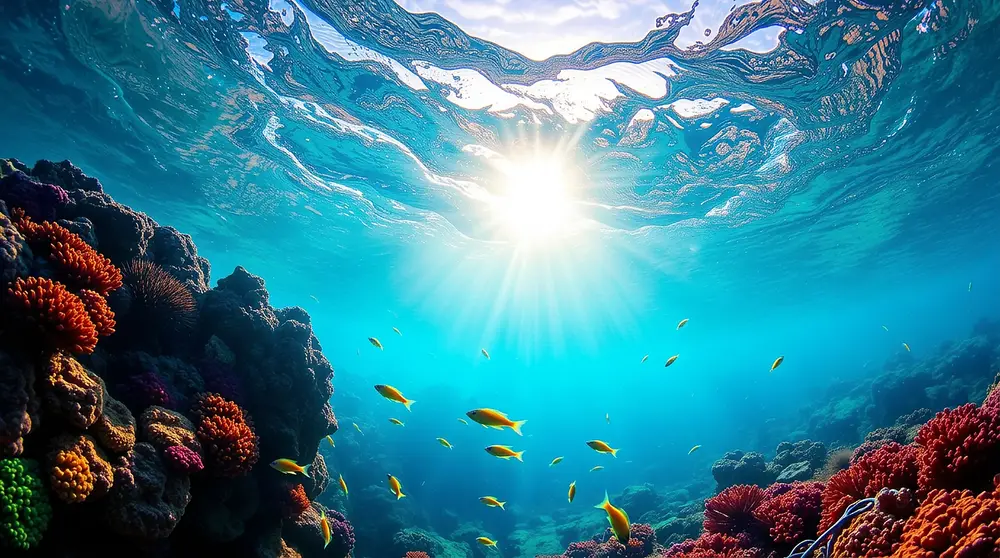
Where to dive with the Anemonefish: 20 top spots

Diving Tips

Despite their small size, anemonefish are remarkably feisty and highly protective of their host anemones. When observing these animals, scuba divers must maintain crisp neutral buoyancy and avoid getting too close or touching the delicate host anemone. Pushing cameras or fingers directly into the tentacles can trigger aggressive posturing or territorial biting from the resident pair.

Approaching slowly and hovering slightly above or to the side allows divers to witness natural behaviours without causing undue stress. Watch for the meticulous ways the male fans and cleans egg clutches laid on adjacent rock surfaces, or look out for the fascinating acclimation dance where a fish gingerly touches its fins and belly against tentacles to build up protective mucus. Divers should also inspect the fish's mouth carefully; parasitic isopods are occasionally seen attached to the tongue, living inside the host fish. Additionally, ensure your fins stay well clear of surrounding reef structures and sand flats where host anemones frequently reside.

Fun facts about the Anemonefish

  • All anemonefish are born male and possess the ability to change sex into a dominant female if the matriarch dies.
  • Orange clownfish can physically shrink their bodies to cope with heat stress caused by marine heatwaves.
  • Parasitic isopods can attach themselves inside an anemonefish's mouth, functioning as a replacement tongue while the fish feeds normally.
  • Anemonefish protect their host anemones from predators like butterflyfish and sea turtles, which are immune to anemone stings.

Best time to see the Anemonefish

Because anemonefish inhabit warm, tropical waters across the Indo-Pacific, Red Sea, and Western Pacific, encounters are available year-round for scuba divers. Water temperatures in these equatorial regions remain stable enough to support continuous reproductive activity throughout the entire calendar year without strict seasonal constraints.

Reproductive behaviour and active nest guarding follow monthly lunar cycles rather than seasonal shifts. During nighttime periods surrounding key lunar phases, increased light levels elevate alertness in breeding pairs, prompting intense courtship displays. Males swim in rapid upward and downward motions, extend their fins, and chase females prior to egg laying. Spawning cycles result in females depositing between 400 and 1,500 eggs on hard substrate adjacent to the anemone host. Consequently, night diving or dusk diving around specific moon phases offers the best opportunity to observe energetic courtship and egg-tending behaviours.

Where the Anemonefish lives

Anemonefish are exclusively distributed across the tropical waters of the Indian Ocean, Red Sea, Southeast Asia, northern Australia, and the Western Pacific. They are noticeably absent from the Atlantic Ocean, Mediterranean Sea, and Caribbean. Their distribution relies entirely on the presence of suitable host sea anemones across coral reef ecosystems and sandy reef flats.

Most anemonefish species inhabit shallow reef zones and sand margins at depths between 1 and 18 metres where sunlight supports reef growth. However, certain species, such as the pink skunk anemonefish (*Amphiprion perideraion*), extend into deeper waters along reef shelves, slopes, and drop-offs reaching down to 35 metres. They remain within close proximity to their host anemones at all times, relying on the stinging tentacles for primary refuge from predators like wrasses and brittle stars.

What the Anemonefish eats

Anemonefish are omnivorous feeders that exploit a varied diet composed primarily of planktonic organisms and reef detritus. They forage actively during daylight hours, feeding extensively on zooplankton, small crustaceans, free-swimming worms, microalgae, and tiny mollusks suspended in the water column near their host anemone.

In addition to opportunistic plankton feeding, anemonefish consume food scraps and debris harvested around their immediate territory. Their feeding habits directly benefit their symbiotic sea anemone host, as scraps of food pulled into the tentacles are shared, and fish waste supplies beneficial nutrients and micro-organisms to the anemone. By actively grazing on algae and parasite material around the base of the tentacles, anemonefish also keep the host clean and healthy. They rarely stray far from their host while feeding, making swift dashes into the current before returning to the protective canopy of tentacles.

Anemonefish: frequently asked questions

When is the best time to see Anemonefish?
Because anemonefish inhabit warm, tropical waters across the Indo-Pacific, Red Sea, and Western Pacific, encounters are available year-round for scuba divers. Water temperatures in these equatorial regions remain stable enough to support continuous reproductive activity throughout the entire calendar year without stric
How big does Anemonefish get?
Anemonefish: Unknown
Is Anemonefish dangerous for divers?
Despite their small size, anemonefish are remarkably feisty and highly protective of their host anemones. When observing these animals, scuba divers must maintain crisp neutral buoyancy and avoid getting too close or touching the delicate host anemone. Pushing cameras or fingers directly into the tentacles can trigger
What is the conservation status of Anemonefish?
Anemonefish: Not Evaluated
Plan your trip

Ready to dive with these animals?

Choose a destination or search every available vessel to find the liveaboard that matches the marine life you want to see.