About Gatokae - Kavalapu
Gatokae - Kavalapu is a prime dive site situated off Gatokae Island within the Solomon Islands' Western Province. This region is celebrated for its remote, pristine diving conditions, characterized by unspoiled reefs and vibrant biodiversity. Divers here can expect to encounter healthy coral ecosystems that thrive due to minimal human impact, a hallmark of the Solomon Islands' largely undiscovered dive landscape. The topography typically features impressive walls and diverse coral gardens, extending from shallow depths into deeper waters. These structures provide habitat for a wide array of marine species, from macro life to schooling pelagics. The site's location within the Coral Triangle ensures a rich variety of coral species, exceeding 480, and over a thousand reef-fish species, making every dive a discovery. While the Solomon Islands offer excellent diving year-round, the dry season from April to November brings calmer seas and exceptional visibility, often reaching 20-30 meters. Water temperatures consistently remain warm, typically between 27-30°C, providing comfortable diving conditions suitable for extended bottom times. This consistent warmth also supports the robust marine life found at Kavalapu. Diving at Kavalapu is generally considered accessible, though some sites in the broader Solomon Islands can experience strong currents. Liveaboard itineraries frequently include this site, offering multiple dives daily. The dive experience focuses on exploring the rich reef environment, observing the abundant fish life, and appreciating the pristine condition of the underwater landscape.
Highlights
Pristine Western Province reefsAbundant reef fish diversityHealthy hard coral formationsExcellent year-round visibilityComfortable warm waterRemote, uncrowded diving
Season calendar
Best months to dive here
Jan
Feb
Mar
Apr
May
Jun
Jul
Aug
Sep
Oct
Nov
Dec
Excellent
Dive site facts: Gatokae - Kavalapu
- Depth
- 5–30 m
- Current
- Mild
- Visibility
- 20–30 m
- Water temperature
- 27–30 °C
- Entry
- Tender
- Level
- All levels
- Dive type
- Reef, wall, macro
- Night dive
- Possible
- Region / port
- Western Province
- Coordinates
- -8.8167, 158.2
Conditions & Currents
Currents at Gatokae - Kavalapu are generally mild, contributing to an enjoyable and relaxed dive experience. While occasional sites in the Solomon Islands can feature stronger currents, dives here are often planned to minimize strenuous swimming, frequently utilizing the current for drift opportunities. The calm conditions among the islands where dives typically occur also ensure easy entries and exits from dive tenders, even on windy days. Visibility is consistently excellent and does not appear to follow a seasonal pattern, maintaining clarity regardless of surface weather. Water temperatures are uniformly warm, ranging from 28-30°C throughout the year, which allows for comfortable, extended bottom times without concerns about thermoclines.
Marine life & sighting chances

Manta Ray
occasional
Grey Reef Shark
occasional
Barracuda
common
Bumphead Parrotfish
occasional
Pygmy Seahorse
occasional
Nudibranch
common
Cuttlefish
occasional
Octopus
occasional
Angelfish
common
Butterflyfish
common
Anemonefish
common
Eels
commonDive profile & how the dive runs
Diving at Gatokae - Kavalapu typically involves entry from a tender, which allows for precise positioning at the desired reef section. You often begin by descending along a vibrant wall or slope, exploring the abundant hard and soft coral gardens that thrive here. Depths can vary, allowing divers to choose their own progression based on comfort and certification levels, often reaching around 20-30 meters for the main exploration. The route usually follows the contours of the reef, keeping an eye out for both macro life nestled in corals and larger pelagics in the blue. Turn points are flexible, depending on gas consumption and no-decompression limits. The safety stop is typically conducted in the shallower, sunlit reef areas, where light beams often illuminate the colorful marine life, offering a beautiful finale to the dive.
Underwater photography
Gatokae - Kavalapu offers diverse photographic opportunities, making it a site where you might struggle to choose between a wide-angle or macro setup. For capturing the expansive, healthy coral reefs and schooling fish, a wide-angle lens is ideal. However, the abundance of nudibranchs, pygmy seahorses, and other critters also makes macro photography incredibly rewarding. Divers on liveaboards will find dedicated camera charging stations and separate rinse tanks. Given the generally mild currents and excellent visibility, photographers can take their time to compose shots, focusing on the vibrant colors and intricate details of the reef. Buoyancy control is paramount to avoid disturbing the delicate coral formations and to approach shy subjects without causing stress.
Combine with nearby dive sites
- Marovo Lagoon - Coral Gardens
Known for soft corals and diverse critters.
- Uepi Point
A renowned site for pelagic encounters and rich reef life.
- Munda - Shark Point
Famous for shark encounters in the Western Province.
- Mbili Passage
Offers channel diving with potential for strong currents and pelagics.
- Njari Island - Manta Point
A reliable spot for manta ray sightings.
Getting there & logistics
Access to Gatokae - Kavalapu, like most Western Province sites, typically begins with an international flight into Honiara International Airport (HIR) on Guadalcanal. From Honiara, divers often take domestic flights with Solomon Airlines to Munda or Gizo, which serve as gateways to the Western Province. Most liveaboards, such as the Solomons Master or Emperor Bilikiki, depart from Honiara, with itineraries often lasting between 7 to 12 nights, combining various dive regions. There are no specific park fees mentioned for this site, as it is generally included as part of broader liveaboard packages. Itineraries usually combine pristine reefs with historical WWII wrecks and opportunities for cultural village visits.
Safety & environment
Diving in the Solomon Islands, including Gatokae - Kavalapu, requires careful attention to safety due to the remote nature of the destination. The nearest recompression chamber is approximately 1,500 miles away in Townsville, Australia. In the event of a dive emergency, an evacuation would involve a helicopter transfer to Honiara, followed by a specialized King Air turboprop flight equipped with a small recompression chamber to Townsville, a journey that can take five hours or more. Therefore, comprehensive remote-evacuation dive insurance is absolutely essential. Divers should maintain excellent buoyancy control to protect the pristine reefs and adhere strictly to depth and time limits. Always follow your guide's instructions, especially regarding currents, and ensure all gear is well-maintained.
Who it suits — and who it doesn't
Suited for
- Experienced divers seeking pristine reefs
- Underwater photographers (macro & wide-angle)
- Divers interested in diverse marine biodiversity
- Liveaboard enthusiasts
- Those seeking uncrowded dive sites
Less suited for
- Divers without comprehensive dive insurance
- Beginners unfamiliar with boat diving procedures
- Divers requiring immediate access to medical facilities
- Those who prefer large dive groups and bustling sites
FAQ
Gatokae - Kavalapu FAQ
What kind of marine life can I expect to see at Gatokae - Kavalapu?
Gatokae - Kavalapu is rich in marine biodiversity, being part of the Coral Triangle. You can expect to encounter a wide variety of reef fish, including angelfish, butterflyfish, and anemonefish. Look out for occasional sightings of manta rays, grey reef sharks, and schooling barracuda in the blue, alongside a vibrant array of macro life such as nudibranchs, pygmy seahorses, cuttlefish, and octopus.
What are the typical diving conditions like at Gatokae - Kavalapu?
Diving conditions at Gatokae - Kavalapu are generally excellent. Water temperatures consistently range from 27-30°C (80-86°F) year-round, making for very comfortable diving. Visibility is typically superb, often reaching 20-30 meters (65-100 feet), and currents are usually mild. This combination makes it suitable for divers of all experience levels.
Is Gatokae - Kavalapu suitable for beginners or only advanced divers?
Gatokae - Kavalapu is generally suitable for divers of all experience levels, including beginners, thanks to its mild currents and comfortable conditions. While some deeper sections and potential pelagic encounters might appeal to advanced divers, the vibrant shallow reefs offer plenty for less experienced individuals. Good buoyancy control is always recommended to protect the delicate coral ecosystems.
How do I get to Gatokae - Kavalapu?
Accessing Gatokae - Kavalapu typically involves flying into Honiara International Airport (HIR) on Guadalcanal. From Honiara, you would usually take a domestic flight to Munda or Gizo in the Western Province, which are common embarkation points for liveaboards. Liveaboards then transport divers to the dive site as part of their itinerary, as Gatokae is best reached by boat.
What is the best time of year to dive at Gatokae - Kavalapu?
The best time to dive Gatokae - Kavalapu is during the dry season, which runs from April to November. These months offer the calmest seas and optimal visibility, providing the most pleasant diving experience. However, the Solomon Islands offer good diving year-round due to consistently warm water temperatures.
Why dive Gatokae - Kavalapu from a liveaboard?
Gatokae - Kavalapu is one of Solomon Islands's signature dive sites. A liveaboard sleeps you on the water and puts you in the water for three to four guided dives per day, including dawn and night dives that day-boat operators rarely offer. You skip the daily commute back to port and reach quieter, less-crowded sites in the same region on a single trip.
Below are the liveaboards that include Gatokae - Kavalapu on their Solomon Islands itineraries.
Liveaboards diving Gatokae - Kavalapu
These liveaboards may visit Gatokae - Kavalapu on selected itineraries — the exact dive sites depend on departure, weather and conditions.
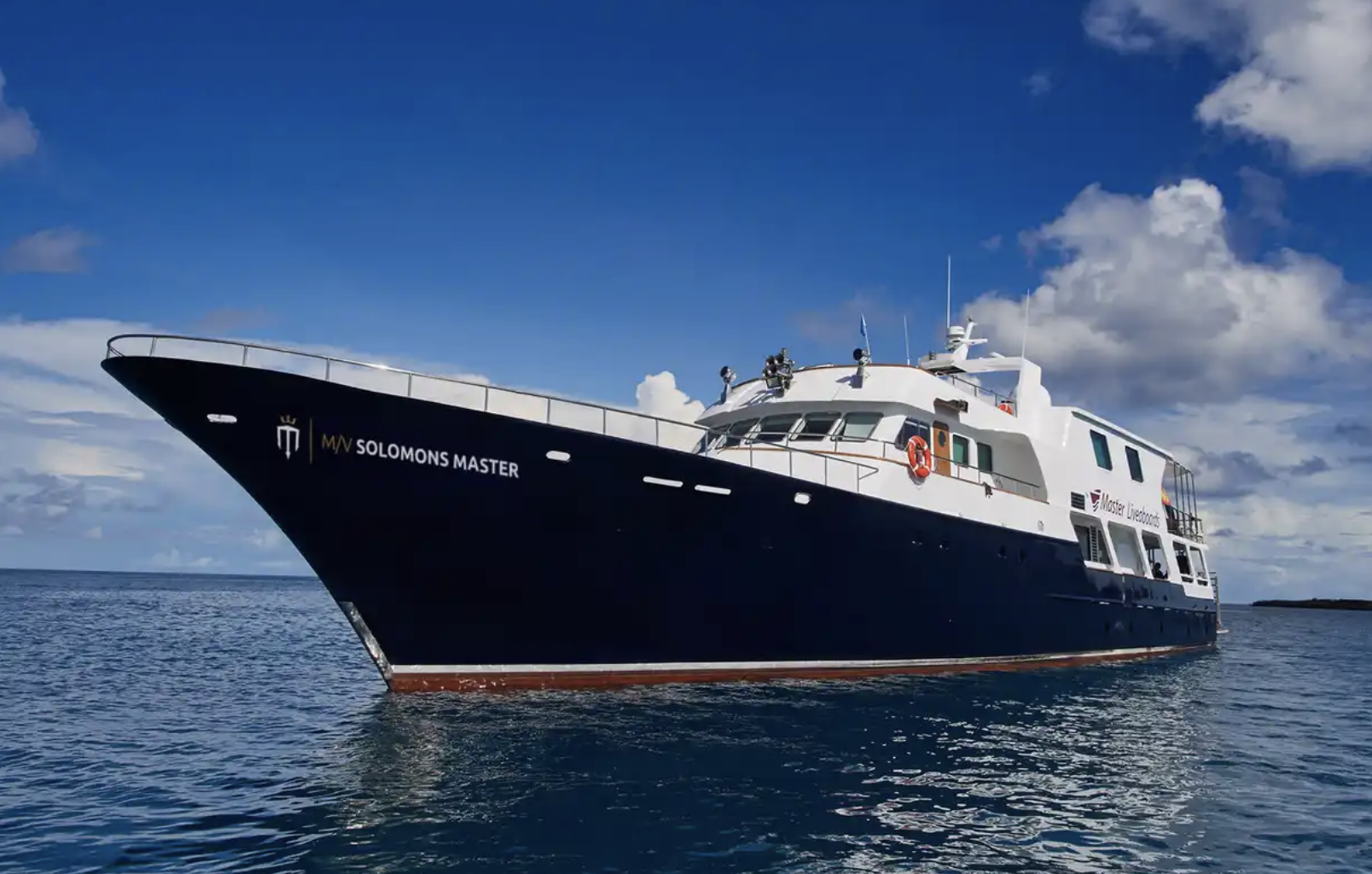
Solomons Master
Solomon Islands
16 guests
$401/day
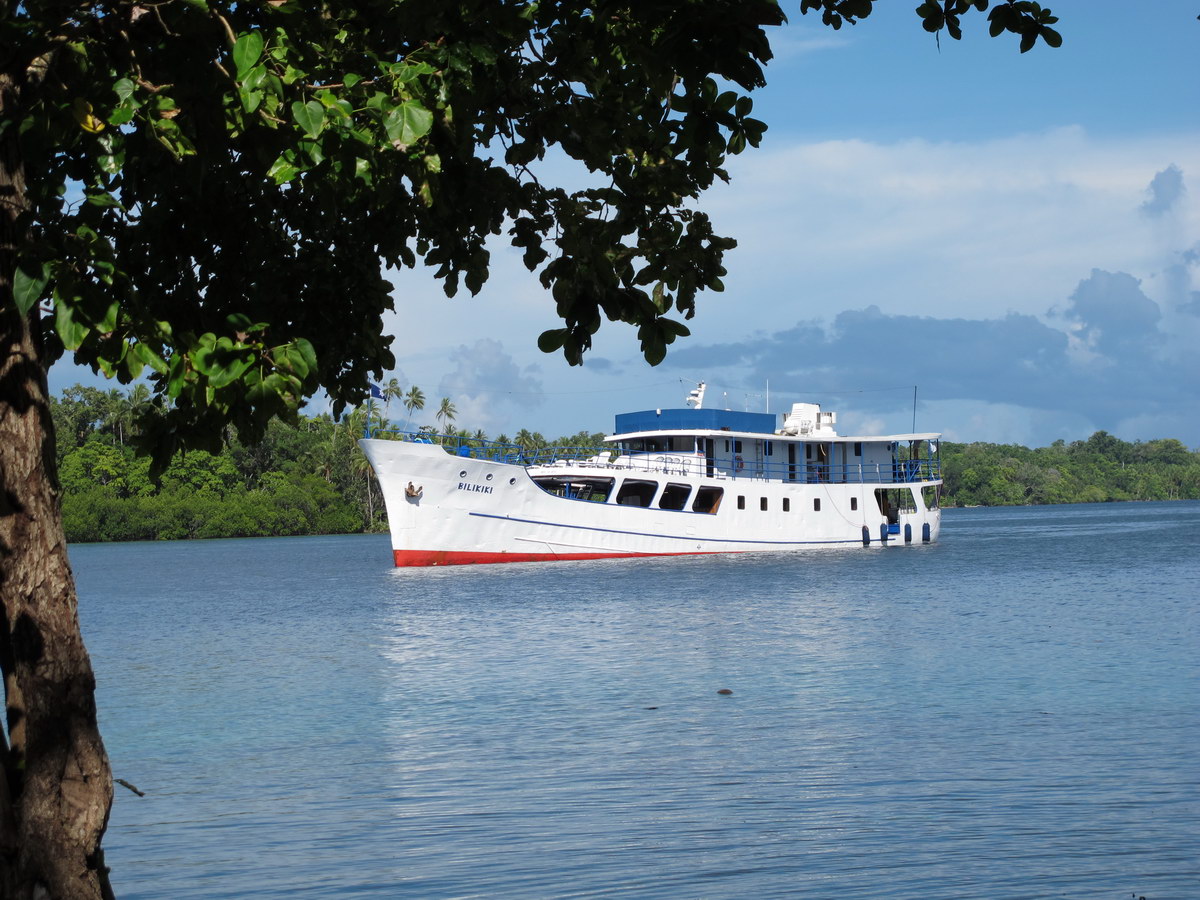
Emperor Bilikiki
Solomon Islands
20 guests38 m
$569/day
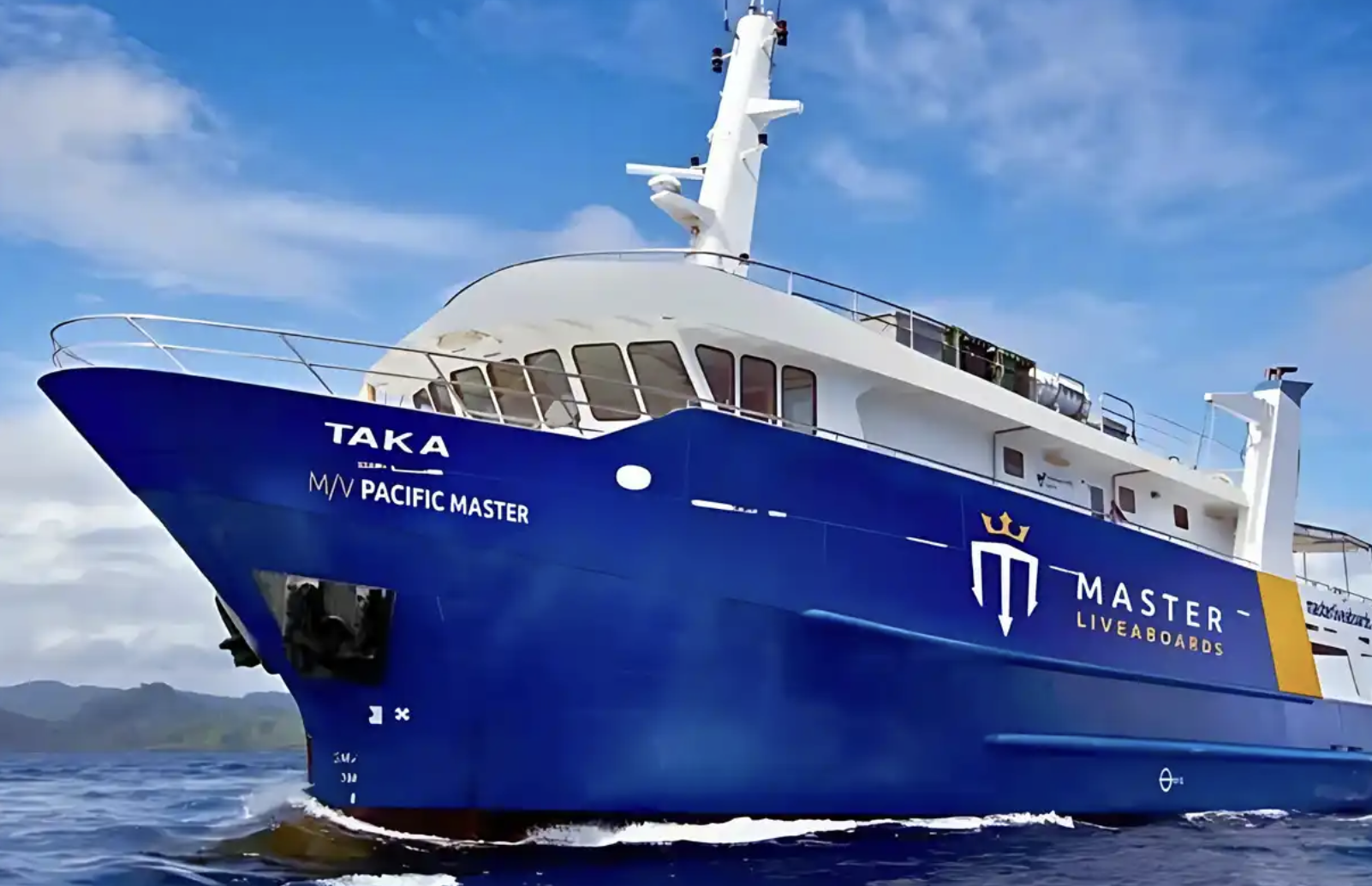
Pacific Master
Solomon Islands
20 guests30 m
$268/day
Dive sites similar to Gatokae - Kavalapu
Same character, same waters — six more sites divers love for the exact same reasons.Compare seasons, access and liveaboard routes — then pick the site that fits your trip best.
© Esri — Maxar, Earthstar, GIS
Mary Island
Solomon Islands
Mary Island, often referred to as Mary's Island, is a celebrated dive destination in the Solomon Islands, renowned for its pristine marine environment and abundant large marine life.
- Suitable for
- Intermediate
- Current
- Mild
- Access
- Liveaboard only
- Depth
- 5–35 m
- Theme
- Wall
© Esri — Maxar, Earthstar, GIS
Karumolun Point
Solomon Islands
Karumolun Point, nestled in the Russell Islands, stands as a prime example of the Solomon Islands' untouched marine beauty.
- Suitable for
- Advanced
- Current
- Strong
- Access
- Liveaboard only
- Depth
- 8–35 m
- Theme
- Pinnacle / Wall
© Esri — Maxar, Earthstar, GIS
Tetepare - South Wall
Solomon Islands
Tetepare - South Wall showcases the untouched beauty of Tetepare, the Southern Hemisphere's largest uninhabited tropical island.
- Suitable for
- Advanced
- Current
- Strong
- Access
- Liveaboard only
- Depth
- 5–50 m
- Theme
- Wall
Kuabs, situated off Munda in the Solomon Islands' Western Province, presents a captivating sloping reef wall dive.
- Suitable for
- Intermediate
- Current
- No current
- Access
- Dayboat
- Depth
- —
- Theme
- Reef / Wall
© Esri — Maxar, Earthstar, GIS
Uepi Point
Solomon Islands
Uepi Point is a renowned dive site located in the Solomon Islands, specifically where the deep oceanic waters of "The Slot" converge with the Marovo Lagoon.
- Suitable for
- Intermediate
- Current
- Strong
- Access
- Liveaboard only
- Depth
- 5–40 m
- Theme
- Wall
© Esri — Maxar, Earthstar, GIS
Tulagi - Twin Tunnels
Solomon Islands
The Twin Tunnels dive site is situated on a seamount approximately one kilometer southeast of Tulagi Island in the Solomon Islands.
- Suitable for
- Advanced
- Current
- Moderate
- Access
- Liveaboard only
- Depth
- 8–22 m
- Theme
- Cave & cavern / Seamount