About Tulagi - Twin Tunnels
The Twin Tunnels dive site is situated on a seamount approximately one kilometer southeast of Tulagi Island in the Solomon Islands. This site is renowned for its distinctive geological features: two ancient lava tubes that plunge vertically from a plateau, creating an exhilarating descent into an expansive horizontal cave system. The seamount rises from depths of several hundred meters, with its plateau topping out at around 16 meters before the tunnels begin their drop. The tunnels themselves are wide enough for divers to navigate comfortably, lined with an array of colorful corals and brightly hued fans as you descend. At a depth of approximately 34 meters, each tunnel opens into a large cave that then leads out onto a dramatic coral-covered wall. This topography creates a unique environment that supports diverse marine ecosystems, from resident cave dwellers to pelagic fish. Marine life is abundant, with hundreds of anemone homes on the plateau hosting at least eight different species of anemonefish. Inside the caves, you can spot nocturnal species like soldierfish, squirrelfish, and bigeyes. Along the wall and on the seamount's current-facing edge, a multitude of reef fish, including angelfish, wrasse, butterflyfish, bannerfish, blanquillos, and schools of fusiliers and midnight snapper, can be observed. The corals here are exceptionally healthy and varied, contributing to a vibrant underwater landscape. Diving the Twin Tunnels typically involves a descent into one of the vertical shafts, exploring the cave and wall section, and then ascending along the seamount's face, making sure to spend time exploring the shallower plateau. The combination of unique geology, healthy corals, and rich marine life makes this a highlight for divers visiting the Florida Islands.
Highlights
Vertical lava tubesAncient seamount diveColorful coral gardensAnemonefish diversityPelagic fish schoolsDramatic coral wallCave exploration
Season calendar
Best months to dive here
Jan
Feb
Mar
Apr
May
Jun
Jul
Aug
Sep
Oct
Nov
Dec
Good
Dive site facts: Tulagi - Twin Tunnels
- Depth
- 16–36 m
- Typical dive
- 30–40 min
- Current
- Mild to moderate
- Visibility
- 30 m+
- Water temperature
- 28–30°C
- Entry
- Liveaboard tender
- Level
- Advanced Open Water
- Dive type
- Wall, cave, seamount
- Night dive
- Possible
- Region / port
- Florida Islands, Tulagi
- Coordinates
- -9.1, 160.15
Conditions & Currents
Currents at Twin Tunnels are generally mild, especially within the protected confines of the tunnels and cave. However, a noticeable current often flows along the outer edges of the seamount, particularly on the side facing the open ocean. This current brings nutrients, attracting various feeding fish species, and is usually manageable without the need for a reef hook. Dives are typically planned to minimize swimming against the current. Visibility is usually excellent, around 30 meters, though occasional fluctuations may occur without a distinct seasonal pattern. Water temperatures are consistently warm, ranging from 28 to 30 degrees Celsius.
Marine life & sighting chances

Anemonefish
common
Soldierfish
occasional
Squirrelfish
occasional
Bigeyes
occasional
Angelfish
common
Wrasse
common
Butterflyfish
common
Bannerfish
common
Blanquillos
common
Fusiliers
common
Midnight Snapper
occasional
Anthias
common
Pygmy Seahorses
occasional
Squat Lobsters
occasionalDive profile & how the dive runs
Your dive at Twin Tunnels begins with a descent from the liveaboard tender onto the seamount's plateau at approximately 16 meters. From there, you will enter one of the two vertical lava tubes, which are spacious enough for comfortable entry, often in a sky-diving posture. You'll descend through the tunnel, observing the colorful fan corals lining its walls, to a depth of about 34 meters. At this depth, the tunnel opens into a large horizontal cave that leads directly out onto a dramatic coral wall. After exploring the cave and the initial section of the wall, the dive typically proceeds by ascending along the wall, exploring the diverse reef life. The final phase involves a safety stop and further exploration of the shallower sections of the seamount plateau, which is rich with anemone gardens and schooling fish, before surfacing to the tender.
Underwater photography
Twin Tunnels offers diverse photographic opportunities, making both wide-angle and macro lenses highly suitable. Wide-angle is ideal for capturing the grandeur of the vertical lava tubes, the silhouette shots from within the cave, and the expansive coral wall and schools of pelagic fish on the seamount's edge. For these shots, external strobes will enhance color and detail in the deeper, darker areas. Macro lenses excel on the plateau and shallower reefs, where you'll find numerous anemonefish, pygmy seahorses, and other small critters hidden among the vibrant corals. Pay close attention to buoyancy, especially when navigating the tunnels and within the cave, to protect the fragile environment and ensure clear shots. Ethical photography dictates maintaining respectful distances from marine life and avoiding disturbing the delicate coral formations.
Combine with nearby dive sites
- Leru Cut
A stunning natural chasm with unique light effects.
- Custom House Reef
Known for diverse reef life and healthy corals.
- P-39 Airacobra Wreck
A shallow plane wreck covered in corals and teeming with fish.
- Honiara - Iron Bottom Sound
Famous for its extensive collection of WWII wrecks.
- Njari Island - Manta Point
Offers opportunities for manta ray encounters.
- Mary Island
Known for large schools of pelagic fish and strong currents.
Getting there & logistics
Diving Twin Tunnels is primarily conducted via liveaboard expeditions, such as the Solomons Master or Bilikiki, which typically depart from Honiara. Most itineraries explore a mix of WWII wrecks, coral gardens, walls, and unique geological formations across the Russell and Florida Islands. Trips usually range from 7 to 10 nights, offering multiple dives per day. International flights typically arrive at Honiara International Airport (HIR). Liveaboards provide tender services to dive sites, offering easy access even for those with mobility considerations. There are no specific entry fees mentioned for this particular dive site, as access is usually managed through liveaboard packages.
Safety & environment
While diving conditions at Twin Tunnels are generally benign with mild currents and warm water, all divers should hold an Advanced Open Water certification due to the depths involved and the cave environment. Maintaining excellent buoyancy control is crucial, especially within the tunnels and cave, to avoid contact with the fragile formations and prevent stirring up silt. The nearest recompression chamber is in Honiara, which is a significant distance. Therefore, comprehensive dive insurance covering emergency medical evacuation is highly recommended. Always dive within your training limits and follow your dive guide's instructions. Ensure your gear is well-maintained, and bring a dive light for exploring the darker sections of the cave.
Who it suits — and who it doesn't
Suited for
- Advanced Open Water Divers
- Underwater photographers
- Divers interested in unique topography
- Marine life enthusiasts
- Liveaboard adventurers
Less suited for
- Beginner divers
- Those uncomfortable with enclosed spaces
- Divers without excellent buoyancy control
- Individuals prone to claustrophobia
- Free divers due to depth and cave environment
FAQ
Tulagi - Twin Tunnels FAQ
What makes the Twin Tunnels unique?
The Twin Tunnels are unique for their two ancient lava tubes that drop vertically through a seamount, leading into a spacious horizontal cave. This geological formation provides an unusual and exciting dive experience, combining cave exploration with a vibrant coral wall and a rich reef top.
What kind of marine life can I expect to see?
You can expect a wide array of marine life, from nocturnal species like soldierfish and bigeyes inside the caves, to numerous reef fish like angelfish, butterflyfish, and wrasse on the seamount. The plateau is home to hundreds of anemonefish, and schools of fusiliers and midnight snapper are often seen in the current-rich areas.
Is the dive suitable for all experience levels?
This dive is best suited for Advanced Open Water certified divers due to the depth (down to 34 meters) and the nature of diving in vertical shafts and a cave system. Good buoyancy control is essential to navigate the tunnels and protect the delicate corals. Beginners may find the site challenging.
What is the visibility and water temperature like?
Visibility is generally excellent, often exceeding 30 meters, though it can vary. The water temperature in the Solomon Islands is consistently warm throughout the year, typically ranging between 28°C and 30°C, making for very comfortable diving.
Are there strong currents at Twin Tunnels?
Currents within the tunnels and cave are usually mild. However, the outer edges of the seamount can experience mild to moderate currents, which are responsible for attracting abundant pelagic fish. Dive plans are typically designed to minimize strenuous swimming against these currents.
How do I access the Twin Tunnels dive site?
Twin Tunnels is primarily accessed via liveaboard dive boats, such as the Solomons Master or Bilikiki, which operate itineraries through the Florida and Russell Islands. These liveaboards provide tender services to bring divers directly to the dive site.
Why dive Tulagi - Twin Tunnels from a liveaboard?
Tulagi - Twin Tunnels is one of Solomon Islands's signature dive sites. A liveaboard sleeps you on the water and puts you in the water for three to four guided dives per day, including dawn and night dives that day-boat operators rarely offer. You skip the daily commute back to port and reach quieter, less-crowded sites in the same region on a single trip.
Below are the liveaboards that include Tulagi - Twin Tunnels on their Solomon Islands itineraries.
Liveaboards diving Tulagi - Twin Tunnels
These liveaboards may visit Tulagi - Twin Tunnels on selected itineraries — the exact dive sites depend on departure, weather and conditions.
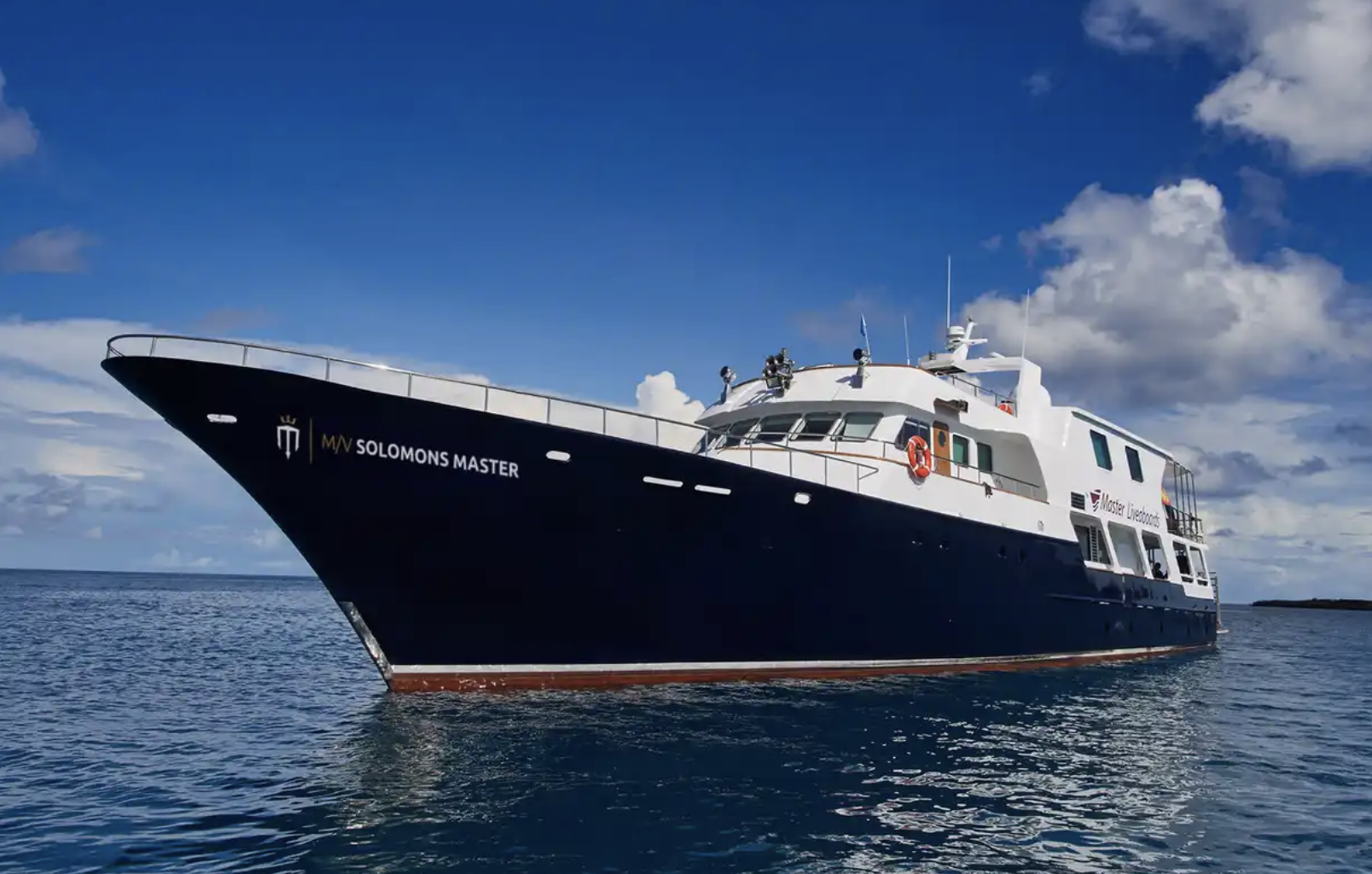
Solomons Master
Solomon Islands
16 guests
$401/day
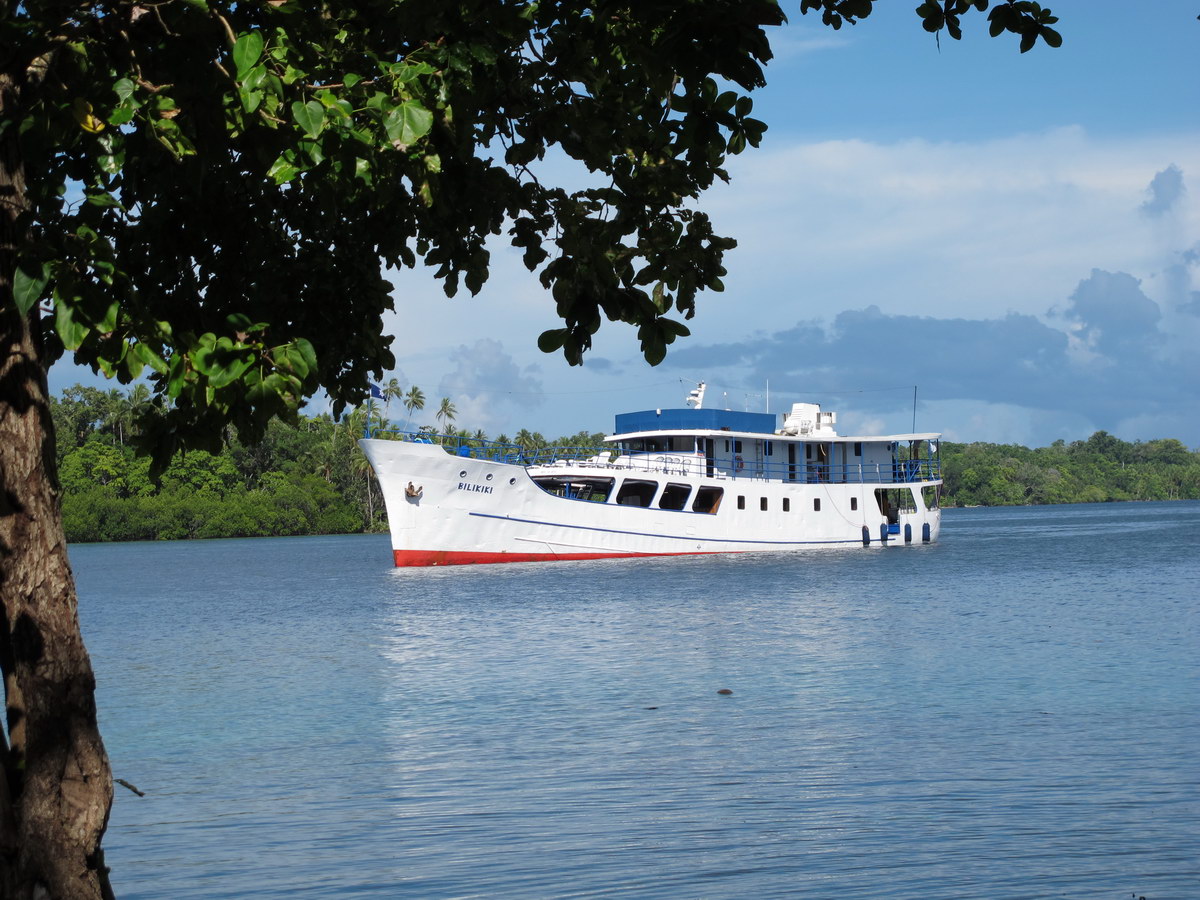
Emperor Bilikiki
Solomon Islands
20 guests38 m
$567/day
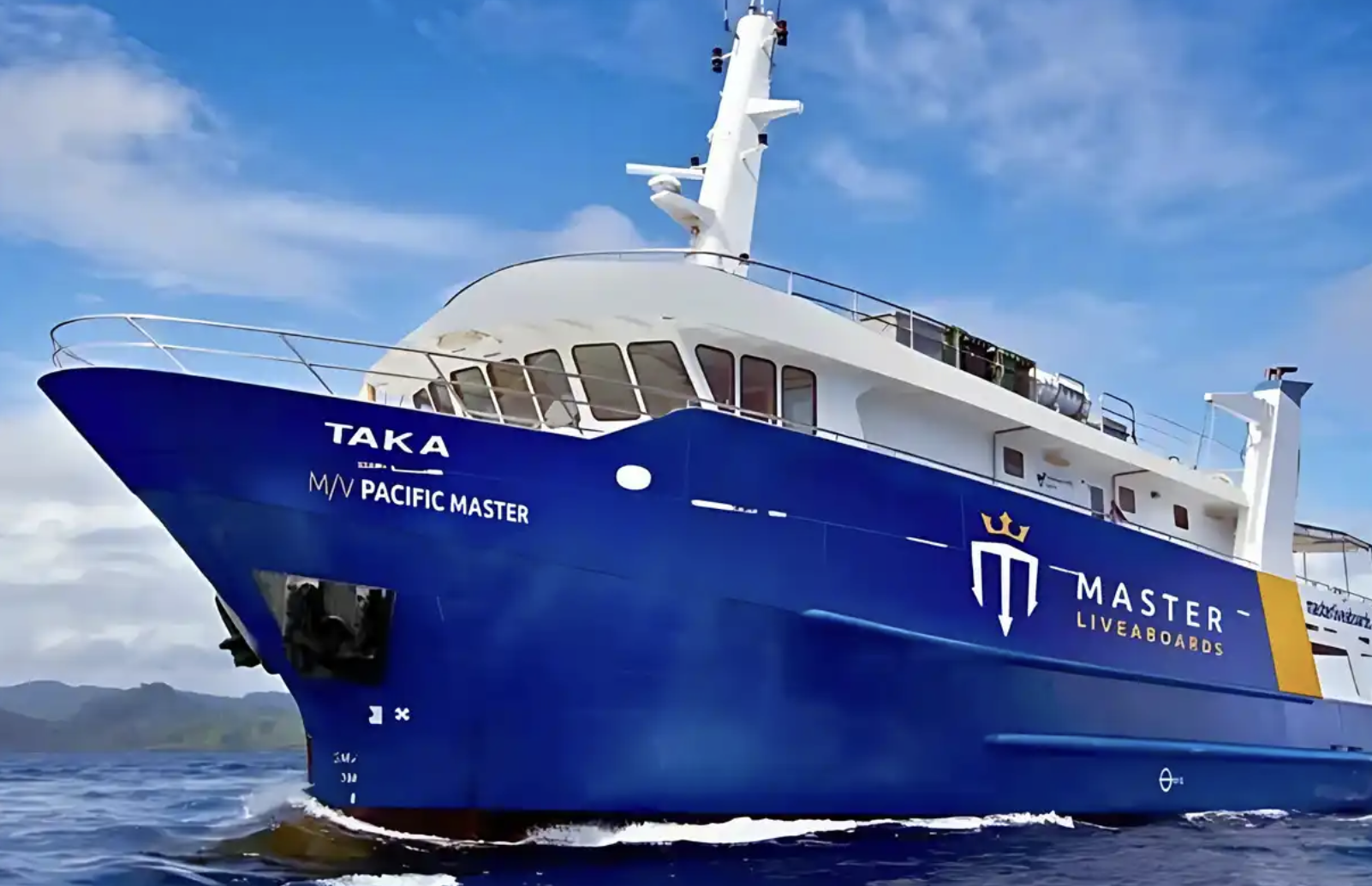
Pacific Master
Solomon Islands
20 guests30 m
$268/day
Dive sites similar to Tulagi - Twin Tunnels
Same character, same waters — six more sites divers love for the exact same reasons.Compare seasons, access and liveaboard routes — then pick the site that fits your trip best.
© Esri — Maxar, Earthstar, GIS
Big La Laguna
Philippines
Big La Laguna is a beach community situated on the western edge of the Sabang Peninsula, a popular dive region on Mindoro Island, Philippines.
- Suitable for
- Intermediate
- Current
- Moderate
- Access
- Dayboat
- Depth
- 5–35 m
- Theme
- Reef / Wall
© Esri — Maxar, Earthstar, GIS
Rusa Pinnacle
Alor
Rusa Pinnacle is a challenging yet highly rewarding dive site situated in the Alor archipelago, part of Indonesia's East Nusa Tenggara.
- Suitable for
- Advanced
- Current
- Strong
- Access
- Liveaboard only
- Depth
- 6–30 m
- Theme
- Reef
Lipah Bay is situated on Bali's northeast coast within the Amed area, nestled against the dramatic backdrop of Gunung Agung.
- Suitable for
- Beginner
- Current
- Mild
- Access
- Liveaboard or dayboat
- Depth
- 5–30 m
- Theme
- Reef / Drift
© Esri — Maxar, Earthstar, GIS
Tangked Cave
Bali
Tangked Cave, sometimes referred to as Tangked Taked Shark Cave, is an advanced dive site situated in the open ocean off Bali's southeastern coast.
- Suitable for
- Advanced
- Current
- Moderate
- Access
- Liveaboard or dayboat
- Depth
- 15–40 m
- Theme
- Cave & cavern / Reef
© Esri — Maxar, Earthstar, GIS
Schools Out
Alor
Schools Out in Alor offers divers an exceptional encounter with healthy coral reefs and a rich variety of marine species.
- Suitable for
- Intermediate
- Current
- Mild
- Access
- Liveaboard only
- Depth
- 20–30 m
- Theme
- Reef
© Esri — Maxar, Earthstar, GIS
Batununggul
Bali
Batununggul, also known as Suana or Batumulapan by some operators, is a dynamic wall and sloping reef dive site situated on the eastern side of Nusa Penida, Bali.
- Suitable for
- Advanced
- Current
- Strong
- Access
- Liveaboard or dayboat
- Depth
- 10–40 m
- Theme
- Wall