About Njari Island - Manta Point
Njari Island's Manta Point is a renowned dive site within the Solomon Islands, celebrated for its consistent manta ray sightings. Located in a region famous for its pristine coral reefs and abundant marine life, this site provides divers with a unique opportunity to observe these graceful creatures in their natural habitat. The topography of Manta Point typically involves current-swept pinnacles and channels, creating ideal conditions for manta rays to feed or visit cleaning stations. Depths can vary, but the primary action often occurs along reef edges and plateaus, making it accessible for a range of dive experiences. The site is characterized by healthy coral growth, which supports a rich ecosystem attracting various reef fish and pelagic species. While manta ray sightings are a significant draw, the site also boasts a vibrant community of other marine life. Divers can expect to encounter reef sharks, schooling barracuda, trevally, and diverse reef fish. The healthy hard and soft corals create a beautiful backdrop, enhancing the overall underwater experience. Diving here usually involves tender boat entries, offering convenient access to the site. The currents, while attracting the larger marine life, are generally manageable and dives are often planned to minimize swimming against them. This allows for an enjoyable drift dive experience, maximizing the chances of pelagic encounters.
Highlights
Manta ray encountersCurrent-swept channelsPristine coral reefsAbundant reef sharksSchooling pelagic fishDiverse reef ecosystem
Season calendar
Best months to dive here
Jan
Feb
Mar
Apr
May
Jun
Jul
Aug
Sep
Oct
Nov
Dec
Excellent
Good
Dive site facts: Njari Island - Manta Point
- Depth
- 5–30 m
- Typical dive
- 15–25 m, 50–60 min
- Current
- Mild to strong
- Visibility
- 25–40 m
- Water temperature
- 28–30°C
- Entry
- Tender / negative entry
- Level
- Advanced recommended
- Dive type
- Drift, pelagic, reef
- Night dive
- Possible
- Region / port
- Western Province / Munda
- Coordinates
- -8.2, 157.38
Conditions & Currents
Currents at Manta Point are an integral part of the dive experience, as they attract the manta rays and other large pelagic species to the site. These currents can range from mild to strong, depending on tidal movements and lunar cycles, and are typically present along the pinnacles and channels where mantas are most frequently observed. Dive operators usually plan dives to drift with the current, minimizing exertion and maximizing opportunities for encounters. Entry is typically via tender boat, with divers dropping in directly into the current, often requiring a negative entry. Visibility is generally excellent, often exceeding 30 meters, but strong currents can sometimes stir up plankton, which, while reducing visibility slightly, also brings in the feeding mantas. Divers should be comfortable with drift diving and competent in current management to fully enjoy this site.
Marine life & sighting chances
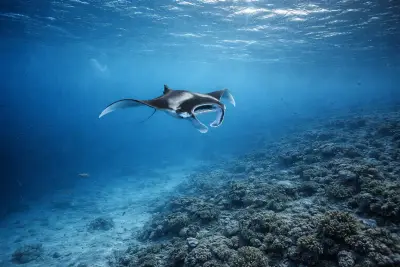
Manta Ray
common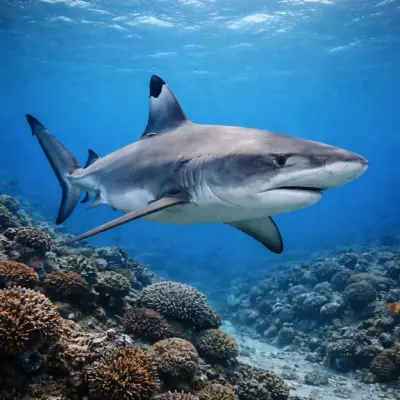
Grey Reef Shark
common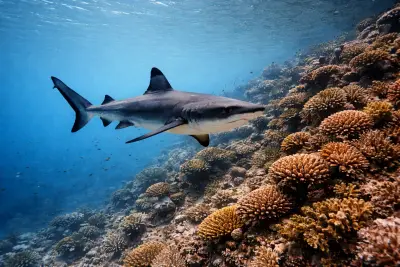
Blacktip Reef Shark
occasional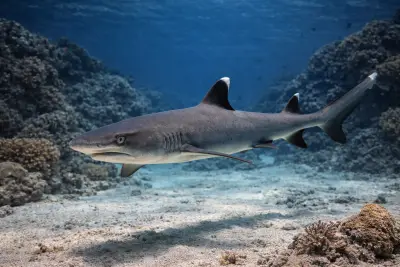
Whitetip Reef Shark
common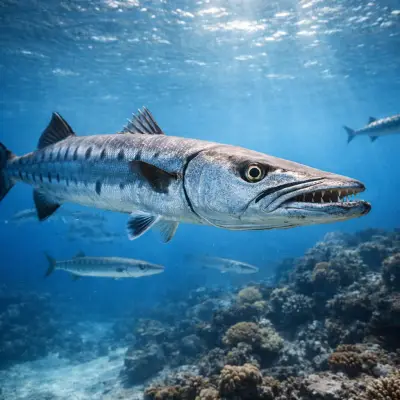
Barracuda
common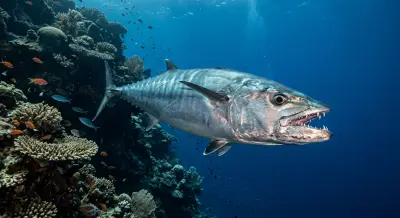
Dogtooth Tuna
occasional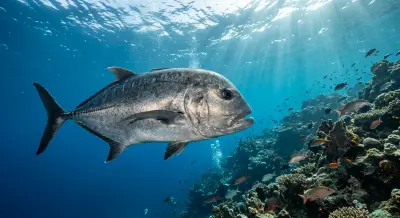
Giant Trevally
common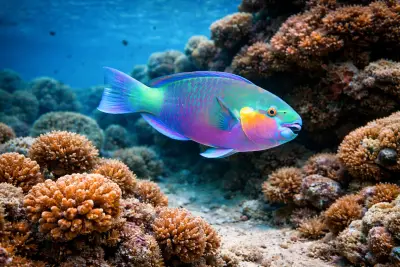
Humphead Parrotfish
occasional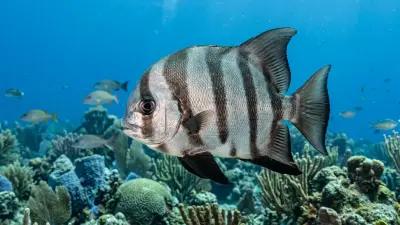
Spadefish
common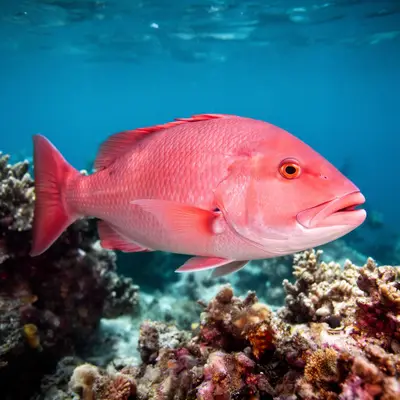
Snapper
common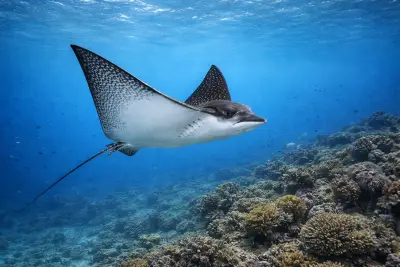
Eagle Ray
rare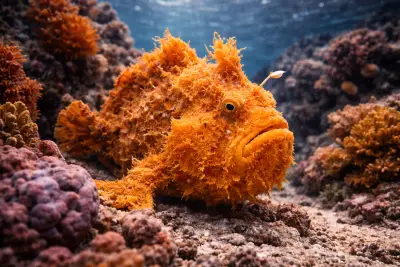
Frogfish
occasional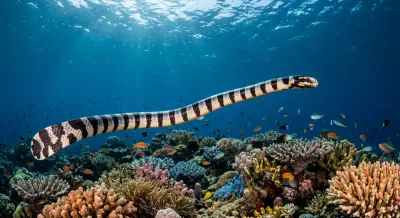
Banded Sea Snake
occasionalDive profile & how the dive runs
Your dive at Njari Island's Manta Point typically begins with a tender boat drop-off directly onto the dive site, often requiring a negative entry to descend quickly into the current. The general plan is a drift dive along the reef wall or over pinnacles, where manta rays frequent for feeding or cleaning. You will typically descend to a maximum depth of 25-30 meters to observe the broader reef structure and pelagic activity, slowly ascending as the dive progresses. The dive guide will lead you to optimal viewing spots, often pointing out mantas as they glide by. The turn point is usually dictated by air consumption or current direction, with the boat picking you up downstream. Safety stops are performed in the shallower sections of the reef, often around 5-7 meters, where vibrant reef fish can be observed.
Underwater photography
Njari Island's Manta Point offers excellent opportunities for both wide-angle and macro photography, though wide-angle is often preferred for capturing the mantas and schooling fish. For wide-angle, a rectilinear wide-angle lens (e.g., 16-35mm equivalent) or a fisheye lens is ideal to encompass the mantas and expansive reefscapes. Fast recycle time strobes are beneficial for capturing multiple frames of passing pelagics. For macro enthusiasts, especially during the safety stop in shallower areas, a 60mm or 100mm equivalent lens will allow for capturing the vibrant nudibranchs, gobies, and small crustaceans hiding in the coral. Buoyancy control is paramount, especially when strong currents are present, to avoid disturbing the delicate coral and marine life. Approach subjects slowly and avoid direct flashes on sensitive animals like mantas, especially at cleaning stations.
Combine with nearby dive sites
- Munda - Shark Point
Known for multiple shark species and schooling fish action, a short ride from dive operations.
- Tetepare - South Wall
Remote, pristine diving with healthy reefs and diverse marine life.
- Marovo Lagoon - Coral Gardens
Famous for healthy coral reefs and abundant macro life in crystal-clear waters.
- Uepi Point
Dramatic wall dive with large schools of fish, sharks, and occasional eagle rays.
Getting there & logistics
Access to Njari Island's Manta Point typically starts with international flights to Honiara International Airport (HIR) on Guadalcanal, with direct connections from Australia and regional hubs. From Honiara, divers usually take local flights or charter boats to the Western Province, specifically to Munda or Gizo, which serve as common departure points for liveaboards or resort-based diving. Most dive trips focusing on this area are part of liveaboard itineraries, which are the most practical way to explore the diverse sites of the Solomon Islands in a single trip. Liveaboards generally offer 7 to 14-day itineraries. Park fees and local dive permits are usually included in liveaboard packages, but it's always wise to confirm with your operator.
Safety & environment
Diving at Njari Island's Manta Point, particularly with its currents, requires divers to be current-competent. All divers should maintain excellent buoyancy control and stay close to their dive guides, especially in areas with stronger water movement. The nearest recompression chamber is located in Honiara, the capital. In the event of a dive emergency requiring chamber treatment, evacuation would involve local boat transfer followed by an air transfer to Honiara, which can be time-consuming due to the remote location of many dive sites. Therefore, comprehensive dive insurance covering emergency medical treatment and evacuation is absolutely essential. Always dive within your training limits and adhere to your dive plan. Listen carefully to your dive brief regarding current conditions and entry/exit procedures.
Who it suits — and who it doesn't
Suited for
- Experienced divers comfortable with currents
- Underwater photographers seeking pelagic action
- Liveaboard enthusiasts
- Divers interested in healthy coral reef ecosystems
- Those seeking encounters with manta rays
Less suited for
- Beginner divers without current experience
- Divers prone to seasickness on longer crossings
- Those who prefer minimal current dives
- Divers expecting guaranteed rare macro critters
FAQ
Njari Island - Manta Point FAQ
What kind of manta rays can I expect to see at Njari Island?
At Njari Island's Manta Point, you primarily expect to encounter reef manta rays. These graceful pelagics are often seen cruising along the current-swept channels or visiting cleaning stations on the reef. While not as large as oceanic mantas, they offer spectacular viewing opportunities in the clear waters of the Solomon Islands.
Are the currents strong at Manta Point?
The currents at Manta Point can vary from mild to strong, depending on tidal conditions and lunar phases. Stronger currents are often what attract the manta rays and other pelagic fish, making it an exciting drift dive. Divers should be comfortable with drift diving techniques and possess good buoyancy control to enjoy the site safely.
What is the best time of year for manta ray sightings?
Manta ray sightings are possible year-round at Manta Point, but the dry season from April to November generally offers the calmest seas and best visibility, enhancing the overall dive experience. During these months, conditions are optimal for observing these majestic creatures, though they are not strictly seasonal visitors.
Is Njari Island suitable for underwater photography?
Yes, Njari Island is excellent for underwater photography. Wide-angle lenses are recommended to capture the expansive reefscapes and the manta rays. While the primary draw is pelagic action, the healthy corals and diverse reef fish also provide opportunities for macro photography, especially during shallower safety stops.
How do I typically access Njari Island's Manta Point?
Access to Njari Island's Manta Point is predominantly via liveaboard boats operating out of the Western Province, often departing from Munda or Gizo. Divers typically fly into Honiara and then take domestic transfers to these regional hubs. Liveaboards provide the most practical way to reach and dive this remote yet rewarding site.
Why dive Njari Island - Manta Point from a liveaboard?
Njari Island - Manta Point is one of Solomon Islands's signature dive sites. A liveaboard sleeps you on the water and puts you in the water for three to four guided dives per day, including dawn and night dives that day-boat operators rarely offer. You skip the daily commute back to port and reach quieter, less-crowded sites in the same region on a single trip.
Below are the liveaboards that include Njari Island - Manta Point on their Solomon Islands itineraries.
Liveaboards diving Njari Island - Manta Point
These liveaboards may visit Njari Island - Manta Point on selected itineraries — the exact dive sites depend on departure, weather and conditions.
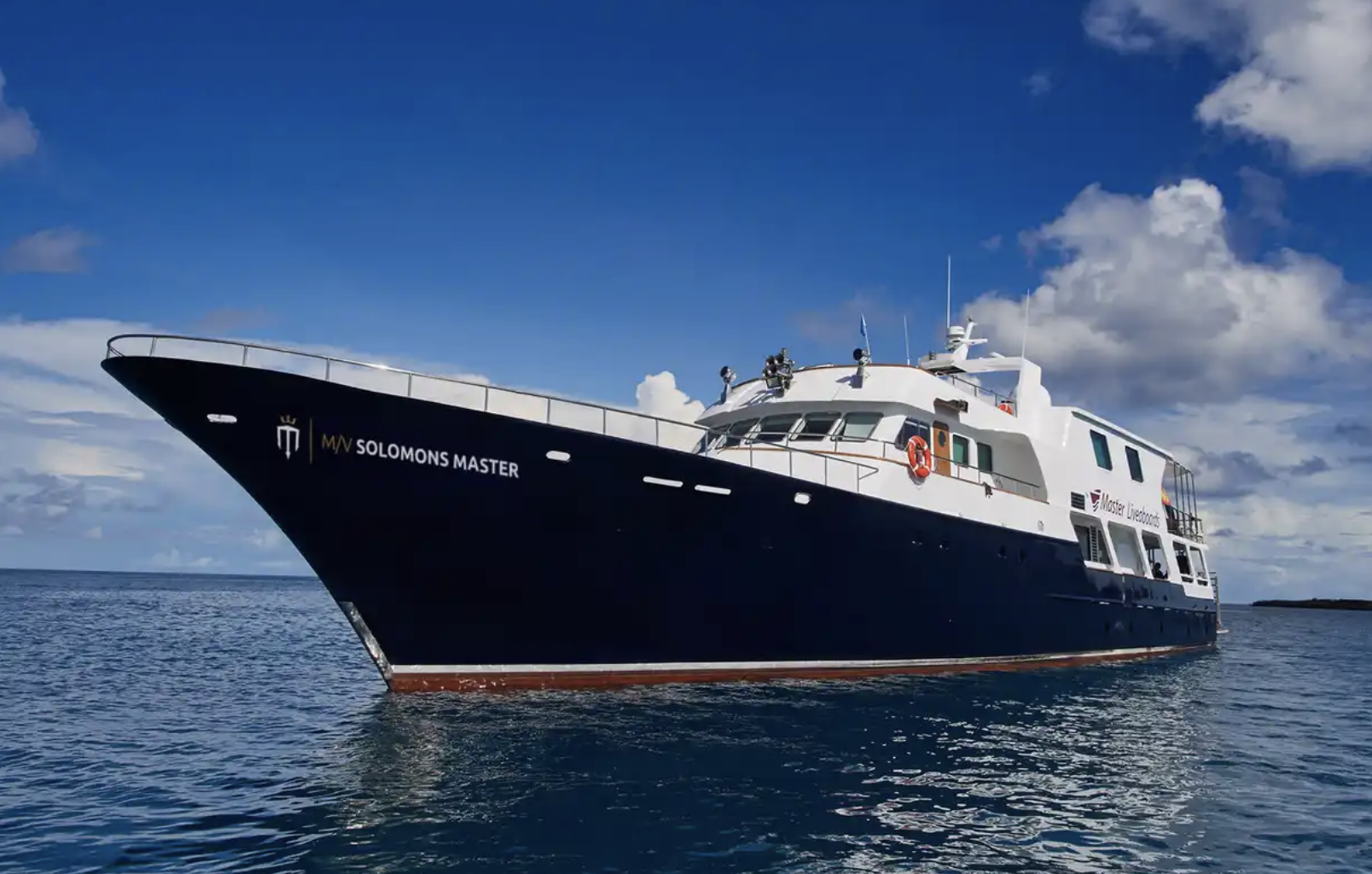
Solomons Master
Solomon Islands
16 guests
$401/day
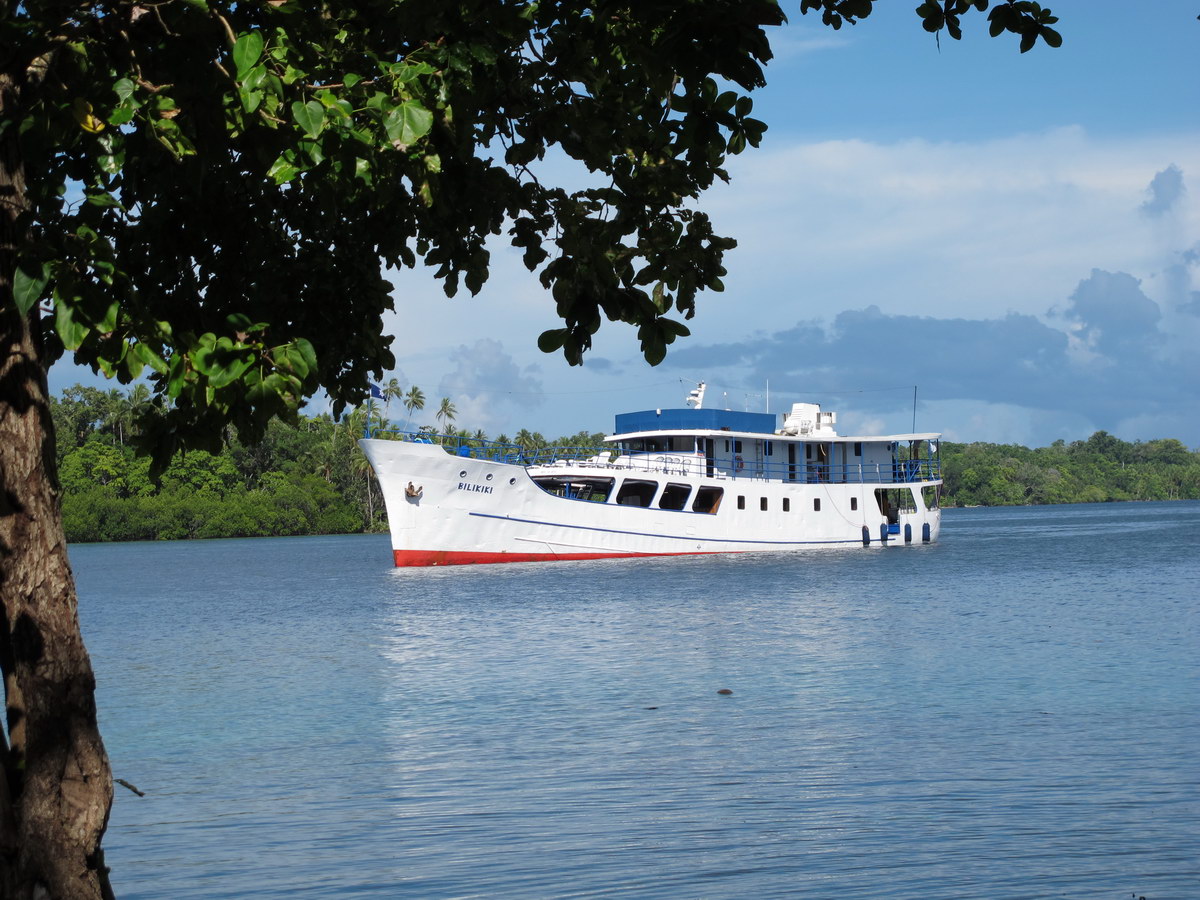
Emperor Bilikiki
Solomon Islands
20 guests38 m
$569/day
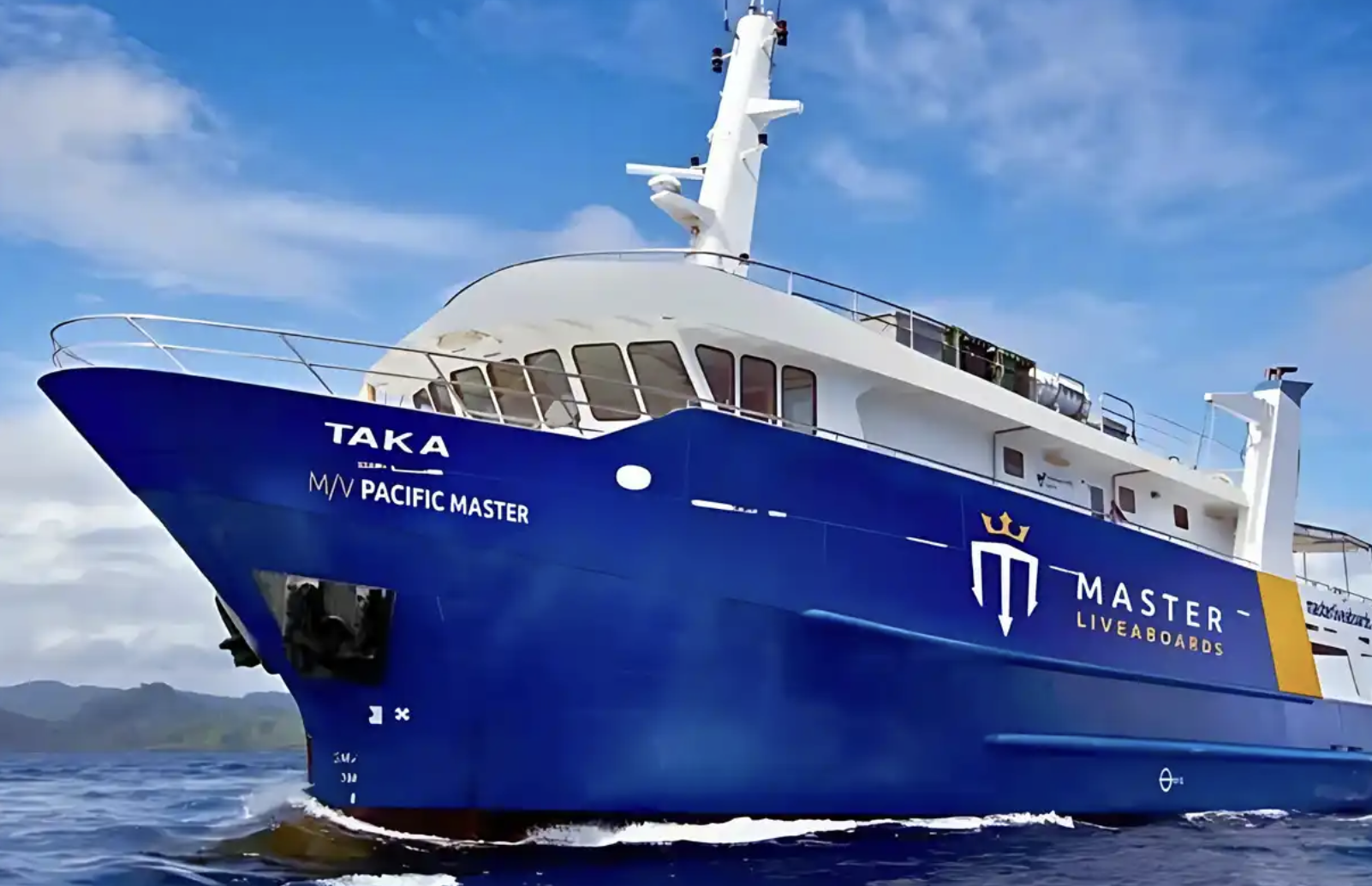
Pacific Master
Solomon Islands
20 guests30 m
$268/day
Dive sites similar to Njari Island - Manta Point
Same character, same waters — six more sites divers love for the exact same reasons.Compare seasons, access and liveaboard routes — then pick the site that fits your trip best.
© Esri — Maxar, Earthstar, GIS
Mbili Passage
Solomon Islands
Mbili Passage is a captivating dive site located within the New Georgia Island group in the Western Province of the Solomon Islands.
- Suitable for
- Advanced
- Current
- Strong
- Access
- Liveaboard only
- Depth
- 10–30 m
- Theme
- Drift
© Esri — Maxar, Earthstar, GIS
Sandfly Passage
Solomon Islands
Sandfly Passage, located near the Florida Islands, is a dynamic dive site renowned for its exhilarating drift dives and incredible coral diversity.
- Suitable for
- Advanced
- Current
- Strong
- Access
- Liveaboard only
- Depth
- 10–35 m
- Theme
- Drift / Wall
© Esri — Maxar, Earthstar, GIS
Mborokua (Devil's Island)
Solomon Islands
Mborokua, commonly known as Mary Island or Devil's Island, stands as a remote and thrilling dive destination within the Solomon Islands archipelago.
- Suitable for
- Advanced
- Current
- Strong
- Access
- Liveaboard only
- Depth
- 10–40 m
- Theme
- Drift / Wall
© Esri — Maxar, Earthstar, GIS
Bonegi I & II
Solomon Islands
Bonegi I (Hirokawa Maru) and Bonegi II (Kinugawa Maru) are two Japanese transport ships resting off Guadalcanal's northwestern coast, approximately 12 kilometers west of Honiara.
- Suitable for
- Intermediate
- Current
- Mild
- Access
- Shore / dayboat
- Depth
- 3–55 m
- Theme
- Wreck
© Esri — Maxar, Earthstar, GIS
Kolombangara - Crocodile Reef
Solomon Islands
Kolombangara's Crocodile Reef, nestled in the Western Province of the Solomon Islands, stands out as a prime example of the region's unspoiled marine ecosystems.
- Suitable for
- Intermediate
- Current
- Strong
- Access
- Liveaboard only
- Depth
- 5–22 m
- Theme
- Reef / Wall
© Esri — Maxar, Earthstar, GIS
Custom House Reef
Solomon Islands
Custom House Reef in the Solomon Islands is a highly regarded dive site, notable for its exceptional biodiversity and healthy coral ecosystems.
- Suitable for
- Beginner
- Current
- Mild
- Access
- Liveaboard only
- Depth
- 3–15 m
- Theme
- Cave & cavern / Reef