About Adonara Wall
Adonara is an Indonesian island dive site, renowned for its vibrant underwater topography characterized by submerged seamounts. These seamounts boast a thriving ecosystem with a diverse blend of hard and soft corals, creating a rich habitat for various marine species. The typically clear blue waters surrounding Adonara make it an exceptional location for observing both common reef inhabitants and larger, more elusive pelagic species. Divers can expect to encounter diverse marine life, ranging from jacks and tunas to blacktip and grey reef sharks, with juvenile silvertip sharks also frequently patrolling the area. The Banda Sea's intermonsoon periods, specifically April to May and mid-September to November, offer the most favorable diving conditions due to calmer seas and improved visibility. Liveaboard experiences in this region typically involve multiple dives per day, providing ample opportunity to explore the rich biodiversity. The dive site's dynamic environment attracts significant pelagic activity, making it a hotspot for shark sightings. The seamounts act as natural magnets, drawing in a variety of predators that thrive in the nutrient-rich waters of the Banda Sea. The exceptional coral coverage on the seamounts indicates a healthy and robust reef system, contributing to the overall abundance and diversity of marine life. This combination of structural complexity and biological richness ensures a captivating dive experience for those exploring Adonara. While specific current information for Adonara Wall isn't detailed, dive briefings on liveaboards generally cover site features, marine life, entry/exit techniques, and safety signals before each dive. This ensures divers are well-prepared for the conditions at hand. These remote Indonesian dive locations, often accessed via liveaboard, cater to divers seeking pristine and biodiverse underwater environments, offering a full daily schedule of dives punctuated by meals and relaxation.
Highlights
Pygmy seahorses on sea fansNapoleon wrasseBumphead parrotfish schoolsPristine hard coral wall
Season calendar
Best months to dive here
Jan
Feb
Mar
Apr
May
Jun
Jul
Aug
Sep
Oct
Nov
Dec
Excellent
Good
Dive site facts: Adonara Wall
- Depth
- 5–30 m+
- Typical dive
- 15–25 m, 45–55 min
- Current
- Strong, unpredictable
- Visibility
- 15–30 m
- Water temperature
- 27–30°C
- Entry
- Negative entry from tender
- Level
- Advanced, drift experience recommended
- Dive type
- Wall, drift, pelagic
- Night dive
- Not typical due to currents
- Region / port
- Alor / Forgotten Islands
- Coordinates
- -8.3034, 124.3123
Conditions & Currents
Adonara Wall is characterized by strong, often unpredictable currents that define the drift diving experience. Divers typically execute a negative entry to quickly descend and avoid being swept away from the wall's desired starting point. Understanding current direction and strength is paramount, as the flow can carry divers along the reef at considerable speed, necessitating efficient air consumption and streamlined body positioning. While exhilarating, these currents demand advanced diving skills and excellent buoyancy control to prevent accidental contact with the reef. Visibility remains generally good, but strong currents can sometimes stir up plankton. Divers should be prepared for varying depths as the current dictates the drift, and maintaining situational awareness is crucial for buddy teams and overall group safety.
Marine life & sighting chances

Giant Trevally
common
Barracuda
common
Snapper
common
Fusiliers
common
Reef Sharks
occasional
Tuna
occasional
Napoleon Wrasse
occasional
Moray Eel
common
Pygmy Seahorse
rare
Nudibranchs
occasionalDive profile & how the dive runs
Diving Adonara Wall begins with a negative entry from a tender, ensuring a swift descent to the desired depth along the wall to avoid being swept past the site by the strong currents. Divers will then drift along the vibrant reef, generally maintaining a depth between 15-25 meters, observing the schooling fish and coral formations. The dive route is dictated by the current's direction, often covering significant distances along the wall. Pay close attention to your dive guide, who will lead the drift and manage depth changes, potentially guiding you to sheltered sections or shallower areas of the wall. The turn point is determined by air consumption and current conditions. Safety stops are typically performed in the blue, potentially using a reef hook if conditions permit a brief hold, or as a free-drifting ascent with an SMB deployed for boat pickup. The dive concludes with surface retrieval by the liveaboard tender, which tracks the divers throughout the drift.
Underwater photography
Adonara Wall's strong currents and pelagic action make it ideal for wide-angle photography, especially with subjects like schooling barracuda or trevally. A sturdy housing and reliable strobes are essential to cut through any potential plankton blooms and bring out the vibrant colors of the hard and soft corals. For macro subjects like nudibranchs or pygmy seahorses, which can be found in more sheltered sections, consider a dedicated macro lens but be mindful of the current. Buoyancy control is paramount to avoid reef contact during drifts, which is particularly crucial for photographers maneuvering bulky equipment. When using reef hooks, ensure ethical placement on non-living rock to minimize environmental impact.
Combine with nearby dive sites
- Suanggi Island
Known for hammerhead shark sightings and vibrant reefs.
- Hatta Island Reef
Offers diverse marine life and healthy coral gardens.
- Mandolin Point
A drift dive site with impressive currents and pelagic encounters.
- Shark Close
Famous for various shark species and schooling fish.
- The Cathedral
Features unique underwater topography and rich biodiversity.
Getting there & logistics
Access to Adonara Wall typically involves liveaboard trips that explore the Alor or Forgotten Islands region of Indonesia. International flights generally arrive at major hubs like Jakarta (CGK) or Denpasar (DPS), followed by domestic flights to regional airports such as Labuan Bajo (LBJ) for Komodo departures, or further east to smaller airports depending on the specific liveaboard itinerary. Most liveaboard trips in this region range from 7 to 12 nights, offering comprehensive exploration of multiple remote dive sites. Park fees and permits, such as the Raja Ampat Marine Park Entry Permit, are often included in liveaboard packages, but it's essential to confirm. Adonara Wall is usually integrated into itineraries that transit between Raja Ampat and Komodo, particularly during the transition months of April/May and September/October, allowing divers to experience these remote and less-frequented areas.
Safety & environment
Diving at Adonara Wall demands a high level of diver proficiency due to strong and unpredictable currents. All divers must carry valid dive insurance that covers emergency evacuation and recompression chamber treatments, as the nearest recompression facilities are located in Bali or Manado, requiring significant travel time and complex logistics. Evacuation from this remote region typically involves air transfer, which can be costly and time-consuming. Divers should be skilled in drift diving techniques, including negative entries, maintaining buddy contact in current, and deploying surface marker buoys (SMBs). Strict adherence to the dive guide's briefing is mandatory, and divers should be proficient in air management, as fighting currents can rapidly deplete gas supply. Reef hooks may be used responsibly on non-living rock to secure position during safety stops or observation, but never on live coral.
Who it suits — and who it doesn't
Suited for
- Experienced drift divers
- Advanced Open Water divers
- Photographers seeking wide-angle opportunities
- Divers comfortable with strong currents
- Those seeking pelagic encounters
Less suited for
- Novice divers
- Divers prone to seasickness
- Those uncomfortable with strong currents
- Divers with limited buoyancy control
- Macro photographers focused solely on stationary subjects
FAQ
Adonara Wall FAQ
What kind of marine life can I expect at Adonara Wall?
Adonara Wall is teeming with diverse marine life, largely due to its strong currents. You can frequently encounter large schools of fish like barracuda, snappers, and fusiliers. Pelagic species such as various reef sharks and tuna are also often seen patrolling the wall, making it a dynamic environment for sightings.
How strong are the currents at Adonara Wall?
The currents at Adonara Wall are generally strong and can be unpredictable, making it a premier drift diving destination. Divers must be prepared for swift movements along the reef, requiring excellent buoyancy control and efficient air consumption. These powerful currents are precisely what attract the abundant schooling fish and pelagic life.
Is Adonara Wall suitable for beginner divers?
Adonara Wall is not recommended for beginner divers. The strong, often unpredictable currents and the need for advanced drift diving skills make it more suitable for experienced and Advanced Open Water certified divers. Novice divers may find the conditions challenging and potentially overwhelming.
What is the visibility like at Adonara Wall?
Visibility at Adonara Wall is typically very good, ranging from 15 to 30 meters, especially during the dry season. While strong currents can sometimes stir up plankton, the generally clear waters provide excellent conditions for viewing the extensive coral formations and marine life that inhabit the wall.
Do I need special equipment for diving Adonara Wall?
For diving Adonara Wall, it is highly recommended to have a surface marker buoy (SMB) for safety and a reef hook. An SMB is crucial for signaling your position to the liveaboard tender after a drift dive, and a reef hook can be useful for securing yourself to non-living rock during safety stops or to observe marine life in strong currents without disturbing the reef.
Why dive Adonara Wall from a liveaboard?
Adonara Wall is one of Indonesia's signature dive sites. A liveaboard sleeps you on the water and puts you in the water for three to four guided dives per day, including dawn and night dives that day-boat operators rarely offer. You skip the daily commute back to port and reach quieter, less-crowded sites in the same region on a single trip.
Below are the liveaboards that include Adonara Wall on their Indonesia itineraries.
Liveaboards diving Adonara Wall
These liveaboards may visit Adonara Wall on selected itineraries — the exact dive sites depend on departure, weather and conditions.
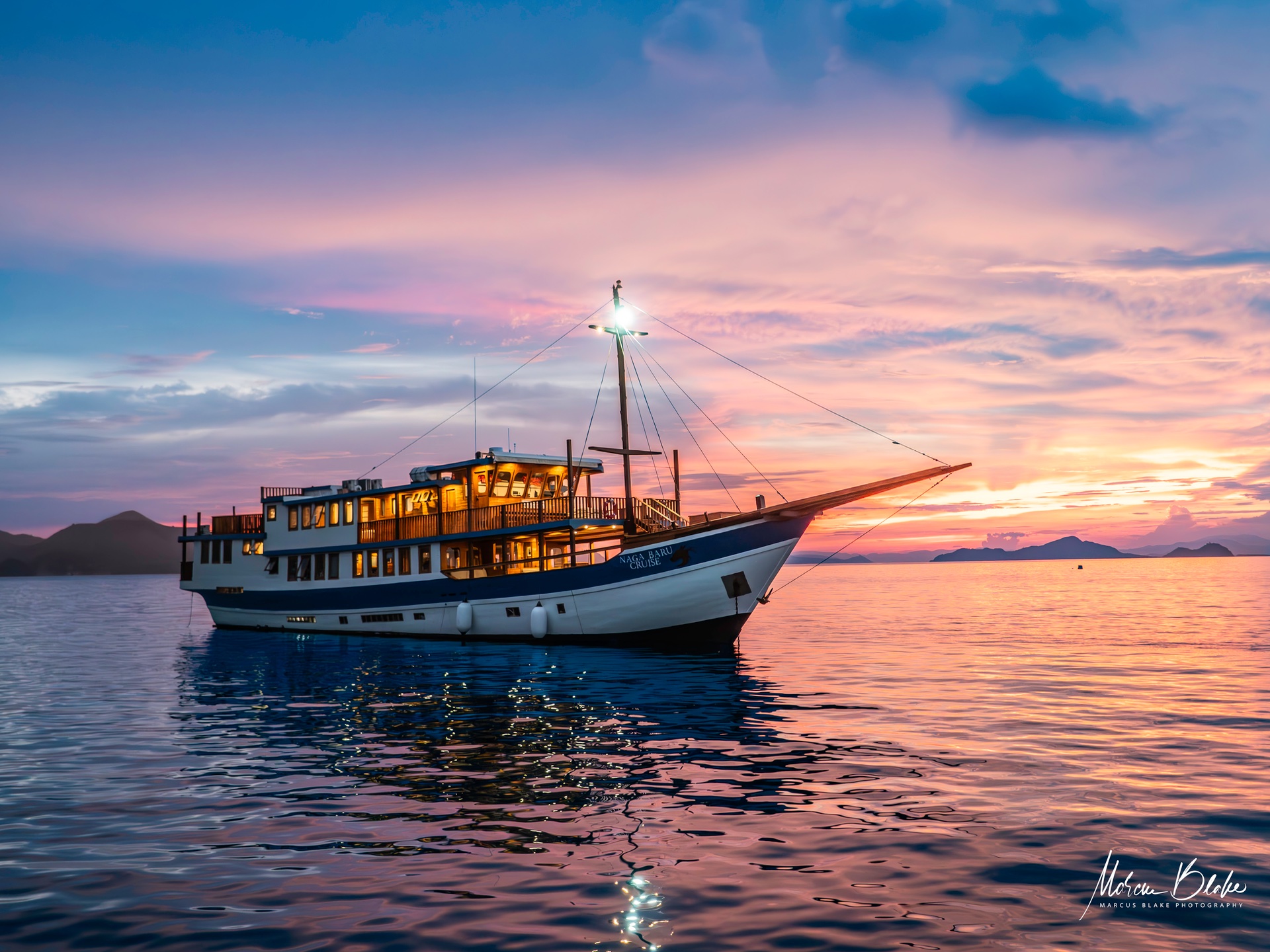
Naga Biru
Indonesia
12 guests40 m
$273/day
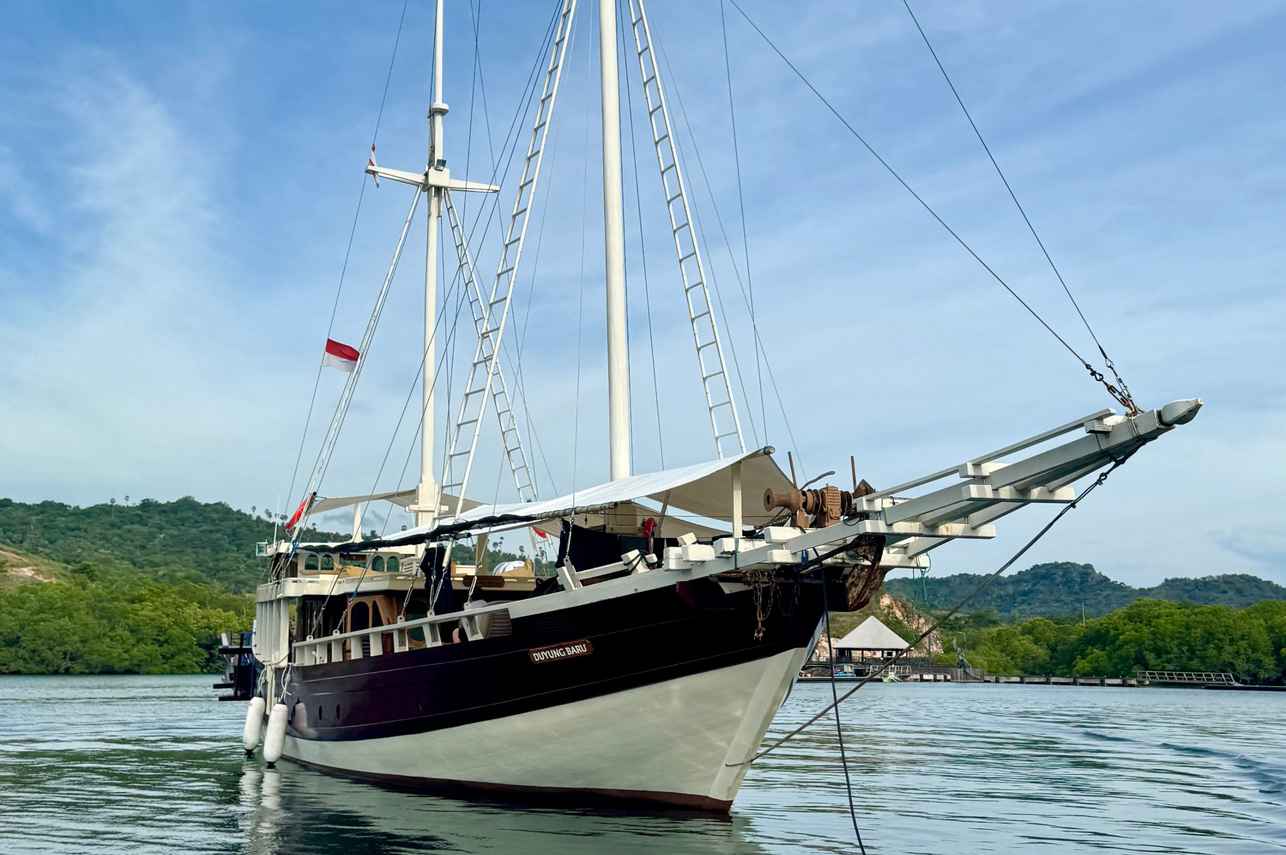
Ecopro Duyung Baru
Indonesia
6 guests27 m
$361/day
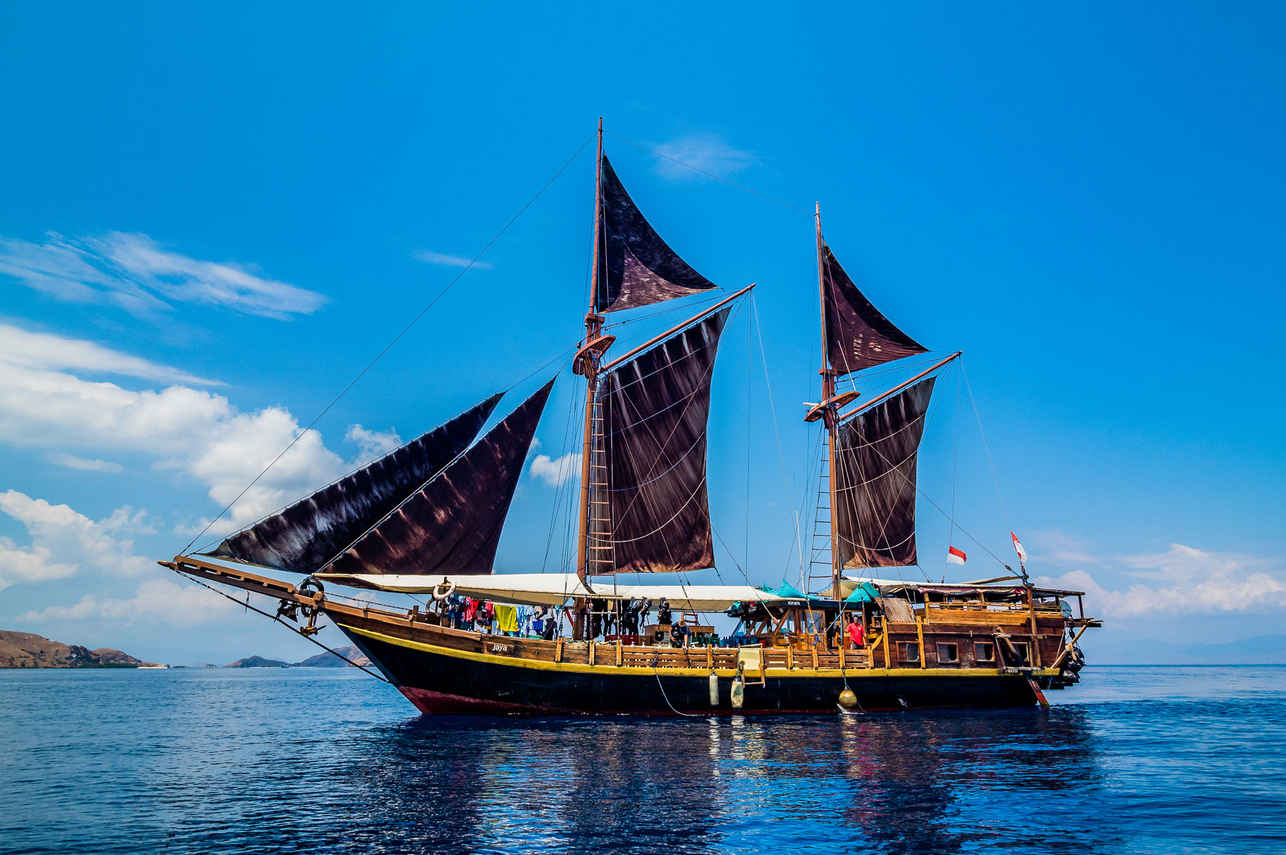
Jaya
Indonesia
14 guests23 m
$280/day
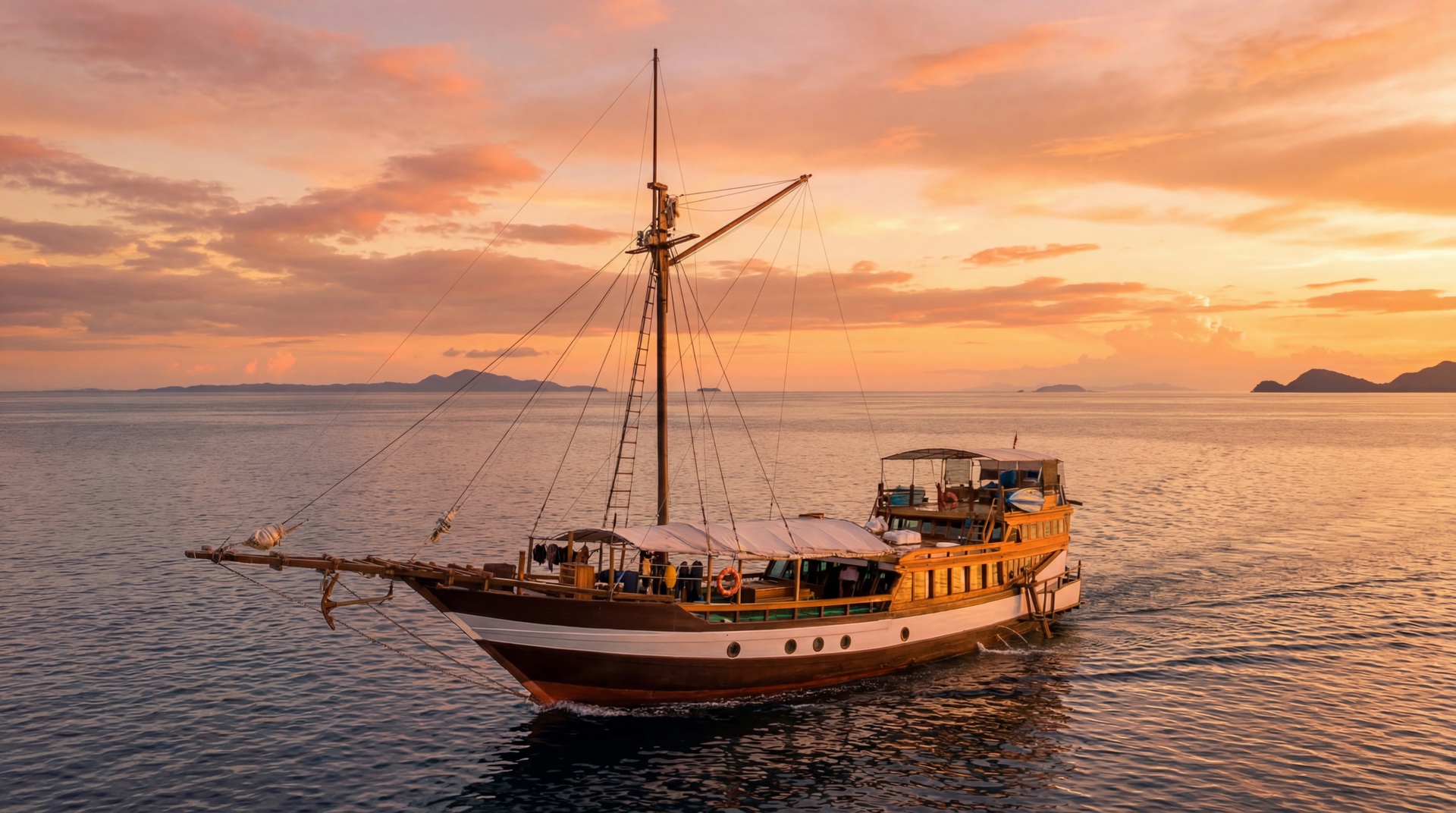
Wellenreng
Indonesia
9 guests25 m
$427/day
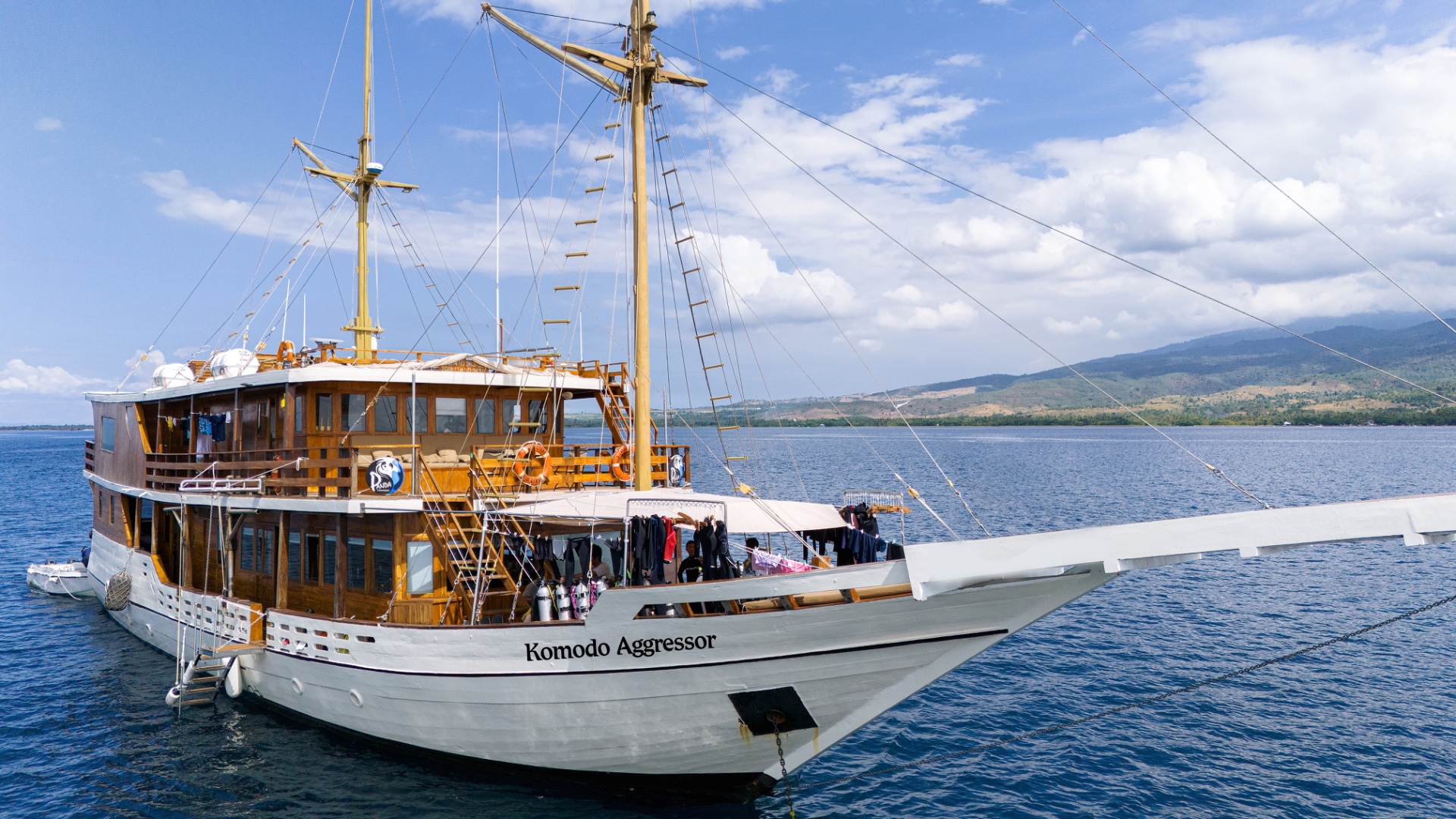
Komodo Aggressor
Komodo, Indonesia
16 guests29 m
$312/day
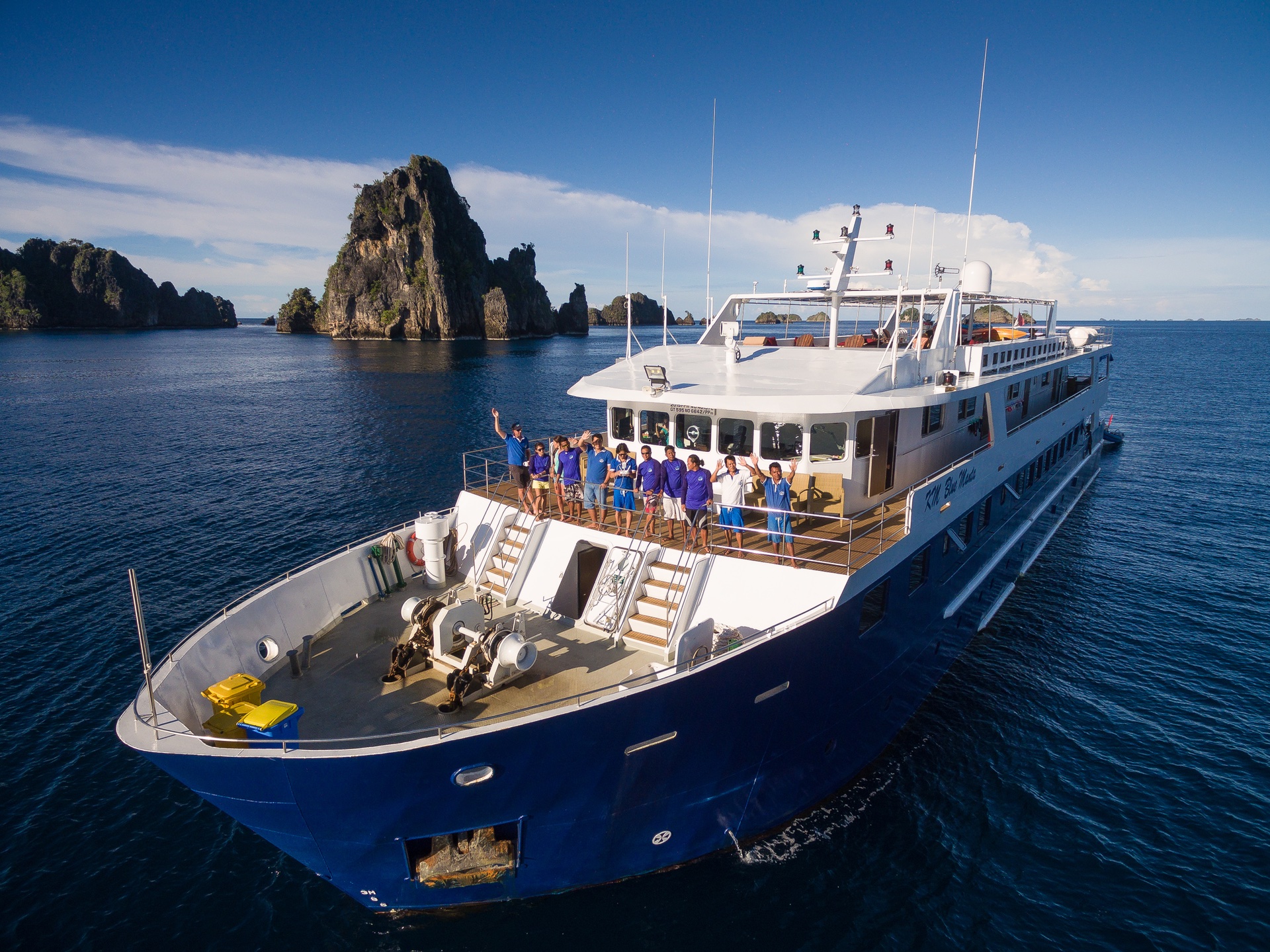
Blue Manta
Indonesia
20 guests45 m
$482/day
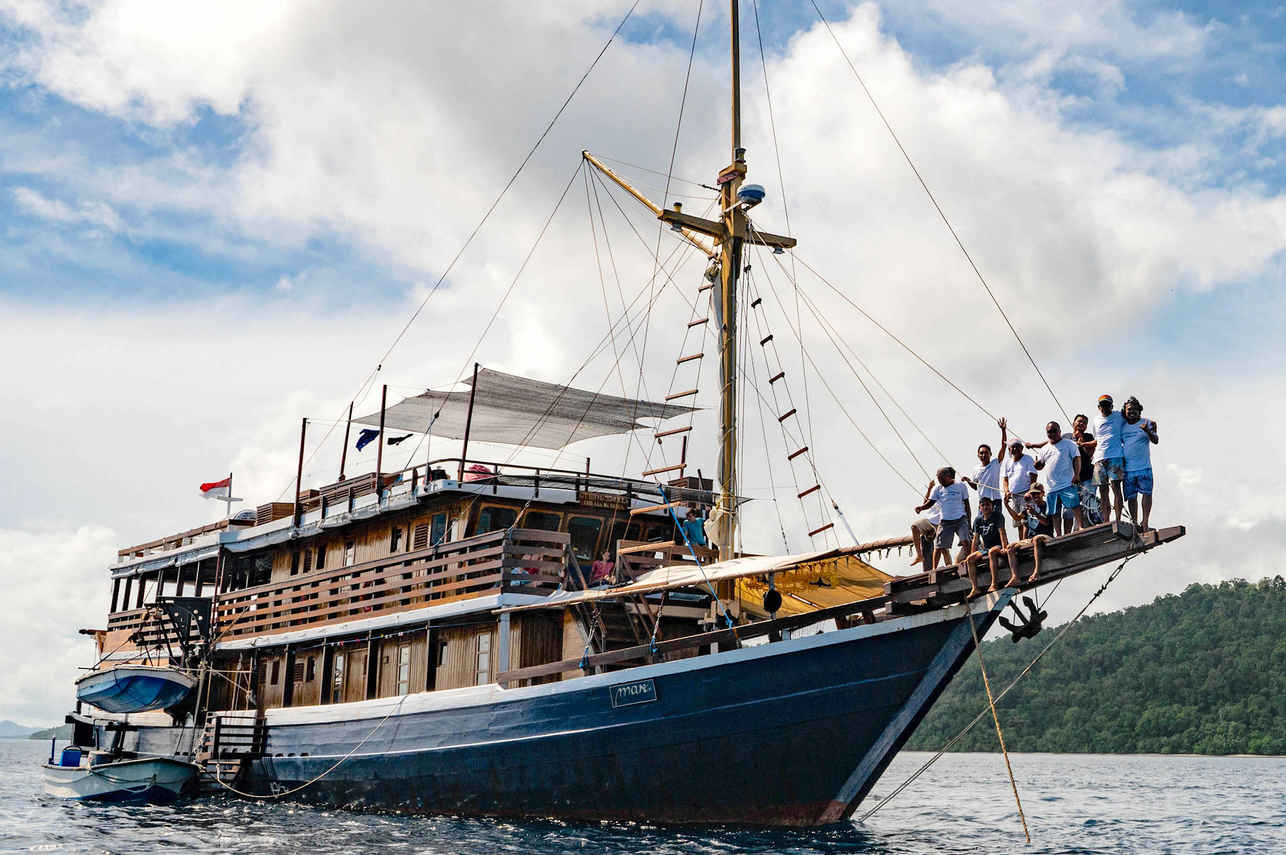
Mari
Indonesia
14 guests32.2 m
$328/day
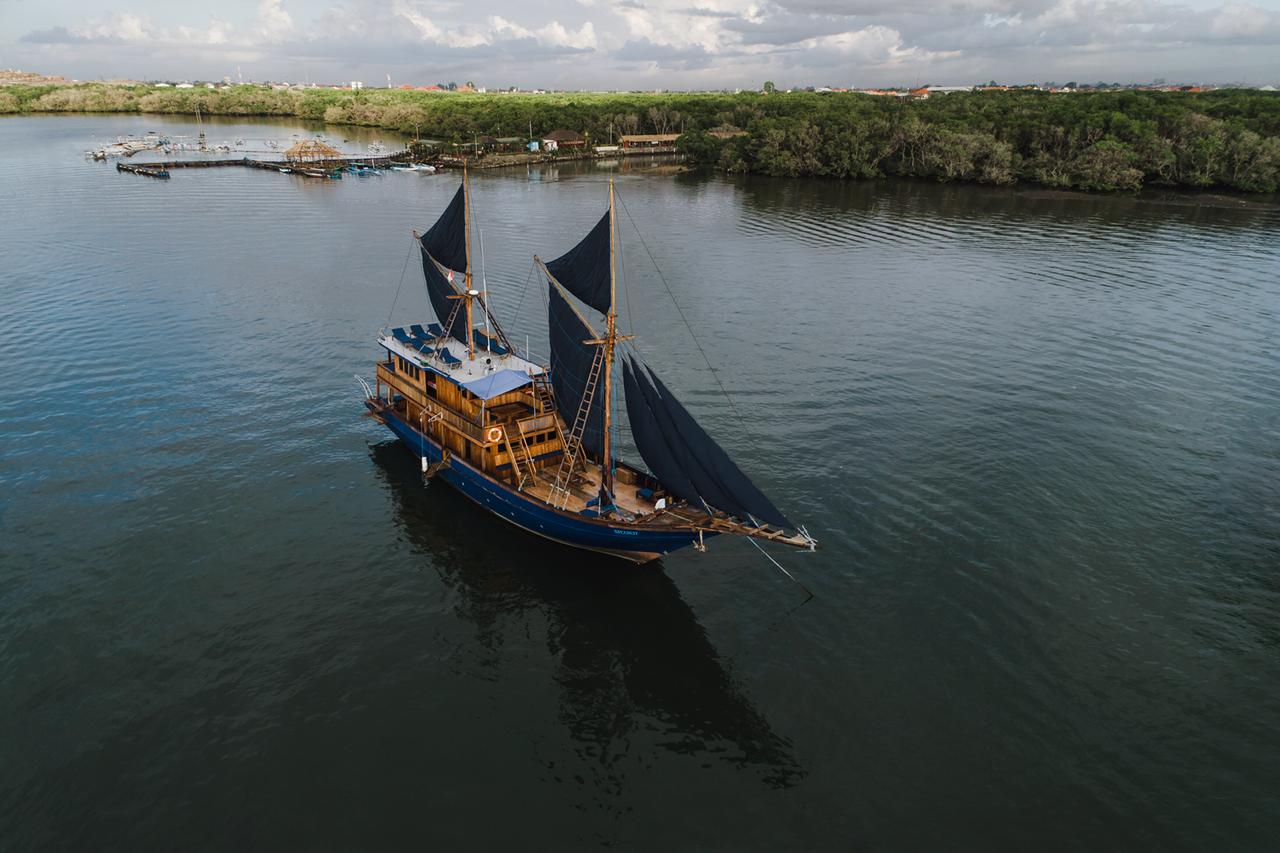
Situju7
Komodo, Indonesia
10 guests32.7 m
$362/day
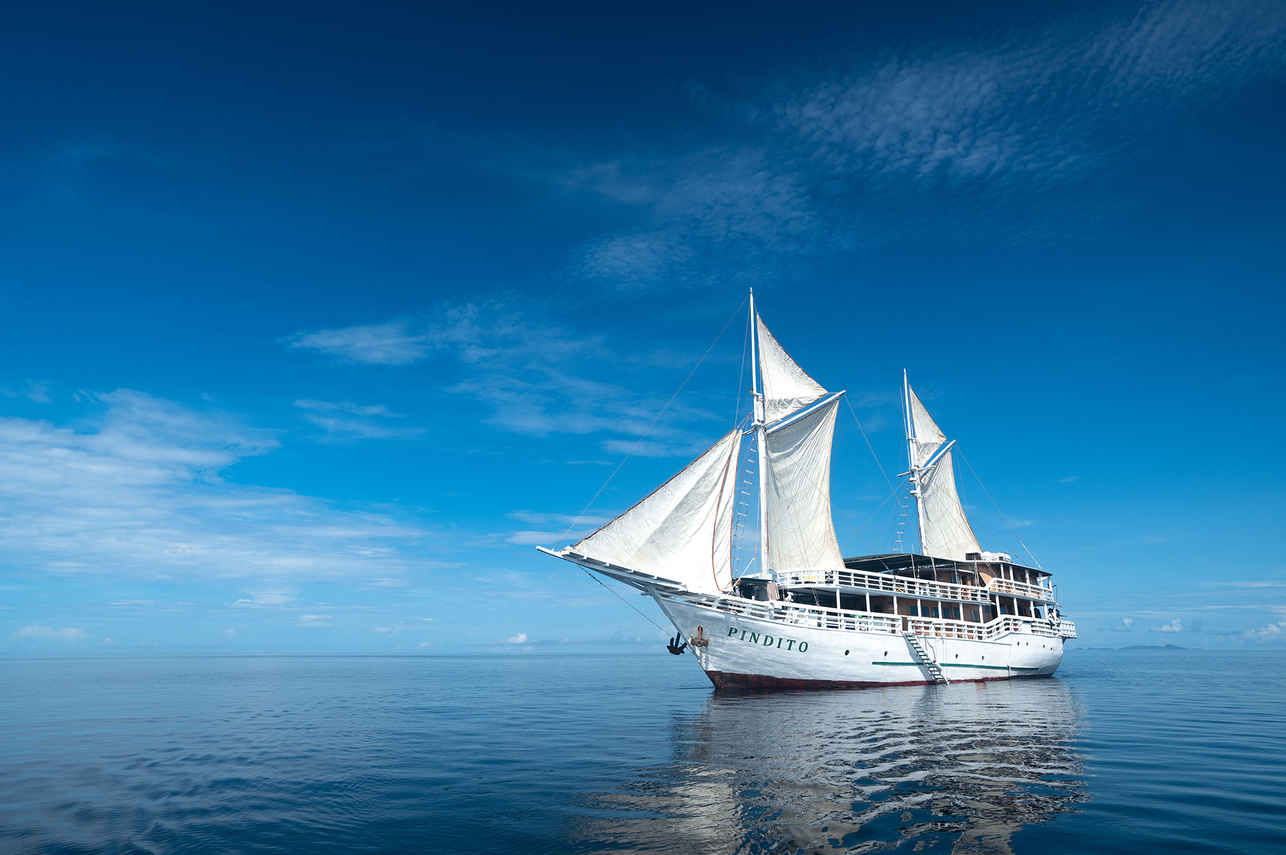
Pindito
Indonesia
16 guests37.79 m
$533/day
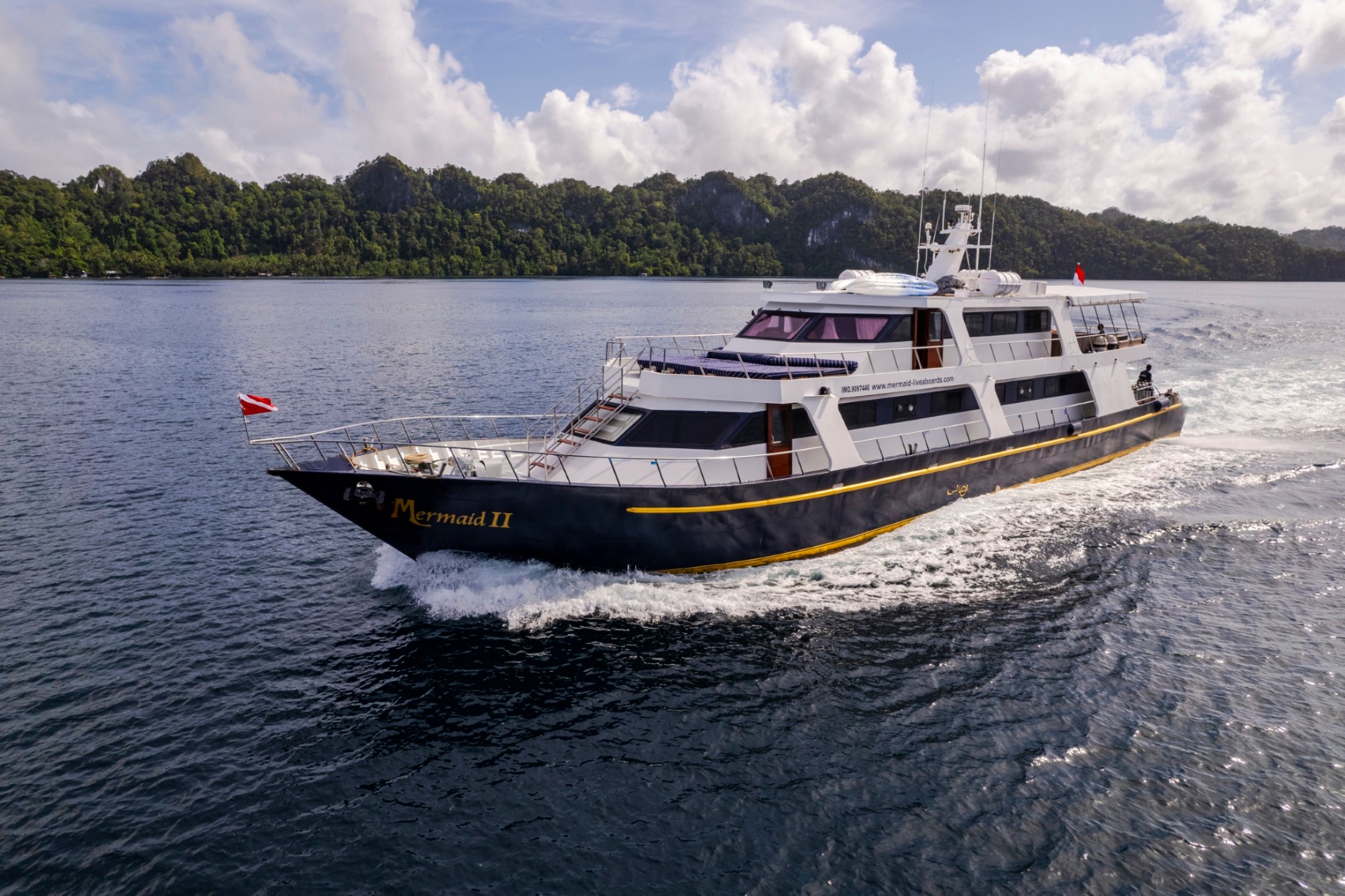
Mermaid II
Komodo, Indonesia
18 guests
$391/day
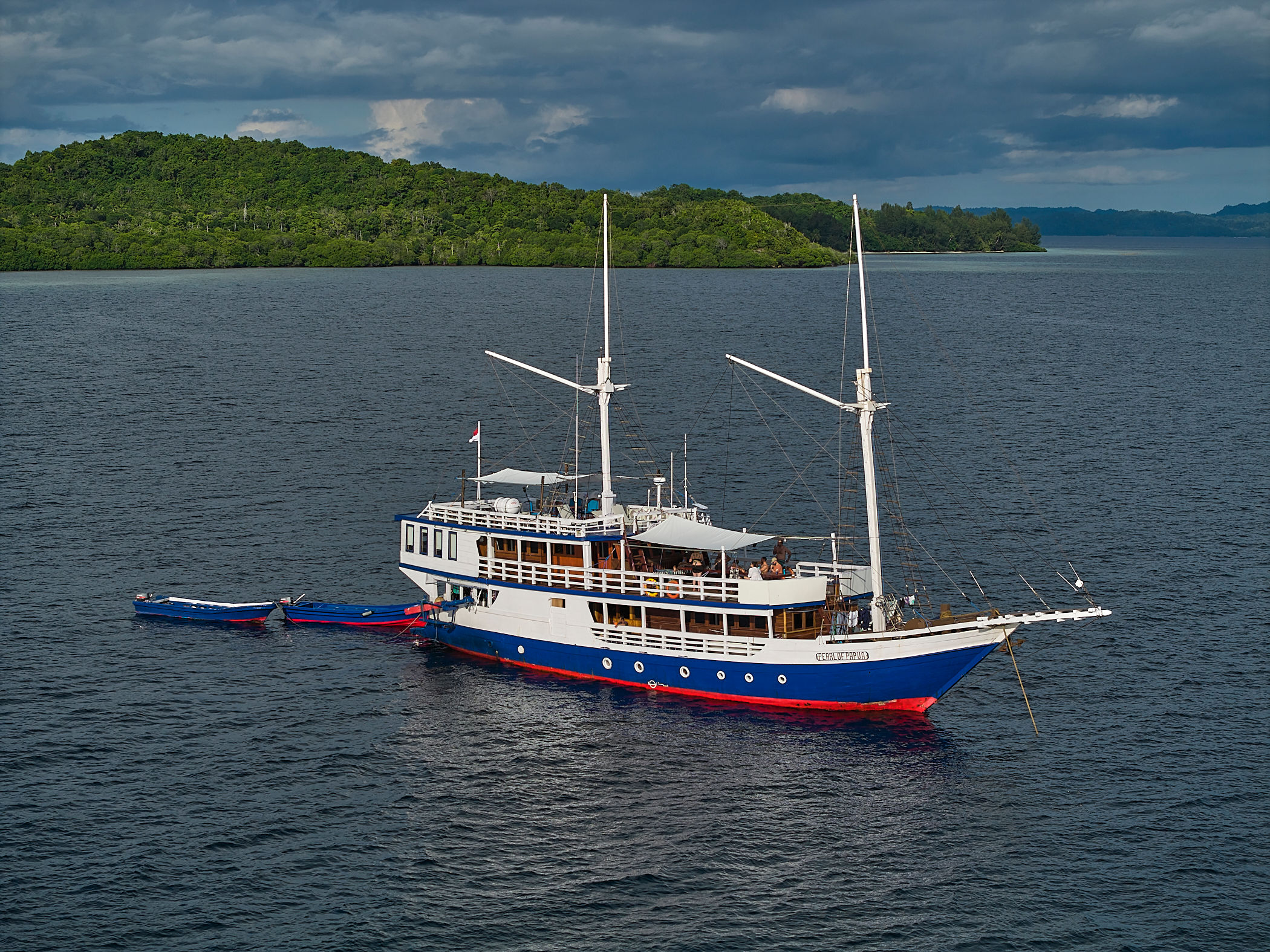
Pearl of Papua
Raja Ampat, Indonesia
14 guests30 m
$303/day
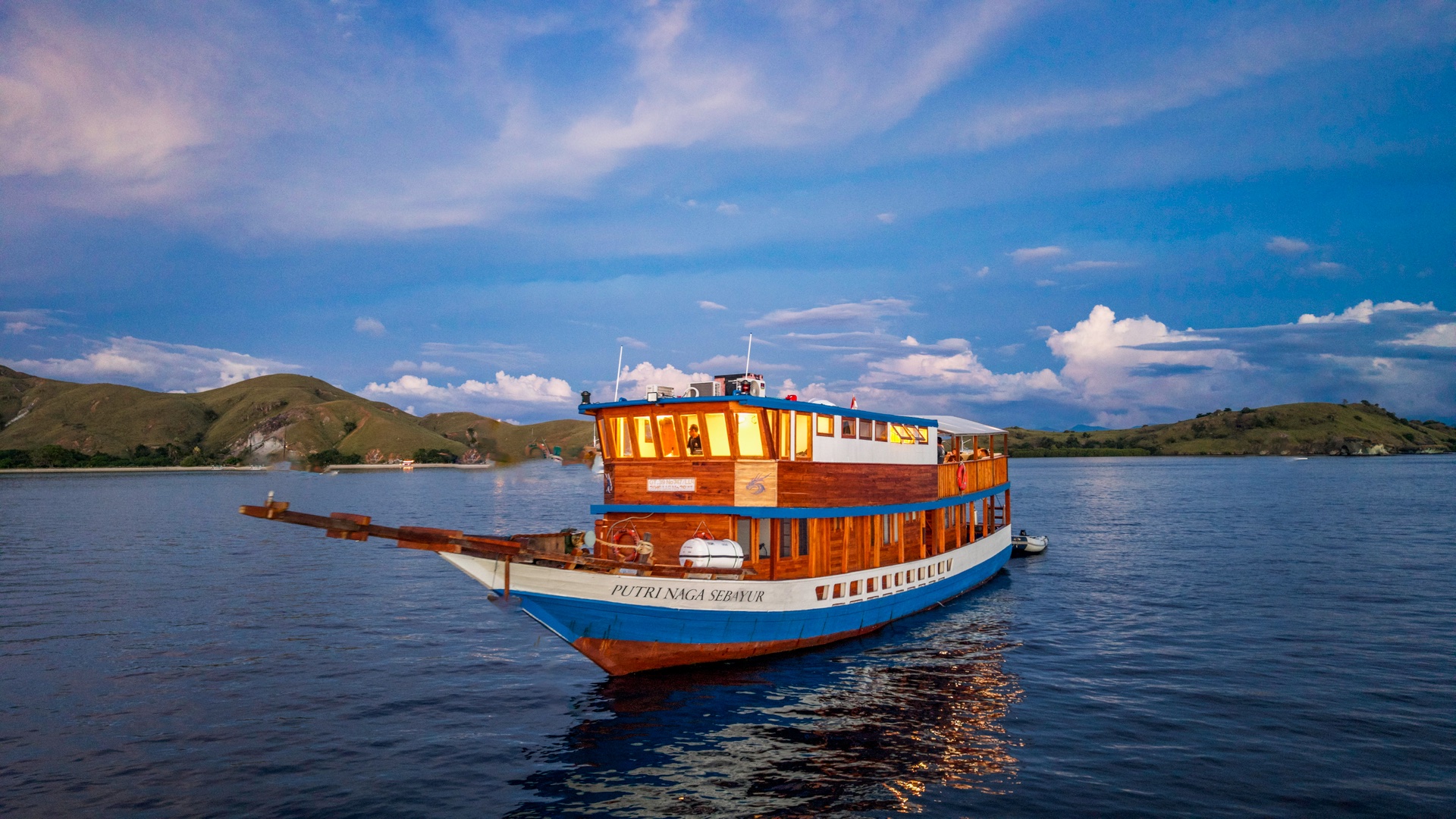
Putri Naga
Komodo, Indonesia
6 guests25 m
Dive sites similar to Adonara Wall
Same character, same waters — six more sites divers love for the exact same reasons.Compare seasons, access and liveaboard routes — then pick the site that fits your trip best.
Babylon is a captivating dive site located in the Alor Sea, renowned for its exceptional visibility and vibrant marine ecosystem.
- Suitable for
- Intermediate
- Current
- Strong
- Access
- Liveaboard or dayboat
- Depth
- 3–20 m
- Theme
- Reef / Wall
© Esri — Maxar, Earthstar, GIS
Shark Close
Indonesia
Shark Close is an exhilarating dive site in the Indonesian portion of Borneo, renowned for its strong currents and abundant marine life.
- Suitable for
- Advanced
- Current
- Strong
- Access
- Liveaboard or dayboat
- Depth
- 5–25 m
- Theme
- Channel / Drift
Wakatobi, an acronym for the islands of Wangi-Wangi, Kaledupa, Tomia, and Binongko, lies in Southeast Sulawesi, Indonesia, at the heart of the Coral Triangle.
- Suitable for
- Beginner
- Current
- No current
- Access
- Liveaboard only
- Depth
- 5–30 m
- Theme
- Wall / Reef
© Esri — Maxar, Earthstar, GIS
Raymond’s Point
Indonesia
Raymond's Point is a distinguished dive site located south of Mike's Point within the Bunaken National Marine Park, renowned for its dramatic vertical wall.
- Suitable for
- Advanced
- Current
- Strong
- Access
- Dayboat
- Depth
- 5–35 m
- Theme
- Reef / Wall
© Esri — Maxar, Earthstar, GIS
Manado Tua
Indonesia
Manado Tua, or 'Old Manado,' is one of five islands that form the Bunaken Marine Park, a celebrated marine protected area in North Sulawesi, Indonesia.
- Suitable for
- Intermediate
- Current
- Moderate
- Access
- Dayboat
- Depth
- 5–80 m
- Theme
- Wall / Drift
© Esri — Maxar, Earthstar, GIS
Kakaban Jellyfish Lake
Indonesia
Kakaban Jellyfish Lake is a unique marine lake located on Kakaban Island, part of the Derawan Archipelago in East Kalimantan, Indonesia.
- Suitable for
- Advanced
- Current
- Strong
- Access
- Dayboat
- Depth
- 5–30 m
- Theme
- Wall / Drift