About The Cathedral
The Cathedral in South Lombok, Indonesia, is a renowned dive site characterized by its dramatic underwater landscape. This open-ocean pinnacle boasts steep vertical walls and diverse topography created by numerous scattered boulders. Dives here typically range from 20 to 40 meters, with excellent visibility often exceeding 30 meters, providing expansive views of the thriving marine ecosystem. While the Pescador West site in the Philippines also features a 'Cathedral' dive with a vertical swim-through, the Indonesian Cathedral in South Lombok is distinct. This site is particularly celebrated for its pelagic encounters and large schools of fish, which are attracted by the prevailing currents. The dynamic environment ensures that each dive offers a unique and memorable experience within Indonesia's rich marine biodiversity. Strong currents are a common feature at The Cathedral, making it a challenging yet rewarding site best suited for advanced divers. These currents attract impressive schools of surgeonfish, unicorn fish, and batfish, which swirl around the pinnacle. Barracudas, tuna, and trevallies are frequently observed patrolling the area, often engaged in hunting behaviors, adding to the excitement. The presence of these pelagic species highlights the site's rich food chain and its significance as a vibrant feeding ground. Beyond the schooling fish and pelagic hunters, divers should also look out for olive sea kraits gracefully moving along the reef, and the majestic Napoleon wrasse. Lucky divers might also witness eagle rays gliding through the blue or even encounter dolphins, which occasionally visit the site. The combination of challenging conditions, stunning topography, and a diverse array of marine life makes The Cathedral a premier diving destination for those seeking an exhilarating underwater adventure.
Highlights
Steep vertical wallsAbundant pelagic fishSchools of surgeonfishStrong currentsEagle ray sightingsDiverse underwater topographyNapoleon wrasse
Season calendar
Best months to dive here
Jan
Feb
Mar
Apr
May
Jun
Jul
Aug
Sep
Oct
Nov
Dec
Excellent
Good
Dive site facts: The Cathedral
- Depth
- 20–40 m
- Current
- Strong
- Visibility
- 30+ m
- Entry
- Boat
- Level
- Advanced
- Dive type
- Wall, pelagic, current
- Region / port
- South Lombok, Indonesia
- Coordinates
- -8.9170, 116.1519
Conditions & Currents
Currents at The Cathedral are consistently strong, defining the dive experience and attracting much of the pelagic marine life. While listed as 'mild' on some general guides, local experience confirms significant water movement, necessitating advanced diving skills and good current management. Divers should be prepared for drift diving techniques, with entries typically made by boat directly onto the site. The strength and direction of these currents are critical factors, often dictated by tidal phases, creating a dynamic environment where fish activity is heightened. Visibility remains excellent, frequently exceeding 30 meters, even with strong currents, as the water is typically clear and unburdened by runoff. While surge is not a primary concern, the powerful horizontal currents require careful buoyancy control and awareness of surrounding topography. This site is specifically tailor
Marine life & sighting chances

Surgeonfish
common
Unicorn fish
common
Batfish
common
Barracudas
common
Tuna
occasional
Trevallies
common
Olive sea kraits
occasional
Napoleon wrasse
occasional
Eagle rays
rare
Dolphins
rareDive profile & how the dive runs
Diving The Cathedral typically begins with a boat entry, allowing for a swift descent onto the pinnacle's walls. Due to strong currents, a negative entry is often used to quickly reach the sheltered areas or to begin a drift along the wall. The dive profile involves exploring the steep vertical walls and scattered boulders, moving between depths of 20 to 40 meters. Divers will typically follow the contours of the pinnacle, observing schools of fish and larger pelagics in the blue. The route is often a drift dive, guided by the prevailing current, allowing for observation of hunting trevallies and barracudas. The turn point is determined by air consumption and current strength, with the ascent initiated from a mid-water position. The safety stop is conducted in the open water, requiring careful buoyancy control and often deploying a delayed surface marker buoy (DSMB) for diver safety and boat pickup.
Underwater photography
The Cathedral's clear waters and abundant pelagic life make it an excellent site for wide-angle photography. A wide-angle lens is ideal for capturing the expansive vertical walls, the vast schools of surgeonfish and batfish, and the dramatic encounters with tuna, trevallies, and potential eagle rays. Strong currents mean photographers need excellent buoyancy and finning skills to maintain position and stability for shots. Consider using powerful strobes to bring out the vibrant colors of the reef against the deep blue, especially at depths below 20 meters. Be prepared for fast-moving subjects; a camera system with quick autofocus and burst shooting capability will be beneficial. Respect marine life by maintaining a safe distance, especially from larger pelagics and sea kraits, to avoid disturbing their natural behavior.
Combine with nearby dive sites
- Manta Point Nusa Penida
Manta Point, located on the southwest coast of Nusa Penida near Bali, stands out as a premier global destination for encountering majestic…
- Manta Alley
Manta Alley is an iconic dive site located at the far south end of Komodo Island, recognized for its dramatic landscape both above and…
- Lekuan I
Lekuan I is a premier dive site located in the heart of Bunaken National Marine Park, North Sulawesi, Indonesia.
- Tatawa Kecil
Tatawa Kecil is a renowned dive site located in the heart of Komodo National Park, specifically in the Linta Strait between Komodo and…
Getting there & logistics
Access to The Cathedral in South Lombok is typically facilitated through liveaboard trips or local dive centers based in the South Lombok region. For international travelers, the nearest major airport is Lombok International Airport (LOP), which connects to several hubs in Indonesia. From the airport, transfers to dive resorts or liveaboard departure points in South Lombok are arranged. Typical dive trips incorporating The Cathedral often last several days, combining it with other advanced sites in the region. There are usually marine park fees associated with diving in protected areas of Indonesia, which are typically included in liveaboard or dive package costs. While Komodo is a popular destination for longer liveaboard itineraries, The Cathedral offers a compelling, standalone experience within Lombok's rich diving landscape.
Safety & environment
Diving at The Cathedral requires advanced certification and a high level of comfort with strong currents. Always dive with a reputable operator that provides thorough briefings on current conditions and emergency procedures. Carrying a delayed surface marker buoy (DSMB) is essential for every dive, allowing for safe surfacing and visibility to the dive boat after potential drift dives. Divers should ensure they have comprehensive dive insurance that covers emergency evacuation and recompression, as the nearest recompression chamber may not be immediately accessible, and evacuation from remote areas can be complex and costly. Maintain excellent buoyancy control, stay close to your buddy, and adhere strictly to dive limits to manage risks effectively in this challenging environment.
Who it suits — and who it doesn't
Suited for
- Experienced divers comfortable with strong currents
- Photographers seeking pelagic and wide-angle opportunities
- Divers interested in diverse marine ecosystems
- Those looking for challenging and exhilarating dives
- Marine life enthusiasts keen on large schools of fish
Less suited for
- Beginner divers or those new to strong currents
- Divers with limited buoyancy control
- Individuals prone to seasickness
- Those preferring calm, shallow reef dives
- Divers without advanced dive certification
FAQ
The Cathedral FAQ
What kind of marine life can I expect to see at The Cathedral?
The Cathedral is known for its abundant pelagic life, including large schools of surgeonfish, unicorn fish, and batfish. You can also frequently spot barracudas, tuna, and trevallies. Keep an eye out for olive sea kraits and Napoleon wrasse, and if you're lucky, you might even encounter eagle rays or dolphins.
Are the currents at The Cathedral really strong?
Yes, The Cathedral is characterized by strong currents, making it an advanced dive site. While some descriptions may mention 'mild' currents, local diver reports consistently indicate significant water movement. This dynamic environment is precisely what attracts the rich pelagic life but requires experienced divers who are comfortable with drift diving techniques and current management.
What is the typical depth and visibility at The Cathedral?
Dives at The Cathedral generally range from 20 to 40 meters, exploring its vertical walls and scattered boulders. Visibility is excellent, often exceeding 30 meters in clear conditions. This allows for expansive views of the underwater topography and the abundant marine life that congregates in the currents.
Is The Cathedral suitable for beginner divers?
No, The Cathedral is not recommended for beginner divers. Due to the consistently strong currents and advanced dive profile, it is best suited for experienced divers who possess excellent buoyancy control and are comfortable navigating challenging water conditions. Advanced certification and prior current diving experience are highly advisable.
What kind of underwater photography equipment is best for this site?
For photography at The Cathedral, a wide-angle lens is highly recommended to capture the expansive walls, large schools of fish, and pelagic encounters. Powerful strobes will help illuminate colors at depth and against the clear blue water. Due to strong currents and fast-moving subjects, a camera system with quick autofocus and a burst shooting mode will be very beneficial.
Why dive The Cathedral from a liveaboard?
The Cathedral is one of Indonesia's signature dive sites. A liveaboard sleeps you on the water and puts you in the water for three to four guided dives per day, including dawn and night dives that day-boat operators rarely offer. You skip the daily commute back to port and reach quieter, less-crowded sites in the same region on a single trip.
Below are the liveaboards that include The Cathedral on their Indonesia itineraries.
Liveaboards diving The Cathedral
These liveaboards may visit The Cathedral on selected itineraries — the exact dive sites depend on departure, weather and conditions.
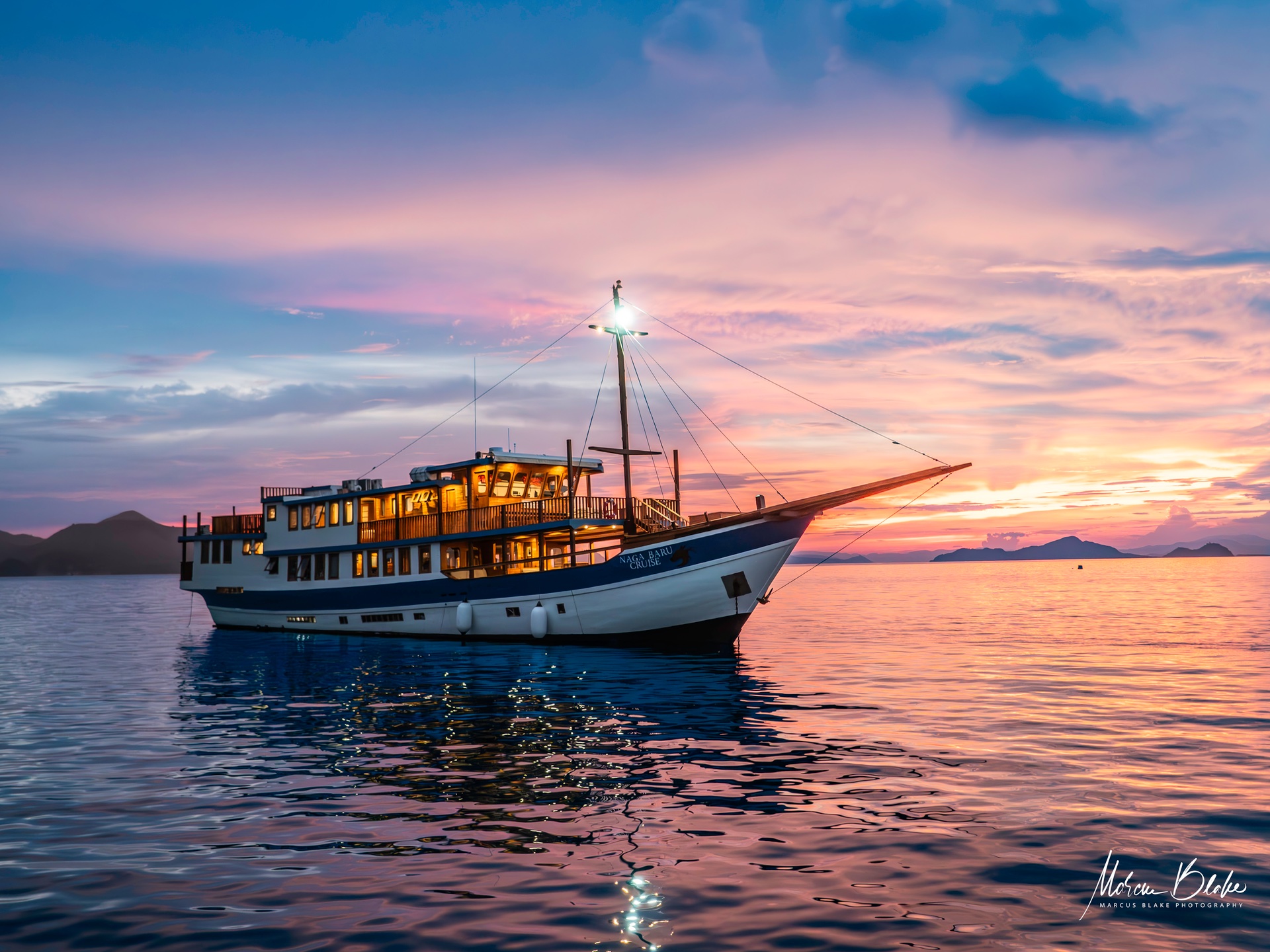
Naga Biru
Indonesia
12 guests40 m
$311/day
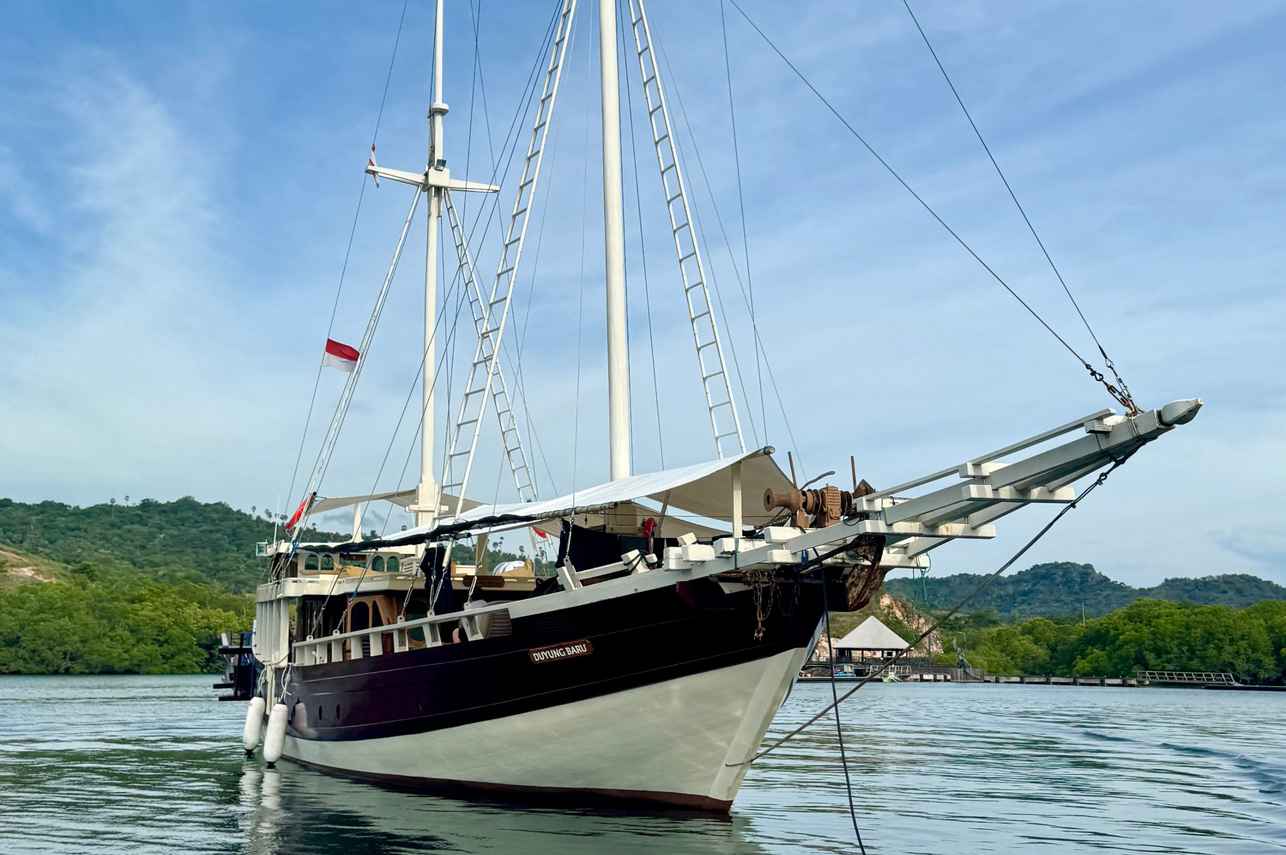
Ecopro Duyung Baru
Indonesia
6 guests27 m
$361/day
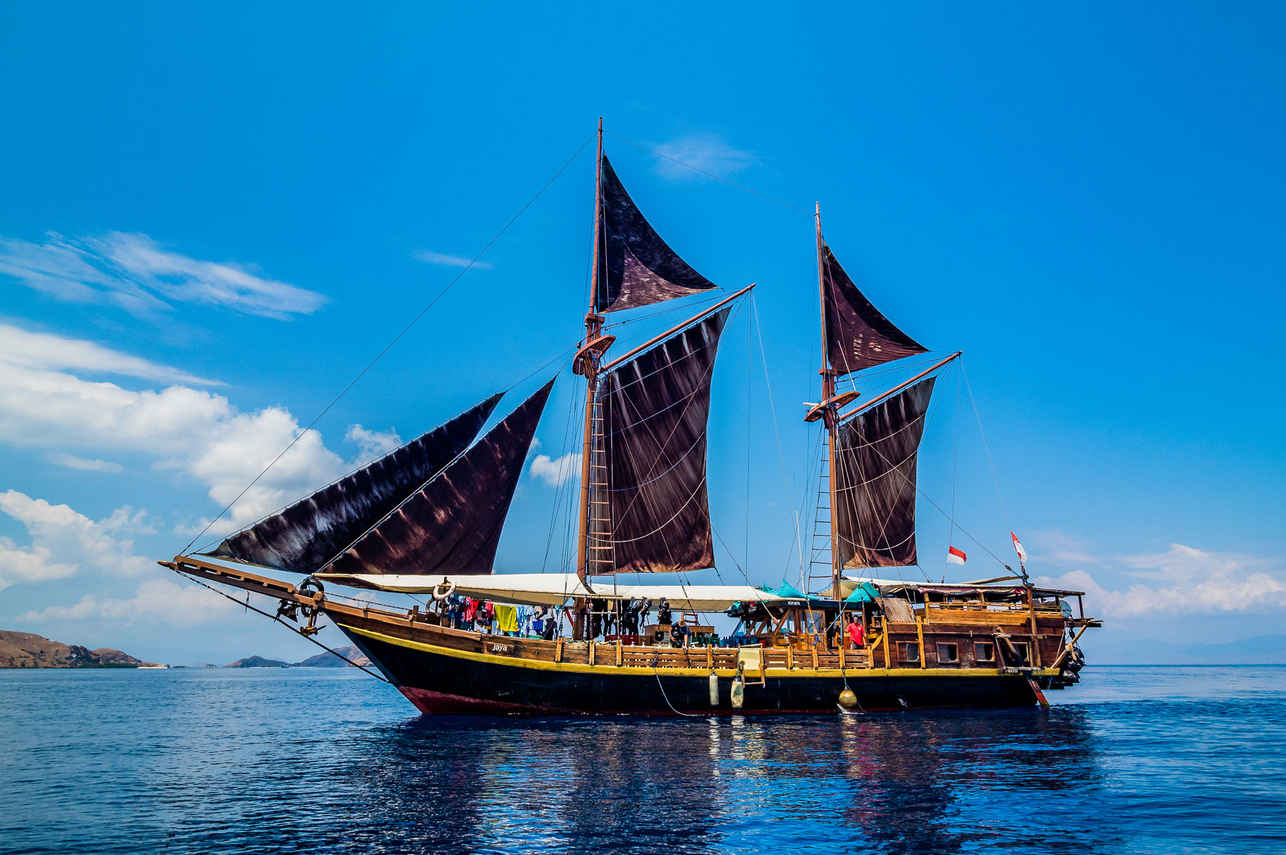
Jaya
Indonesia
14 guests23 m
$280/day
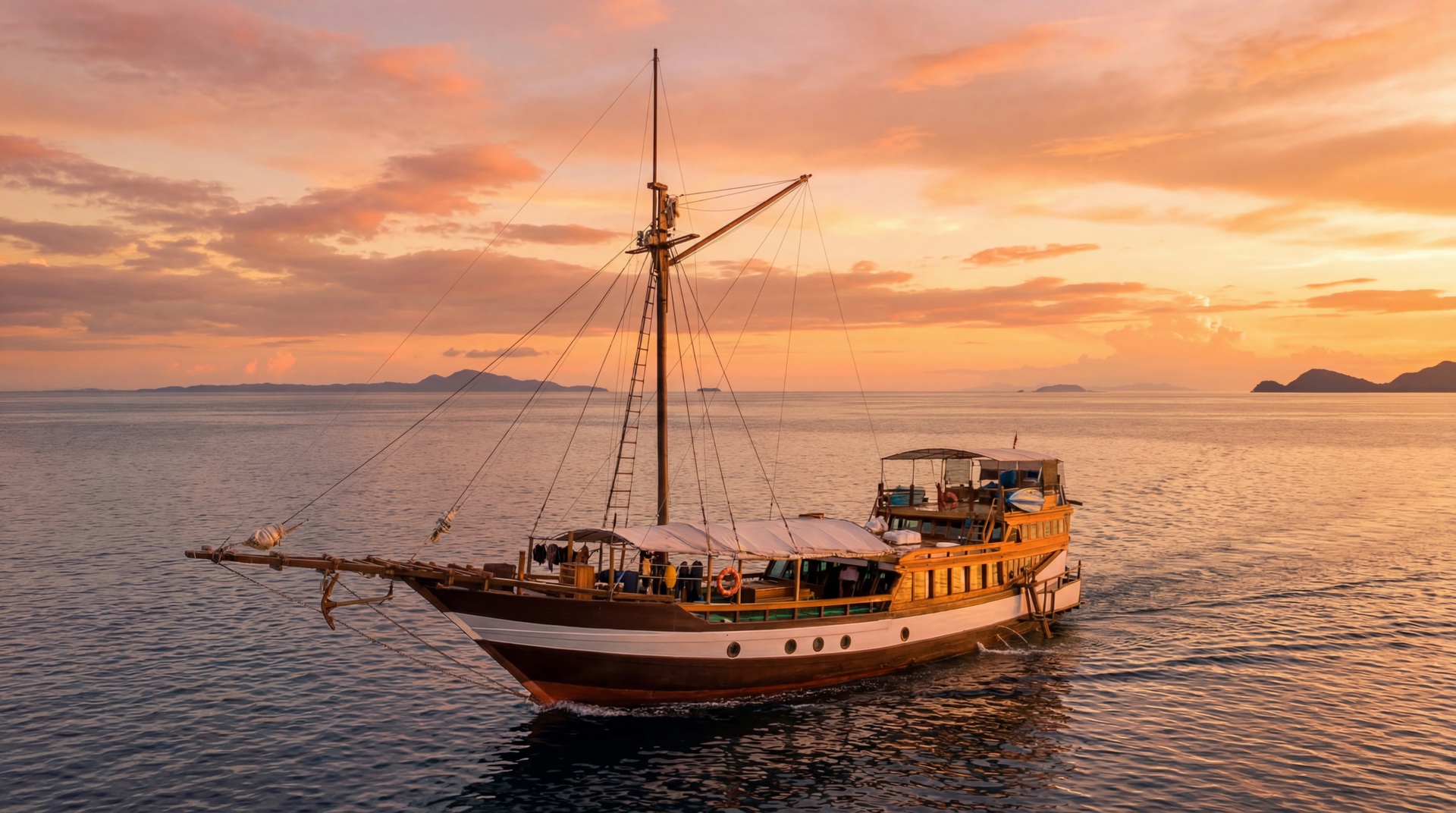
Wellenreng
Indonesia
9 guests25 m
$427/day
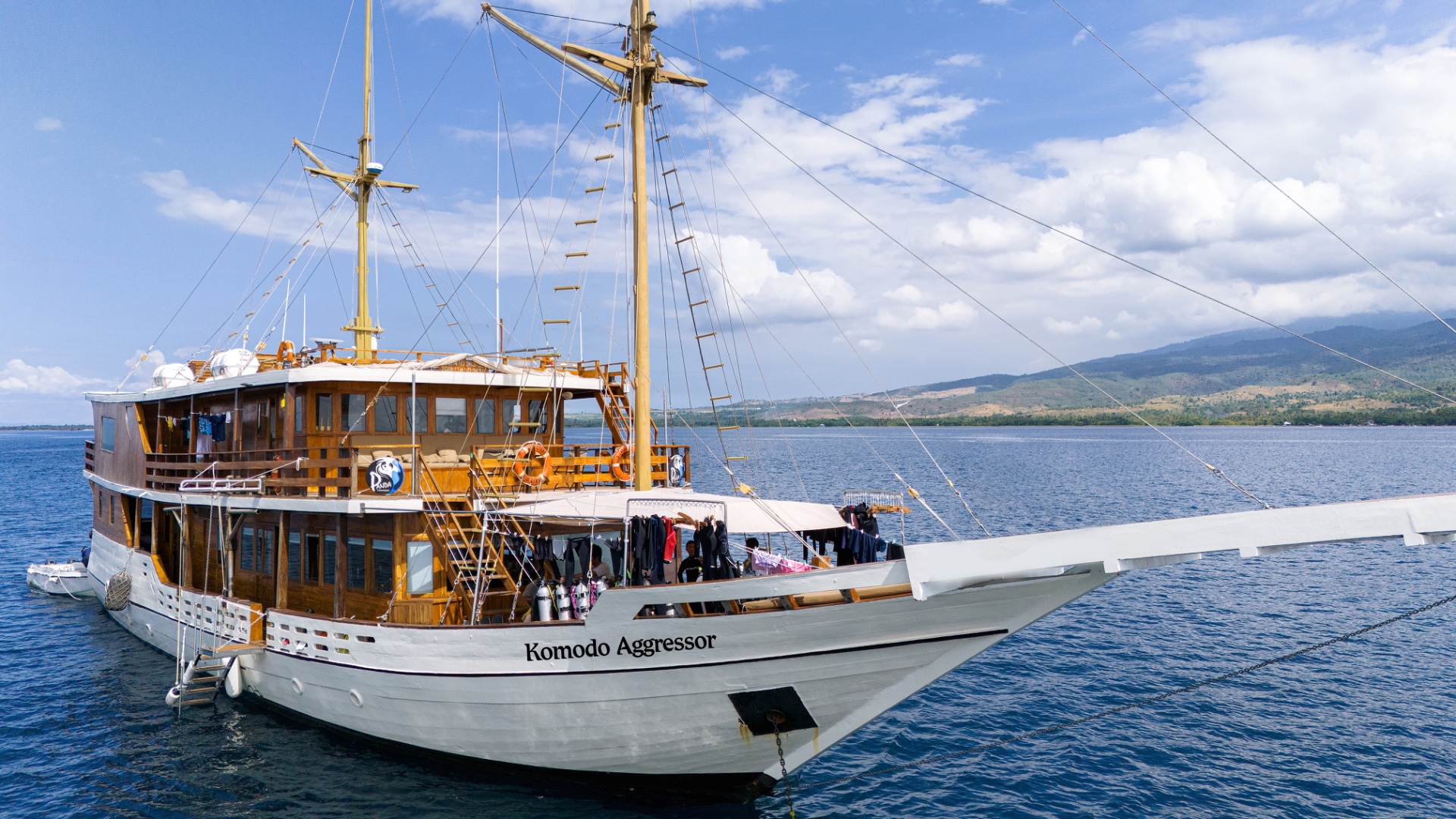
Komodo Aggressor
Komodo, Indonesia
16 guests29 m
$312/day
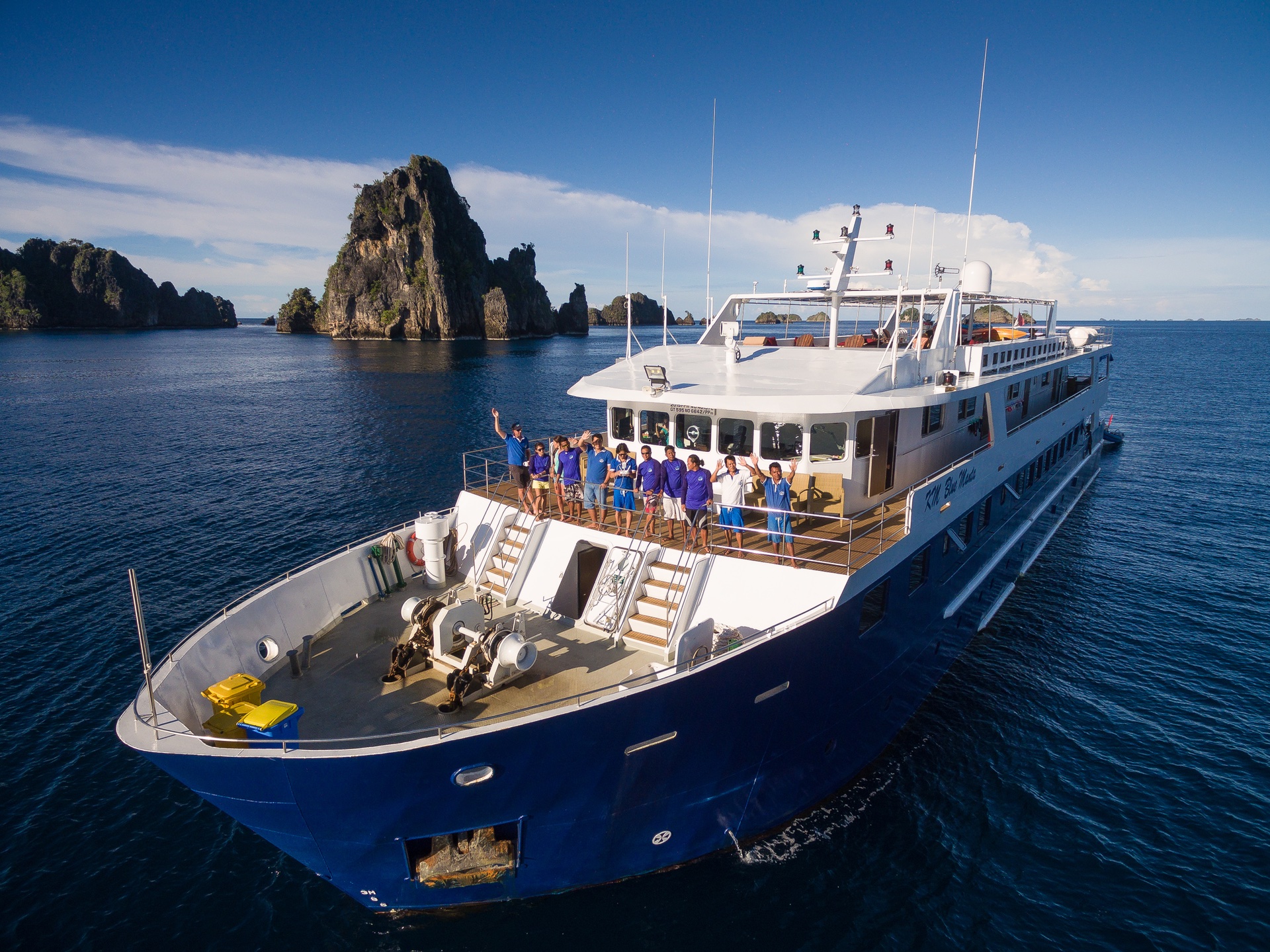
Blue Manta
Indonesia
20 guests45 m
$482/day
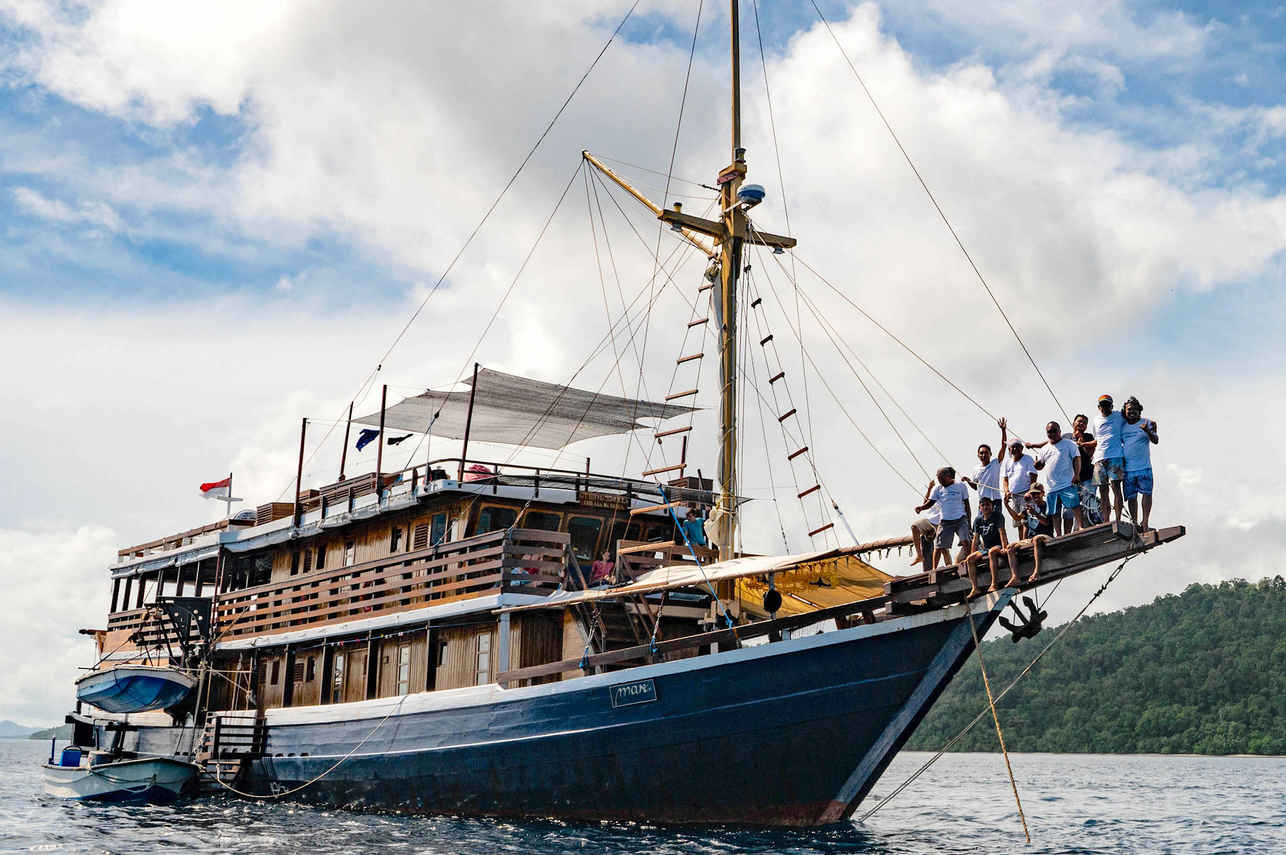
Mari
Indonesia
14 guests32.2 m
$373/day
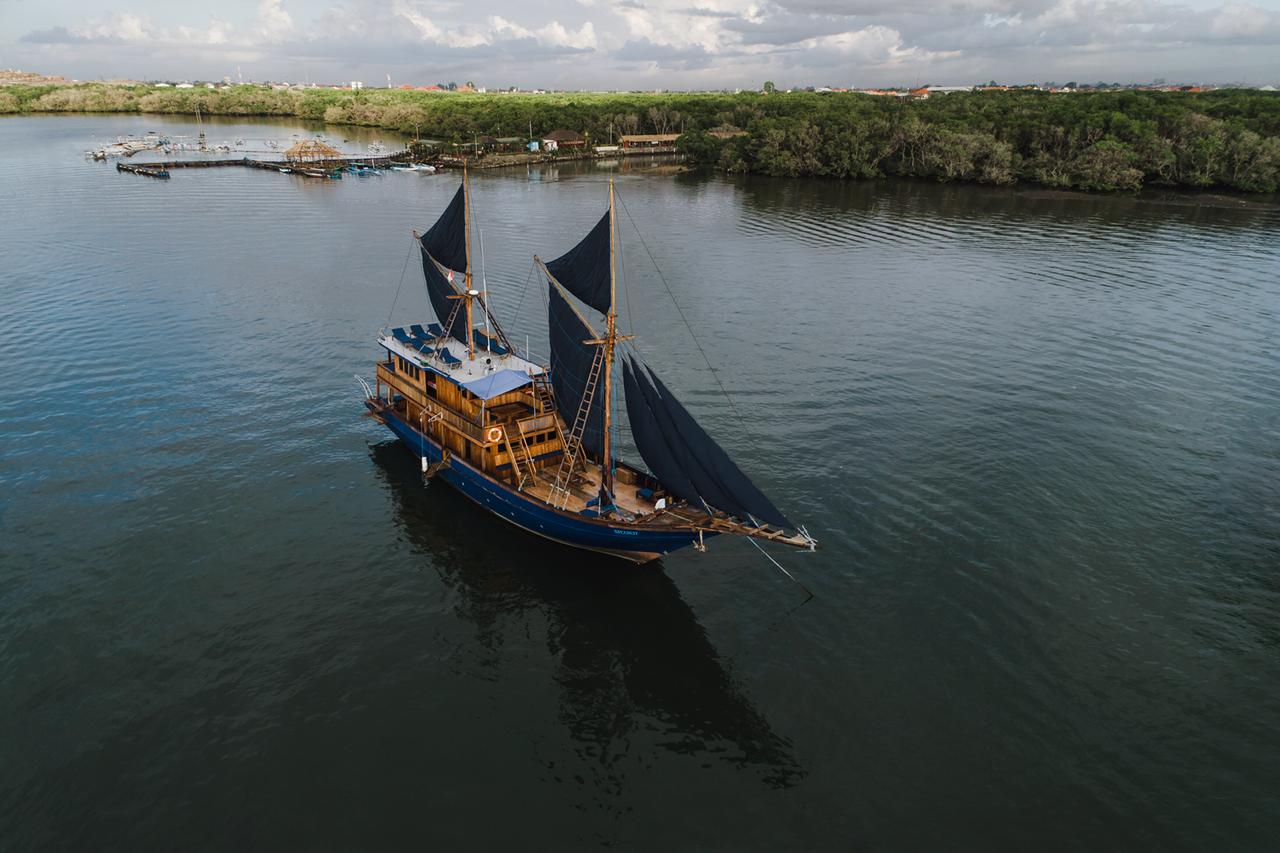
Situju7
Komodo, Indonesia
10 guests32.7 m
$362/day
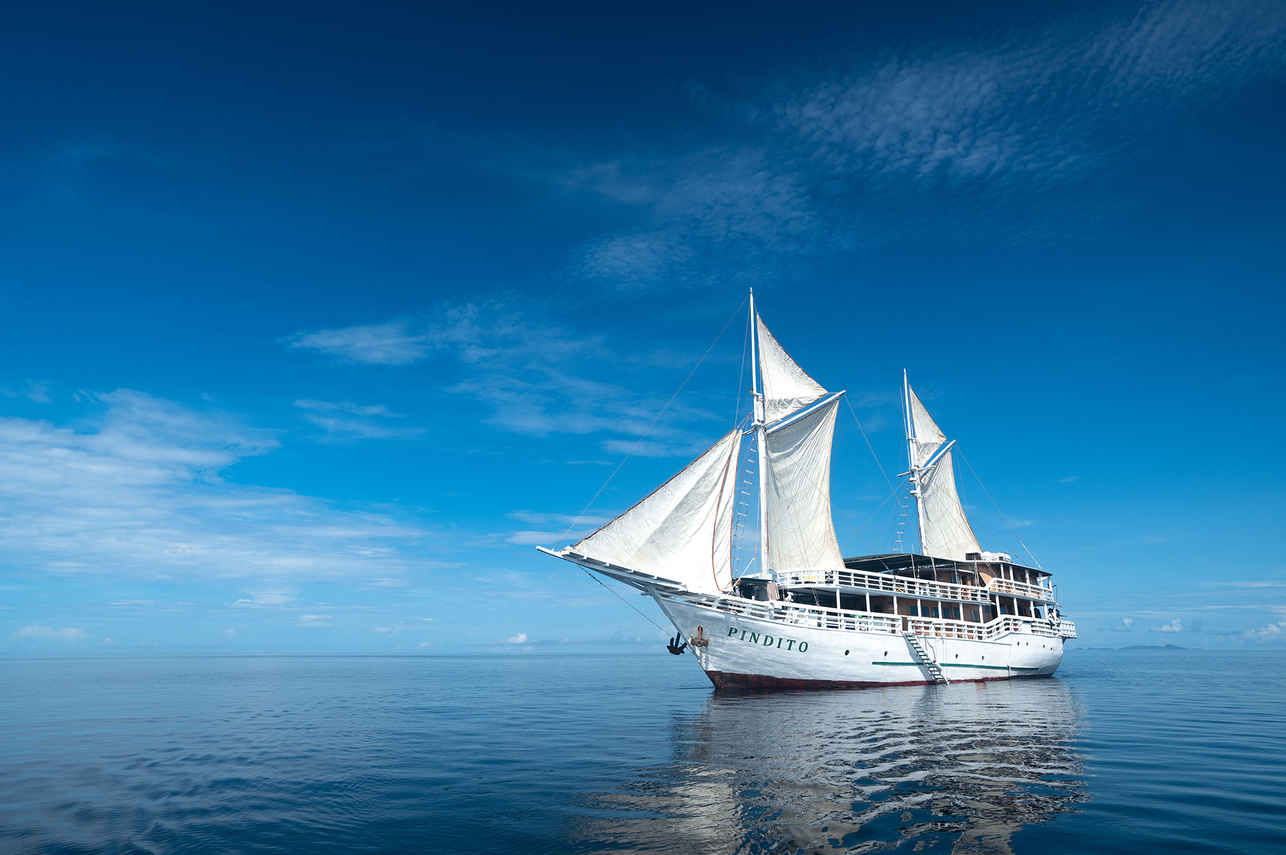
Pindito
Indonesia
16 guests37.79 m
$533/day
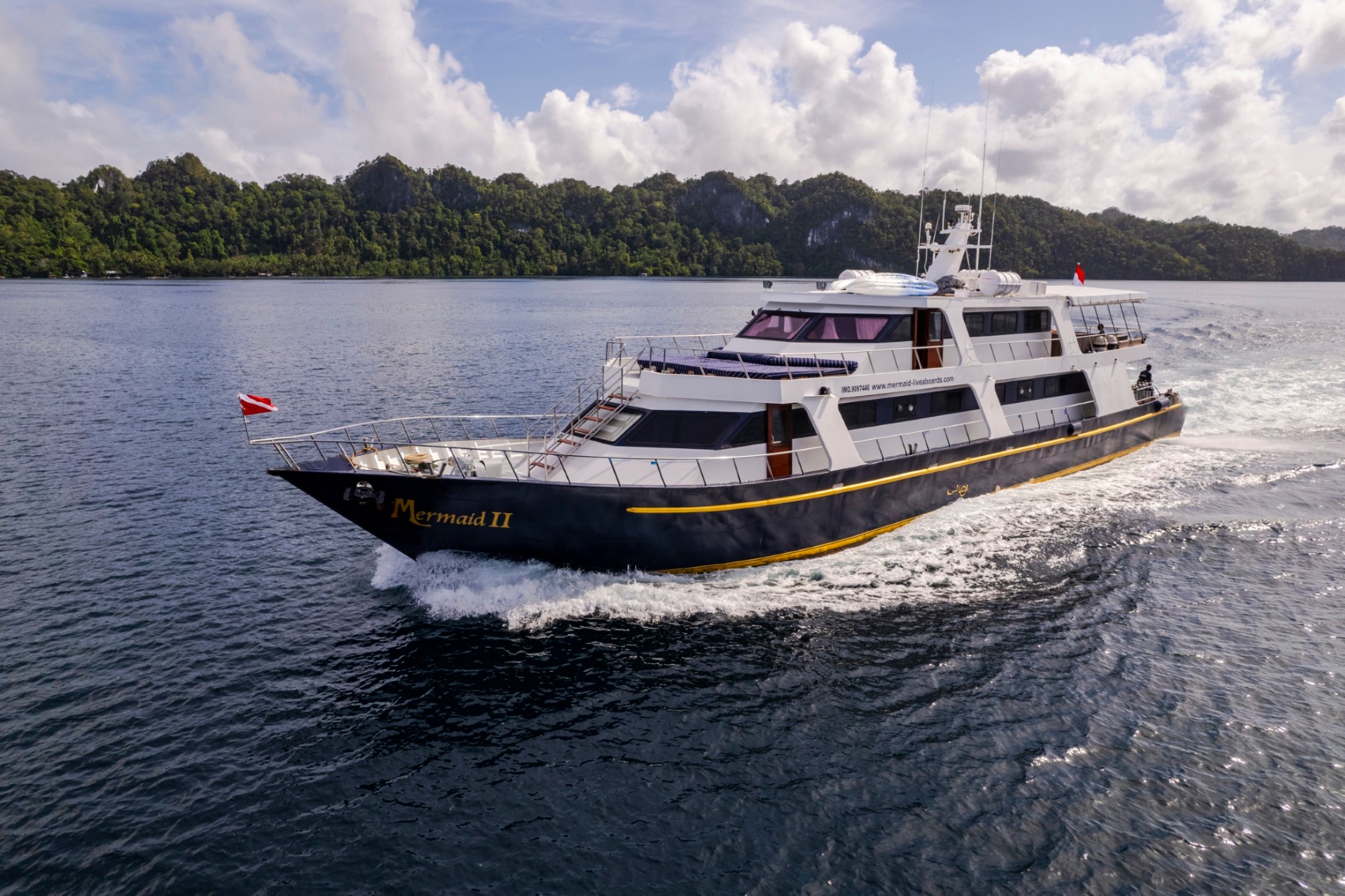
Mermaid II
Komodo, Indonesia
18 guests
$391/day
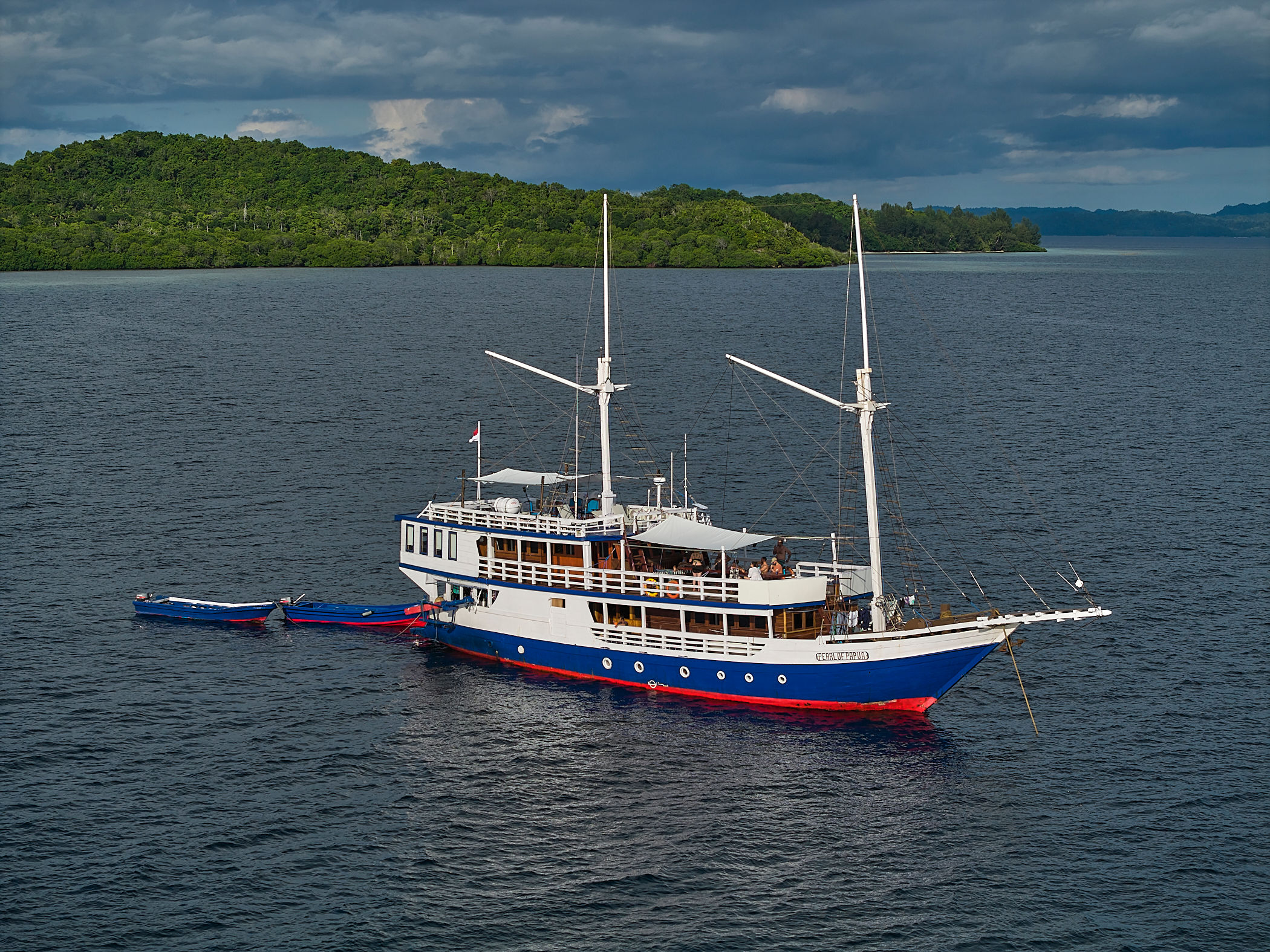
Pearl of Papua
Raja Ampat, Indonesia
14 guests30 m
$303/day
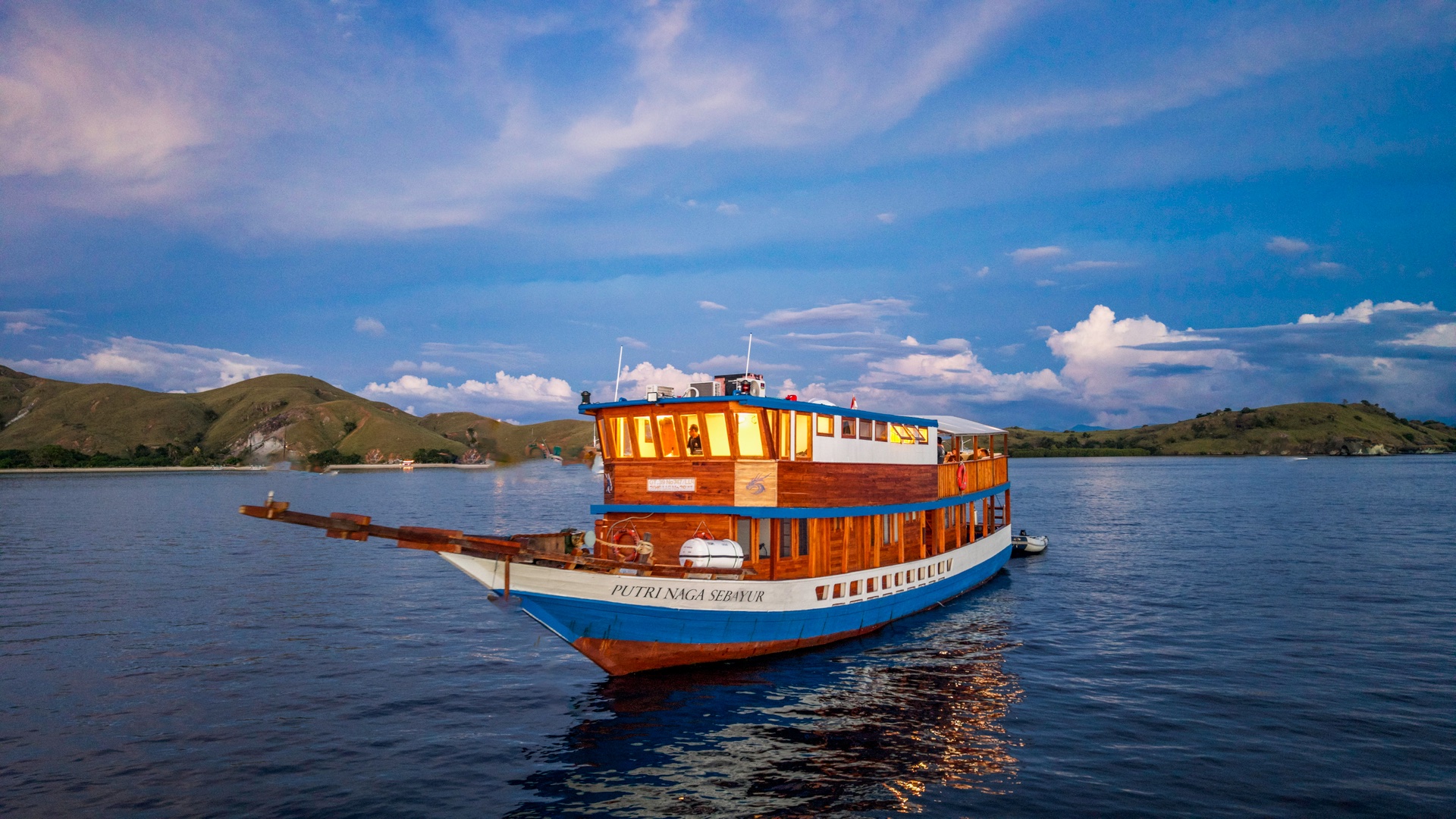
Putri Naga
Komodo, Indonesia
6 guests25 m
Dive sites similar to The Cathedral
Same character, same waters — six more sites divers love for the exact same reasons.Compare seasons, access and liveaboard routes — then pick the site that fits your trip best.
© Esri — Maxar, Earthstar, GIS
Adonara Wall
Indonesia
Adonara is an Indonesian island dive site, renowned for its vibrant underwater topography characterized by submerged seamounts.
- Suitable for
- Intermediate
- Current
- Strong
- Access
- Liveaboard or dayboat
- Depth
- 5–35 m
- Theme
- Seamount / Wall
Babylon is a captivating dive site located in the Alor Sea, renowned for its exceptional visibility and vibrant marine ecosystem.
- Suitable for
- Intermediate
- Current
- Strong
- Access
- Liveaboard or dayboat
- Depth
- 3–20 m
- Theme
- Reef / Wall
© Esri — Maxar, Earthstar, GIS
Shark Close
Indonesia
Shark Close is an exhilarating dive site in the Indonesian portion of Borneo, renowned for its strong currents and abundant marine life.
- Suitable for
- Advanced
- Current
- Strong
- Access
- Liveaboard or dayboat
- Depth
- 5–25 m
- Theme
- Channel / Drift
Wakatobi, an acronym for the islands of Wangi-Wangi, Kaledupa, Tomia, and Binongko, lies in Southeast Sulawesi, Indonesia, at the heart of the Coral Triangle.
- Suitable for
- Beginner
- Current
- No current
- Access
- Liveaboard only
- Depth
- 5–30 m
- Theme
- Wall / Reef
© Esri — Maxar, Earthstar, GIS
Raymond’s Point
Indonesia
Raymond's Point is a distinguished dive site located south of Mike's Point within the Bunaken National Marine Park, renowned for its dramatic vertical wall.
- Suitable for
- Advanced
- Current
- Strong
- Access
- Dayboat
- Depth
- 5–35 m
- Theme
- Reef / Wall
© Esri — Maxar, Earthstar, GIS
Manado Tua
Indonesia
Manado Tua, or 'Old Manado,' is one of five islands that form the Bunaken Marine Park, a celebrated marine protected area in North Sulawesi, Indonesia.
- Suitable for
- Intermediate
- Current
- Moderate
- Access
- Dayboat
- Depth
- 5–80 m
- Theme
- Wall / Drift