About Tatawa Kecil
Tatawa Kecil is a renowned dive site located in the heart of Komodo National Park, specifically in the Linta Strait between Komodo and Rinca Islands. Unlike its larger counterpart, Tatawa Besar, this site is famous for its dynamic and sometimes challenging conditions, primarily due to strong currents, making it best suited for experienced divers. The underwater topography is diverse and captivating, featuring dramatic rock formations, numerous caves, impressive swim-throughs, and extensive coral gardens with massive, vibrant hard and soft corals. There are also sandy patches and bommies that create a complex reef system, often described as an 'underwater city' with bustling fish activity. Marine life at Tatawa Kecil is exceptionally rich and varied, rewarding divers with layered reef scenery and abundant biodiversity. Divers frequently encounter pelagic species such as eagle rays, giant trevallies, and various sharks, including white-tip reef sharks, especially in the southwestern and northwestern sections. The site is also teeming with reef fish, including bumphead parrotfish, batfish, snappers, large groupers, and schools of fusiliers. Critter enthusiasts can spot small invertebrates, nudibranchs, and scorpionfish. Cleaning stations are common, with oriental sweetlips and other species engaging in fascinating behavioral interactions. Hawksbill turtles, dogtooth tuna, and barracudas are regular sightings, while lucky divers might spot manta rays and even dugongs. The dive experience at Tatawa Kecil is characterized by drift diving due to the prevailing currents, which range from moderate to strong and can be unpredictable. Divers should be proficient in drift diving techniques and comfortable holding position behind coral heads when necessary. The water temperature typically hovers between 27-28°C, offering comfortable conditions year-round. While the maximum depth can reach 30 meters, much of the vibrant marine life is visible at shallower depths. Visibility is generally excellent, enhancing the breathtaking wide-angle opportunities presented by the colorful and active reef.
Highlights
Spectacular soft coral wallsFast-paced drift divingHunting trevallies and fusiliersRainbow of coral colors
Best Season
Divers can enjoy Tatawa Kecil's charms throughout the year, but April to November is generally recommended for optimal conditions.
Dive site facts: Tatawa Kecil
- Depth
- 8–30 m
- Current
- Strong
- Entry
- Liveaboard / tender
- Level
- Intermediate – Advanced
- Dive type
- Drift / Slope / Wall
- Region / port
- Central Komodo National Park
- Coordinates
- -8.5608, 119.5187
Conditions & Currents
Tatawa Kecil is known for its moderate to strong and sometimes unpredictable currents, characteristic of northern Komodo. These currents are vital in delivering nutrient-rich waters, attracting a high density of marine life, but they necessitate advanced diving skills. Divers should be proficient in drift diving, capable of holding position behind coral heads, and adept at following a dive guide's signals for depth and direction changes. Dives are generally planned during slack tide or the beginning of an incoming tide to manage current strength. Good buoyancy control and situational awareness are crucial for safety and enjoyment, as currents can push divers away from the reef into open water if not properly managed.
Marine life & sighting chances

Whitetip Reef Shark
common
Giant Trevally
common
Oriental Sweetlips
common
Fusilier
common
Turtle
common
Moray Eel
occasional
Lionfish
occasional
Nudibranch
occasional
Pufferfish
common
Anthias
common
Napoleon Wrasse
occasional
Reef Manta Ray
occasionalDive profile & how the dive runs
Dives at Tatawa Kecil are typically drift dives, usually initiated from the northern end of the islet. The dive begins by dropping onto the reef slope, keeping the main reef on your right shoulder. You will drift along the sloping wall and coral gardens, progressively exploring depths between 8 and 30 meters. The current will dictate the pace, often sweeping you past vibrant soft corals and schools of fish. The dive typically follows the contours of the reef, allowing opportunities to tuck in behind protected areas for closer inspection of macro life or to observe pelagics in the blue. The turn point is natural, marked by the reef's direction, and the safety stop is usually performed mid-water as the current gently carries you towards the surface for boat pickup.
Underwater photography
Tatawa Kecil offers exceptional opportunities for wide-angle photography, especially during periods of high visibility. The expansive soft coral gardens, schooling fusiliers, and presence of pelagic species like reef sharks and giant trevally create dynamic reefscapes that are ideal for capturing with a wide-angle lens. Consider using strobes to bring out the true colors of the vibrant corals, even in bright sunlight. Maintain excellent buoyancy to avoid accidental contact with the delicate reef during drifts. While primarily a wide-angle site, macro enthusiasts can also find subjects such as nudibranchs and small reef critters in sheltered crevices, but the signature shots here lean towards the grandeur of the reef and its inhabitants in motion.
Combine with nearby dive sites
- Tatawa Besar
A more forgiving drift over shallower, gentler coral gardens, suitable for a broader range of experience levels and often paired with Tatawa Kecil.
- Manta Point
Famous for consistent manta ray sightings, especially between September and May.
- Batu Bolong
A legendary site known as the 'Aquarium of the World' for its staggering fish density and pristine corals on a vertical pinnacle.
- Shotgun
Located in northern Komodo, known for exhilarating drift dives through strong currents with plenty of reef sharks and large schools of fish.
Getting there & logistics
Tatawa Kecil is accessed via liveaboard trips operating out of Labuan Bajo, Flores, Indonesia. The nearest major airport is Komodo Airport (LBJ) in Labuan Bajo, which has regular connections to Bali (Denpasar) and other Indonesian hubs. Liveaboard itineraries typically range from 3 to 10 days, combining Tatawa Kecil with other central and northern Komodo dive sites. Komodo National Park entrance fees are required and are usually included in liveaboard packages. It is common for operators to schedule this site during periods of slack tide due to its strong currents, often integrating it into longer itineraries that explore the diverse Komodo waters.
Safety & environment
Diving at Tatawa Kecil requires a high level of situational awareness due to potentially strong and unpredictable currents. All divers must have comprehensive dive insurance covering emergency medical treatment and evacuation. The nearest recompression chamber is in Denpasar, Bali, emphasizing the importance of conservative dive planning and strict adherence to no-decompression limits. Divers should be proficient in drift diving, capable of managing their buoyancy and position in dynamic water conditions, and always stay close to their dive guide. Reef hooks may be used on dead rock if necessary, but never on living coral. Always attend and understand the dive briefing, as conditions can change rapidly in Komodo.
Who it suits — and who it doesn't
Suited for
- Experienced drift divers
- Advanced Open Water Divers (AOWD)
- Divers seeking pelagic encounters
- Wide-angle photographers
- Divers comfortable with strong currents
Less suited for
- Beginner divers
- Divers uncomfortable with strong currents
- Macro-only photographers (as primary focus)
- Divers with poor buoyancy control
- Divers prone to seasickness (due to potential surface chop)
FAQ
Tatawa Kecil FAQ
What kind of currents can I expect at Tatawa Kecil?
Tatawa Kecil is famous for its moderate to strong, and often unpredictable, currents. These currents are a key feature of the dive, bringing in rich nutrients and attracting abundant marine life. Divers should be experienced in drift diving and prepared for dynamic water movement.
Is Tatawa Kecil suitable for beginner divers?
No, Tatawa Kecil is generally considered suitable for intermediate to advanced divers. The strong and variable currents require good buoyancy control, experience with drift diving, and the ability to follow a guide closely. Beginners may find the conditions challenging.
What marine life is commonly seen at Tatawa Kecil?
Divers often encounter schooling fusiliers, surgeonfish, and sweetlips. Whitetip reef sharks and giant trevally patrol the deeper edges, while turtles and pufferfish are frequently sighted. Vibrant soft corals also host a variety of smaller reef fish and occasional nudibranchs.
What makes Tatawa Kecil different from Tatawa Besar?
While both are in Komodo, Tatawa Kecil typically offers a more exposed and current-intensive drift dive experience. Tatawa Besar is generally considered a more forgiving drift over shallower, gentler coral gardens, suitable for a wider range of diver experience levels.
When is the best time of year to dive Tatawa Kecil?
The best time to dive Tatawa Kecil is during Komodo's dry season, which runs from March to October. During these months, conditions are usually calmer with better visibility, enhancing the overall dive experience and increasing the chances of seeing diverse marine life.
Do I need a reef hook for diving Tatawa Kecil?
While not always necessary, a reef hook can be useful at Tatawa Kecil, especially in strong currents. If used, it should only be deployed on dead rock or sand to avoid damaging the vibrant coral reefs. Always follow your dive guide's instructions regarding its use.
Why dive Tatawa Kecil from a liveaboard?
Tatawa Kecil is one of Indonesia's signature dive sites. A liveaboard sleeps you on the water and puts you in the water for three to four guided dives per day, including dawn and night dives that day-boat operators rarely offer. You skip the daily commute back to port and reach quieter, less-crowded sites in the same region on a single trip.
Below are the liveaboards that include Tatawa Kecil on their Indonesia itineraries.
Liveaboards diving Tatawa Kecil
These liveaboards may visit Tatawa Kecil on selected itineraries — the exact dive sites depend on departure, weather and conditions.
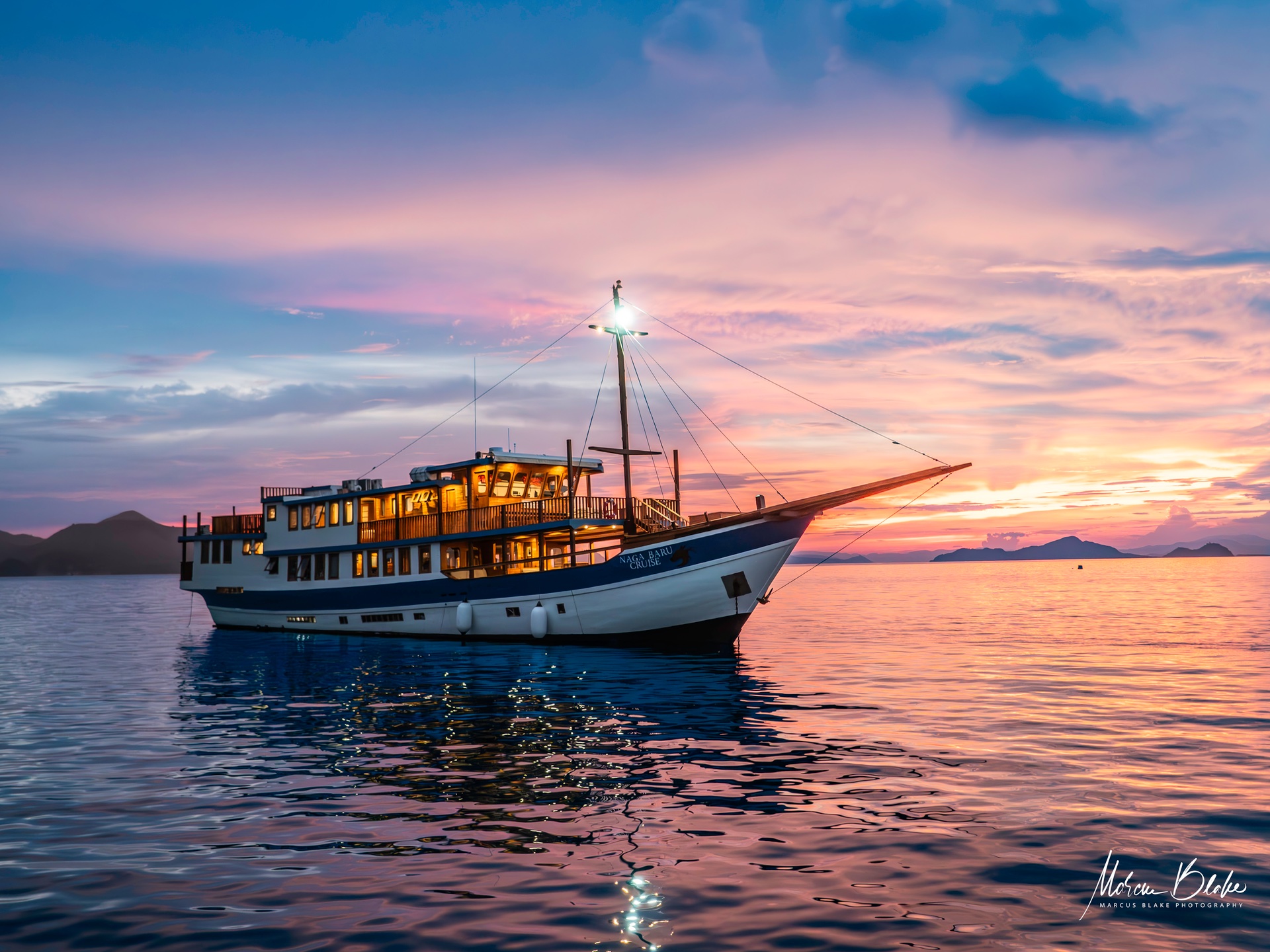
Naga Biru
Indonesia
12 guests40 m
$270/day
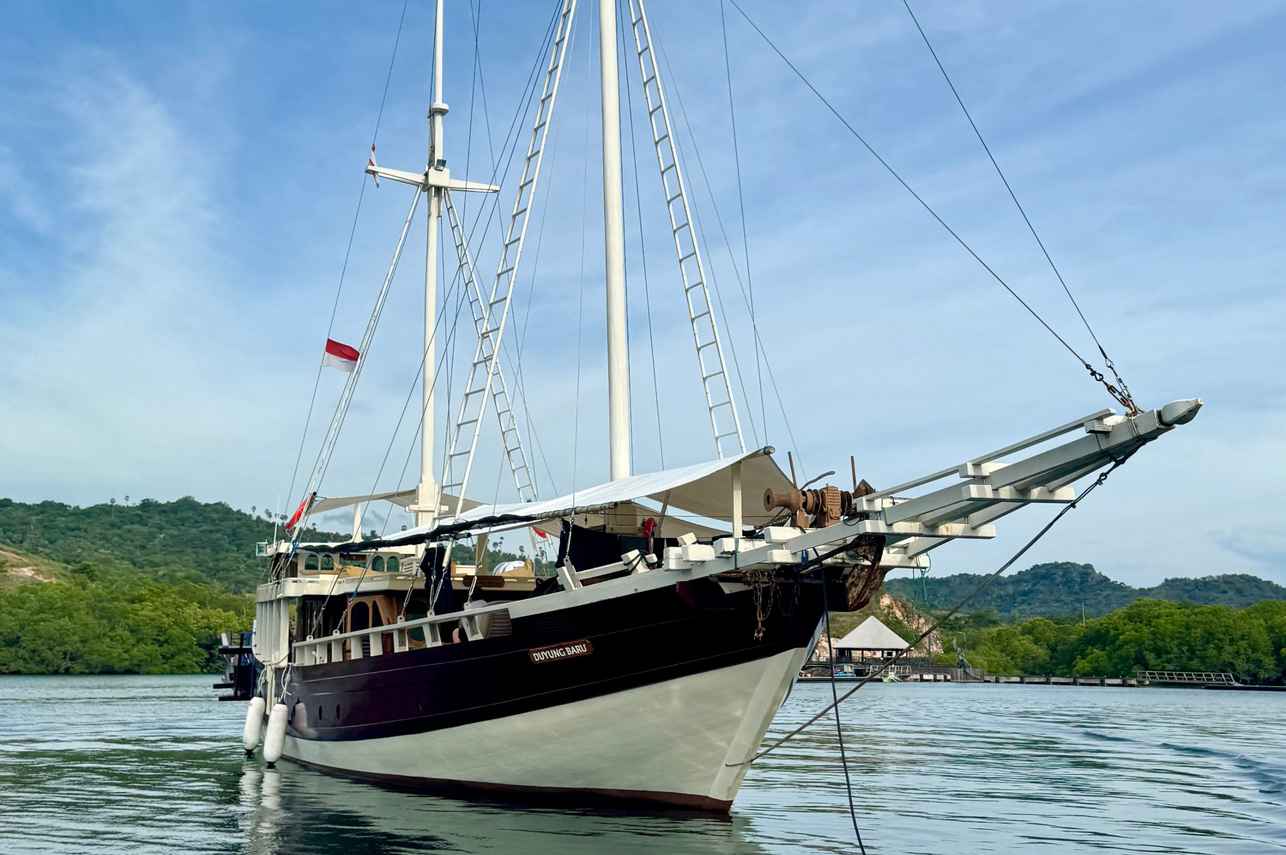
Ecopro Duyung Baru
Indonesia
6 guests27 m
$361/day
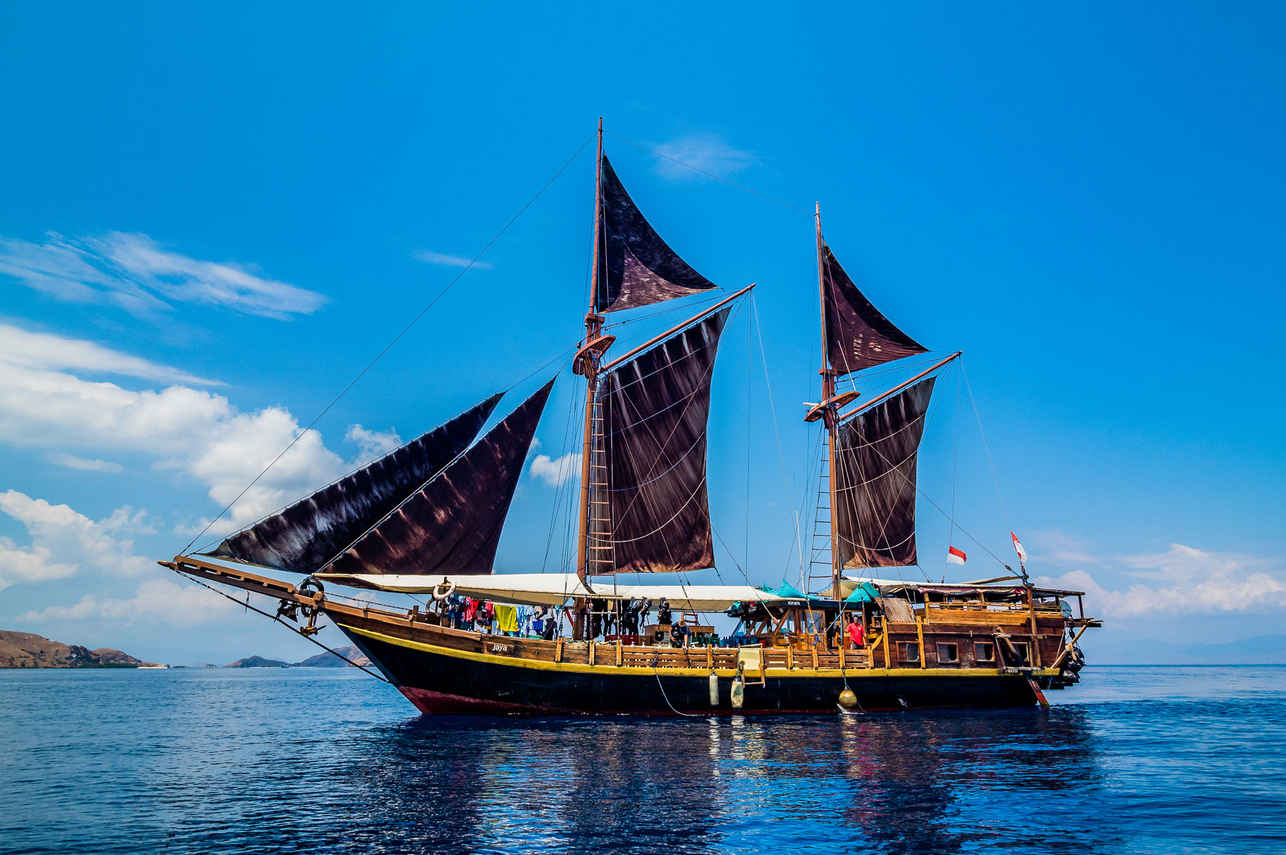
Jaya
Indonesia
14 guests23 m
$280/day
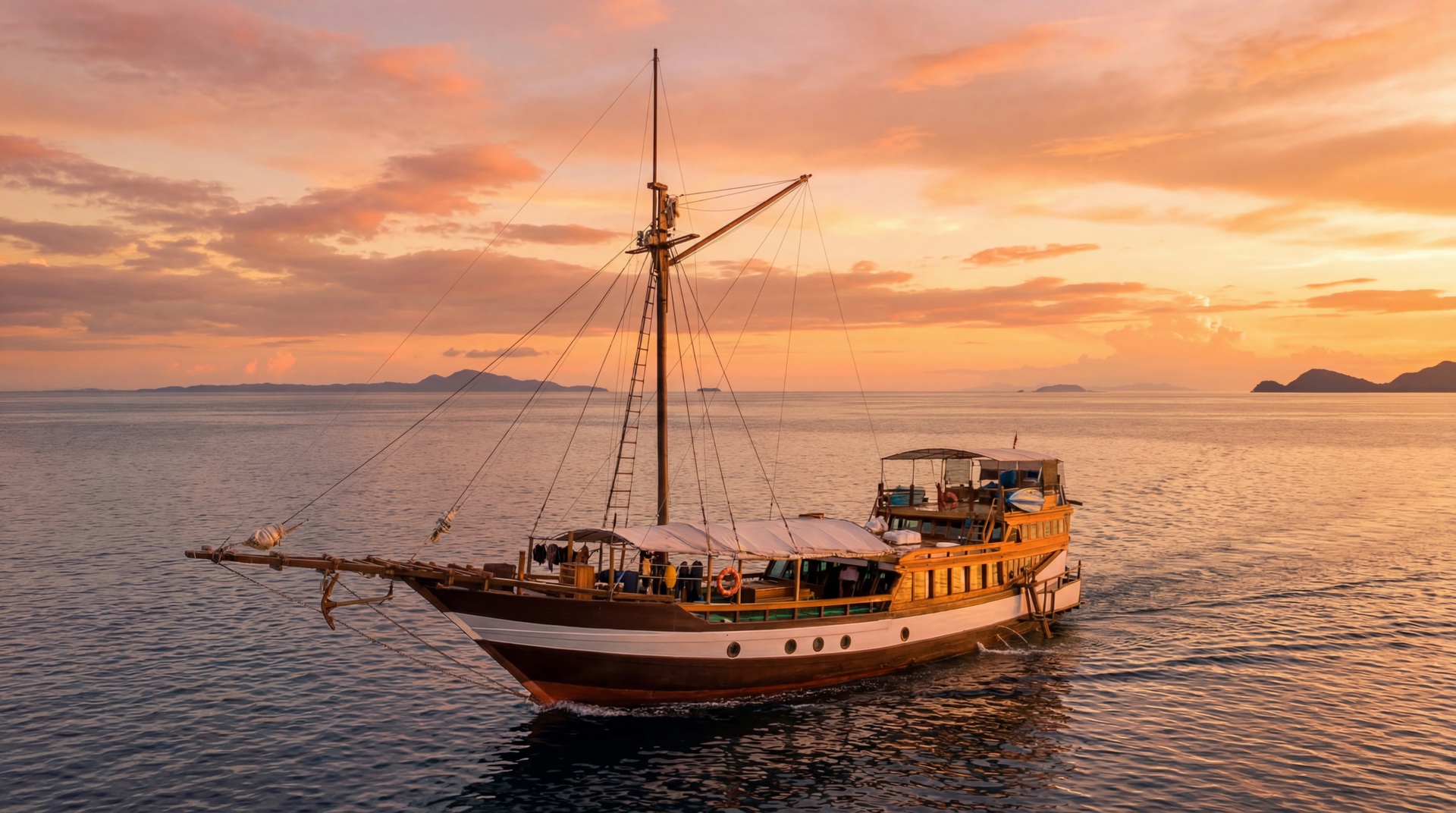
Wellenreng
Indonesia
9 guests25 m
$422/day
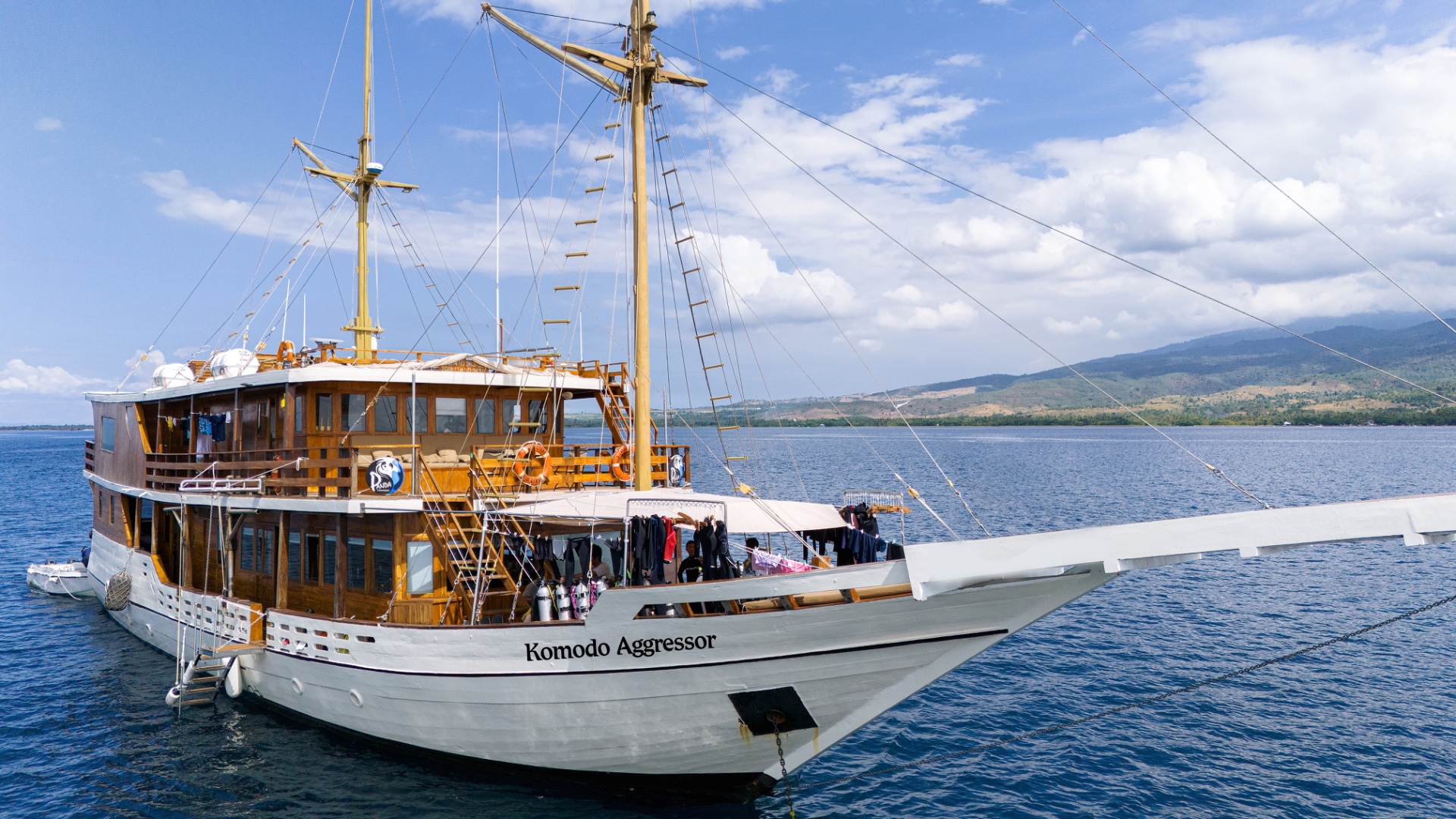
Komodo Aggressor
Komodo, Indonesia
16 guests29 m
$312/day
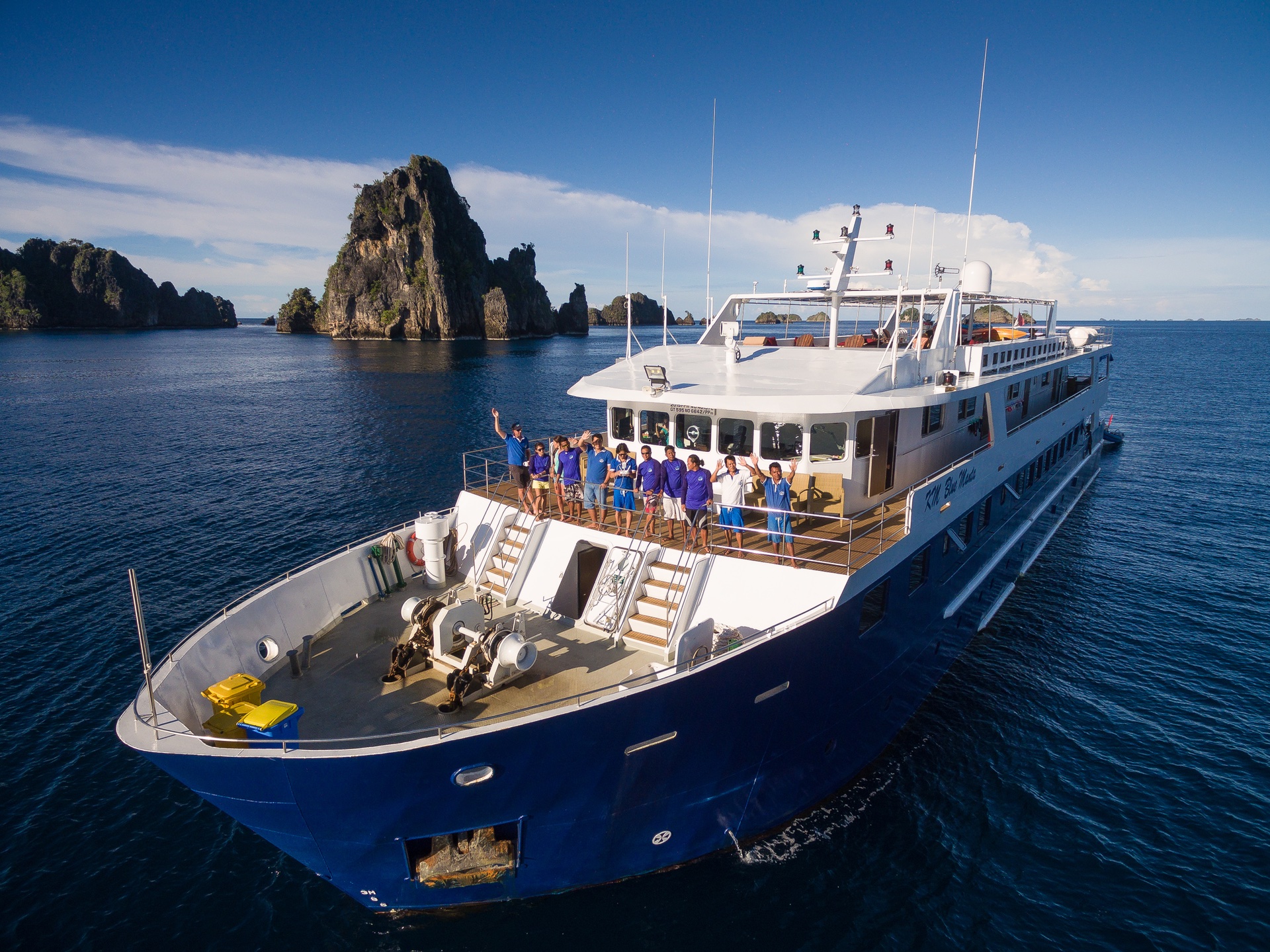
Blue Manta
Indonesia
20 guests45 m
$482/day
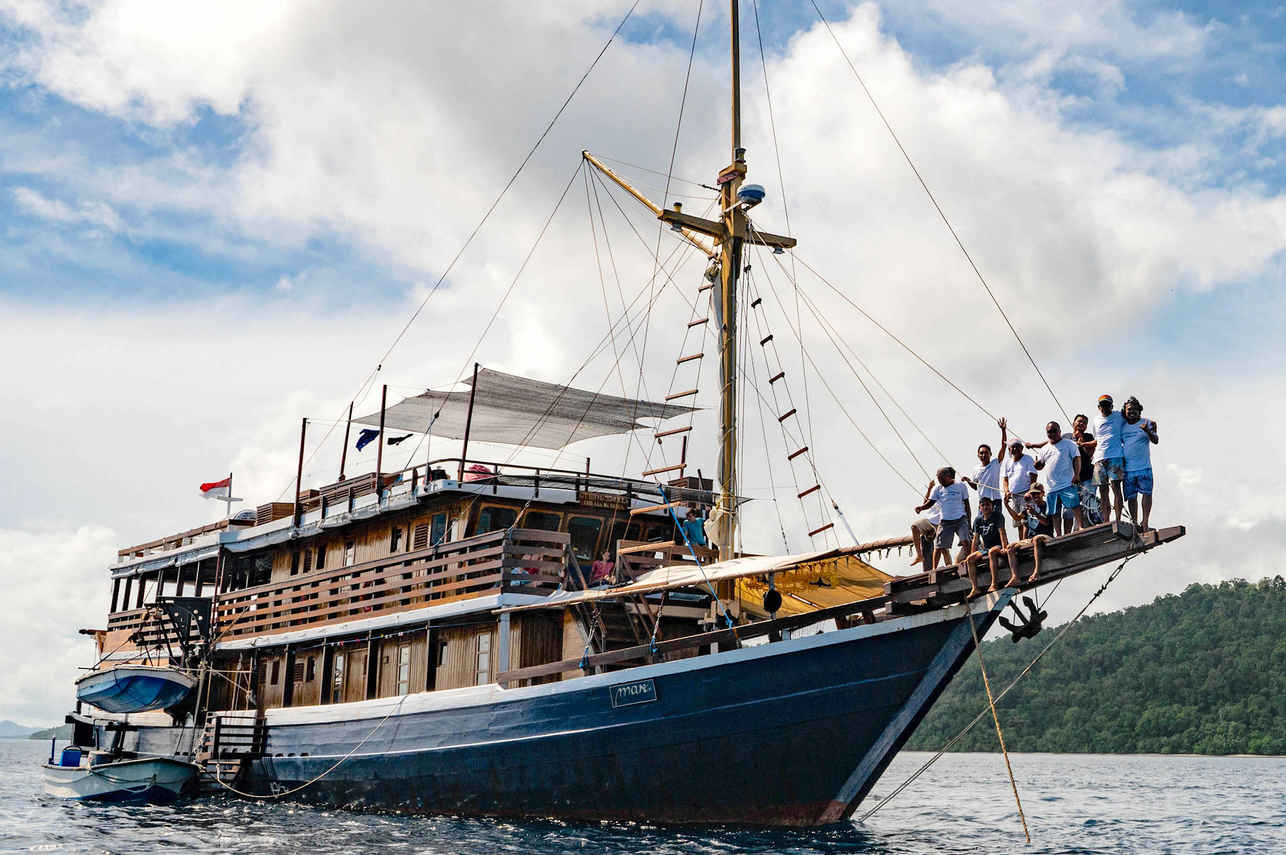
Mari
Indonesia
14 guests32.2 m
$319/day
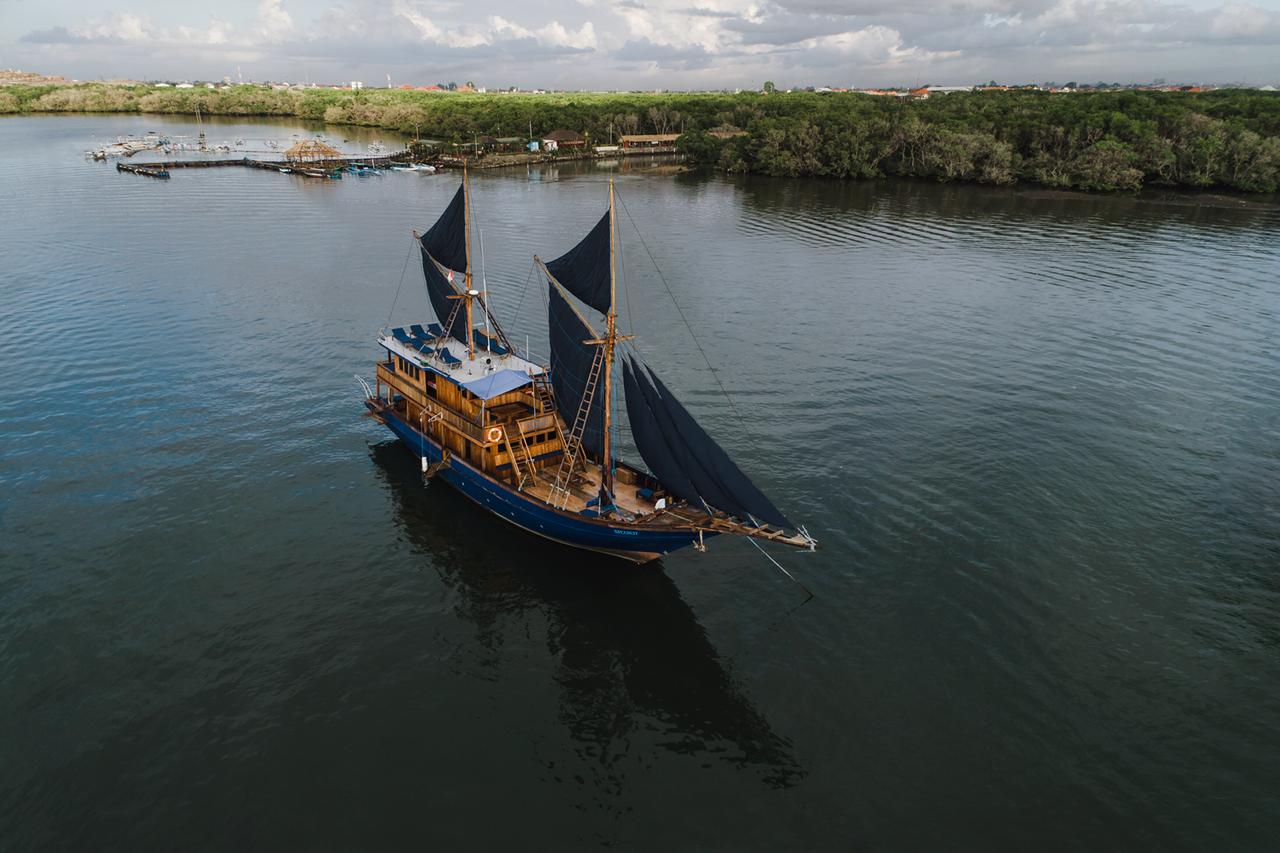
Situju7
Komodo, Indonesia
10 guests32.7 m
$362/day
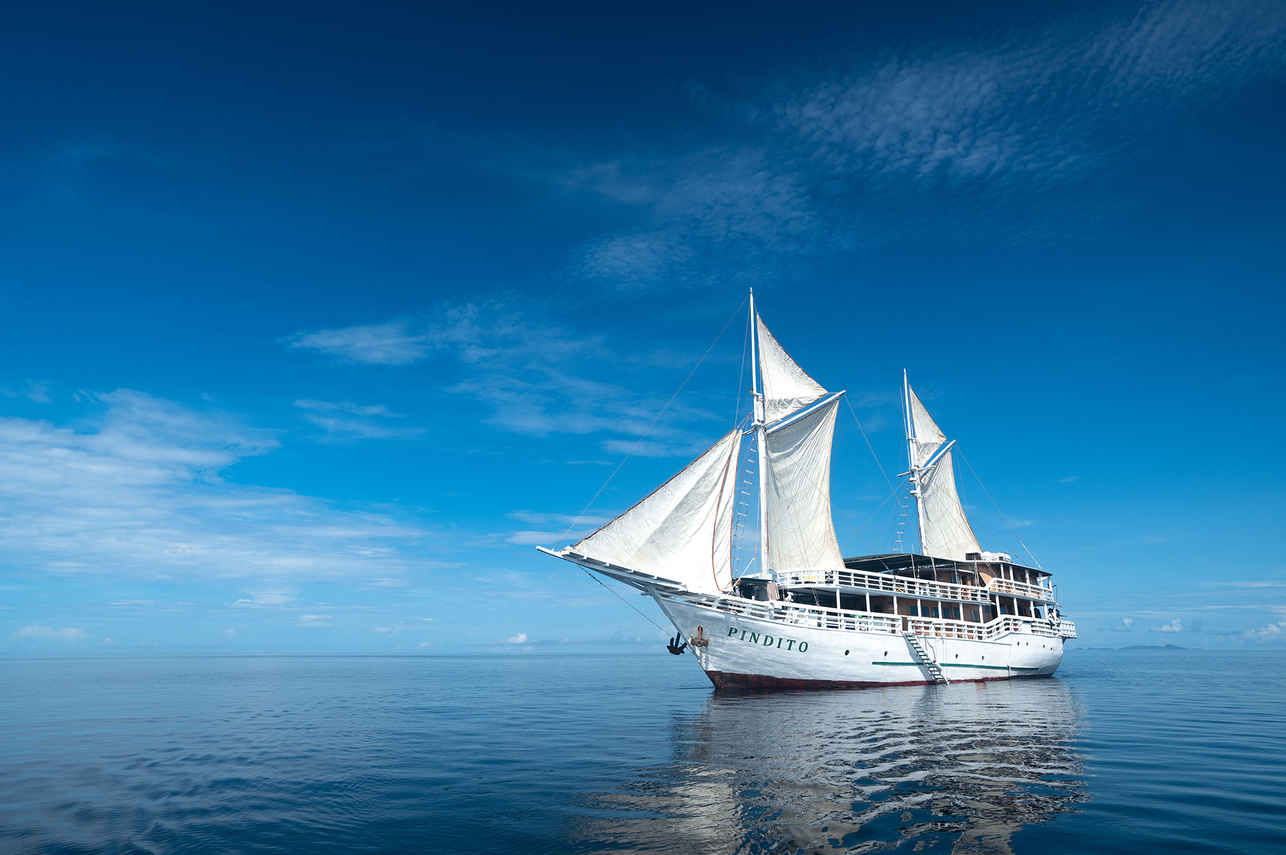
Pindito
Indonesia
16 guests37.79 m
$533/day
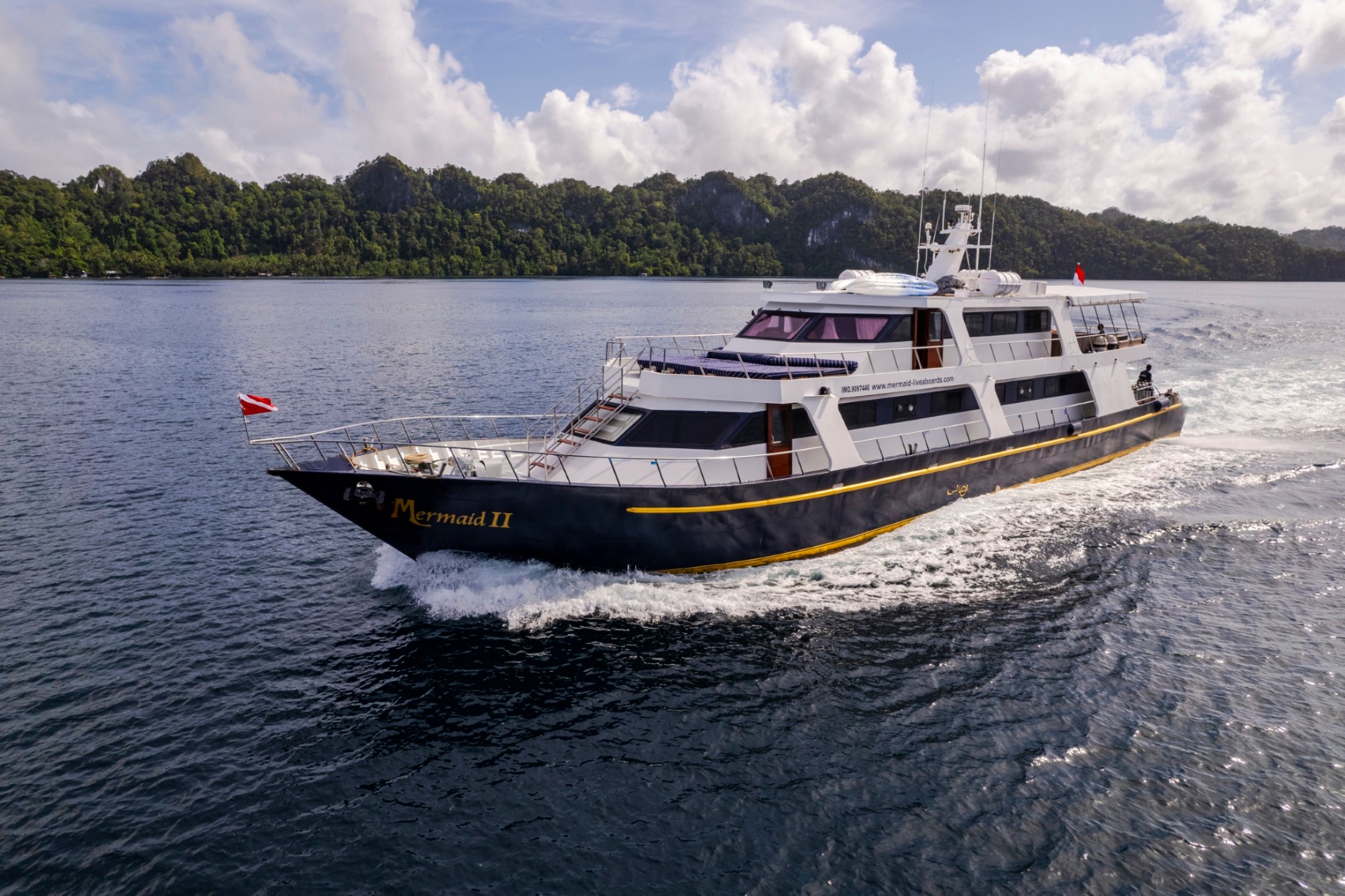
Mermaid II
Komodo, Indonesia
18 guests
$387/day
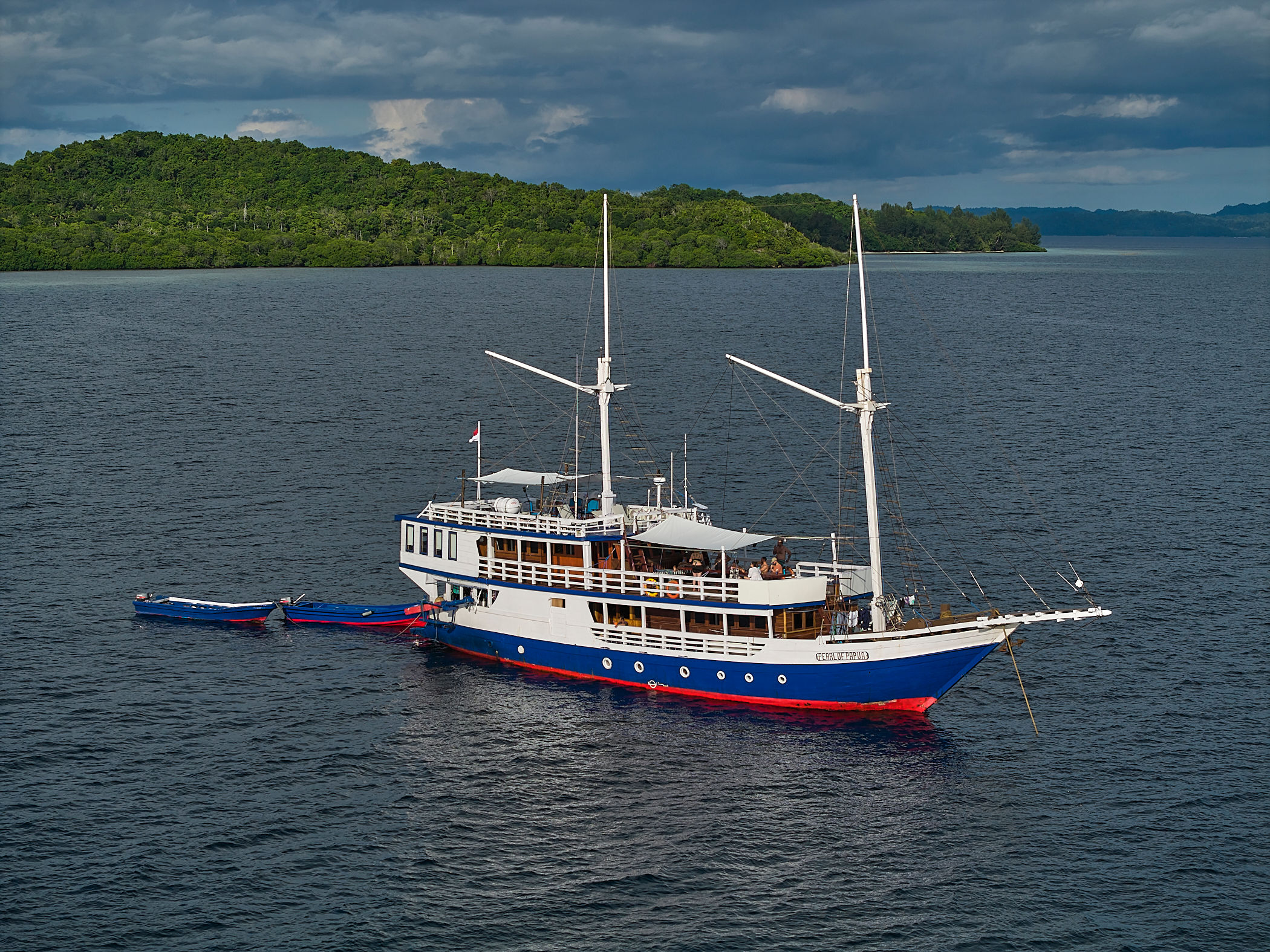
Pearl of Papua
Raja Ampat, Indonesia
14 guests30 m
$303/day
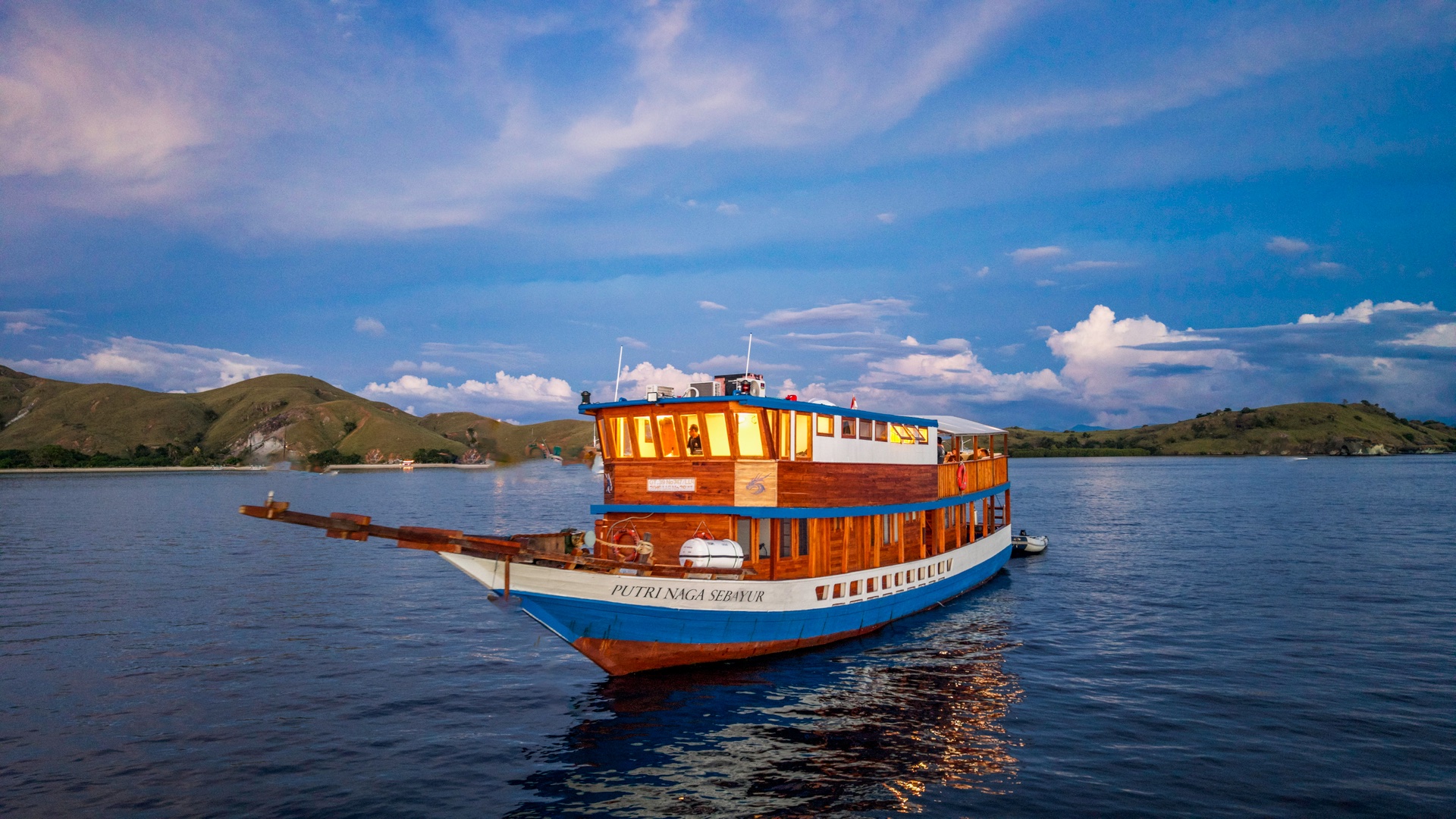
Putri Naga
Komodo, Indonesia
6 guests25 m
Dive sites similar to Tatawa Kecil
Same character, same waters — six more sites divers love for the exact same reasons.Compare seasons, access and liveaboard routes — then pick the site that fits your trip best.
© Esri — Maxar, Earthstar, GIS
Big La Laguna
Philippines
Big La Laguna is a beach community situated on the western edge of the Sabang Peninsula, a popular dive region on Mindoro Island, Philippines.
- Suitable for
- Intermediate
- Current
- Moderate
- Access
- Dayboat
- Depth
- 5–35 m
- Theme
- Reef / Wall
© Esri — Maxar, Earthstar, GIS
Rusa Pinnacle
Alor
Rusa Pinnacle is a challenging yet highly rewarding dive site situated in the Alor archipelago, part of Indonesia's East Nusa Tenggara.
- Suitable for
- Advanced
- Current
- Strong
- Access
- Liveaboard only
- Depth
- 6–30 m
- Theme
- Reef
Lipah Bay is situated on Bali's northeast coast within the Amed area, nestled against the dramatic backdrop of Gunung Agung.
- Suitable for
- Beginner
- Current
- Mild
- Access
- Liveaboard or dayboat
- Depth
- 5–30 m
- Theme
- Reef / Drift
© Esri — Maxar, Earthstar, GIS
Tangked Cave
Bali
Tangked Cave, sometimes referred to as Tangked Taked Shark Cave, is an advanced dive site situated in the open ocean off Bali's southeastern coast.
- Suitable for
- Advanced
- Current
- Moderate
- Access
- Liveaboard or dayboat
- Depth
- 15–40 m
- Theme
- Cave & cavern / Reef
© Esri — Maxar, Earthstar, GIS
Schools Out
Alor
Schools Out in Alor offers divers an exceptional encounter with healthy coral reefs and a rich variety of marine species.
- Suitable for
- Intermediate
- Current
- Mild
- Access
- Liveaboard only
- Depth
- 20–30 m
- Theme
- Reef
© Esri — Maxar, Earthstar, GIS
Batununggul
Bali
Batununggul, also known as Suana or Batumulapan by some operators, is a dynamic wall and sloping reef dive site situated on the eastern side of Nusa Penida, Bali.
- Suitable for
- Advanced
- Current
- Strong
- Access
- Liveaboard or dayboat
- Depth
- 10–40 m
- Theme
- Wall