About Tatawa Besar
Tatawa Besar, meaning 'big laugh' in Bahasa Indonesian, is a picturesque dive site located in the central area of Komodo National Park, northeast of Komodo Island. It stands out for its vibrant coral gardens, diverse marine life, and predominantly relaxed drift diving experiences, making it suitable for divers of all levels, including snorkelers in its shallow, clear sections. The site features a gently sloping coral reef that transitions into sandy patches and scattered bommies. Starting in the shallow top reef at 4-5 meters, the topography descends gradually to depths of 35-40 meters. Hard corals, expansive fields of table corals, soft corals, sponges, and sea fans dominate the underwater landscape, creating a rich and colorful environment. Tatawa Besar is celebrated for its rich marine biodiversity, being part of the Coral Triangle. Divers frequently encounter white-tip and black-tip reef sharks, often resting under table corals, along with majestic manta rays at cleaning stations, and eagle rays gliding in the deeper blue. The reef also teems with schools of fusiliers, red tooth triggerfish, anthias, snappers, butterflyfish, and emperor fish, alongside fascinating macro life such as octopus and frogfish. Dolphins are also occasionally sighted. Most dives here are drift dives, leveraging the consistent currents to explore the reef. While generally considered one of Komodo's more relaxed drift experiences, currents can intensify, offering a thrilling ride for experienced divers. The site is often dived on a falling tide, moving from the northwesterly tip in a southeasterly direction with the reef on the diver's right shoulder, allowing for extended bottom times and varied encounters.
Highlights
Vibrant coral gardensRelaxed drift divesAbundant green and hawksbill turtlesManta ray cleaning stationsReef shark encountersDiverse reef fish schoolsScenic swim-throughsExcellent visibility
Season calendar
Best months to dive here
Jan
Feb
Mar
Apr
May
Jun
Jul
Aug
Sep
Oct
Nov
Dec
Excellent
Good
Off-Season
Mar – May & Sep – Nov (Mar–May, Sep–Nov)
Best overall conditions with comfortable temperatures. Southern mantas Apr–Jun, northern mantas Sep–Nov. Good visibility and manageable currents.
Dec – Feb (Dec–Feb)
Excellent visibility up to 30m. Warmer water temperatures. Good manta activity in transition. Busiest tourist period.
Jun – Aug (Jun–Aug)
Cooler water from upwellings (24–26°C) brings nutrient-rich plankton. Reduced visibility but exciting pelagic action. Fewer boats and lower prices.
Dive site facts: Tatawa Besar
- Depth
- 5–40 m
- Typical dive
- 12–25 m, 50–60 min
- Current
- Moderate to strong drift
- Visibility
- 10–30 m
- Water temperature
- 24–29°C
- Entry
- Live boat / Tender
- Level
- All levels, current experience beneficial
- Dive type
- Drift, coral gardens, pelagic, macro
- Night dive
- Not typical
- Region / port
- Central Komodo, Labuan Bajo
- Coordinates
- -8.522, 119.504
Conditions & Currents
Currents at Tatawa Besar are a defining feature, typically ranging from moderate to strong, making most dives here exhilarating drifts. The site is usually navigated on a falling tide, starting at the northwesterly tip and proceeding southeast along the reef. Divers should be prepared for potential up and down currents in certain areas due to the varied topography, which can be managed with proper body and fin positioning. While often described as a more relaxed drift compared to other Komodo sites, the speed can pick up, requiring divers to stay close to the reef and follow the guide's instructions. Visibility is generally excellent, enhancing the drift experience, but thermoclines are uncommon.
Marine life & sighting chances

Green turtle
common
Hawksbill turtle
common
White-tip reef shark
common
Black-tip reef shark
occasional
Manta ray
November–May · occasional
Eagle ray
occasional
Napoleon wrasse
common
Sweetlips
common
Anthias
common
Fusilier
common
Redtooth triggerfish
common
Octopus
occasional
Frogfish
occasional
Dolphin
rareDive profile & how the dive runs
Dives at Tatawa Besar typically begin with a live boat entry near the northwesterly tip of the island, aligning with a falling tide. Divers then drift in a southeasterly direction, keeping the sloping reef on their right shoulder. The initial descent leads to a shallow top reef around 4-5 meters, which then gently slopes down to 25 meters, where much of the action unfolds. Divers can explore extensive coral gardens, bommies, and occasional swim-throughs, paying attention to deeper overhangs for resting reef sharks. Mid-dive, the depth can vary as you follow the contour of the reef, keeping an eye out for turtles on ledges. The drift continues along the reef, with the turn point often dictated by the current strength and air consumption. Safety stops are conducted in the shallower, protected sections of the reef, often over the vibrant coral gardens, before surfacing for a tender pickup.
Underwater photography
Tatawa Besar offers fantastic opportunities for both wide-angle and macro photography. For wide-angle shots, utilize the extensive soft coral gardens, schools of fusiliers and triggerfish, and the dramatic reef topography against clear blue water. A wide-angle lens will capture the scale of the coral fields and the occasional passing pelagics like manta rays or eagle rays. Consider using strobes to bring out the true colors of the soft corals and sponges, especially in deeper sections. For macro subjects, search among the sponges and coral branches for octopus, frogfish, and various nudibranchs and shrimp. Buoyancy control is paramount, especially during drift dives and when photographing delicate coral structures; avoid contact with the reef. When photographing turtles or mantas, maintain a respectful distance and avoid chasing them to ensure natural behavior and clear shots.
Combine with nearby dive sites
- Tatawa Kecil
A more exposed dive with stronger currents, offering different marine life and topography.
- Batu Bolong
A world-renowned pinnacle with extreme current and dense fish life, requiring advanced skills.
- Manta Point (North)
A popular site for frequent manta ray encounters, usually in shallower waters.
- Siaba Besar
Known for calm conditions, excellent for macro life and green turtles.
- Sebayur Kecil
A beginner-friendly reef with good coral health and diverse fish populations.
Getting there & logistics
Komodo National Park is typically accessed via Labuan Bajo (LBJ) airport, on the island of Flores, which has direct flights from Bali (DPS) and Jakarta (CGK). From Labuan Bajo, divers embark on liveaboards or day trips to reach Tatawa Besar. The site is approximately 35 minutes by boat from Sebayur Island, where some resorts are located. Trips typically range from single-day excursions to multi-day liveaboard itineraries that combine Tatawa Besar with other central, northern, and southern Komodo dive sites. All visitors to Komodo National Park must pay park entrance fees and diving fees, which are usually managed by your dive operator. It is often combined with visits to Komodo Island to see the Komodo dragons and stops at iconic locations like Pink Beach.
Safety & environment
Diving in Komodo's currents requires adherence to safety protocols. Always listen carefully to your dive guide's briefing, stay behind them, and maintain the same depth level, as currents can vary significantly at different depths. Stay close to both your guide and the reef, and follow all underwater instructions to safely navigate the drift. Maintain excellent buoyancy to avoid damaging the delicate coral and for efficient movement. The nearest recompression chamber is in Denpasar, Bali, necessitating a medical evacuation in case of a serious diving incident. Therefore, comprehensive dive insurance covering emergency medical treatment and evacuation is essential. Always dive within your certification limits and comfort level, and communicate any concerns to your guide, especially regarding current strength.
Who it suits — and who it doesn't
Suited for
- Newer divers comfortable with drift techniques
- Photographers seeking vibrant wide-angle reef scenes
- Divers interested in diverse reef fish and pelagics
- Snorkelers looking for rich shallow marine life
- Divers seeking a relaxed yet engaging drift experience
Less suited for
- Divers uncomfortable with any form of current
- Those who prefer purely static, current-free dives
- Individuals with poor buoyancy control
- Divers unwilling to follow guide instructions in current
- Those seeking only extreme macro subjects in muck
FAQ
Tatawa Besar FAQ
Is Tatawa Besar suitable for beginner divers?
Yes, Tatawa Besar is often recommended for newer divers, especially when currents are mild. The reef's gentle slope allows for a relaxed drift, and guides tailor the dive profile to comfort levels. Comprehensive briefings on buoyancy and drift techniques are provided before entry, making it an accessible site for building confidence.
What kind of drift diving can I expect at Tatawa Besar?
Tatawa Besar is famous for long, scenic drift dives over soft coral gardens. During calmer tides, the drift is effortless, ideal for those new to current. When the flow strengthens, it transforms into a more exhilarating ride, appealing to experienced divers who enjoy faster drifts while still offering plenty to observe along the reef.
How good is the turtle diving at this site?
Turtle encounters are frequent at Tatawa Besar. Both green and hawksbill turtles are commonly sighted, resting on ledges, tucking under overhangs, or cruising the reef slope. To ensure the best viewing experience and respect the animals, divers should move calmly, maintain distance, and allow guides to point out optimal viewing angles without crowding.
Are there swim-throughs, and are they safe for all certification levels?
Tatawa Besar features swim-throughs that enhance the sense of exploration without typically presenting extreme overhead environments. Guides only lead divers through these features when conditions are suitable and after confirming comfort levels. Divers preferring open water can still enjoy the stunning reef from the outside.
When are the calmest conditions for diving Tatawa Besar?
The calmest conditions, including clearest water and friendlier surface states, are usually observed from April through November, coinciding with Komodo National Park's peak season. However, Tatawa Besar is dived year-round when sea conditions permit, with dive teams closely monitoring tides to select the best windows for different diver groups.
Why dive Tatawa Besar from a liveaboard?
Tatawa Besar is one of Komodo, Indonesia's signature dive sites. A liveaboard sleeps you on the water and puts you in the water for three to four guided dives per day, including dawn and night dives that day-boat operators rarely offer. You skip the daily commute back to port and reach quieter, less-crowded sites in the same region on a single trip.
Below are the liveaboards that include Tatawa Besar on their Komodo, Indonesia itineraries.
Liveaboards diving Tatawa Besar
These liveaboards may visit Tatawa Besar on selected itineraries — the exact dive sites depend on departure, weather and conditions.
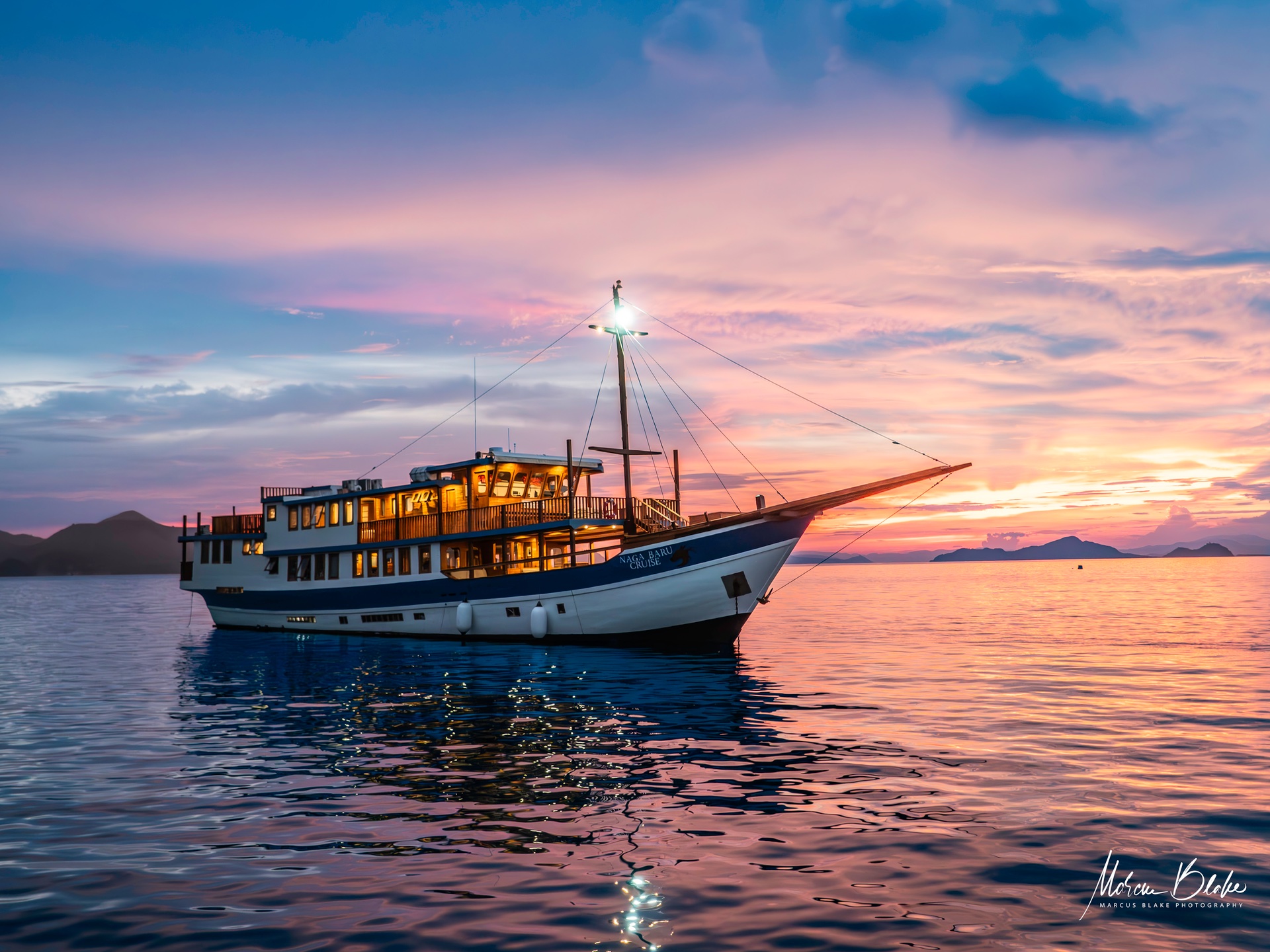
Naga Biru
Indonesia
12 guests40 m
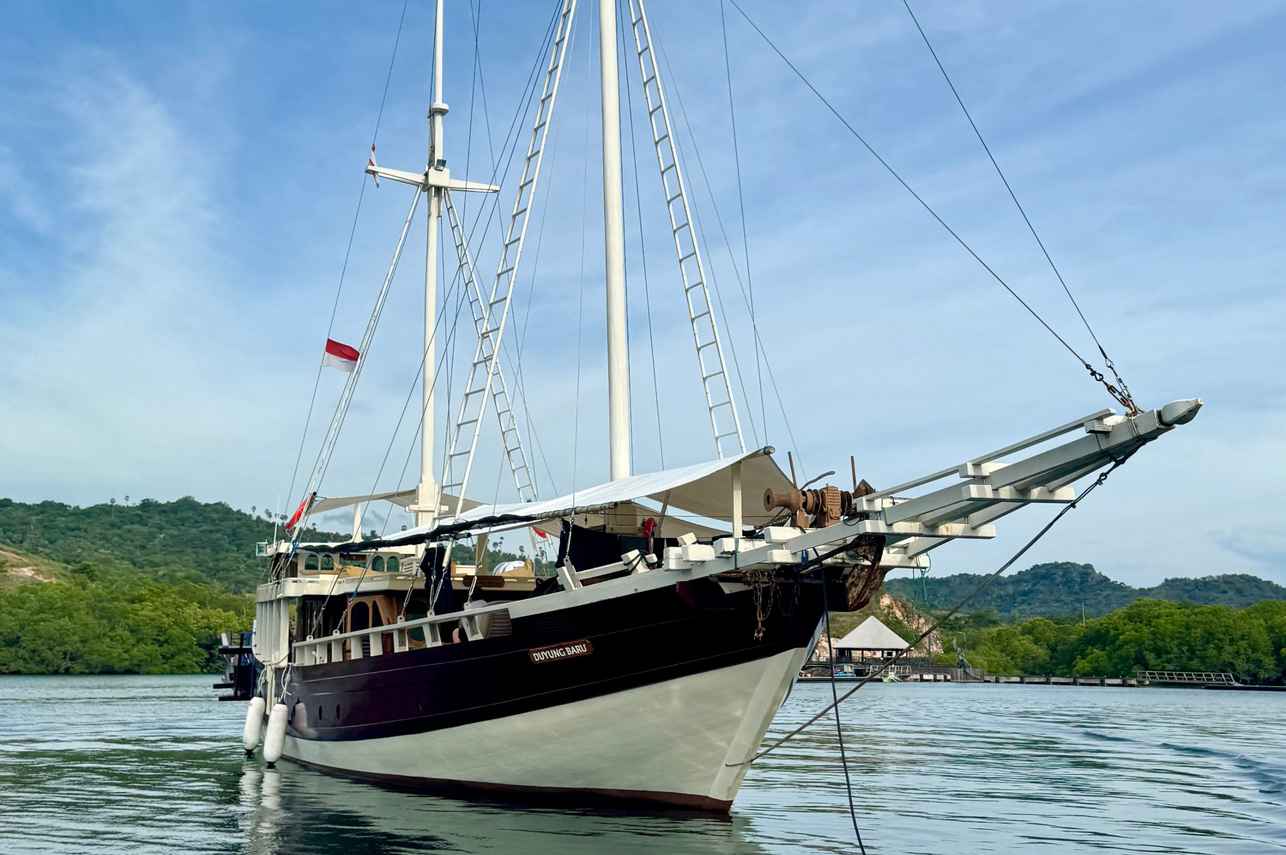
Ecopro Duyung Baru
Indonesia
6 guests27 m
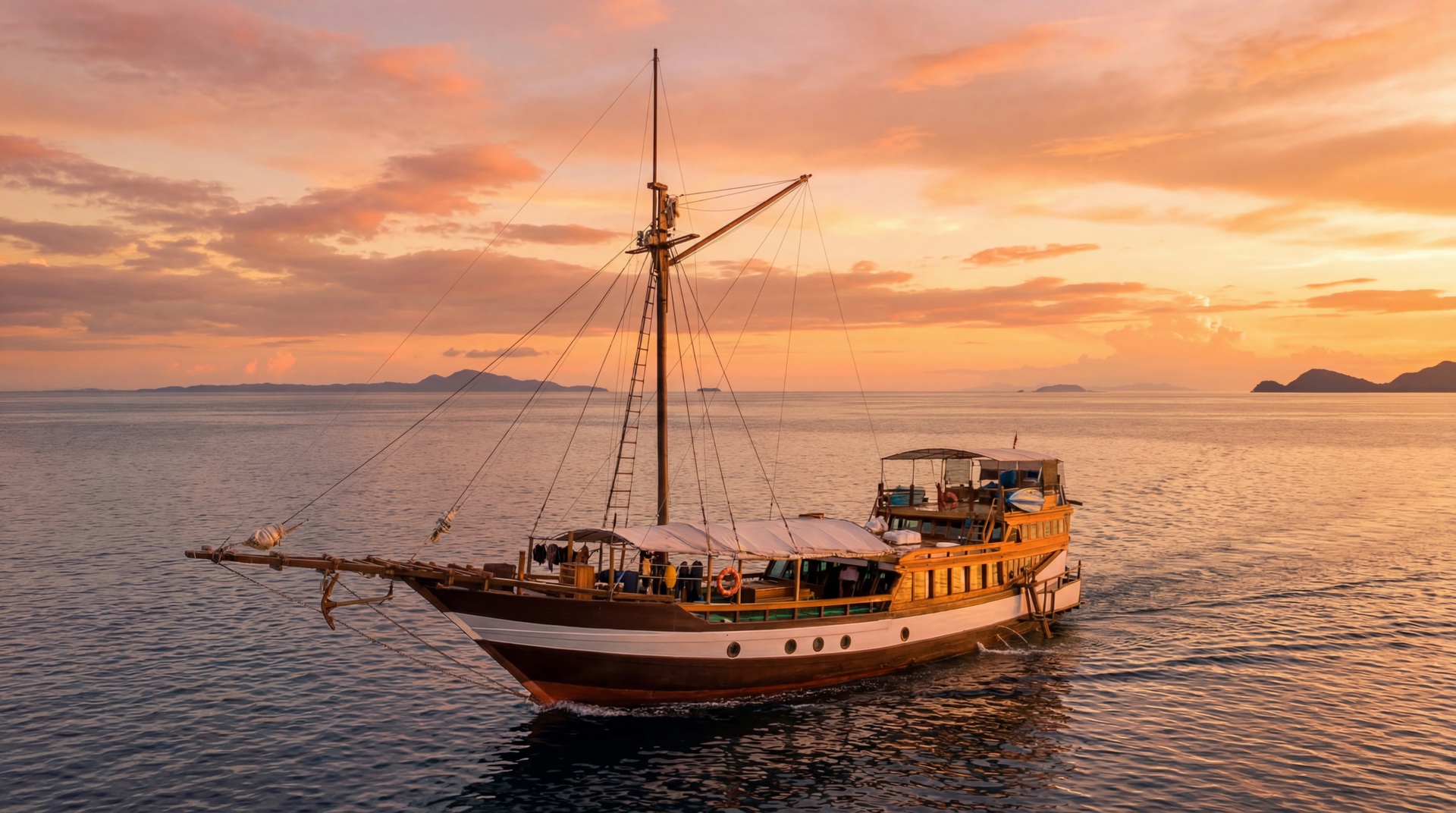
Wellenreng
Indonesia
9 guests25 m
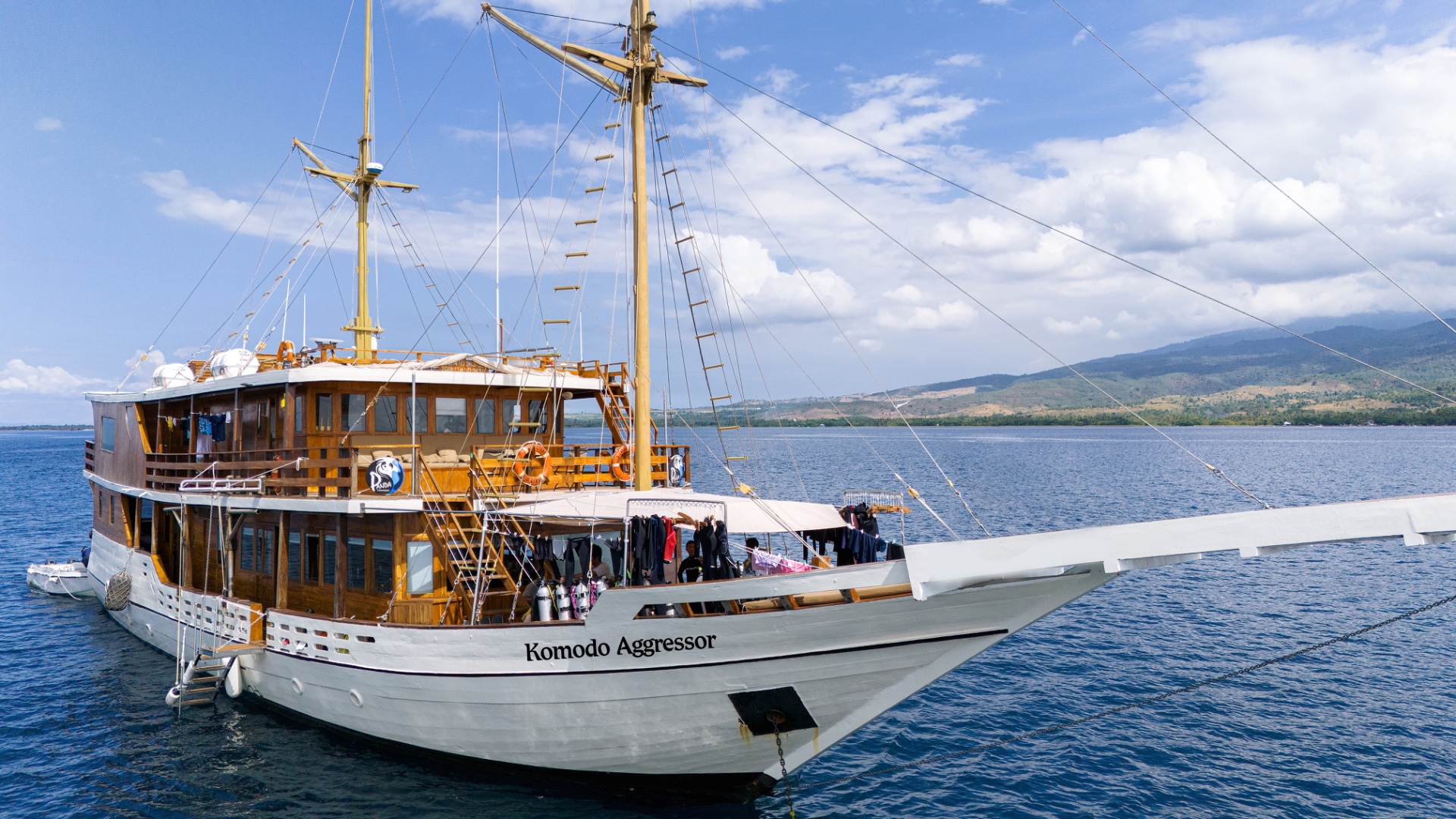
Komodo Aggressor
Komodo, Indonesia
16 guests29 m
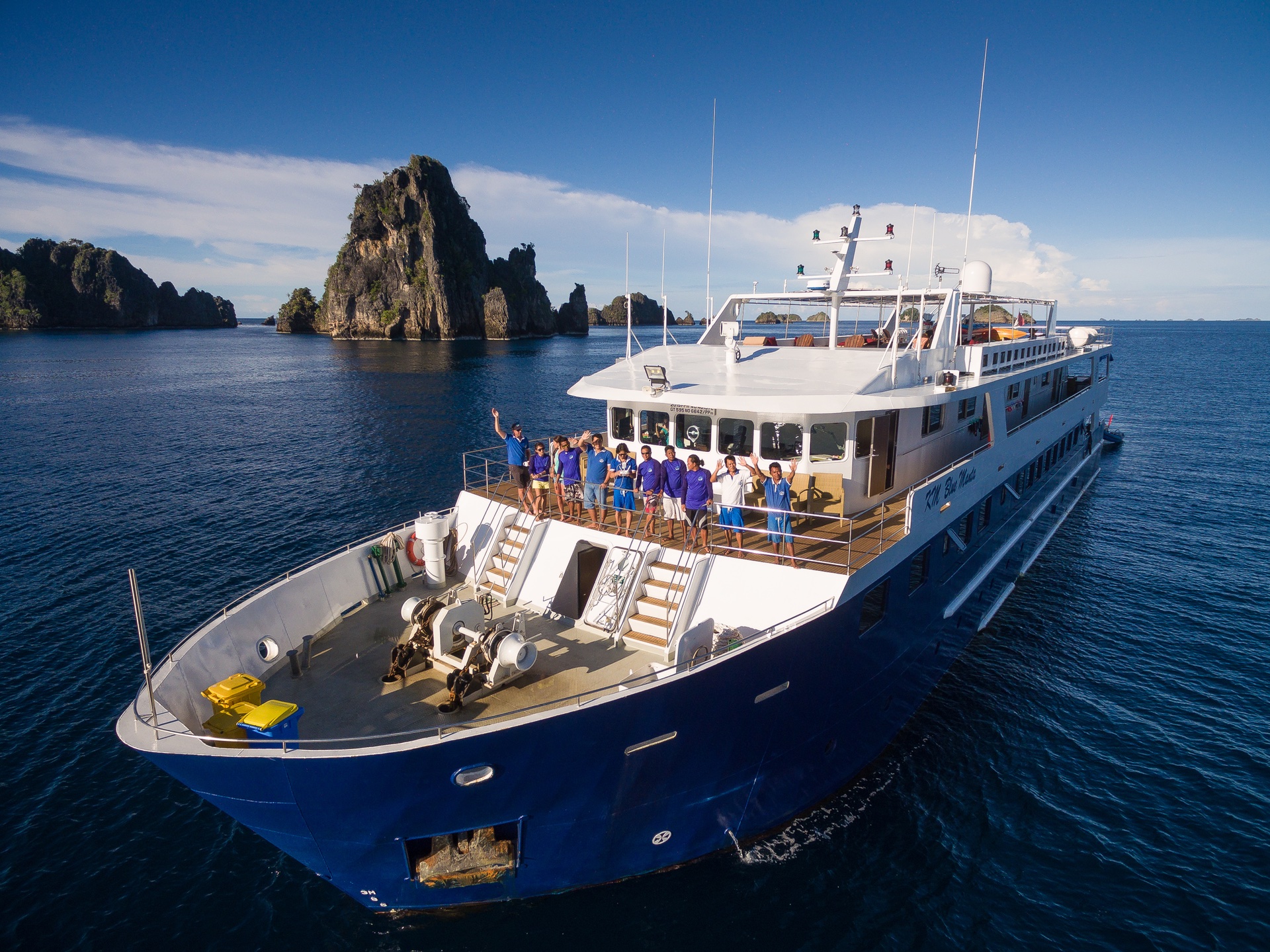
Blue Manta
Indonesia
20 guests45 m
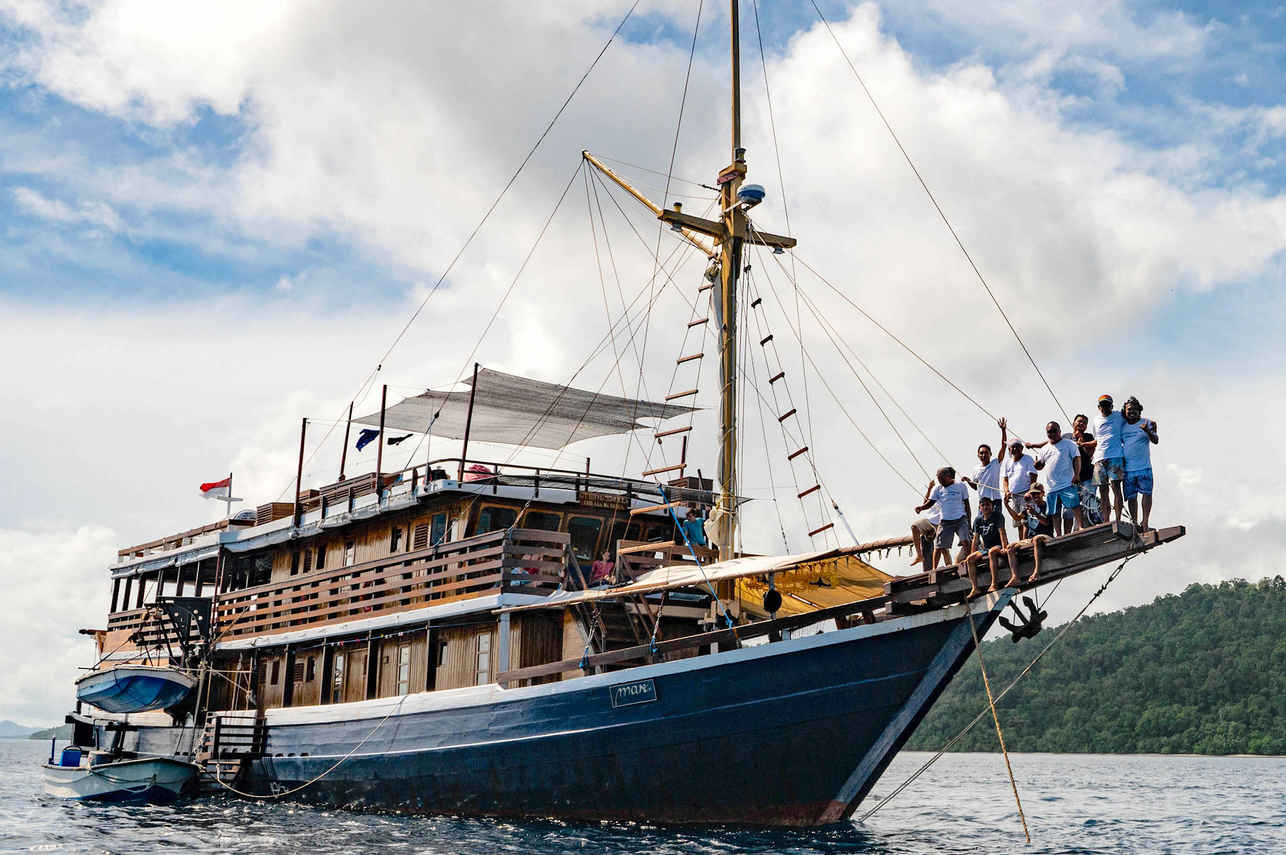
Mari
Indonesia
14 guests32.2 m
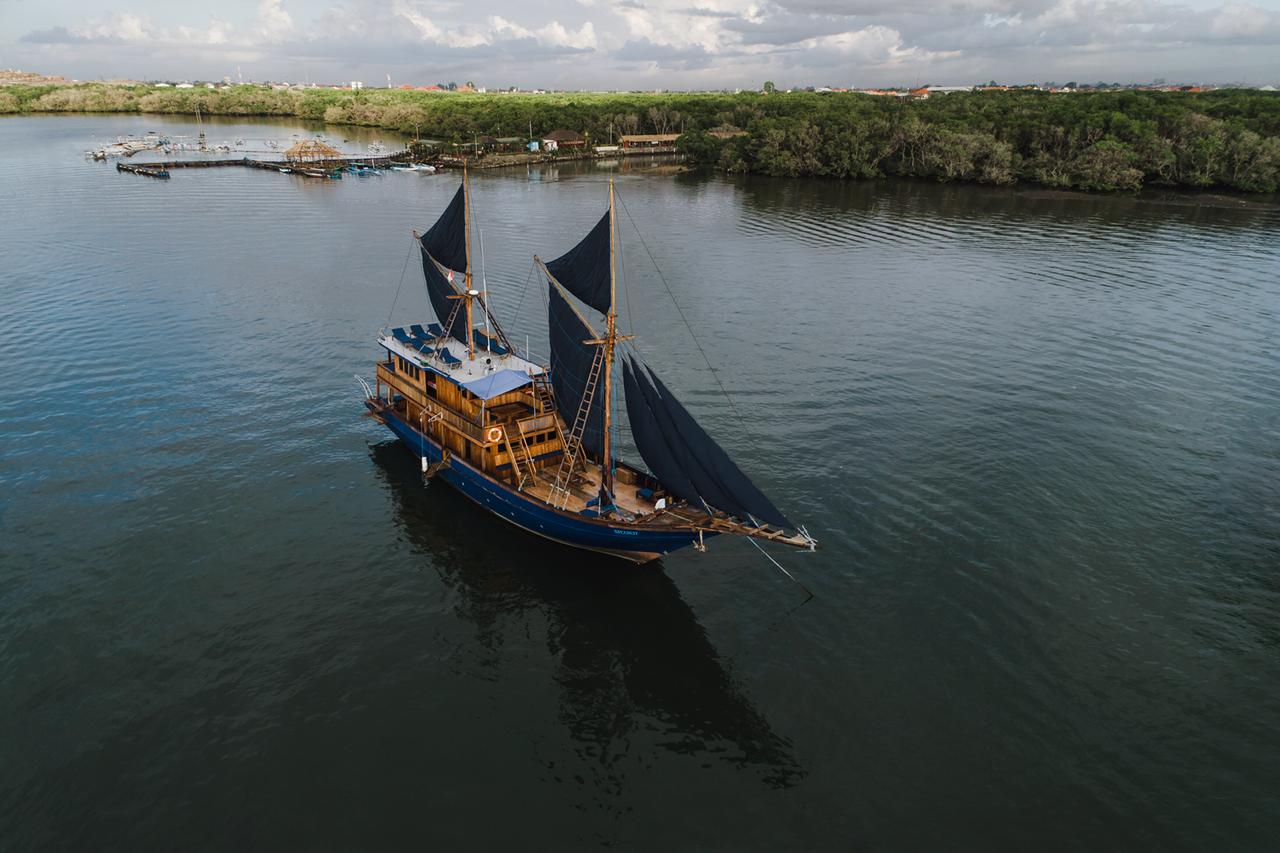
Situju7
Komodo, Indonesia
10 guests32.7 m
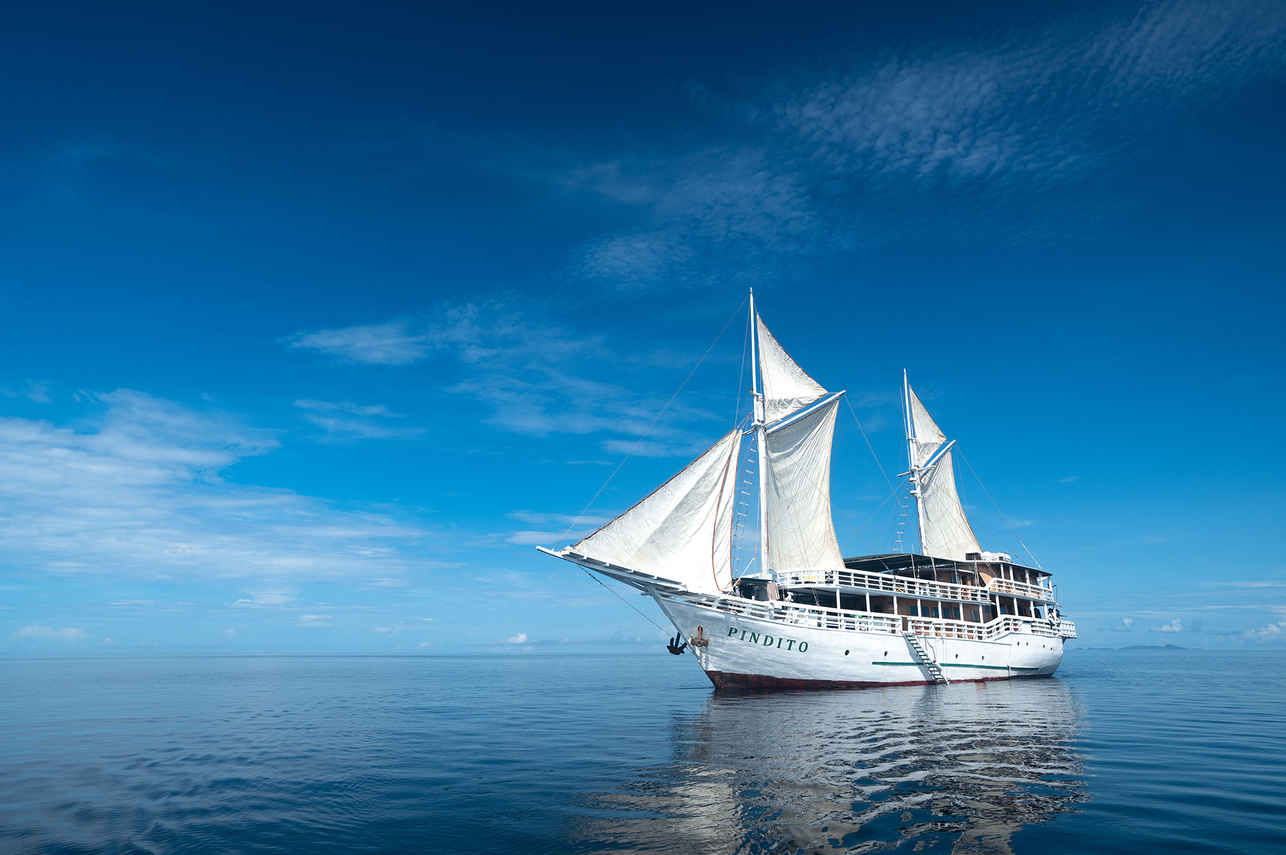
Pindito
Indonesia
16 guests37.79 m
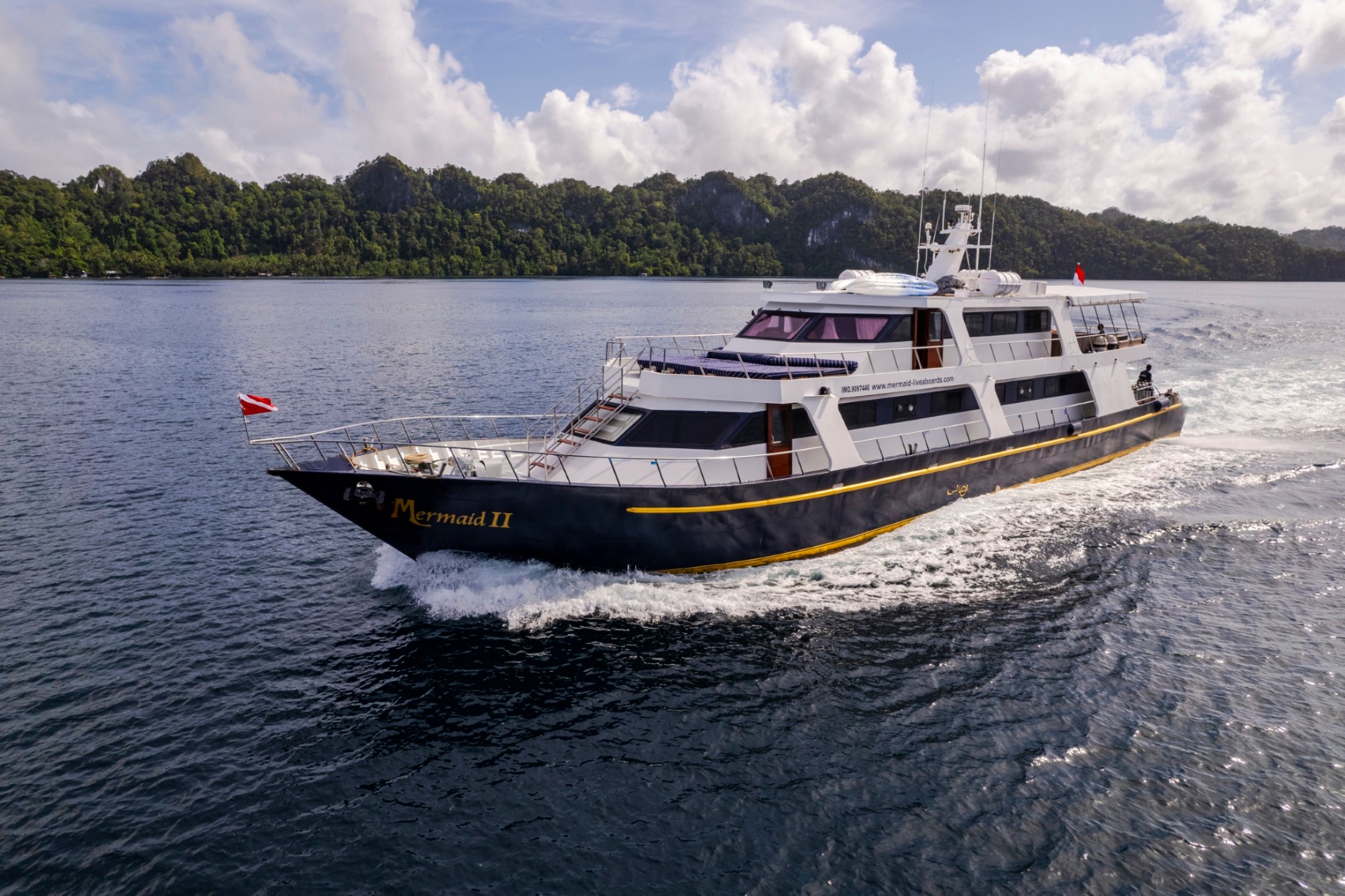
Mermaid II
Komodo, Indonesia
18 guests
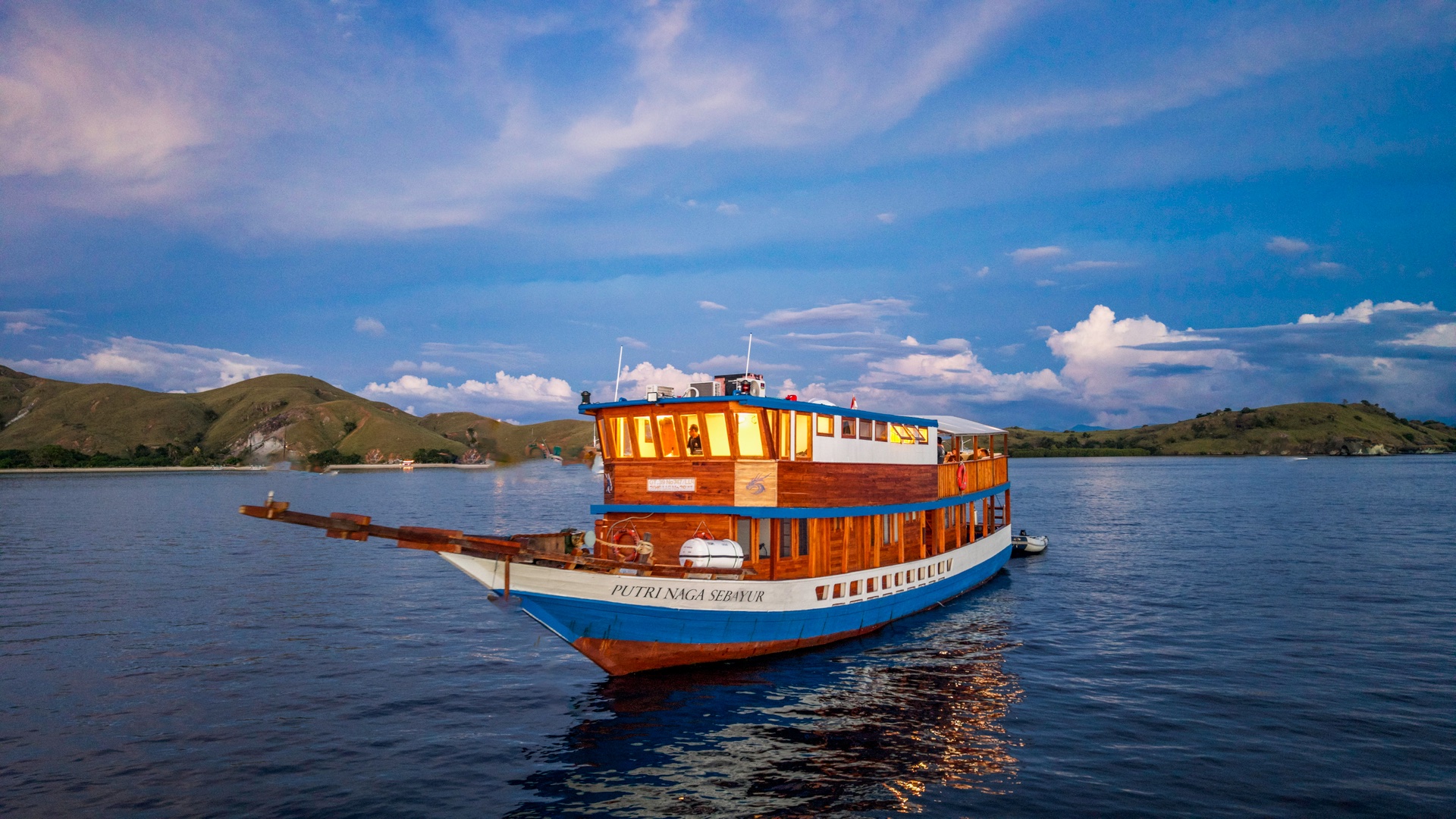
Putri Naga
Komodo, Indonesia
6 guests25 m
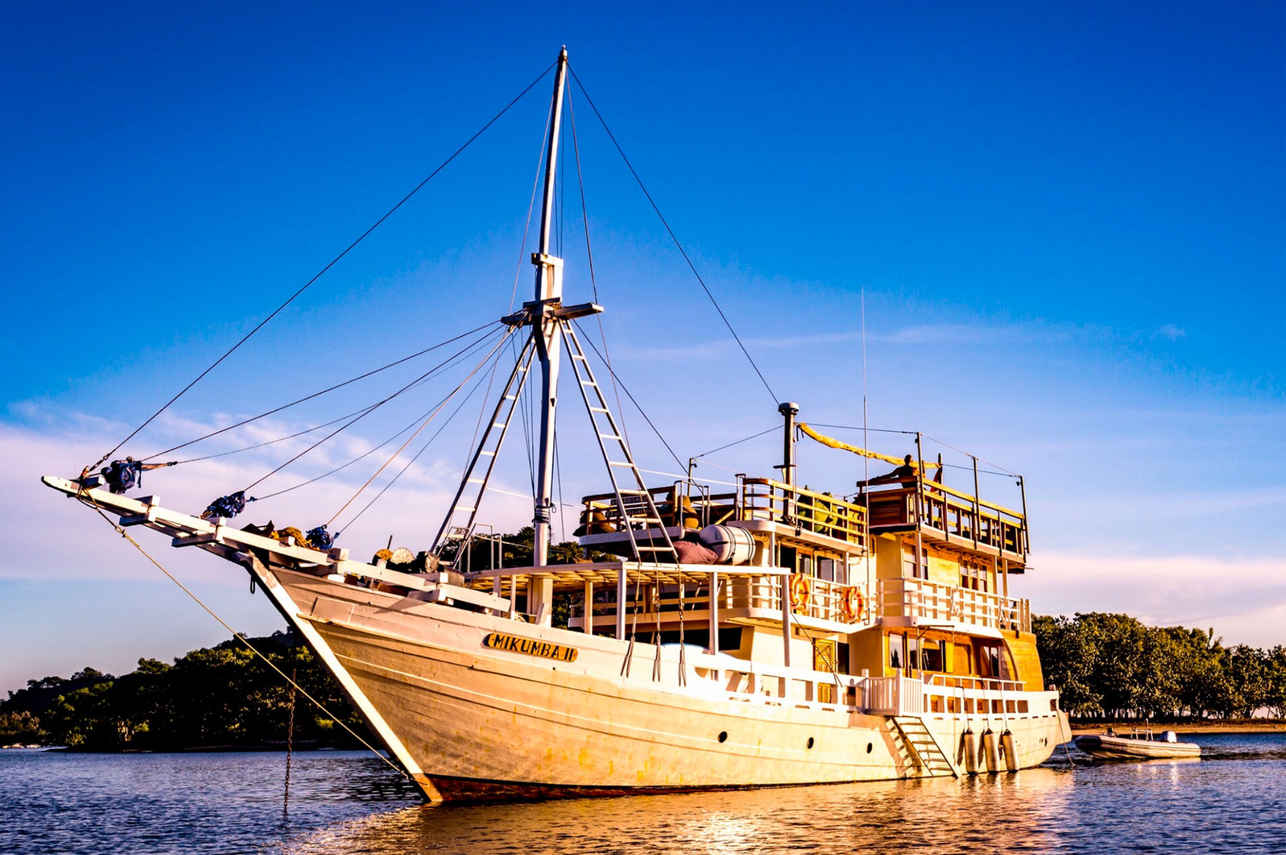
Mikumba Dua
Indonesia
10 guests30 m
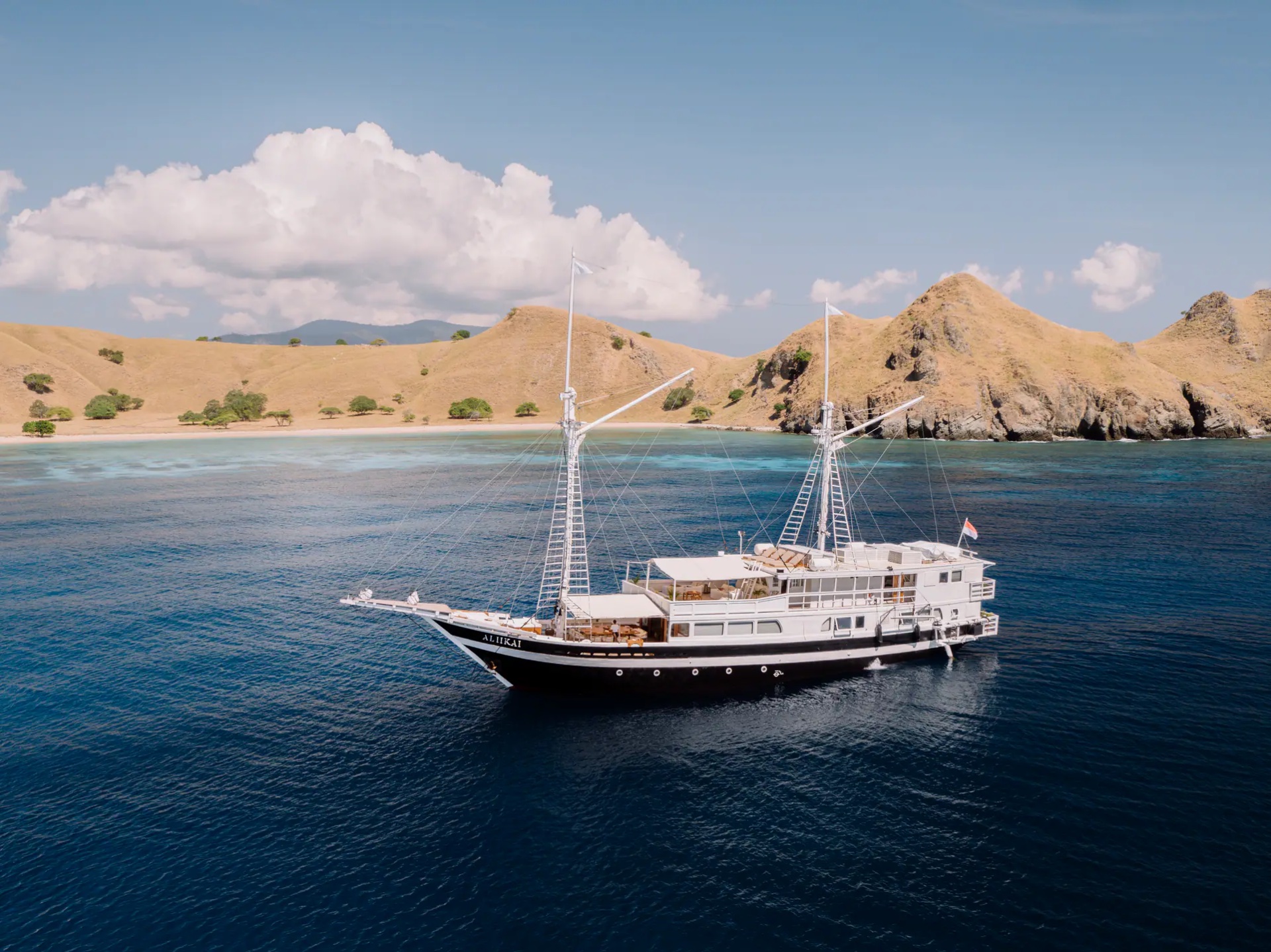
Aliikai Voyage
Indonesia
15 guests40 m
Dive sites similar to Tatawa Besar
Same character, same waters — six more sites divers love for the exact same reasons.Compare seasons, access and liveaboard routes — then pick the site that fits your trip best.
Abila is a notable dive site located within the Alor Islands Marine Park, an area celebrated for its rich marine biodiversity due to its position in the Coral Triangle.
- Suitable for
- Beginner
- Current
- Mild
- Access
- Liveaboard only
- Depth
- —
- Theme
- Reef
© Esri — Maxar, Earthstar, GIS
Adonara Channel
Alor
Adonara Channel stands as one of Alor's most iconic dive sites, celebrated for its dynamic currents and exceptionally rich biodiversity.
- Suitable for
- Advanced
- Current
- Strong
- Access
- Liveaboard or dayboat
- Depth
- 10–40 m
- Theme
- Drift / Wall
© Esri — Maxar, Earthstar, GIS
Adonara Wall
Indonesia
Adonara is an Indonesian island dive site, renowned for its vibrant underwater topography characterized by submerged seamounts.
- Suitable for
- Intermediate
- Current
- Strong
- Access
- Liveaboard or dayboat
- Depth
- 5–35 m
- Theme
- Seamount / Wall
© Esri — Maxar, Earthstar, GIS
Agnay Fish Sanctuary
Philippines
Agnay Fish Sanctuary is nestled in a sheltered bay near the village of Agnay in Romblon, a province celebrated for its rich marine biodiversity.
- Suitable for
- Beginner
- Current
- Mild
- Access
- Dayboat
- Depth
- 9–18 m
- Theme
- Reef
© Esri — Maxar, Earthstar, GIS
Ai Island Reef
Banda Sea
Ai Island Reef, nestled within the Banda Sea, offers a remarkable diving experience characterized by its rich marine biodiversity and varied underwater topography.
- Suitable for
- Beginner
- Current
- Strong
- Access
- Liveaboard only
- Depth
- 3–30 m
- Theme
- Reef / Seamount
© Esri — Maxar, Earthstar, GIS
Akitsushima
Philippines
The Akitsushima is a distinguished World War II Japanese seaplane tender, sunk in September 1944 during an American air raid in Coron Bay, Palawan.
- Suitable for
- Advanced
- Current
- Strong
- Access
- Dayboat
- Depth
- 22–38 m
- Theme
- Wreck