About Siaba Besar
Siaba Besar, affectionately known as "Turtle City," is a sheltered dive site located in a protected bay within the central region of Komodo National Park. Its calm surface conditions and gentle to moderate underwater currents make it an ideal introductory experience to Komodo's rich marine environment, contrasting with the park's more challenging, current-swept pinnacles. The site is a popular choice for divers seeking vibrant coral and diverse marine life without the intensity of stronger currents. The topography features gentle slopes, sandy patches, and coral bommies that create a mosaic of habitats. Recreational depths typically range from 12 to 18 meters for certified divers, with introductory programs often staying shallower, around 12 meters or less. The reef crest is shallow, ensuring plenty of visual interest even during shorter dives. Green and hawksbill turtles are frequently sighted, resting on corals, feeding, or ascending for air, justifying the site's nickname. Divers can also spot frogfish camouflaged against sponges, a variety of nudibranchs and small slugs along the slopes, and reef fish like fusiliers, butterflyfish, and angelfish. While large pelagics are not the primary draw, Siaba Besar consistently delivers a rich Indo-Pacific reef ecosystem. Conditions are generally mild, making it suitable for refresh dives, initial dives after travel, and Discover Scuba Diving experiences. However, occasional stronger currents can occur during tidal changes, so adhering to guide instructions is crucial for a safe and enjoyable dive.
Highlights
Green and hawksbill turtlesNumerous nudibranch speciesFrogfish and seahorsesVibrant coral bommiesSheltered bay conditionsMacro photography opportunities
Season calendar
Best months to dive here
Jan
Feb
Mar
Apr
May
Jun
Jul
Aug
Sep
Oct
Nov
Dec
Excellent
Good
Dive site facts: Siaba Besar
- Depth
- 5–18 m
- Typical dive
- 12–18 m, 50–60 min
- Current
- Typically mild
- Visibility
- 10–25 m
- Water temperature
- 24–29°C
- Entry
- Liveaboard / resort boat
- Level
- Beginner, Open Water certified
- Dive type
- Macro, reef, gentle slope, drift
- Night dive
- Possible
- Region / port
- Central Komodo
- Coordinates
- -8.485, 119.564
Conditions & Currents
Siaba Besar is celebrated for its typically mild currents, making it an excellent choice for divers who prefer relaxed conditions or are looking to build confidence. While most of Komodo is known for its strong, unpredictable currents, Siaba Besar's sheltered location provides a significant contrast. Divers can expect gentle drift dives along coral gardens and sandy bottoms, allowing ample time for observation and photography. This site is particularly suitable for skills practice, as the calm environment reduces the challenges associated with stronger water movement. Visibility generally ranges from 10 to 25 meters, providing clear views of the abundant marine life. Water temperatures are comfortably warm, usually between 24–29°C.
Marine life & sighting chances

Green turtle
common
Hawksbill turtle
common
Frogfish
common
Seahorse
common
Nudibranchs
common
Blue-ringed octopus
occasional
Leaf scorpionfish
common
Pipefish
common
Coral shrimp
common
Mantis shrimp
occasional
Garden eels
common
Clownfish
common
Ornate ghost pipefish
occasional
Flamboyant cuttlefish
occasionalDive profile & how the dive runs
Dives at Siaba Besar typically commence in the shallows, allowing divers to perfect buoyancy and trim before exploring further. The usual route involves fanning out along the reef's gentle slope, which features a mix of hard coral gardens and isolated coral bommies set against sandy patches. Divers move slowly, scanning for macro life such as frogfish, seahorses, pipefish, and nudibranchs hidden within the reef structures. Green and hawksbill turtles are often encountered resting on the corals. The dive progresses along the slope, gradually reaching depths up to 18 meters, where garden eels can be observed. The relatively calm conditions and generous bottom times allow for thorough exploration before ascending for a safety stop, often in the protected shallows, rich with small critters.
Underwater photography
Siaba Besar is an exceptional site for underwater photography, particularly for macro enthusiasts. The mild currents and accessible depths, typically between 5 and 18 meters, allow for extended bottom times and patient observation of subjects. A macro lens is highly recommended to capture the intricate details of frogfish, seahorses, pipefish, and the dozens of nudibranch species found here. For wide-angle opportunities, focus on the resident green and hawksbill turtles and the vibrant coral bommies. Strong external strobes are beneficial to bring out the true colors of the corals and cryptic critters, especially in shallower areas where natural light is abundant. Divers should maintain excellent buoyancy to avoid disturbing the sandy bottom or fragile reef, ensuring pristine conditions for shots.
Combine with nearby dive sites
- Sebayur Kecil
A sloping reef site, also great for beginners and macro life.
- Mawan
Offers a mix of large inhabitants and macro life, including manta cleaning stations.
- Tatawa Besar
Known for colorful reefs and often gentle drift dives.
- Pink Beach
A popular stop for snorkeling and land excursions, often combined with dives.
- Manta Point (South)
Guaranteed manta ray encounters during peak season, located further south.
Getting there & logistics
Access to Siaba Besar is primarily via liveaboards or day boats departing from Labuan Bajo, the main hub for Komodo National Park. Labuan Bajo is served by Komodo Airport (LBJ), with frequent domestic flights from Bali (DPS). Typical dive trips range from one-day excursions focusing on central Komodo to multi-day liveaboard itineraries exploring the wider park. Permits for Komodo National Park are mandatory and are usually arranged by dive operators, covering entrance fees for both the park and diving activities. Siaba Besar is frequently integrated into itineraries as a calm, critter-rich contrast to more current-exposed sites, often paired with nearby locations like Sebayur Kecil or Tatawa Besar.
Safety & environment
Diving in Komodo National Park, including Siaba Besar, requires adherence to standard safety protocols. While Siaba Besar is known for its mild currents, divers should always follow their guide's instructions and maintain good buddy contact. The nearest recompression chamber is located in Bali, emphasizing the importance of conservative dive planning and adequate dive insurance that covers emergency evacuation and medical treatment. All divers should be Open Water certified, and those with current experience will find it beneficial across the region. Always respect marine life by maintaining a safe distance, especially from resting turtles, and avoid touching corals or creatures to preserve the delicate ecosystem.
Who it suits — and who it doesn't
Suited for
- Beginner divers seeking confidence
- Open Water certified divers
- Underwater macro photographers
- Divers interested in critter hunting
- Those looking for relaxed, shallow dives
- Divers practicing buoyancy skills
Less suited for
- Divers seeking strong current action
- Those primarily interested in large pelagic schools
- Divers who prefer deep wall dives
- Anyone expecting high-adrenaline drift dives
FAQ
Siaba Besar FAQ
Is Siaba Besar suitable for beginner divers?
Yes, Siaba Besar is highly recommended for beginners. Its sheltered waters, shallow depths, and typically mild currents create a forgiving environment, perfect for building confidence. Dive operators frequently use it for Discover Scuba Diving, refresher courses, and skill practice.
What kind of marine life can I expect to see at Siaba Besar?
Siaba Besar is a hotspot for macro life, including numerous species of nudibranchs, frogfish, seahorses, pipefish, and various shrimp. You'll also frequently encounter green and hawksbill turtles resting on the reef, along with garden eels in the sandy areas. Blue-ringed octopus and leaf scorpionfish are occasional sightings.
Why is Siaba Besar popular with underwater photographers?
Underwater photographers appreciate Siaba Besar for its calm conditions and rich macro diversity. The mild currents allow for stable hovering, essential for capturing sharp images of small, often cryptic subjects. Its accessible depths also enable longer bottom times, providing ample opportunity to compose and refine shots.
How do the currents at Siaba Besar compare to other Komodo dive sites?
Siaba Besar stands out in Komodo for its mild currents, making it a calm alternative to the park's famously strong drift dives. While many Komodo sites are known for exhilarating, fast-paced currents, Siaba Besar offers a more tranquil experience, suitable for all skill levels and ideal for leisurely exploration.
Can I see both turtles and macro critters on the same dive at Siaba Besar?
Often, yes. Siaba Besar's diverse ecosystem supports both larger inhabitants like green and hawksbill turtles, which often rest on the reef, and a plethora of macro critters. Dive guides are skilled at balancing observations, allowing divers to enjoy wide-angle turtle encounters and then switch focus to searching for tiny, fascinating creatures.
Why dive Siaba Besar from a liveaboard?
Siaba Besar is one of Komodo, Indonesia's signature dive sites. A liveaboard sleeps you on the water and puts you in the water for three to four guided dives per day, including dawn and night dives that day-boat operators rarely offer. You skip the daily commute back to port and reach quieter, less-crowded sites in the same region on a single trip.
Below are the liveaboards that include Siaba Besar on their Komodo, Indonesia itineraries.
Liveaboards diving Siaba Besar
These liveaboards may visit Siaba Besar on selected itineraries — the exact dive sites depend on departure, weather and conditions.
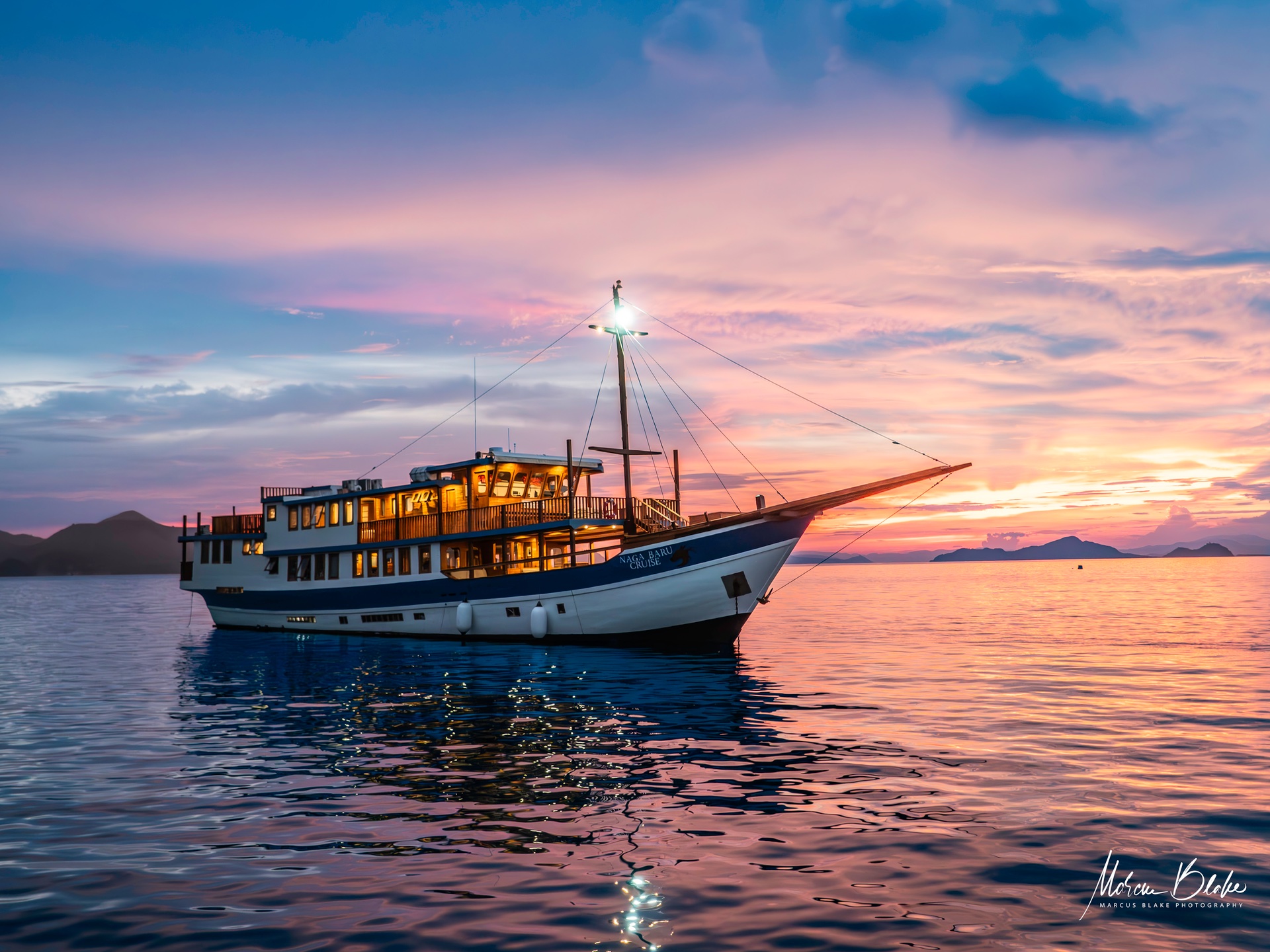
Naga Biru
Indonesia
12 guests40 m
$273/day
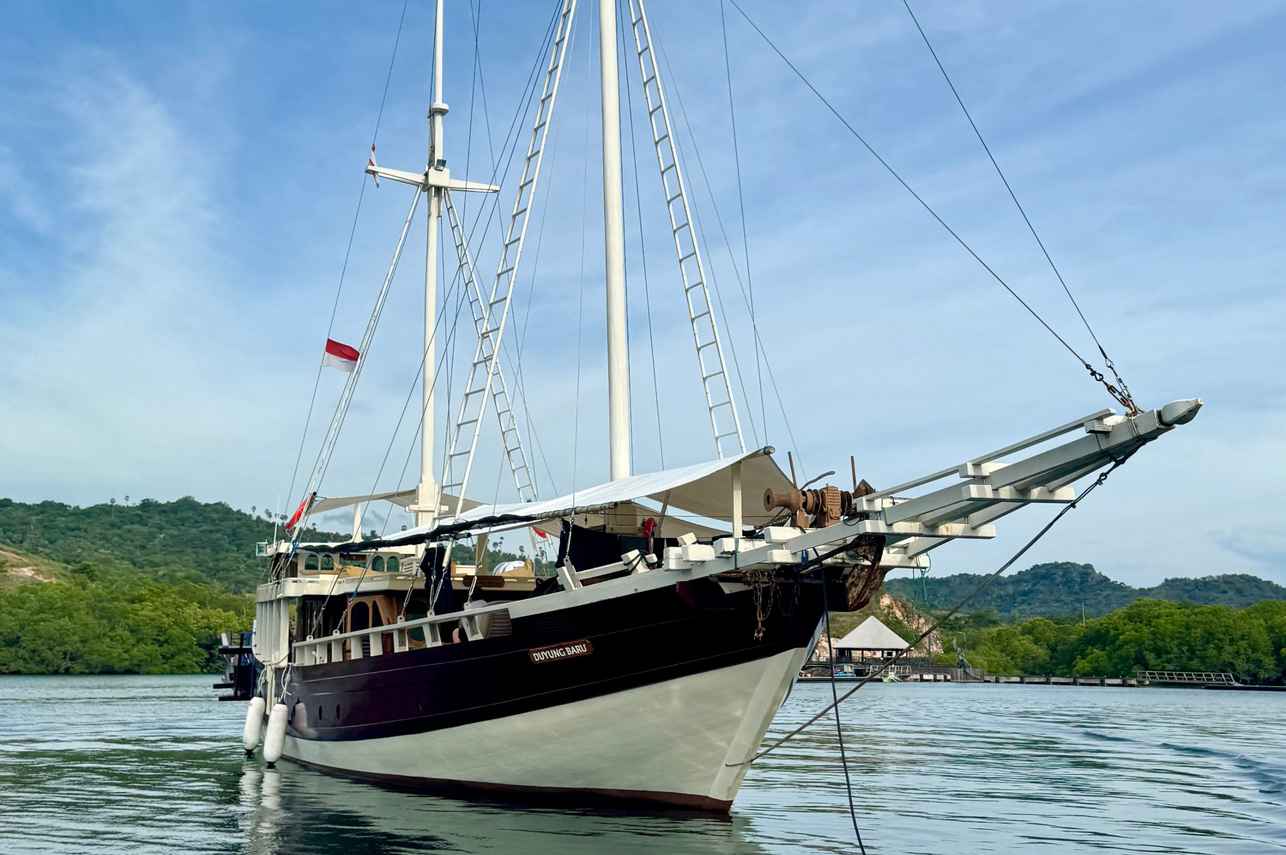
Ecopro Duyung Baru
Indonesia
6 guests27 m
$361/day
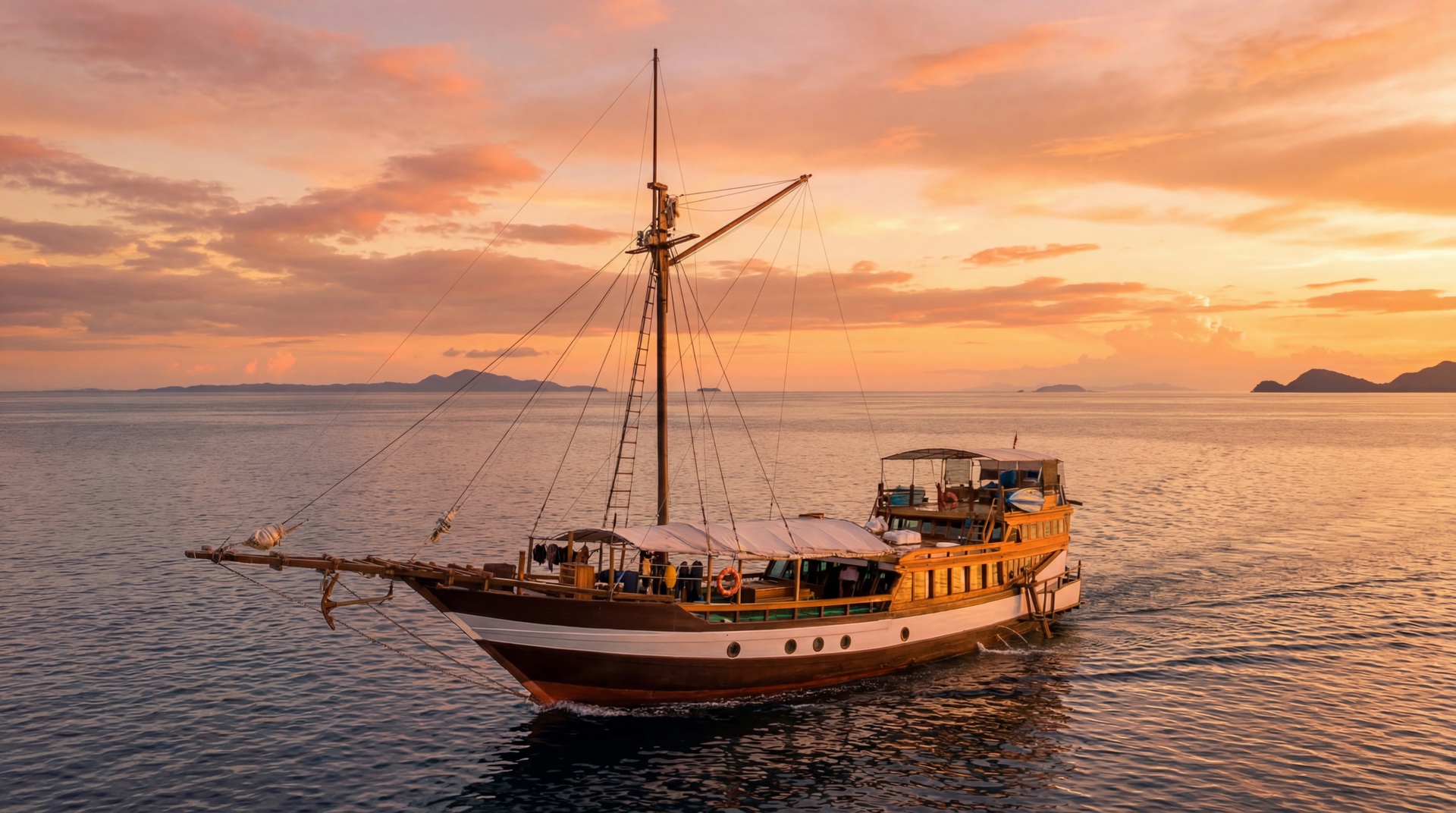
Wellenreng
Indonesia
9 guests25 m
$427/day
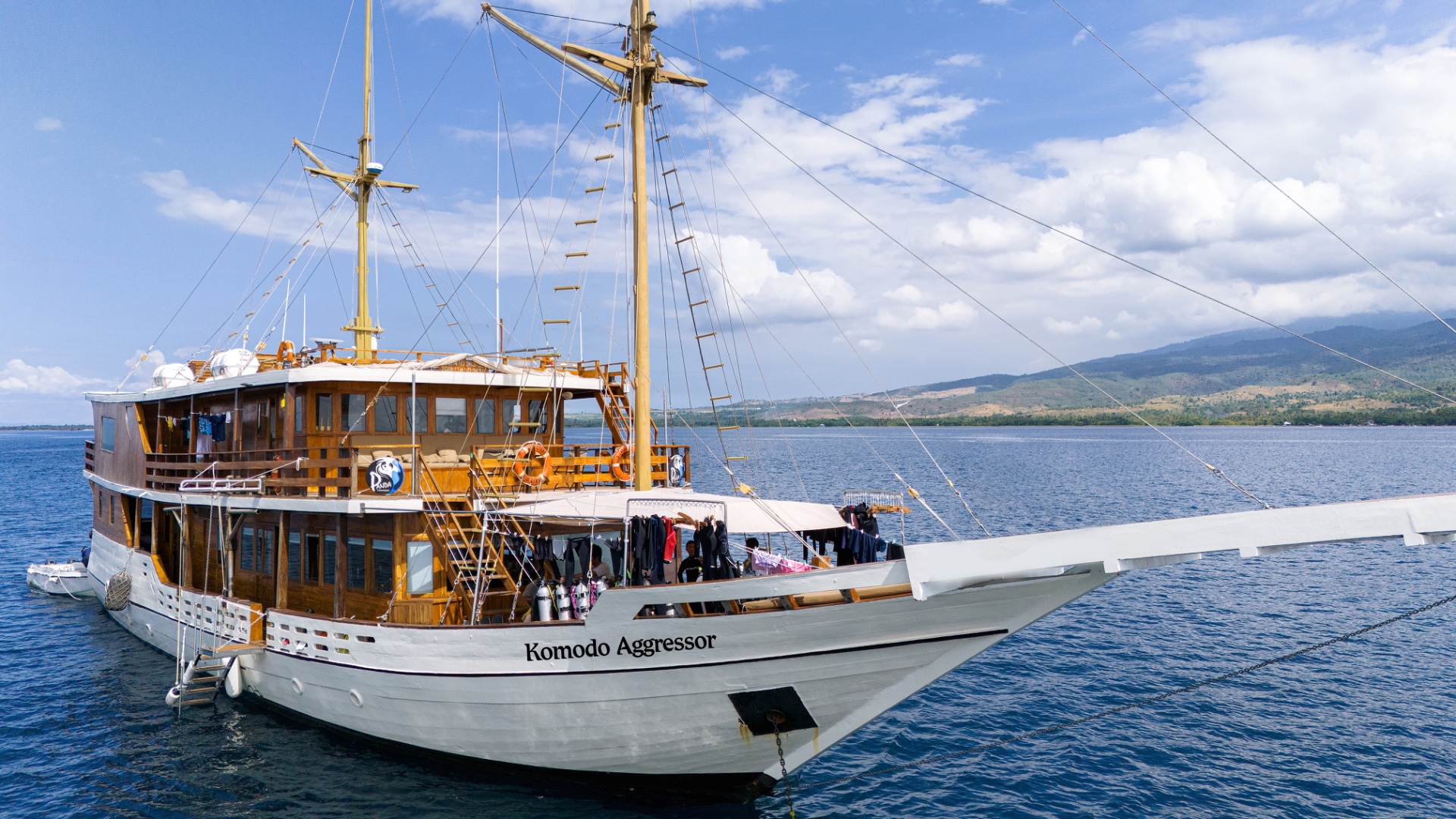
Komodo Aggressor
Komodo, Indonesia
16 guests29 m
$312/day
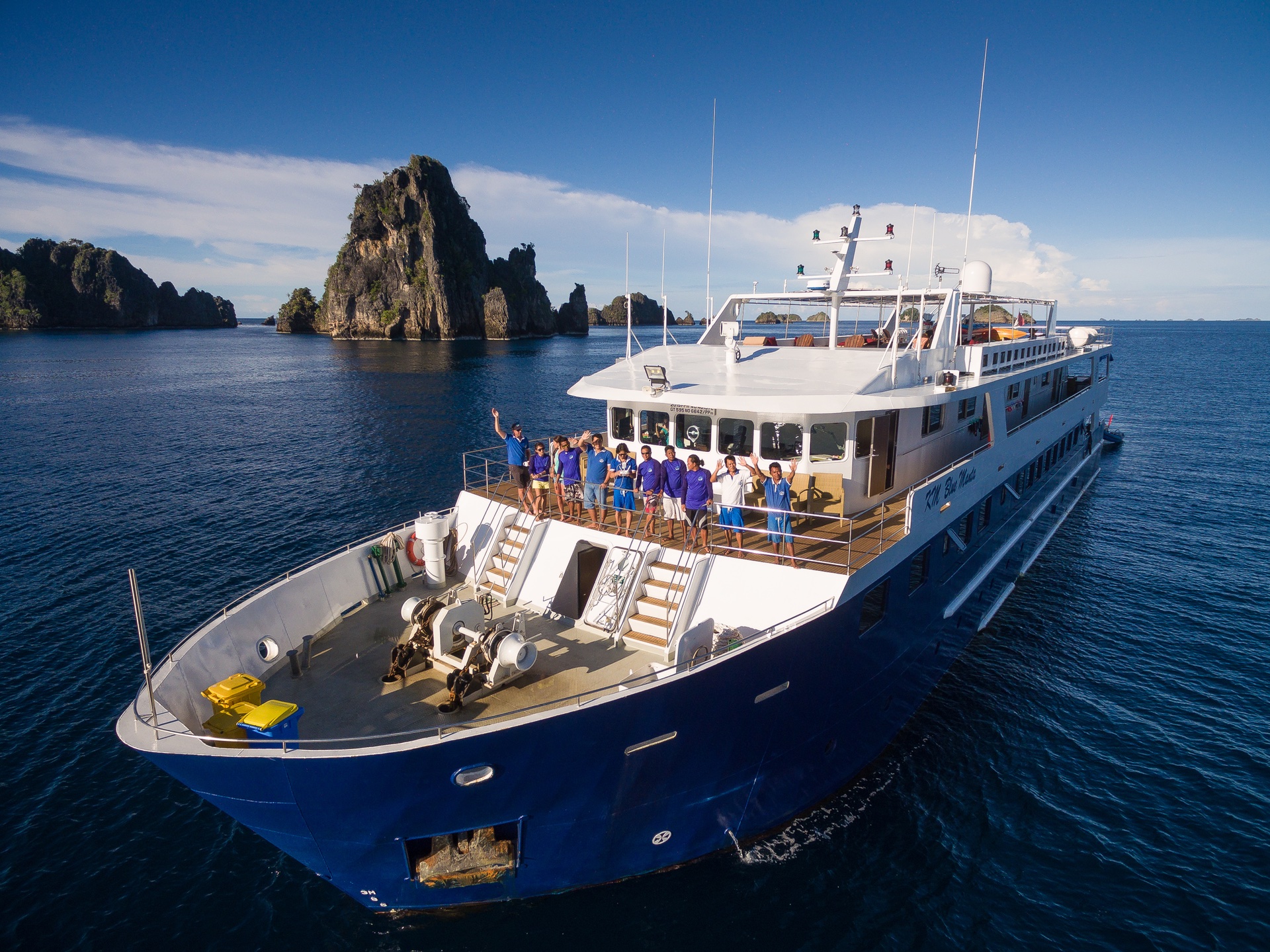
Blue Manta
Indonesia
20 guests45 m
$482/day
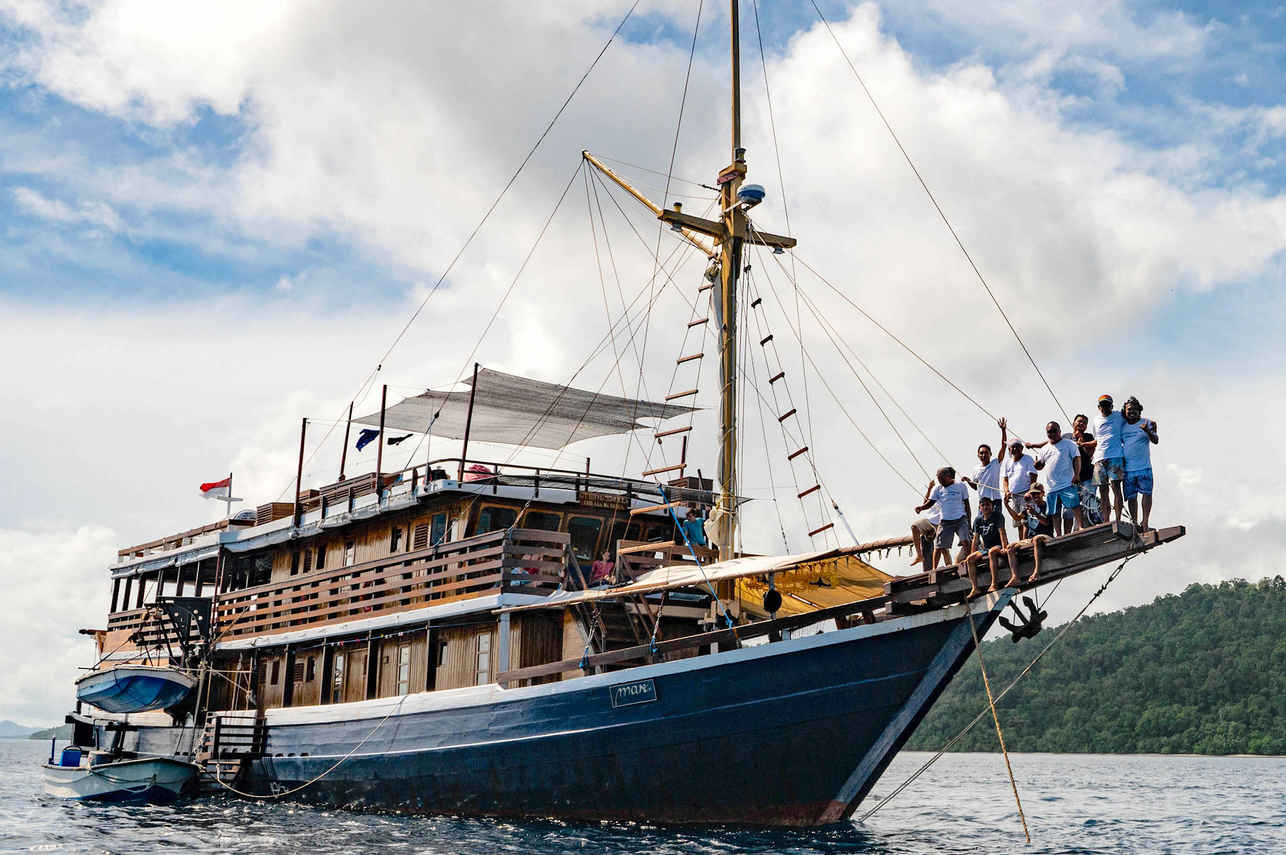
Mari
Indonesia
14 guests32.2 m
$328/day
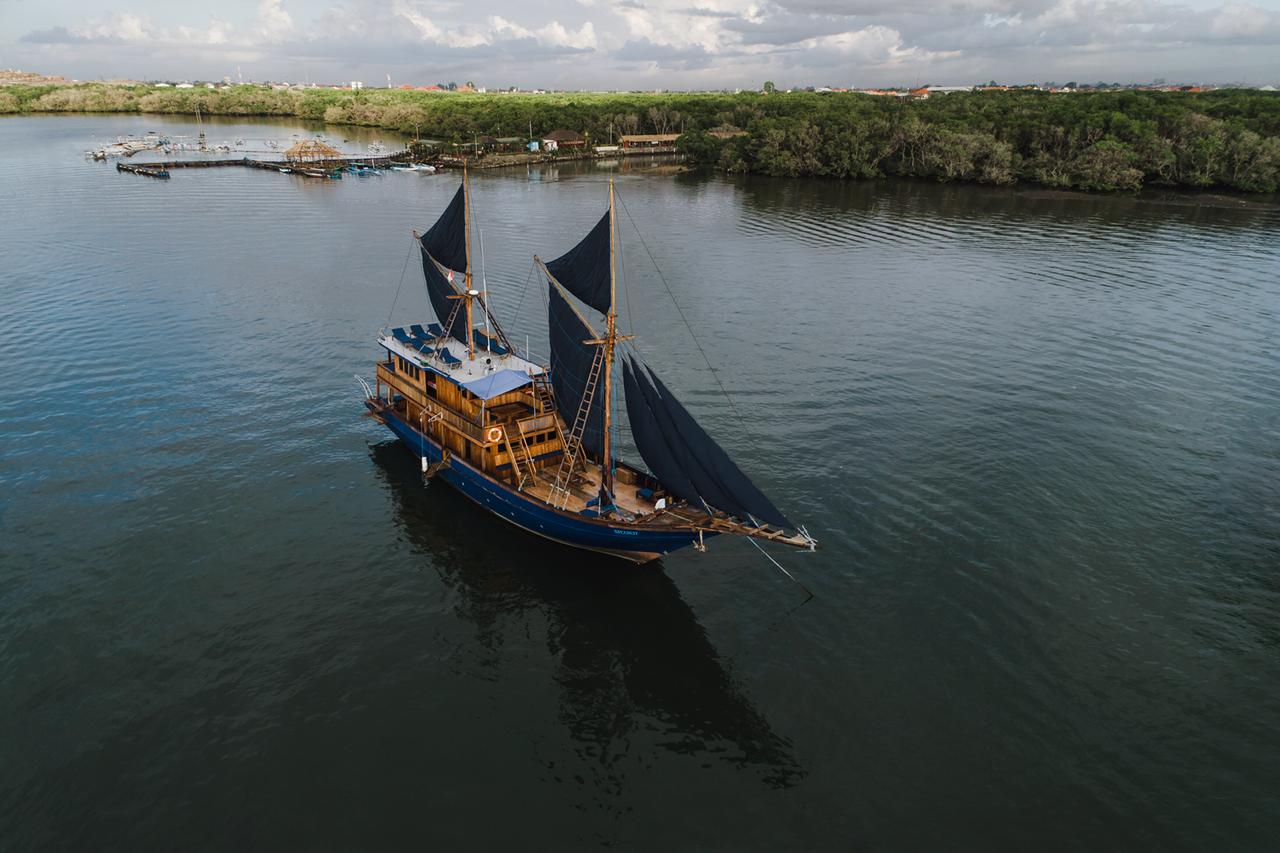
Situju7
Komodo, Indonesia
10 guests32.7 m
$362/day
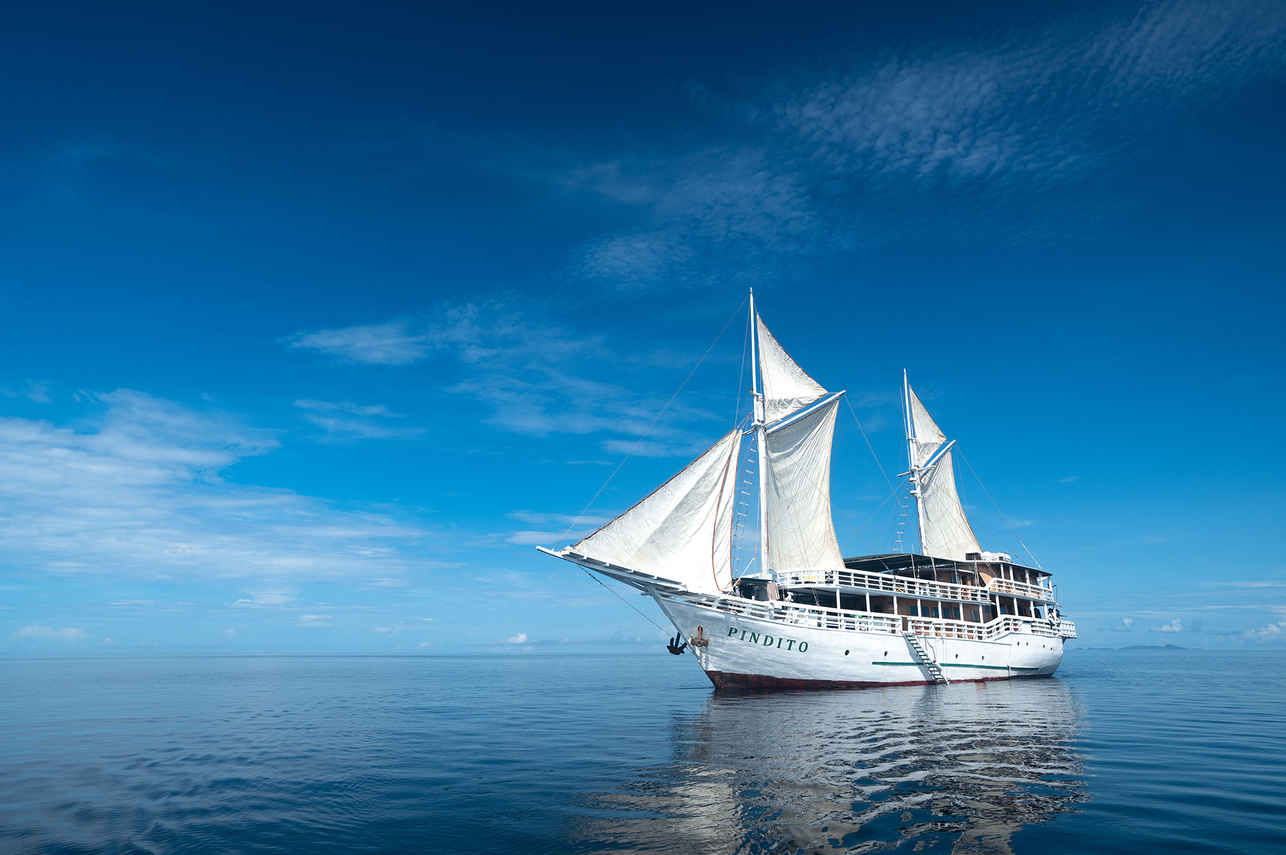
Pindito
Indonesia
16 guests37.79 m
$533/day
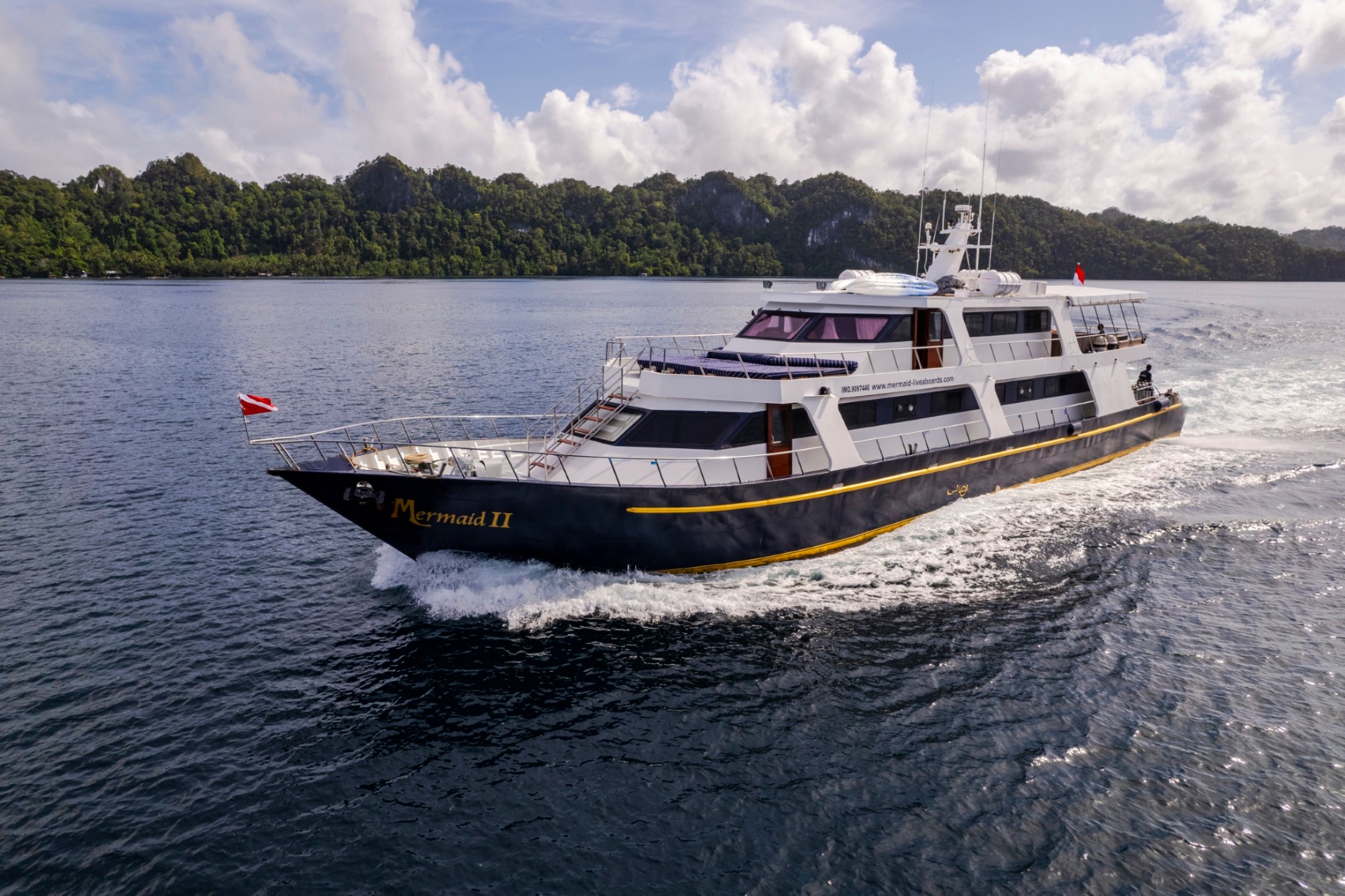
Mermaid II
Komodo, Indonesia
18 guests
$391/day
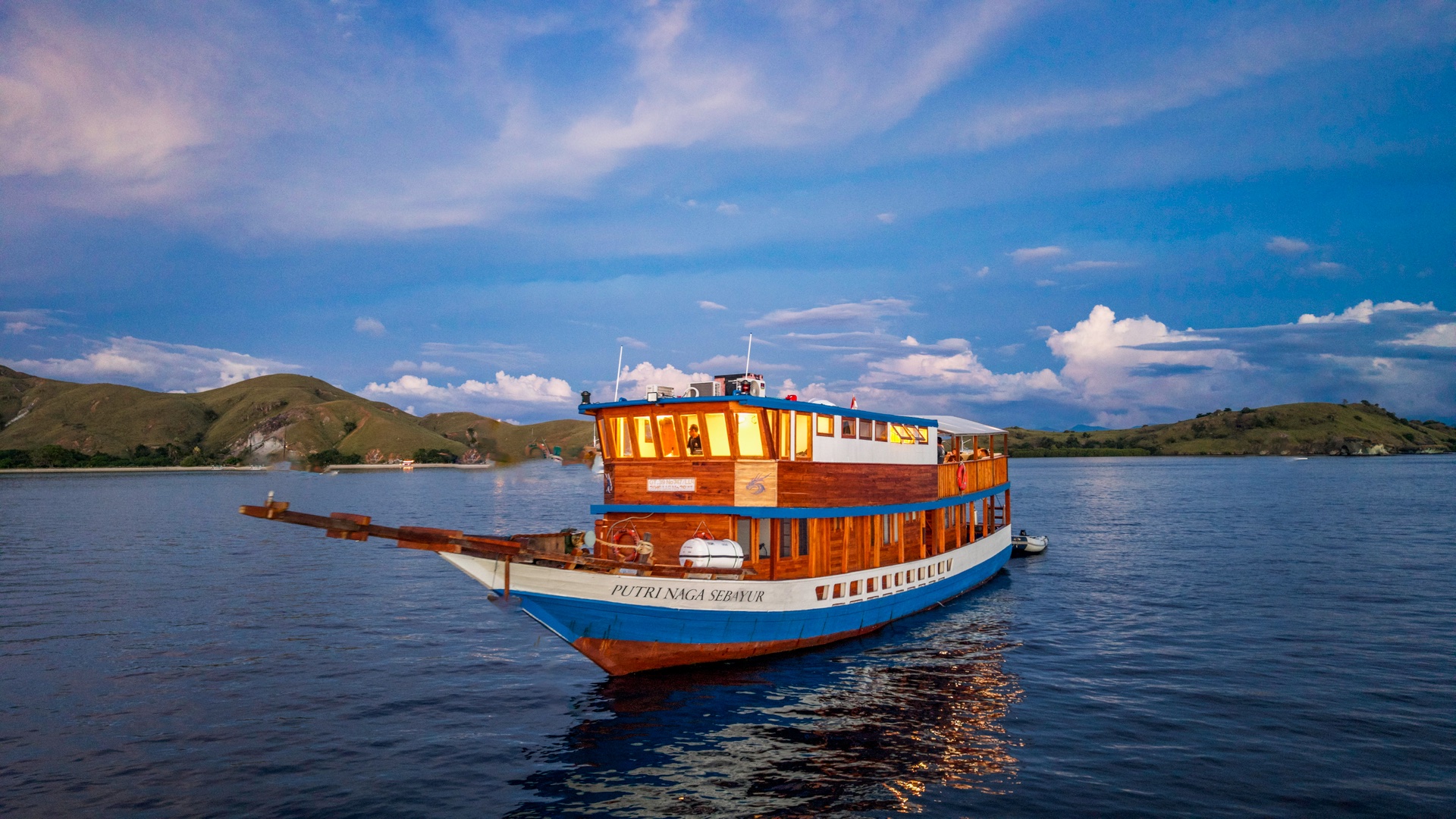
Putri Naga
Komodo, Indonesia
6 guests25 m
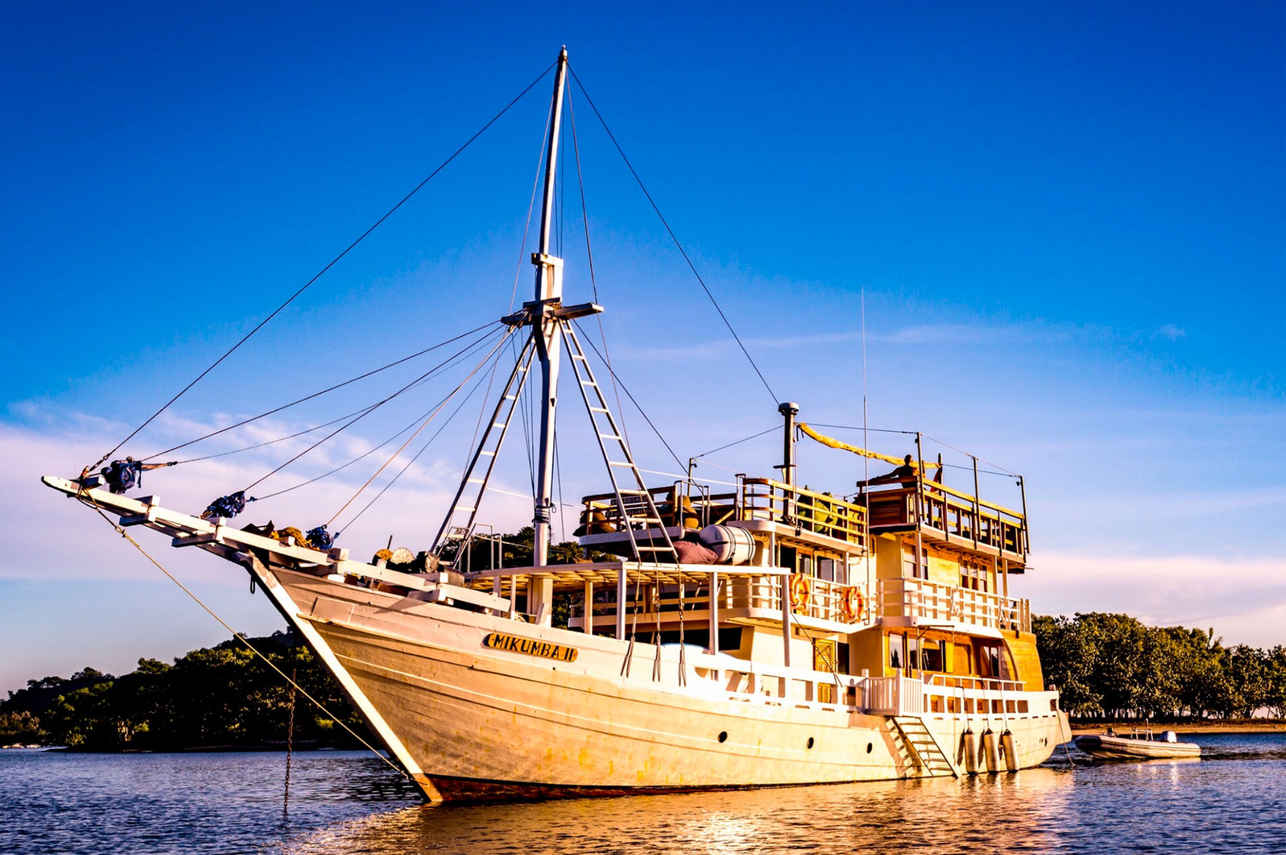
Mikumba Dua
Indonesia
10 guests30 m
$335/day
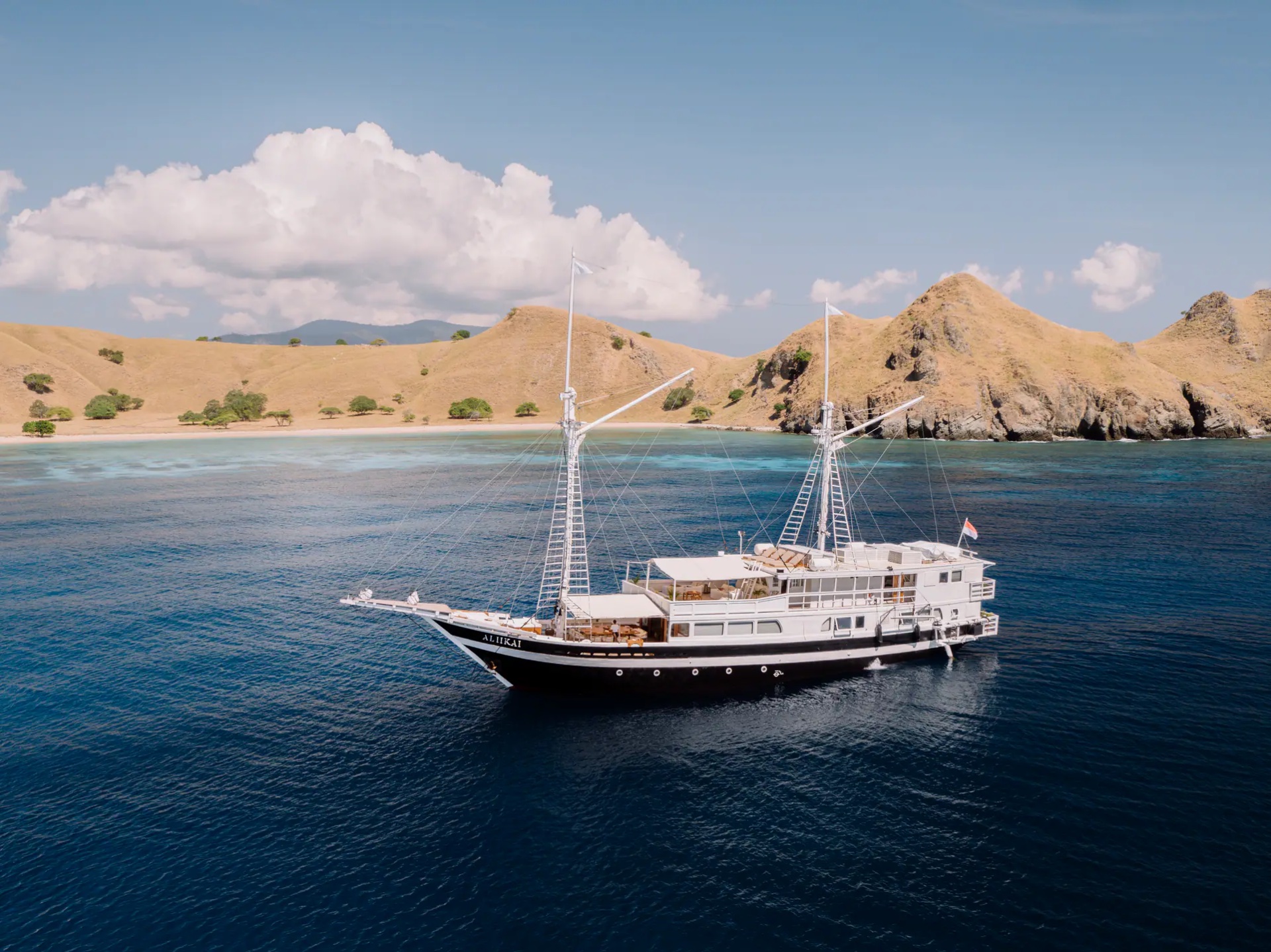
Aliikai Voyage
Indonesia
15 guests40 m
$658/day
Dive sites similar to Siaba Besar
Same character, same waters — six more sites divers love for the exact same reasons.Compare seasons, access and liveaboard routes — then pick the site that fits your trip best.
© Esri — Maxar, Earthstar, GIS
Banana Split
Komodo, Indonesia
The Komodo National Park, a UNESCO World Heritage site in Indonesia, is renowned for its extraordinary marine biodiversity.
- Suitable for
- Advanced
- Current
- Moderate
- Access
- Liveaboard only
- Depth
- ≤ 30 m
- Theme
- Reef
© Esri — Maxar, Earthstar, GIS
Batu Saloka
Komodo, Indonesia
Batu Saloka offers an exceptional diving experience within Komodo National Park, distinguished by its rugged underwater topography and a vibrant marine ecosystem.
- Suitable for
- Advanced
- Current
- Strong
- Access
- Liveaboard only
- Depth
- —
- Theme
- Reef
© Esri — Maxar, Earthstar, GIS
Gili Lawa Darat
Komodo, Indonesia
Gili Lawa Darat, situated at the northern entrance of Komodo National Park, is renowned for its thrilling drift diving opportunities.
- Suitable for
- Intermediate
- Current
- Strong
- Access
- Liveaboard or dayboat
- Depth
- 5–25 m
- Theme
- Drift / Reef
Gindang is nestled within the Central Komodo National Park, an area renowned for its ecological diversity and year-round accessibility.
- Suitable for
- Intermediate
- Current
- No current
- Access
- Liveaboard only
- Depth
- —
- Theme
- Reef
GPS Point is an advanced dive site located in the Banta Island area, specifically Gili Banta, within Komodo National Park's northern region.
- Suitable for
- Advanced
- Current
- Strong
- Access
- Liveaboard only
- Depth
- 15–35 m
- Theme
- Reef
© Esri — Maxar, Earthstar, GIS
Komodo Corner
Komodo, Indonesia
Komodo Corner, or Police Corner, is a captivating dive site situated on the south side of Siaba Besar Island within Central Komodo National Park.
- Suitable for
- Advanced
- Current
- Strong
- Access
- Liveaboard or dayboat
- Depth
- 5–30 m
- Theme
- Cave & cavern / Drift