About Mawan
Mawan is a small, picturesque island located in the central part of Komodo National Park, renowned for its pristine white sand beaches and clear turquoise waters. This dive site offers a unique blend of marine experiences, from dramatic encounters with large pelagic species to detailed observations of intricate macro life. Divers can explore varied topography including coral rubble patches, gently sloping reefs, and open sand channels that attract a concentration of marine inhabitants. The site is particularly famous as a cleaning station for manta rays, drawing both reef and oceanic species. Beyond the mantas, Mawan's ecosystem supports a rich diversity of life, including several shark species, various turtles, and a vibrant array of reef fish. The healthy coral gardens, featuring hard coral terraces and bommies, provide habitat for anthias, butterflyfish, and angelfish. Mawan's distinct character allows for a more tranquil dive experience compared to some of Komodo's more high-traffic sites. Divers often enjoy extended time at the cleaning stations and ample space for buoyancy control. While currents are generally moderate, they are still present and contribute to the site's rich biodiversity by bringing in nutrients and plankton.
Highlights
Reef manta ray cleaning stationEncounters with bamboo sharksDiverse macro marine lifeHealthy coral gardensModerate currentsWhite sand beaches
Season calendar
Best months to dive here
Jan
Feb
Mar
Apr
May
Jun
Jul
Aug
Sep
Oct
Nov
Dec
Excellent
Good
Dive site facts: Mawan
- Depth
- 5–25 m
- Current
- Moderate
- Water temperature
- 26–29°C
- Entry
- Boat
- Level
- Intermediate
- Dive type
- Reef, drift, cleaning station
- Region / port
- Central Komodo National Park, Flores
- Coordinates
- -8.553, 119.465
Conditions & Currents
Mawan experiences moderate currents typical of Komodo, characterized by tidal flow, upwellings, and occasional surge over shallow coral formations. While not as extreme as some northern pinnacles, divers should anticipate controlled drifts and be comfortable maintaining close proximity to their guide. Current direction and strength are highly dependent on the tides, necessitating thorough briefings for entry points, expected flow, and regrouping procedures. Visibility can fluctuate with plankton blooms, which, while sometimes reducing clarity, often coincide with increased manta activity. Experienced operators schedule dives at Mawan according to tide tables to optimize conditions.
Marine life & sighting chances

Reef Manta Ray
Year-round, peak Sep-May · common
Oceanic Manta Ray
occasional
Bamboo Shark
common
Whitetip Reef Shark
common
Blacktip Reef Shark
common
Green Turtle
common
Hawksbill Turtle
common
Eagle Ray
occasional
Cuttlefish
occasional
Scorpionfish
occasional
Nudibranch
occasional
Frogfish
rareDive profile & how the dive runs
Dives at Mawan typically begin with an entry over the coral rubble patches, where divers can search for bamboo sharks resting on the bottom or under ledges. The route then progresses along the gently sloping reef, allowing for exploration of the vibrant coral gardens and encounters with diverse reef fish. The highlight for many is the manta cleaning station, usually located towards the end of the dive, where groups position themselves down-current to observe the rays. Depth profiles are generally kept within recreational limits, usually between 12-25 meters, depending on the tide and current conditions. The dive concludes with a gradual ascent for a safety stop in shallower, protected areas of the reef.
Underwater photography
Mawan offers excellent opportunities for both wide-angle and macro photography. For manta ray encounters at the cleaning station, a wide-angle lens is essential to capture the full scope of these majestic creatures. Be patient and maintain a stable hover to avoid disturbing the rays or the reef, especially in surge. For macro subjects like nudibranchs, orangutan crabs, and frogfish, a dedicated macro lens will yield impressive results. Effective buoyancy control is critical to avoid contact with the fragile coral and sand, particularly when focusing on smaller subjects or waiting at the cleaning station. Utilize natural light for the colorful coral gardens or consider strobes to bring out the vibrant hues of reef inhabitants. Remember to prioritize respectful observation over intrusive approaches, particularly with species like bamboo sharks.
Combine with nearby dive sites
- Manta Point (North)
Manta Point, also known as Karang Makassar, is a renowned dive site in the northern part of Komodo National Park.
- Tatawa Besar
Tatawa Besar, meaning 'big laugh' in Bahasa Indonesian, is a picturesque dive site located in the central area of Komodo National Park…
- Cauldron (Shotgun)
The Cauldron, also known as The Shotgun, stands as North Komodo's premier drift dive, celebrated for its dramatic underwater topography and…
- Castle Rock
Castle Rock, an iconic dive site within Komodo National Park, is celebrated as one of Indonesia's premier destinations for exhilarating…
- Batu Bolong
Batu Bolong, meaning "Hollow Rock" in Bahasa Indonesian, is a renowned dive site in Komodo National Park, situated in the central Lintah…
Getting there & logistics
Access to Mawan primarily originates from Labuan Bajo on Flores, which hosts Komodo Airport (LBJ) with flights from Bali. Divers can embark on day trips via speedboats or day boats operated by local dive centers, with travel times varying based on sea conditions and routing. Liveaboards also frequently include Mawan as part of multi-day itineraries exploring the central Komodo region. A typical Komodo diving trip ranges from 1 to 3+ days, with longer trips often combining central sites like Mawan with northern or southern locations. Entry into Komodo National Park requires adherence to park regulations and associated fees, which are usually handled by the dive operator.
Safety & environment
Diving in Komodo's central sites, including Mawan, requires a good level of physical fitness and comfort with currents, even if they are moderate. Divers should carry personal insurance that covers dive accidents and potential medical evacuations, as the nearest recompression chamber is located outside the immediate park area, typically in Bali or Makassar. Always follow your guide's instructions, especially during briefings concerning entry points, current predictions, and regrouping procedures. Maintain excellent buoyancy control to protect the fragile coral reefs and avoid accidental contact. Be mindful of boat traffic, particularly during surface intervals or when ascending.
Who it suits — and who it doesn't
Suited for
- Intermediate divers comfortable with currents
- Photographers seeking diverse subjects (mantas, macro)
- Manta ray enthusiasts
- Divers interested in varied reef topography
- Those seeking a less crowded Komodo experience
Less suited for
- Beginner divers without current experience
- Divers with poor buoyancy control
- Individuals anxious in moving water
- Those who prefer only calm, current-free sites
FAQ
Mawan FAQ
What is the best time of year to dive Mawan?
The dry season, from April to November, generally offers the calmest seas and best visibility for diving Mawan. While mantas are present year-round, peak sightings often occur between September and May. The site is accessible throughout the year, but conditions can vary.
Are there strong currents at Mawan?
Mawan typically experiences moderate currents compared to some of Komodo's more exposed pinnacles. However, 'moderate' in Komodo still implies significant tidal flow and occasional surge. Divers should be comfortable with controlled drifts and staying close to their guide.
What marine life can I expect to see at Mawan?
Mawan is famous for its reef manta ray cleaning stations, offering frequent encounters with these majestic animals. You can also spot bamboo sharks, white tip reef sharks, green and hawksbill turtles, eagle rays, and a rich variety of macro life including cuttlefish, nudibranchs, and occasional frogfish.
Is Mawan suitable for beginner divers?
Mawan is generally recommended for intermediate divers or those with prior experience in current. While Open Water divers can dive here with supervision and recent practice, individuals anxious in currents might find alternative, calmer sites in Komodo more suitable for skill building.
How do I get to Mawan?
Most visits to Mawan start from Labuan Bajo, the gateway to Komodo National Park. You can join day trips with local dive operators via speedboat or day boat. Mawan is also a common stop on multi-day liveaboard itineraries exploring the central Komodo area.
Why is Mawan considered a good site for manta rays?
Mawan hosts several active manta ray cleaning stations where cleaner wrasse and other small fish remove parasites from the mantas. These stations provide predictable locations for divers to observe manta ray behavior, including slow passes and barrel rolls, making it a reliable spot for encounters.
Why dive Mawan from a liveaboard?
Mawan is one of Komodo, Indonesia's signature dive sites. A liveaboard sleeps you on the water and puts you in the water for three to four guided dives per day, including dawn and night dives that day-boat operators rarely offer. You skip the daily commute back to port and reach quieter, less-crowded sites in the same region on a single trip.
Below are the liveaboards that include Mawan on their Komodo, Indonesia itineraries.
Liveaboards diving Mawan
These liveaboards may visit Mawan on selected itineraries — the exact dive sites depend on departure, weather and conditions.
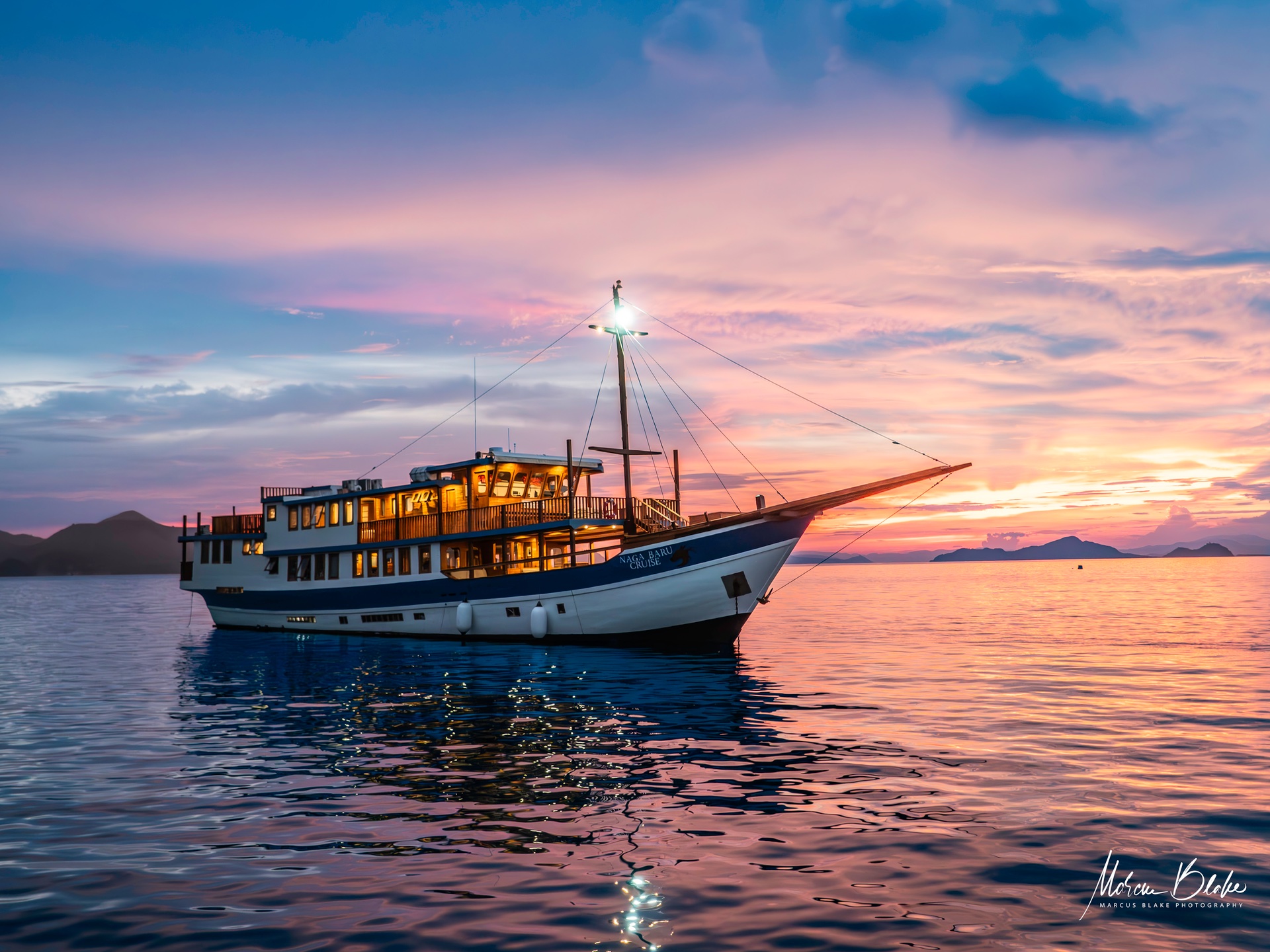
Naga Biru
Indonesia
12 guests40 m
$273/day
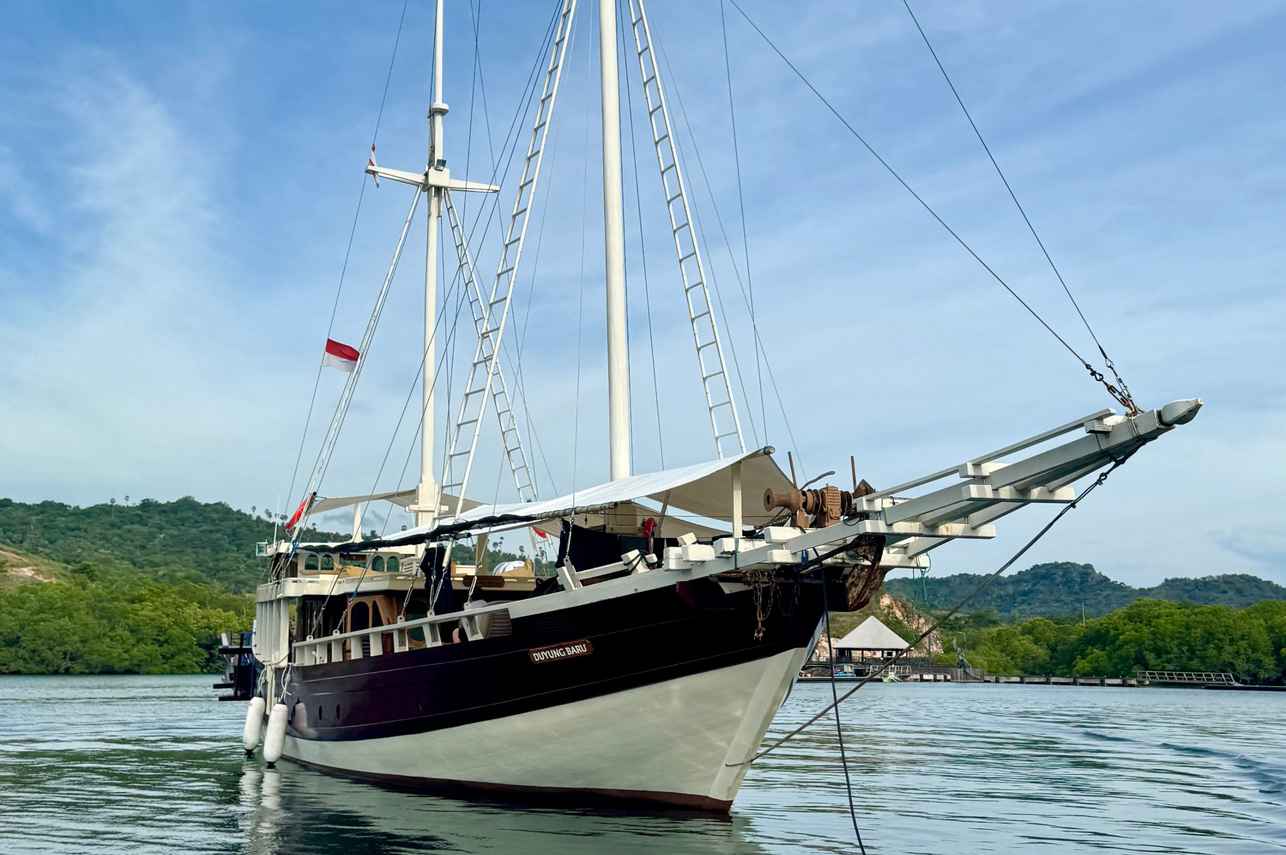
Ecopro Duyung Baru
Indonesia
6 guests27 m
$361/day
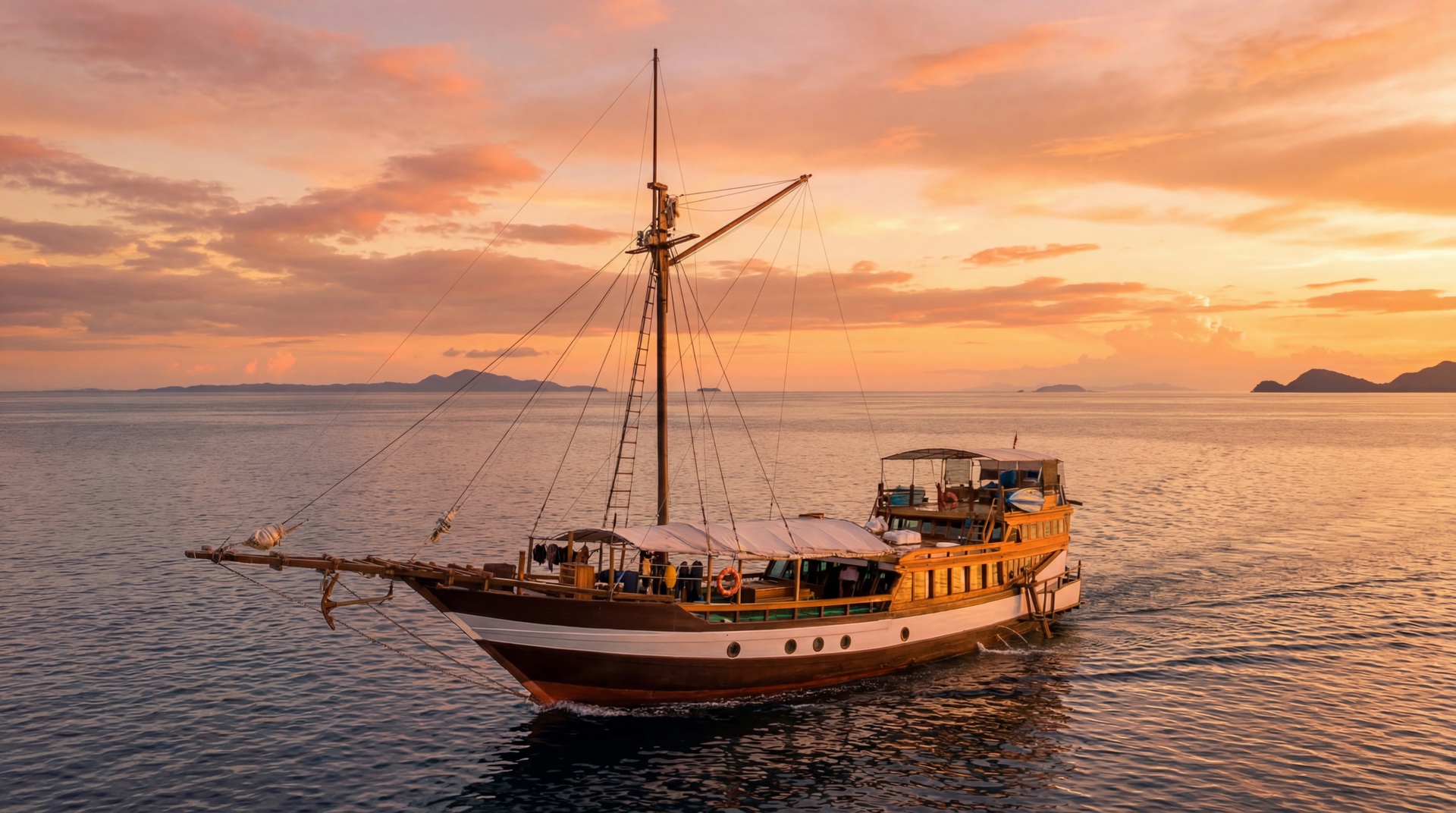
Wellenreng
Indonesia
9 guests25 m
$427/day
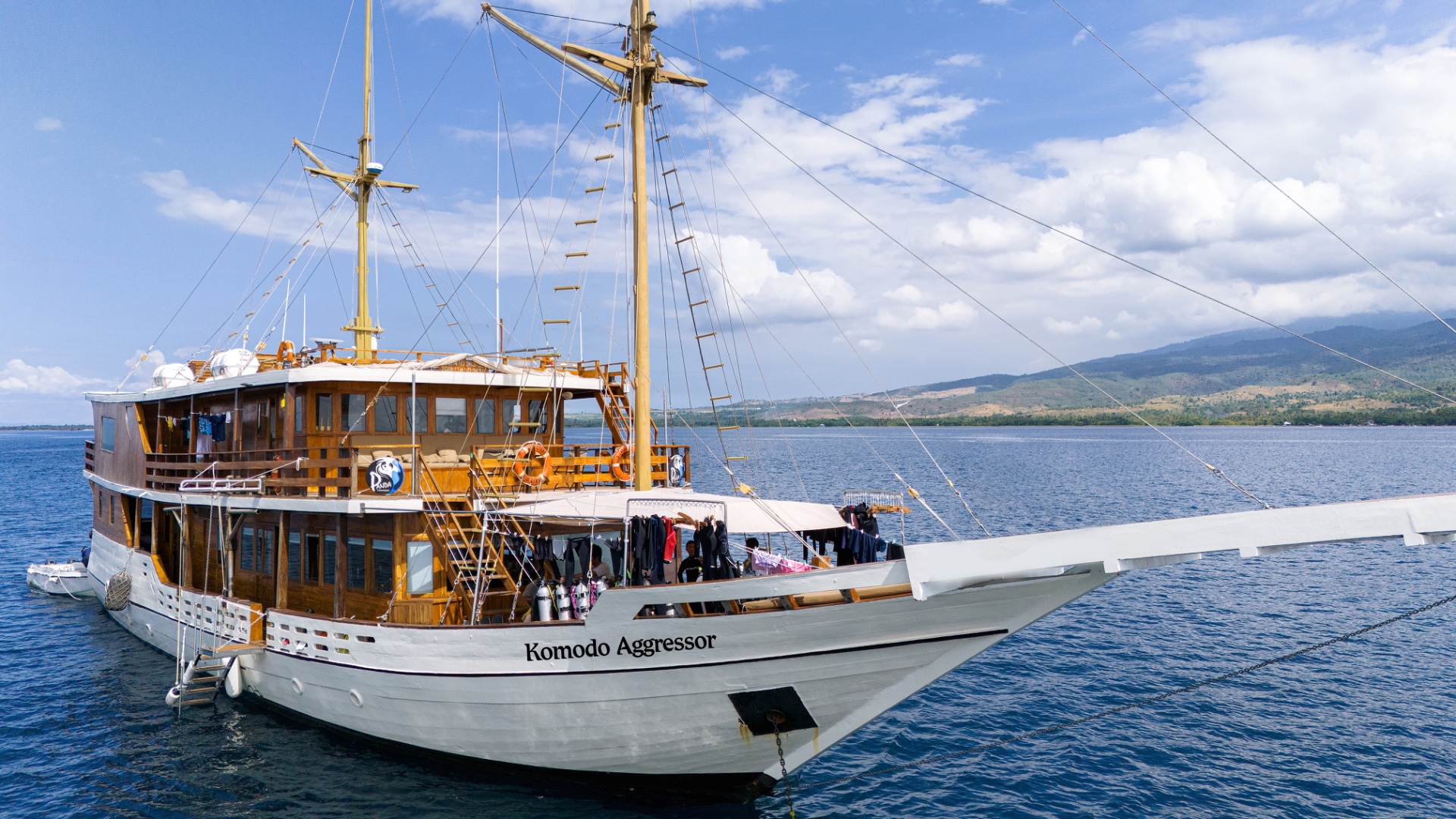
Komodo Aggressor
Komodo, Indonesia
16 guests29 m
$312/day
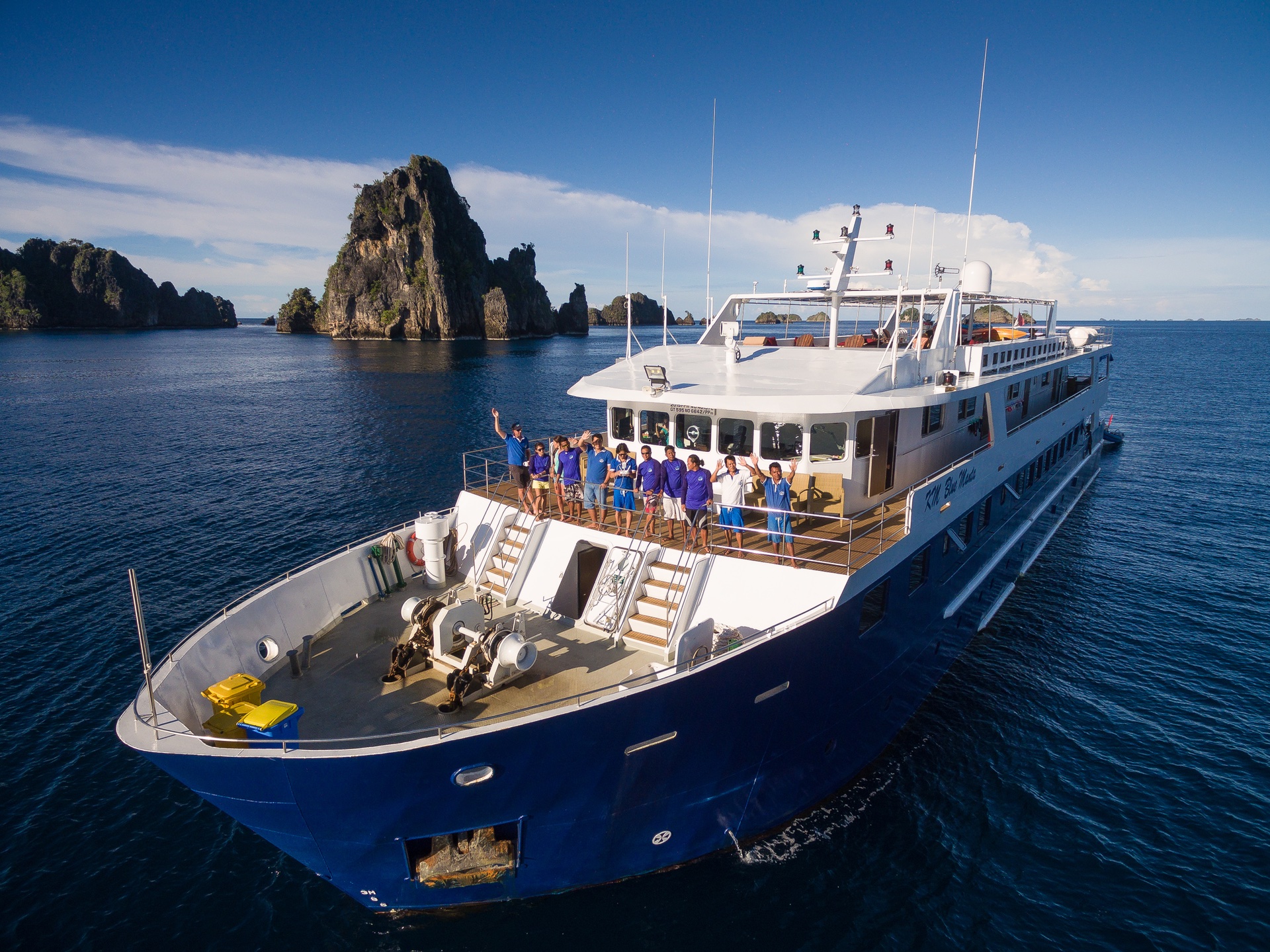
Blue Manta
Indonesia
20 guests45 m
$482/day
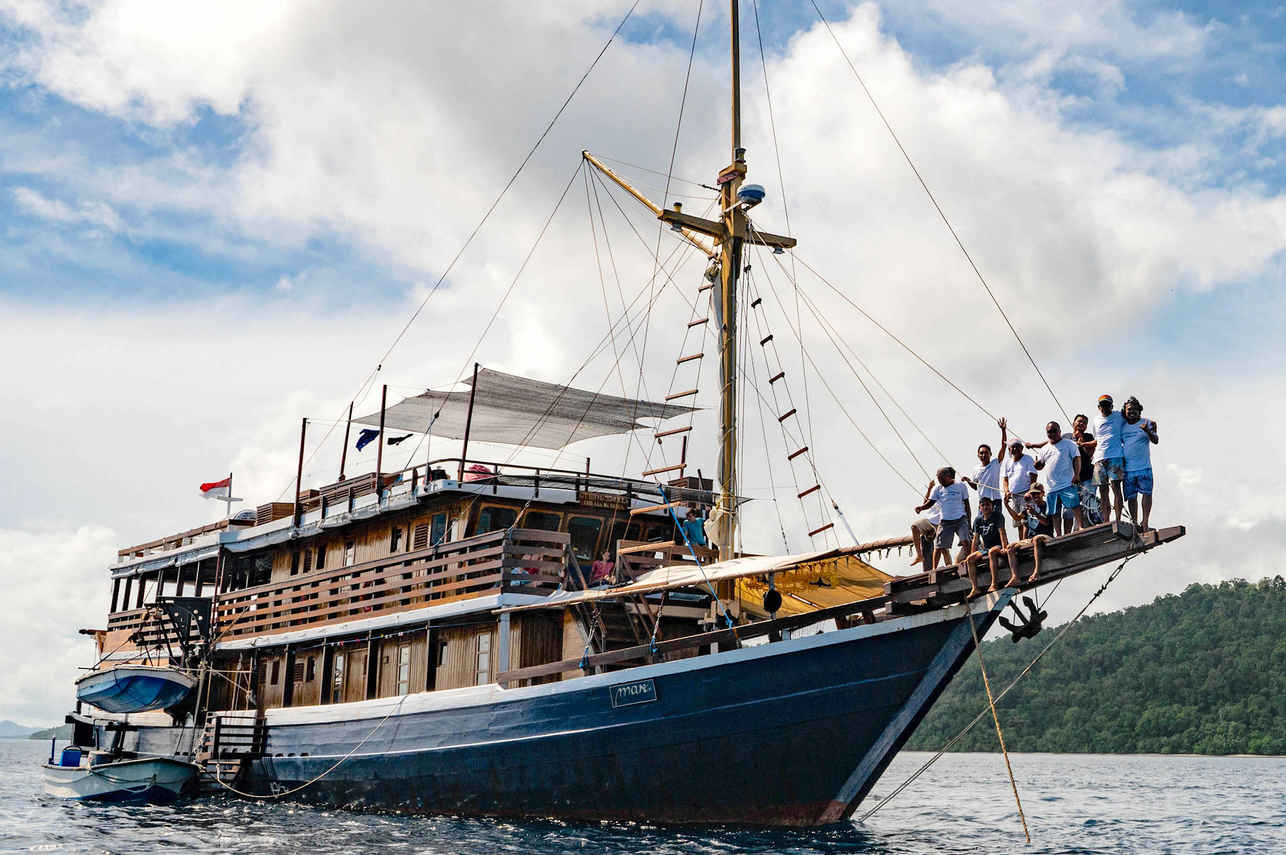
Mari
Indonesia
14 guests32.2 m
$328/day
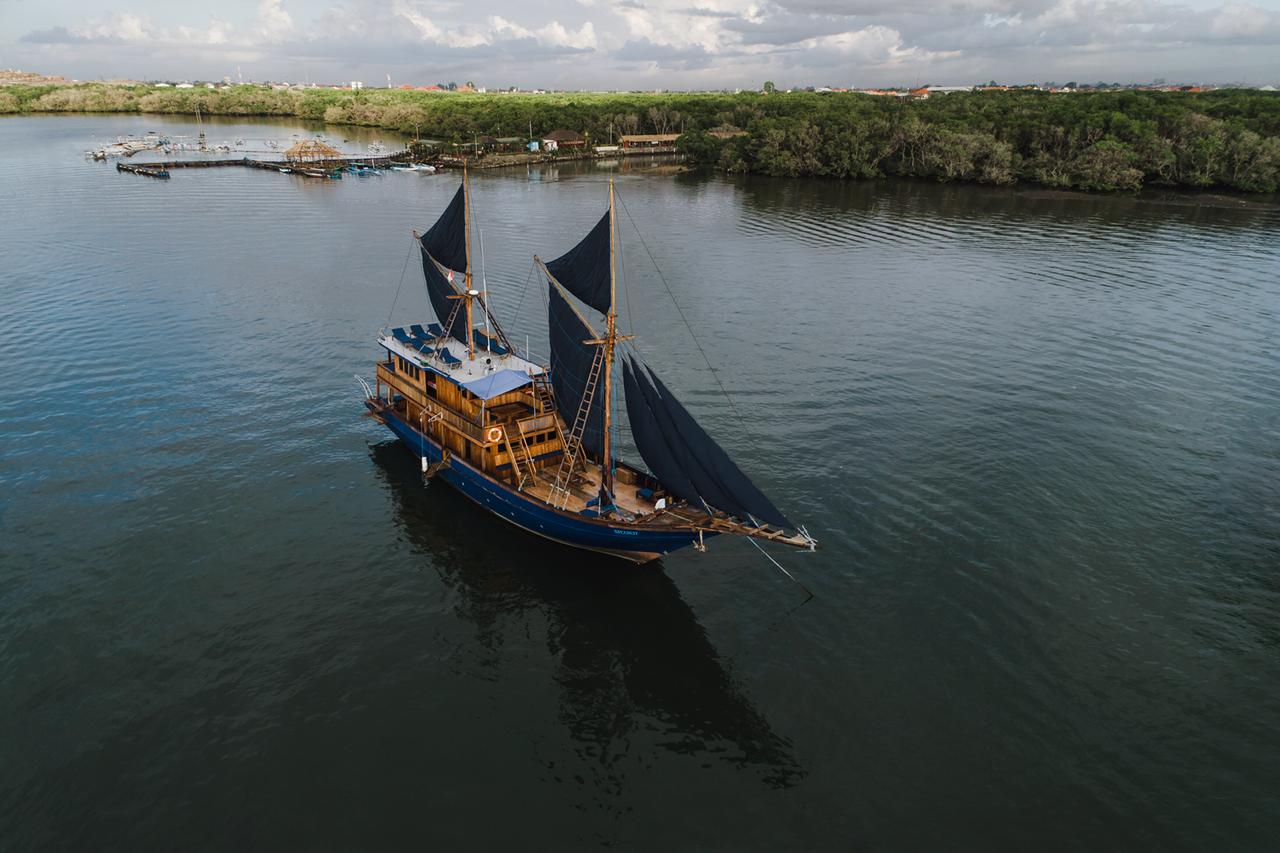
Situju7
Komodo, Indonesia
10 guests32.7 m
$362/day
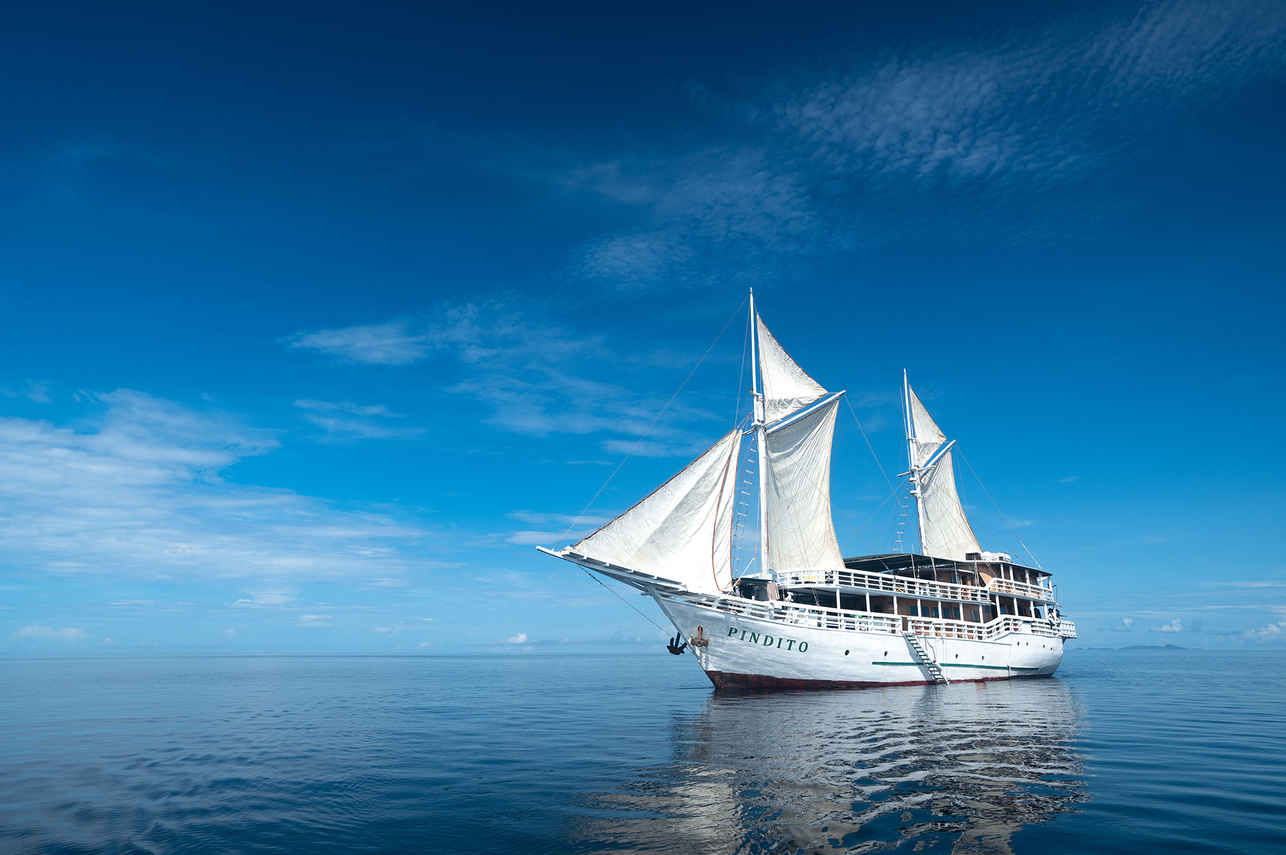
Pindito
Indonesia
16 guests37.79 m
$533/day
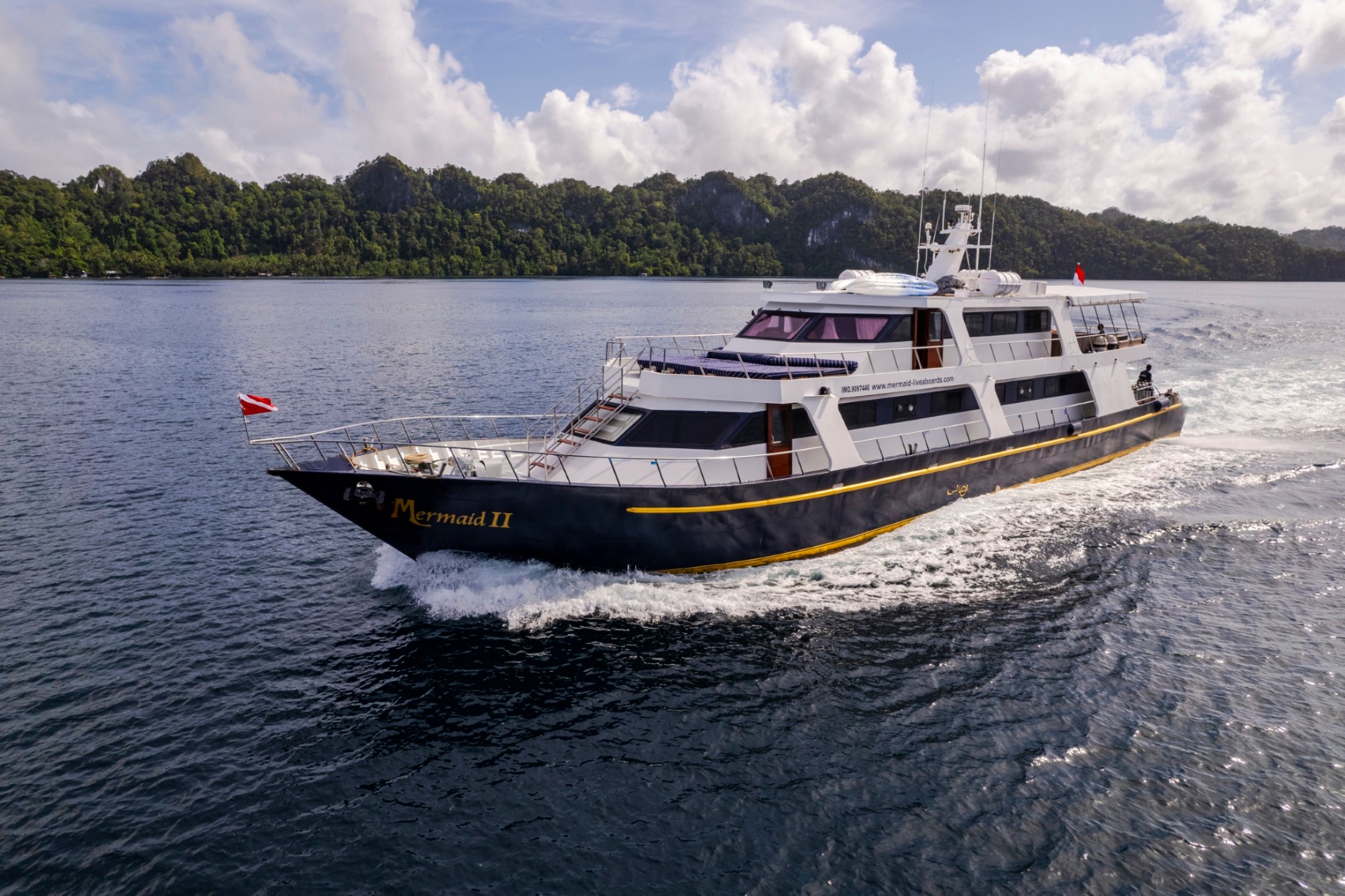
Mermaid II
Komodo, Indonesia
18 guests
$355/day
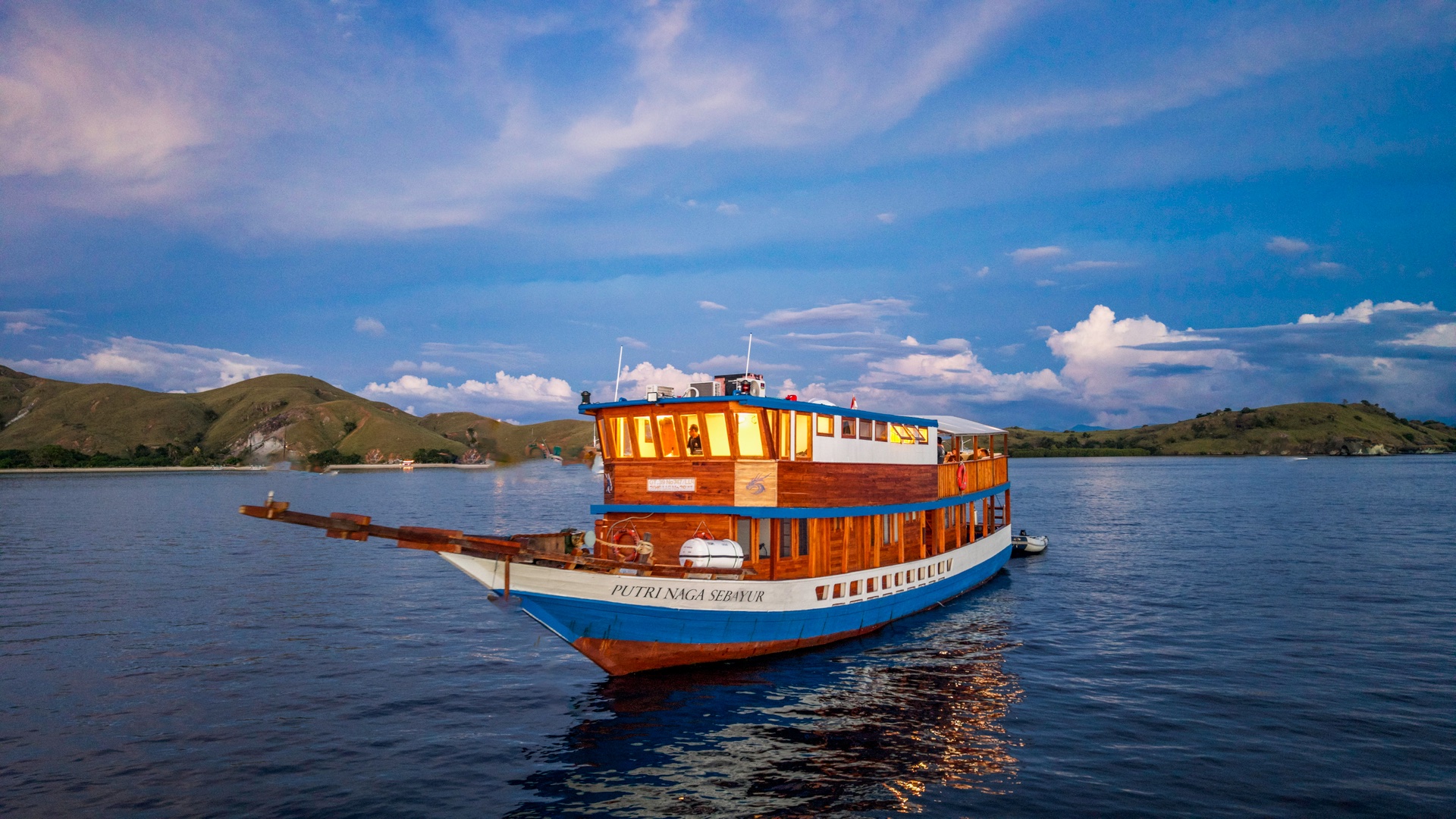
Putri Naga
Komodo, Indonesia
6 guests25 m
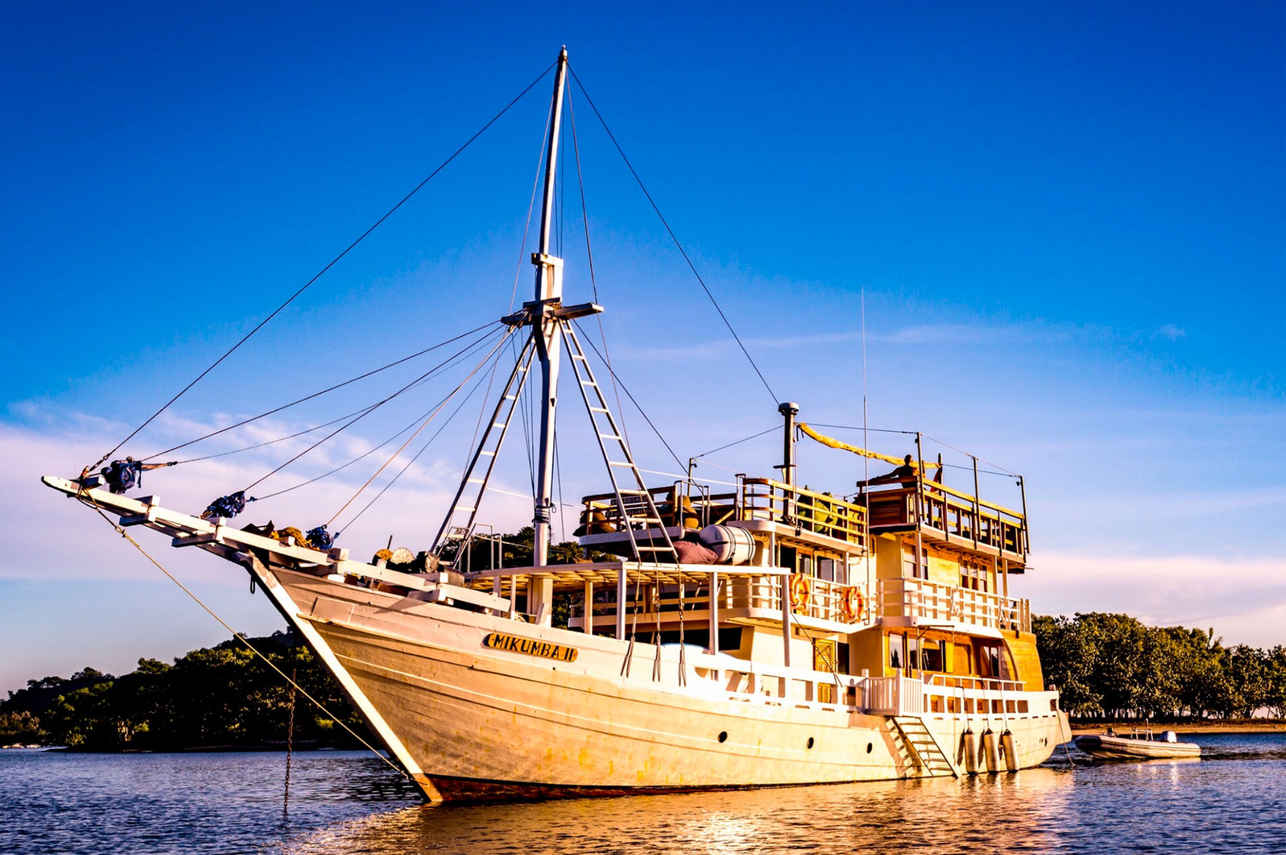
Mikumba Dua
Indonesia
10 guests30 m
$335/day
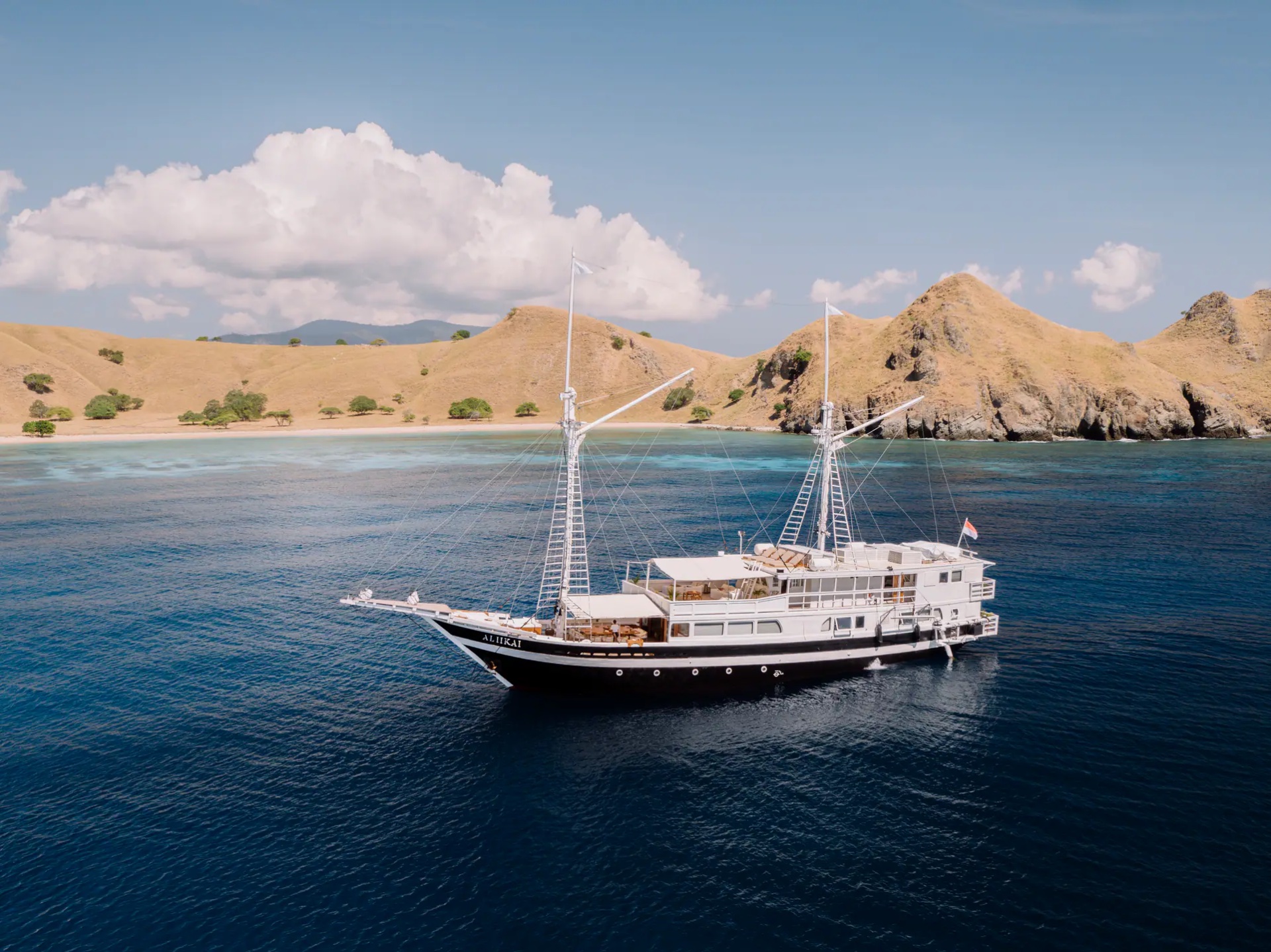
Aliikai Voyage
Indonesia
15 guests40 m
$658/day
Dive sites similar to Mawan
Same character, same waters — six more sites divers love for the exact same reasons.Compare seasons, access and liveaboard routes — then pick the site that fits your trip best.
© Esri — Maxar, Earthstar, GIS
Banana Split
Komodo, Indonesia
The Komodo National Park, a UNESCO World Heritage site in Indonesia, is renowned for its extraordinary marine biodiversity.
- Suitable for
- Advanced
- Current
- Moderate
- Access
- Liveaboard only
- Depth
- ≤ 30 m
- Theme
- Reef
© Esri — Maxar, Earthstar, GIS
Batu Saloka
Komodo, Indonesia
Batu Saloka offers an exceptional diving experience within Komodo National Park, distinguished by its rugged underwater topography and a vibrant marine ecosystem.
- Suitable for
- Advanced
- Current
- Strong
- Access
- Liveaboard only
- Depth
- —
- Theme
- Reef
© Esri — Maxar, Earthstar, GIS
Gili Lawa Darat
Komodo, Indonesia
Gili Lawa Darat, situated at the northern entrance of Komodo National Park, is renowned for its thrilling drift diving opportunities.
- Suitable for
- Intermediate
- Current
- Strong
- Access
- Liveaboard or dayboat
- Depth
- 5–25 m
- Theme
- Drift / Reef
Gindang is nestled within the Central Komodo National Park, an area renowned for its ecological diversity and year-round accessibility.
- Suitable for
- Intermediate
- Current
- No current
- Access
- Liveaboard only
- Depth
- —
- Theme
- Reef
GPS Point is an advanced dive site located in the Banta Island area, specifically Gili Banta, within Komodo National Park's northern region.
- Suitable for
- Advanced
- Current
- Strong
- Access
- Liveaboard only
- Depth
- 15–35 m
- Theme
- Reef
© Esri — Maxar, Earthstar, GIS
Komodo Corner
Komodo, Indonesia
Komodo Corner, or Police Corner, is a captivating dive site situated on the south side of Siaba Besar Island within Central Komodo National Park.
- Suitable for
- Advanced
- Current
- Strong
- Access
- Liveaboard or dayboat
- Depth
- 5–30 m
- Theme
- Cave & cavern / Drift