About Castle Rock
Castle Rock, an iconic dive site within Komodo National Park, is celebrated as one of Indonesia's premier destinations for exhilarating underwater encounters. Situated north of Komodo's main island, off Gili Lawa Laut, this fully submerged seamount acts as a magnet for a vast array of marine life, primarily due to the nutrient-rich currents that sweep through the area. It consistently delivers dynamic dives filled with pelagic action, making it a favorite among advanced divers. The topography of Castle Rock features a pinnacle rising from deep water, with its summit just a few meters below the surface and its base extending to about 30-35 meters. The reef is adorned with vibrant hard and soft corals, providing a colorful backdrop to the frenetic activity of schooling fish. Strong, often unpredictable currents dictate the dive experience, creating an environment where divers can witness an incredible food chain in action, from massive baitfish schools to apex predators. Marine life sightings are a major draw, with regular appearances of grey reef sharks, whitetip reef sharks, giant trevallies, barracuda, and impressive schools of surgeonfish and fusiliers. Lucky divers might also spot eagle rays, dogtooth tuna, Napoleon wrasse, and even mobula rays or dolphins at the surface. The site's exposure to open ocean currents from the Flores Sea ensures a healthy, thriving ecosystem. Diving Castle Rock requires experience with strong currents and negative entries. Divers typically descend quickly and use reef hooks to hold position against the flow, allowing them to observe the dramatic interactions between schooling fish and their predators. The sheer volume of marine life and the thrilling drift diving opportunities cement Castle Rock's reputation as a wild, dynamic, and unforgettable Komodo diving experience.
Highlights
Reliable shark encountersMassive schooling fishStrong current drift divingGiant trevally huntingVibrant hard and soft coralsPelagic action
Season calendar
Best months to dive here
Jan
Feb
Mar
Apr
May
Jun
Jul
Aug
Sep
Oct
Nov
Dec
Good
Dive site facts: Castle Rock
- Depth
- 5–35 m
- Typical dive
- 15-25 m, 50-60 min
- Current
- Strong to very strong
- Visibility
- 15–30 m
- Water temperature
- 24–30 °C
- Entry
- Tender / negative entry
- Level
- Advanced (50+ logged dives)
- Dive type
- Pelagic, drift, pinnacle
- Night dive
- Not typical
- Region / port
- North Komodo / Labuan Bajo
- Coordinates
- -8.4567, 119.5678
Conditions & Currents
Castle Rock is defined by its medium to very strong currents, which can be unpredictable and are a significant factor in the dive experience. These powerful currents flow primarily east on falling tides and west on rising tides, necessitating advanced current management skills. Divers often execute a negative entry, descending quickly up-current of the seamount to secure a position on the reef. The intensity of the current feeds the rich marine ecosystem, attracting large pelagics and schooling fish, but it also demands a high level of buoyancy control and awareness. Visibility at Castle Rock is generally excellent, ranging from 15 to 30 meters, as the strong flow constantly brings in clear ocean water. While challenging, the currents are precisely what make this site so exhilarating and biodiverse.
Marine life & sighting chances

Grey reef shark
May-October · common
Whitetip reef shark
May-October · common
Giant trevally
May-October · common
Barracuda
common
Surgeonfish
common
Fusilier
common
Eagle ray
July-September · occasional
Napoleon wrasse
September-October · occasional
Dogtooth tuna
July-October · occasional
Sea turtle
August-November · occasional
Mobula ray
rare
Dolphin
rareDive profile & how the dive runs
Diving Castle Rock typically involves a negative entry due to the prevailing strong currents, dropping quickly down to the main pinnacle. Guides usually lead divers to a sheltered area on the current-facing side of the seamount, often around 15-20 meters, where reef hooks can be deployed. From this vantage point, you observe the intense pelagic action of sharks, trevallies, and schooling fish swirling in the current. The dive then progresses around the pinnacle, exploring its slopes and coral gardens, with careful attention to current shifts and deeper sections that may host whitetip reef sharks. As the dive nears its end, the route ascends toward the top of the pinnacle, around 10 meters, which offers a vibrant coral garden for a safety stop, often providing a last chance to witness abundant reef fish before surfacing.
Underwater photography
Castle Rock is an excellent site for wide-angle photography, capturing the dramatic schooling fish formations and impressive pelagics like sharks and trevallies against the clear blue water. A wide-angle lens is essential for documenting the vast schools of fusiliers and surgeonfish that can form 'walls of silver.' For capturing sharks or eagle rays, a fast shutter speed and good strobes are recommended to freeze motion in the often-strong currents. Due to the dynamic environment and necessity of reef hooks, focus on capturing the grand spectacle rather than intricate macro details. Maintaining excellent buoyancy is crucial, especially when moving between sheltered areas and exposed current, to avoid disturbing the reef or stirring up sediment.
Combine with nearby dive sites
- Crystal Rock
Located just 300m away, often visited on the same day for its similar pelagic action and clear visibility.
- Batu Bolong
Komodo's 'Hollow Rock,' known for its pristine corals and rich reef life, though currents can be unpredictable.
- The Cauldron (Shotgun)
A thrilling drift dive with strong currents leading to a narrow channel, offering high-speed action and pelagic encounters.
- Manta Point (North)
Known for manta ray sightings, especially during specific seasons, providing a different pelagic experience.
Getting there & logistics
Access to Castle Rock is primarily via liveaboard trips departing from Labuan Bajo, the main hub for Komodo National Park. Liveaboards typically offer itineraries ranging from 5 to 8 days, covering various dive sites across North, Central, and South Komodo. Some day trips from Labuan Bajo may also visit Castle Rock, though liveaboards offer more flexibility for timing dives with optimal tidal conditions. Komodo National Park fees are required, usually included in liveaboard packages. Labuan Bajo is served by Komodo Airport (LBJ), with domestic flights from Bali (DPS) and other major Indonesian cities. Travelers should anticipate travel time to reach Labuan Bajo and then board their dive vessel.
Safety & environment
Diving at Castle Rock demands a high level of experience due to its consistently strong and potentially unpredictable currents. Divers must be comfortable with negative entries, drift diving, and proficient in using reef hooks. It's imperative to always dive with an experienced guide who understands the local tidal patterns. The nearest recompression chamber is in Denpasar, Bali, requiring immediate air evacuation in case of a decompression illness. Comprehensive dive insurance, including coverage for emergency medical evacuation, is non-negotiable. Maintain excellent buoyancy, stay close to your buddy, and always follow the dive brief. Given the remote nature of the Komodo National Park, emergency services are limited, making prevention and preparedness paramount.
Who it suits — and who it doesn't
Suited for
- Experienced Advanced Open Water divers (50+ logged dives)
- Divers comfortable with strong currents and drift diving
- Photographers with wide-angle setups focusing on pelagics
- Adrenaline seekers looking for dynamic, action-packed dives
- Divers interested in shark and large schooling fish encounters
Less suited for
- Beginner or newly certified divers
- Divers without current diving experience
- Macro photographers primarily seeking small critters
- Those uncomfortable with fast descents or reef hooks
- Divers prone to seasickness on open ocean sites
FAQ
Castle Rock FAQ
What makes Castle Rock a challenging dive site?
Castle Rock is challenging due to its exposure to powerful and often unpredictable currents from the open ocean. These currents necessitate advanced diving skills, including quick negative entries, proficient buoyancy control, and the ability to use reef hooks to maintain position. Divers must be prepared for dynamic conditions that can change during the dive, making it suitable only for experienced individuals.
What kind of marine life can I expect to see at Castle Rock?
You can expect to see an abundance of pelagic life at Castle Rock, including frequent sightings of grey and whitetip reef sharks patrolling the current. Massive schools of surgeonfish and fusiliers form impressive walls of fish, often hunted by giant trevallies and barracuda. Lucky divers might also spot eagle rays, dogtooth tuna, Napoleon wrasse, and occasionally even dolphins.
Is Castle Rock suitable for all dive levels?
No, Castle Rock is not suitable for all dive levels. It is strongly recommended for Advanced Open Water divers with at least 50 logged dives and significant experience diving in strong currents. The dynamic nature of the site and the required skills make it unsuitable for beginner or inexperienced divers, despite claims of calmer conditions during slack tide.
When is the best time of year to dive Castle Rock?
The best time to dive Castle Rock is during the dry season, from April to October. During these months, the northern Komodo sites generally experience calmer surface conditions and optimal underwater visibility, which can range from 15 to 30 meters. While diving is possible year-round in Komodo, these months offer the most favorable conditions for this specific site.
How far is Castle Rock from Crystal Rock?
Castle Rock is located very close to Crystal Rock, with only about 300 meters separating the two dive sites. They are often visited on the same day during liveaboard itineraries, allowing divers to compare the unique characteristics and marine life encounters of these two world-class pinnacles in northern Komodo.
Why dive Castle Rock from a liveaboard?
Castle Rock is one of Komodo, Indonesia's signature dive sites. A liveaboard sleeps you on the water and puts you in the water for three to four guided dives per day, including dawn and night dives that day-boat operators rarely offer. You skip the daily commute back to port and reach quieter, less-crowded sites in the same region on a single trip.
Below are the liveaboards that include Castle Rock on their Komodo, Indonesia itineraries.
Liveaboards diving Castle Rock
These liveaboards may visit Castle Rock on selected itineraries — the exact dive sites depend on departure, weather and conditions.
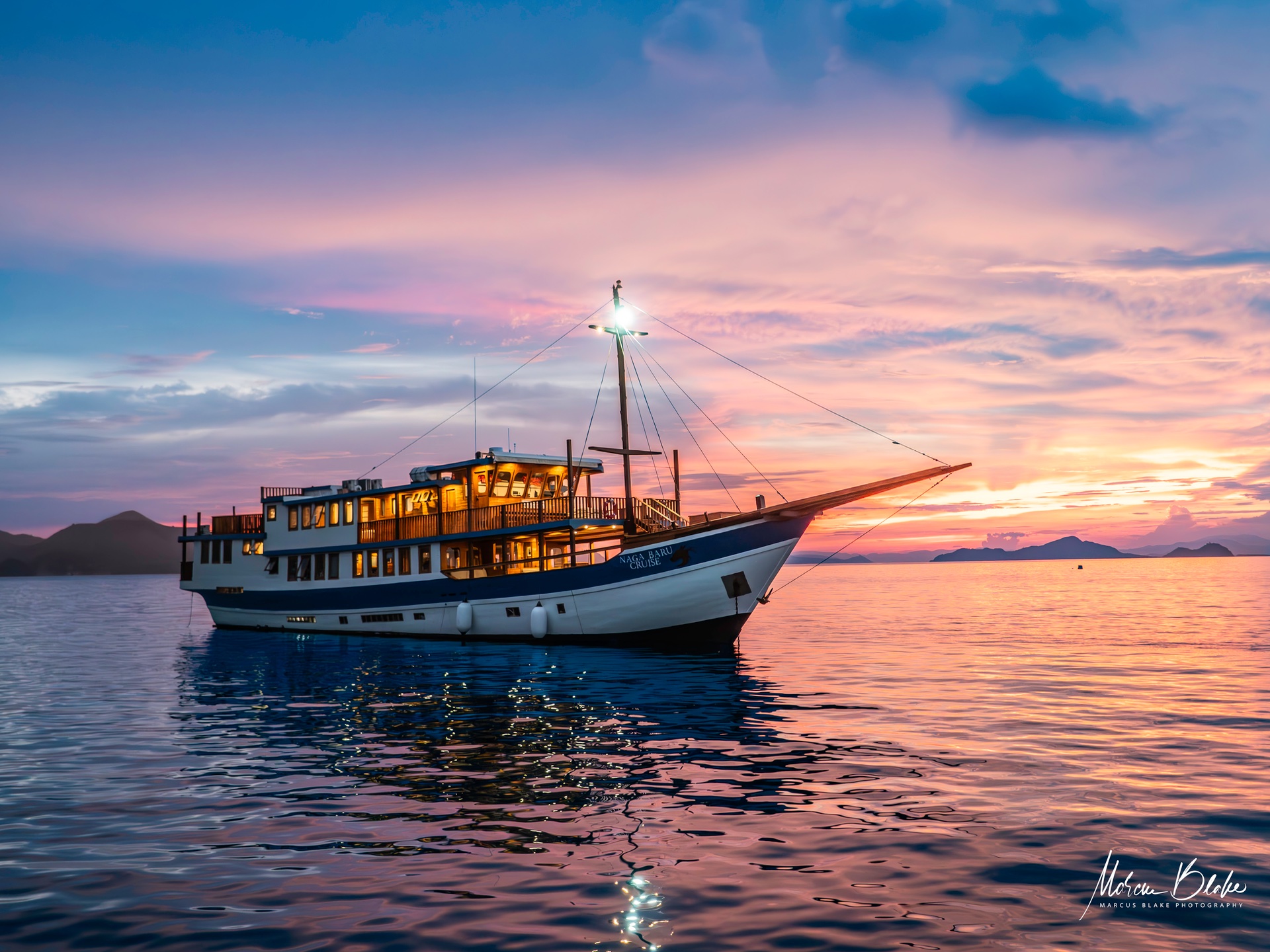
Naga Biru
Indonesia
12 guests40 m
$273/day
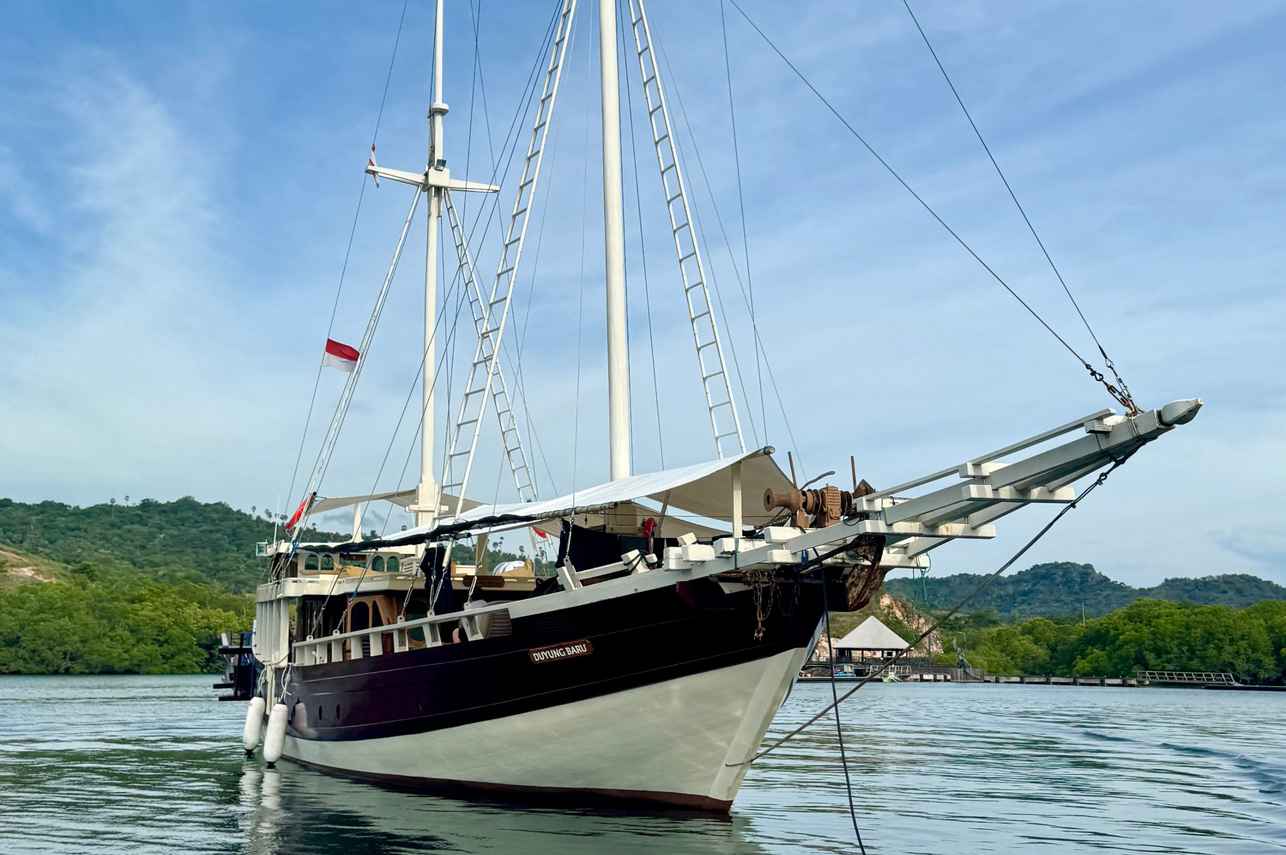
Ecopro Duyung Baru
Indonesia
6 guests27 m
$361/day
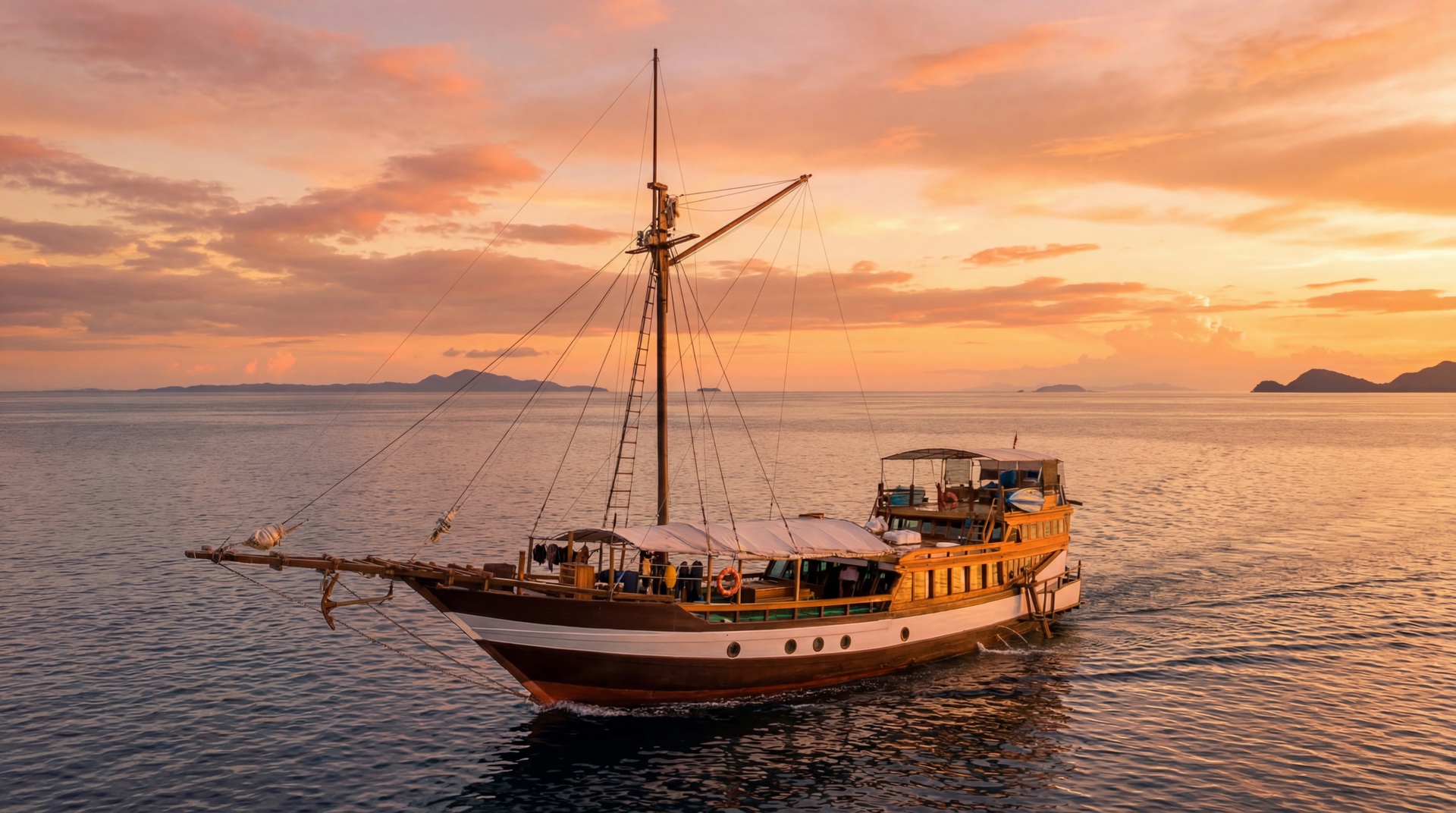
Wellenreng
Indonesia
9 guests25 m
$427/day
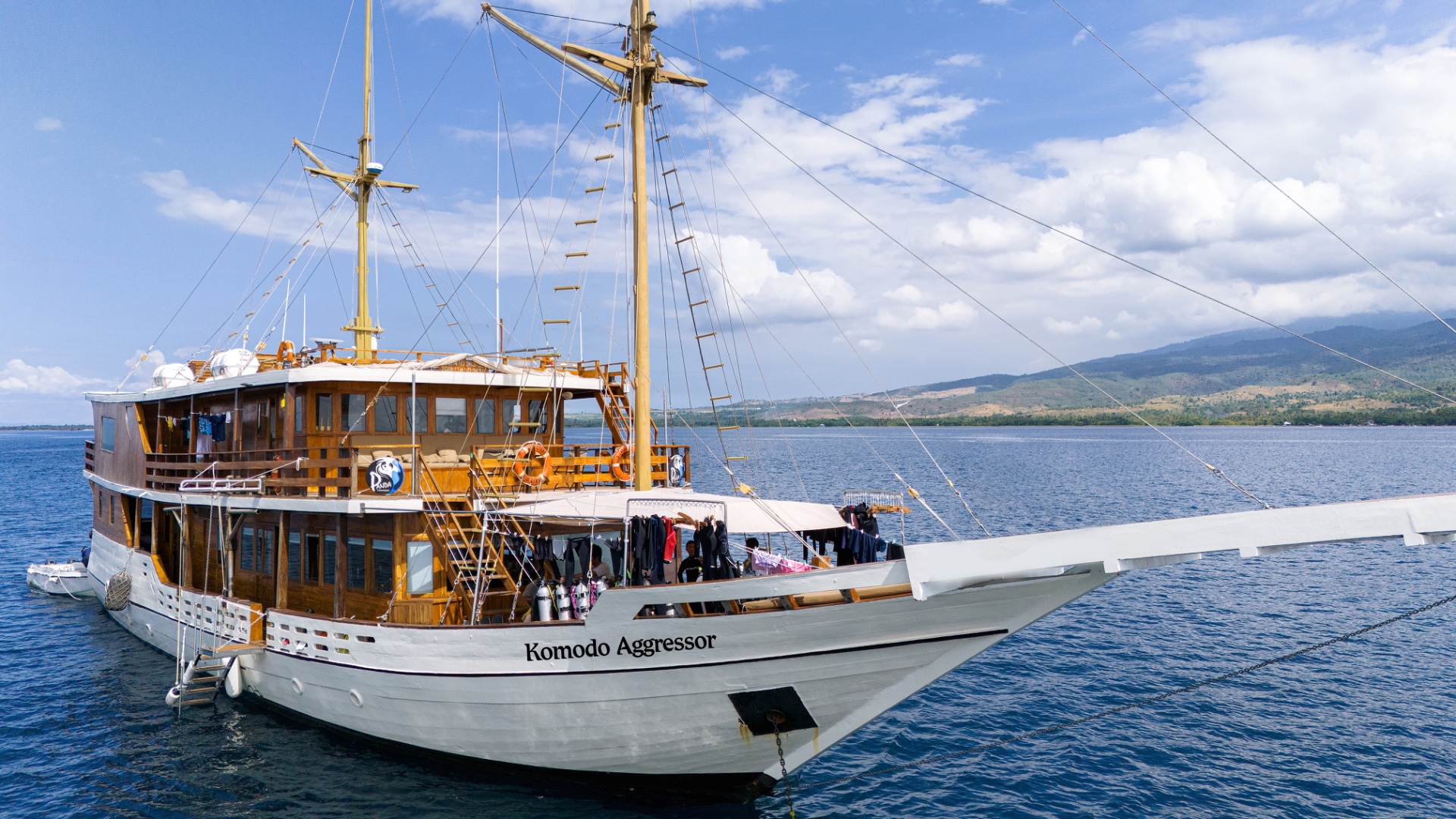
Komodo Aggressor
Komodo, Indonesia
16 guests29 m
$312/day
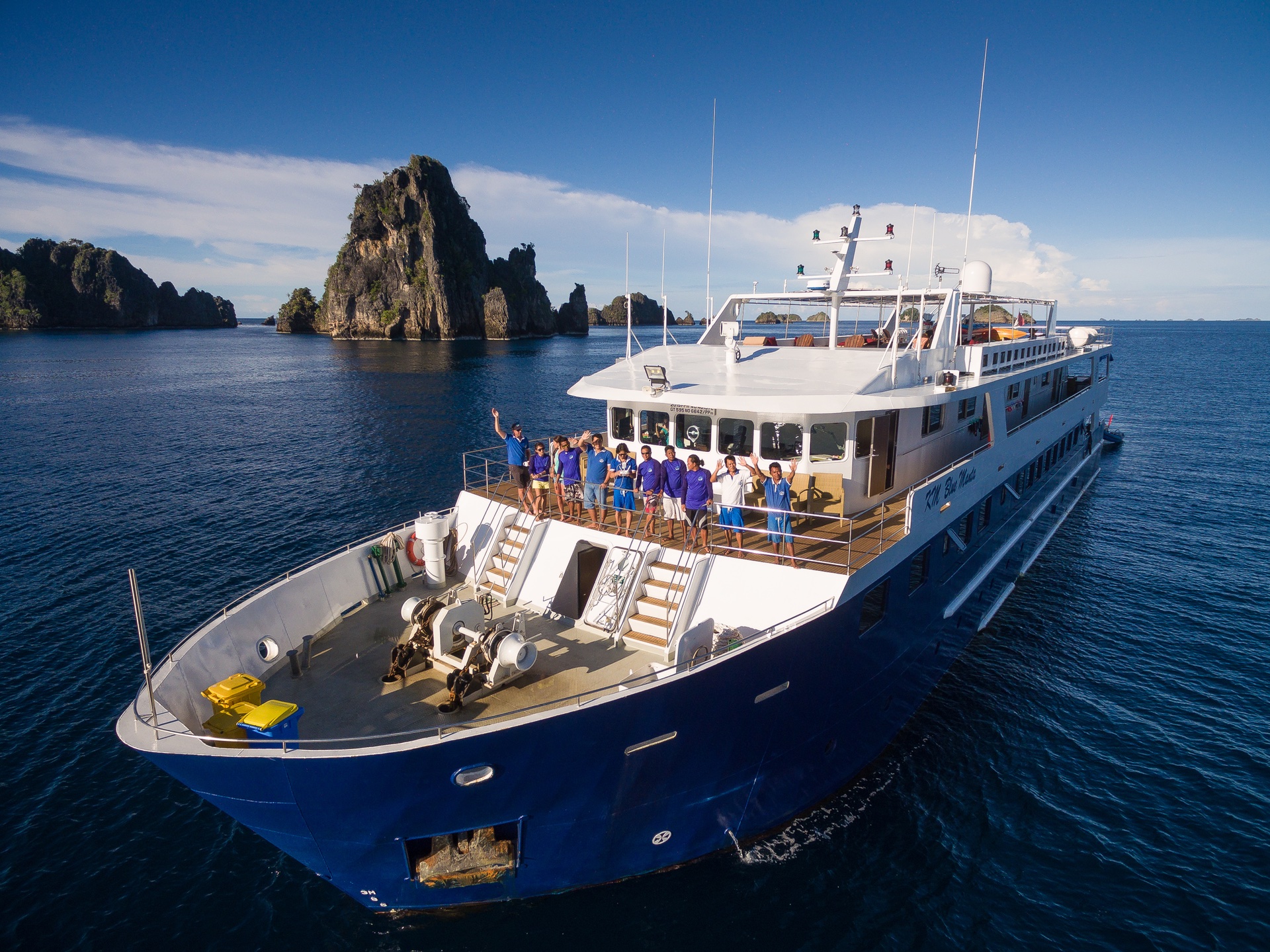
Blue Manta
Indonesia
20 guests45 m
$482/day
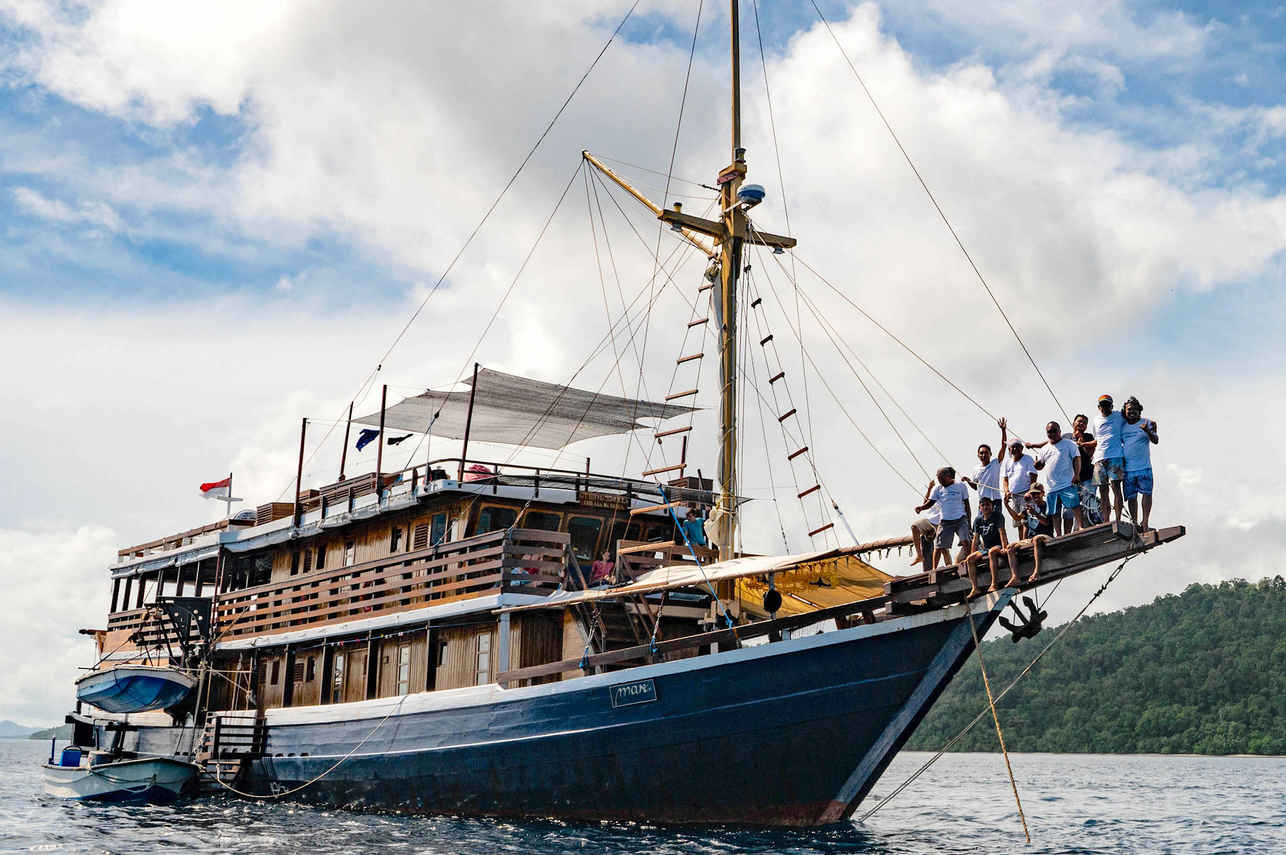
Mari
Indonesia
14 guests32.2 m
$328/day
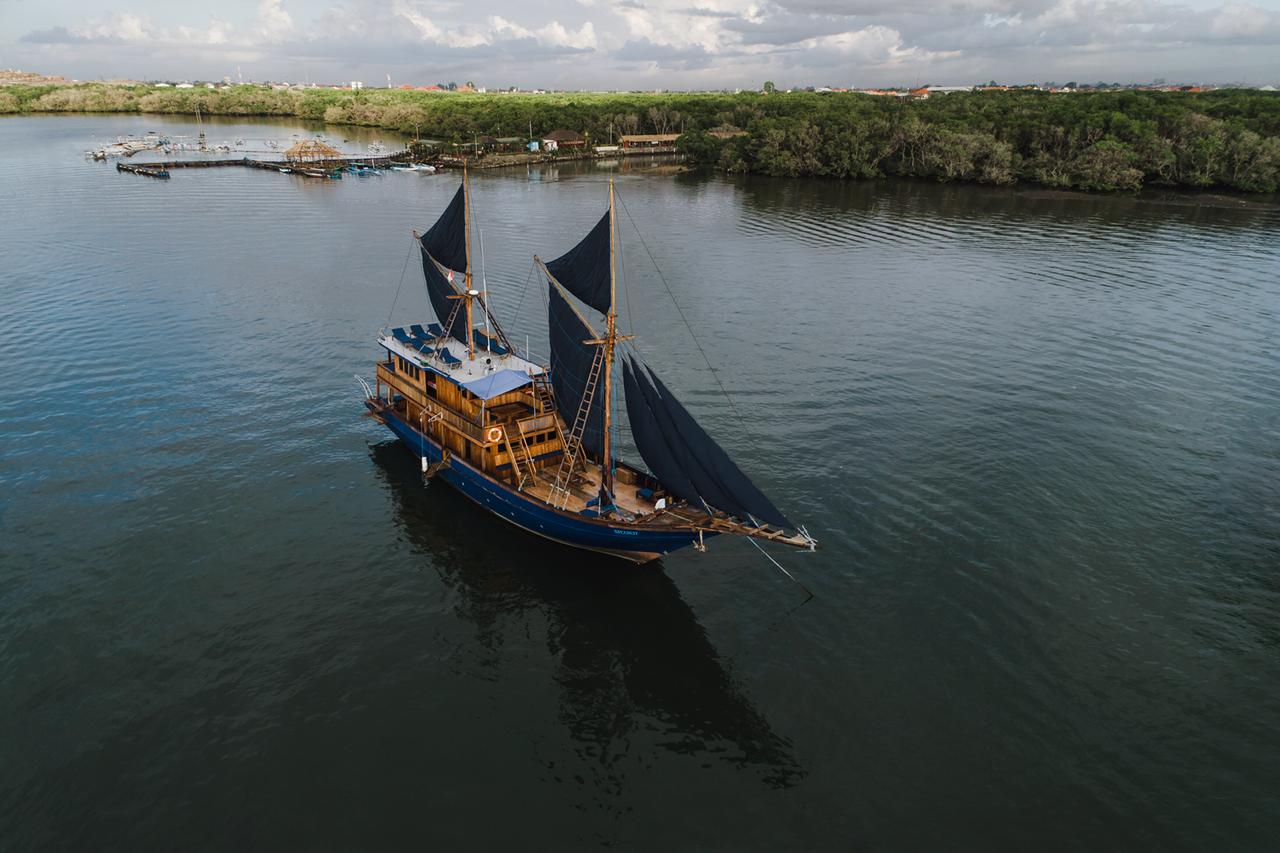
Situju7
Komodo, Indonesia
10 guests32.7 m
$362/day
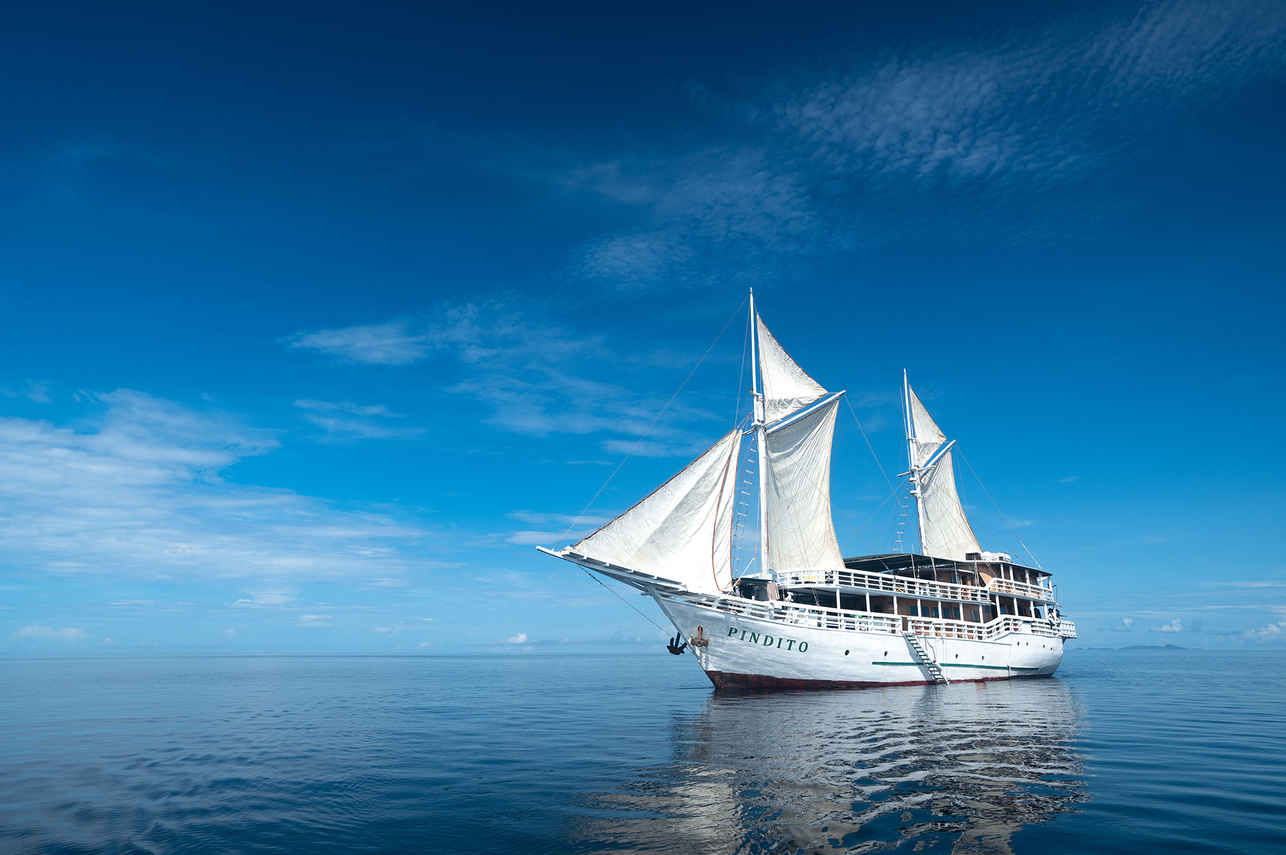
Pindito
Indonesia
16 guests37.79 m
$533/day
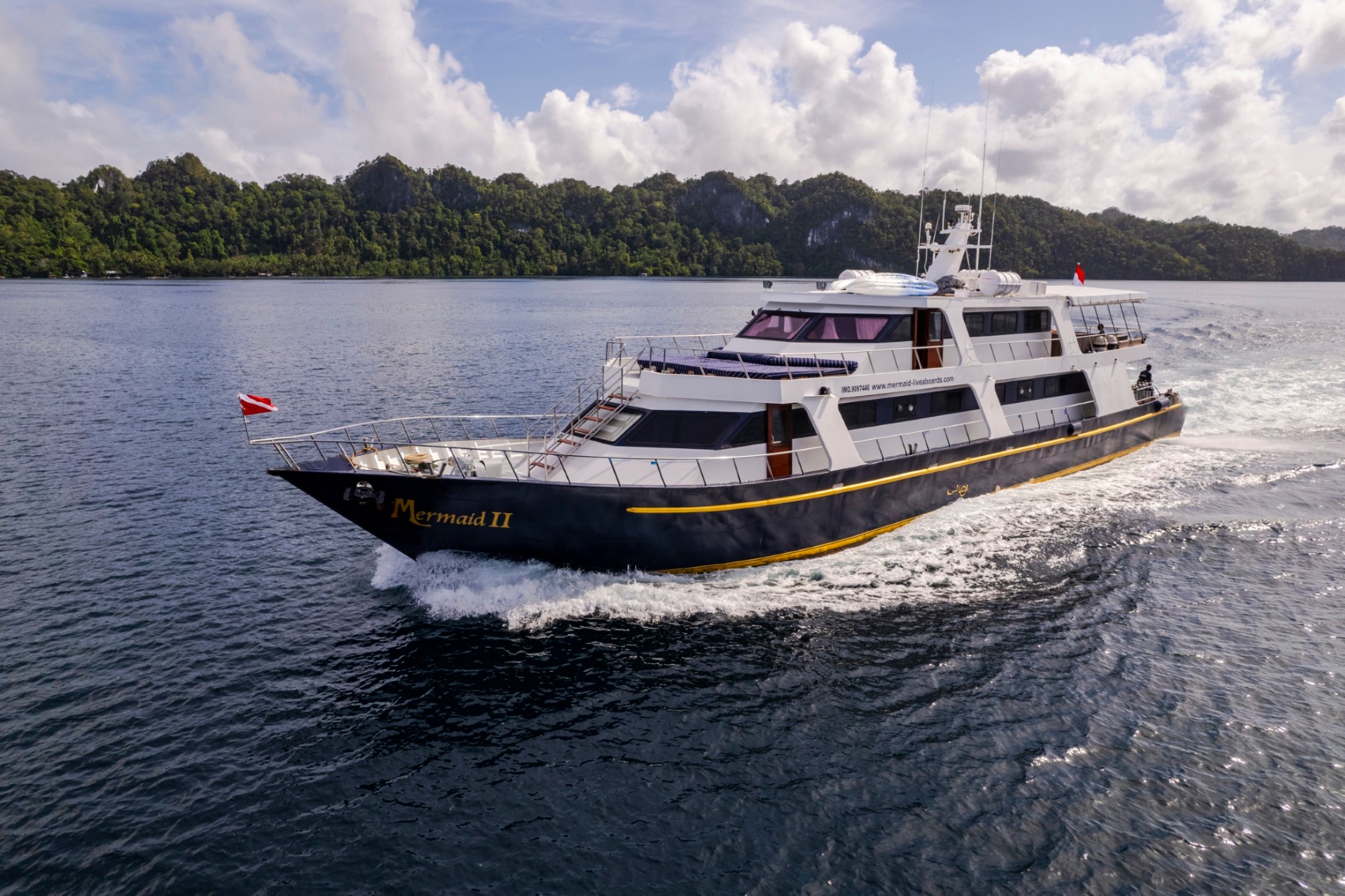
Mermaid II
Komodo, Indonesia
18 guests
$391/day
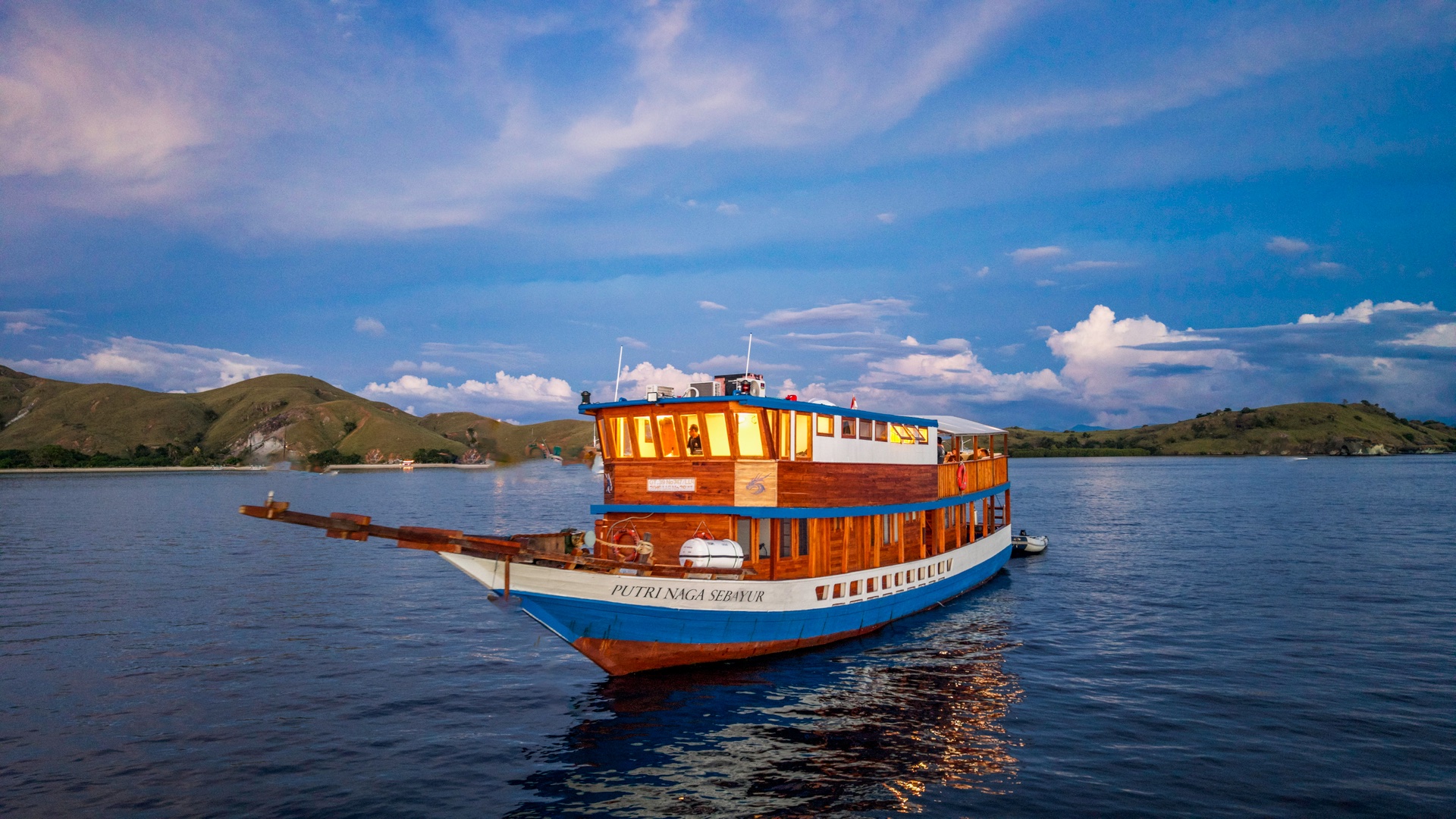
Putri Naga
Komodo, Indonesia
6 guests25 m
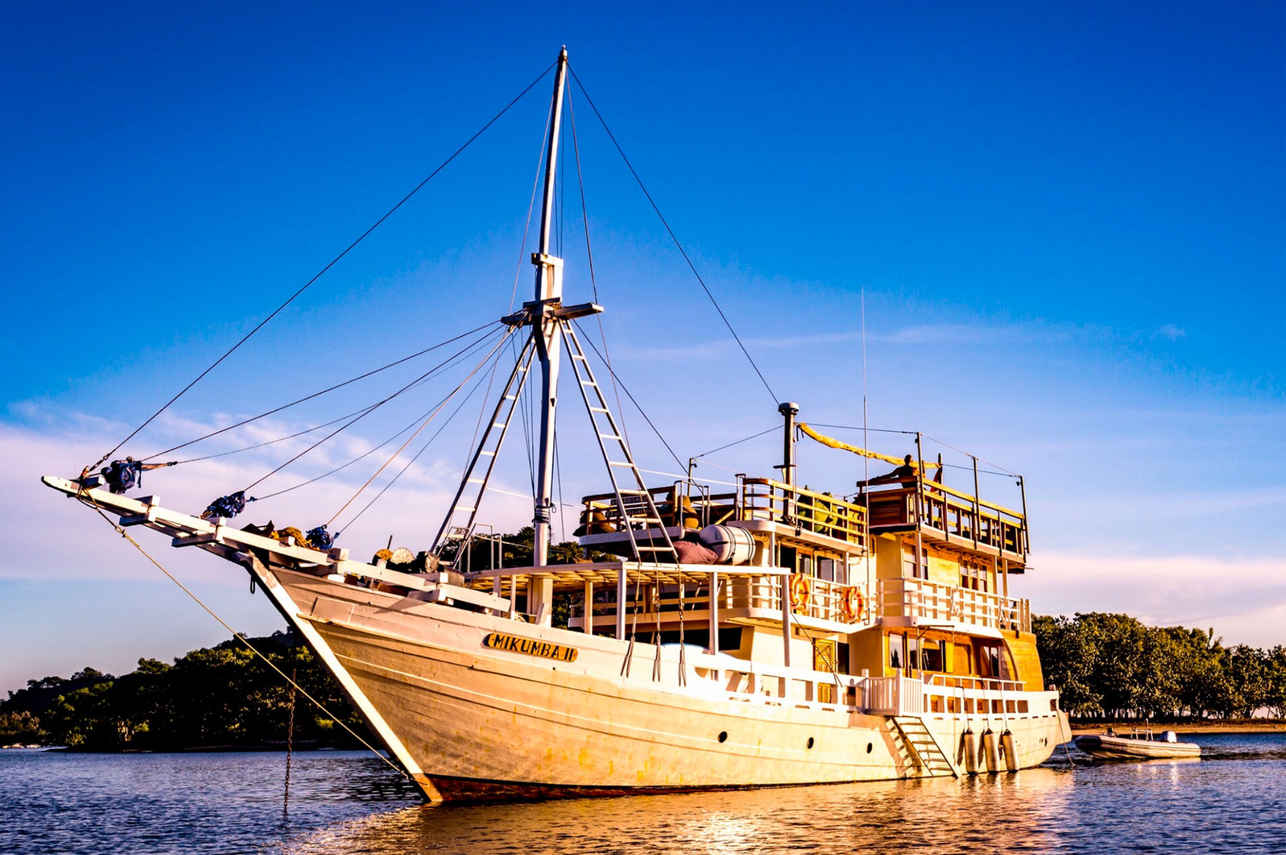
Mikumba Dua
Indonesia
10 guests30 m
$335/day
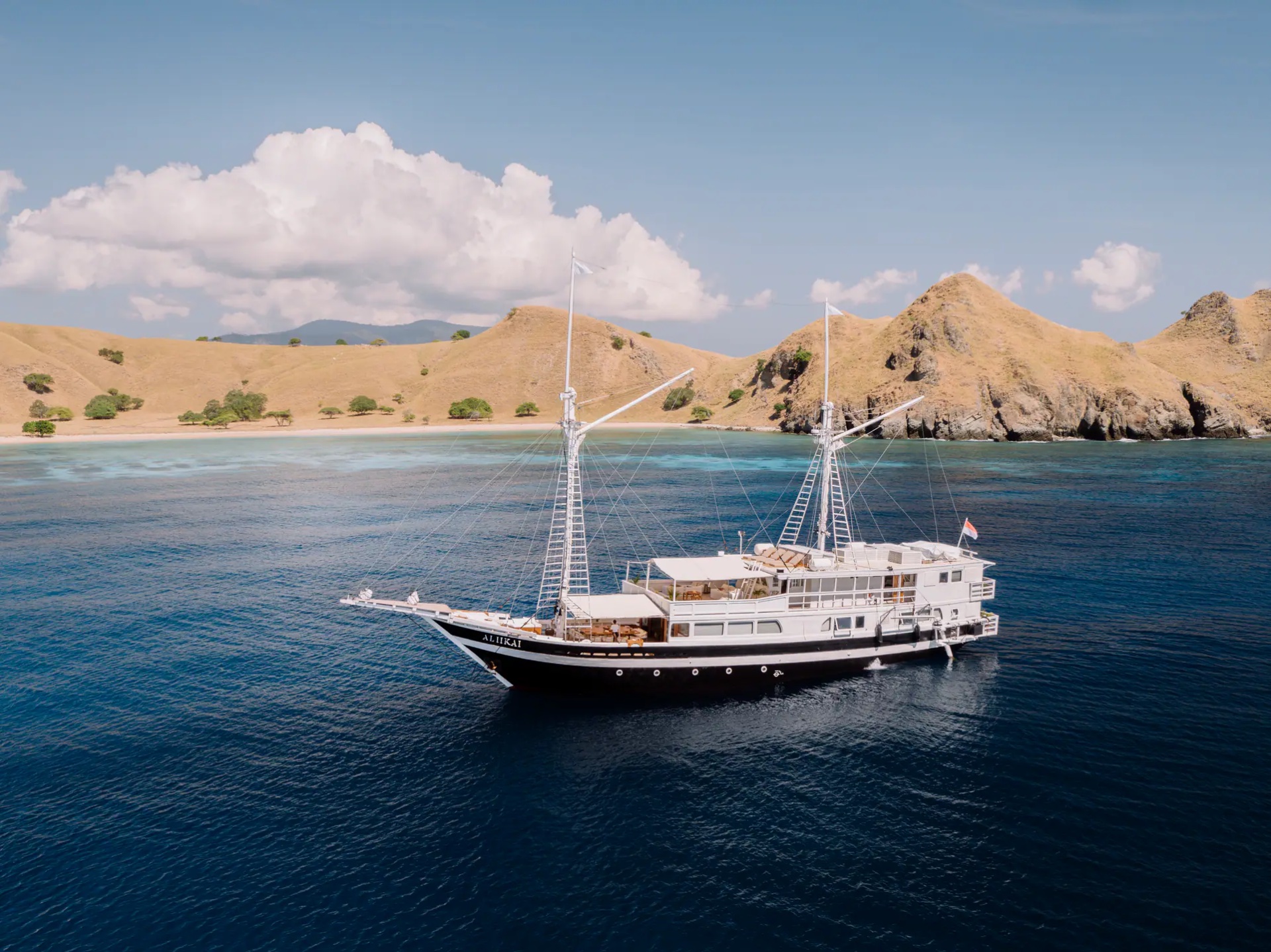
Aliikai Voyage
Indonesia
15 guests40 m
$658/day
Dive sites similar to Castle Rock
Same character, same waters — six more sites divers love for the exact same reasons.Compare seasons, access and liveaboard routes — then pick the site that fits your trip best.
© Esri — Maxar, Earthstar, GIS
Siaba Kecil
Komodo, Indonesia
Siaba Kecil is a distinct dive site located in the central part of Komodo National Park, positioned in a channel where waters flow between the north and south.
- Suitable for
- Intermediate
- Current
- Strong
- Access
- Liveaboard only
- Depth
- 8–25 m
- Theme
- Drift / Reef
© Esri — Maxar, Earthstar, GIS
Nisaleme Island
Komodo, Indonesia
Nisaleme Island is a notable dive site within Komodo National Park, an area celebrated for its rich marine biodiversity located between the Flores Sea and the Savu Sea.
- Suitable for
- Advanced
- Current
- Ripping
- Access
- Liveaboard only
- Depth
- —
- Theme
- Drift
© Esri — Maxar, Earthstar, GIS
Pink Beach
Komodo, Indonesia
Pink Beach is a renowned dive site within Komodo National Park, famous for its unique pink-hued sands, a result of microscopic red foraminifera.
- Suitable for
- Intermediate
- Current
- Strong
- Access
- Liveaboard or dayboat
- Depth
- 1–15 m
- Theme
- Drift / Reef
© Esri — Maxar, Earthstar, GIS
Batu Bolong
Komodo, Indonesia
Batu Bolong, meaning "Hollow Rock" in Bahasa Indonesian, is a renowned dive site in Komodo National Park, situated in the central Lintah Strait between Komodo Island and Tatawa Besar.
- Suitable for
- Advanced
- Current
- Strong
- Access
- Liveaboard or dayboat
- Depth
- 10–30 m
- Theme
- Drift / Pinnacle
© Esri — Maxar, Earthstar, GIS
Komodo Corner
Komodo, Indonesia
Komodo Corner, or Police Corner, is a captivating dive site situated on the south side of Siaba Besar Island within Central Komodo National Park.
- Suitable for
- Advanced
- Current
- Strong
- Access
- Liveaboard or dayboat
- Depth
- 5–30 m
- Theme
- Cave & cavern / Drift
© Esri — Maxar, Earthstar, GIS
Cannibal Rock
Komodo, Indonesia
Cannibal Rock, one of Komodo's most renowned dive sites, is located within Horseshoe Bay at the southern tip of Rinca Island in Komodo National Park.
- Suitable for
- Intermediate
- Current
- Strong
- Access
- Liveaboard or dayboat
- Depth
- 5–30 m
- Theme
- Pinnacle / Seamount