About Komodo Corner
Komodo Corner, or Police Corner, is a captivating dive site situated on the south side of Siaba Besar Island within Central Komodo National Park. This location is celebrated for its distinctive underwater topography, particularly a colossal overhang that creates an awe-inspiring, cathedral-like cavern, providing a unique visual spectacle for divers. The site's reef system boasts a rich array of hard corals and sponges, supporting diverse marine life from schooling reef fish to pelagic visitors. While known for its dramatic geological features, Komodo Corner also offers opportunities for macro enthusiasts to spot smaller, hidden creatures. Depths can vary, with explorations extending into deeper areas depending on the chosen route. Diving conditions here are shaped by the dynamic currents characteristic of Komodo, which bring abundant nutrients, fostering a thriving ecosystem. These currents mean that conditions can range from mild to strong, necessitating careful planning by dive operators. The site is occasionally visited as part of central-Komodo dive routes when conditions are optimal, ensuring a safe and memorable experience. Komodo Corner is considered an advanced dive due to potential currents, varying depths, and the overhead environment of the cavern. Divers can anticipate exhilarating drift sections and the chance to witness unique phenomena, such as bubbles rising through corals from divers exploring the overhang below, making each dive here distinctive.
Highlights
Massive overhang and cavernDramatic rock formationsOccasional strong drift currentsDiverse reef fish schoolsBubbles rising through coralsAnthias and fusiliers
Best Season
The dry season, from April to November, generally offers optimal conditions for diving in Komodo, including clearer waters and calmer seas. However, Komodo Corner is dived opportunistically when local conditions, tides, and currents are favorable, making it less dependent on a specific seasonal window.
Dive site facts: Komodo Corner
- Depth
- Varies, deeper areas possible
- Current
- Occasional to strong
- Entry
- Controlled descent
- Level
- Advanced Open Water recommended
- Dive type
- Drift, reef, cavern, macro
- Night dive
- Not specified
- Region / port
- Central Komodo
- Coordinates
- -8.692, 119.425
Conditions & Currents
Komodo Corner is situated in a region known for its dynamic currents, a defining feature of the Komodo National Park due to the immense water exchange between the Flores Sea and the Indian Ocean. While not every dive site in Komodo experiences strong currents, Komodo Corner can encounter occasional or sudden strong water movements, demanding comfort and control from divers. Professional operators meticulously assess tidal movements and weather conditions to determine the safest entry and route for the day. These currents are vital for the abundant marine life, bringing nutrients that sustain a rich ecosystem. Divers should be prepared for potential drift diving, which, when managed properly, offers an exhilarating experience. Entry and exit strategies are carefully briefed, and divers must adhere to guide instructions to navigate the varying conditions safely.
Marine life & sighting chances
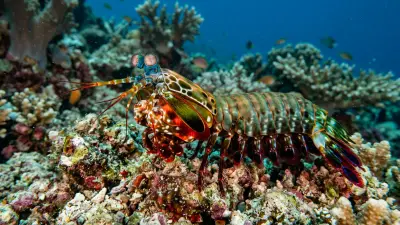
Peacock Mantis Shrimp
common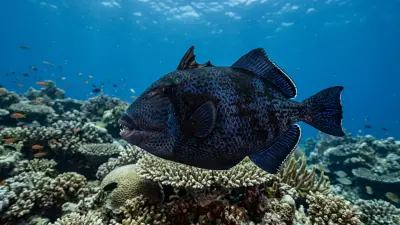
Black Velutin Snail
occasional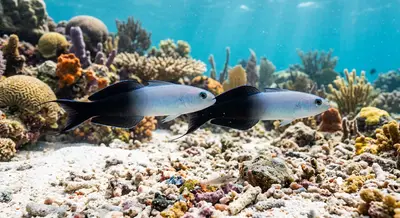
Blackfin Dartfish
occasional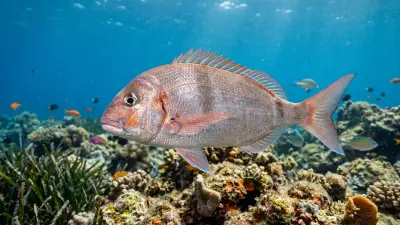
Bridled Monocle Bream
common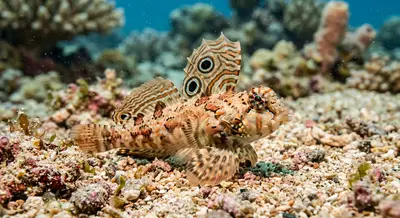
Chamberlain's Nembrotha
occasional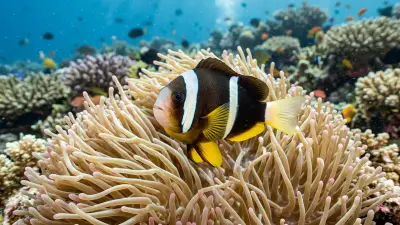
Clark's Anemonefish
common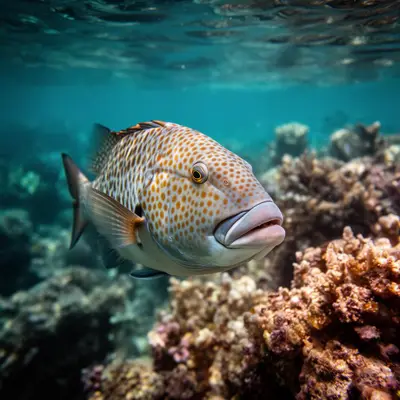
Diagonal-Banded Sweetlips
occasional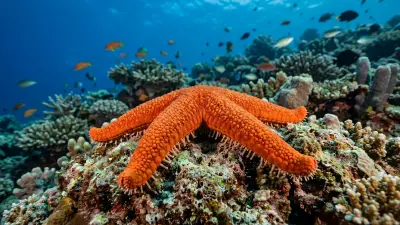
Egyptian Sea Star
occasional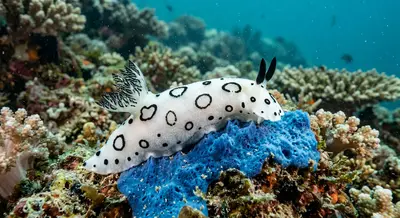
Funeral Jorunna
occasional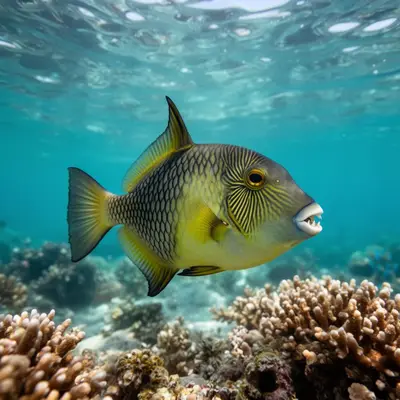
Halfmoon Triggerfish
common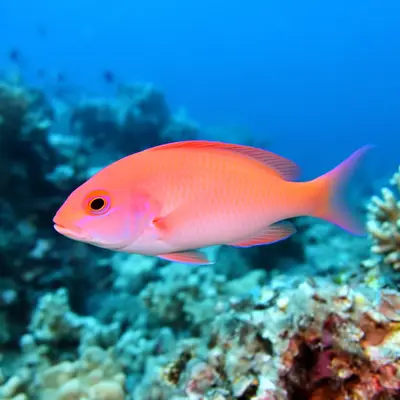
Lyretail Anthias
common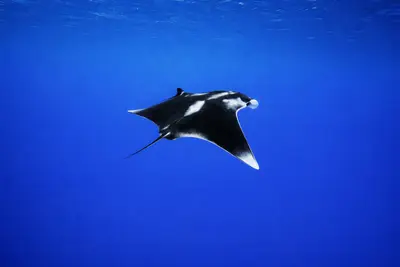
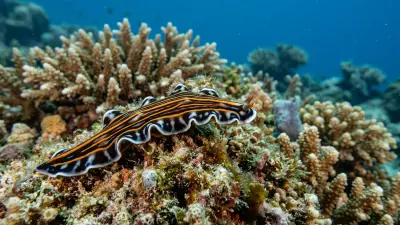
Racing Stripe Flatworm
occasional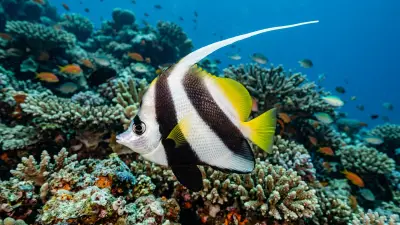
Singular Bannerfish
commonDive profile & how the dive runs
A typical dive at Komodo Corner often begins as a drift over a shallow reef shelf, allowing divers to observe hard corals and schools of fish like halfmoon triggerfish and Clark's anemonefish. Following this initial drift, the route progresses towards a dramatic drop-off, leading to the main attraction: a massive overhang and cavern structure. Here, divers can find shelter from the main current and explore the wall, spotting nudibranchs, flatworms, and hidden peacock mantis shrimp. The dive may continue deeper along the wall or into the cavern, depending on conditions and diver experience. As the dive progresses, divers gradually ascend onto the upper reef, where a unique phenomenon of bubbles rising through the coral from divers below can be observed. The safety stop typically occurs on this shallow reef plateau before a smooth surface pickup by the boat crew.
Underwater photography
Komodo Corner offers diverse photographic opportunities, blending wide-angle possibilities with macro potential. For capturing the immense overhang and dramatic reefscapes, a wide-angle lens is essential, potentially with external strobes to illuminate the shadowy cavern interior. When shooting drift sections, good buoyancy control is paramount to avoid disturbing the corals while composing shots of schooling fish. Macro photographers will find subjects like nudibranchs, flatworms, and mantis shrimp along the walls and within crevices, benefiting from macro lenses and focused light sources. Be mindful of current strength when setting up shots, and ensure your gear is streamlined to prevent accidental contact with the reef. Maintaining excellent buoyancy is key, especially in the overhead environment, to ensure both safety and successful imagery.
Combine with nearby dive sites
- Siaba Besar
Known for sheltered coral gardens and macro life, often paired with Komodo Corner.
- Batu Bolong
A central Komodo pinnacle teeming with fish and coral, frequently part of itineraries.
- Manta Point (North)
A popular spot for manta ray sightings in the central area.
- Tatawa Besar
Features stunning coral gardens and rich reef life.
- Sebayur Kecil
Offers vibrant reefs and diverse marine encounters.
Getting there & logistics
Access to Komodo National Park, including Komodo Corner, is primarily via Labuan Bajo (LBJ) airport, serviced by flights from Bali, Jakarta, and Kuala Lumpur. Liveaboards provide the most comprehensive way to explore the park, offering access to various regions over trips typically lasting several days to a week or more. Resort-based diving from Labuan Bajo focuses on the northern and central park sites, often including Komodo Corner when conditions permit on daily dive trips. A Komodo National Park diving permit is required, and its cost is usually included by operators. Planning well in advance, especially for liveaboards during peak season (July-September), is recommended for popular trips or combined dragon-diving experiences.
Safety & environment
Diving in Komodo, including Komodo Corner, demands respect for its dynamic marine environment, particularly the strong and sometimes unpredictable currents. While statistically safe with proper planning, divers must adhere strictly to guide instructions and possess comfort with drift diving techniques. Emergency care in the region is limited; the nearest recompression chamber is not in Labuan Bajo, and evacuation to Bali or Singapore for serious incidents is a reality. Comprehensive dive insurance, covering emergency evacuation and medical treatment, is therefore critical. Site-specific hazards include potential downcurrents or washing out to sea if separated. Divers must maintain excellent buoyancy and situational awareness, especially within the cavern environment. Operators prioritize safety by selecting sites based on diver experience, tidal movements, and weather conditions, often choosing alternative sites if conditions at Komodo Corner are not optimal.
Who it suits — and who it doesn't
Suited for
- Advanced Open Water divers
- Divers with strong buoyancy control
- Divers comfortable with currents
- Experienced drift divers
- Underwater photographers seeking dramatic topography and macro life
Less suited for
- Newly certified Open Water divers
- Divers uncomfortable with potential strong currents
- Divers with limited experience in overhead environments
- Divers with poor buoyancy control
- Those prone to anxiety in challenging conditions
FAQ
Komodo Corner FAQ
What makes Komodo Corner a challenging dive site?
Komodo Corner is considered challenging due to its potential for occasional or sudden strong currents, varying depths, and the presence of a large overhead cavern structure. Divers need strong buoyancy control and comfort with drift diving techniques to navigate the site safely and enjoy its unique features. Operators only visit when conditions are deemed suitable.
What kind of marine life can I expect at Komodo Corner?
The site's vibrant reef supports a diverse array of marine life. You can expect to see schooling reef fish like anthias, fusiliers, halfmoon triggerfish, and singular bannerfish. Macro enthusiasts may spot peacock mantis shrimp, nudibranchs like Chamberlain's Nembrotha and Funeral Jorunna, and various flatworms and sea stars. Occasional larger visitors like oceanic manta rays, turtles, and reef sharks can also be seen.
Is Komodo Corner suitable for beginner divers?
No, Komodo Corner is generally not recommended for beginner divers. It is considered an advanced dive site due to the potential for strong currents, deeper sections, and an overhead environment. Advanced Open Water certification or significant experience with proven buoyancy control and comfort in currents are usually prerequisites for diving this site.
How do dive operators manage safety at Komodo Corner given the currents?
Dive operators prioritize safety by meticulously planning dives at Komodo Corner. They assess tidal movements, current strength, and weather conditions daily to determine the best entry point and route. They only visit the site when conditions are safe and suitable for the divers' experience level, and they provide thorough briefings on current expectations and emergency procedures.
Can I expect to see Komodo dragons on a trip that includes diving at Komodo Corner?
While Komodo Corner is an underwater dive site, many liveaboard and land-based diving packages in Komodo National Park combine diving with opportunities to see Komodo dragons on land. These excursions typically involve guided tours on Komodo or Rinca islands. Always check your specific itinerary if seeing dragons is a priority.
Why dive Komodo Corner from a liveaboard?
Komodo Corner is one of Komodo, Indonesia's signature dive sites. A liveaboard sleeps you on the water and puts you in the water for three to four guided dives per day, including dawn and night dives that day-boat operators rarely offer. You skip the daily commute back to port and reach quieter, less-crowded sites in the same region on a single trip.
Below are the liveaboards that include Komodo Corner on their Komodo, Indonesia itineraries.
Liveaboards diving Komodo Corner
These liveaboards may visit Komodo Corner on selected itineraries — the exact dive sites depend on departure, weather and conditions.
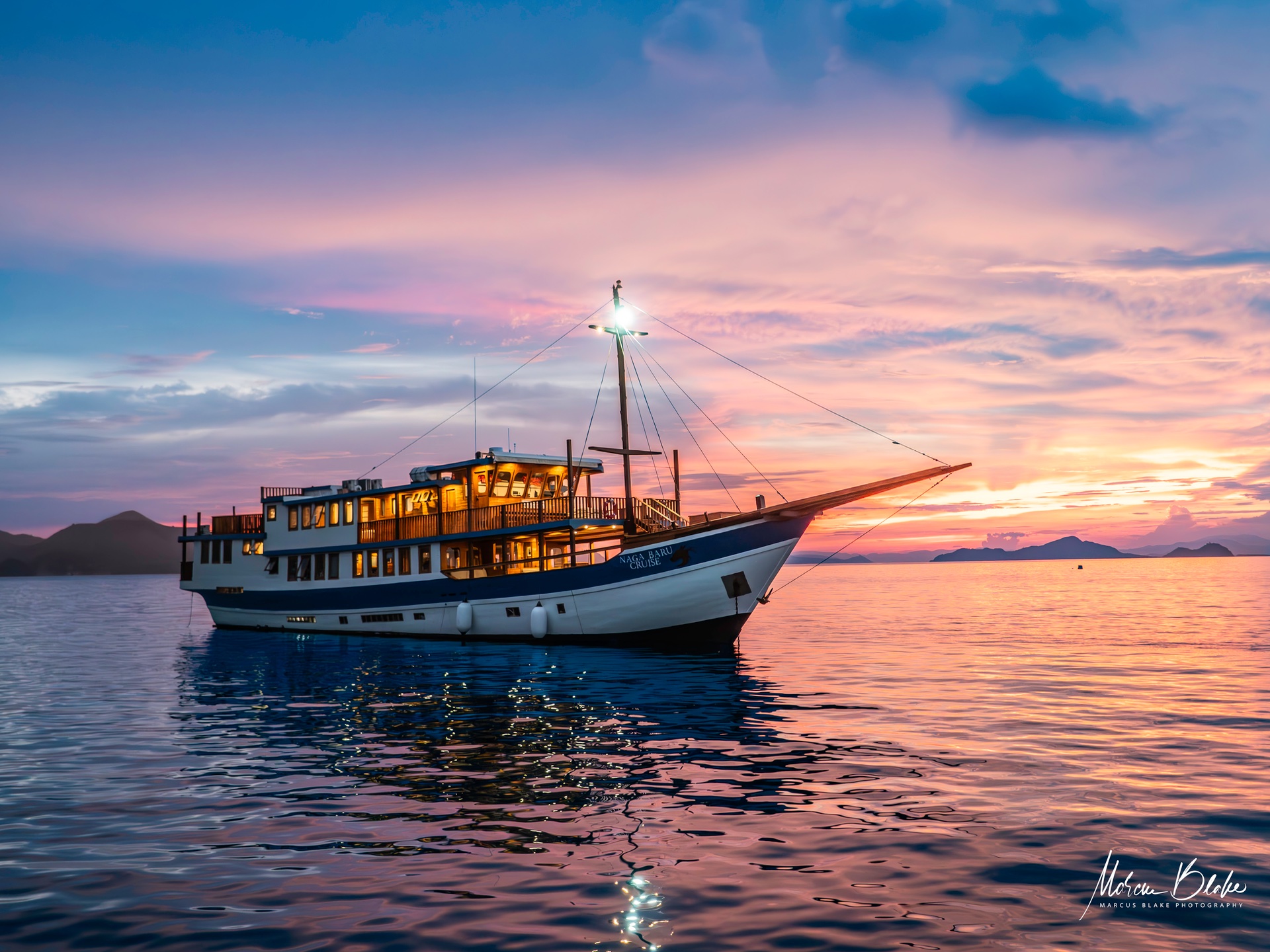
Naga Biru
Indonesia
12 guests40 m
$273/day
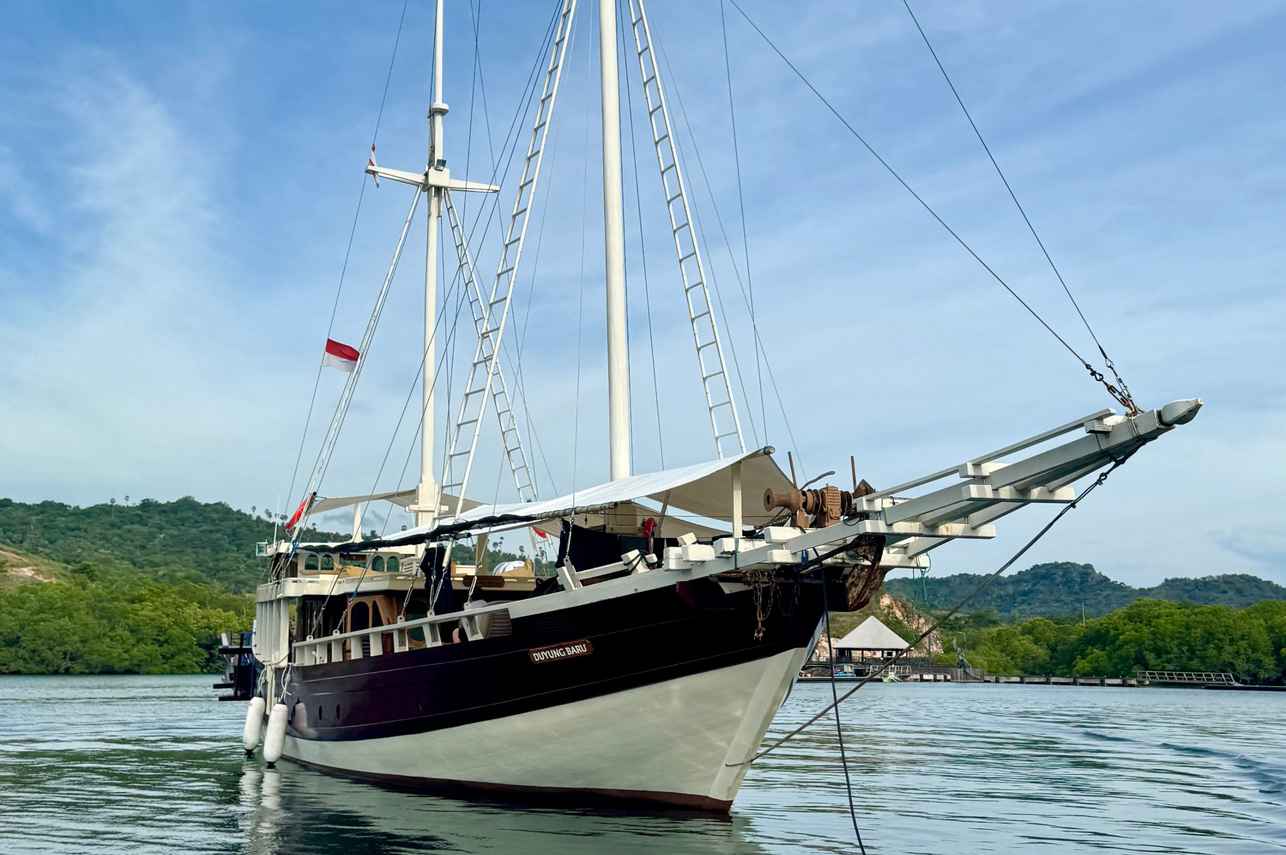
Ecopro Duyung Baru
Indonesia
6 guests27 m
$316/day
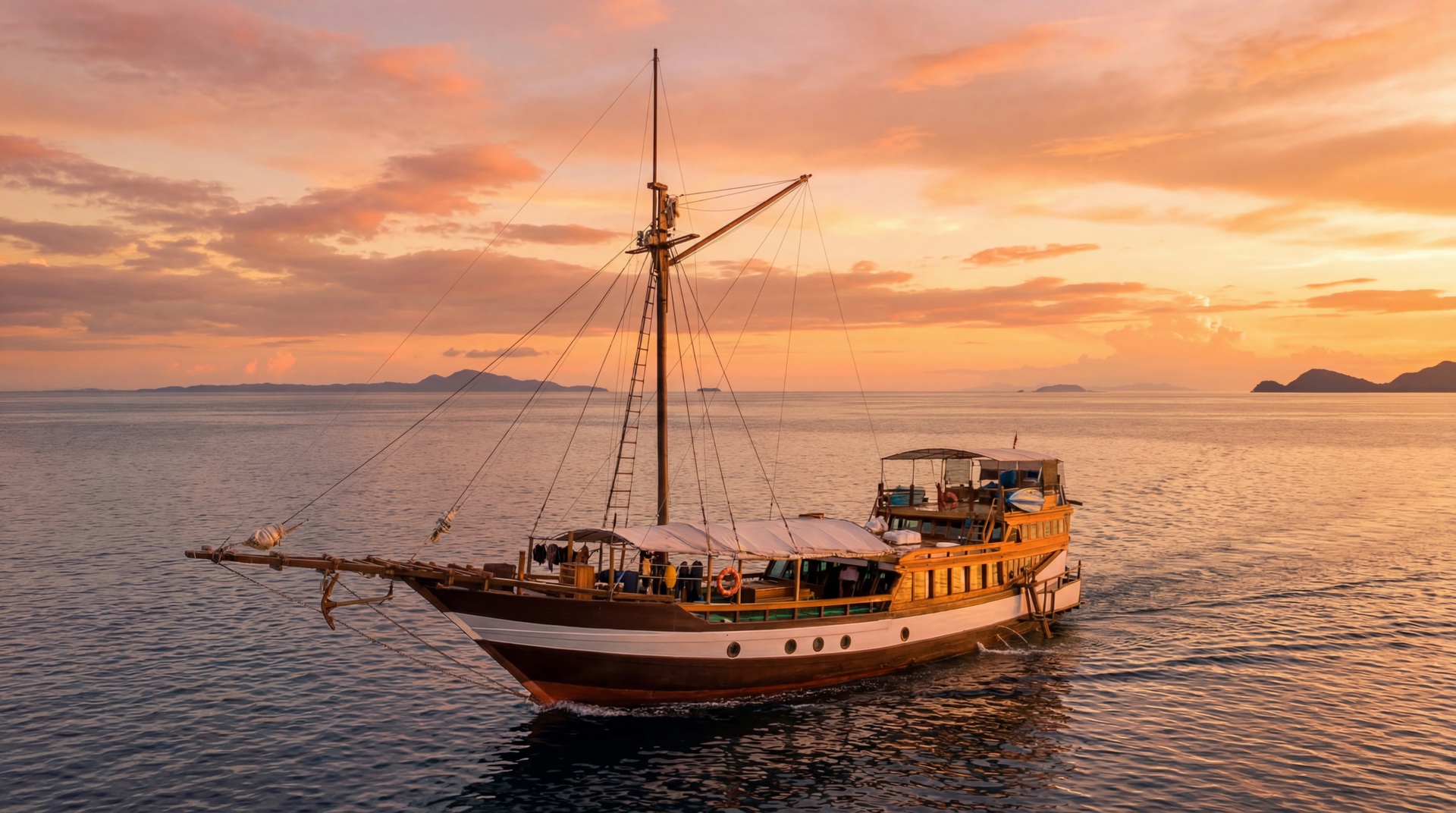
Wellenreng
Indonesia
9 guests25 m
$427/day
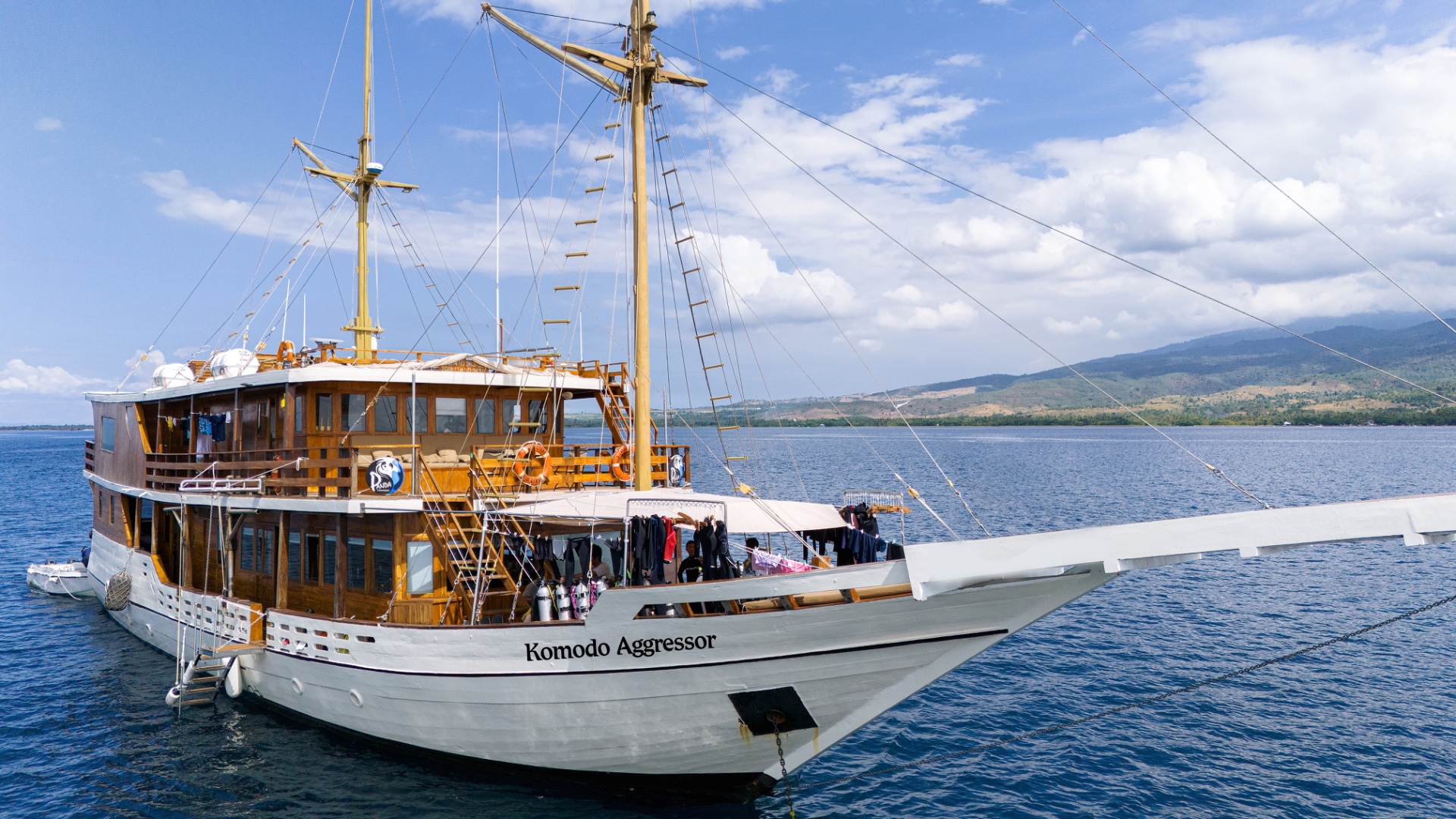
Komodo Aggressor
Komodo, Indonesia
16 guests29 m
$312/day
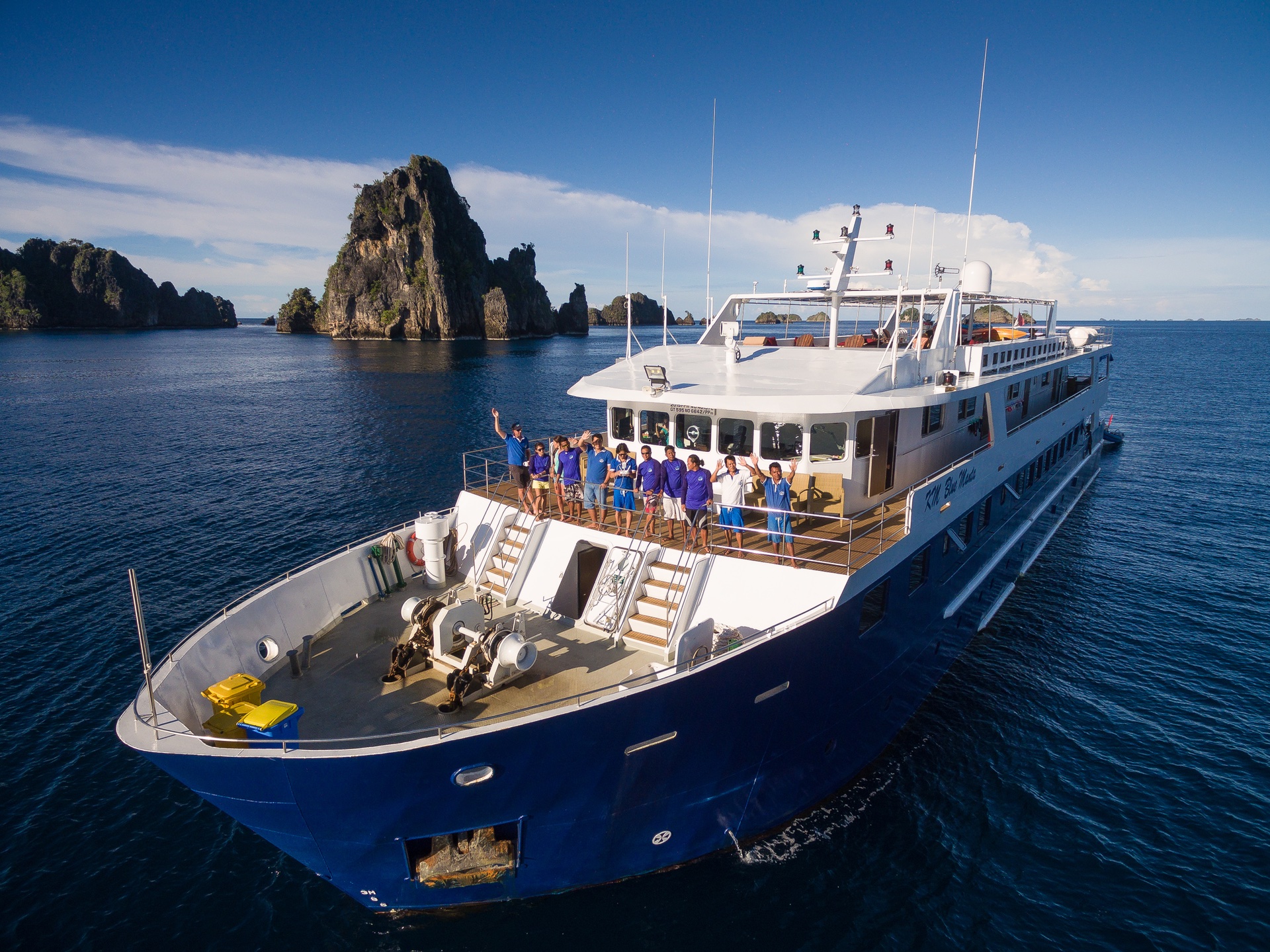
Blue Manta
Indonesia
20 guests45 m
$488/day
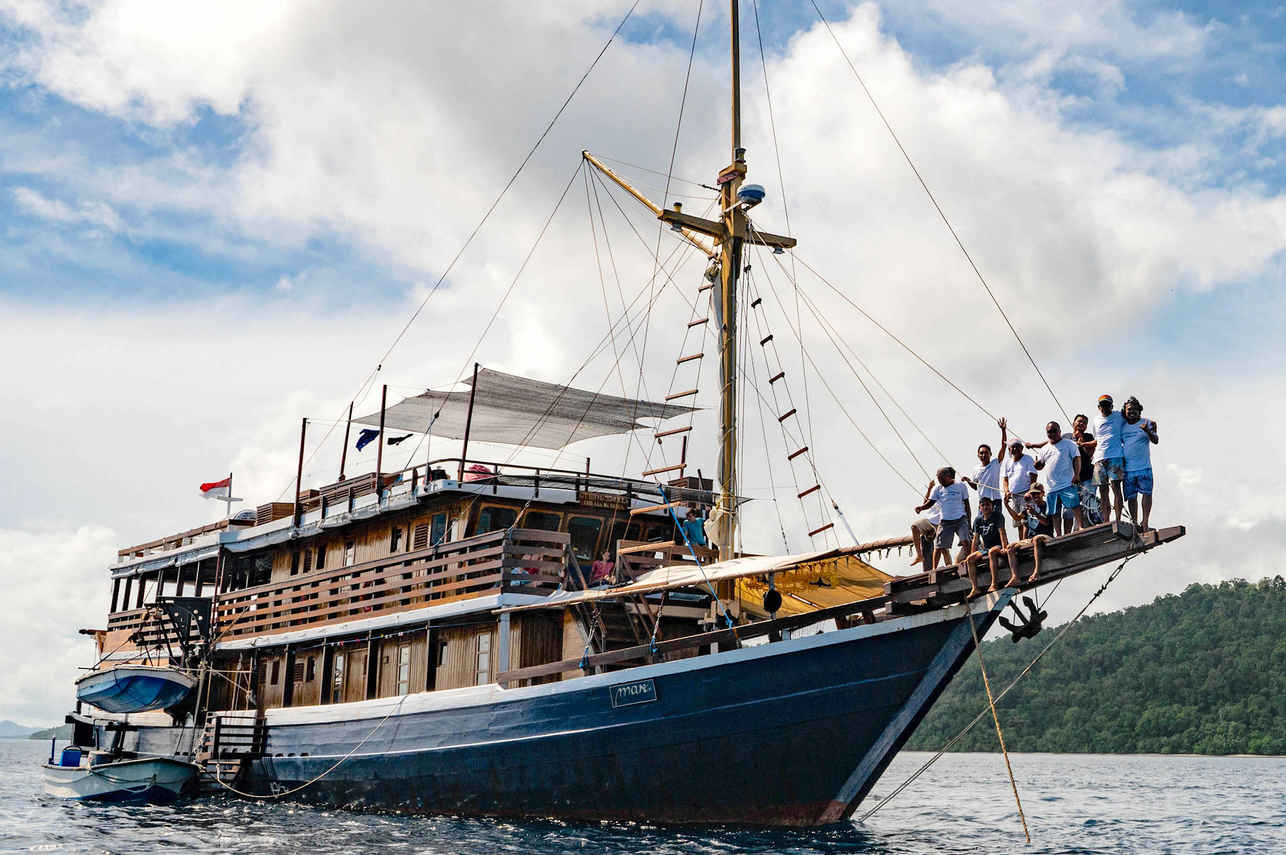
Mari
Indonesia
14 guests32.2 m
$328/day
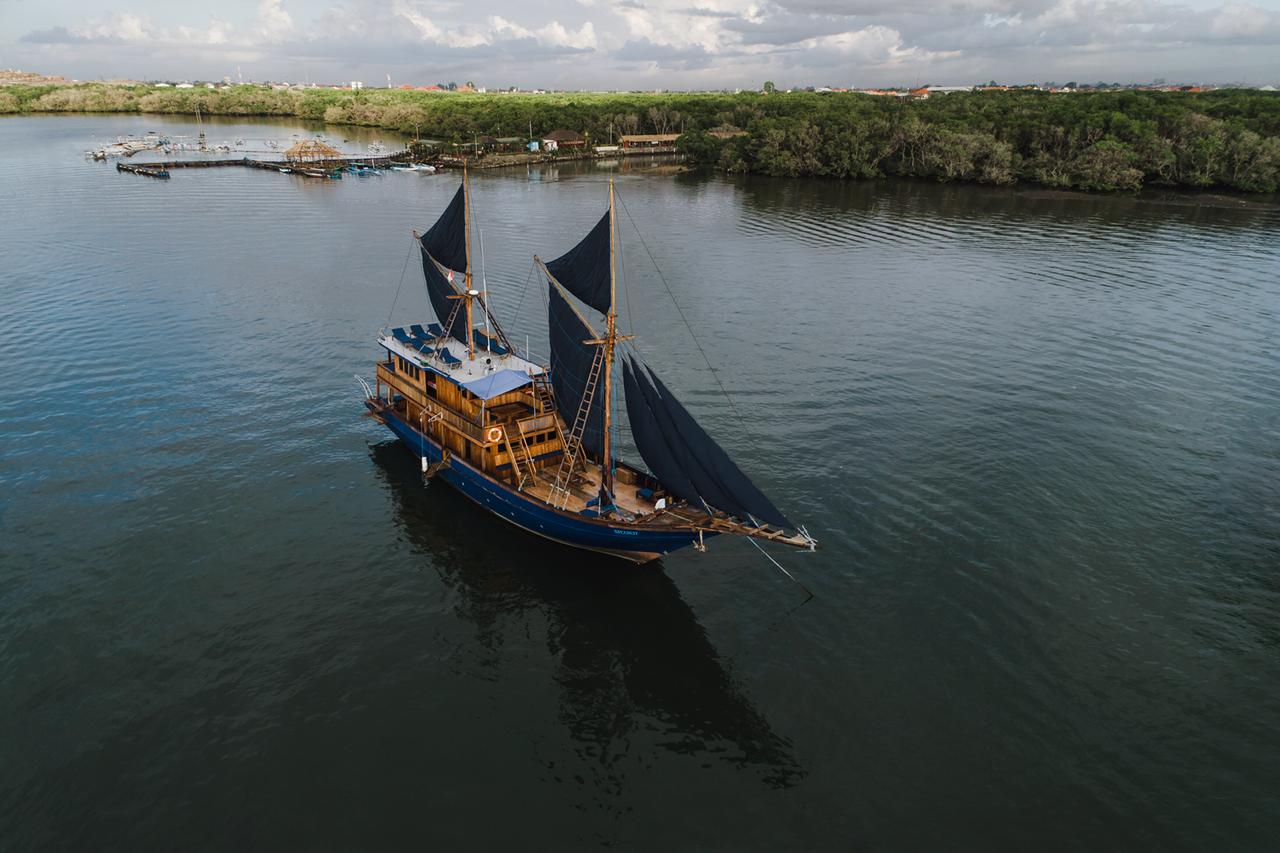
Situju7
Komodo, Indonesia
10 guests32.7 m
$362/day
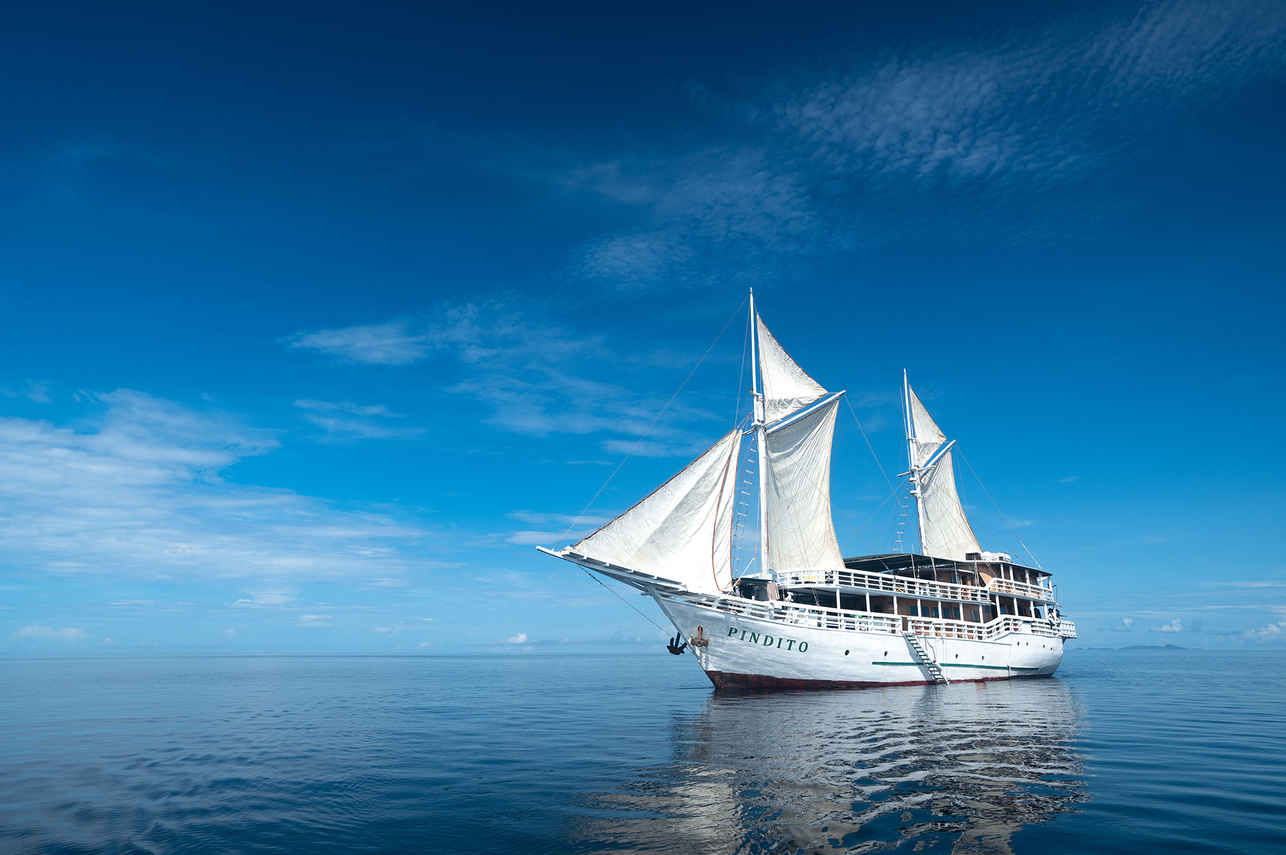
Pindito
Indonesia
16 guests37.79 m
$533/day
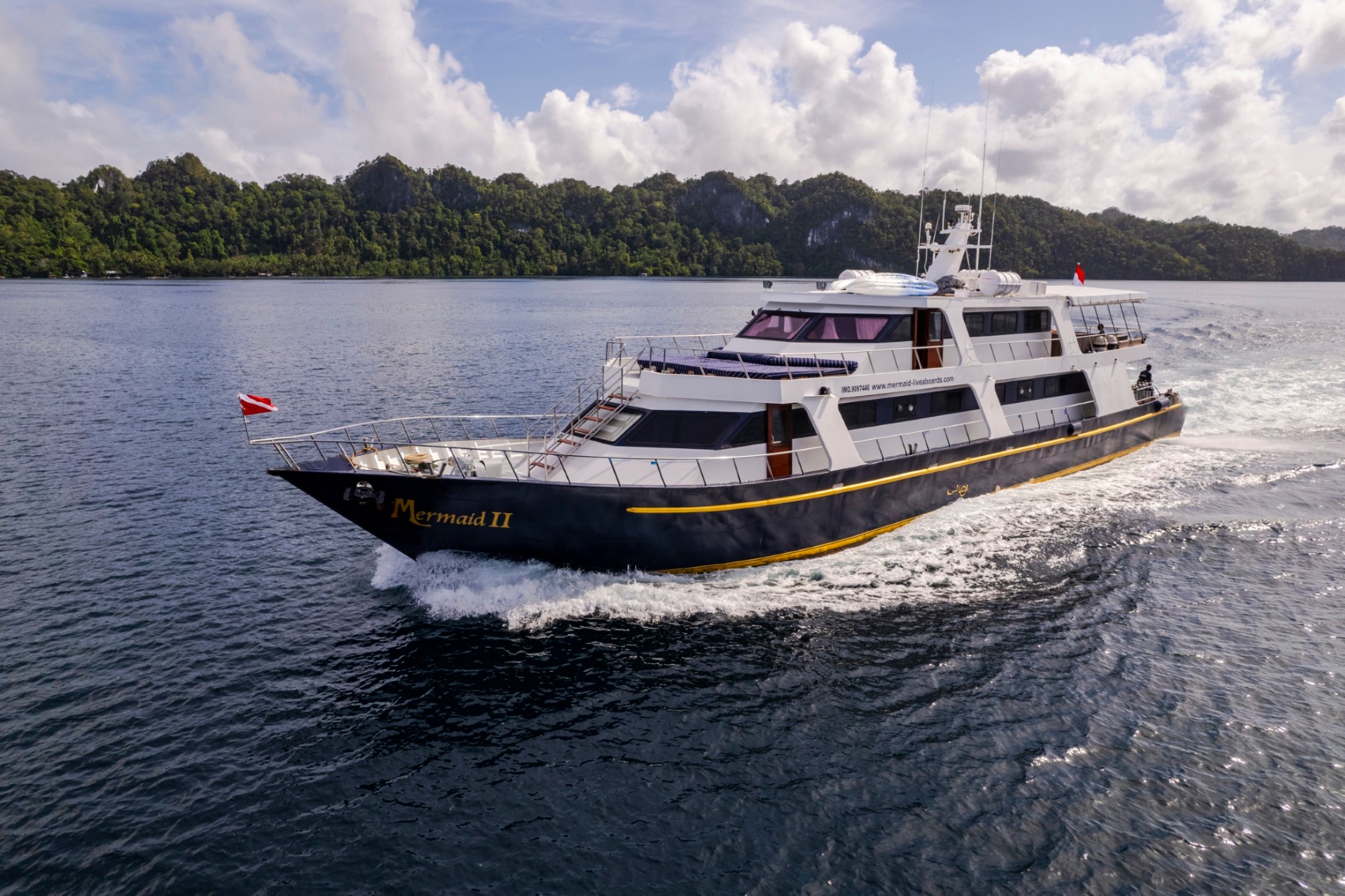
Mermaid II
Komodo, Indonesia
18 guests
$355/day
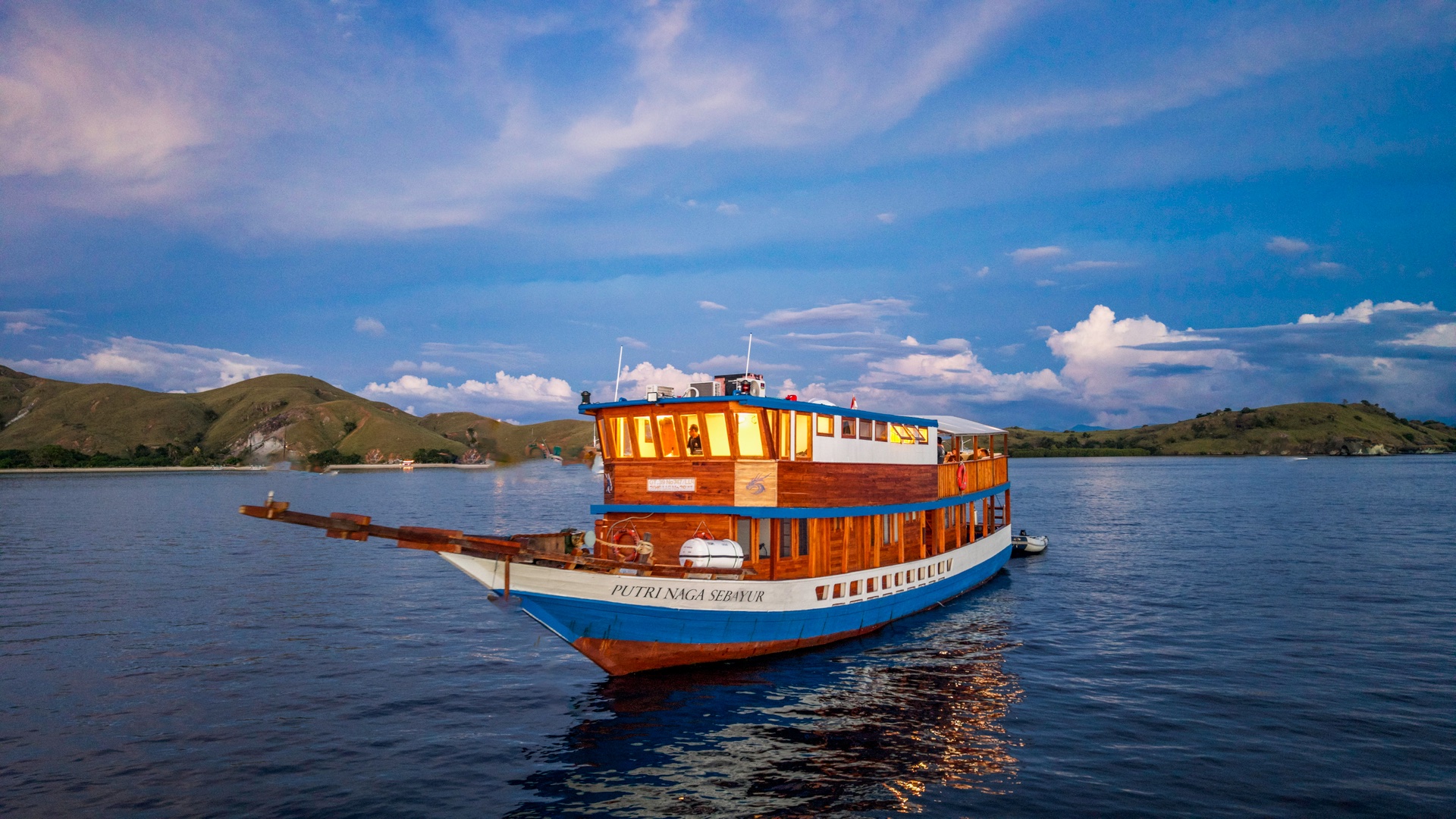
Putri Naga
Komodo, Indonesia
6 guests25 m
$222/day
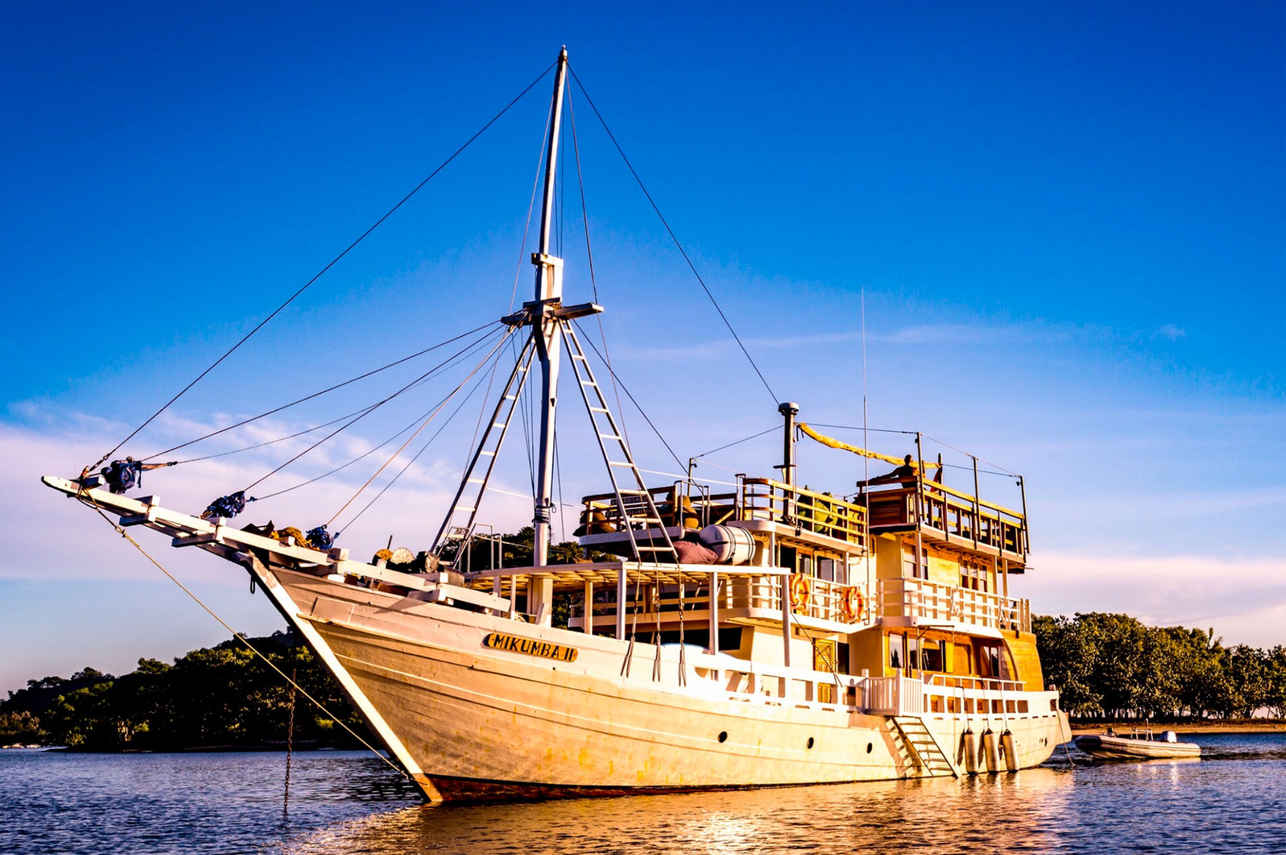
Mikumba Dua
Indonesia
10 guests30 m
$335/day
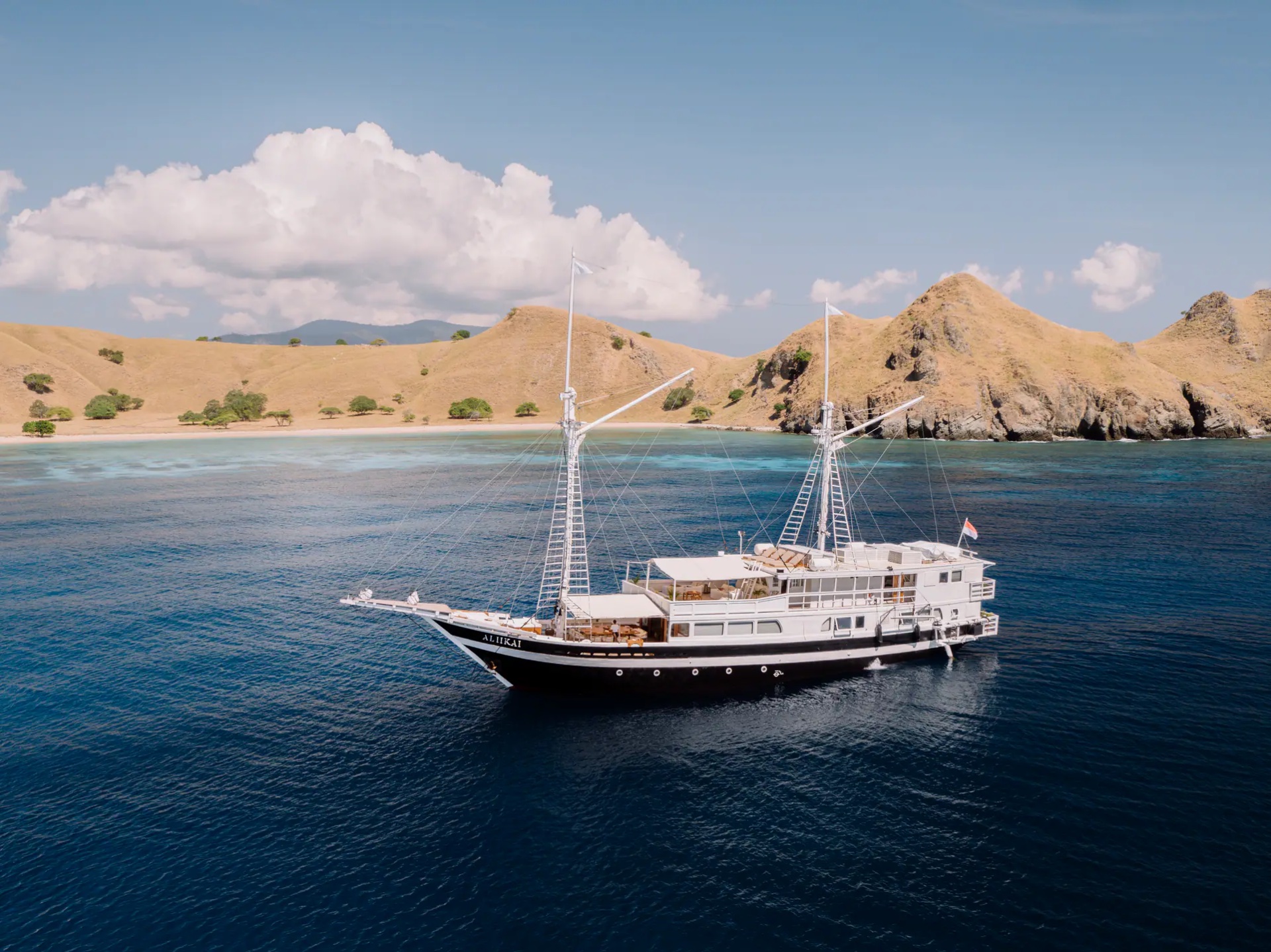
Aliikai Voyage
Indonesia
15 guests40 m
$658/day
Dive sites similar to Komodo Corner
Same character, same waters — six more sites divers love for the exact same reasons.Compare seasons, access and liveaboard routes — then pick the site that fits your trip best.
Siaba Kecil
Komodo, Indonesia
Siaba Kecil is a distinct dive site located in the central part of Komodo National Park, positioned in a channel where waters flow between the north and south.
- Suitable for
- Intermediate
- Current
- Strong
- Access
- Liveaboard only
- Depth
- 8–25 m
- Theme
- Drift / Reef
Castle Rock
Komodo, Indonesia
Castle Rock, an iconic dive site within Komodo National Park, is celebrated as one of Indonesia's premier destinations for exhilarating underwater encounters.
- Suitable for
- Advanced
- Current
- Strong
- Access
- Liveaboard or dayboat
- Depth
- 5–35 m
- Theme
- Drift / Pinnacle
Sangeang Volcano
Komodo, Indonesia
Sangeang Volcano, also known as Gunung Api, offers a unique dive experience northwest of Komodo Island, near Bima.
- Suitable for
- Intermediate
- Current
- Strong
- Access
- Liveaboard or dayboat
- Depth
- 9–30 m
- Theme
- Muck diving / Reef
Lohwenci
Komodo, Indonesia
Lohwenci, situated in Komodo National Park just north of a park station, provides a serene and captivating underwater experience.
- Suitable for
- Intermediate
- Current
- No current
- Access
- Liveaboard only
- Depth
- —
- Theme
- Reef
Pink Beach
Komodo, Indonesia
Pink Beach is a renowned dive site within Komodo National Park, famous for its unique pink-hued sands, a result of microscopic red foraminifera.
- Suitable for
- Intermediate
- Current
- Strong
- Access
- Liveaboard or dayboat
- Depth
- 1–15 m
- Theme
- Drift / Reef
Batu Bolong
Komodo, Indonesia
Batu Bolong, meaning "Hollow Rock" in Bahasa Indonesian, is a renowned dive site in Komodo National Park, situated in the central Lintah Strait between Komodo Island and Tatawa Besar.
- Suitable for
- Advanced
- Current
- Strong
- Access
- Liveaboard or dayboat
- Depth
- 10–30 m
- Theme
- Drift / Pinnacle