About Batu Bolong
Batu Bolong, meaning "Hollow Rock" in Bahasa Indonesian, is a renowned dive site in Komodo National Park, situated in the central Lintah Strait between Komodo Island and Tatawa Besar. This iconic volcanic pinnacle offers a dramatic underwater landscape often described as a "fish soup" due to its incredible biodiversity. From the surface, it appears as a small rock, but beneath the waves, its walls plunge deeply, boasting vibrant, pristine hard and soft corals that shelter countless marine species. The site is celebrated for its abundant pelagic and reef fish populations. Divers frequently encounter grey and whitetip reef sharks patrolling the drop-offs, along with large schools of barracuda and giant trevally. Napoleon wrasse are common, and both hawksbill and green sea turtles are regular visitors. Eagle rays glide in mid-water, particularly in the latter half of the year, while reef manta rays are occasionally spotted. Schools of anthias, snappers, and fusiliers add to the spectacle, filling the water column, especially on the ocean-facing sides of the pinnacle. Diving Batu Bolong requires experience due to its unique current dynamics. The strong currents of the Lintah Strait hit the pinnacle, creating eddies and challenging conditions. Dives are meticulously planned for the lee (protected) side of the rock, often around slack tide, allowing for a descent into a "safe zone" at approximately 18-20 meters where currents are more manageable. Divers typically zigzag along the reef, moving from deeper sections back into the shallower, richly arrayed coral gardens, which remain vibrant even with strong blue-water currents above. Good buoyancy control, adherence to guide instructions, and drift diving experience are crucial.
Highlights
Reef sharksGiant trevallyNapoleon wrasseStunning coral coverage
Season calendar
Best months to dive here
Jan
Feb
Mar
Apr
May
Jun
Jul
Aug
Sep
Oct
Nov
Dec
Good
Dive site facts: Batu Bolong
- Depth
- 5–35 m
- Typical dive
- 18–20 m
- Current
- Medium to strong, can be unpredictable and whirlpool-like
- Visibility
- 10–30 m
- Water temperature
- 25–29 °C
- Entry
- Tender / negative entry on lee side
- Level
- Advanced, strong buoyancy and drift-diving experience essential
- Dive type
- Pinnacle, wall, slope, pelagic, reef
- Night dive
- Not specified
- Region / port
- Komodo National Park, Central
- Coordinates
- -8.531, 119.5485
Conditions & Currents
Batu Bolong is known for its strong, complex currents due to its location in the Lintah Strait, often earning it the nickname "Current City." Dives are strictly conducted on the lee side of the pinnacle during slack or gentle tidal exchanges to avoid dangerous conditions, including potential downcurrents and powerful whirlpools visible from the surface. Divers must stay behind their guide, maintain strong buoyancy, and be prepared for drift diving.
Marine life & sighting chances

Napoleon wrasse
September, October · common
Grey reef shark
July, August, September, October · common
Whitetip reef shark
August, September · common
Eagle ray
August, September · common
Hawksbill turtle
July, August, September, October · common
Green sea turtle
July, August, September, October · common
Barracuda
July, August, September, October · common
Reef manta ray
July, August, September · occasional
Giant trevally
common
Tuna
common
Moray eel
common
Sweetlips
commonDive profile & how the dive runs
Dives at Batu Bolong are meticulously planned around tidal conditions. You will typically enter the water from a tender on the lee side of the pinnacle, between the current lines. Upon descent, proceed directly to a depth of approximately 18–20 meters to reach a more manageable current zone. The dive usually involves zig-zagging across the reef face on the protected side, exploring the vibrant corals and marine life at varying depths. Your dive guide will lead the way, following known current patterns and topography. The pinnacle itself is relatively small, emphasizing the importance of staying close to your buddy and guide. Ascend along the reef line, and always be prepared to deploy a surface marker buoy (SMB) for safety, especially in the event of unpredictable surface currents. A safety stop will be conducted as part of your ascent before surfacing for pickup.
Underwater photography
Batu Bolong is a prime location for wide-angle photography due to its extensive coral coverage, dramatic topography, and abundant schooling fish and pelagic encounters. A wide-angle lens will capture the sheer density of marine life, from swirling anthias to cruising sharks and rays. When photographing pelagics, be prepared for fast-moving subjects. Consider using external strobes to bring out the true colors of the corals and fish, especially in deeper sections or when shooting against the light. For macro enthusiasts, the reef also hosts smaller creatures like nudibranchs and orangutan crabs, requiring a macro lens and careful buoyancy to avoid disturbing delicate corals. Maintaining neutral buoyancy is crucial for both environmental protection and steady shots in potentially strong currents.
Combine with nearby dive sites
- Manta Point (North)
Manta Point, also known as Karang Makassar, is a renowned dive site in the northern part of Komodo National Park.
- Castle Rock
Castle Rock, an iconic dive site within Komodo National Park, is celebrated as one of Indonesia's premier destinations for exhilarating…
- Crystal Rock
Crystal Rock is a renowned dive site in the northern reaches of Komodo National Park, celebrated for its exceptional visibility and the…
- Tatawa Besar
Tatawa Besar, meaning 'big laugh' in Bahasa Indonesian, is a picturesque dive site located in the central area of Komodo National Park…
- Cauldron (Shotgun)
The Cauldron, also known as The Shotgun, stands as North Komodo's premier drift dive, celebrated for its dramatic underwater topography and…
Getting there & logistics
Diving Batu Bolong typically occurs as part of a liveaboard itinerary or day trip departing from Labuan Bajo, the main hub for Komodo National Park. Liveaboards offer trips ranging from 3D/2N to over a week, combining Batu Bolong with other prime northern and central Komodo sites. Komodo National Park fees apply, and these are usually included in liveaboard or day trip packages. The nearest airport is Komodo Airport (LBJ) in Labuan Bajo, with connections to major Indonesian cities like Denpasar (Bali) and Jakarta. Due to its central location in the Lintah Strait, Batu Bolong is frequently visited on longer itineraries that explore both the northern and central regions of Komodo, sometimes extending to the south depending on the season and prevailing conditions.
Safety & environment
Diving Batu Bolong requires significant experience due to its strong, often unpredictable currents and proximity to deeper waters. Always adhere strictly to your dive guide’s instructions, as they are expert in reading the intricate current patterns specific to this site. Maintain excellent buoyancy control at all times to avoid accidental contact with the delicate coral reef. Negative entries are common to descend quickly past surface currents. Carry a surface marker buoy (SMB) and know how to deploy it, as current changes can necessitate drift ascents. A reef hook can be used as briefed by your guide to secure yourself during observation. The nearest recompression chamber is located in Denpasar, Bali, requiring air evacuation in case of a serious dive incident. Comprehensive dive insurance, covering medical emergencies and evacuation, is therefore essential for all divers exploring Komodo National Park.
Who it suits — and who it doesn't
Suited for
- Experienced divers with advanced certifications
- Divers confident in strong current conditions
- Enthusiasts of large pelagic encounters
- Photographers seeking vibrant reef and wide-angle subjects
- Divers looking for adrenaline-filled, challenging dives
Less suited for
- Beginner or Open Water certified divers
- Divers with limited experience in currents or drift diving
- Divers with poor buoyancy control
- Those seeking calm, easy-going dives
- Individuals prone to seasickness in strong currents
FAQ
Batu Bolong FAQ
Why is Batu Bolong considered an advanced dive site?
Batu Bolong is known for its strong and often unpredictable currents, which can create challenging conditions. Divers need excellent buoyancy control and experience with drift diving to safely navigate the site and avoid being swept away or colliding with the delicate coral formations. Always follow your guide’s instructions and stay within the protected areas of the pinnacle.
What kind of marine life can I expect to see at Batu Bolong?
Batu Bolong boasts an incredible diversity of marine life, earning it the nickname "fish soup." You can anticipate encounters with large pelagics like grey reef sharks, whitetip reef sharks, giant trevally, and tuna. The vibrant reef is also home to Napoleon wrasse, barracuda, various species of turtles, and schools of anthias and snappers, with occasional sightings of reef manta rays and eagle rays.
How do dive operators manage the strong currents at Batu Bolong?
Dive operators meticulously plan dives at Batu Bolong to coincide with slack tide or gentle current exchanges. Dives are conducted on the lee (protected) side of the pinnacle, where currents are significantly reduced. Guides are highly experienced in reading water movement and fish behavior to identify safe diving areas, often leading divers in a zigzag pattern along the reef. They emphasize staying close to the reef and the guide at all times.
When is the best time of year to dive Batu Bolong?
The dry season, from April to November, is generally considered the best time to dive Batu Bolong. During these months, the northern and central Komodo areas, where Batu Bolong is located, experience calmer conditions and excellent visibility, often reaching 20-30 meters. While mantas are less frequent than in the rainy season, the overall diving experience is highly rewarding with clear waters and rich marine life activity.
What safety equipment is recommended for diving Batu Bolong?
Given the potential for strong currents, it is highly recommended that divers carry a surface marker buoy (SMB) and know how to deploy it. A reef hook can also be a valuable tool, used as instructed by your guide, to help maintain position without damaging the reef. Always listen carefully to your dive briefing for specific safety instructions for the day's conditions, and ensure your dive insurance covers emergency evacuation.
Why dive Batu Bolong from a liveaboard?
Batu Bolong is one of Komodo, Indonesia's signature dive sites. A liveaboard sleeps you on the water and puts you in the water for three to four guided dives per day, including dawn and night dives that day-boat operators rarely offer. You skip the daily commute back to port and reach quieter, less-crowded sites in the same region on a single trip.
Below are the liveaboards that include Batu Bolong on their Komodo, Indonesia itineraries.
Liveaboards diving Batu Bolong
These liveaboards may visit Batu Bolong on selected itineraries — the exact dive sites depend on departure, weather and conditions.
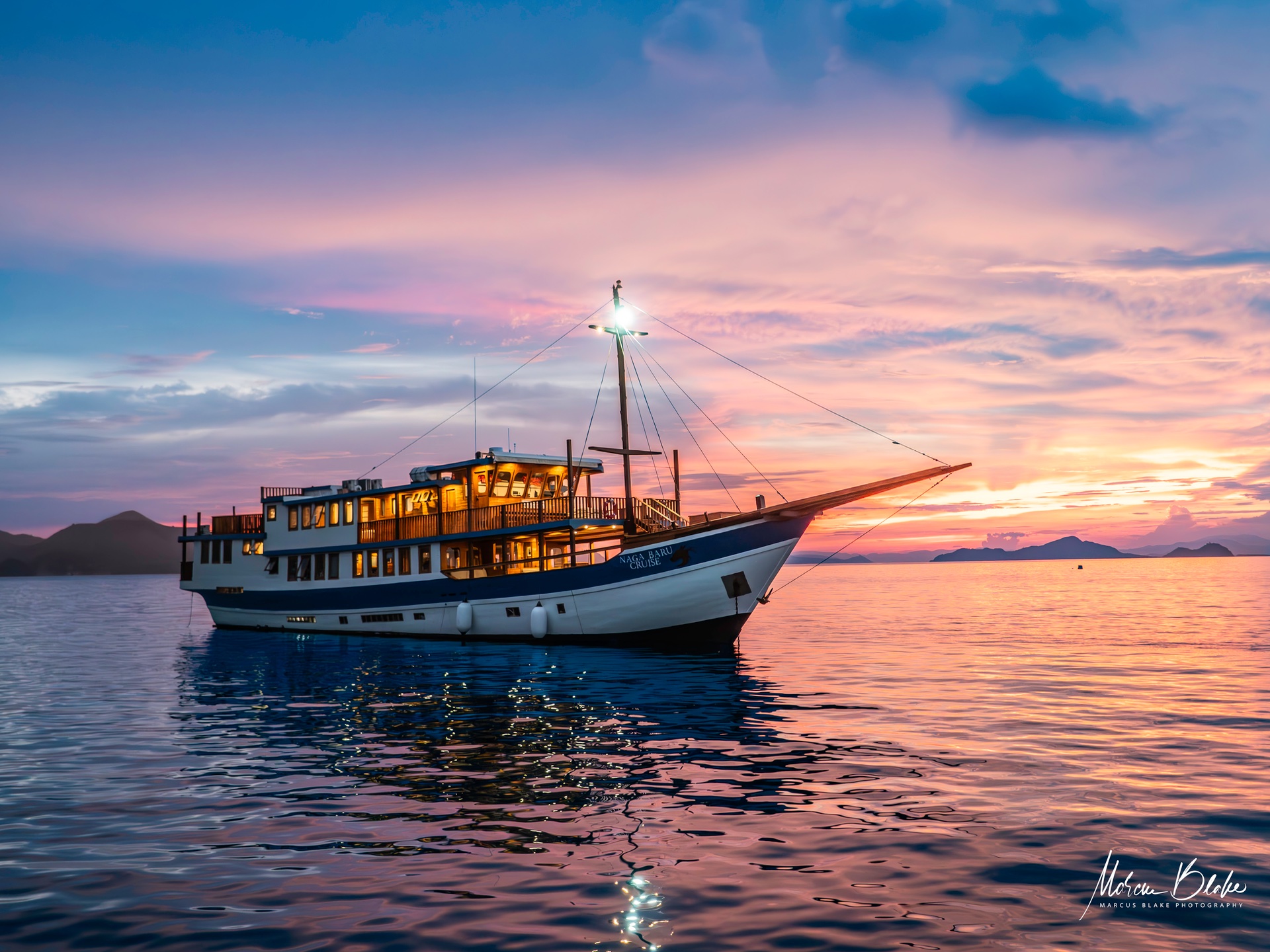
Naga Biru
Indonesia
12 guests40 m
$271/day
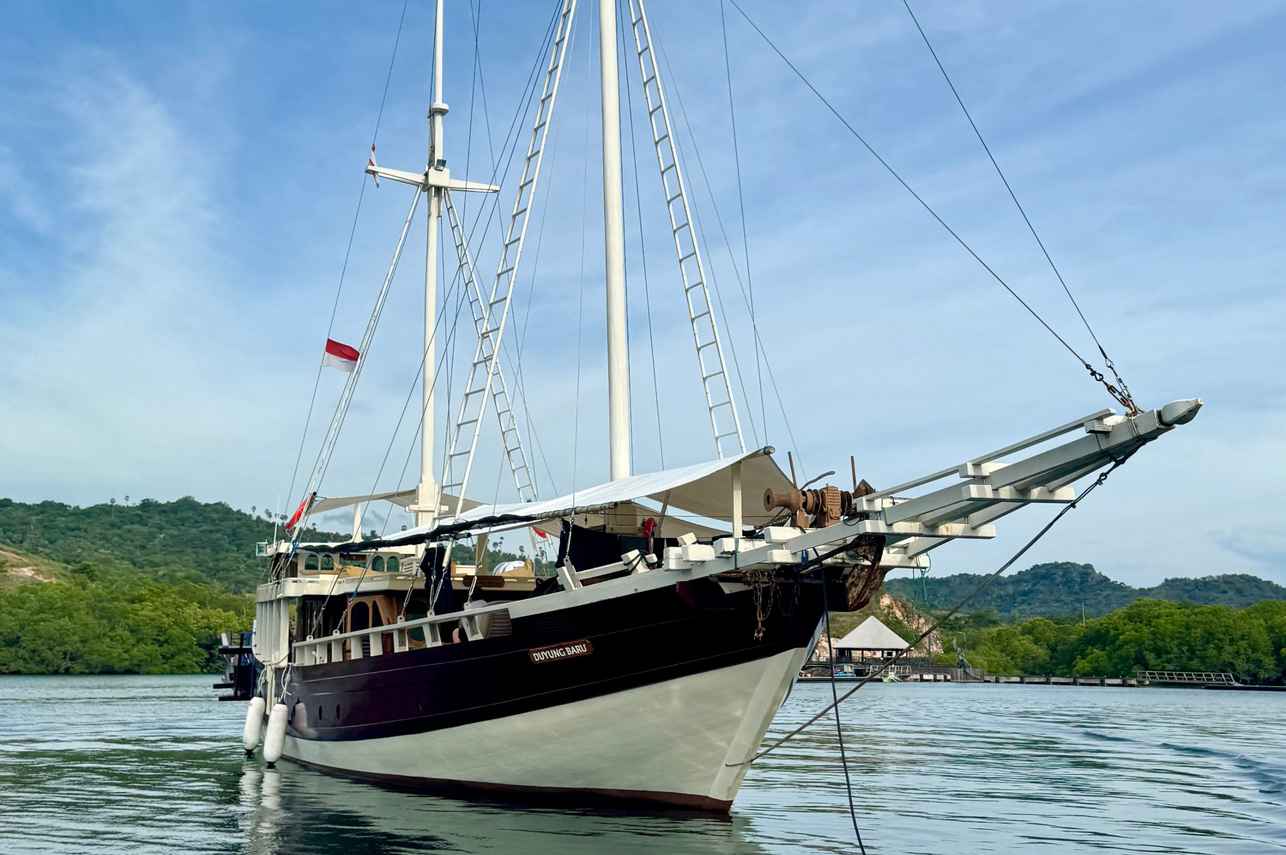
Ecopro Duyung Baru
Indonesia
6 guests27 m
$361/day
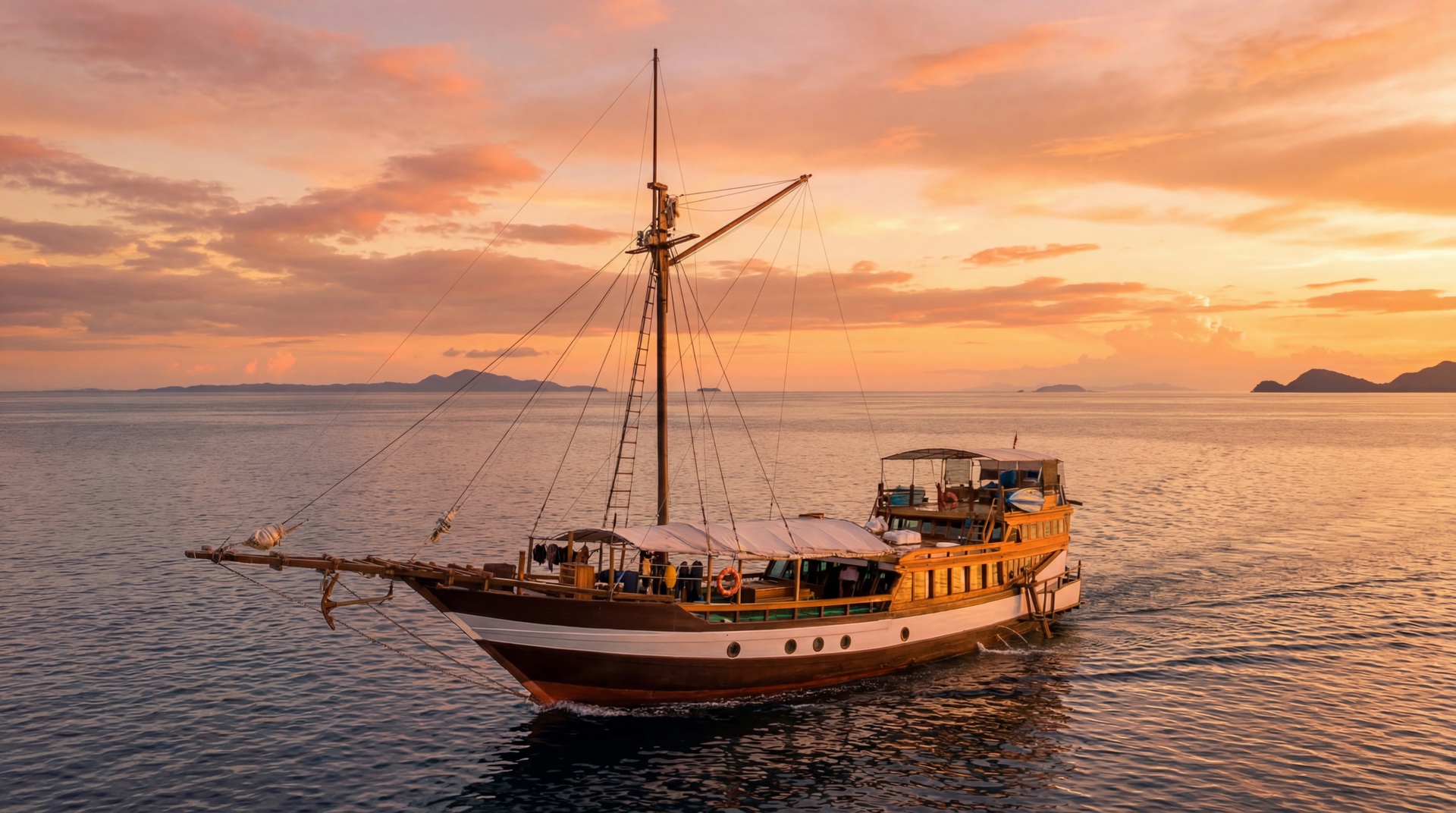
Wellenreng
Indonesia
9 guests25 m
$423/day
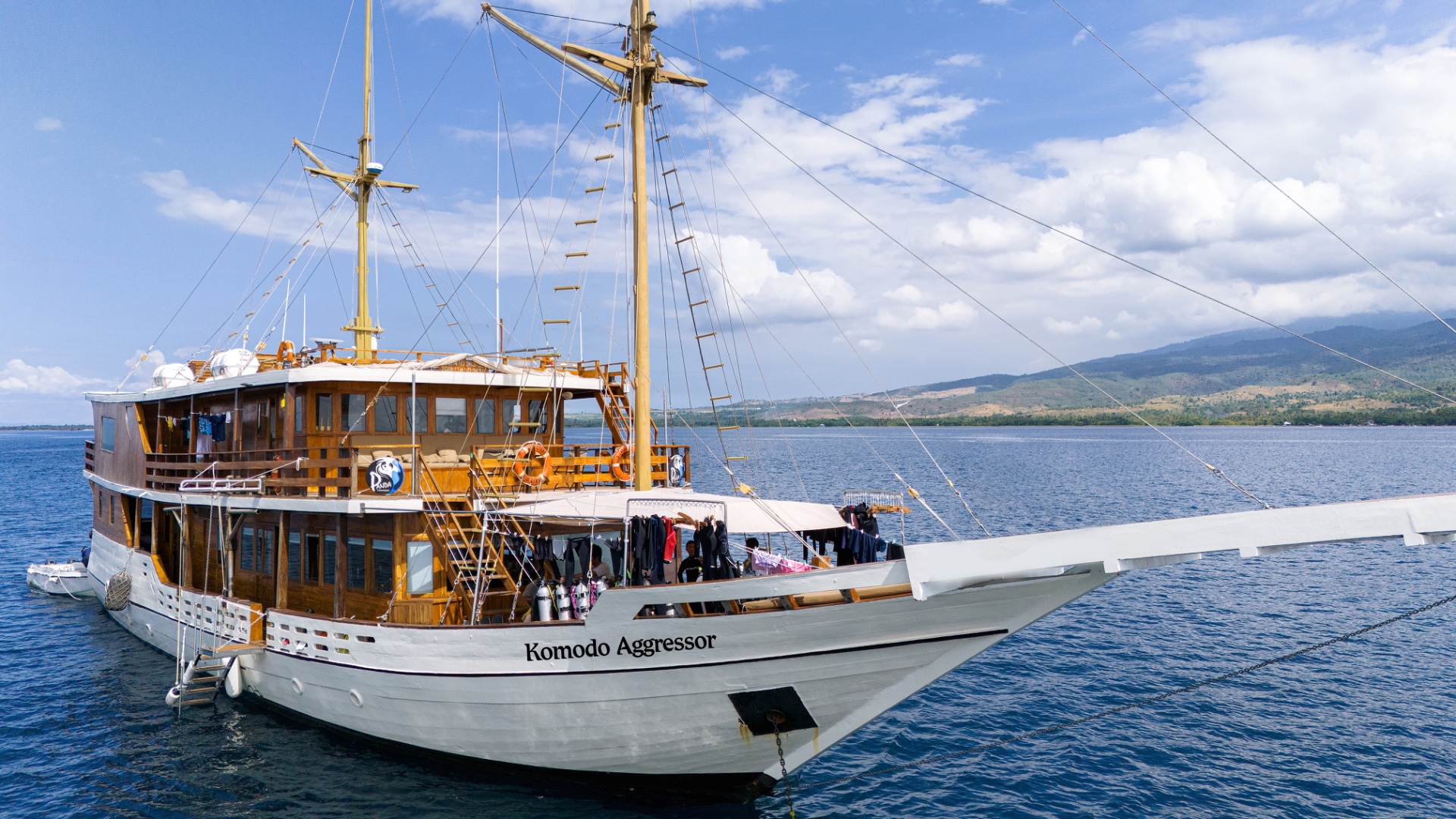
Komodo Aggressor
Komodo, Indonesia
16 guests29 m
$312/day
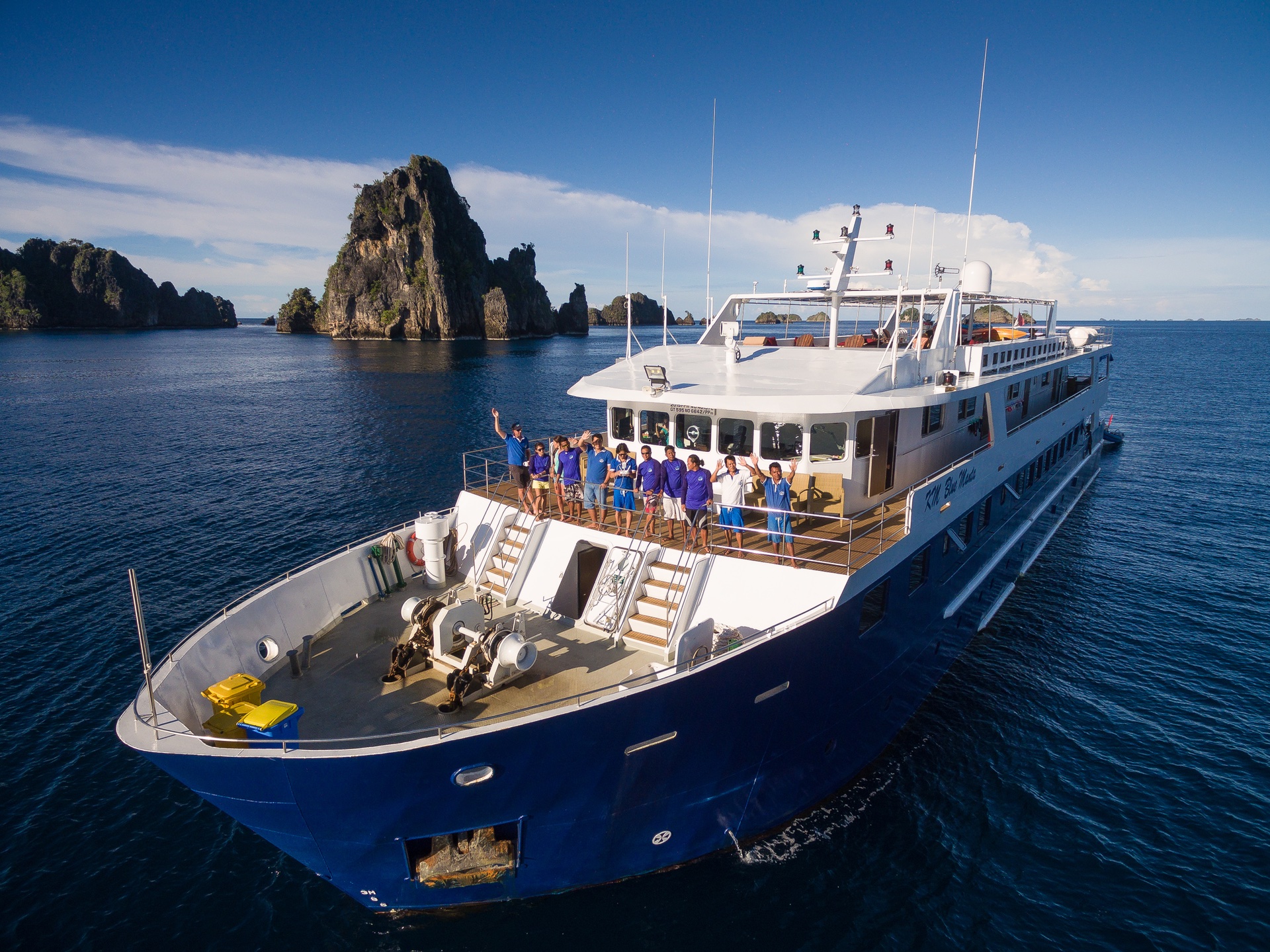
Blue Manta
Indonesia
20 guests45 m
$482/day
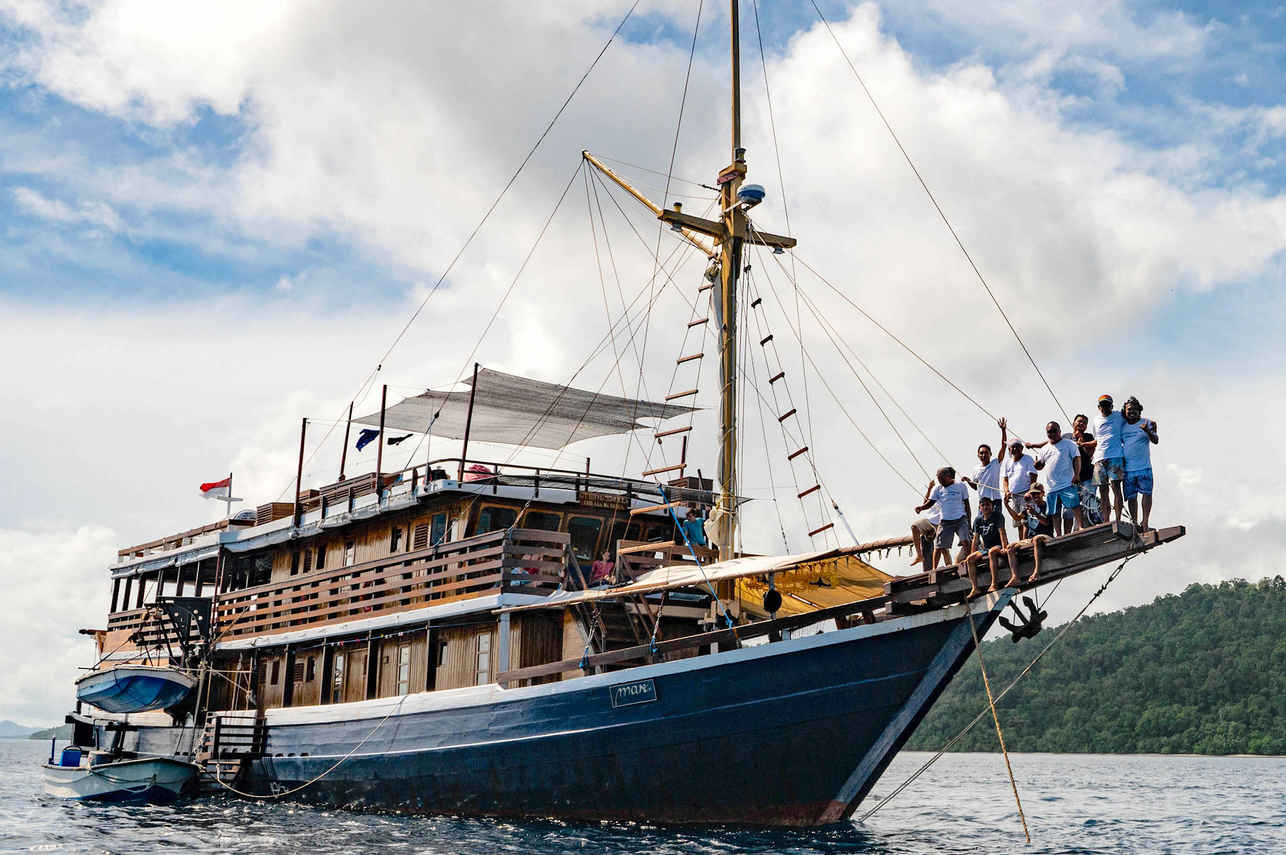
Mari
Indonesia
14 guests32.2 m
$320/day
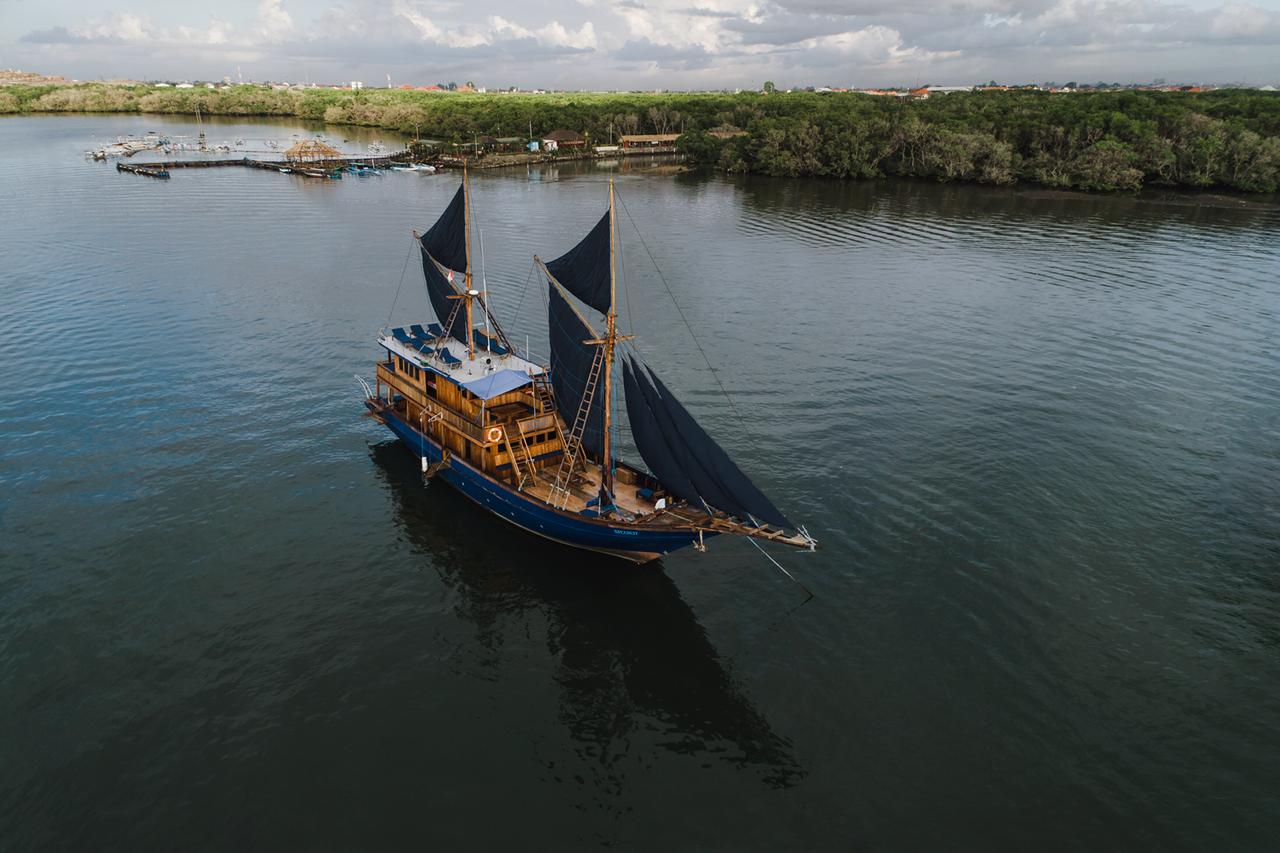
Situju7
Komodo, Indonesia
10 guests32.7 m
$362/day
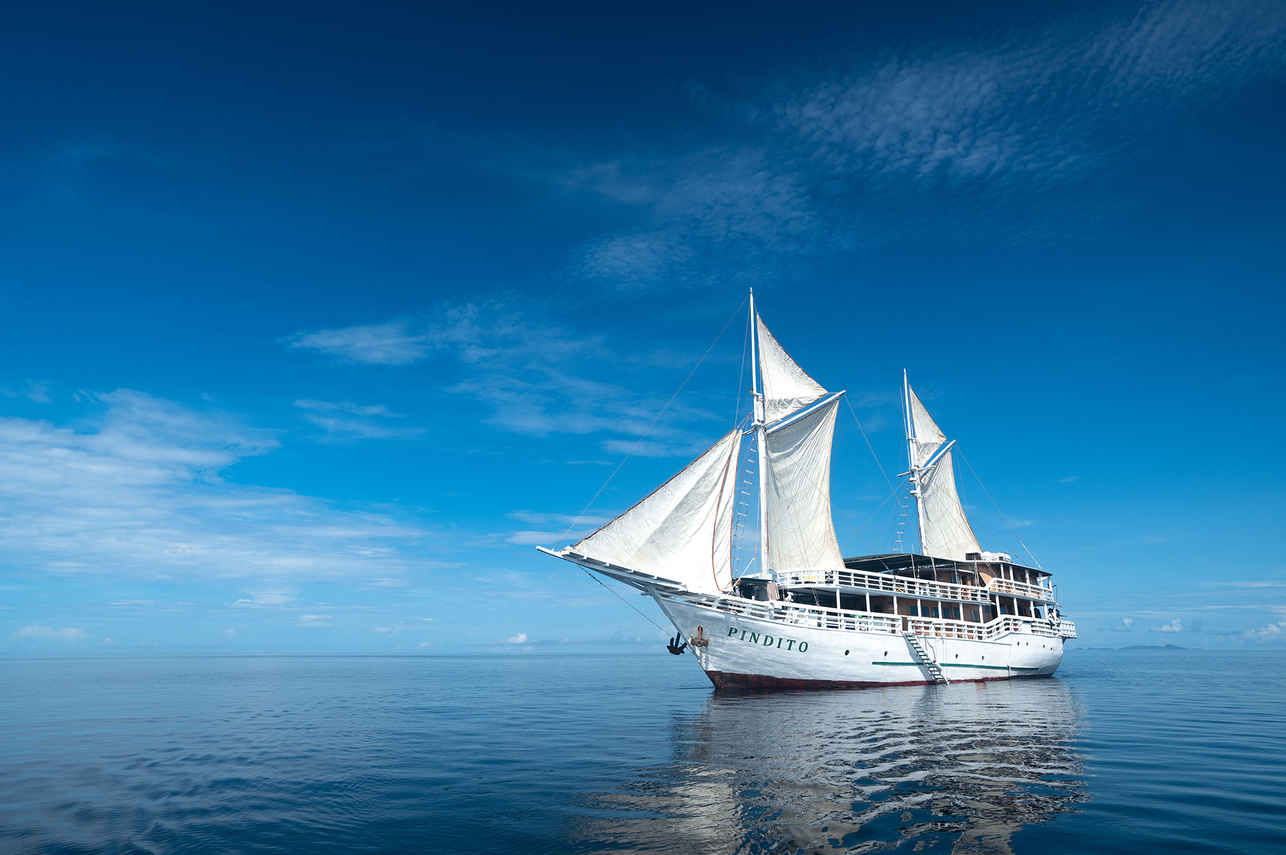
Pindito
Indonesia
16 guests37.79 m
$533/day
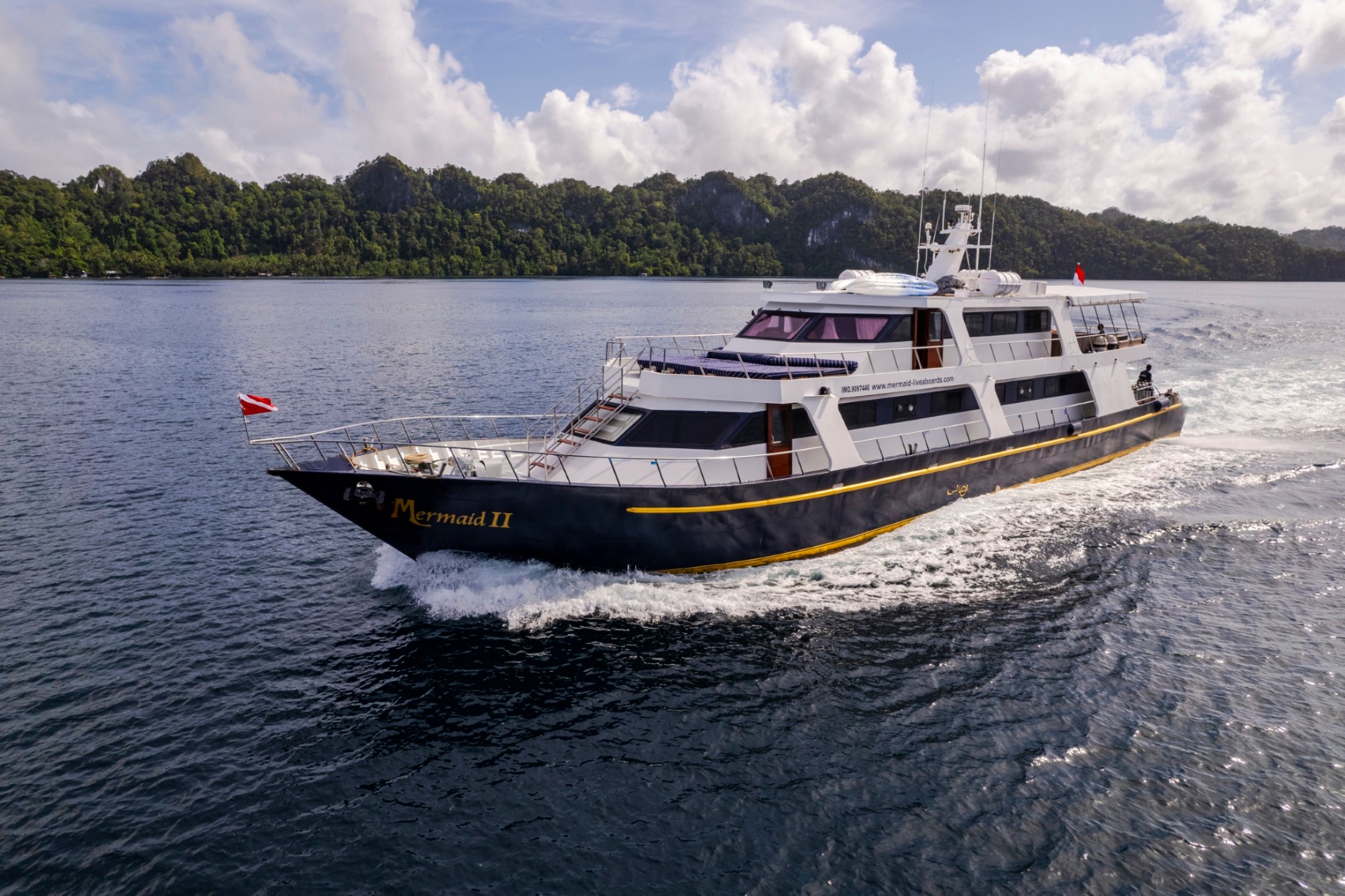
Mermaid II
Komodo, Indonesia
18 guests
$388/day
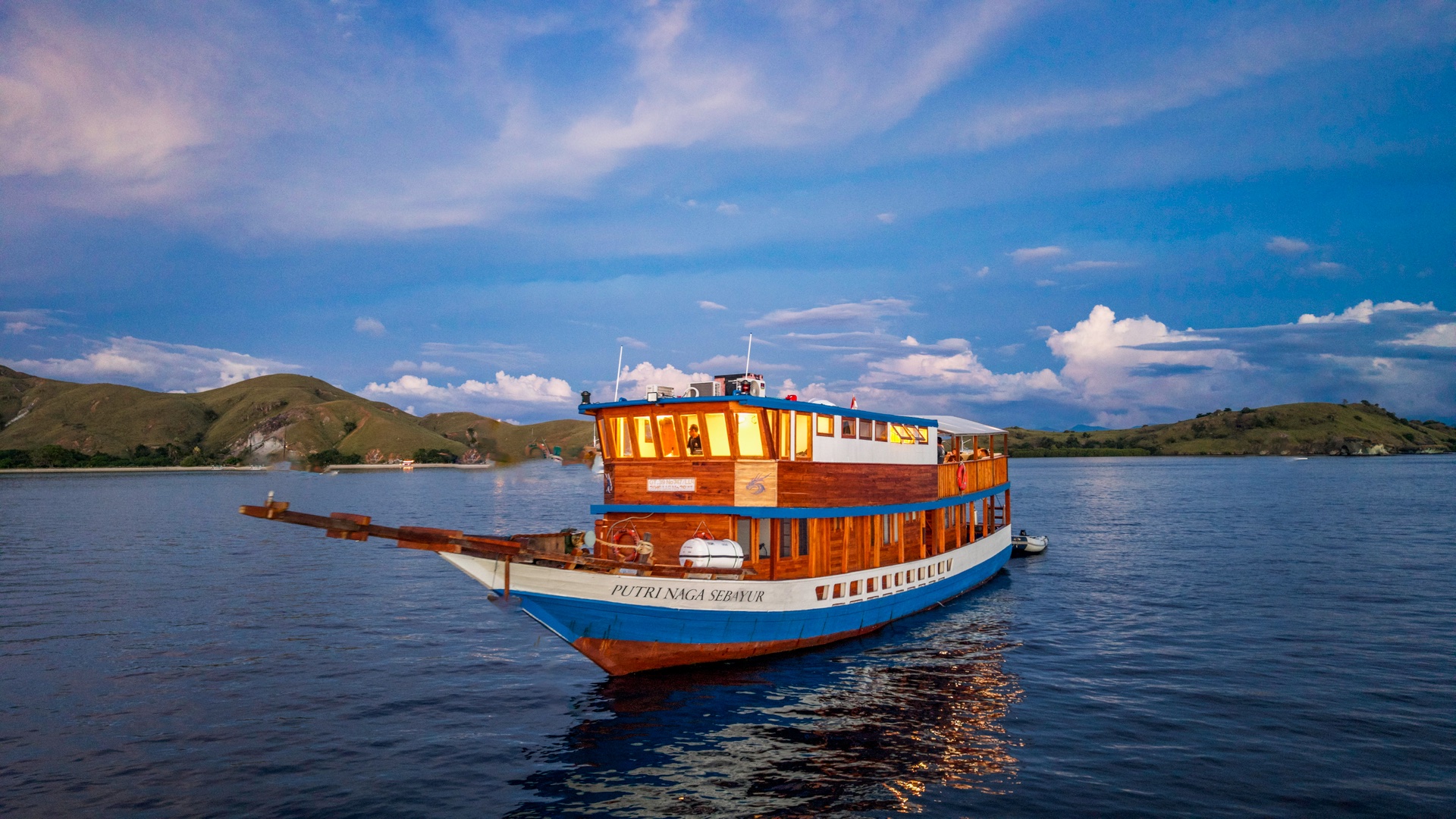
Putri Naga
Komodo, Indonesia
6 guests25 m
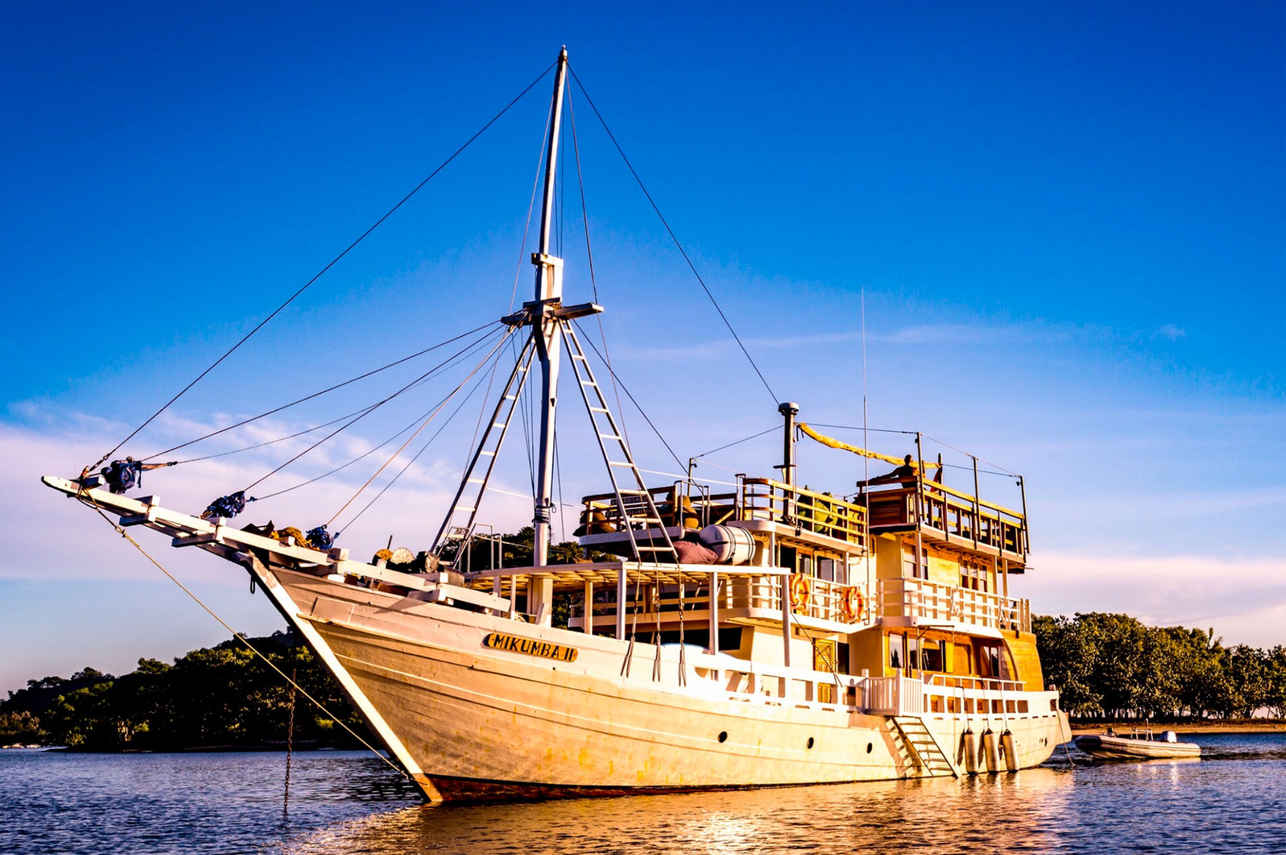
Mikumba Dua
Indonesia
10 guests30 m
$335/day
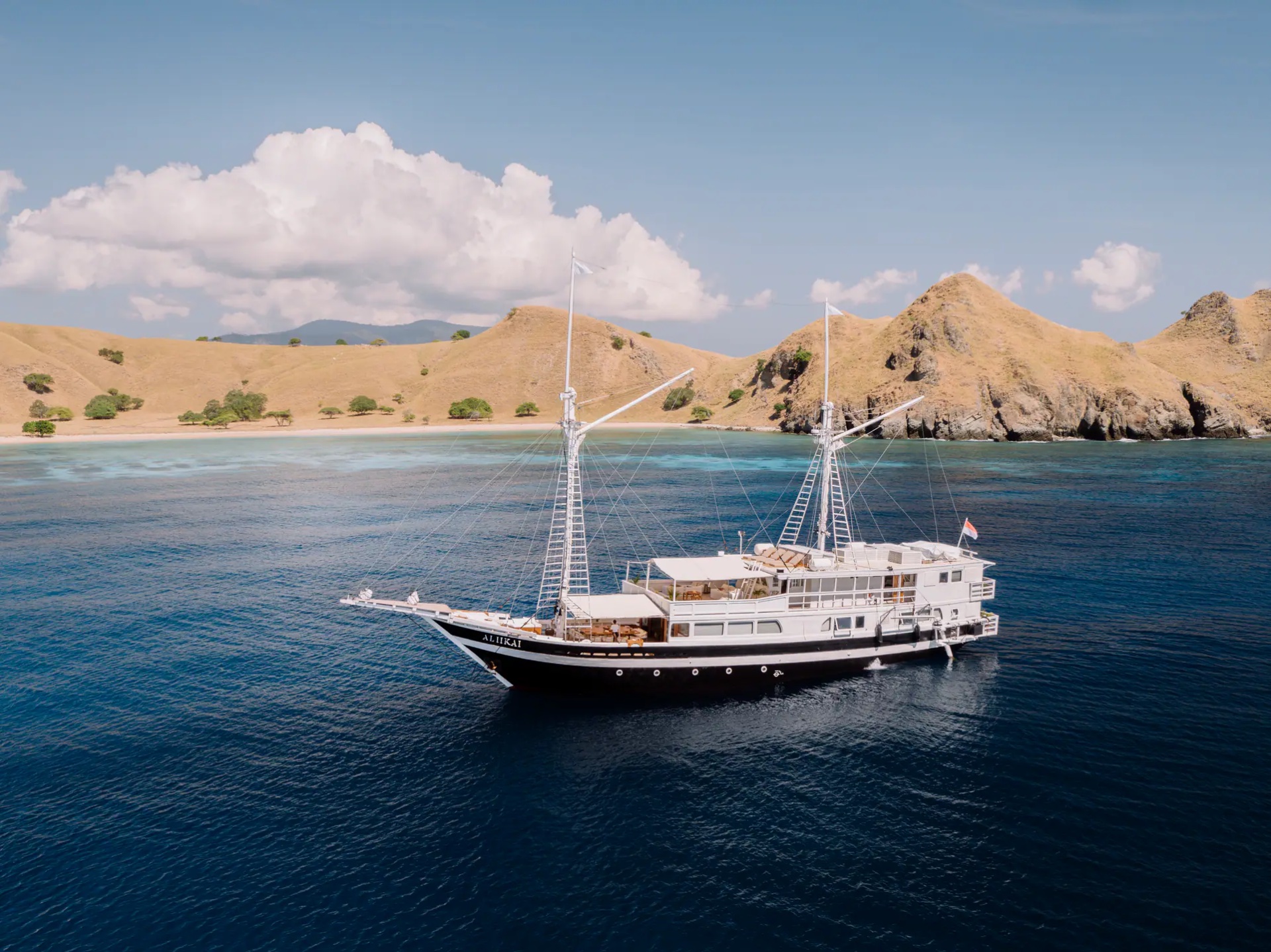
Aliikai Voyage
Indonesia
15 guests40 m
$658/day
Dive sites similar to Batu Bolong
Same character, same waters — six more sites divers love for the exact same reasons.Compare seasons, access and liveaboard routes — then pick the site that fits your trip best.
© Esri — Maxar, Earthstar, GIS
Big La Laguna
Philippines
Big La Laguna is a beach community situated on the western edge of the Sabang Peninsula, a popular dive region on Mindoro Island, Philippines.
- Suitable for
- Intermediate
- Current
- Moderate
- Access
- Dayboat
- Depth
- 5–35 m
- Theme
- Reef / Wall
© Esri — Maxar, Earthstar, GIS
Rusa Pinnacle
Alor
Rusa Pinnacle is a challenging yet highly rewarding dive site situated in the Alor archipelago, part of Indonesia's East Nusa Tenggara.
- Suitable for
- Advanced
- Current
- Strong
- Access
- Liveaboard only
- Depth
- 6–30 m
- Theme
- Reef
Lipah Bay is situated on Bali's northeast coast within the Amed area, nestled against the dramatic backdrop of Gunung Agung.
- Suitable for
- Beginner
- Current
- Mild
- Access
- Liveaboard or dayboat
- Depth
- 5–30 m
- Theme
- Reef / Drift
© Esri — Maxar, Earthstar, GIS
Tangked Cave
Bali
Tangked Cave, sometimes referred to as Tangked Taked Shark Cave, is an advanced dive site situated in the open ocean off Bali's southeastern coast.
- Suitable for
- Advanced
- Current
- Moderate
- Access
- Liveaboard or dayboat
- Depth
- 15–40 m
- Theme
- Cave & cavern / Reef
© Esri — Maxar, Earthstar, GIS
Schools Out
Alor
Schools Out in Alor offers divers an exceptional encounter with healthy coral reefs and a rich variety of marine species.
- Suitable for
- Intermediate
- Current
- Mild
- Access
- Liveaboard only
- Depth
- 20–30 m
- Theme
- Reef
© Esri — Maxar, Earthstar, GIS
Batununggul
Bali
Batununggul, also known as Suana or Batumulapan by some operators, is a dynamic wall and sloping reef dive site situated on the eastern side of Nusa Penida, Bali.
- Suitable for
- Advanced
- Current
- Strong
- Access
- Liveaboard or dayboat
- Depth
- 10–40 m
- Theme
- Wall