About Ai Island Reef
Ai Island Reef, nestled within the Banda Sea, offers a remarkable diving experience characterized by its rich marine biodiversity and varied underwater topography. This site is known for its healthy coral formations and consistent visibility, providing divers with an immersive exploration of the region's vibrant ecosystem. The volcanic substrate of the Banda Islands supports a robust growth of both hard and soft corals, creating extensive habitats for numerous reef fish and macro creatures. The topography typically consists of gentle slopes and intricate reef structures that descend from shallower areas into moderate depths. While it may not be a primary pelagic hotspot like some of the more exposed seamounts, Ai Island Reef still offers encounters with schooling fish and occasional larger marine animals, making it a valuable inclusion in any Banda Sea itinerary. Divers can expect excellent visibility, often ranging from 20 to 30 meters, allowing for clear observation of the intricate details of the reef and its inhabitants. The generally milder currents at Ai Island Reef contribute to a more relaxed dive experience, distinguishing it from many other Banda Sea sites that are known for strong flows. This allows for longer bottom times and a more thorough exploration of the reef's nooks and crannies. The overall experience combines scenic reef diving with a comfortable profile, appealing to divers who prefer less strenuous conditions while still encountering the Banda Sea's famed marine life.
Highlights
Diverse reef structuresHealthy coral formationsAbundant reef fishConsistent clear visibilityGenerally mild currentsVaried macro life
Best Season
The best time to dive Ai Island Reef is generally during the inter-monsoon periods from March to early May and September to early November. These months offer calmer seas and optimal visibility, enhancing the overall diving experience in the Banda Sea.
Dive site facts: Ai Island Reef
- Depth
- 5–30 m
- Typical dive
- 10–25 m, 50–60 min
- Current
- Mild
- Visibility
- 20–30 m
- Water temperature
- 24–26°C
- Entry
- Liveaboard tender / controlled descent
- Level
- Open Water Diver
- Dive type
- Reef, drift (mild)
- Night dive
- Possible
- Region / port
- Banda Sea, Maluku, Indonesia
- Coordinates
- -4.5333, 129.7667
Conditions & Currents
Ai Island Reef is known for its generally mild currents, which is a significant contrast to many other sites in the Banda Sea that are subject to strong flows. While some gentle water movement is present, it typically does not require negative entries or reef hooks, leading to a more relaxed dive. Visibility remains consistently clear, often between 20-30 meters, enhancing the view of the reef. Water temperatures are comfortably warm, usually ranging from 24-26°C. Divers should always be mindful of local conditions, but this site is less affected by strong tidal flows compared to exposed pinnacles, allowing for extended exploration of the reef's topography and marine inhabitants.
Marine life & sighting chances

Scalloped hammerhead shark
September-November · occasional
Reef manta ray
occasional
Wobbegong shark
rare
Napoleon wrasse
occasional
Barracuda
occasional
Nudibranch
common
Turtles
occasional
Various reef fish
commonDive profile & how the dive runs
Diving at Ai Island Reef typically starts with a controlled descent from a liveaboard tender, either directly onto the reef slope or into slightly deeper water. You will follow the gentle contour of the reef, exploring a vibrant wall adorned with diverse coral formations. The dive generally progresses from a maximum depth of around 25-30 meters, gradually ascending to explore shallower coral gardens. The mild currents allow for a relaxed pace, enabling thorough observation of macro life and reef fish. The turn point is flexible, often determined by air consumption or bottom time, before a slow ascent along the reef. Safety stops are typically conducted in the sheltered shallows, where you can enjoy the abundant colorful reef fish and soft corals at approximately 5 meters.
Underwater photography
Ai Island Reef's excellent visibility and relatively mild currents make it an ideal location for both wide-angle and macro photography. For wide-angle shots, consider using a fisheye lens to capture the extensive coral formations and schooling fish, particularly in the shallower sections. The clear water enhances ambient light, making vibrant reef scenes pop in your images. Macro enthusiasts will find a 60mm or 100mm lens invaluable for focusing on the nudibranchs, crustaceans, and smaller reef inhabitants that hide among the corals. Using strobes is highly recommended to accurately render the true colors of the corals and marine life, as natural light diminishes with depth. Maintaining good buoyancy control is crucial to avoid disturbing the delicate coral ecosystems and preventing sediment from being stirred up, which could affect your shots.
Combine with nearby dive sites
- Pohon Miring
Features milder currents and rich coral growth
- Banda Neira Jetty
Known for critter diving and historical context
- Hatta Island Wall
Features extensive coral growth and potential pelagic encounters
- Run Island Wall
Sloping walls with hard coral formations
- Gunung Api Lava Flow
A unique site showcasing rapid coral regrowth on volcanic substrate
Getting there & logistics
Access to Ai Island Reef and the broader Banda Sea is primarily via liveaboard, with most trips departing from Ambon. You typically fly into Pattimura International Airport (AMQ) in Ambon. It is highly recommended to arrive in Ambon the day before embarkation and book a hotel for the night due to potential domestic flight schedule changes, delays, or cancellations within Indonesia. Transfers between local hotels or the domestic airport and the harbor are often provided free of charge on embarkation and disembarkation days. Liveaboard itineraries typically range from 6 to 14 nights, covering various sites across the Banda Sea. It's advisable to book international flights into and out of Jakarta (CGK) for easier connections to Ambon and to allow for buffer days to account for potential flight disruptions.
Safety & environment
Diving at Ai Island Reef, as with other remote Banda Sea sites, requires adherence to strict safety protocols. The nearest recompression chamber is likely in Ambon, but evacuation can be lengthy and complex due to the isolated nature of the region. It is mandatory for all divers to have comprehensive diving-specific insurance, such as DiveAssure or DAN, which covers all scuba diving activities, emergency evacuation, and recompression chamber costs. This insurance must cover accidents within your certification depth limits. A dive computer, a 6-minute safety stop, and an ascent rate no faster than 9 meters per minute are mandatory on all dives. Liveaboard operators for the Banda Sea generally require divers to be PADI Advanced Open Water certified or equivalent, with a minimum of 50 logged dives, and prior experience with currents is strongly recommended.
Who it suits — and who it doesn't
Suited for
- Advanced Open Water divers with 50+ logged dives
- Divers comfortable with mild to moderate currents
- Underwater photographers (macro and wide-angle)
- Enthusiasts of healthy coral reefs and diverse reef fish
- Divers seeking a relaxed yet vibrant reef experience
Less suited for
- Beginner Open Water divers with limited experience
- Divers uncomfortable with drift diving
- Those expecting guaranteed pelagic encounters on every dive
- Individuals without comprehensive dive insurance
- Divers who struggle with buoyancy control near delicate corals
FAQ
Ai Island Reef FAQ
What kind of marine life can I expect at Ai Island Reef?
Ai Island Reef is home to a rich variety of marine life, including abundant reef fish, various nudibranchs, and occasional sightings of Napoleon wrasse and barracuda. While pelagic sightings like hammerheads and manta rays can occur, they are not a daily guarantee. The site's healthy corals also attract a good range of macro life.
Are the currents strong at Ai Island Reef?
Compared to many other dive sites in the Banda Sea, Ai Island Reef is known for its generally mild currents. This makes for a more relaxed diving experience, suitable for divers who prefer less strenuous conditions while still offering a gentle drift along the reef.
What is the visibility like at Ai Island Reef?
Visibility at Ai Island Reef is typically excellent, often ranging between 20 to 30 meters. This clear water greatly enhances the diving experience, allowing for detailed observation of the intricate coral formations and marine inhabitants.
What is the best way to get to Ai Island Reef?
Ai Island Reef is primarily accessed via liveaboard trips that usually depart from Ambon. Divers typically fly into Pattimura International Airport (AMQ) in Ambon and then transfer to their liveaboard vessel. It's recommended to arrive a day early in Ambon to account for potential domestic flight delays.
Is Ai Island Reef suitable for all diving levels?
Ai Island Reef is generally suitable for Open Water divers due to its mild currents. However, for a broader Banda Sea itinerary, Advanced Open Water certification and comfort with currents are often recommended by liveaboard operators. Good buoyancy control is essential to protect the delicate coral ecosystems.
Can I do night dives at Ai Island Reef?
Yes, night diving is generally possible at Ai Island Reef. The site's diverse marine life and protected conditions can offer a unique experience after dark, revealing different species and behaviors compared to day dives. Check with your liveaboard operator for specific arrangements.
Why dive Ai Island Reef from a liveaboard?
Ai Island Reef is one of Banda Sea's signature dive sites. A liveaboard sleeps you on the water and puts you in the water for three to four guided dives per day, including dawn and night dives that day-boat operators rarely offer. You skip the daily commute back to port and reach quieter, less-crowded sites in the same region on a single trip.
Below are the liveaboards that include Ai Island Reef on their Banda Sea itineraries.
Liveaboards diving Ai Island Reef
These liveaboards may visit Ai Island Reef on selected itineraries — the exact dive sites depend on departure, weather and conditions.
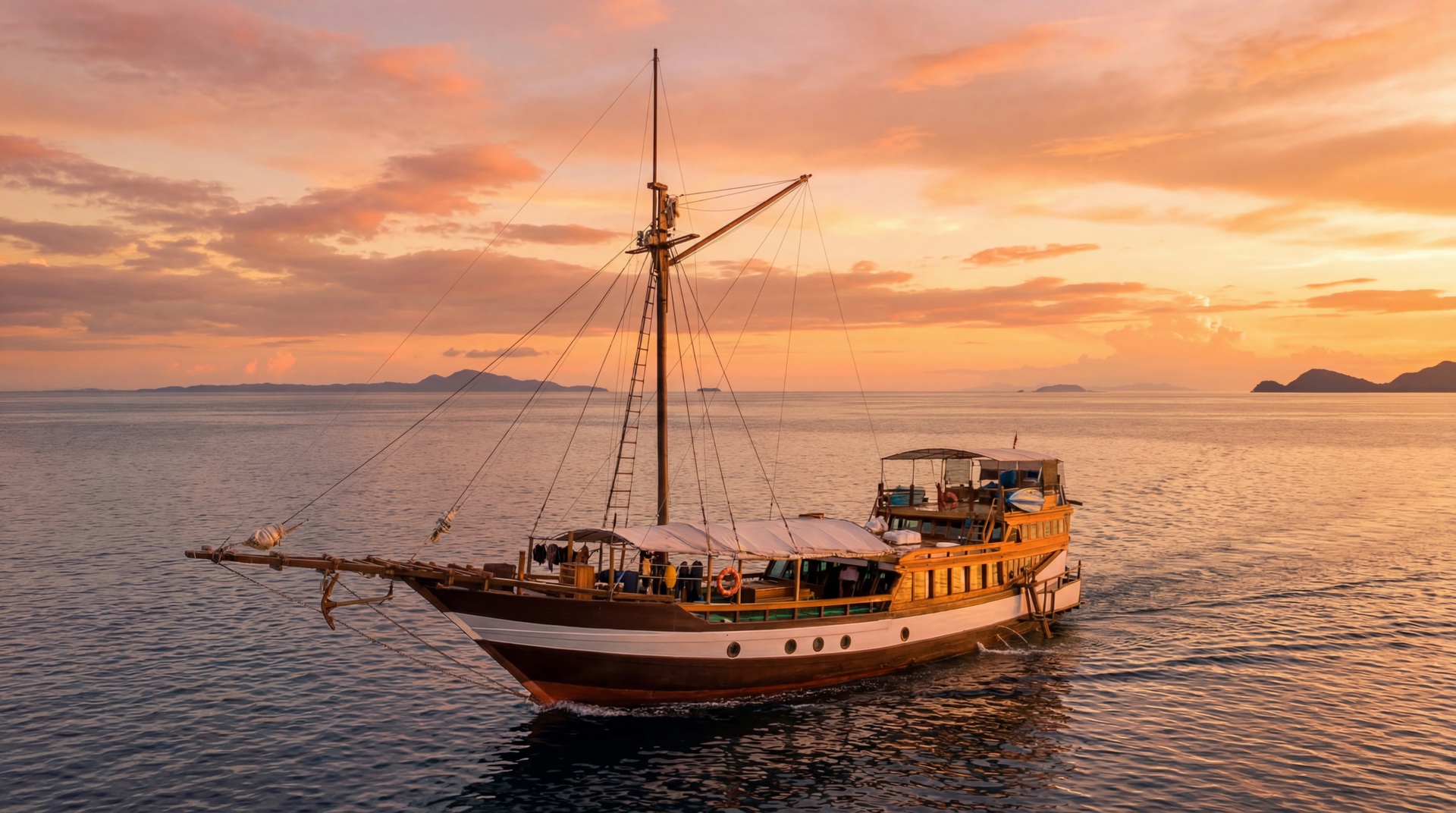
Wellenreng
Indonesia
9 guests25 m
$425/day
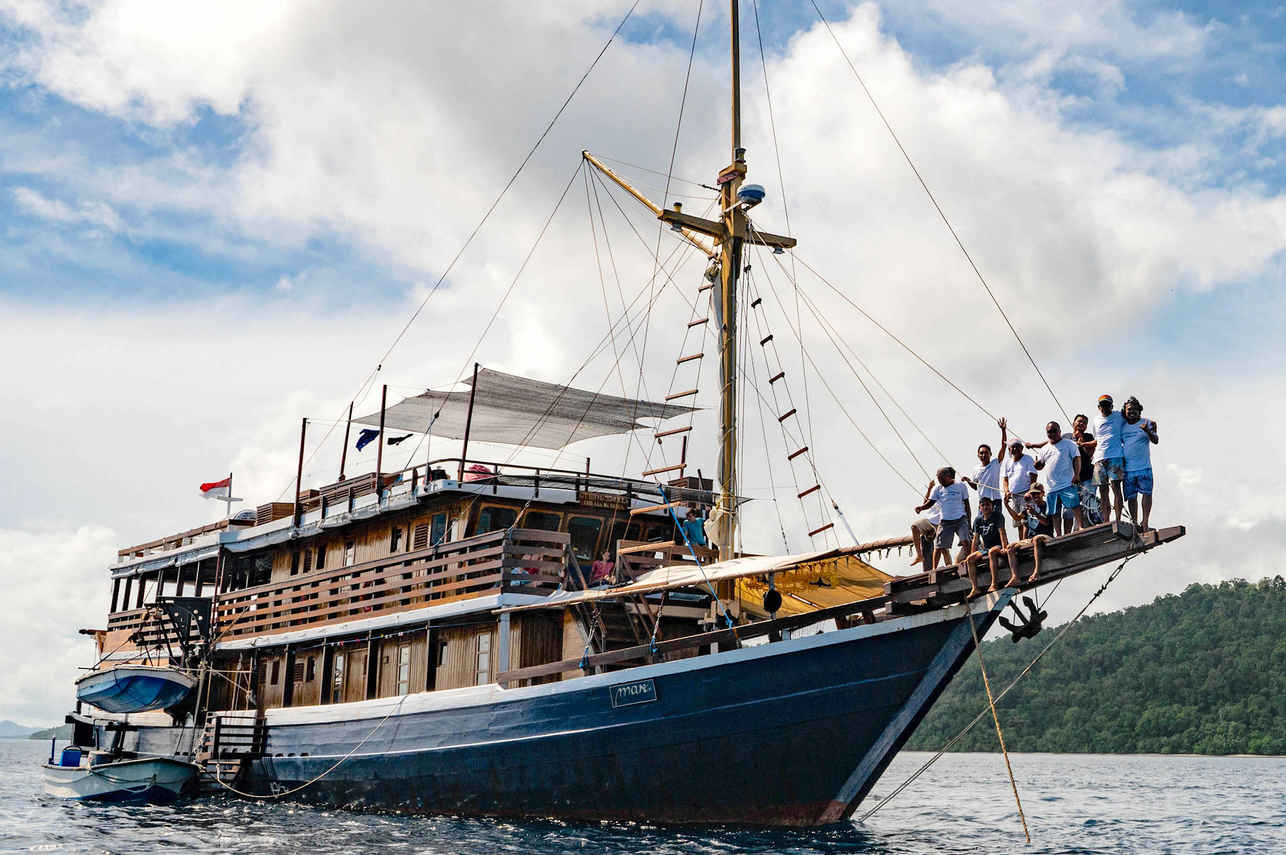
Mari
Indonesia
14 guests32.2 m
$321/day
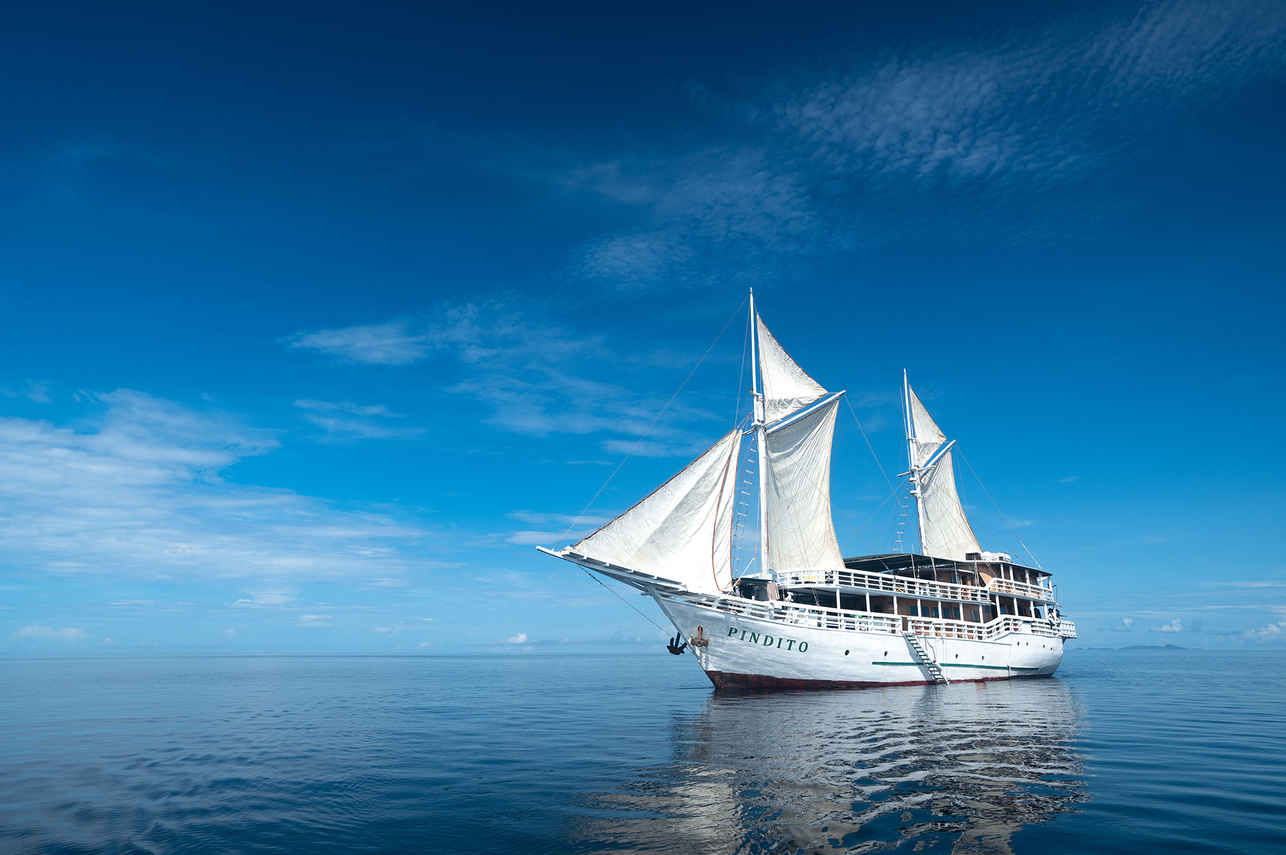
Pindito
Indonesia
16 guests37.79 m
$533/day
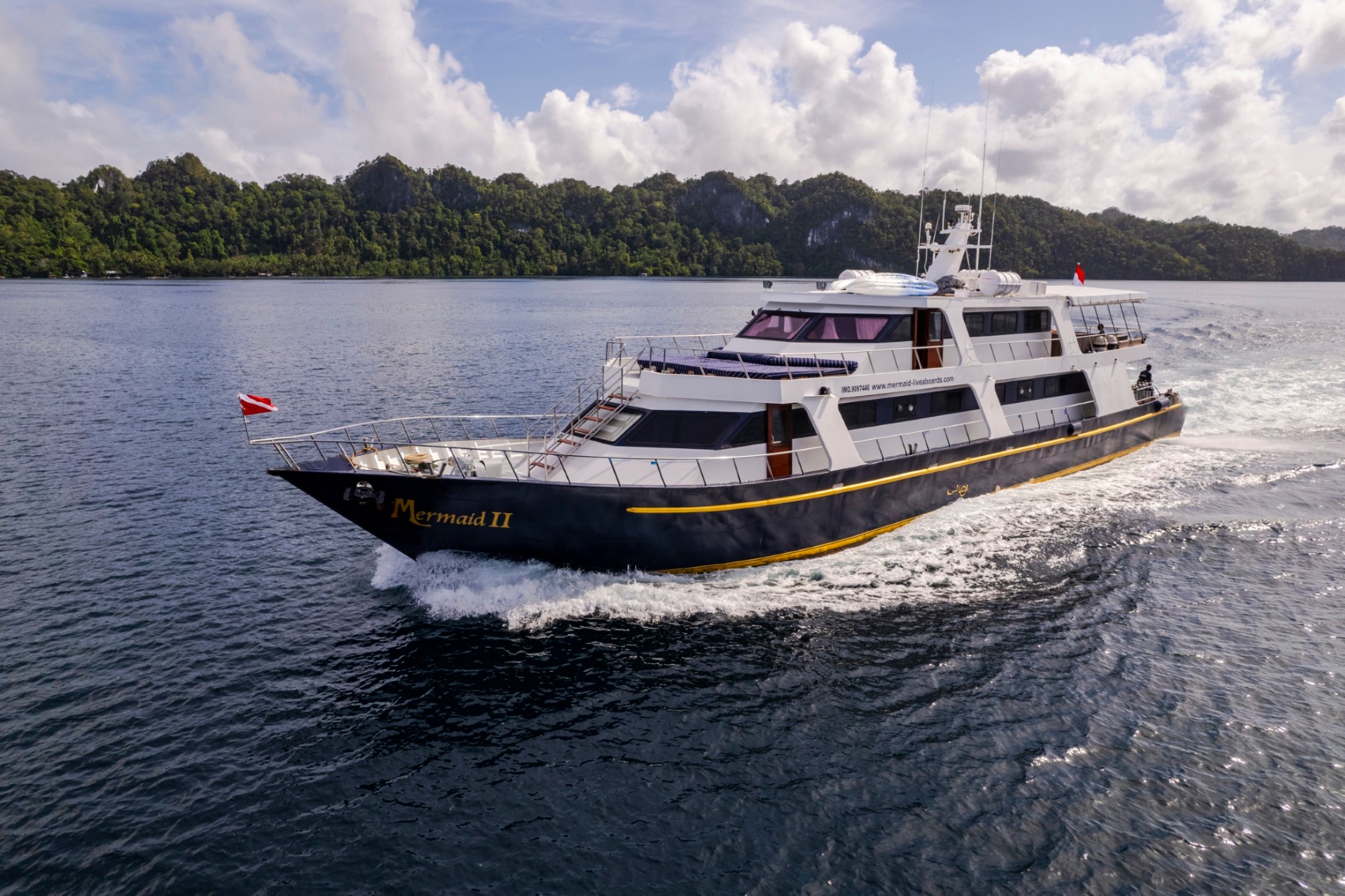
Mermaid II
Komodo, Indonesia
18 guests
$390/day
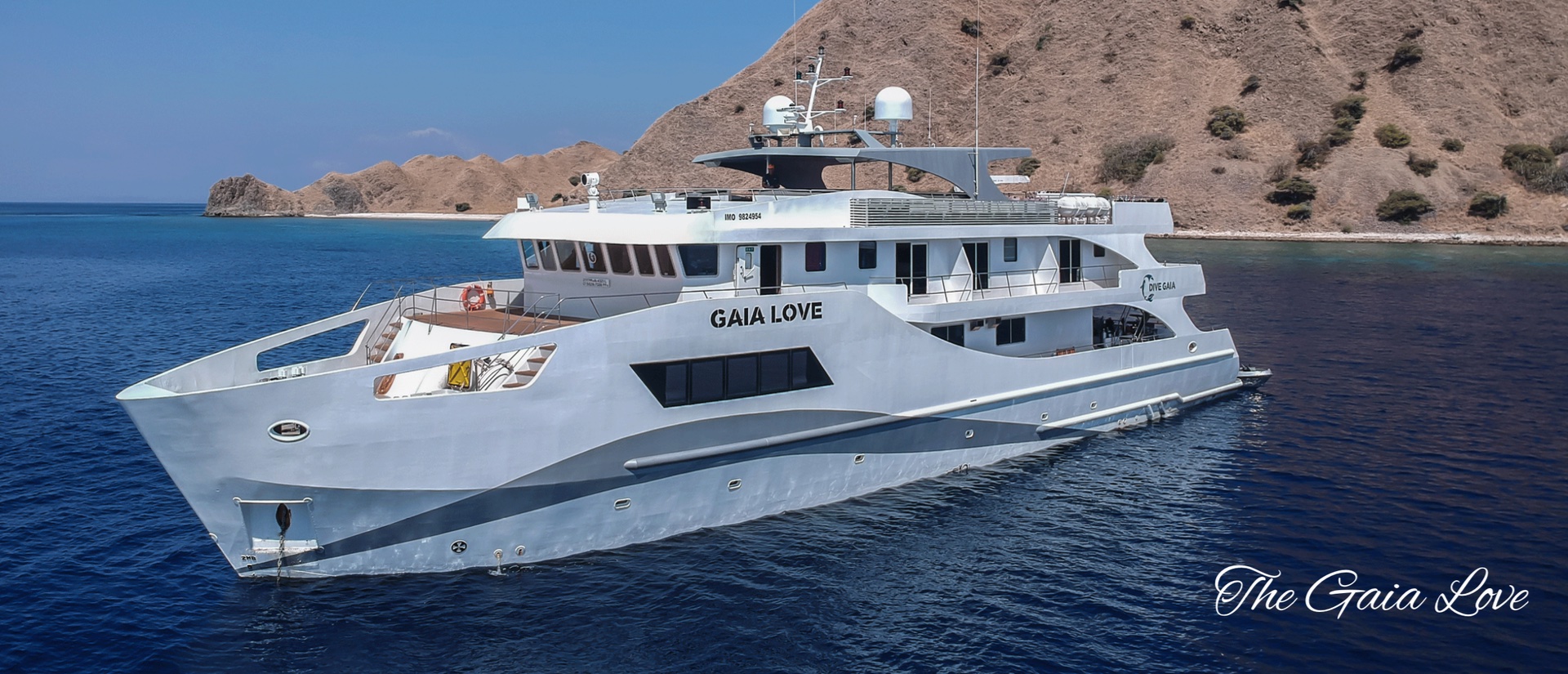
Gaia Love
Alor
20 guests
$554/day
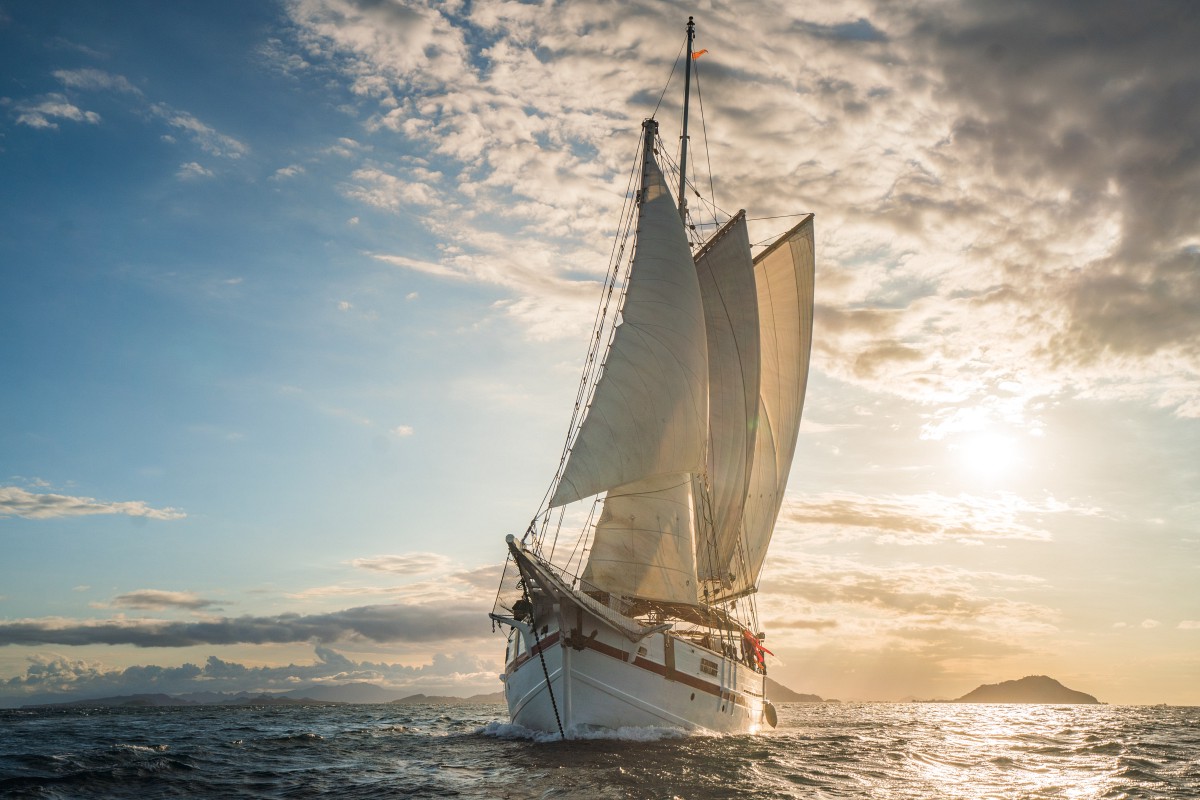
Emperor Raja Laut
Raja Ampat, Indonesia
12 guests31 m
$413/day
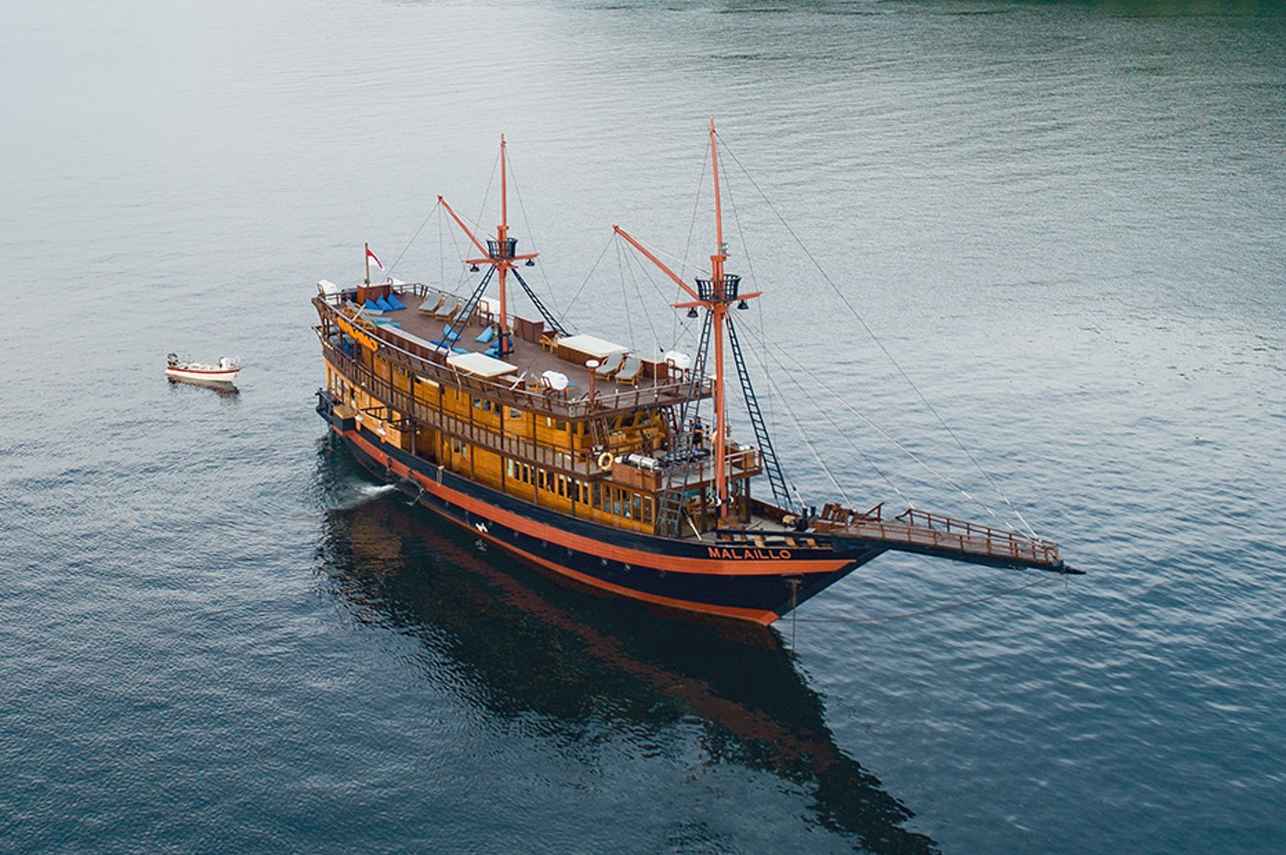
Malaillo
Indonesia
14 guests45.57 m
$348/day
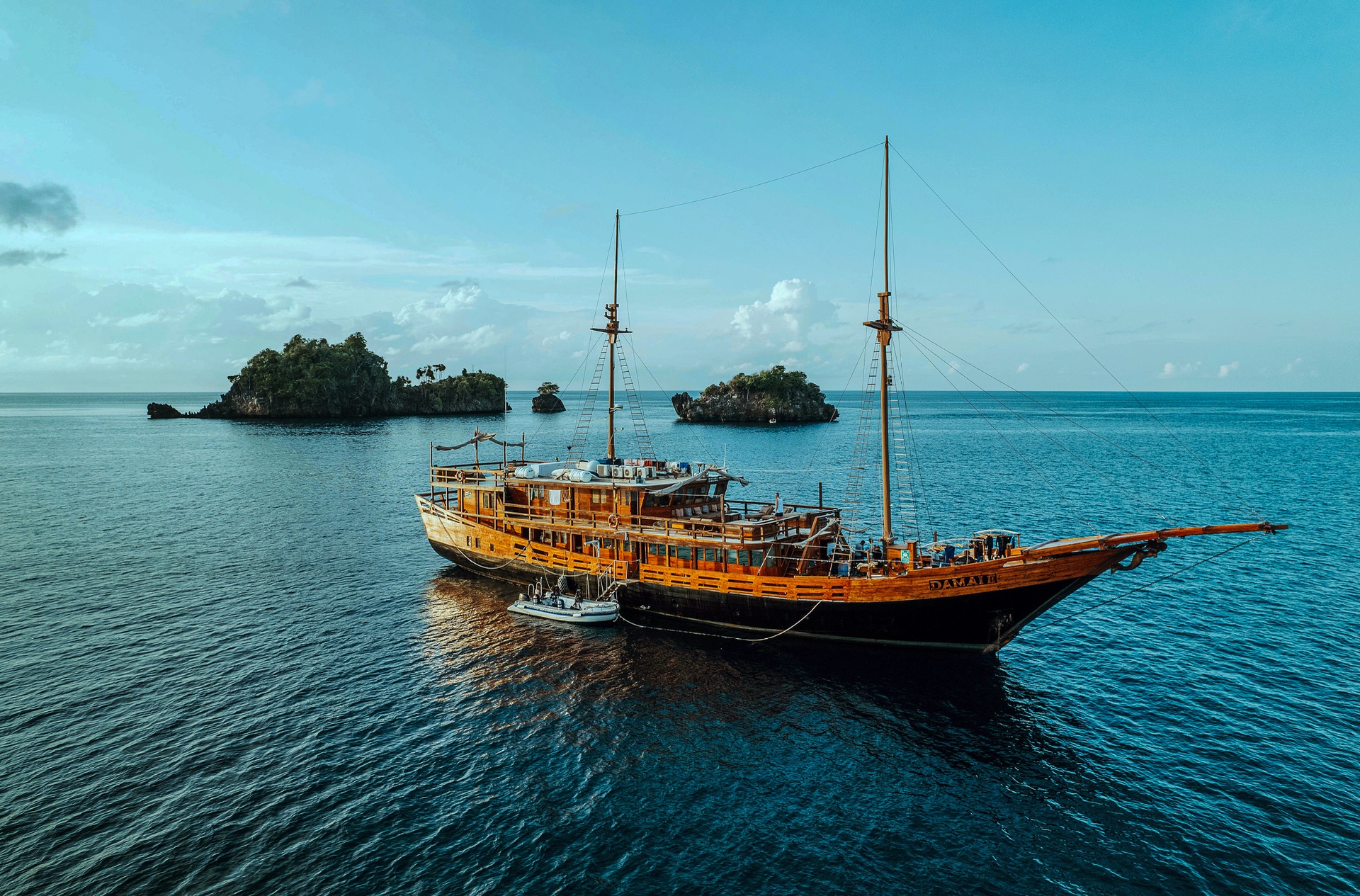
Damai II
Komodo, Indonesia
14 guests
$441/day
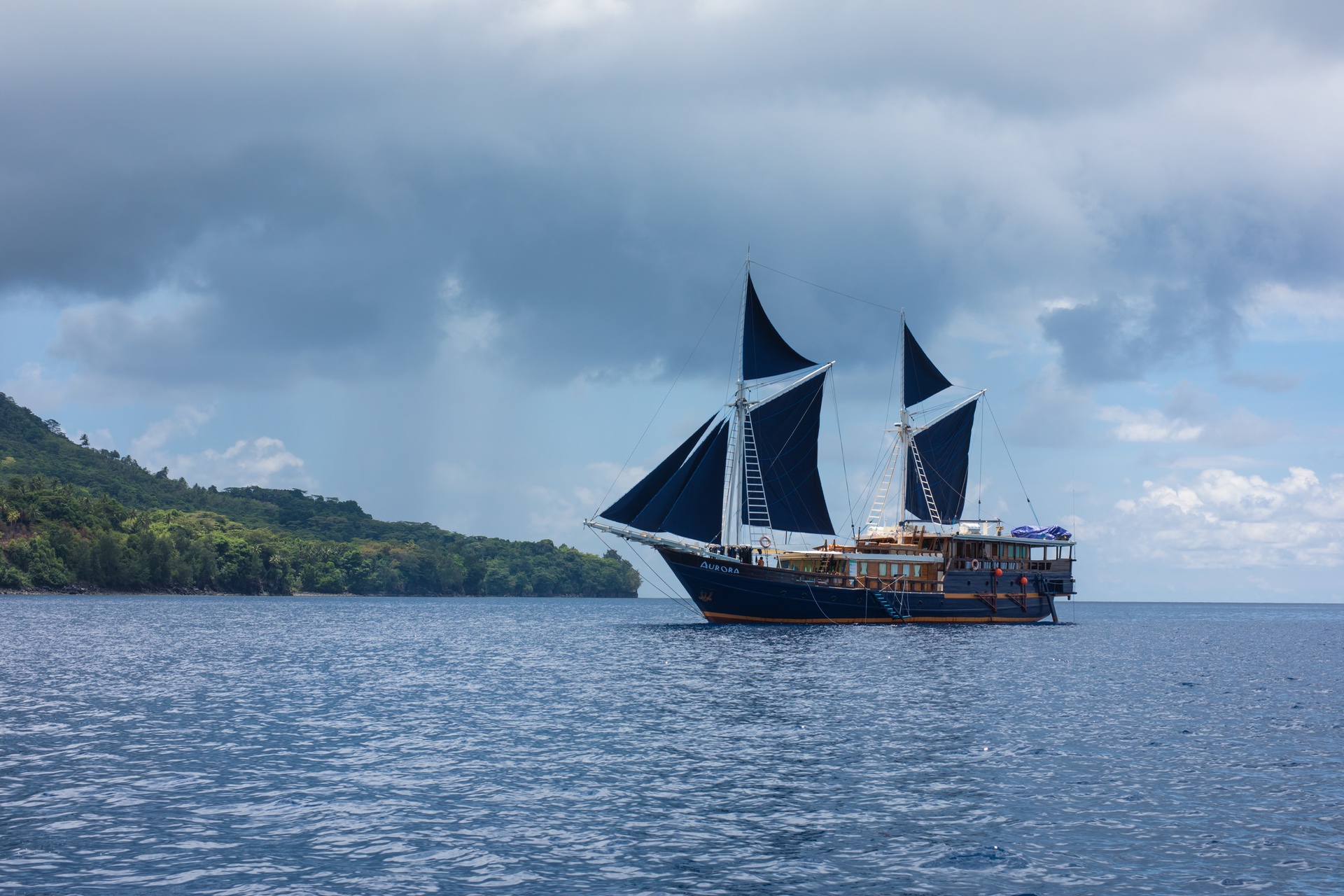
DUNE Aurora
Indonesia
18 guests
$344/day
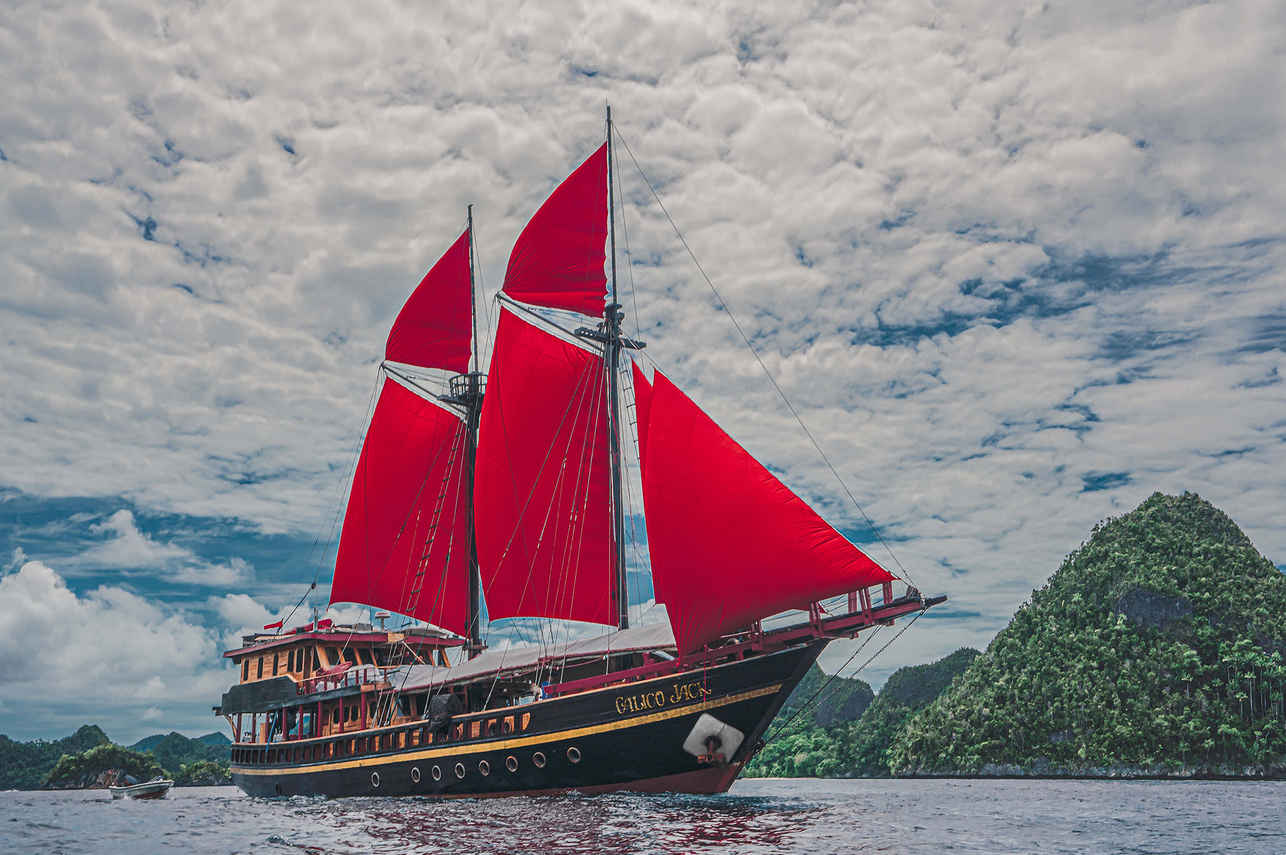
Calico Jack
Indonesia
10 guests30 m
$398/day
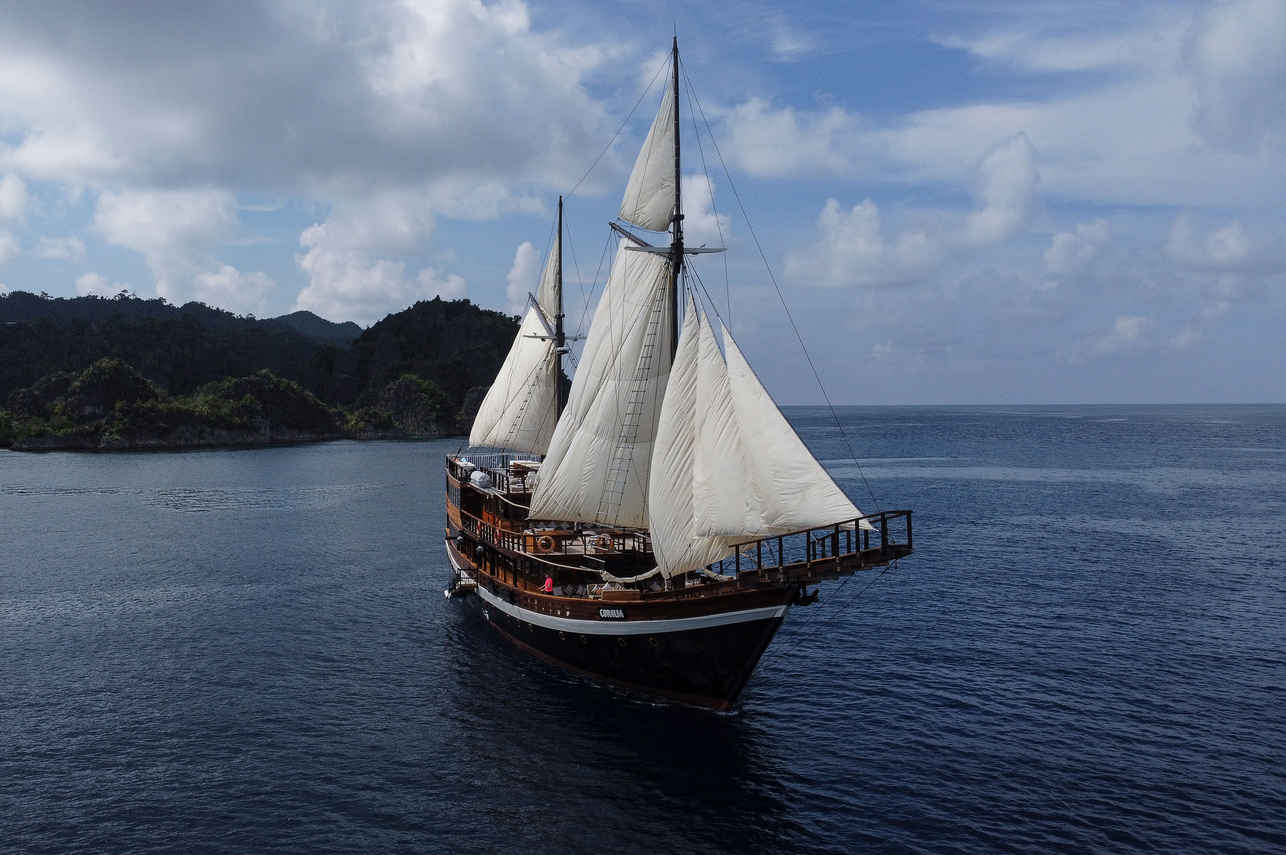
Coralia
Indonesia
16 guests48 m
$577/day
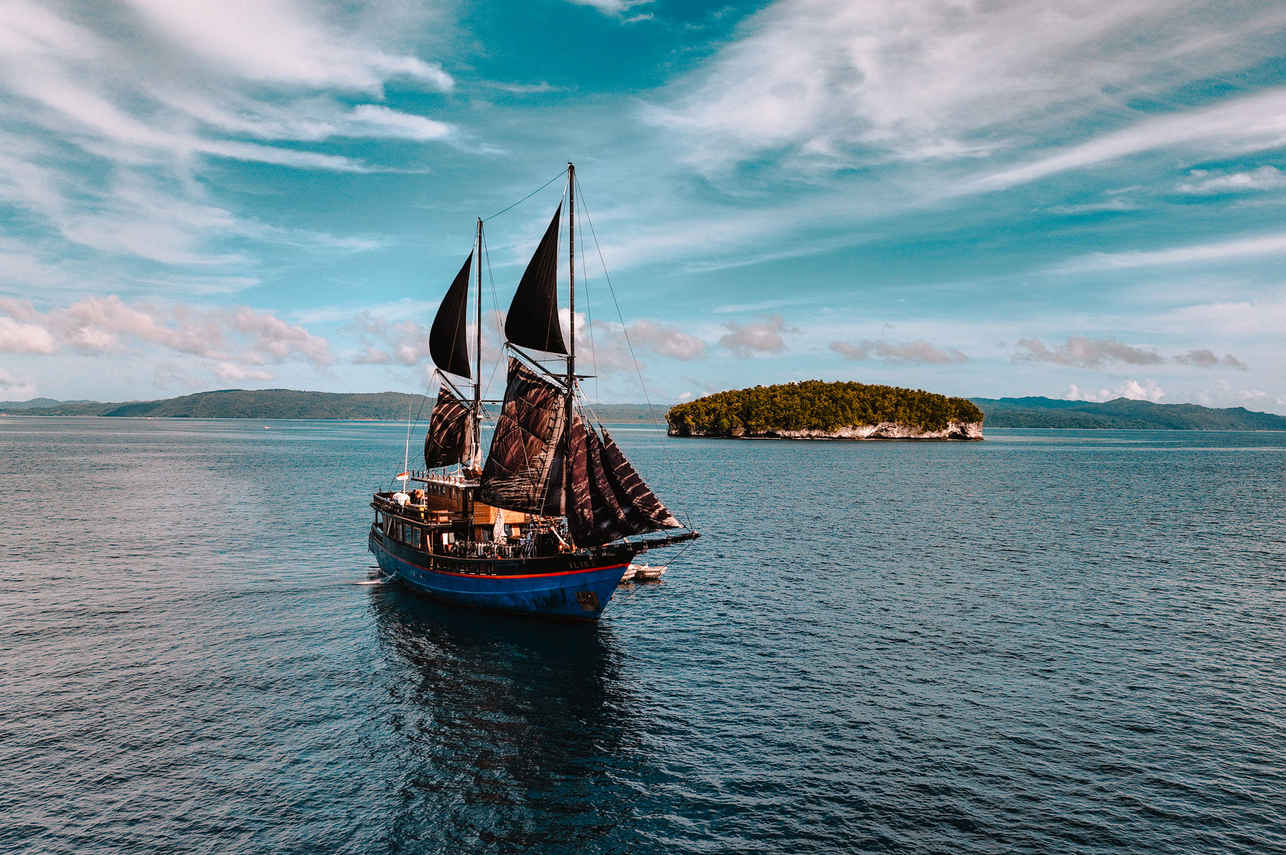
Ilike
Indonesia
16 guests40 m
$350/day
Dive sites similar to Ai Island Reef
Same character, same waters — six more sites divers love for the exact same reasons.Compare seasons, access and liveaboard routes — then pick the site that fits your trip best.
Ameth is a premier dive site situated near Nusa Laut, a small island within the Banda Sea, an area famed as one of Asia's last dive frontiers.
- Suitable for
- Advanced
- Current
- Strong
- Access
- Liveaboard only
- Depth
- —
- Theme
- Reef
Babar Island is situated in the remote Southern Maluku region, part of Indonesia's 'Forgotten Islands,' an area known for its isolated and largely unexplored dive sites.
- Suitable for
- Intermediate
- Current
- Moderate
- Access
- Liveaboard only
- Depth
- —
- Theme
- Reef
© Esri — Maxar, Earthstar, GIS
Bacan Island
Banda Sea
Bacan Island, situated in Halmahera, Indonesia, stands as an unforgettable dive site within the Maluku archipelago and is a key part of the Coral Triangle, an epicenter of marine biodiversity.
- Suitable for
- Intermediate
- Current
- Mild
- Access
- Liveaboard only
- Depth
- —
- Theme
- Reef
© Esri — Maxar, Earthstar, GIS
Banda Api North
Banda Sea
Banda Api North, nestled within Indonesia's remote Banda Sea, offers an extraordinary dive experience shaped by its active volcanic past.
- Suitable for
- Intermediate
- Current
- Strong
- Access
- Liveaboard only
- Depth
- 5–30 m
- Theme
- Reef
Dai Island is a granite formation located within the Babar island group, a key part of Indonesia's remote Forgotten Islands chain.
- Suitable for
- Intermediate
- Current
- Moderate
- Access
- Liveaboard only
- Depth
- —
- Theme
- Reef
© Esri — Maxar, Earthstar, GIS
Dawera Island
Banda Sea
Dawera Island is a captivating dive destination nestled within the Forgotten Islands, a remote chain of islands in the vast Banda Sea, Indonesia.
- Suitable for
- Advanced
- Current
- Moderate
- Access
- Liveaboard only
- Depth
- ≥ 15 m
- Theme
- Reef / Wall