About Run Island Wall
Run Island Wall, off the barely 3km-sized island of Run in the Banda Sea, presents a quintessential Banda Sea diving experience. Located in a region marked by deep waters and volcanic activity, this site is part of the central Banda Islands group, offering a dramatic seascape characteristic of the area where walls plunge hundreds of meters into the blue. The topography at Run Island Wall is defined by its deep wall, which like many dive sites in the Banda Sea, drops off steeply. This geological structure, combined with the upwelling of cold, nutrient-rich deep water, creates an environment ripe for pelagic encounters. The reefs here are pristine and boast an explosion of color, with massive barrel sponges, huge sea fans, and abundant soft and hard corals blanketing the walls. Schooling fish are a major draw, with vast processions of triggerfish, surgeonfish, and fusiliers forming almost opaque curtains against the blue. This rich biomass attracts larger predators. While the site is famous for schools of hammerhead sharks, encounters often include young silky sharks, solitary hammerheads, giant groupers, tuna, trevally, and Napoleon wrasse, making every dive a potential spectacle of marine life. Encounters with hammerhead sharks are more frequent in the colder waters at the beginning of October. Diving Run Island Wall typically involves mild to potentially strong currents, adding to the excitement and challenge. Entry is generally from a liveaboard, as the Banda Sea is accessed almost exclusively by these vessels. Given the potential for strong currents and the deep-water profiles characteristic of the region, this site is best suited for advanced divers who are comfortable with such conditions.
Highlights
Soft coral gardensGrey reef sharksEagle raysHistoric island
Season calendar
Best months to dive here
Jan
Feb
Mar
Apr
May
Jun
Jul
Aug
Sep
Oct
Nov
Dec
Good
Dive site facts: Run Island Wall
- Depth
- 5–40 m
- Current
- Mild to strong
- Visibility
- 20–40 m
- Water temperature
- 25–30°C
- Entry
- Liveaboard tender / Negative entry
- Level
- AOWD recommended, current experience helpful
- Dive type
- Wall, coral reef, pelagic
- Night dive
- Possible
- Region / port
- Banda Sea / Ambon
- Coordinates
- -4.5417, 129.7333
Conditions & Currents
Currents at Run Island Wall can be variable, ranging from gentle to strong, depending on lunar cycles and specific site conditions. Stronger currents are often present in passages between islands and around seamounts, which tend to attract a greater diversity of marine species and make for exhilarating drift dives. Divers should be comfortable with potential current changes and possess experience in such conditions, particularly when exploring deeper sections of the wall. Entry is typically made from a liveaboard tender, often as a negative entry to reach the desired depth efficiently. While some areas are sheltered, the exposed nature of the site means that surface conditions can also vary, though liveaboards usually schedule dives to optimize for calmer periods.
Marine life & sighting chances

Red-toothed triggerfish
October · common
Surgeonfish
October · common
Fusiliers
common
Trevally
occasional
Barracuda
occasional
Napoleon wrasse
occasional
Silky shark
rare
Hammerhead shark
October-November · rare
Nudibranchs
occasional
Crustaceans
occasionalDive profile & how the dive runs
Diving at Run Island Wall typically begins with a negative entry from a liveaboard tender, quickly descending along the steep coral wall. The initial depth often targets the vibrant reef crest and upper slope, rich with soft corals and schooling fish. Divers then drift with the prevailing current, exploring the various overhangs and crevices that punctuate the wall. Expect to progressively deepen to around 25-30 meters to observe larger Gorgonian fans and potential pelagic encounters in the blue. The turn point is determined by air consumption and no-decompression limits, after which divers gradually ascend, keeping the wall to their side. A safety stop is conducted at 5 meters, often in the shallower, current-protected areas of the reef, providing a final opportunity to spot macro life before surfacing for pickup by the tender.
Underwater photography
Run Island Wall provides fantastic opportunities for both wide-angle and macro photography, thanks to its pristine corals and diverse marine life. For wide-angle, a fisheye or rectilinear lens is ideal to capture the expansive coral formations and schooling fish that often form dense curtains. Pay attention to current direction to position yourself for compelling shots of pelagics in the blue. For macro, a 60mm or 100mm lens will be excellent for capturing the numerous nudibranchs, crustaceans, and smaller reef inhabitants that hide among the corals. Utilize external strobes to bring out the true colors of the corals and ensure proper exposure, especially when shooting into the deeper blue. Buoyancy control is paramount to avoid disturbing the delicate reef structure and to achieve sharp images in varying currents.
Combine with nearby dive sites
- Hatta Island Wall
Known for sloping reefs and large schools of fusiliers.
- Gunung Api Lava Flow
Features accelerated coral regrowth on an active volcano's slope.
- Ai Island Reef
Part of the Banda Islands, offering diverse reef ecosystems.
- Banda Neira Jetty
Excellent for macro life, including rhinopias and seahorses.
- Rhun Drift
Another site around Run Island, likely featuring dynamic currents.
Getting there & logistics
Access to Run Island Wall is exclusively via liveaboard, typically departing from Ambon (AMQ), the gateway to the Banda Sea. International flights usually connect through Jakarta (CGK) or Bali (DPS) to Ambon. It is highly recommended to arrive in Ambon at least one day prior to embarkation to account for potential domestic flight delays. Liveaboard itineraries range from 6 to 15 nights, often combining Banda Sea sites with other regions like Raja Ampat or the Forgotten Islands. Transfers from Ambon airport or local hotels to the harbor are generally provided by liveaboard operators. There are no specific park fees mentioned for Run Island itself, but marine park fees may apply as part of a broader Banda Sea itinerary.
Safety & environment
Diving at Run Island Wall, and throughout the remote Banda Sea, necessitates adherence to strict safety protocols. The nearest recompression chamber is located in Ambon, which can be several hours to days away depending on the liveaboard's location. Emergency evacuation can be complex and time-consuming due to the region's remoteness. Therefore, comprehensive dive-specific insurance covering emergency evacuation and recompression chamber costs is mandatory for all divers. Divers must be PADI Advanced Open Water certified or equivalent, with a minimum of 50 logged dives, and comfortable diving in currents. A dive computer, a 6-minute safety stop, and an ascent rate of no more than 9 meters per minute are also mandatory. Divers whose skills are deemed insufficient for specific conditions may be restricted from certain dives by the crew.
Who it suits — and who it doesn't
Suited for
- Advanced Open Water divers with current experience
- Divers seeking remote and uncrowded sites
- Underwater photographers targeting healthy coral reefs and pelagics
- Enthusiasts of historical dive locations
- Liveaboard adventurers
Less suited for
- Inexperienced divers or those uncomfortable with currents
- Divers without advanced certification
- Individuals seeking shore-based diving experiences
- Those prone to seasickness on open-ocean crossings
- Beginner underwater photographers without buoyancy mastery
FAQ
Run Island Wall FAQ
What kind of marine life can I expect to see at Run Island Wall?
Run Island Wall is home to a diverse array of marine life, ranging from vibrant reef fish to occasional pelagic encounters. You can expect to see large schools of red-toothed triggerfish, surgeonfish, and fusiliers, creating impressive displays. Larger species like trevally, barracuda, and Napoleon wrasse are also spotted, and rare sightings of silky and hammerhead sharks are possible, especially during optimal seasons.
Are the currents strong at Run Island Wall?
Currents at Run Island Wall can vary from mild to strong. Their intensity is often influenced by lunar cycles and the specific location along the wall. Stronger currents can lead to exhilarating drift dives and attract more pelagic activity. Divers should have prior experience and comfort diving in currents to fully enjoy the site.
What are the water temperatures like around Run Island?
The water temperatures around Run Island in the Banda Sea are generally warm and comfortable. They typically range between 25°C to 28°C year-round, with slightly warmer temperatures reaching up to 30°C during peak diving seasons. This allows for longer dive times without the need for heavy thermal protection.
How do I get to Run Island Wall for diving?
Run Island Wall is only accessible via liveaboard, which typically departs from Ambon, Indonesia. Divers usually fly into Ambon's Pattimura International Airport (AMQ) after connecting through major hubs like Jakarta or Bali. It is recommended to arrive a day early in Ambon to ensure a smooth transition to your liveaboard trip.
Is Run Island Wall suitable for all levels of divers?
Run Island Wall is best suited for experienced divers, particularly those with an Advanced Open Water certification and comfort in varying currents. While some areas might be milder, the site's exposed nature and potential for strong currents mean it is not ideal for beginner divers or those without significant current diving experience. A minimum of 50 logged dives is often recommended by liveaboard operators.
What makes Run Island historically significant?
Run Island holds significant historical importance as a key player in the 17th-century spice trade. It was once the most valuable source of nutmeg in the world, leading to intense competition between European powers. Famously, in 1667, the British traded Run Island to the Dutch for Manhattan, a deal that highlights the immense value of spices during that era.
Why dive Run Island Wall from a liveaboard?
Run Island Wall is one of Banda Sea's signature dive sites. A liveaboard sleeps you on the water and puts you in the water for three to four guided dives per day, including dawn and night dives that day-boat operators rarely offer. You skip the daily commute back to port and reach quieter, less-crowded sites in the same region on a single trip.
Below are the liveaboards that include Run Island Wall on their Banda Sea itineraries.
Liveaboards diving Run Island Wall
These liveaboards may visit Run Island Wall on selected itineraries — the exact dive sites depend on departure, weather and conditions.
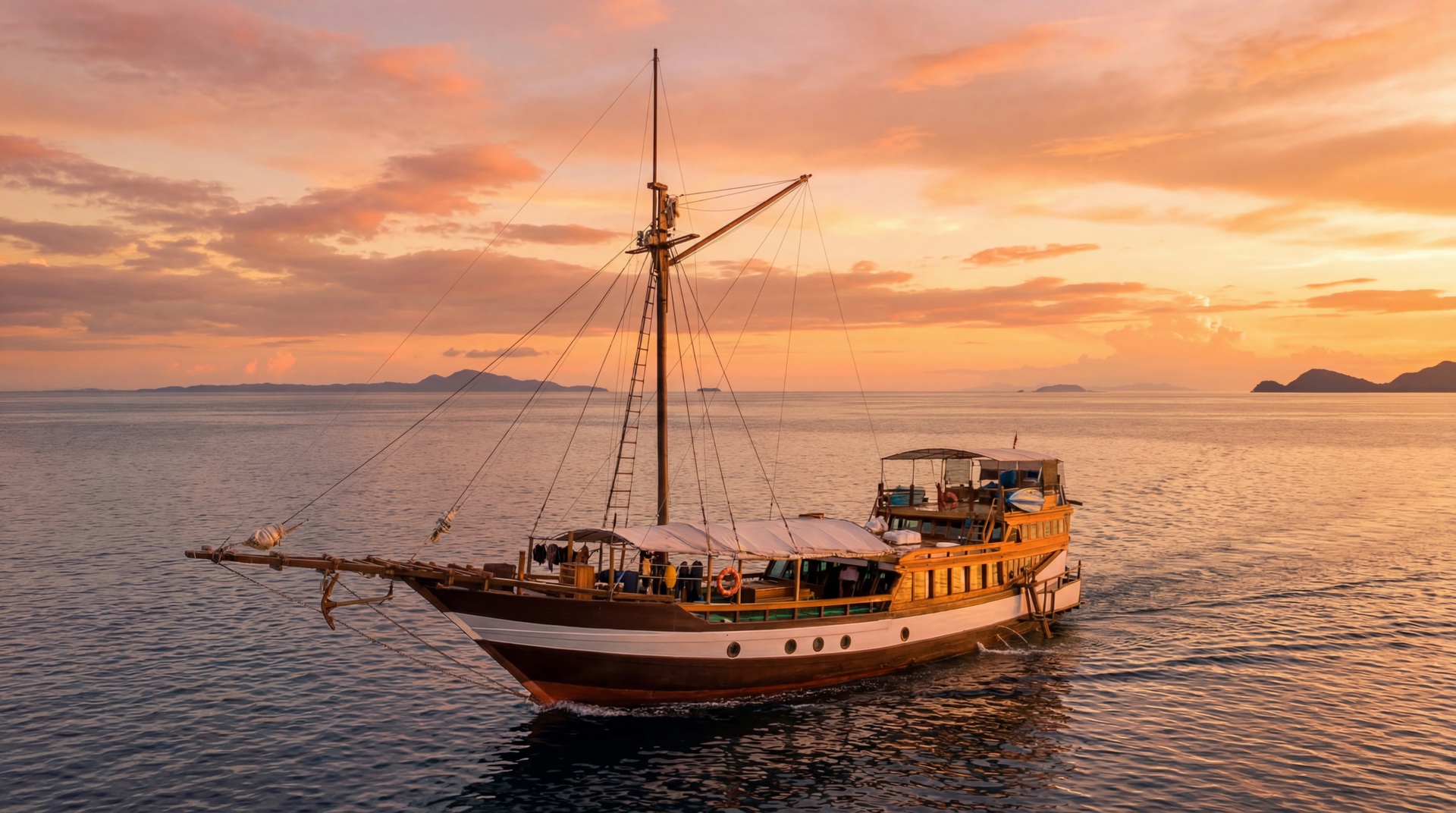
Wellenreng
Indonesia
9 guests25 m
$425/day
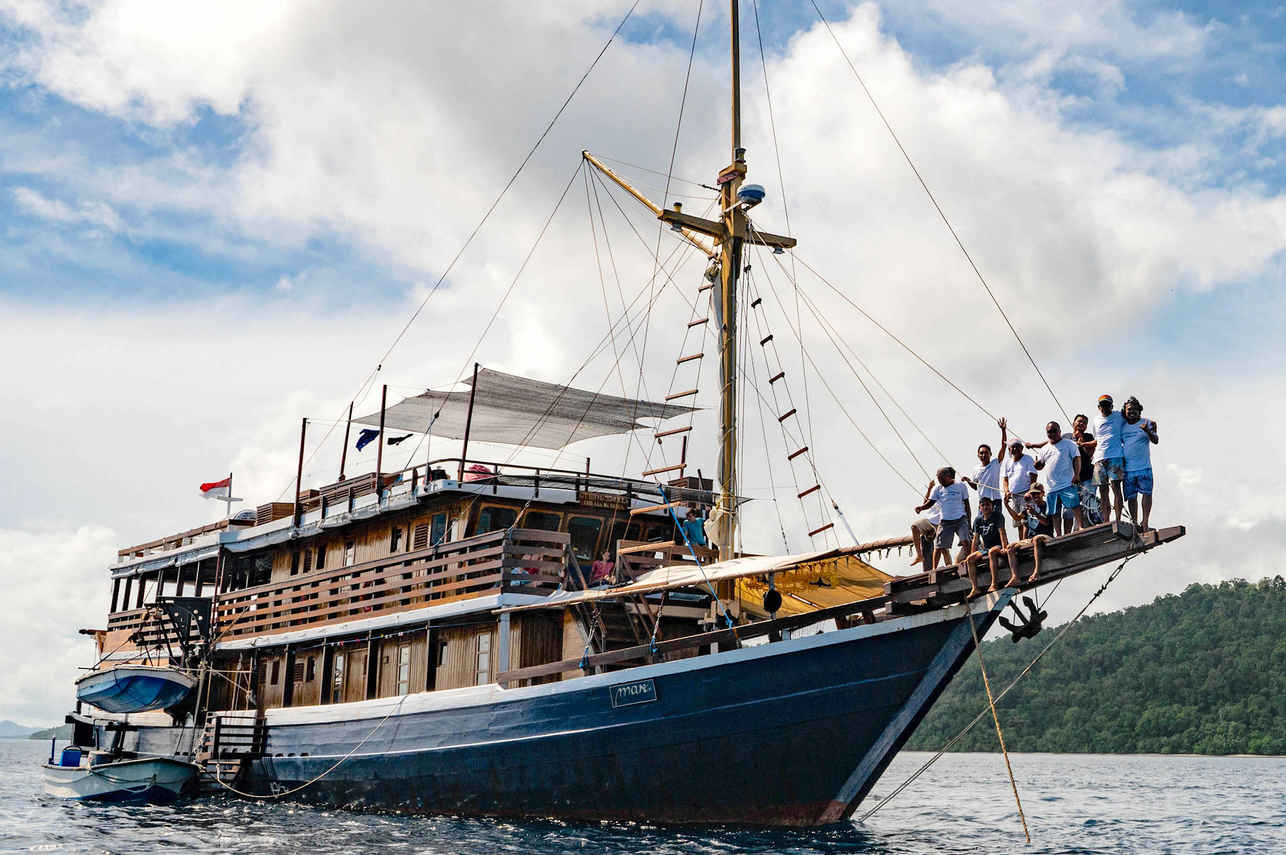
Mari
Indonesia
14 guests32.2 m
$326/day
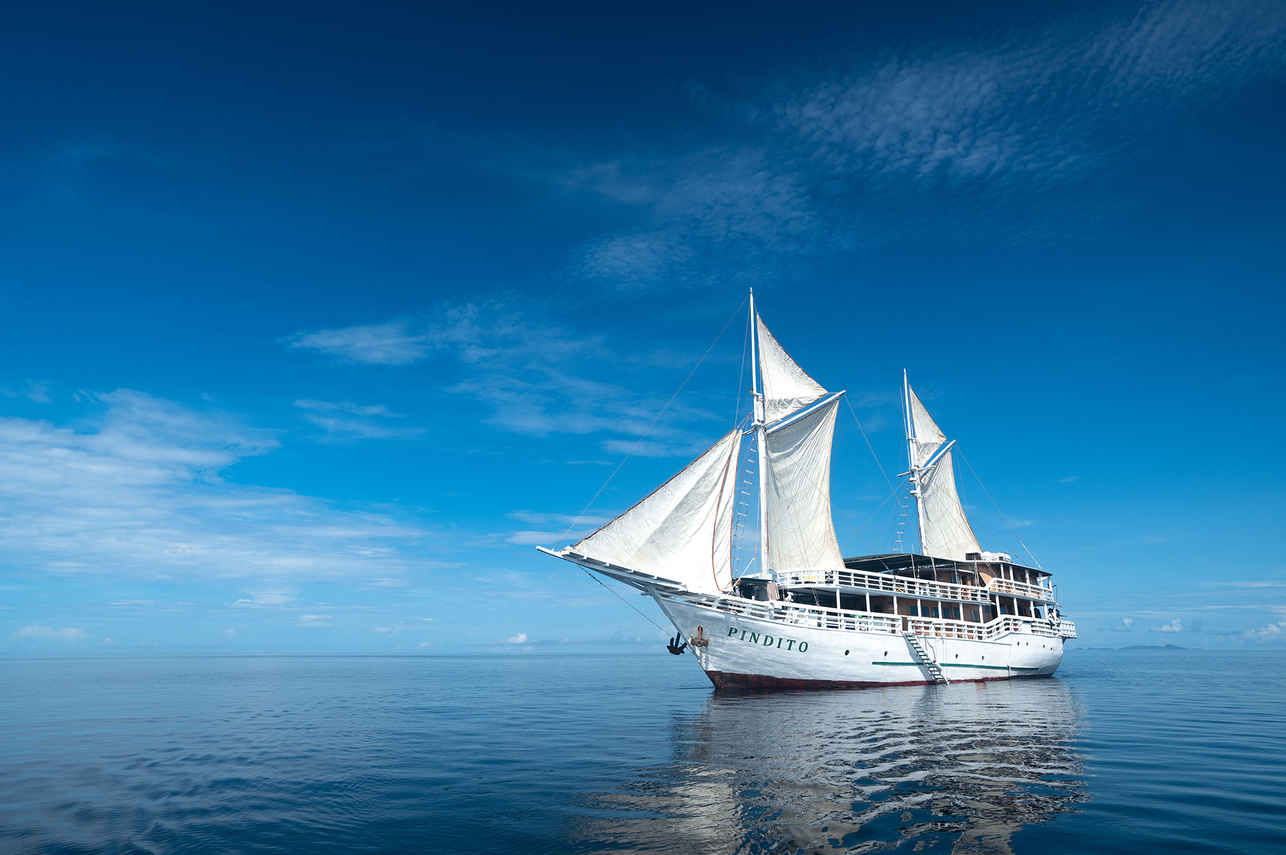
Pindito
Indonesia
16 guests37.79 m
$533/day
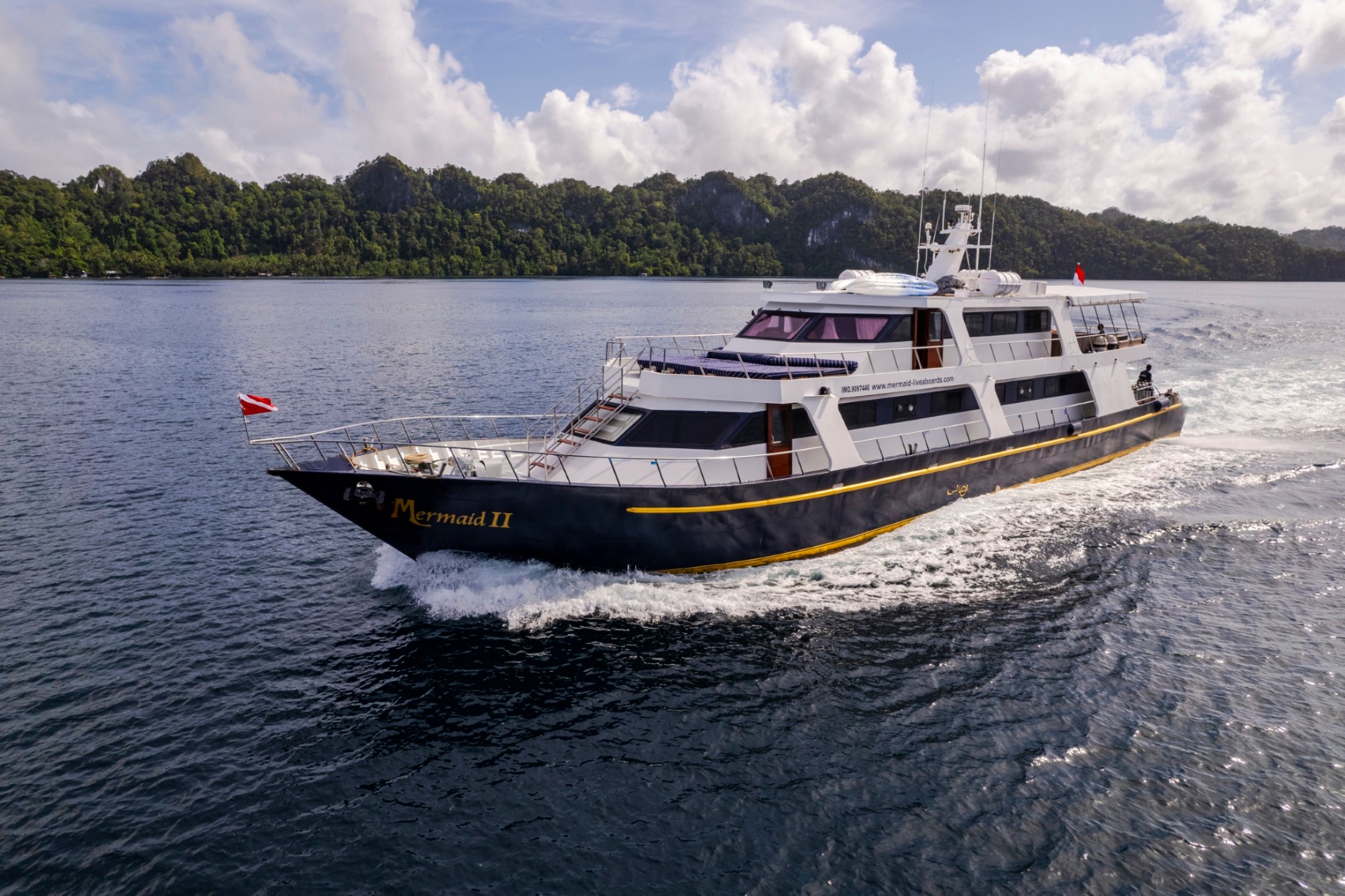
Mermaid II
Komodo, Indonesia
18 guests
$390/day
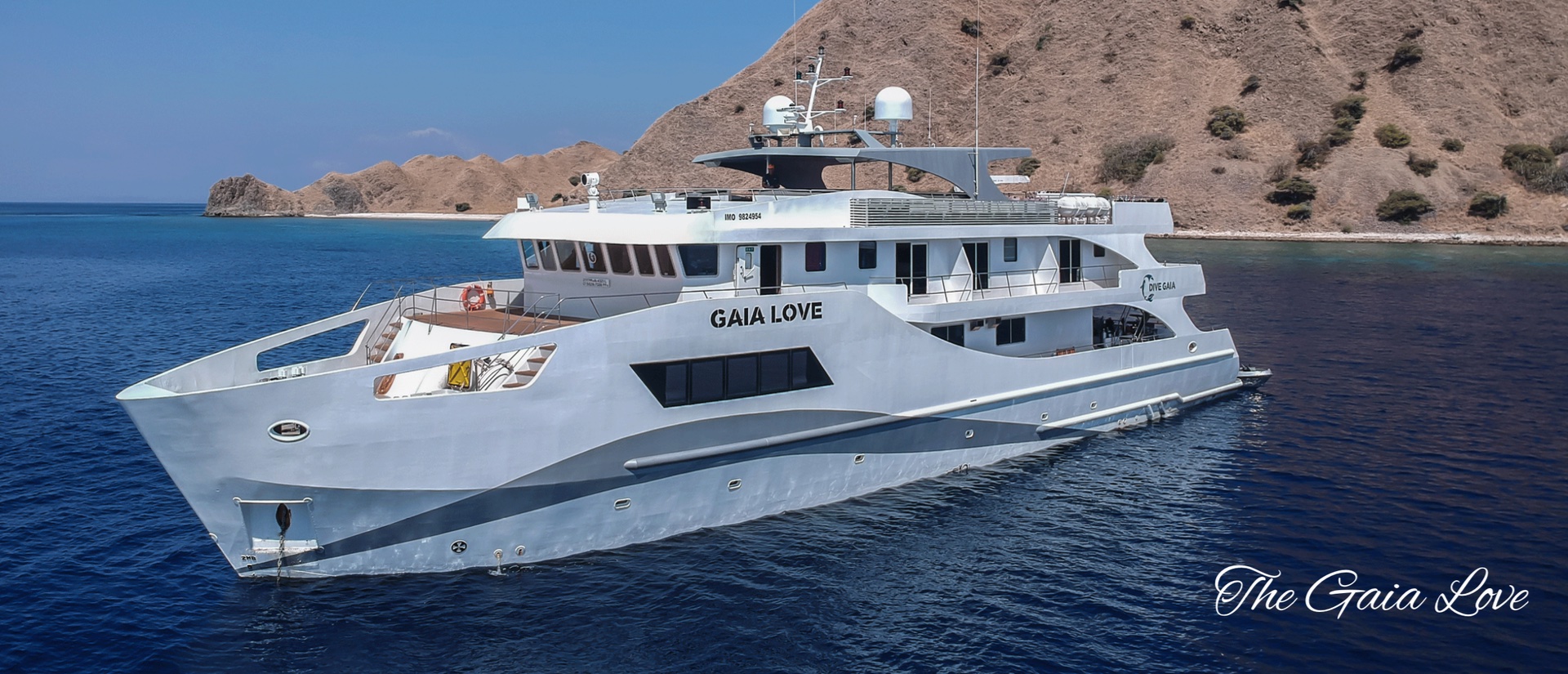
Gaia Love
Alor
20 guests
$554/day
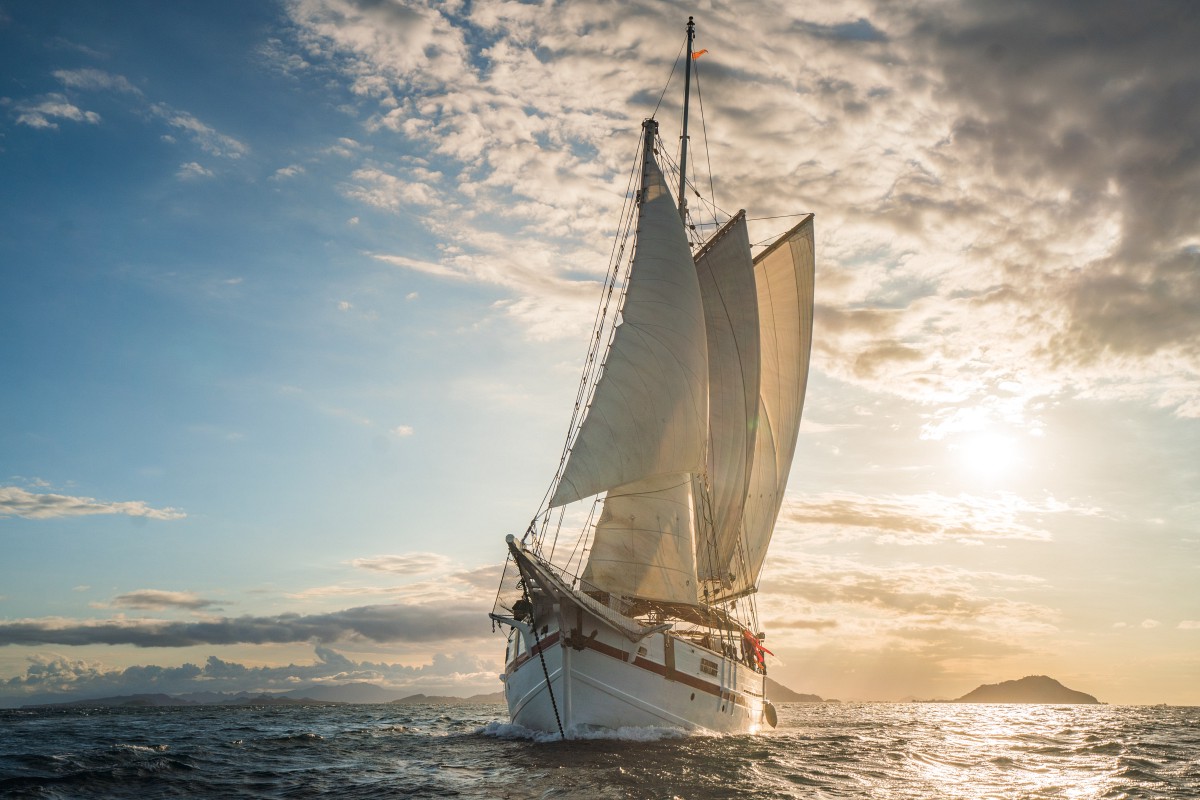
Emperor Raja Laut
Raja Ampat, Indonesia
12 guests31 m
$413/day
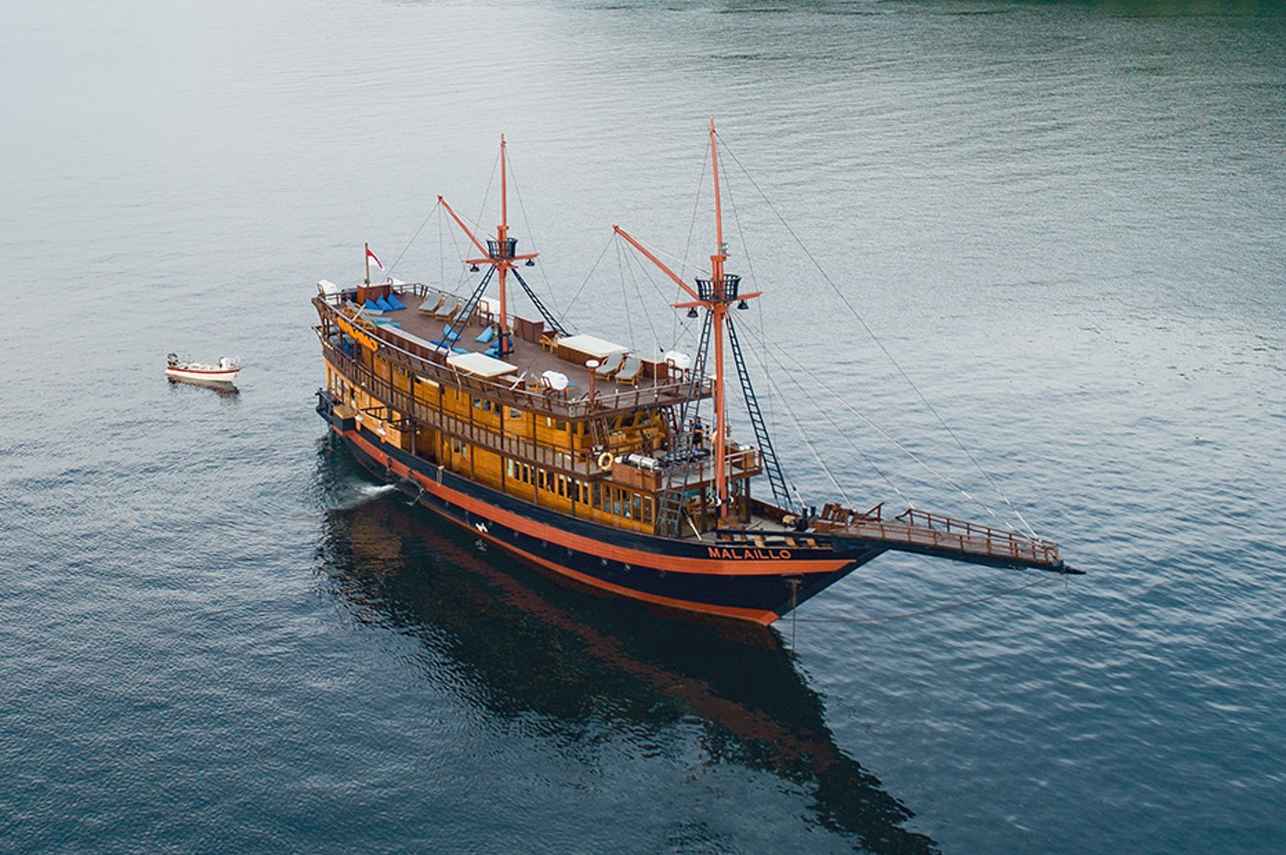
Malaillo
Indonesia
14 guests45.57 m
$348/day
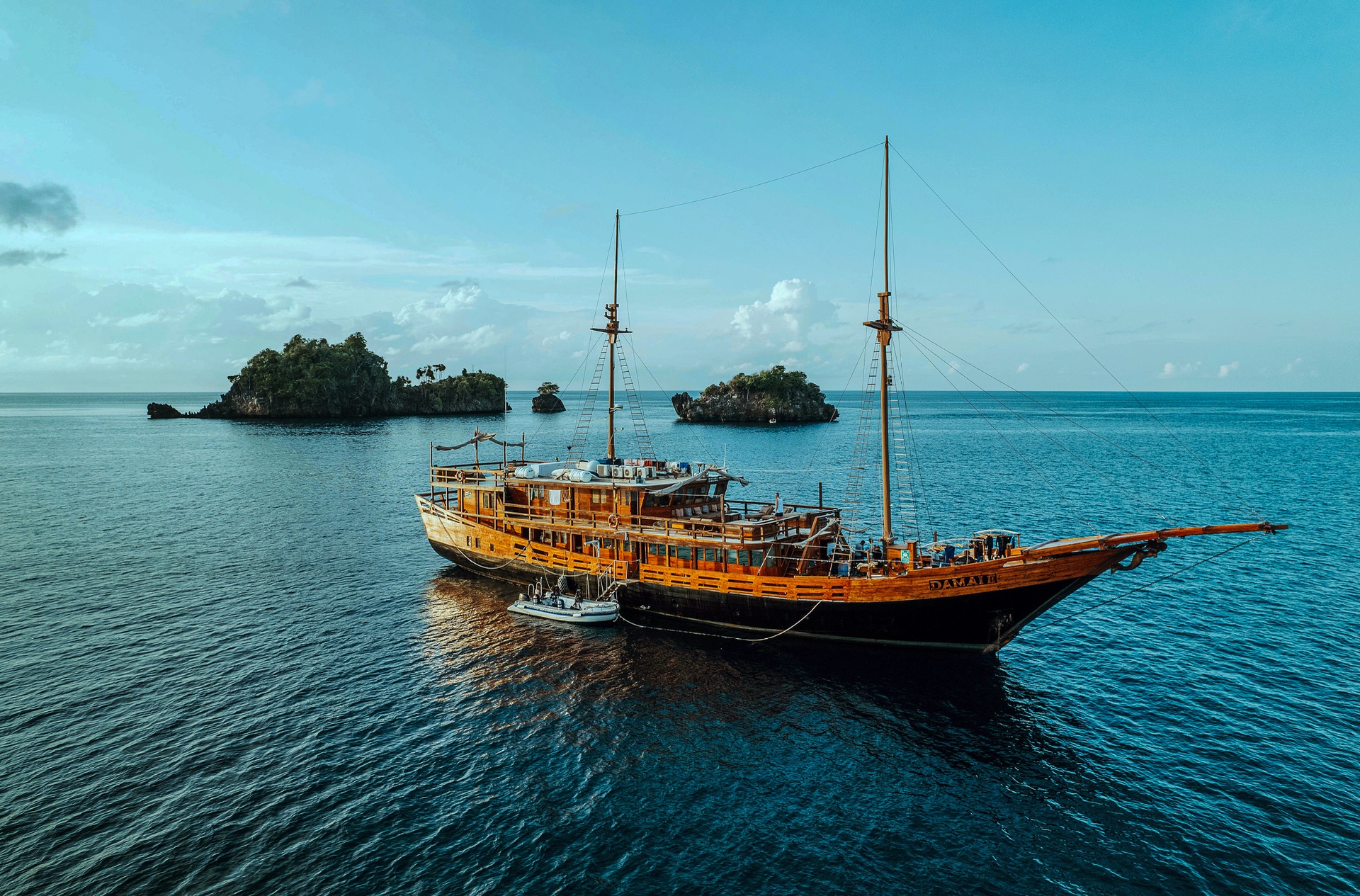
Damai II
Komodo, Indonesia
14 guests
$441/day
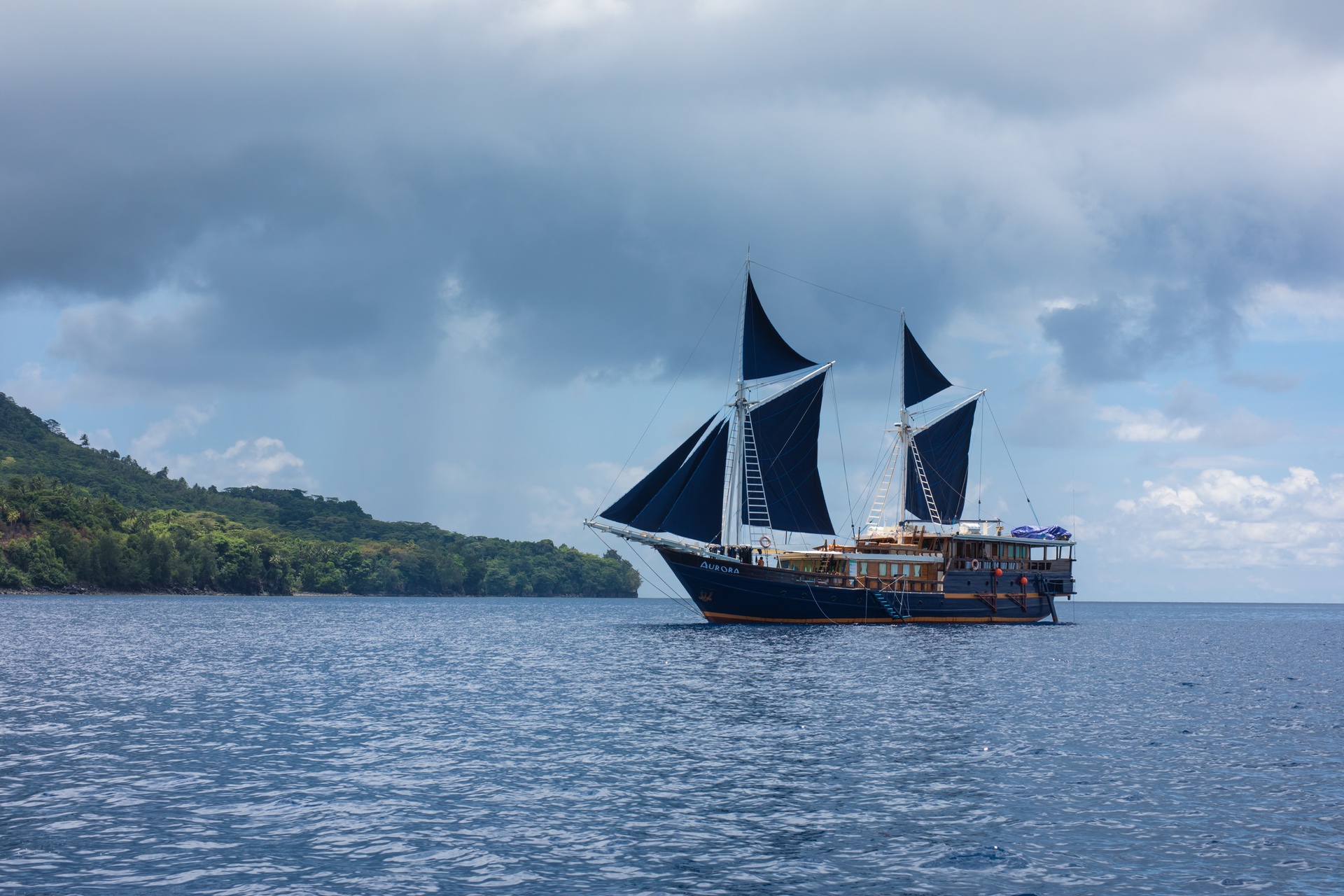
DUNE Aurora
Indonesia
18 guests
$344/day
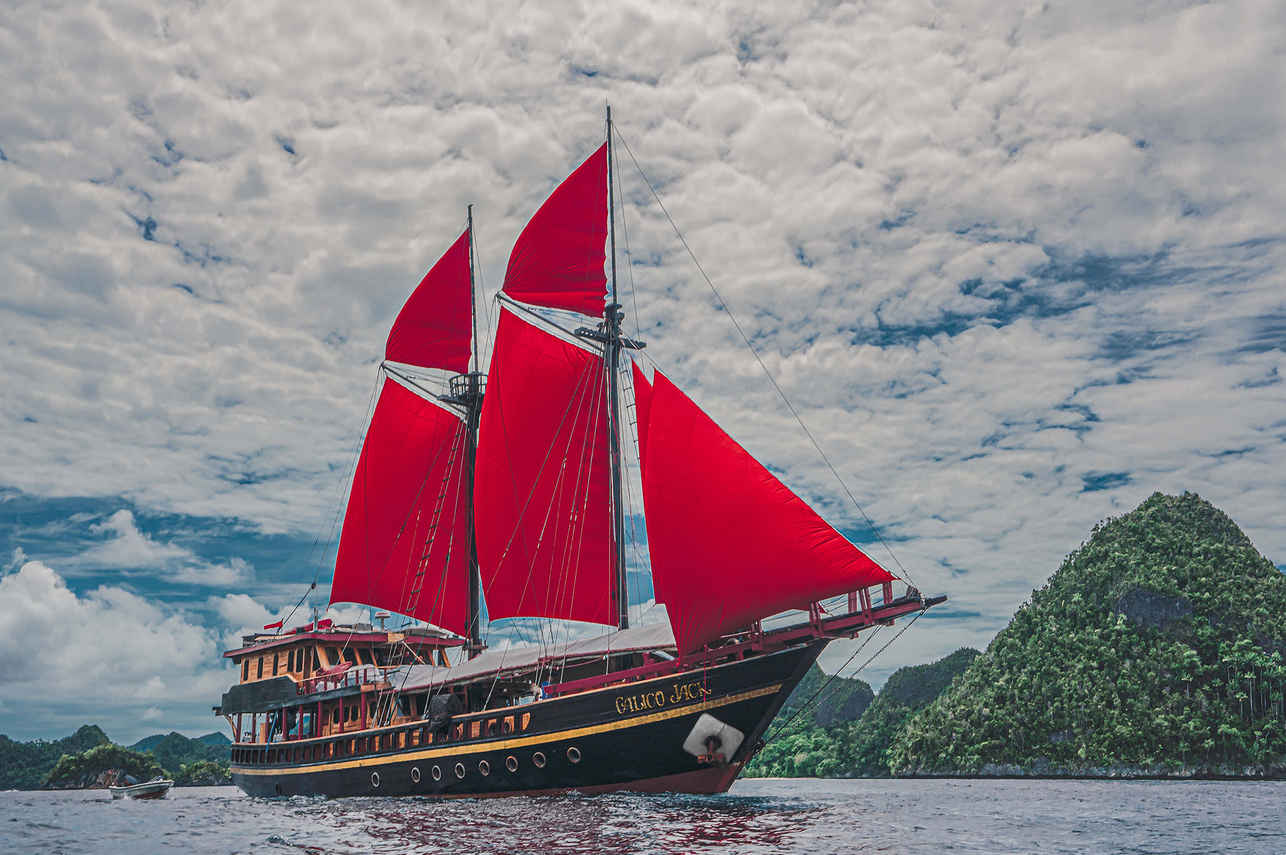
Calico Jack
Indonesia
10 guests30 m
$398/day
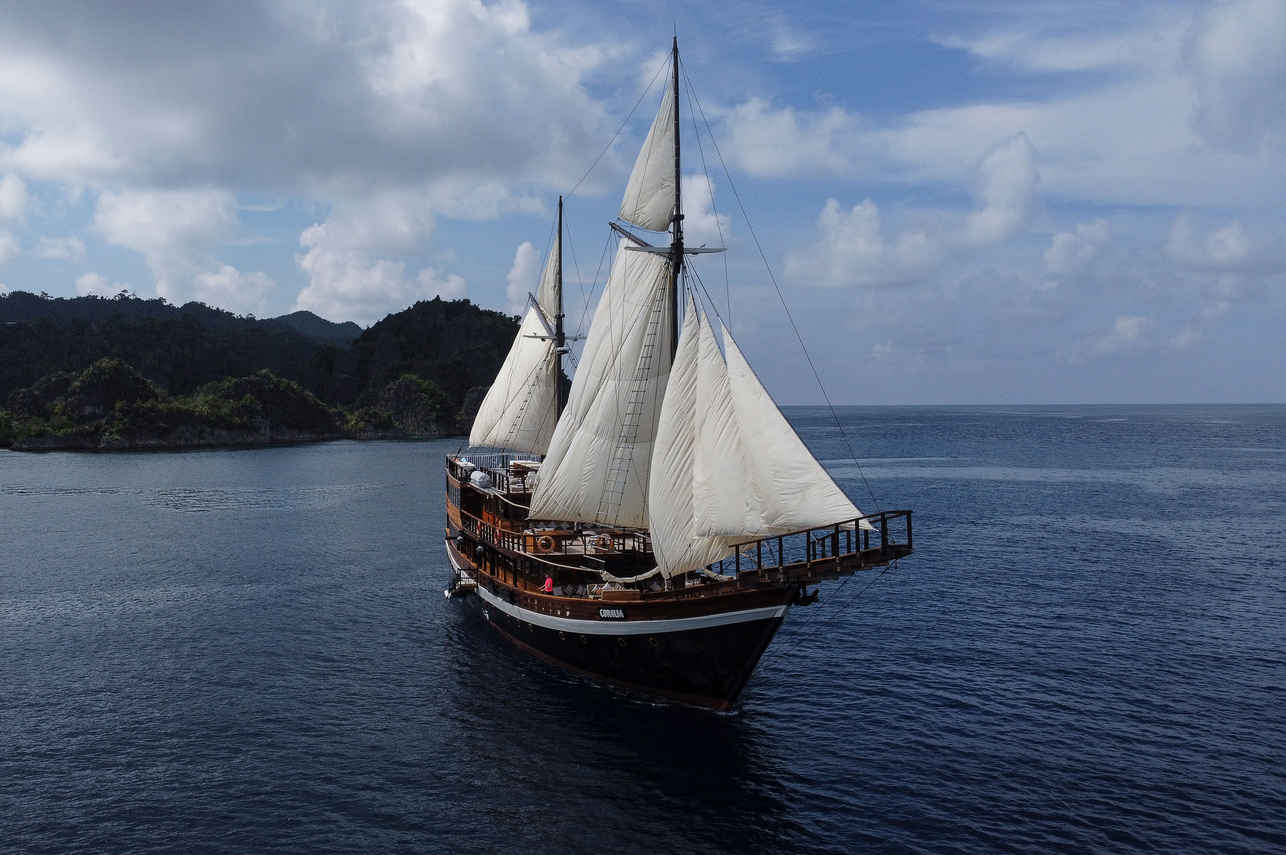
Coralia
Indonesia
16 guests48 m
$577/day
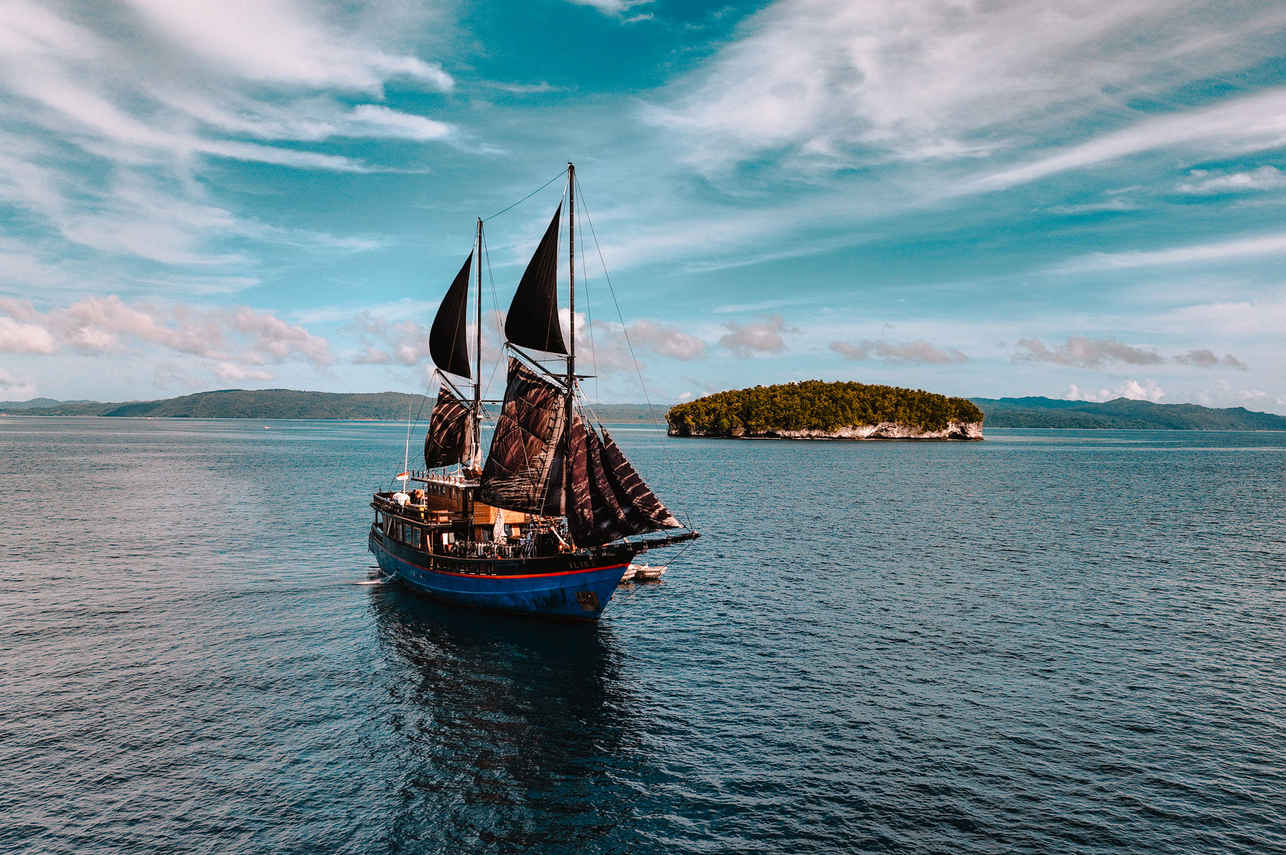
Ilike
Indonesia
16 guests40 m
$350/day
Dive sites similar to Run Island Wall
Same character, same waters — six more sites divers love for the exact same reasons.Compare seasons, access and liveaboard routes — then pick the site that fits your trip best.
© Esri — Maxar, Earthstar, GIS
Patinti Strait
Banda Sea
The Patinti Strait, also known as Selat Patiente, is a renowned dive site located in South Halmahera, nestled between the main island of Halmahera and Bacan Island.
- Suitable for
- Advanced
- Current
- Strong
- Access
- Liveaboard only
- Depth
- 5–30 m
- Theme
- Drift / Reef
© Esri — Maxar, Earthstar, GIS
Serua Island
Banda Sea
Serua Island is located within the remote Banda Sea, a region known as the "Ring of Fire" due to its volcanic islands and immense depths.
- Suitable for
- Advanced
- Current
- Strong
- Access
- Liveaboard only
- Depth
- 8–40 m
- Theme
- Seamount / Wall
© Esri — Maxar, Earthstar, GIS
Dawera Island
Banda Sea
Dawera Island is a captivating dive destination nestled within the Forgotten Islands, a remote chain of islands in the vast Banda Sea, Indonesia.
- Suitable for
- Advanced
- Current
- Moderate
- Access
- Liveaboard only
- Depth
- ≥ 15 m
- Theme
- Reef / Wall
Sermata is part of the Forgotten Islands, a long chain of remote islands and atolls in the Southern Maluku, Indonesia, situated between the nutrient-rich Banda Sea and the Arafura Sea.
- Suitable for
- Advanced
- Current
- Moderate
- Access
- Liveaboard only
- Depth
- 15–40 m
- Theme
- Reef / Wall
© Esri — Maxar, Earthstar, GIS
Pulau Ai Wall
Banda Sea
Pulau Ai Wall is a distinguished dive site within the Banda Islands, recognized for its vivid drop-off that plunges from the surface into deeper waters.
- Suitable for
- Intermediate
- Current
- Moderate
- Access
- Liveaboard only
- Depth
- 3–30 m
- Theme
- Wall / Drift