About Rhun Drift
Rhun Drift is a captivating dive site situated within the Banda Sea, an area renowned for its pristine marine biodiversity and geological uniqueness. This remote region, often referred to as the 'Spice Islands,' benefits from deep-water upwellings and volcanic activity, creating a vibrant ecosystem that supports an extraordinary density of marine life. Divers here experience dramatic underwater landscapes, from steep drop-offs to expansive coral formations, all fed by the rich currents of the Coral Triangle. The topography of Rhun Drift is characterized by dynamic currents that sculpt its reefs and attract large pelagic species. While specific depths for Rhun Drift are not detailed, Banda Sea sites typically feature steep cliffs and seamounts rising from the deep, with active depths ranging from shallow reefs to over 30 meters. The unique environment fosters both soft and hard coral gardens, teeming with reef fish and attracting larger predators. The marine life at Rhun Drift, and throughout the Banda Sea, is influenced by seasonal upwellings, particularly from September to November, which bring cooler, nutrient-rich waters to the surface. This period is prime for observing massive schools of fish, including barracuda and trevally, and offers increased chances for encounters with hammerhead sharks. The site offers a true blue water diving experience, providing a glimpse into an untouched underwater world. Diving at Rhun Drift is typically a drift dive, where the current dictates the pace and direction. Liveaboards are the primary way to access this remote site, ensuring divers are well-briefed on entry and exit procedures adapted to the current conditions. The experience emphasizes going with the flow, making it a relatively effortless way to cover extensive reef areas and observe the prolific marine ecosystem.
Highlights
Nutrient-rich currentsAbundant schooling fishPelagic marine encountersPristine coral reefsRemote, untouched environmentDramatic underwater topography
Season calendar
Best months to dive here
Jan
Feb
Mar
Apr
May
Jun
Jul
Aug
Sep
Oct
Nov
Dec
Good
Dive site facts: Rhun Drift
- Depth
- 5–40 m
- Current
- Moderate to strong drift
- Visibility
- 30–50 m
- Water temperature
- 27–30°C (81–86°F)
- Entry
- Live boat / Drift entry
- Level
- Intermediate to advanced, drift experience recommended
- Dive type
- Drift, pelagic, reef
- Night dive
- Not typical
- Region / port
- Banda Sea / Maluku Islands
- Coordinates
- -4.55, 129.7167
Conditions & Currents
Rhun Drift is a quintessential drift dive, meaning currents play a significant role in the dive experience. Currents in the Banda Sea can be strong, especially during peak seasons driven by the Australian-Asian monsoon system, which results in intense upwellings. Divers will typically enter the water and allow the current to carry them along the reef, rather than swimming against it, making it a less physically demanding dive once neutrally buoyant. Visibility is generally excellent, often exceeding 30 to 40 meters during the prime diving months. Due to the nature of drift diving, negative entries are not always necessary, but swift and efficient entry and exit procedures are important, with the liveaboard following divers and picking them up at their surfacing point. The boat crew tracks divers by bubbles or a deployed surface marker buoy, ensuring safety and ease of retrieval.
Marine life & sighting chances

Scalloped hammerhead shark
September–November · occasional
Chevron barracuda
September–November · common
Batfish
common
Fusiliers
common
Bigeye trevally
September–November · common
Manta rays
occasional
Sea snakes
occasional
Wobbegong shark
September–June · occasional
Turtles
September–June · occasional
Pygmy seahorse
September–June · occasionalDive profile & how the dive runs
Diving at Rhun Drift typically begins with a live boat entry, where divers enter the water as the vessel drifts along the reef. Upon descent, divers maintain neutral buoyancy and allow the current to carry them, minimizing effort. The dive route often follows the contours of the reef or seamount, moving through various depth bands to explore different marine habitats. Dive depths can vary, but most action-packed pelagic encounters occur between 15 and 30 meters where thermoclines often aggregate schooling hammerheads and other large fish. The dive concludes with a safety stop, during which a Delayed Surface Marker Buoy (DSMB) is deployed to signal the liveaboard for pickup. The boat crew will then maneuver to the divers' exact surfacing point, ensuring a comfortable and safe exit.
Underwater photography
Capturing the vibrant marine life and dramatic topography of Rhun Drift requires adaptability due to the drift conditions. Wide-angle lenses are ideal for showcasing the vast schools of barracuda, trevally, and batfish, as well as the potential for schooling hammerheads against the blue water. External strobes are highly recommended to bring out the true colors of the corals and fish in deeper areas or against the backdrop of the open ocean. For macro opportunities, a good focus light and patience in the current are key. Buoyancy control is paramount to avoid contact with the reef while navigating the drift and to secure steady shots. Always be mindful of your surroundings and the current when composing your shots, and prioritize safety over capturing the perfect image.
Combine with nearby dive sites
- Banda Neira Jetty
Banda Neira Jetty offers a distinct dive experience in the Banda Sea, contrasting with the region's usual strong currents and pelagic…
- Hatta Island Wall
Hatta Island Wall is a premier dive site in the Banda Sea, renowned for its dramatic underwater topography and rich biodiversity.
- Banda Besar South Wall
Banda Besar South Wall is located in the heart of the Banda Islands, part of Indonesia's remote Ring of Fire archipelago.
- Pohon Miring
Pohon Miring, located near Banda Neira, is a dive site within the central Banda Islands group, offering a unique blend of marine…
- Run Island Wall
Run Island Wall, off the barely 3km-sized island of Run in the Banda Sea, presents a quintessential Banda Sea diving experience.
Getting there & logistics
Access to Rhun Drift in the Banda Sea is primarily via liveaboard trips, often departing from Ambon. International flights typically land in Jakarta or Bali, followed by domestic connections to Ambon. These liveaboard itineraries offer comprehensive exploration of the Banda Sea and sometimes extend into the Forgotten Islands, with durations ranging from 7 to 14 days. The remote nature of the region means that liveaboards provide all necessary amenities and logistical support, including dive guides, equipment, and meals. While specific permit fees for Rhun Drift are usually included in liveaboard packages, divers should confirm this with their operator. Some trips might involve flying out from a different airport, such as Saumlaki, depending on the itinerary's range.
Safety & environment
Diving at Rhun Drift, like other remote Banda Sea sites, necessitates strict adherence to safety protocols. Given its isolation, the nearest recompression chamber is not immediately accessible, making robust dive accident insurance essential for all divers. Evacuation can be complex and time-consuming, reinforcing the importance of safe diving practices and conservative dive profiles. Divers must maintain excellent buoyancy control, particularly during drift dives, to avoid uncontrolled ascents or descents and to prevent contact with the reef. Staying close to your buddy and following the dive guide's instructions on current behavior and boat pick-up procedures are crucial. Always deploy a Delayed Surface Marker Buoy (DSMB) during your safety stop to ensure the liveaboard crew can easily locate you in the open water.
Who it suits — and who it doesn't
Suited for
- Experienced drift divers
- Photographers seeking pelagic action
- Divers interested in large schools of fish
- Adventure seekers on liveaboard trips
- Those who appreciate pristine, remote reefs
Less suited for
- Novice divers without current experience
- Divers uncomfortable with open ocean conditions
- Individuals preferring static, shallow dives
- Those prone to seasickness on liveaboards
- Divers on tight time schedules (due to remoteness)
FAQ
Rhun Drift FAQ
What kind of currents can I expect at Rhun Drift?
Rhun Drift is known for its strong, nutrient-rich currents that create a dynamic drift diving experience. These currents are a key factor in attracting the large schools of pelagic fish and marine megafauna to the site. Divers should be comfortable with drift diving techniques and maintain good buoyancy control to enjoy the ride.
What marine life is commonly seen at Rhun Drift?
Rhun Drift is a hotspot for schooling fish, including massive aggregations of barracuda, trevally, and batfish. During the right season, typically September to November, you might also encounter scalloped hammerhead sharks. The rich currents support a vibrant ecosystem with various reef fish, corals, and occasional sightings of manta rays and sea snakes.
When is the best time of year to dive Rhun Drift?
The prime diving seasons for Rhun Drift and the Banda Sea are from March to May and from September to December. These months offer the calmest seas, best visibility, and comfortable water temperatures. The period from September to November is particularly renowned for significant pelagic activity, including schooling hammerheads, due to intense upwellings.
Do I need special equipment for drift diving at Rhun Drift?
Standard dive equipment is sufficient, but a Delayed Surface Marker Buoy (DSMB) and a reel are essential for drift diving. Your dive guide will carry one to signal the boat, but it's always recommended for divers to have their own. Good buoyancy control and an understanding of drift diving procedures are more important than specialized gear.
How do I get to Rhun Drift?
Rhun Drift is located in a very remote part of the Banda Sea, making liveaboard trips the only practical way to access it. These liveaboards typically depart from Ambon, which can be reached by domestic flights from major Indonesian hubs like Jakarta or Bali. The journey itself is part of the adventure, offering a true expeditionary dive experience.
Why dive Rhun Drift from a liveaboard?
Rhun Drift is one of Banda Sea's signature dive sites. A liveaboard sleeps you on the water and puts you in the water for three to four guided dives per day, including dawn and night dives that day-boat operators rarely offer. You skip the daily commute back to port and reach quieter, less-crowded sites in the same region on a single trip.
Below are the liveaboards that include Rhun Drift on their Banda Sea itineraries.
Liveaboards diving Rhun Drift
These liveaboards may visit Rhun Drift on selected itineraries — the exact dive sites depend on departure, weather and conditions.
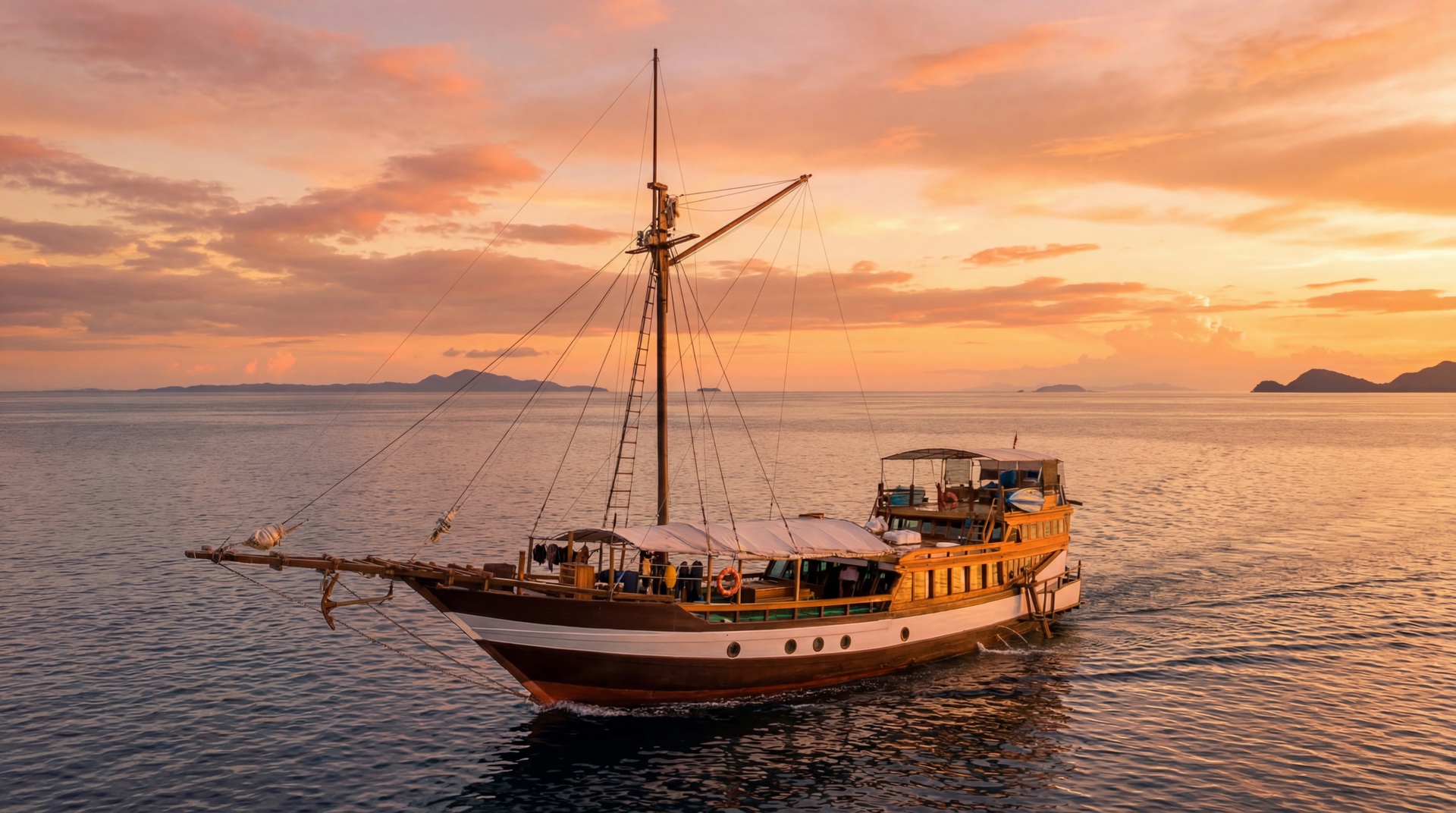
Wellenreng
Indonesia
9 guests25 m
$427/day
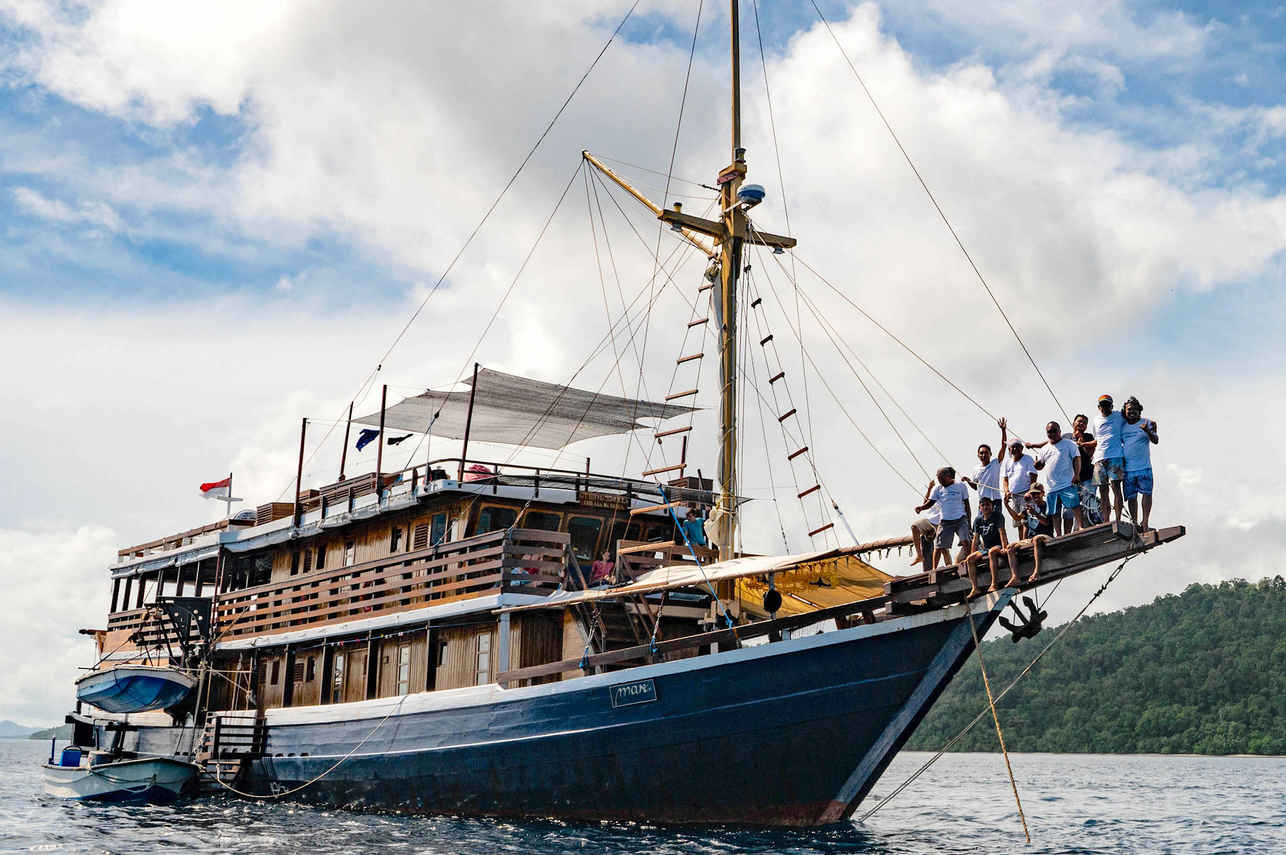
Mari
Indonesia
14 guests32.2 m
$328/day
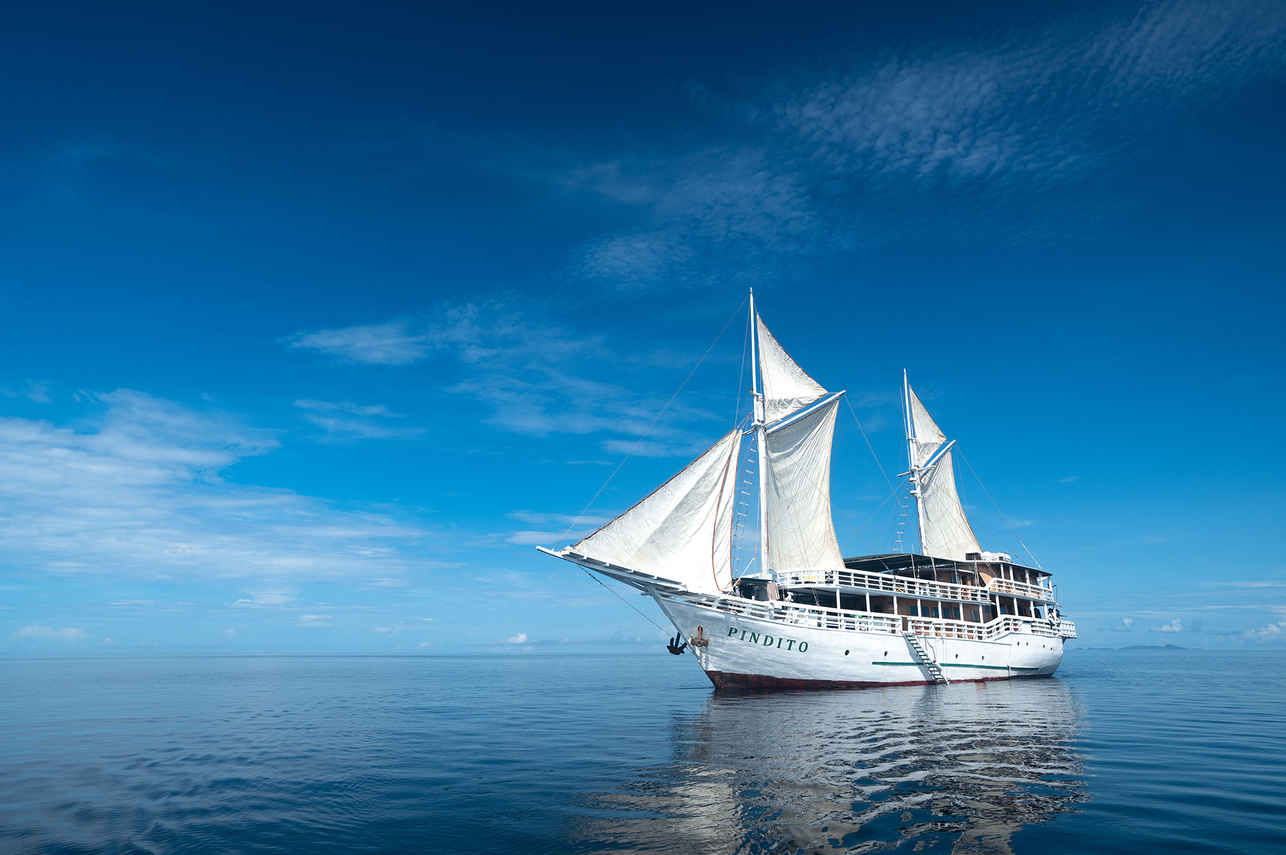
Pindito
Indonesia
16 guests37.79 m
$533/day
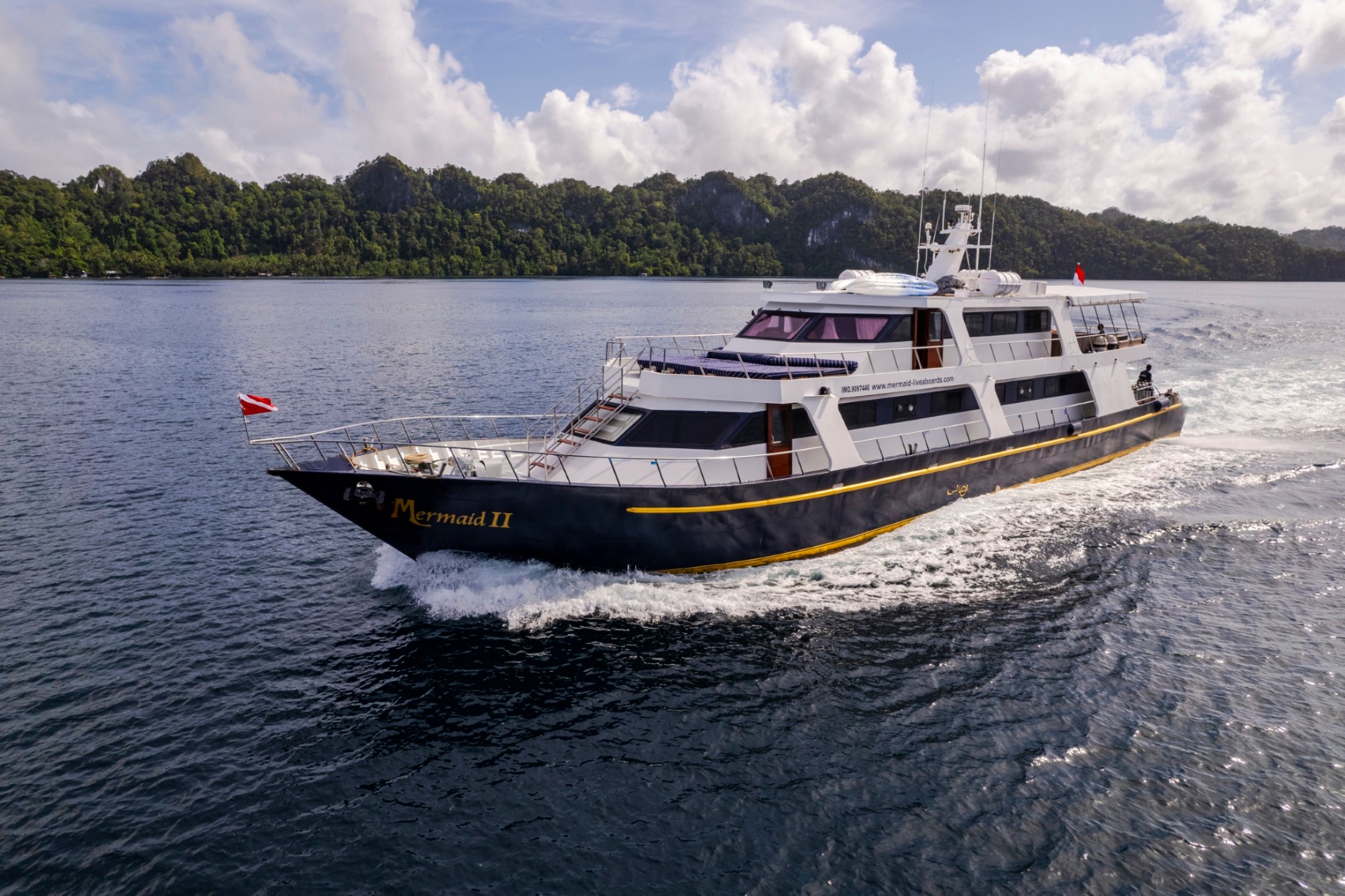
Mermaid II
Komodo, Indonesia
18 guests
$391/day
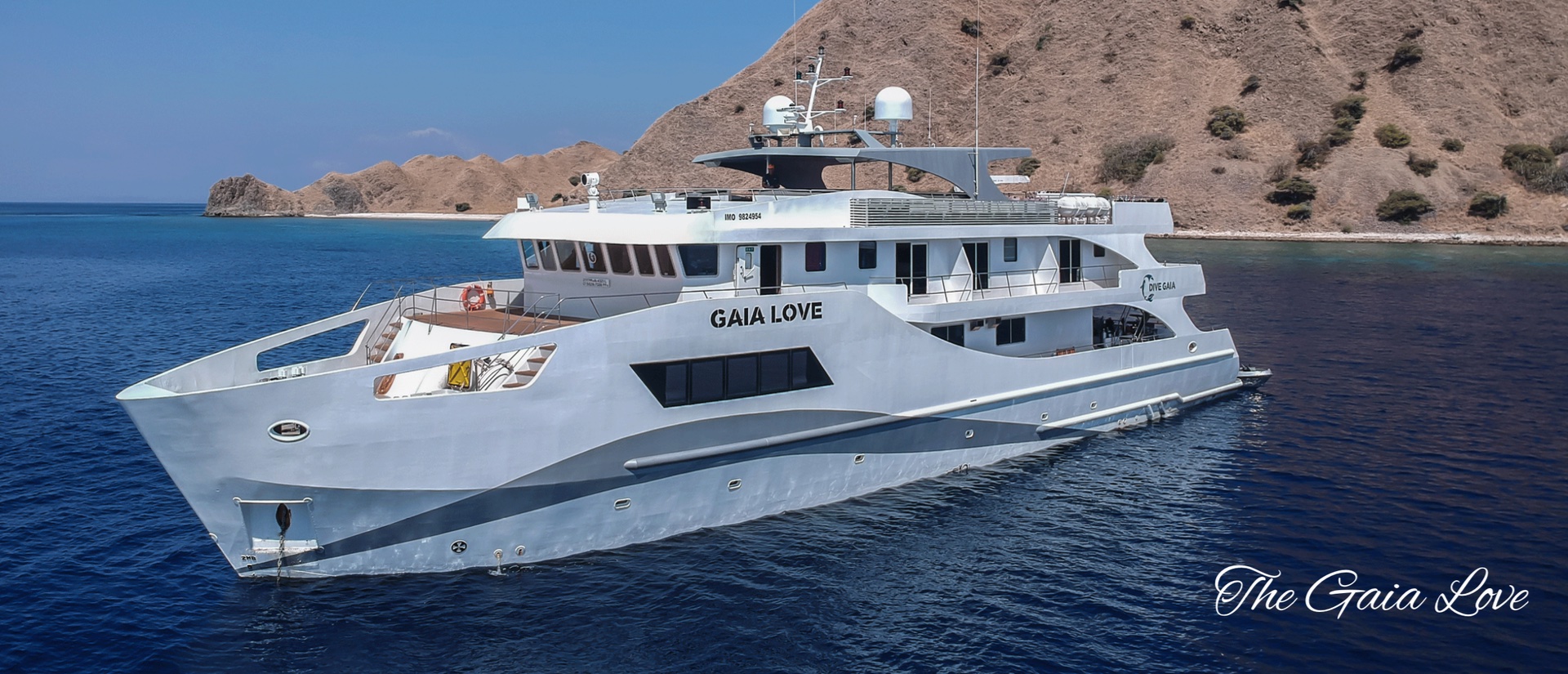
Gaia Love
Alor
20 guests
$554/day
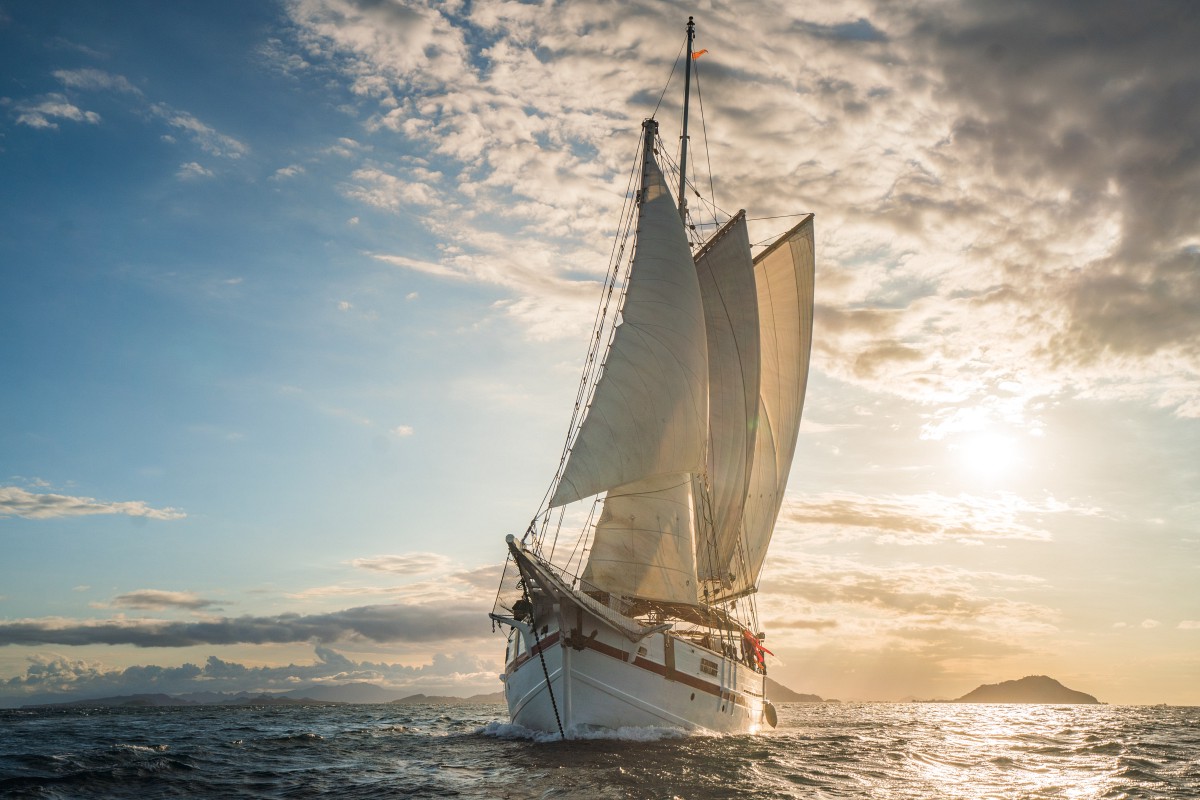
Emperor Raja Laut
Raja Ampat, Indonesia
12 guests31 m
$413/day
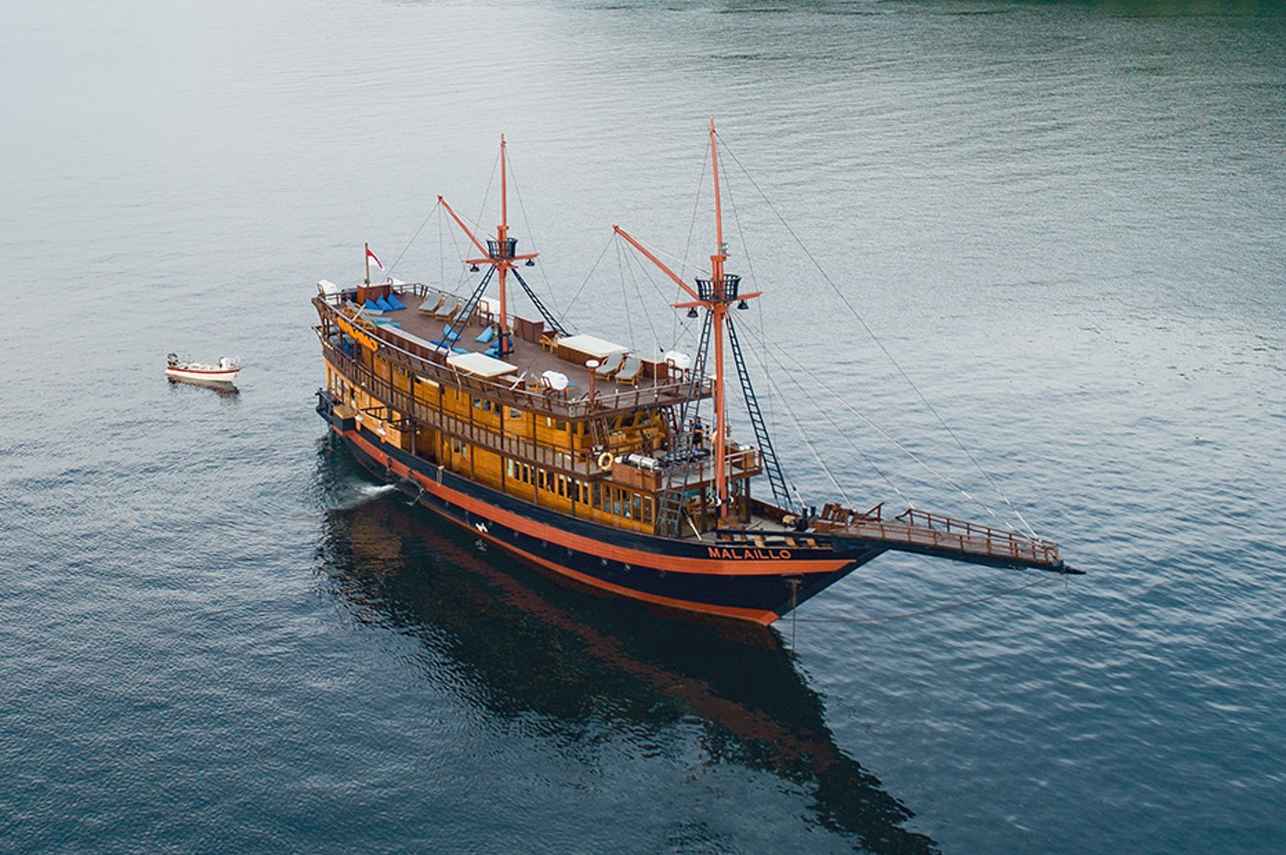
Malaillo
Indonesia
14 guests45.57 m
$348/day
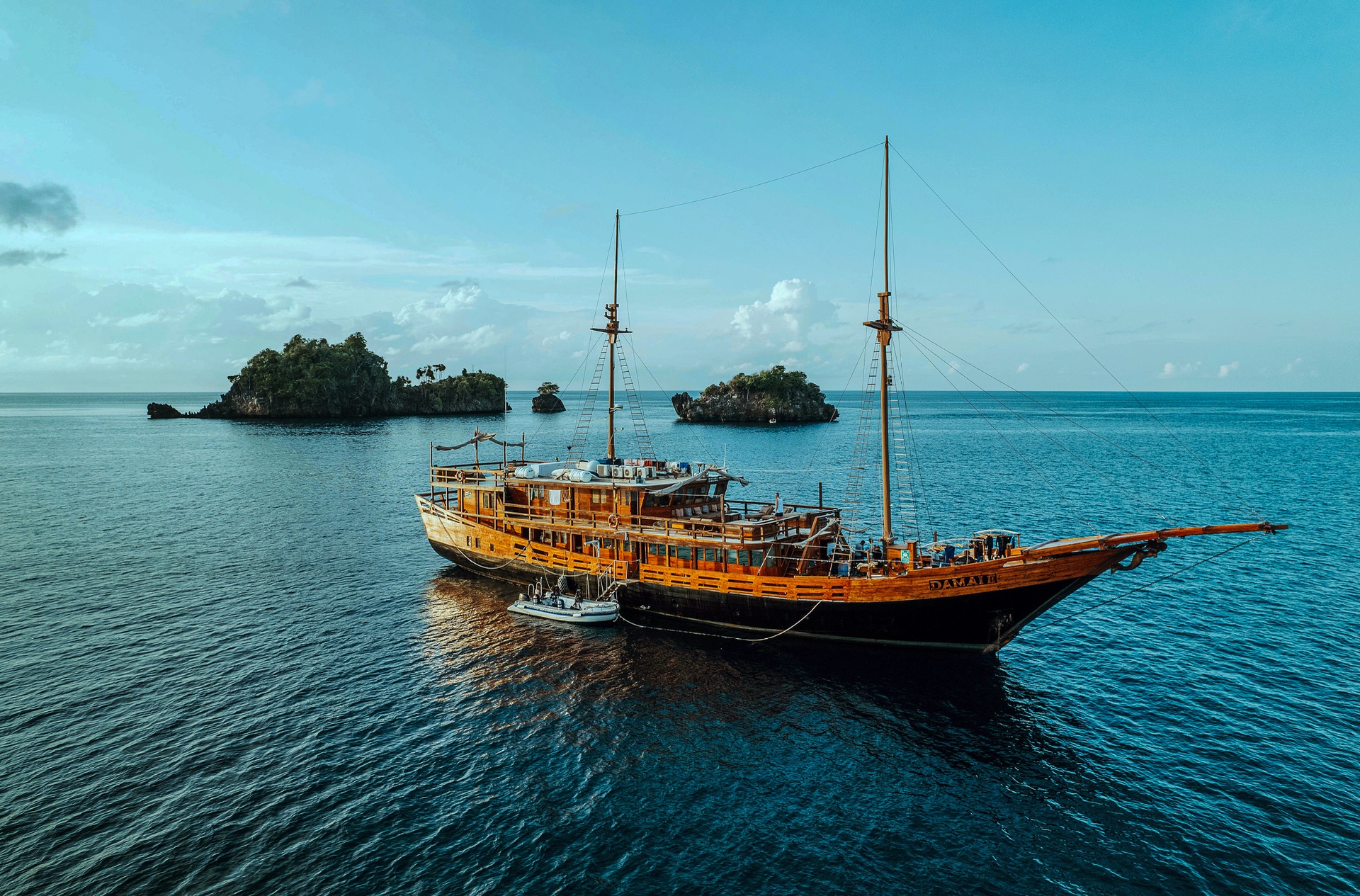
Damai II
Komodo, Indonesia
14 guests
$441/day
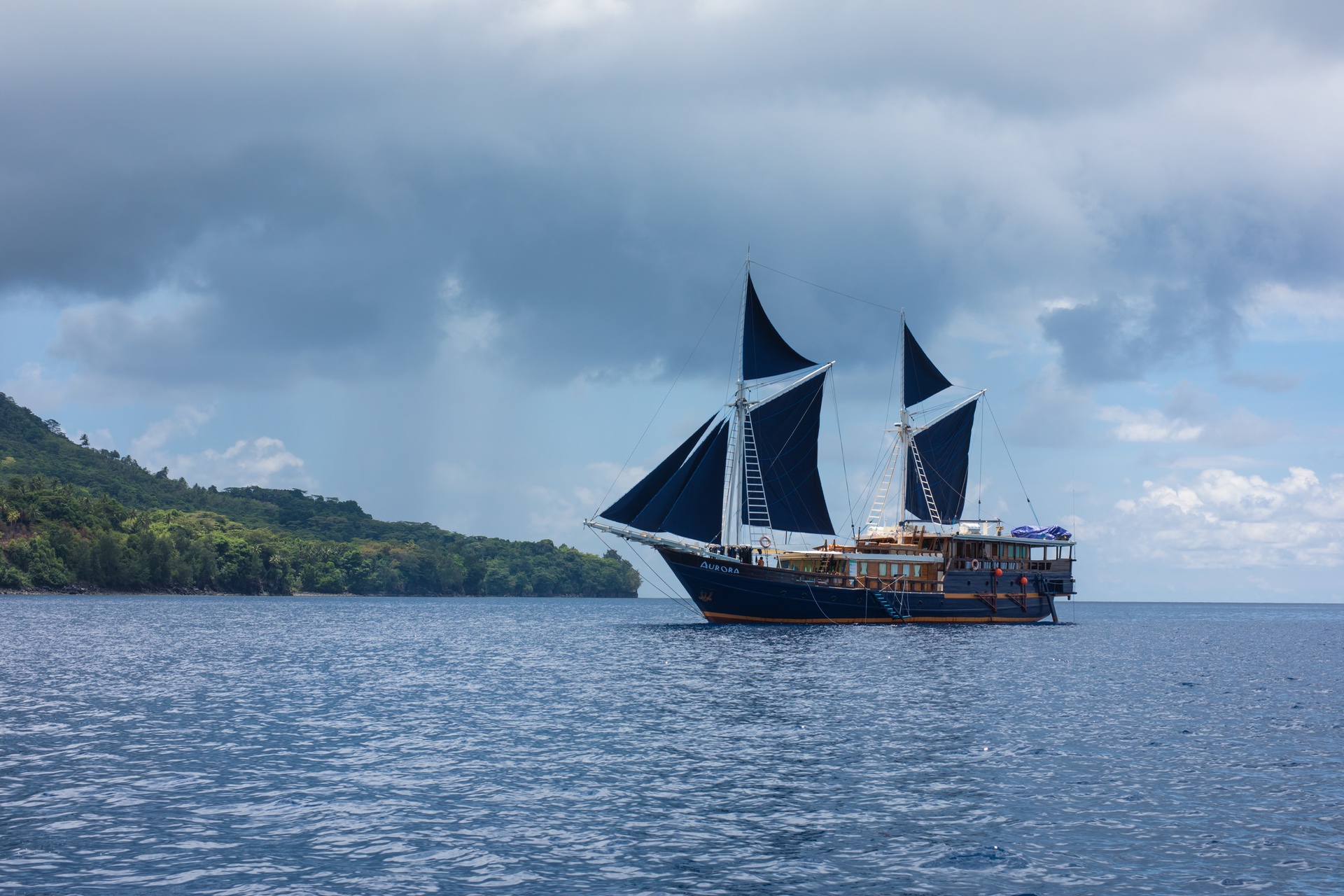
DUNE Aurora
Indonesia
18 guests
$344/day
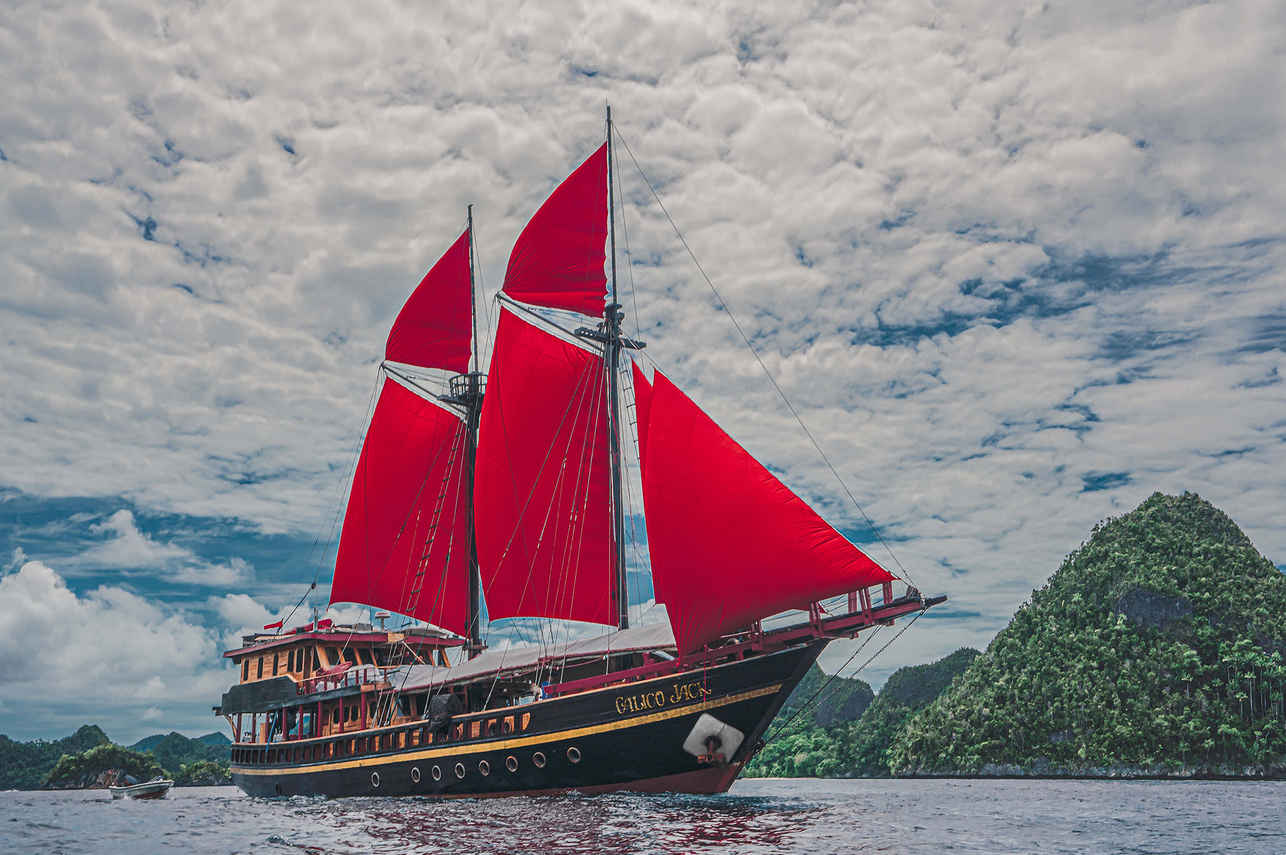
Calico Jack
Indonesia
10 guests30 m
$398/day
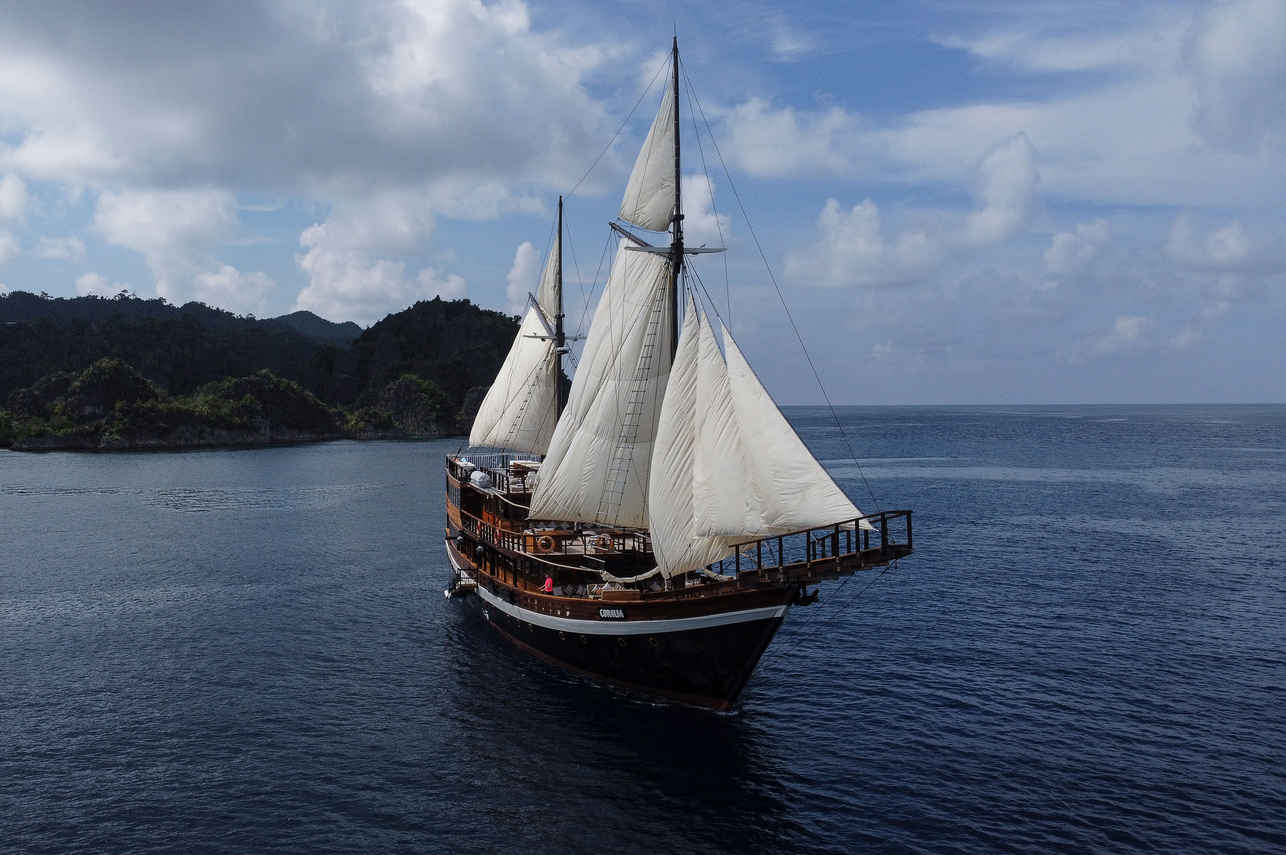
Coralia
Indonesia
16 guests48 m
$563/day
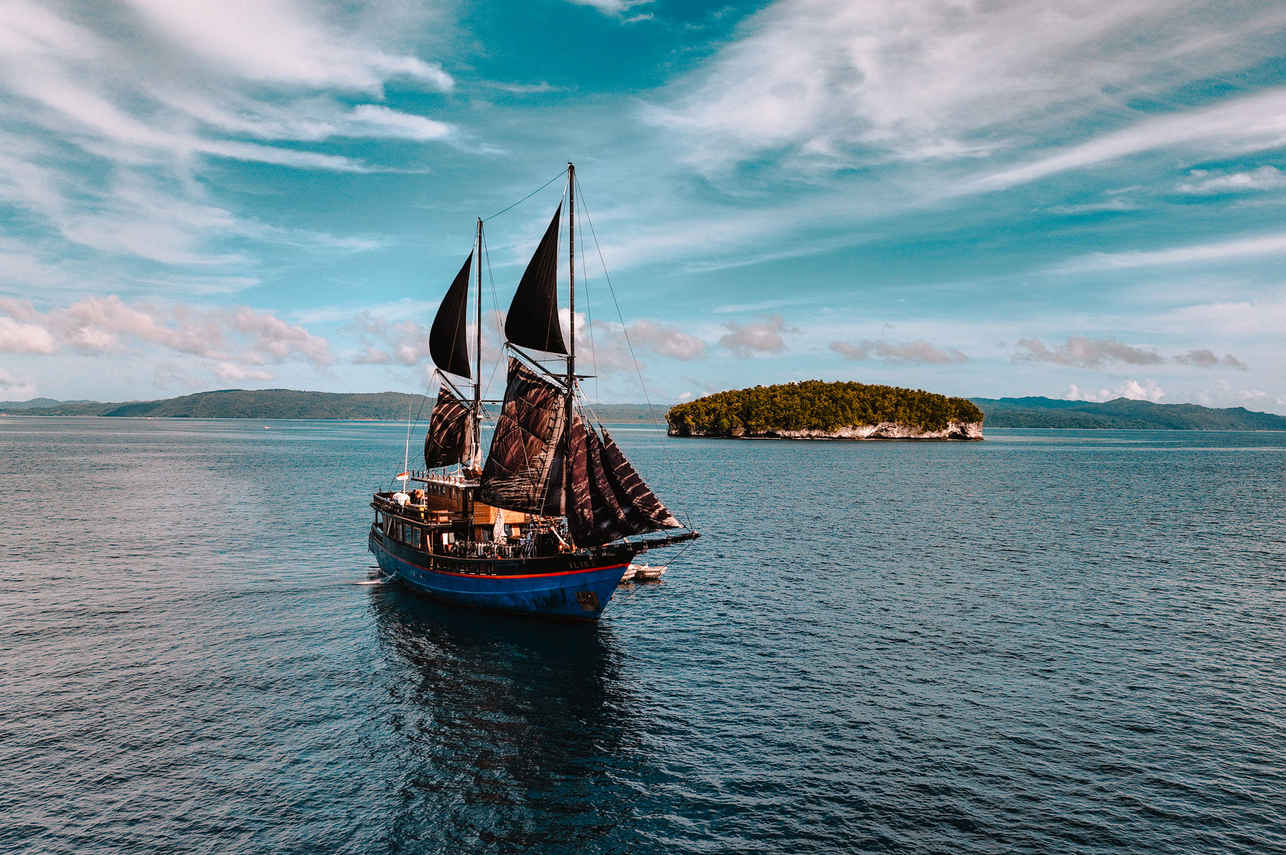
Ilike
Indonesia
16 guests40 m
$350/day
Dive sites similar to Rhun Drift
Same character, same waters — six more sites divers love for the exact same reasons.Compare seasons, access and liveaboard routes — then pick the site that fits your trip best.
© Esri — Maxar, Earthstar, GIS
Patinti Strait
Banda Sea
The Patinti Strait, also known as Selat Patiente, is a renowned dive site located in South Halmahera, nestled between the main island of Halmahera and Bacan Island.
- Suitable for
- Advanced
- Current
- Strong
- Access
- Liveaboard only
- Depth
- 5–30 m
- Theme
- Drift / Reef
© Esri — Maxar, Earthstar, GIS
Pohon Miring
Banda Sea
Pohon Miring, located near Banda Neira, is a dive site within the central Banda Islands group, offering a unique blend of marine biodiversity and accessibility.
- Suitable for
- Beginner
- Current
- Strong
- Access
- Liveaboard only
- Depth
- 3–20 m
- Theme
- Reef / Seamount
© Esri — Maxar, Earthstar, GIS
Serua Island
Banda Sea
Serua Island is located within the remote Banda Sea, a region known as the "Ring of Fire" due to its volcanic islands and immense depths.
- Suitable for
- Advanced
- Current
- Strong
- Access
- Liveaboard only
- Depth
- 8–40 m
- Theme
- Seamount / Wall
© Esri — Maxar, Earthstar, GIS
Dawera Island
Banda Sea
Dawera Island is a captivating dive destination nestled within the Forgotten Islands, a remote chain of islands in the vast Banda Sea, Indonesia.
- Suitable for
- Advanced
- Current
- Moderate
- Access
- Liveaboard only
- Depth
- ≥ 15 m
- Theme
- Reef / Wall
Sermata is part of the Forgotten Islands, a long chain of remote islands and atolls in the Southern Maluku, Indonesia, situated between the nutrient-rich Banda Sea and the Arafura Sea.
- Suitable for
- Advanced
- Current
- Moderate
- Access
- Liveaboard only
- Depth
- 15–40 m
- Theme
- Reef / Wall
© Esri — Maxar, Earthstar, GIS
Pulau Ai Wall
Banda Sea
Pulau Ai Wall is a distinguished dive site within the Banda Islands, recognized for its vivid drop-off that plunges from the surface into deeper waters.
- Suitable for
- Intermediate
- Current
- Moderate
- Access
- Liveaboard only
- Depth
- 3–30 m
- Theme
- Wall / Drift