About Banda Neira Jetty
Banda Neira Jetty offers a distinct dive experience in the Banda Sea, contrasting with the region's usual strong currents and pelagic encounters. This site focuses on the intricate world of macro life, found among the old timbers and debris beneath the wooden structure. It serves as a prime location for muck diving, where divers can discover a diverse array of small, fascinating creatures in relatively shallow, calm waters. The topography here is primarily the jetty's infrastructure, providing shelter and substrate for marine life. Depths are generally accessible, ranging from the very shallow under the pier to modest depths around the immediate vicinity. While not known for dramatic coral formations or deep walls, its appeal lies in the concentration of unique, often camouflaged, species. Marine life sightings are consistent year-round, with the calm conditions allowing for focused exploration. The absence of strong currents, typical elsewhere in the Banda Sea, makes it suitable for extended bottom times and meticulous searching for critters. It's particularly renowned for its evening activity, when certain species become more active. Divers typically find easy access from shore or a short boat ride, making it a convenient option for multiple dives. The calm environment and specific marine inhabitants make it an ideal location for divers seeking a different kind of underwater adventure, especially those with an interest in macro photography and observing cryptic species.
Highlights
Muck diving paradiseMandarin fish mating dancesFlashlight fish displaysAbundant shrimp and nudibranchsJuvenile sweetlips hideoutsSheltered, calm conditionsUnique nocturnal activityOld jetty timbers ecosystem
Season calendar
Best months to dive here
Jan
Feb
Mar
Apr
May
Jun
Jul
Aug
Sep
Oct
Nov
Dec
Excellent
Good
Dive site facts: Banda Neira Jetty
- Depth
- 5–20 m
- Typical dive
- 10–18 m, 60–70 min
- Current
- Mild
- Visibility
- 15–30 m
- Water temperature
- 26–29°C
- Entry
- Shore / tender
- Level
- Open Water Diver
- Dive type
- Muck, macro, night dive
- Night dive
- Possible, highly recommended
- Region / port
- Banda Sea, Maluku, Indonesia
- Coordinates
- -4.525, 129.8917
Conditions & Currents
The Banda Neira Jetty is notably sheltered, providing a stark contrast to the often strong currents encountered elsewhere in the Banda Sea. Currents here are typically mild, making it an excellent spot for extended dives and focused observation of macro life. Visibility averages around 15 meters, but can reach up to 30 meters during optimal conditions, particularly from September to November. Entry and exit are generally straightforward, often from shore or a short tender ride, adding to its accessibility. Divers can expect comfortable water temperatures ranging from 26 to 29°C. This site is particularly suitable for divers who prefer calmer conditions and detailed exploration rather than challenging drift dives.
Marine life & sighting chances

Mandarin fish
All year, especially at dusk · common
Flashlight fish
All year, nocturnal · common
Nudibranchs
All year · common
Shrimp
All year · common
Juvenile sweetlips
All year · occasional
Frogfish
All year · occasional
Leaf scorpionfish
All year · occasional
Ghost pipefish
All year · occasional
Bobtail squid
All year · occasionalMantis shrimp
All year · occasional
Moray eels
All year · common
Lionfish
All year · commonDive profile & how the dive runs
Diving at Banda Neira Jetty typically begins with a shore entry or a short tender ride to the base of the pier. Divers then descend gradually, exploring the dense concentration of macro life on and around the jetty piles, as well as the sandy and rubble bottom beneath. The route often involves a slow progression along the pier's length, meticulously searching for cryptic critters. Depths usually remain within 5-20 meters, allowing for extended bottom times. Turnaround is flexible, based on air consumption and critter sightings. The safety stop can be performed in the sheltered, shallow waters directly under the pier, offering additional opportunities for observing shallow-water marine life before exiting.
Underwater photography
Banda Neira Jetty is a macro photographer's dream, demanding a close-focus lens, ideally 60mm or 100mm, to capture the intricate details of its unique inhabitants. Due to the generally calmer conditions and shallow depths, natural light can be sufficient for some subjects, but a strobe or focus light is essential for highlighting subjects and revealing true colors, especially for night dives. Buoyancy control is paramount to avoid disturbing the silty bottom and to protect fragile marine life. Patience is key; many creatures are camouflaged or hidden, requiring a slow, deliberate approach. For mandarin fish, a red light or focus light will minimize disturbance during their mating rituals at dusk.
Combine with nearby dive sites
- Pulau Ai
Offers high-energy diving with pelagics like hammerhead, thresher, and silvertip sharks, along with mobula rays and healthy corals.
- Batu Kapal
A dramatic offshore pinnacle with vertical walls, strong currents, and large pelagics, suited for advanced divers.
- Gunung Api Lava Flow
Features unique underwater volcanic scenery, steep slopes, and abundant sea snakes.
- Hatta Island Wall
Known for excellent visibility, diverse marine life, and a variety of hard and soft corals.
- Pulau Pisang
Offers vibrant underwater gardens and is ideal for spotting larger fish species in a less crowded setting.
Getting there & logistics
Access to the Banda Sea, including Banda Neira Jetty, primarily involves flying into Ambon (AMQ) from major Indonesian hubs like Jakarta or Surabaya. From Ambon, most divers board a liveaboard, as the Banda Sea is remote and lacks extensive tourist infrastructure. Liveaboard itineraries typically range from 12 to 16 days, combining Banda Neira with other sites in the Banda Sea or extending to regions like Raja Ampat or Alor. While there are infrequent local ferries, liveaboards provide the most reliable and comfortable way to explore. Depending on the itinerary, embarkation and disembarkation points can also include Sorong or Maumere. No specific park fees are typically cited for Banda Neira Jetty itself, but liveaboard packages often include marine park fees for the broader region.
Safety & environment
Diving in the remote Banda Sea necessitates comprehensive dive insurance, as recompression chambers are located far from Banda Neira, typically in major regional cities. Evacuation in a medical emergency would be complex and time-consuming, emphasizing the importance of preventative safety measures. At Banda Neira Jetty, specific hazards include potential boat traffic in the harbor area and entanglement in old fishing lines or debris around the jetty structure. Divers should maintain excellent buoyancy control, particularly during muck dives, to avoid stirring up silt and reducing visibility for others. Always dive with a buddy and ensure your equipment is well-maintained. Night dives at the jetty, while rewarding, require careful planning, reliable lights, and adherence to established buddy procedures.
Who it suits — and who it doesn't
Suited for
- Macro photographers
- Muck diving enthusiasts
- Night diving specialists
- Beginner divers (due to mild currents)
- Divers seeking unique critter encounters
Less suited for
- Divers seeking large pelagic action
- Those uninterested in macro life
- Divers who prefer strong currents and drift dives
- Individuals sensitive to silty environments
FAQ
Banda Neira Jetty FAQ
What kind of diving can I expect at Banda Neira Jetty?
Banda Neira Jetty is renowned for muck diving, focusing on macro life and unique critters. You can expect to find a wide array of small, fascinating creatures such as nudibranchs, shrimp, frogfish, and juvenile sweetlips among the jetty's timbers and the sandy bottom. It offers a calm, sheltered environment, ideal for detailed exploration and photography.
Is Banda Neira Jetty suitable for beginners?
Yes, Banda Neira Jetty is generally suitable for beginners due to its mild currents and relatively shallow depths. The sheltered conditions make it a comfortable environment for less experienced divers to practice buoyancy and observe marine life without the challenge of strong flows. It's an excellent site for Open Water certified divers.
When is the best time to see Mandarin fish at the jetty?
Mandarin fish are best seen at dusk, during their mating rituals, which typically occur just before nightfall. Planning a sunset or early night dive is highly recommended to witness this unique and colorful spectacle. Patience and a good dive light are essential for observing them.
How does diving at Banda Neira Jetty compare to other Banda Sea sites?
Banda Neira Jetty offers a distinct experience compared to most other Banda Sea sites. While many other sites are known for strong currents, deep walls, and large pelagics like hammerhead sharks, the jetty specializes in sheltered muck diving and macro life. It provides a calm contrast, catering to divers interested in smaller, more unusual marine species.
Do I need special equipment for diving at the jetty?
While standard dive gear is sufficient, macro photographers will benefit greatly from a macro lens and powerful strobes or a focus light. For night dives, a reliable dive light is crucial to spot nocturnal creatures. Good buoyancy control is always important to avoid disturbing the silty bottom and to protect the delicate marine environment.
Why dive Banda Neira Jetty from a liveaboard?
Banda Neira Jetty is one of Banda Sea's signature dive sites. A liveaboard sleeps you on the water and puts you in the water for three to four guided dives per day, including dawn and night dives that day-boat operators rarely offer. You skip the daily commute back to port and reach quieter, less-crowded sites in the same region on a single trip.
Below are the liveaboards that include Banda Neira Jetty on their Banda Sea itineraries.
Liveaboards diving Banda Neira Jetty
These liveaboards may visit Banda Neira Jetty on selected itineraries — the exact dive sites depend on departure, weather and conditions.
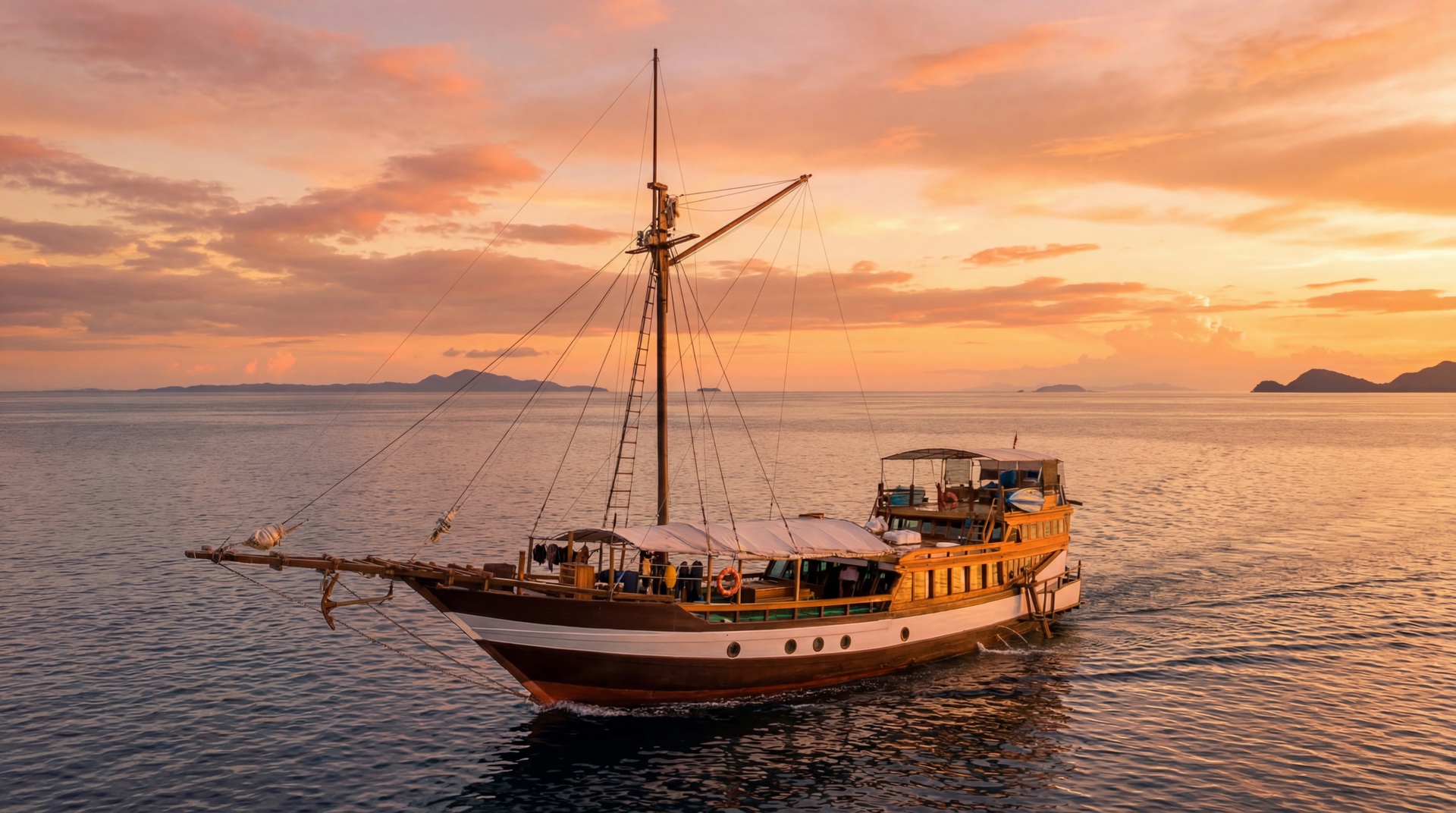
Wellenreng
Indonesia
9 guests25 m
$423/day
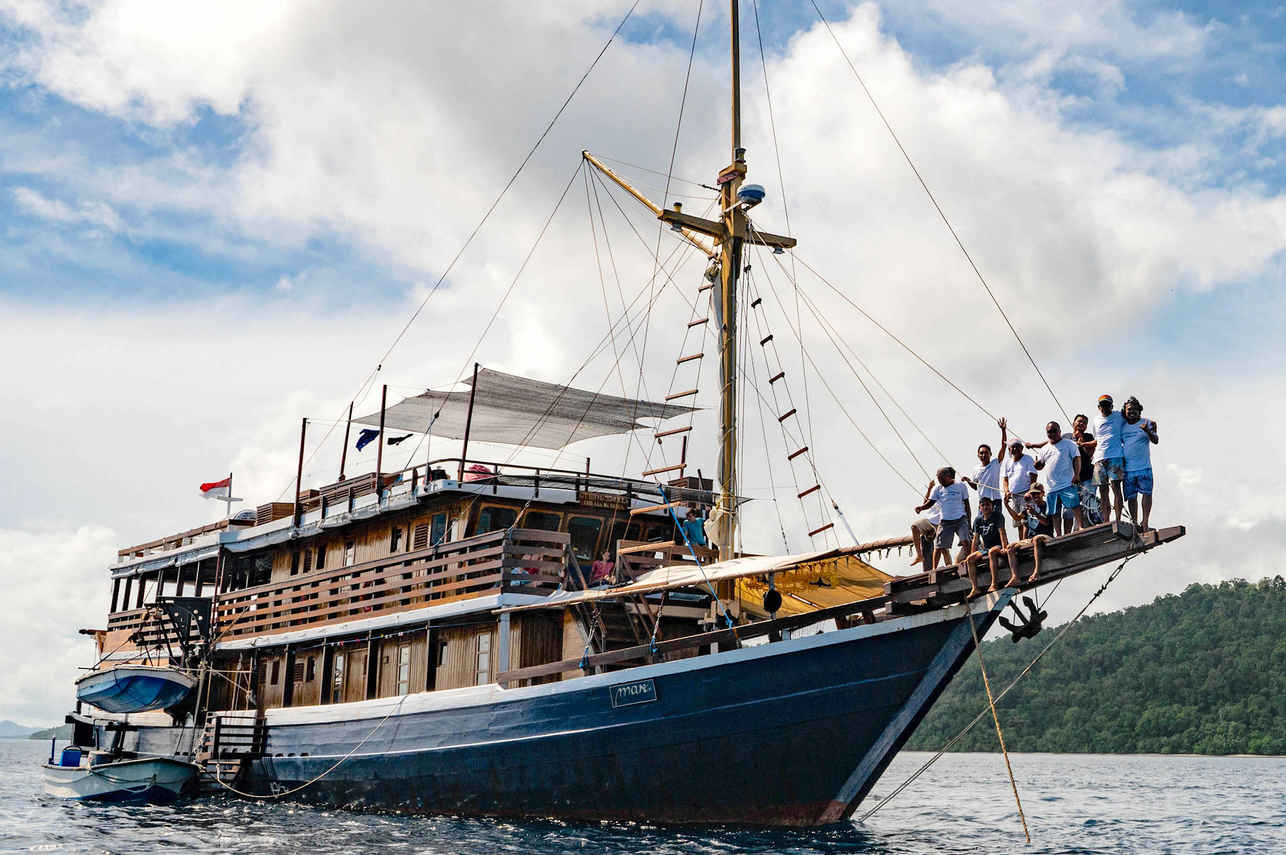
Mari
Indonesia
14 guests32.2 m
$320/day
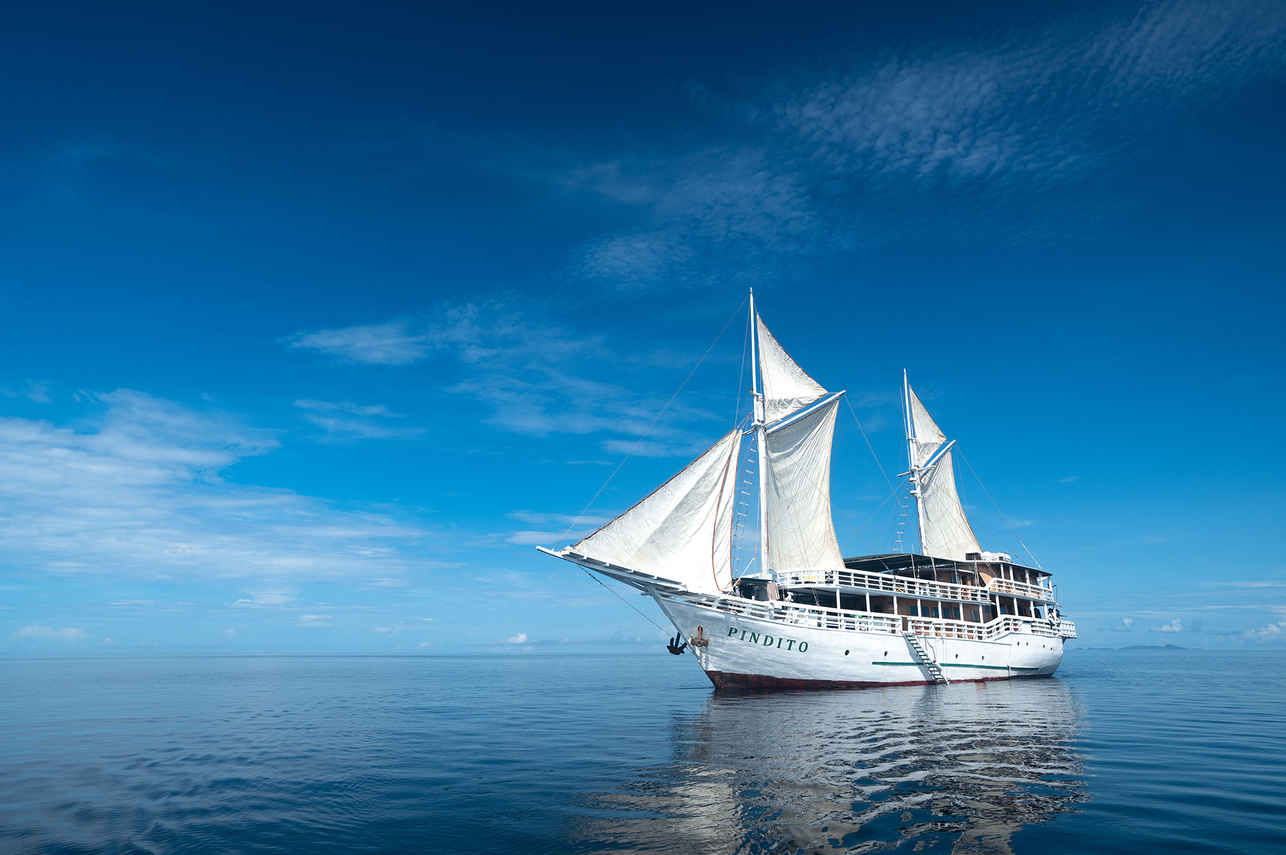
Pindito
Indonesia
16 guests37.79 m
$533/day
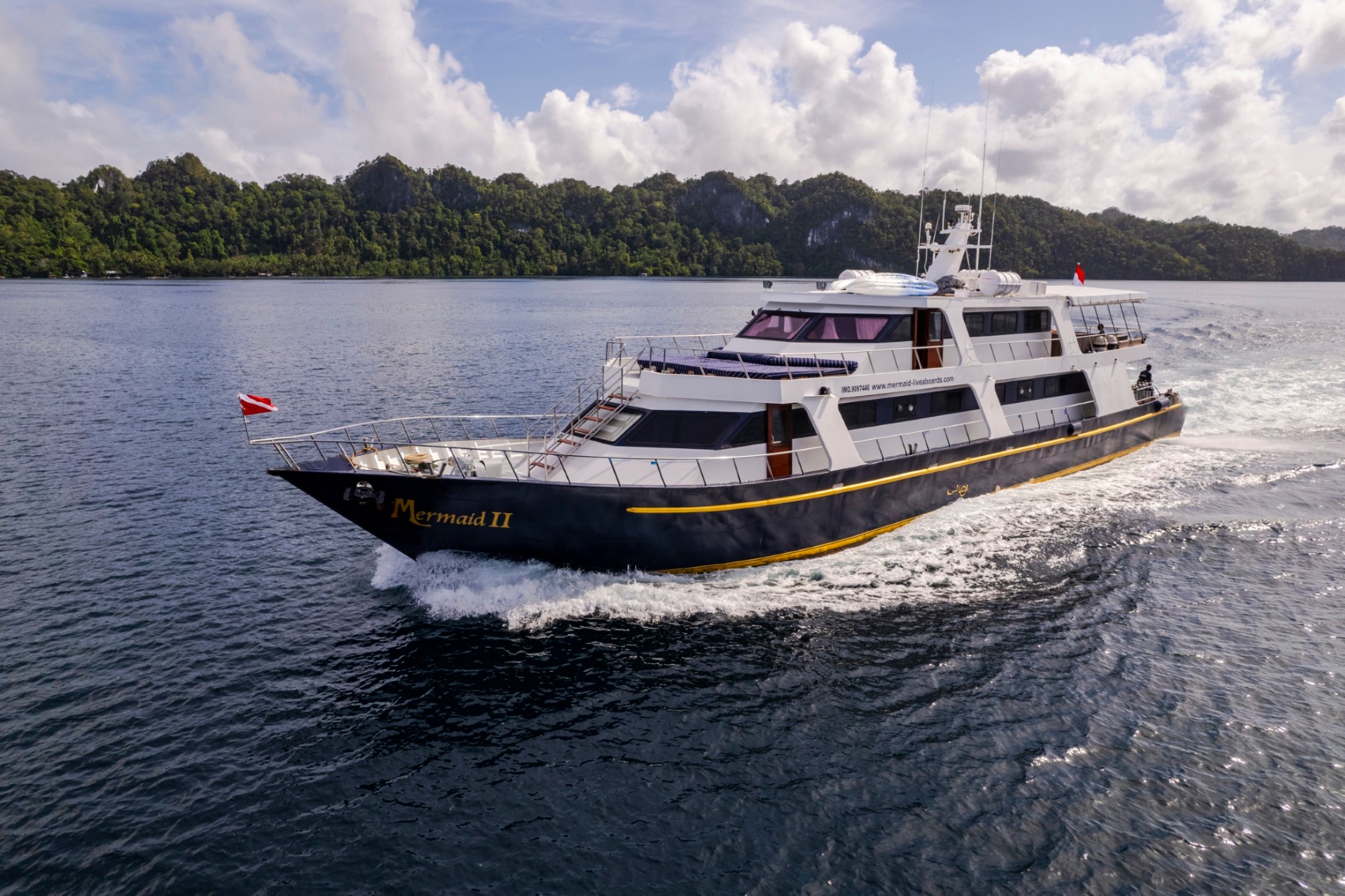
Mermaid II
Komodo, Indonesia
18 guests
$388/day
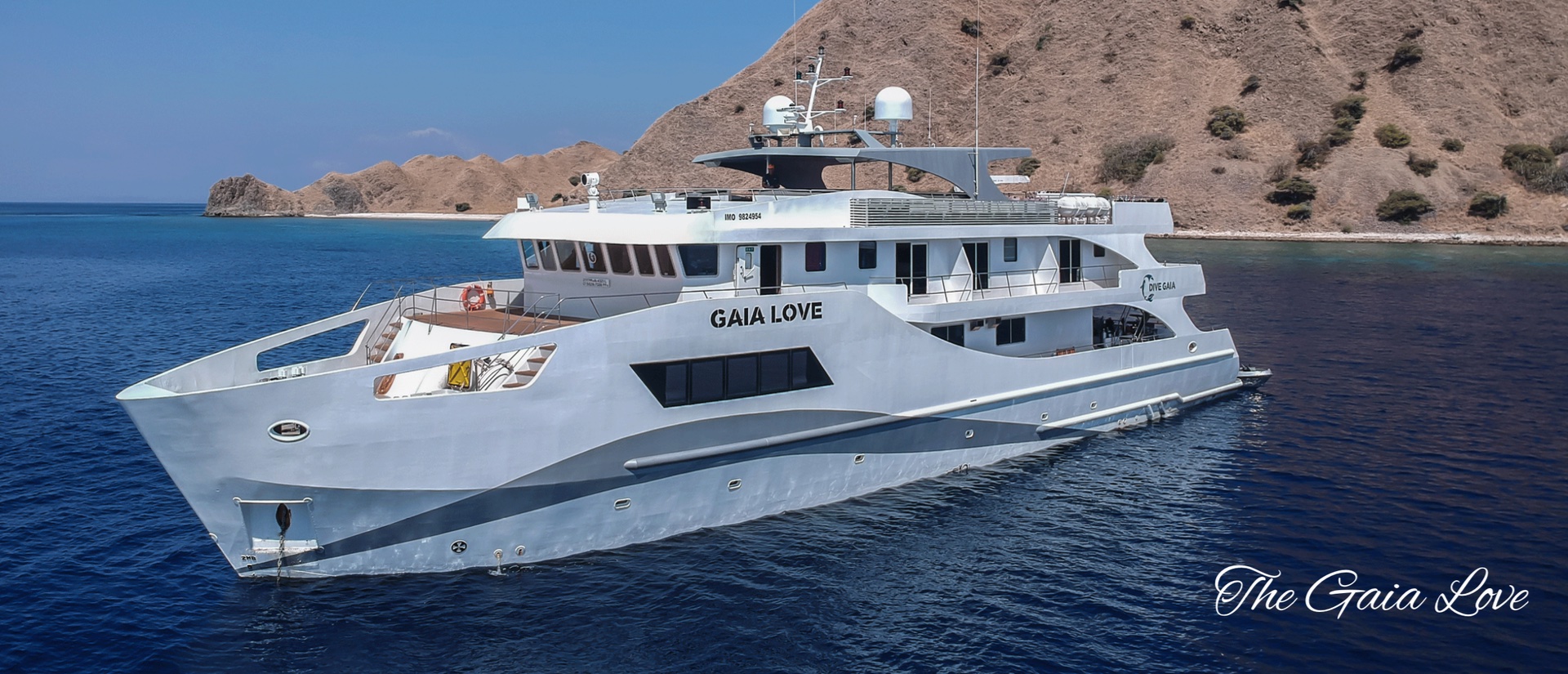
Gaia Love
Alor
20 guests
$554/day
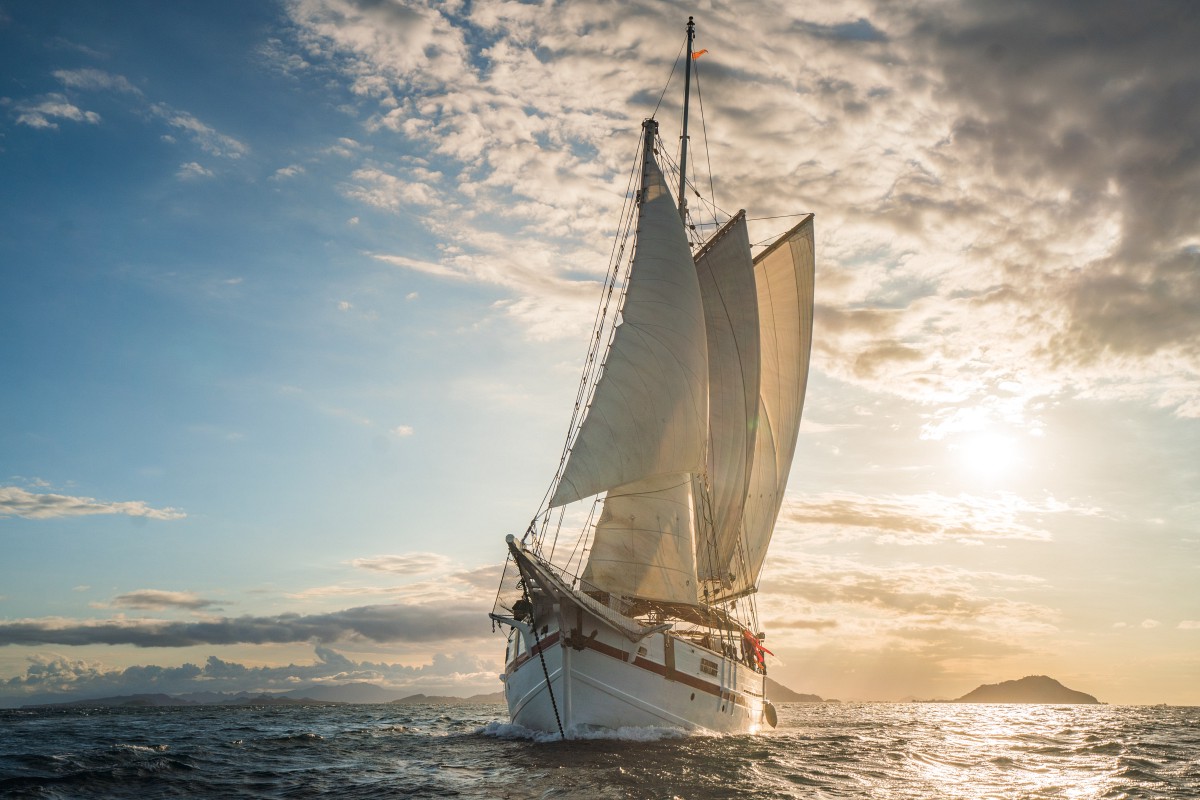
Emperor Raja Laut
Raja Ampat, Indonesia
12 guests31 m
$423/day
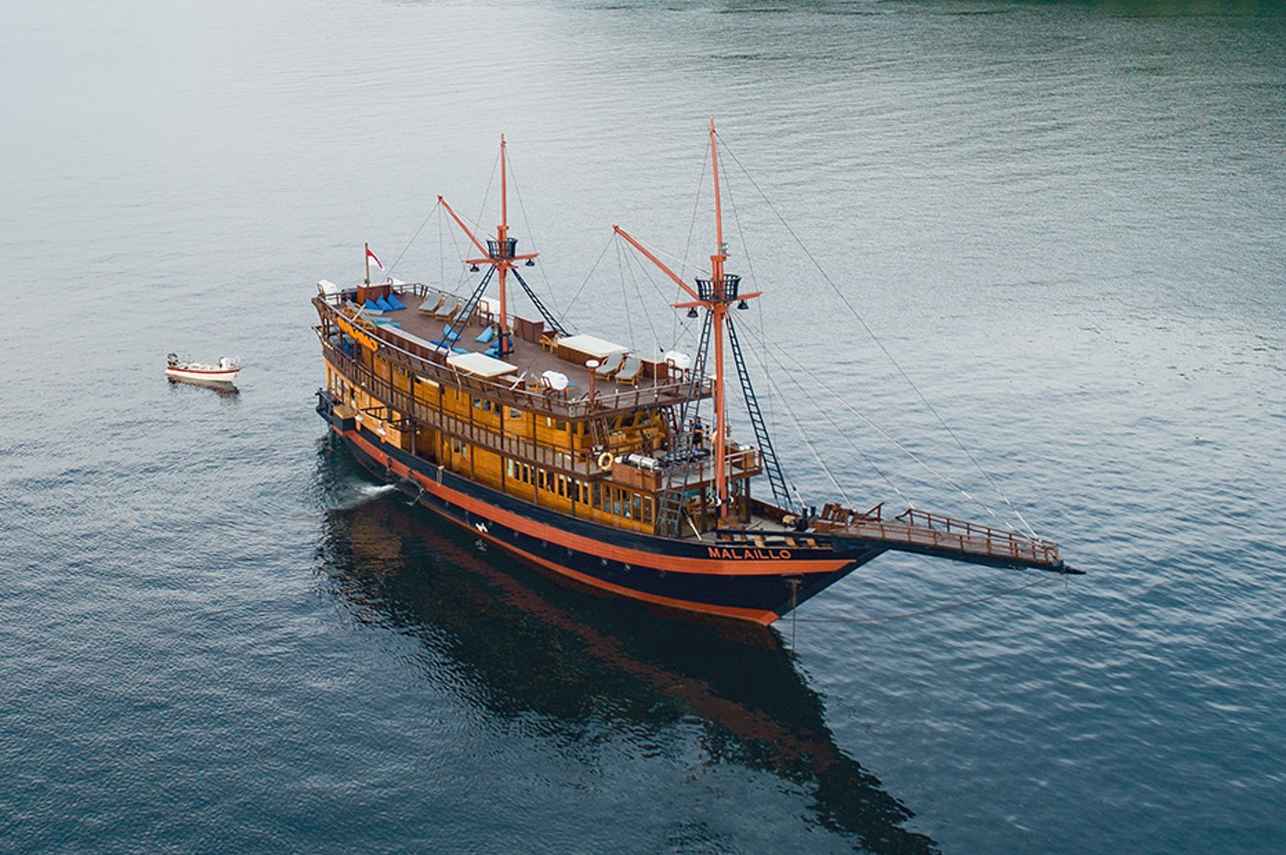
Malaillo
Indonesia
14 guests45.57 m
$409/day
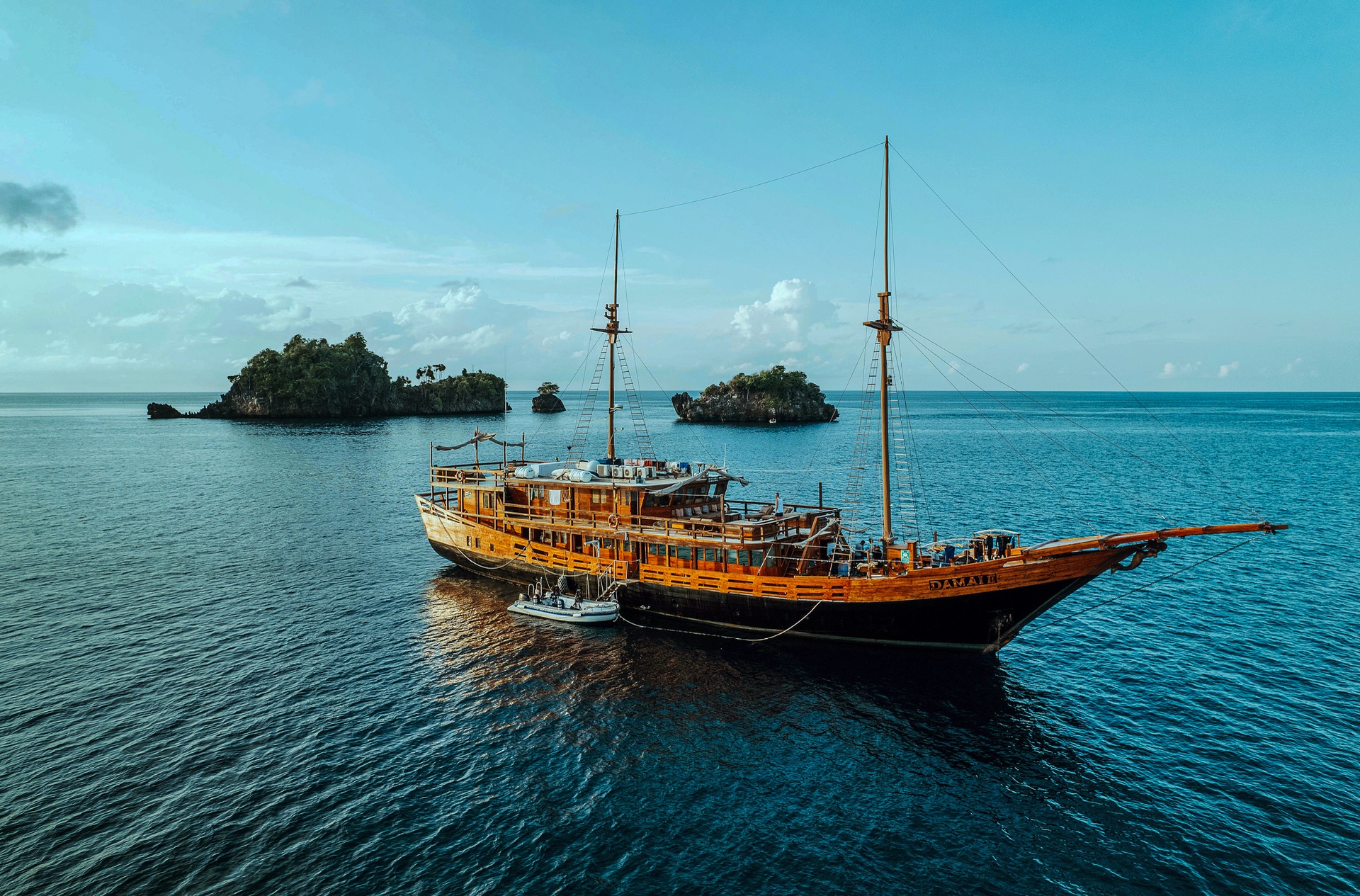
Damai II
Komodo, Indonesia
14 guests
$441/day
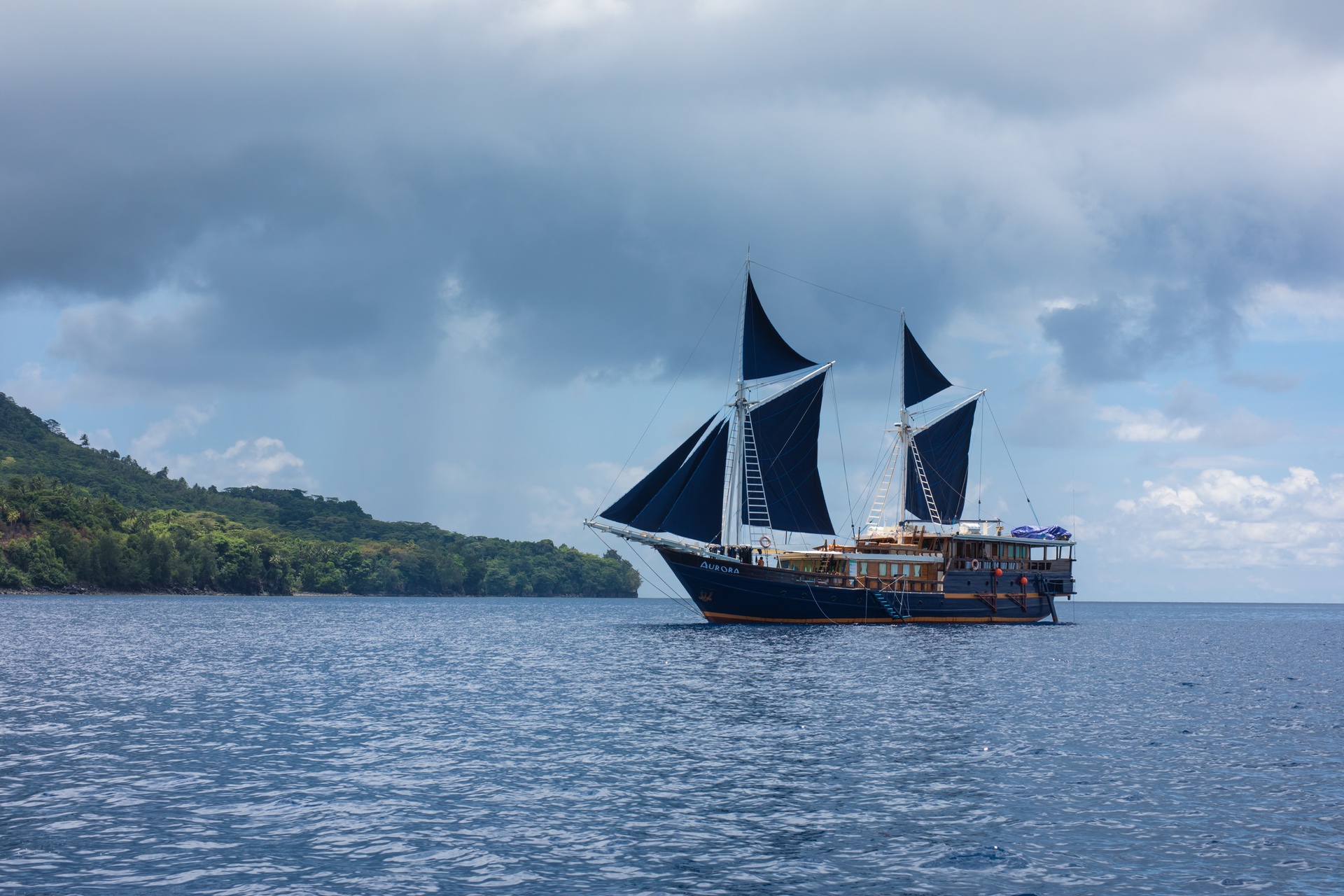
DUNE Aurora
Indonesia
18 guests
$344/day
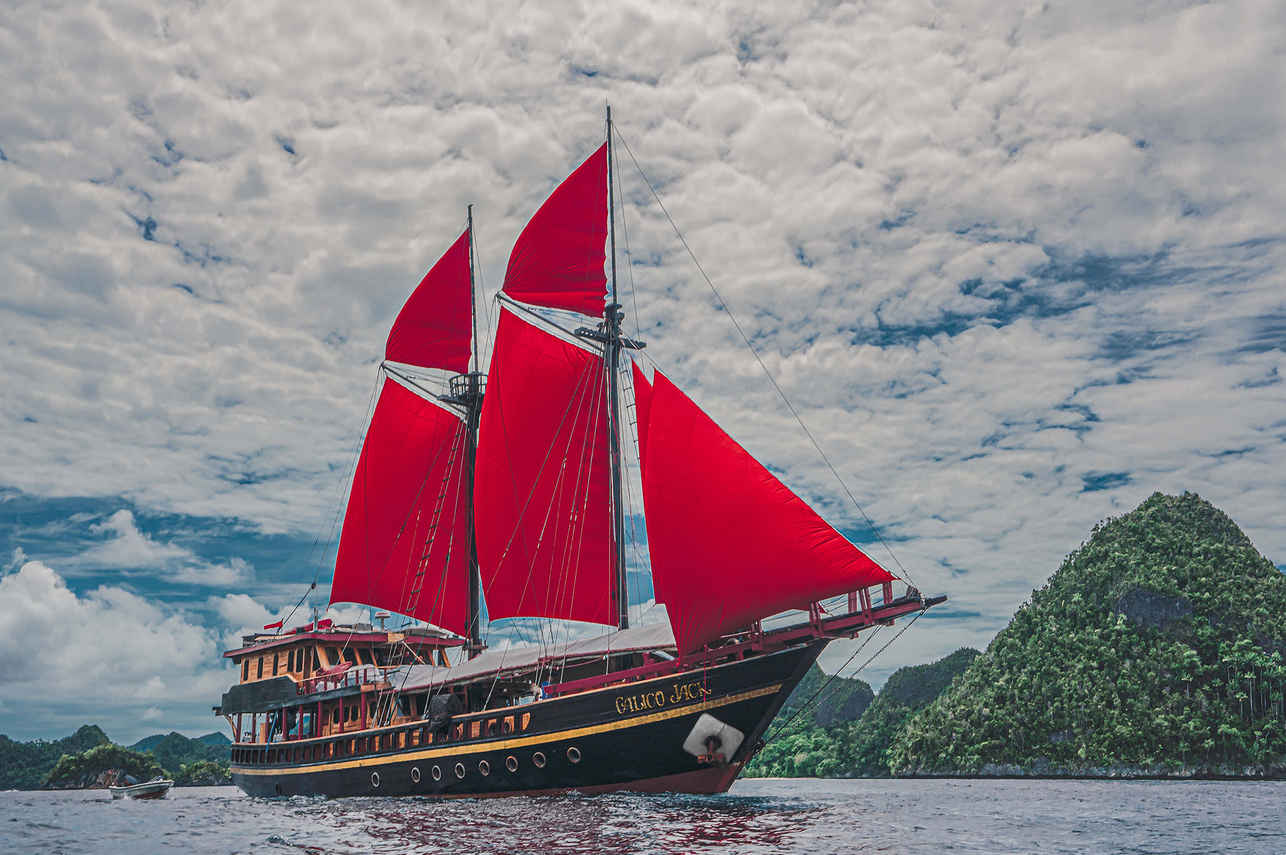
Calico Jack
Indonesia
10 guests30 m
$398/day
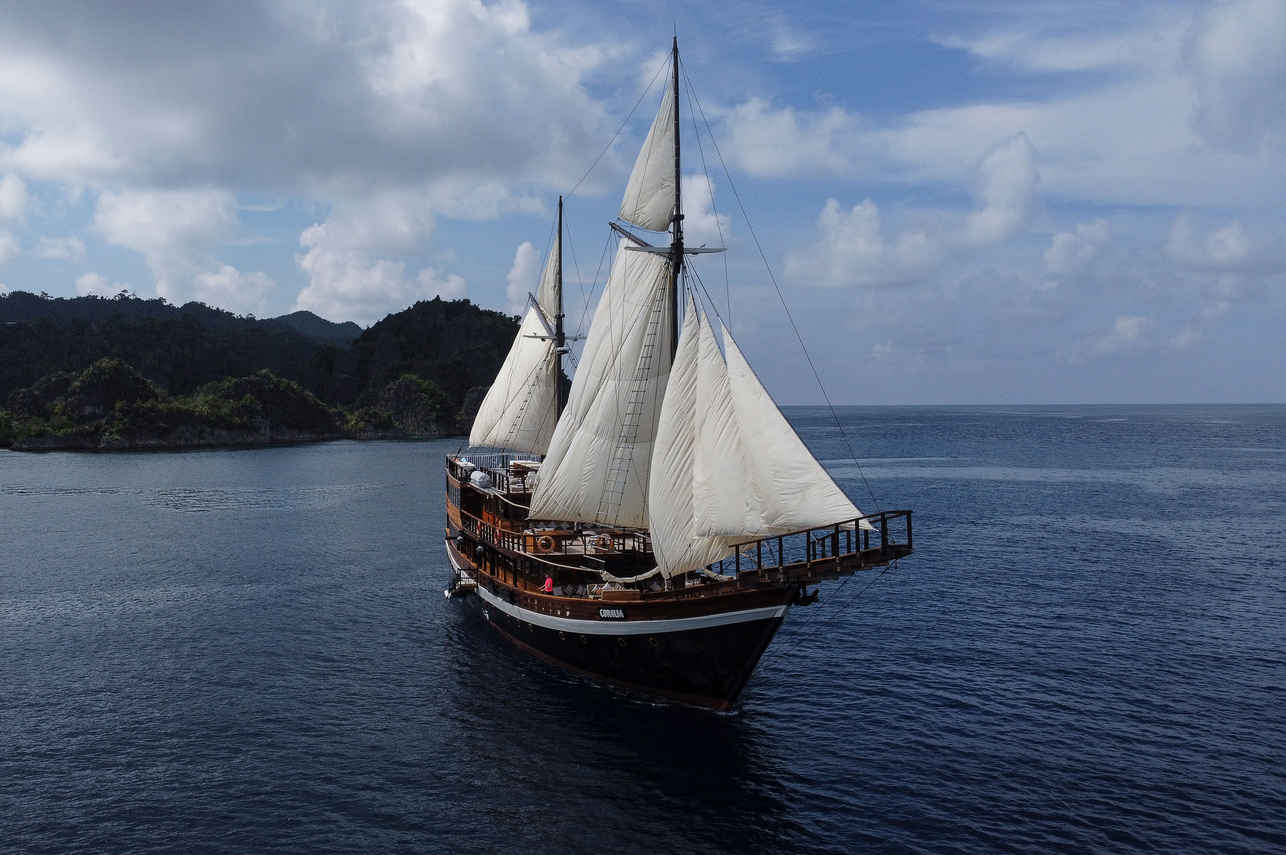
Coralia
Indonesia
16 guests48 m
$591/day
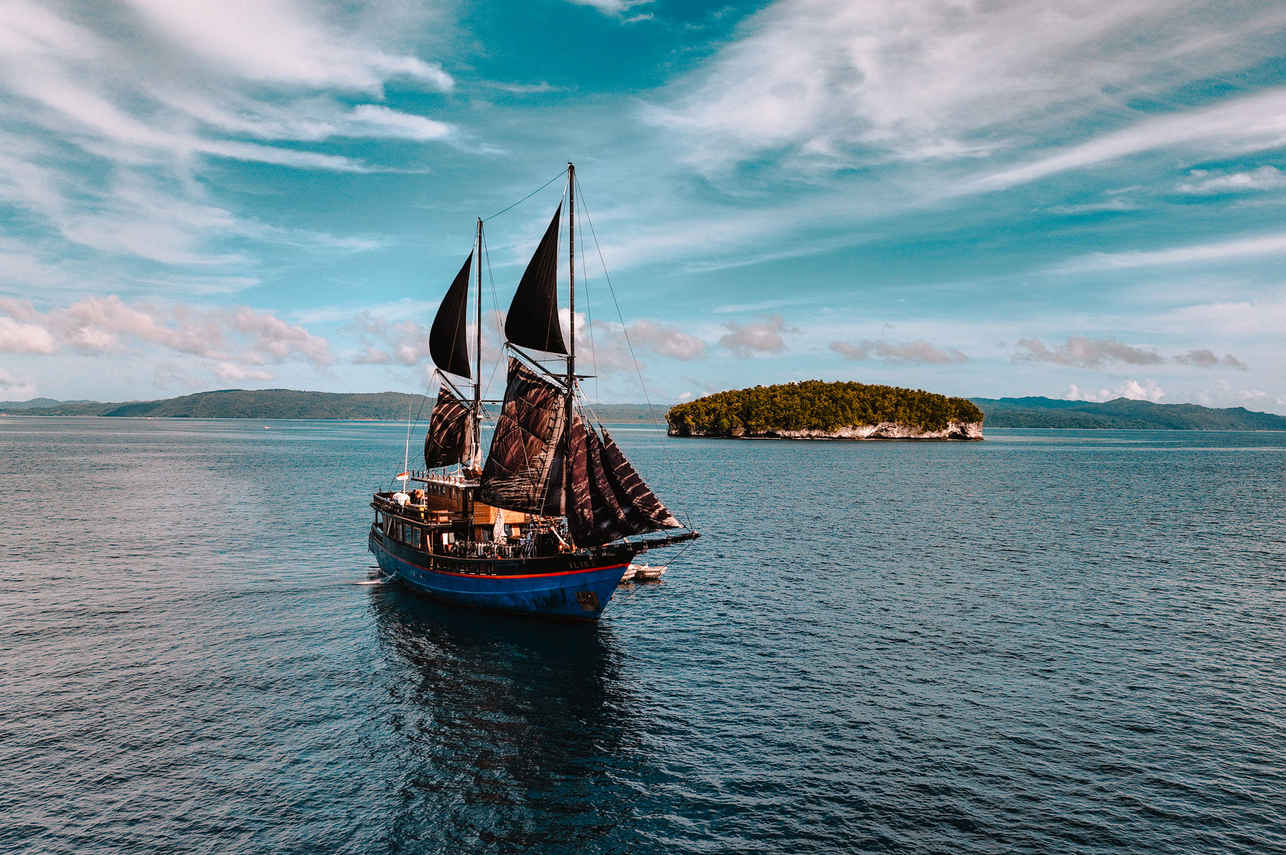
Ilike
Indonesia
16 guests40 m
$350/day
Dive sites similar to Banda Neira Jetty
Same character, same waters — six more sites divers love for the exact same reasons.Compare seasons, access and liveaboard routes — then pick the site that fits your trip best.
© Esri — Maxar, Earthstar, GIS
Big La Laguna
Philippines
Big La Laguna is a beach community situated on the western edge of the Sabang Peninsula, a popular dive region on Mindoro Island, Philippines.
- Suitable for
- Intermediate
- Current
- Moderate
- Access
- Dayboat
- Depth
- 5–35 m
- Theme
- Reef / Wall
© Esri — Maxar, Earthstar, GIS
Rusa Pinnacle
Alor
Rusa Pinnacle is a challenging yet highly rewarding dive site situated in the Alor archipelago, part of Indonesia's East Nusa Tenggara.
- Suitable for
- Advanced
- Current
- Strong
- Access
- Liveaboard only
- Depth
- 6–30 m
- Theme
- Reef
Lipah Bay is situated on Bali's northeast coast within the Amed area, nestled against the dramatic backdrop of Gunung Agung.
- Suitable for
- Beginner
- Current
- Mild
- Access
- Liveaboard or dayboat
- Depth
- 5–30 m
- Theme
- Reef / Drift
© Esri — Maxar, Earthstar, GIS
Tangked Cave
Bali
Tangked Cave, sometimes referred to as Tangked Taked Shark Cave, is an advanced dive site situated in the open ocean off Bali's southeastern coast.
- Suitable for
- Advanced
- Current
- Moderate
- Access
- Liveaboard or dayboat
- Depth
- 15–40 m
- Theme
- Cave & cavern / Reef
© Esri — Maxar, Earthstar, GIS
Schools Out
Alor
Schools Out in Alor offers divers an exceptional encounter with healthy coral reefs and a rich variety of marine species.
- Suitable for
- Intermediate
- Current
- Mild
- Access
- Liveaboard only
- Depth
- 20–30 m
- Theme
- Reef
© Esri — Maxar, Earthstar, GIS
Batununggul
Bali
Batununggul, also known as Suana or Batumulapan by some operators, is a dynamic wall and sloping reef dive site situated on the eastern side of Nusa Penida, Bali.
- Suitable for
- Advanced
- Current
- Strong
- Access
- Liveaboard or dayboat
- Depth
- 10–40 m
- Theme
- Wall