About Pulau Ai
Pulau Ai, one of the northernmost main Banda Islands, presents a captivating blend of historical significance and exhilarating diving. This island is notable for its northern coast featuring sheltered reefs that cater to less experienced divers and snorkelers, contrasting with current-swept outer sites found elsewhere in the region. The diving here is characterized by steep walls plunging into the deep blue, densely covered with hard corals and gorgonians. Visibility in the Banda Sea regularly surpasses 30 meters, reaching up to 40 meters, providing crystal-clear views of the vibrant marine ecosystems. The waters remain consistently warm, averaging 25-28°C, which allows for comfortable and extended dive times. Divers can anticipate a dynamic underwater experience, with currents ranging from mild to potentially strong, particularly in areas attracting larger pelagic species. These conditions are conducive to encounters with schooling hammerheads, various reef sharks, and large schools of fusiliers that often create a 'cloud' of blue and yellow. Beyond the marine exploration, Pulau Ai offers the unique opportunity to explore historical Dutch forts and ancient nutmeg plantations ashore, adding a rich cultural dimension to the dive trip experience.
Highlights
Hammerhead shark encountersThresher and silvertip sharksSquadrons of mobula raysSteep coral-covered wallsHistoric nutmeg plantationsNorthern sheltered reefsHigh visibility, warm water
Season calendar
Best months to dive here
Jan
Feb
Mar
Apr
May
Jun
Jul
Aug
Sep
Oct
Nov
Dec
Excellent
Good
Dive site facts: Pulau Ai
- Depth
- 5–40 m
- Current
- Mild to strong
- Visibility
- 20–40 m (up to 50 m)
- Water temperature
- 25–28 °C
- Entry
- Tender / negative entry possible
- Level
- Intermediate to advanced
- Dive type
- Wall, reef, drift, pelagic
- Region / port
- Banda Sea
- Coordinates
- 5.2879° S, 129.1040° E
Conditions & Currents
Pulau Ai experiences variable currents, which can range from mild to strong depending on the specific dive site and lunar cycle. Sites along the northern coast are generally sheltered and suitable for open water divers, while other areas, particularly those attracting larger pelagics, may feature significant flows. These current-swept channels are a key factor in attracting a multitude of marine species, including schooling hammerheads, barracudas, and trevally. Divers should possess a basic understanding of current diving techniques, as entries can sometimes be negative, and exits may require precise timing with tenders. Visibility is consistently excellent, often exceeding 30-40 meters, which provides clear views even in dynamic conditions. Water temperatures remain warm at 25-28°C.
Marine life & sighting chances
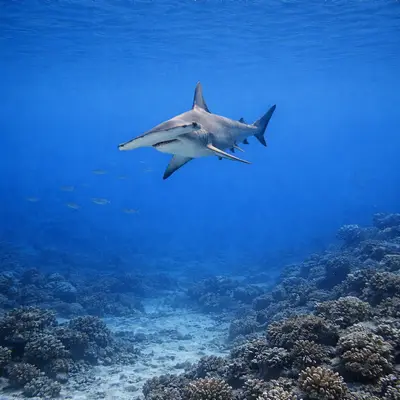
Hammerhead sharks
September-November · common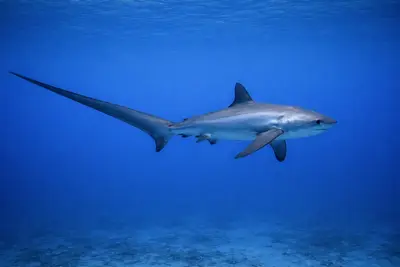
Thresher sharks
occasional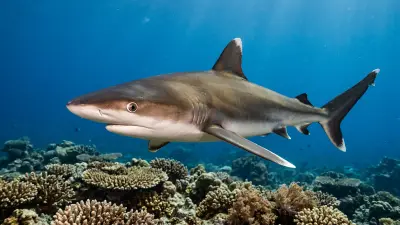
Silvertip sharks
common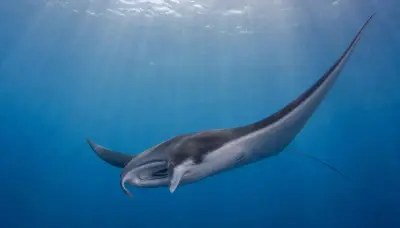
Mobula rays
common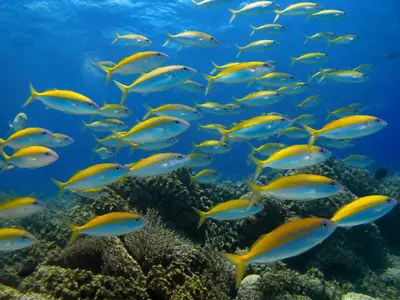
Fusiliers
common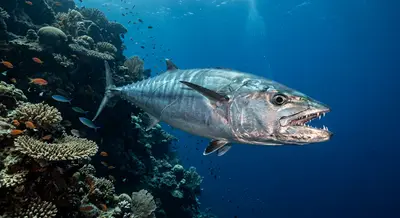
Dogtooth tuna
occasional
Barracudas
occasional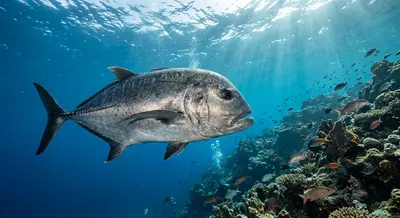
Trevally
occasional
Hard corals
common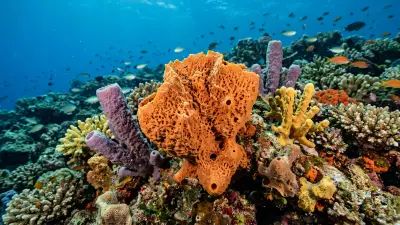
Sponges
common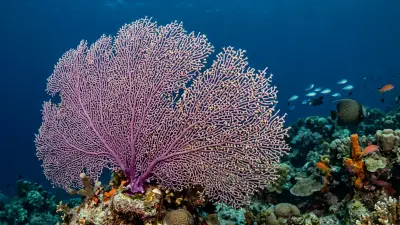
Gorgonians
commonDive profile & how the dive runs
Dives at Pulau Ai typically involve exploring its vibrant walls and slopes, often starting with a negative entry into dynamic currents to reach optimal depths for pelagic sightings. The northern coast features sheltered reefs suitable for a more relaxed experience, while other sites are more exposed. Divers descend along the coral-covered reef edges, keeping an eye on the blue for schooling hammerheads, thresher, and silvertip sharks, as well as mobula rays. The depth progression usually follows the reef structure, with a turn point determined by air consumption and bottom time, often around 30-40 meters. The ascent involves drifting up the slope, allowing for a thorough safety stop in the shallower, coral-rich areas before surfacing for a tender pickup. Given the potential for strong currents, accurate tender positioning for pick-up is crucial.
Underwater photography
Pulau Ai offers excellent opportunities for both wide-angle and macro photography, though wide-angle is particularly rewarding due to the prevalent pelagic encounters and expansive coral walls. For wide-angle, a dome port and wide-angle lens (e.g., 8-15mm or 10-17mm fisheye) are ideal for capturing schools of hammerheads, mobula rays, and the dramatic wall topography. Fast-recycling strobes are essential for subjects in motion and for bringing out the true colors of the corals in deeper water. Maintain excellent buoyancy to avoid contact with the pristine reefs, especially when currents are present. When photographing schooling sharks, try to position yourself to capture their silhouettes against the blue water. Remember to respect marine life space, particularly with larger pelagics.
Combine with nearby dive sites
- Pulau Hatta
Famous for pristine reefs and anemones, with excellent visibility.
- Banda Neira Jetty
Known for muck diving and mandarin fish mating at dusk.
- Gunung Api
Volcanic island famous for sea snake aggregations and rapid coral regrowth.
- Batu Kapal
Offshore pinnacle with strong currents attracting large pelagics.
- Run Island Wall
Historically significant island, likely featuring vibrant wall diving.
Getting there & logistics
Diving Pulau Ai is exclusively done via liveaboard, as there are no land-based dive resorts or day boat operations in the remote Banda Sea. Most liveaboard trips typically range from 10 to 14 nights, often starting or ending in Ambon (AMQ) and sometimes connecting to Sorong or Maumere. Travelers fly into Ambon's Pattimura International Airport (AMQ) via domestic flights from major Indonesian hubs like Jakarta, Surabaya, or Makassar. The liveaboard experience is comprehensive, covering all meals, diving, and transfers from the airport to the vessel. Park fees and local government charges are usually additional. Pulau Ai is generally integrated into itineraries that explore the central Banda Islands, combining its pelagic action with sites like Gunung Api and Pulau Hatta, often as part of a wider Banda Sea or Forgotten Islands crossing.
Safety & environment
The remote nature of the Banda Sea, including Pulau Ai, means that emergency medical facilities are extremely limited. The nearest recompression chamber is located in Ambon, which can be several hours to days away depending on the liveaboard's position. Evacuation in a serious medical emergency would involve air transfer, which is complex and costly. Therefore, comprehensive dive insurance covering medical emergencies, recompression, and evacuation is mandatory for all divers. Site-specific hazards at Pulau Ai include potentially strong, unpredictable currents that demand good buoyancy control and current diving experience. Divers should always follow the dive brief, stay close to the guide, and carry signaling devices such as an SMB and whistle. Maintaining adequate hydration is also crucial in the tropical climate.
Who it suits — and who it doesn't
Suited for
- Experienced divers comfortable with currents
- Pelagic enthusiasts seeking schooling sharks and rays
- Underwater photographers with wide-angle focus
- Liveaboard adventurers desiring remote, pristine sites
- Divers interested in historical sites ashore
Less suited for
- Beginner divers without current experience
- Divers prone to seasickness on open ocean crossings
- Travelers seeking luxury resort amenities
- Muck diving specialists (as primary focus)
- Those without comprehensive dive insurance
FAQ
Pulau Ai FAQ
What marine life can I expect to see at Pulau Ai?
Pulau Ai is renowned for its pelagic encounters. Divers frequently spot schooling hammerhead sharks, thresher sharks, and silvertip sharks patrolling the reef edges. Squadrons of mobula rays are also a common sight, alongside large schools of fusiliers, barracudas, and various reef fish. The coral walls themselves are vibrant and healthy.
What are the diving conditions like at Pulau Ai?
Conditions at Pulau Ai can be dynamic, with currents ranging from mild in sheltered areas to strong in more exposed sites, particularly where pelagics gather. Visibility is consistently excellent, often exceeding 30-40 meters, and water temperatures hover comfortably between 25-28°C. Divers should be prepared for potential drift dives.
When is the best time to dive Pulau Ai for pelagics?
The prime time for pelagic encounters, especially schooling hammerheads, at Pulau Ai and throughout the Banda Sea is during the inter-monsoon periods: from March to early May and particularly from September to early November. These months offer calmer seas and optimal conditions due to nutrient-rich upwellings that draw in larger marine life.
Can beginners dive at Pulau Ai?
While parts of Pulau Ai, specifically its northern coast, feature sheltered reefs suitable for Open Water divers, many of its high-energy sites require comfort with strong currents and deeper profiles. Therefore, it is generally recommended for intermediate to advanced divers with some experience in current diving. Beginners might find certain sections challenging.
What kind of historical attractions are available on Pulau Ai?
Beyond diving, Pulau Ai offers opportunities to explore its rich history as one of the original Spice Islands. Visitors can discover remnants of Dutch colonial influence, including historic forts and ancient nutmeg plantations. These topside excursions provide a unique cultural complement to the underwater adventures.
Why dive Pulau Ai from a liveaboard?
Pulau Ai is one of Banda Sea's signature dive sites. A liveaboard sleeps you on the water and puts you in the water for three to four guided dives per day, including dawn and night dives that day-boat operators rarely offer. You skip the daily commute back to port and reach quieter, less-crowded sites in the same region on a single trip.
Below are the liveaboards that include Pulau Ai on their Banda Sea itineraries.
Liveaboards diving Pulau Ai
These liveaboards may visit Pulau Ai on selected itineraries — the exact dive sites depend on departure, weather and conditions.
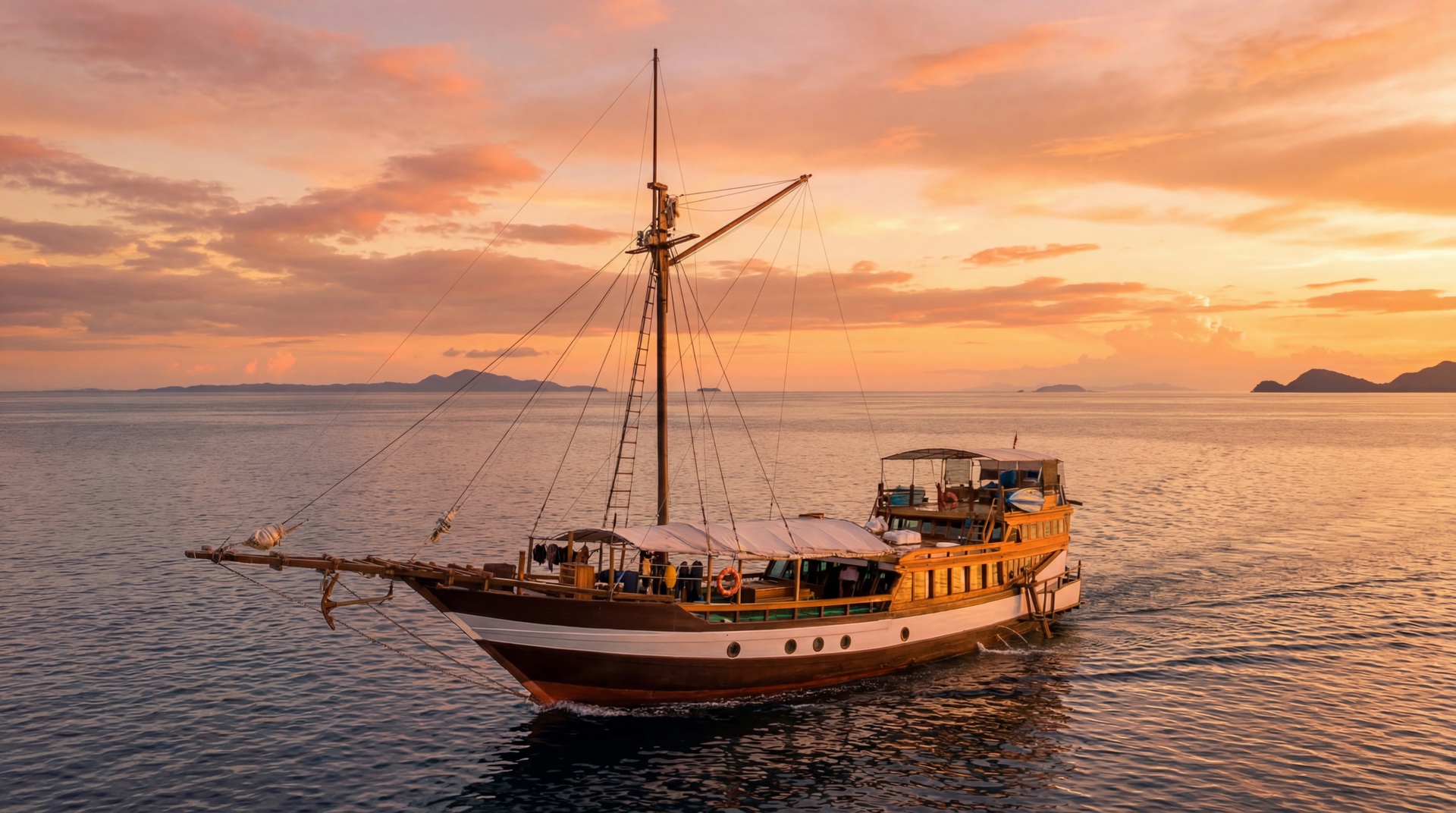
Wellenreng
Indonesia
9 guests25 m
$427/day
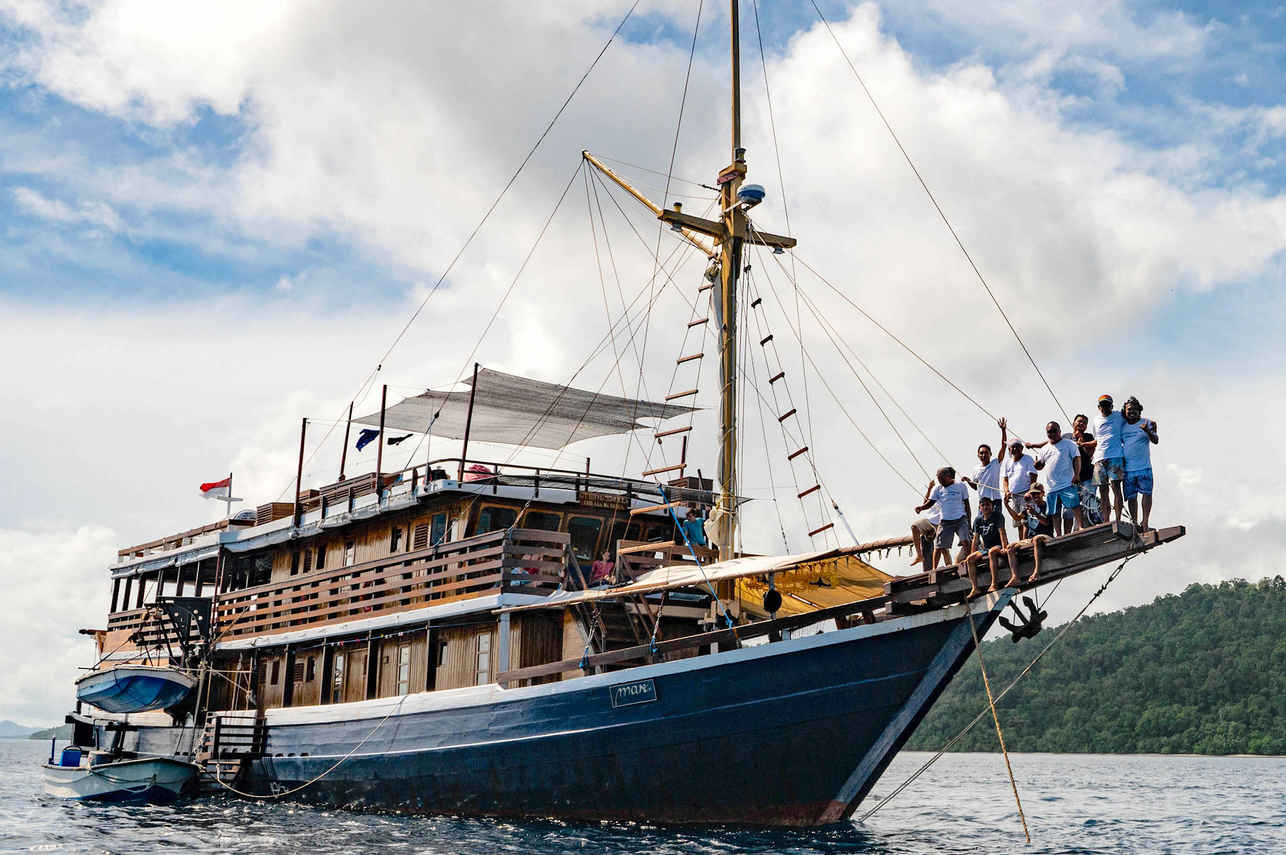
Mari
Indonesia
14 guests32.2 m
$328/day
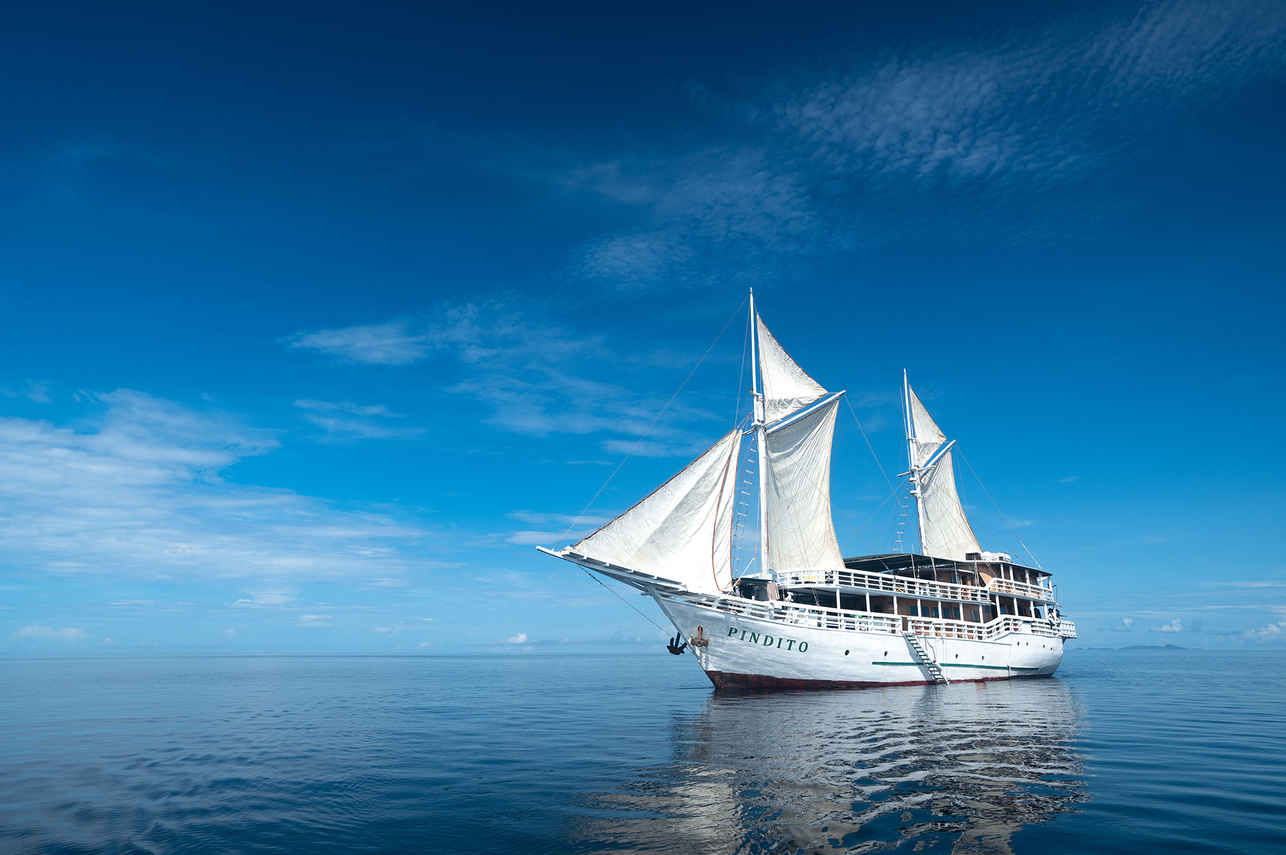
Pindito
Indonesia
16 guests37.79 m
$533/day
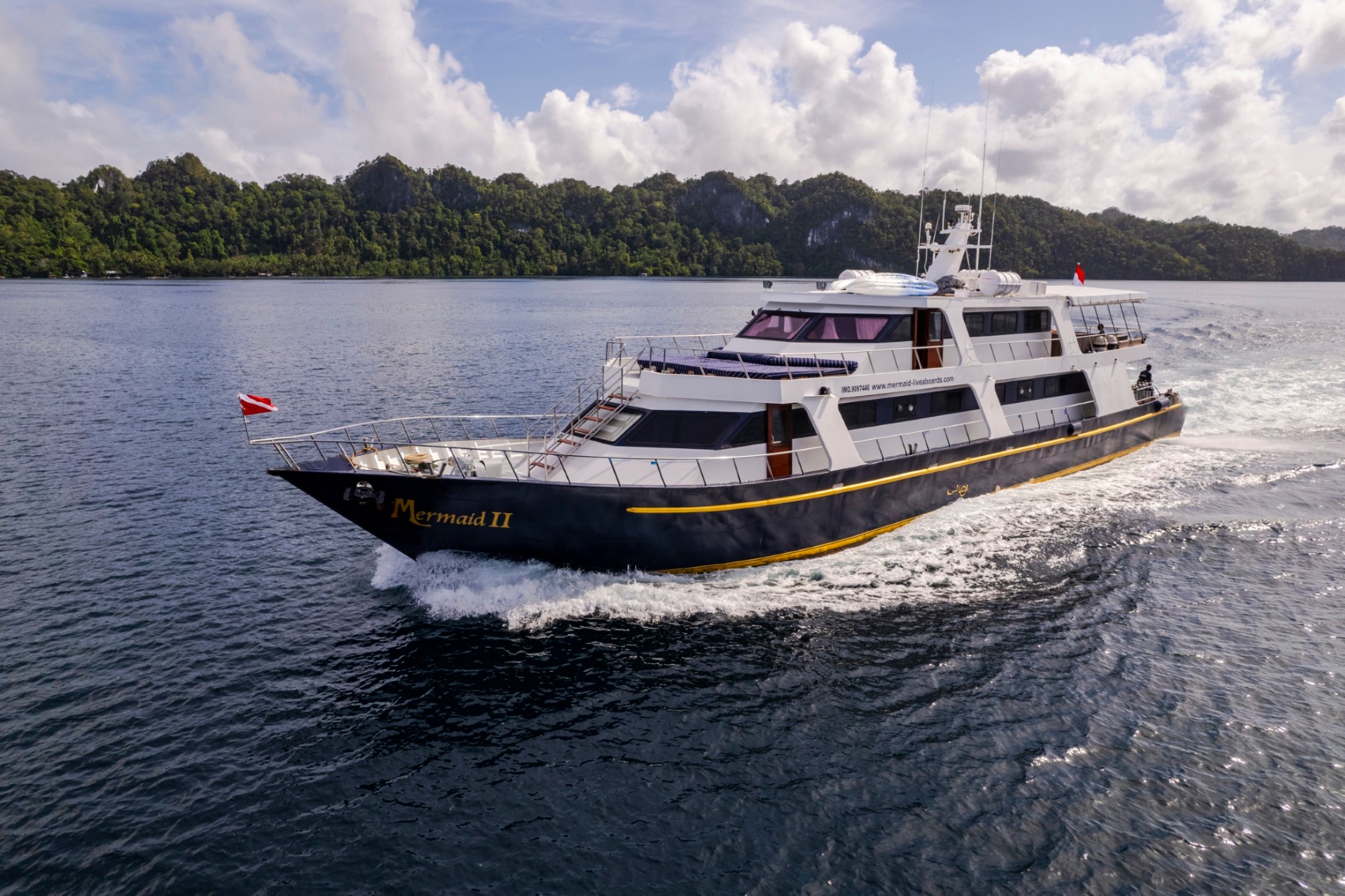
Mermaid II
Komodo, Indonesia
18 guests
$355/day
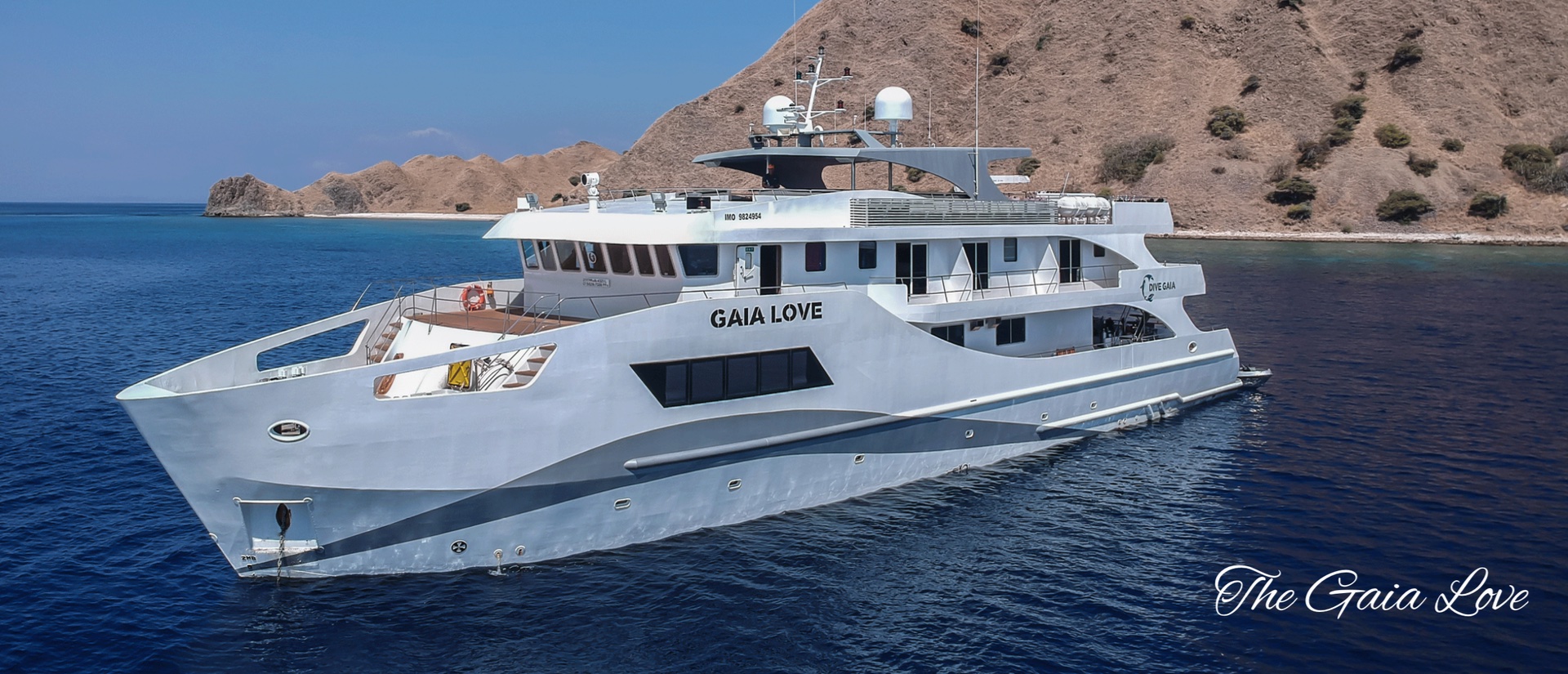
Gaia Love
Alor
20 guests
$554/day
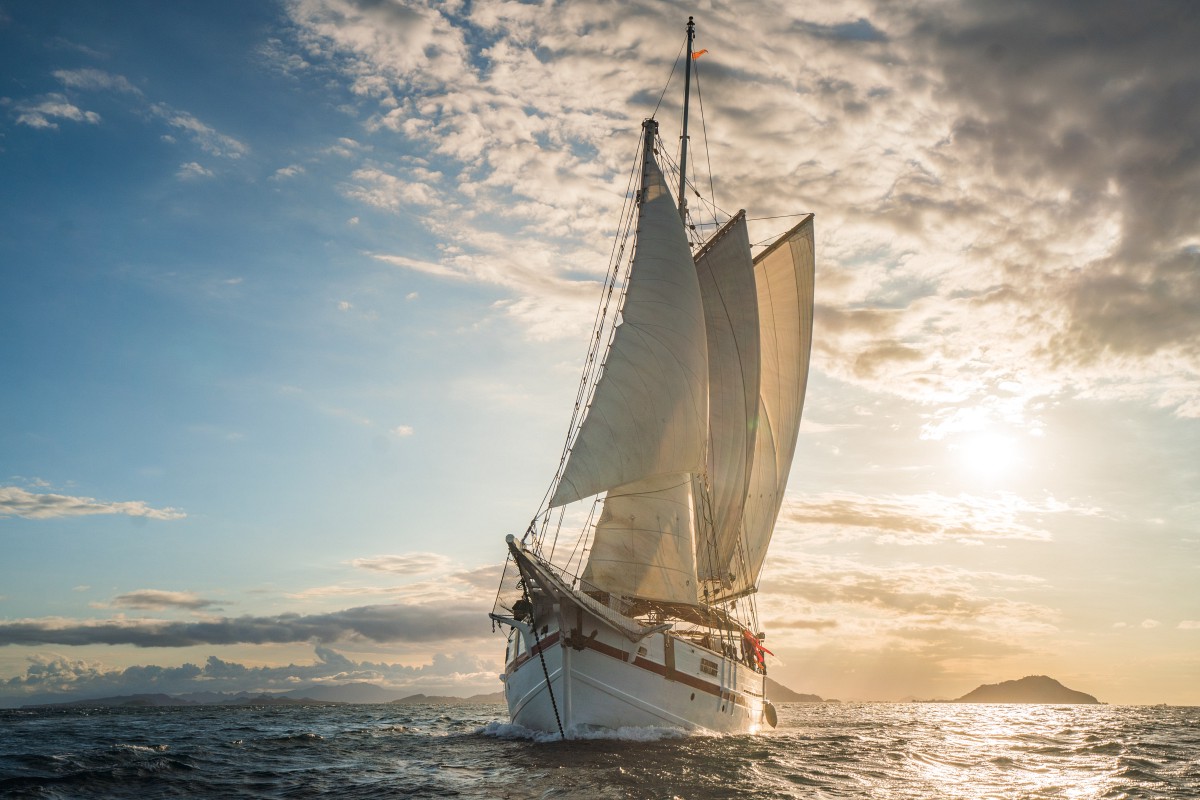
Emperor Raja Laut
Raja Ampat, Indonesia
12 guests31 m
$413/day
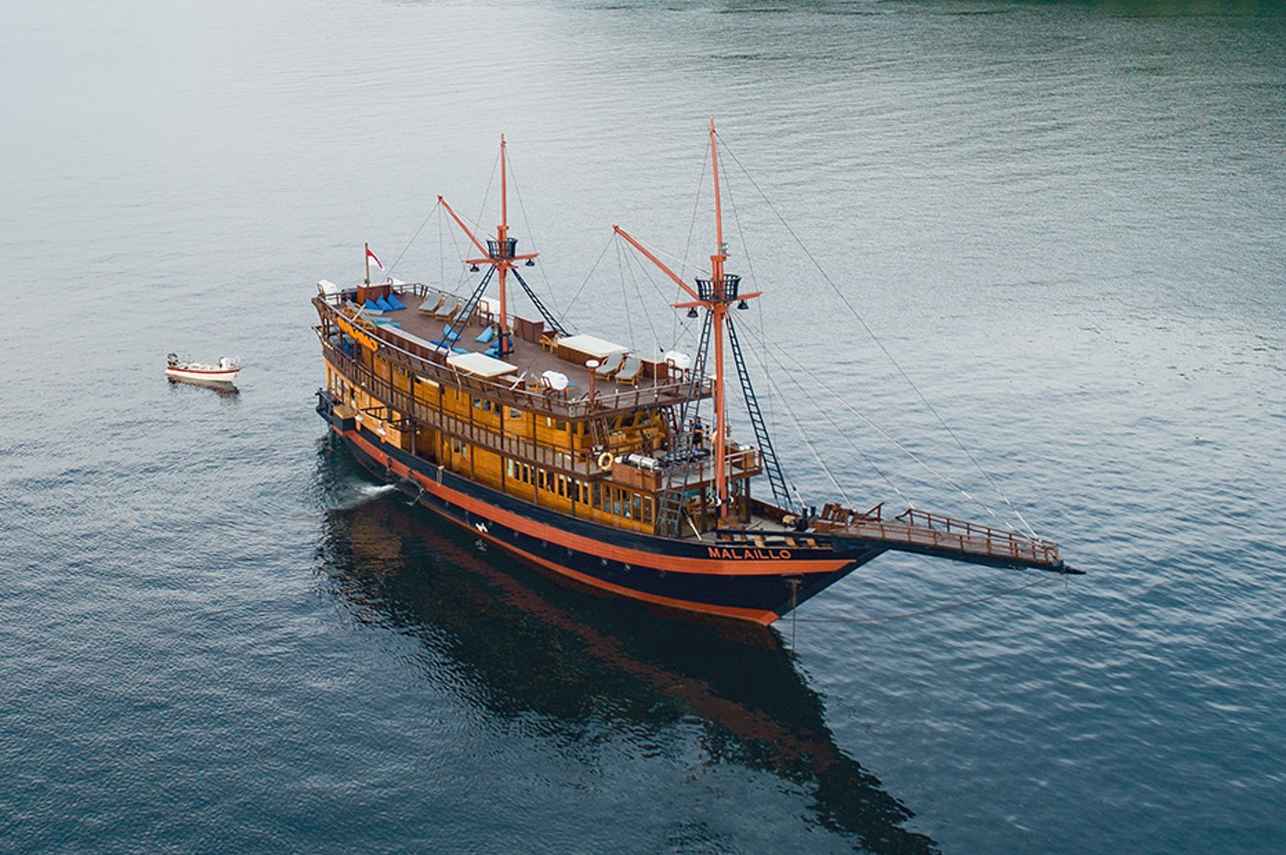
Malaillo
Indonesia
14 guests45.57 m
$348/day
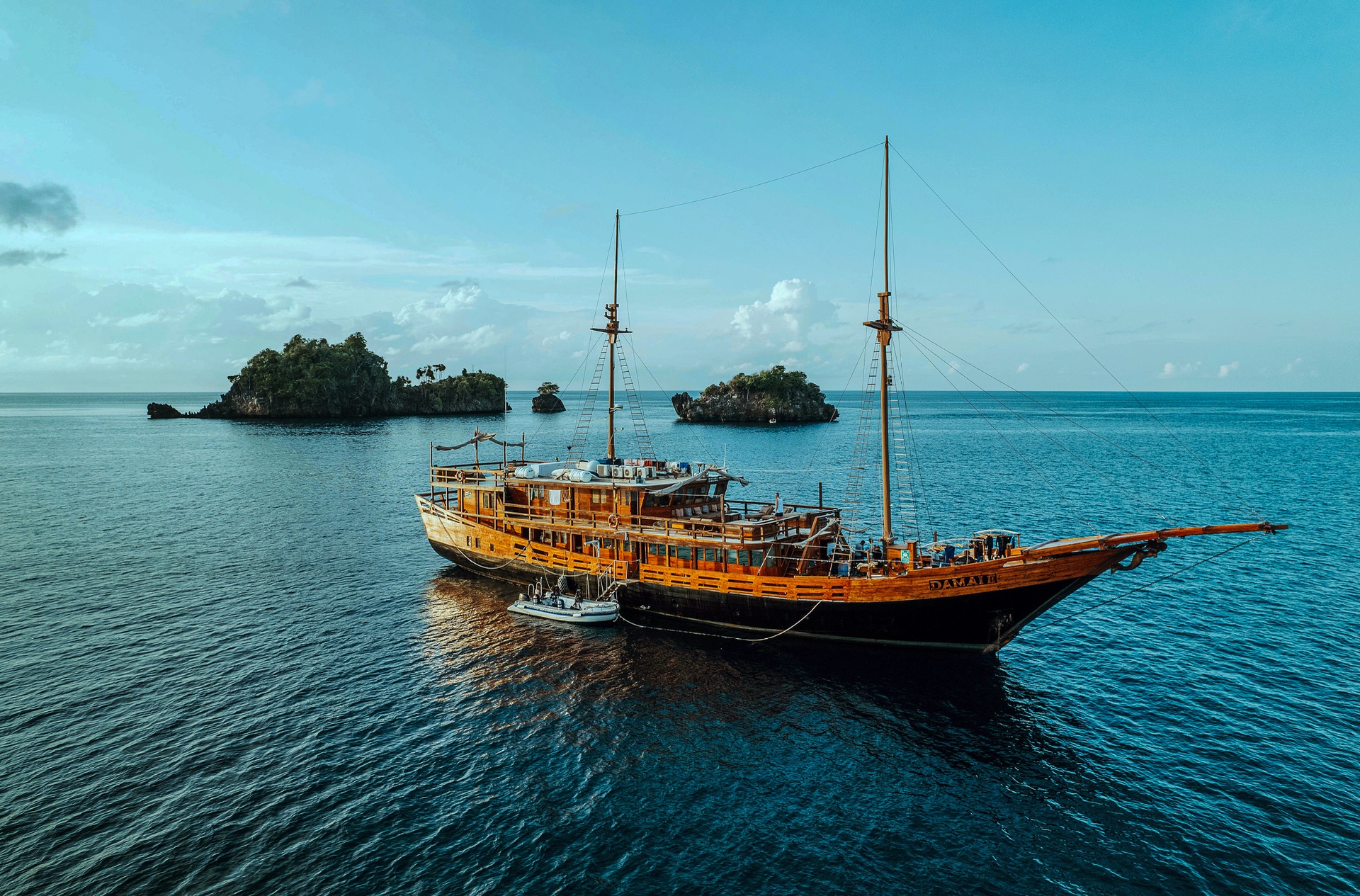
Damai II
Komodo, Indonesia
14 guests
$459/day
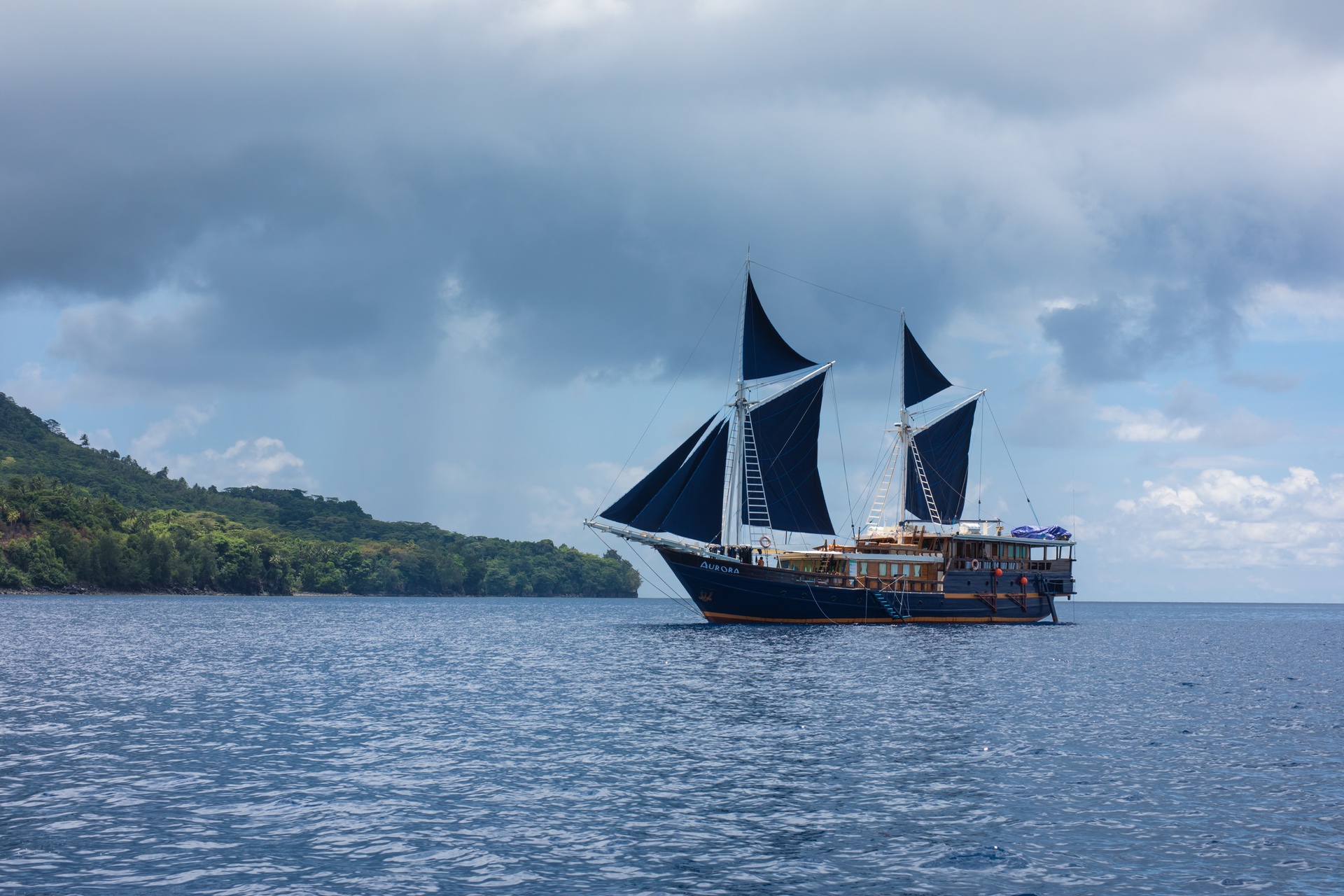
DUNE Aurora
Indonesia
18 guests
$344/day
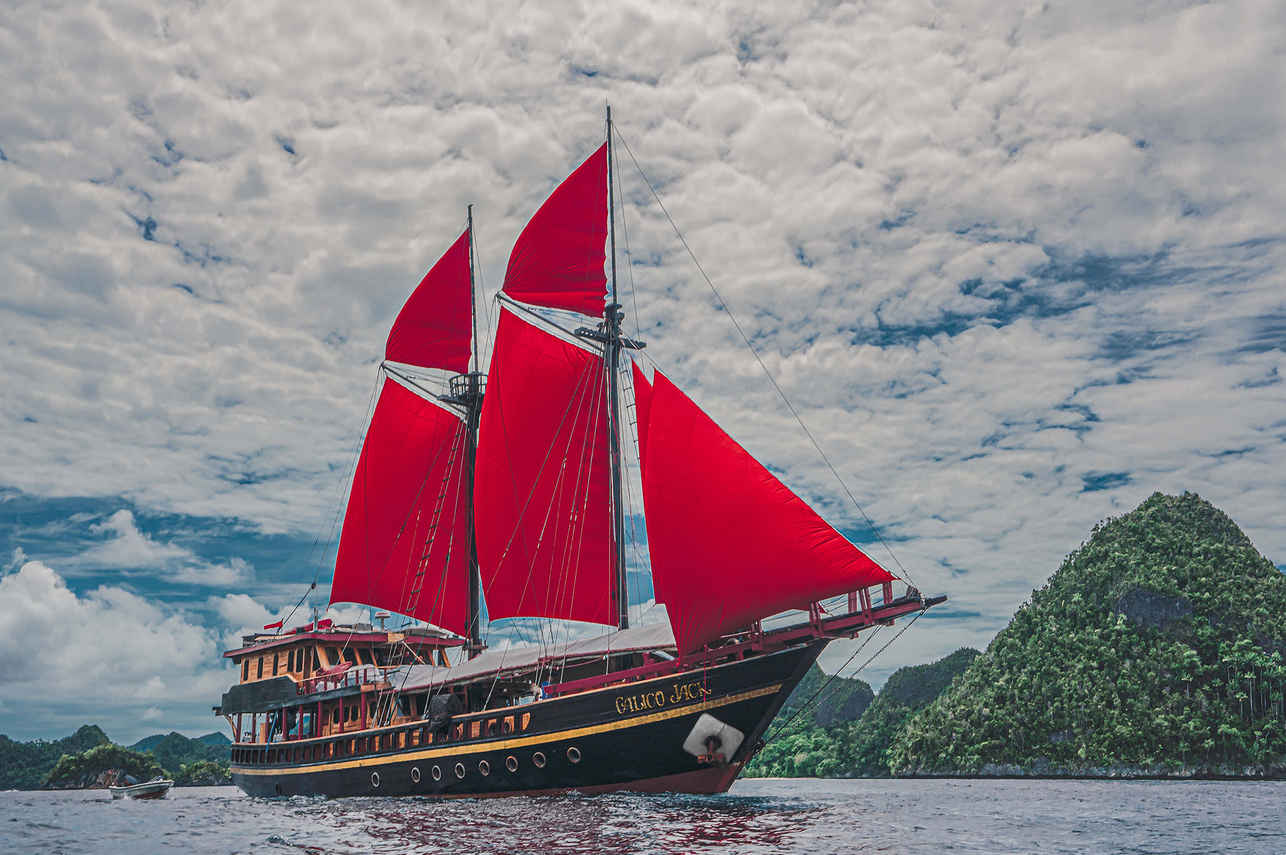
Calico Jack
Indonesia
10 guests30 m
$398/day
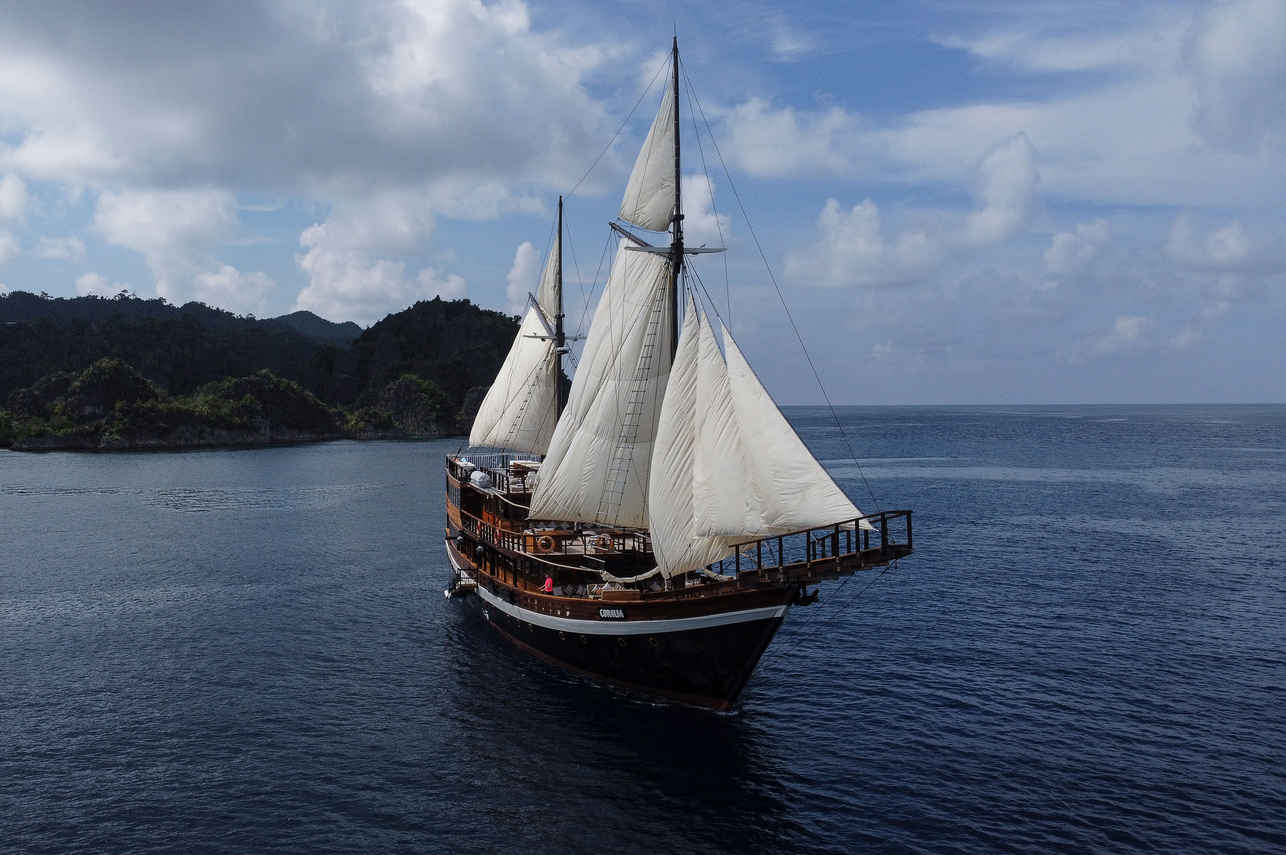
Coralia
Indonesia
16 guests48 m
$577/day
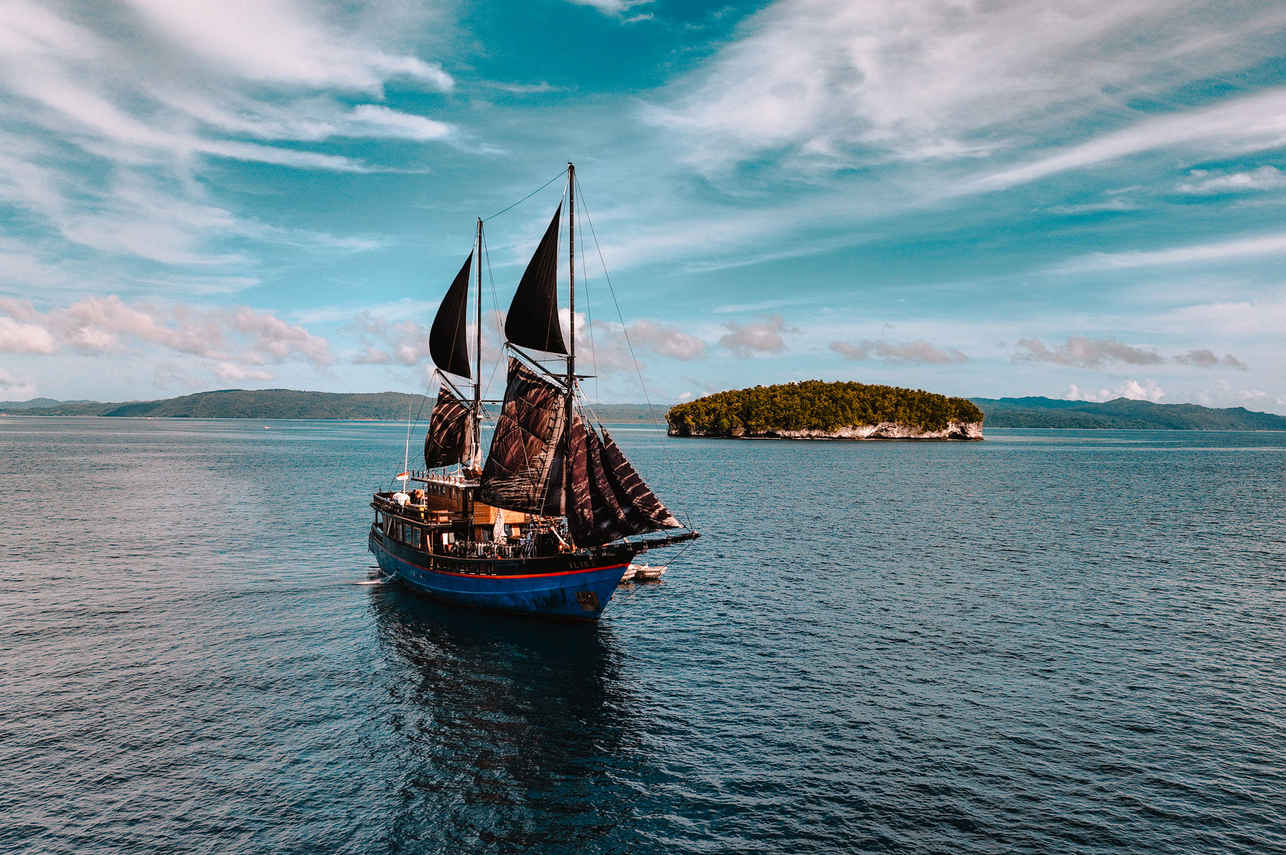
Ilike
Indonesia
16 guests40 m
$298/day
Dive sites similar to Pulau Ai
Same character, same waters — six more sites divers love for the exact same reasons.Compare seasons, access and liveaboard routes — then pick the site that fits your trip best.
© Esri — Maxar, Earthstar, GIS
Patinti Strait
Banda Sea
The Patinti Strait, also known as Selat Patiente, is a renowned dive site located in South Halmahera, nestled between the main island of Halmahera and Bacan Island.
- Suitable for
- Advanced
- Current
- Strong
- Access
- Liveaboard only
- Depth
- 5–30 m
- Theme
- Drift / Reef
© Esri — Maxar, Earthstar, GIS
Banda Api North
Banda Sea
Banda Api North, nestled within Indonesia's remote Banda Sea, offers an extraordinary dive experience shaped by its active volcanic past.
- Suitable for
- Intermediate
- Current
- Strong
- Access
- Liveaboard only
- Depth
- 5–30 m
- Theme
- Reef
© Esri — Maxar, Earthstar, GIS
Nil Desperandum Atoll
Banda Sea
Nil Desperandum Atoll is an isolated seamount in the Banda Sea, part of the remote 'Forgotten Islands' chain.
- Suitable for
- Advanced
- Current
- Strong
- Access
- Liveaboard only
- Depth
- 20–40 m
- Theme
- Reef
© Esri — Maxar, Earthstar, GIS
Pohon Miring
Banda Sea
Pohon Miring, located near Banda Neira, is a dive site within the central Banda Islands group, offering a unique blend of marine biodiversity and accessibility.
- Suitable for
- Beginner
- Current
- Strong
- Access
- Liveaboard only
- Depth
- 3–20 m
- Theme
- Reef / Seamount
© Esri — Maxar, Earthstar, GIS
Serua Island
Banda Sea
Serua Island is located within the remote Banda Sea, a region known as the "Ring of Fire" due to its volcanic islands and immense depths.
- Suitable for
- Advanced
- Current
- Strong
- Access
- Liveaboard only
- Depth
- 8–40 m
- Theme
- Seamount / Wall
© Esri — Maxar, Earthstar, GIS
Dawera Island
Banda Sea
Dawera Island is a captivating dive destination nestled within the Forgotten Islands, a remote chain of islands in the vast Banda Sea, Indonesia.
- Suitable for
- Advanced
- Current
- Moderate
- Access
- Liveaboard only
- Depth
- ≥ 15 m
- Theme
- Reef / Wall