About Pulau Hatta
Pulau Hatta, also known as Rosengain historically, is a key dive site within the central Banda Islands group, situated southeast of Banda Besar. This remote location in the Banda Sea offers spectacular wall dives, characterized by steep drops into oceanic depths where pelagic life thrives. The walls are richly encrusted with hard corals, gorgonians, and massive barrel sponges, making for breathtaking underwater landscapes. The diving experience here is primarily focused on oceanic encounters. The deep-water bathymetry of the Banda Sea, where dive sites rise from depths of 4,500 to 6,000 meters, means that Pulau Hatta acts as an isolated structure. This configuration draws pelagic schools and apex predators to feed along its edges, offering divers consistent opportunities to observe large marine animals. While the site is celebrated for its pelagics and extensive coral coverage, it is also part of an area known for good visibility and generally healthy reefs, benefiting from its remoteness and minimal human impact. Divers can expect to navigate along dramatic reef edges with deep water below and beside them, making it a quintessential Banda Sea dive. Liveaboards are the exclusive way to access Pulau Hatta, typically as part of a wider Banda Sea itinerary. The site often features as a highlight for its sheer walls, diverse corals, and the potential for schooling pelagic encounters, making it a compelling stop for experienced divers exploring this remote region.
Highlights
Vibrant coral-encrusted wallsDeep blue pelagic encountersMassive barrel spongesRich hard and soft coral diversityRemote, pristine environment
Season calendar
Best months to dive here
Jan
Feb
Mar
Apr
May
Jun
Jul
Aug
Sep
Oct
Nov
Dec
Excellent
Good
Dive site facts: Pulau Hatta
- Depth
- 5–40 m
- Current
- Moderate, can be strong
- Visibility
- 20–40 m, up to 50 m
- Water temperature
- 25–30 °C
- Entry
- Liveaboard tender / negative entry possible
- Level
- Intermediate–Advanced
- Dive type
- Wall, pelagic, coral garden
- Region / port
- Banda Sea, Maluku Province
- Coordinates
- 4.6190° S, 130.0160° E
Conditions & Currents
Currents at Pulau Hatta are typically moderate, allowing for enjoyable dives suitable for various skill levels. However, as an exposed offshore island, currents can occasionally be strong, particularly on specific parts of the reef or during certain tidal phases. Divers should be prepared for potential drift dives, where the current carries the group along the wall, requiring good buoyancy control and comfort with blue water. Visibility is generally excellent, often exceeding 40 meters, but can fluctuate with plankton blooms that also attract pelagic life. Water temperatures are consistently warm, averaging 25-28°C, though thermoclines are possible at greater depths.
Marine life & sighting chances
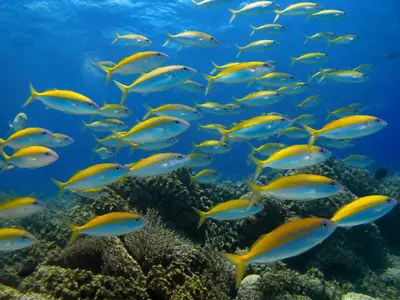
Fusiliers
common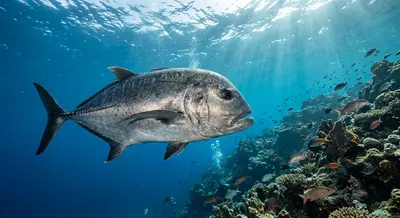
Trevally
occasional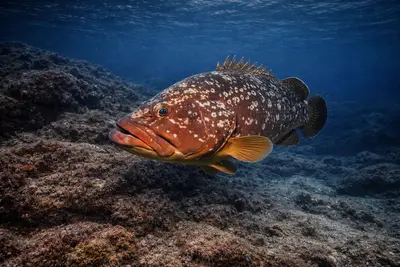
Groupers
occasional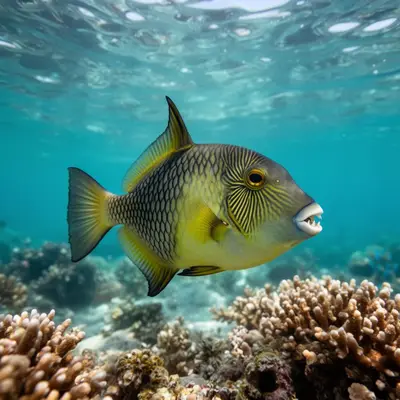
Triggerfish
occasional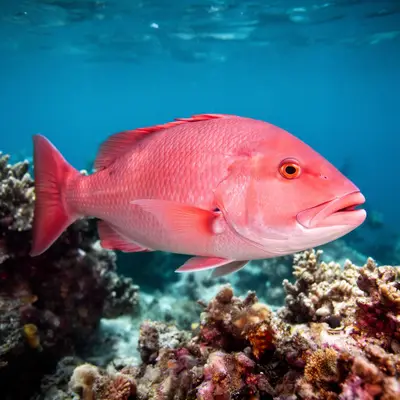
Snappers
occasional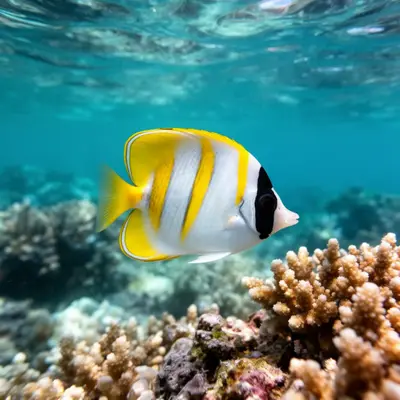
Butterflyfish
occasional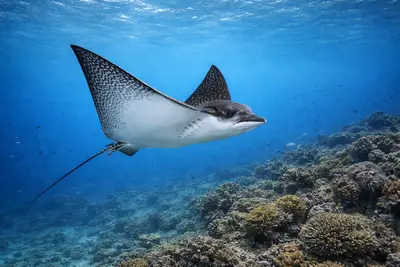
Eagle rays
occasional
Barracuda
occasional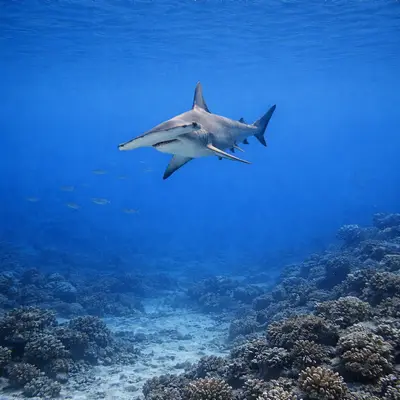
Hammerhead sharks
September to November · occasional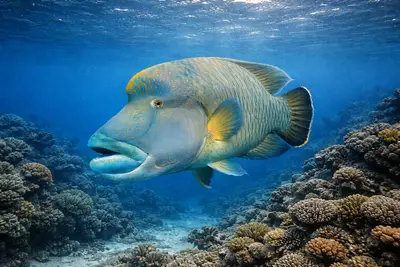
Napoleon wrasse
common
Reef sharks
occasional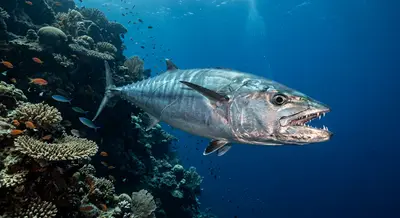
Tuna
occasionalDive profile & how the dive runs
Dives at Pulau Hatta typically begin with a negative entry from a liveaboard tender, allowing quick descent to the reef wall. The profile usually involves exploring the sheer drops and slopes, adorned with vibrant hard and soft corals and impressive barrel sponges, between 5 and 40 meters. Divers often follow the reef edge, keeping an eye on the deep blue for pelagic activity such as schooling fusiliers, trevally, barracuda, and potentially hammerhead sharks during their seasonal appearance. Currents can be moderate to strong, making it suitable for drift diving along the extensive walls. The dive progresses along the wall, with guides leading the group to areas known for specific marine life or topography. The turning point is often dictated by air consumption or bottom time. Safety stops are conducted in the shallower sections of the wall, usually between 5-7 meters, offering opportunities to observe reef fish and macro life.
Underwater photography
Pulau Hatta is ideal for wide-angle photography, capturing the dramatic wall topography, vast coral gardens, and schools of pelagic fish. A wide-angle lens with external strobes will effectively illuminate the expansive scenes and vibrant colors. For hammerhead encounters, a wide-angle setup is essential for capturing their schooling behavior in the blue. Buoyancy control is paramount, especially when strong currents are present, to avoid damaging the delicate corals. When focusing on macro subjects like whip coral shrimps or pygmy seahorses, a macro lens and snoots can help isolate subjects against the colorful background. Always maintain a respectful distance from marine life and avoid disturbing the reef.
Combine with nearby dive sites
- Manuk Ridge
Manuk Island, known as the "Snake Island," is an isolated, uninhabited volcanic island within Indonesia's Banda Sea, approximately 160…
- Nil Desperandum Atoll
Nil Desperandum Atoll is an isolated seamount in the Banda Sea, part of the remote 'Forgotten Islands' chain.
- Koon
Koon is a renowned dive site located in the eastern part of the Banda Sea, specifically within the remote Indonesian archipelago known for…
- Pulau Nusa
Pulau Nusa is a remote dive site nestled within Indonesia's vast Banda Sea, forming part of the 'Forgotten Islands' region.
- Komba Island
Komba Island, an active volcanic island located in the Banda Sea, sits approximately 50 kilometers north of Lembata Island in East Nusa…
- Penyu
Penyu Islands, alongside Lucipara, are remote atolls located within the Forgotten Islands chain in the Banda Sea.
Getting there & logistics
Access to Pulau Hatta is exclusively via liveaboard, typically as part of a 10- to 14-night Banda Sea itinerary. Trips often start or end in Ambon, which is reached by domestic flights from major Indonesian hubs like Jakarta or Bali. Some itineraries may also connect through ports like Saumlaki, Sorong, Maumere, or Tual. Travelers may need to plan for a transit night in Indonesia before and/or after their liveaboard. There are no day boats or land-based dive resorts available for reaching this remote site, making a liveaboard the sole option. The region is known for its pristine conditions due to its remoteness and lack of mass tourism infrastructure.
Safety & environment
Diving at Pulau Hatta requires adherence to standard safety protocols, including insurance covering diving accidents and evacuation. The nearest recompression chambers are located in more developed areas of Indonesia, which can be several days' travel from the remote Banda Sea. Evacuation in this region is complex and can be lengthy, often involving liveaboard support and onward air travel, underscoring the importance of comprehensive medical and travel insurance. Site-specific hazards include potentially strong currents and deep dive profiles, requiring advanced diving skills and diligent gas management. Divers should always follow dive guide instructions, maintain excellent buoyancy, and avoid contact with the reef to prevent injury and protect the marine environment.
Who it suits — and who it doesn't
Suited for
- Experienced divers comfortable with currents
- Pelagic enthusiasts
- Underwater photographers (wide-angle)
- Divers seeking pristine, remote reefs
- Liveaboard adventurers
Less suited for
- Beginner divers
- Divers with limited current experience
- Land-based resort seekers
- Divers uncomfortable with deep blue water
- Those prone to seasickness on open ocean crossings
FAQ
Pulau Hatta FAQ
What kind of marine life can I expect to see at Pulau Hatta?
Pulau Hatta is renowned for its abundant pelagic life, including large schools of fusiliers, barracuda, and various reef fish such as trevally, groupers, snappers, and butterflyfish. During the peak season, especially from September to November, you have a chance to encounter hammerhead sharks. The site is also home to eagle rays, Napoleon wrasse, and reef sharks, alongside vibrant coral ecosystems.
When is the best time to dive Pulau Hatta?
The ideal times to dive Pulau Hatta are during the inter-monsoon periods: from March to early May and from September to early November. These months offer the calmest sea conditions, best visibility, and increased chances of encountering pelagic species like hammerhead sharks. Outside these windows, open-water crossings can be rough due to monsoons.
What are the diving conditions like at Pulau Hatta?
Pulau Hatta features spectacular wall dives with generally excellent visibility, often exceeding 40 meters. Water temperatures typically range from 25-30°C. Currents can vary from mild to strong, necessitating comfort with drift diving and good buoyancy control. The site's exposed location means occasional stronger currents are possible, catering to intermediate to advanced divers.
How do I get to Pulau Hatta?
Pulau Hatta is only accessible by liveaboard. Trips to the Banda Sea usually depart from or arrive in Ambon, which can be reached via domestic flights from major international airports like Jakarta or Bali. Liveaboard itineraries typically last between 10 to 14 nights, covering various sites across the Banda Sea.
Is Pulau Hatta suitable for beginner divers?
Pulau Hatta is generally recommended for intermediate to advanced divers due to its deep wall dives, potential for strong currents, and exposure to open ocean conditions. Divers should have good buoyancy control and comfort in blue water environments. Beginner divers or those with limited current experience may find the conditions challenging.
Why dive Pulau Hatta from a liveaboard?
Pulau Hatta is one of Banda Sea's signature dive sites. A liveaboard sleeps you on the water and puts you in the water for three to four guided dives per day, including dawn and night dives that day-boat operators rarely offer. You skip the daily commute back to port and reach quieter, less-crowded sites in the same region on a single trip.
Below are the liveaboards that include Pulau Hatta on their Banda Sea itineraries.
Liveaboards diving Pulau Hatta
These liveaboards may visit Pulau Hatta on selected itineraries — the exact dive sites depend on departure, weather and conditions.
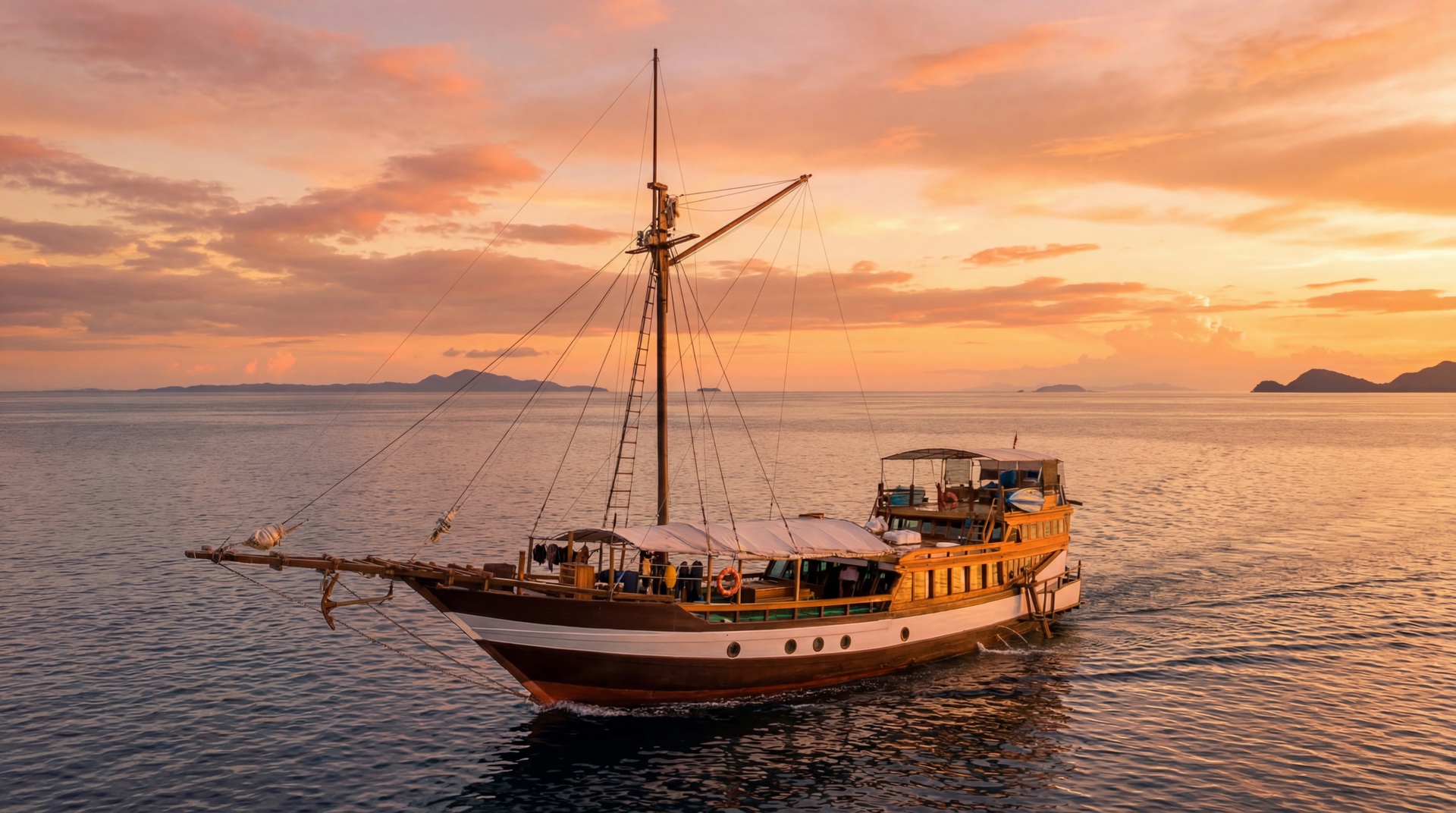
Wellenreng
Indonesia
9 guests25 m
$427/day
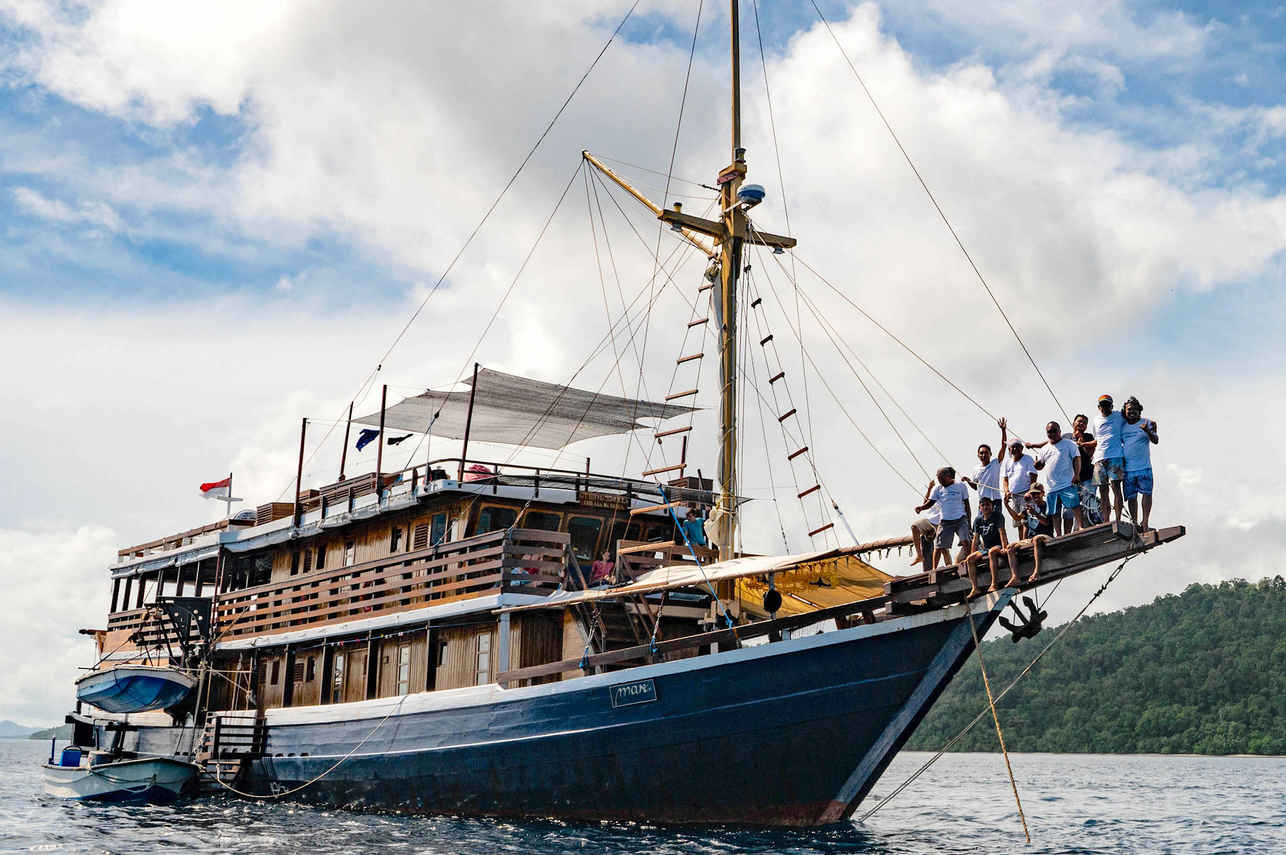
Mari
Indonesia
14 guests32.2 m
$328/day
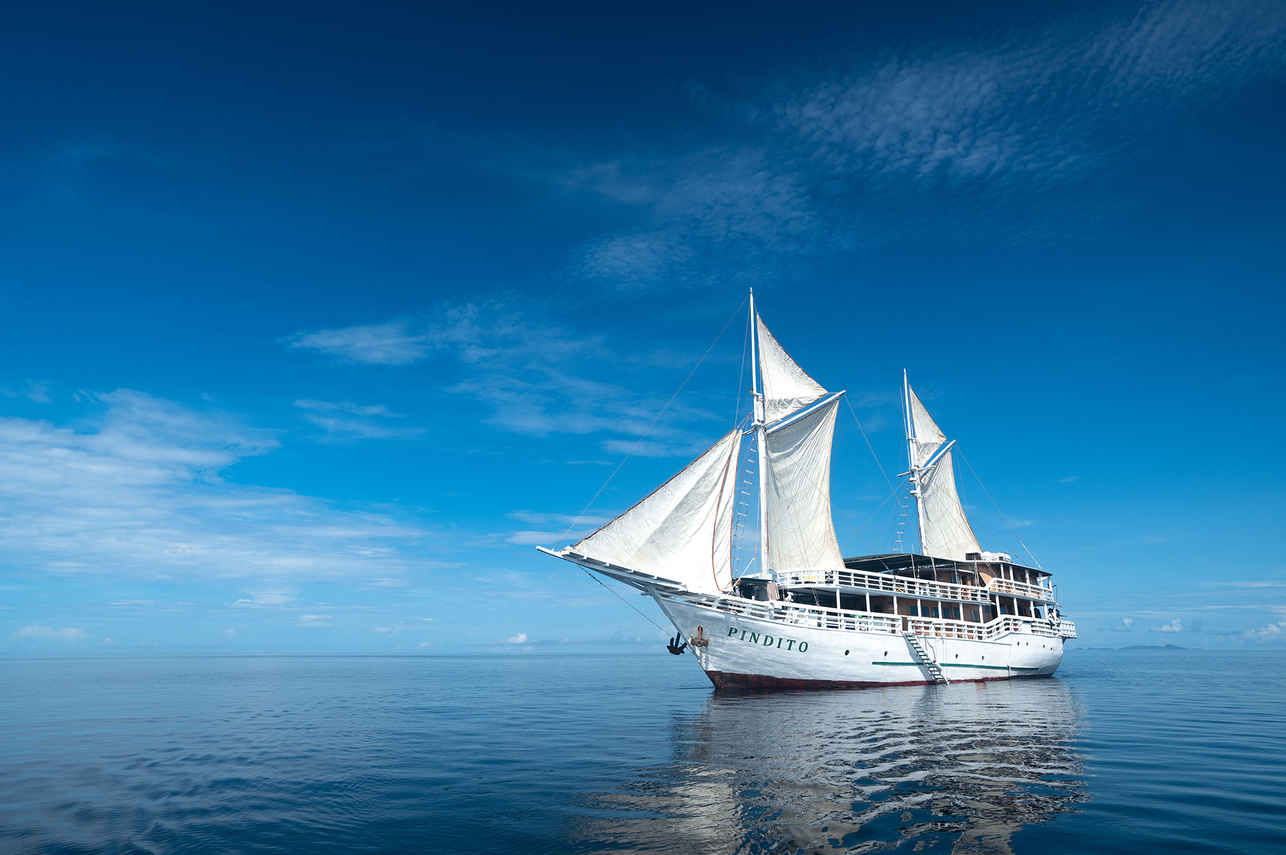
Pindito
Indonesia
16 guests37.79 m
$533/day
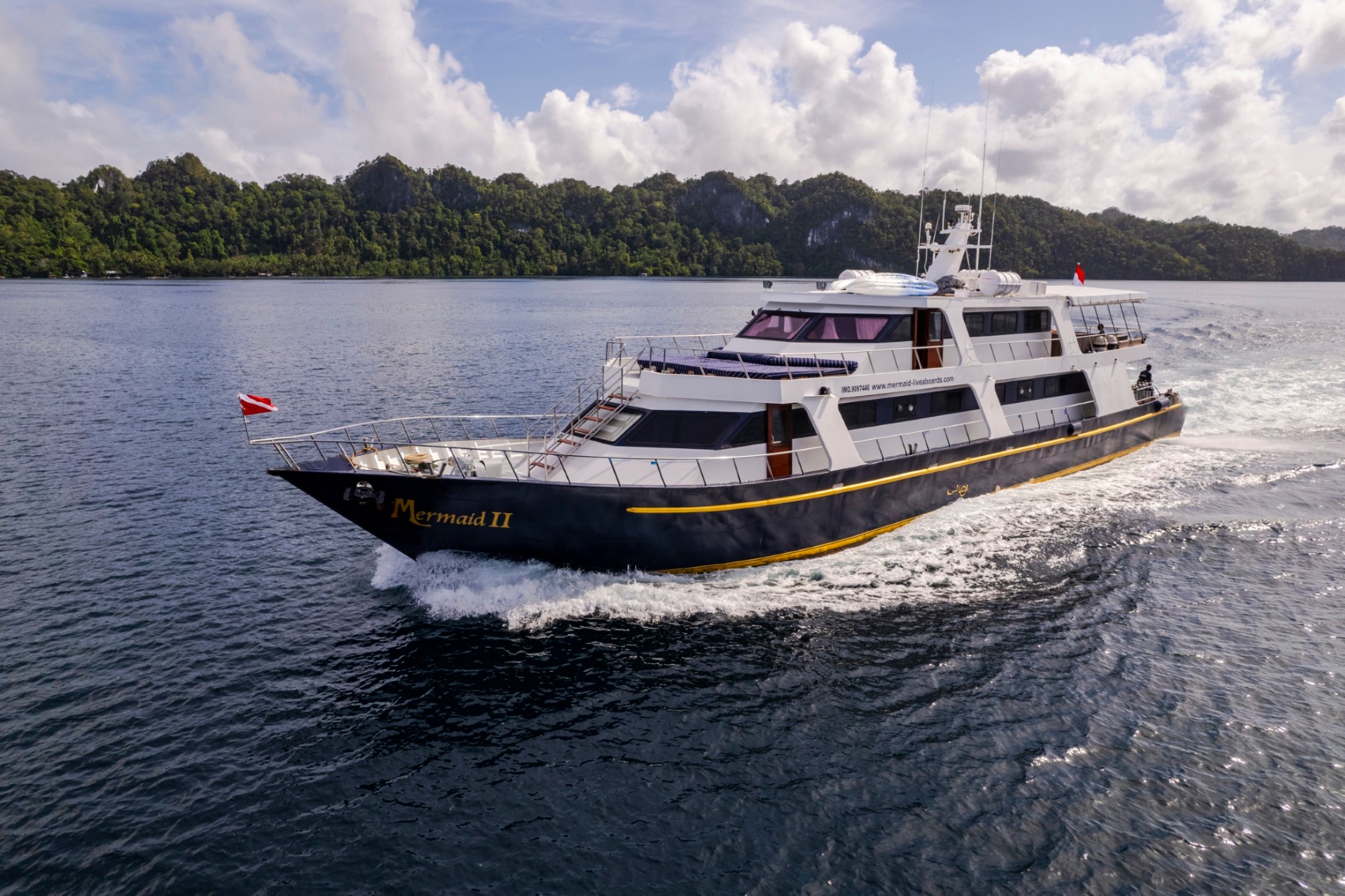
Mermaid II
Komodo, Indonesia
18 guests
$355/day
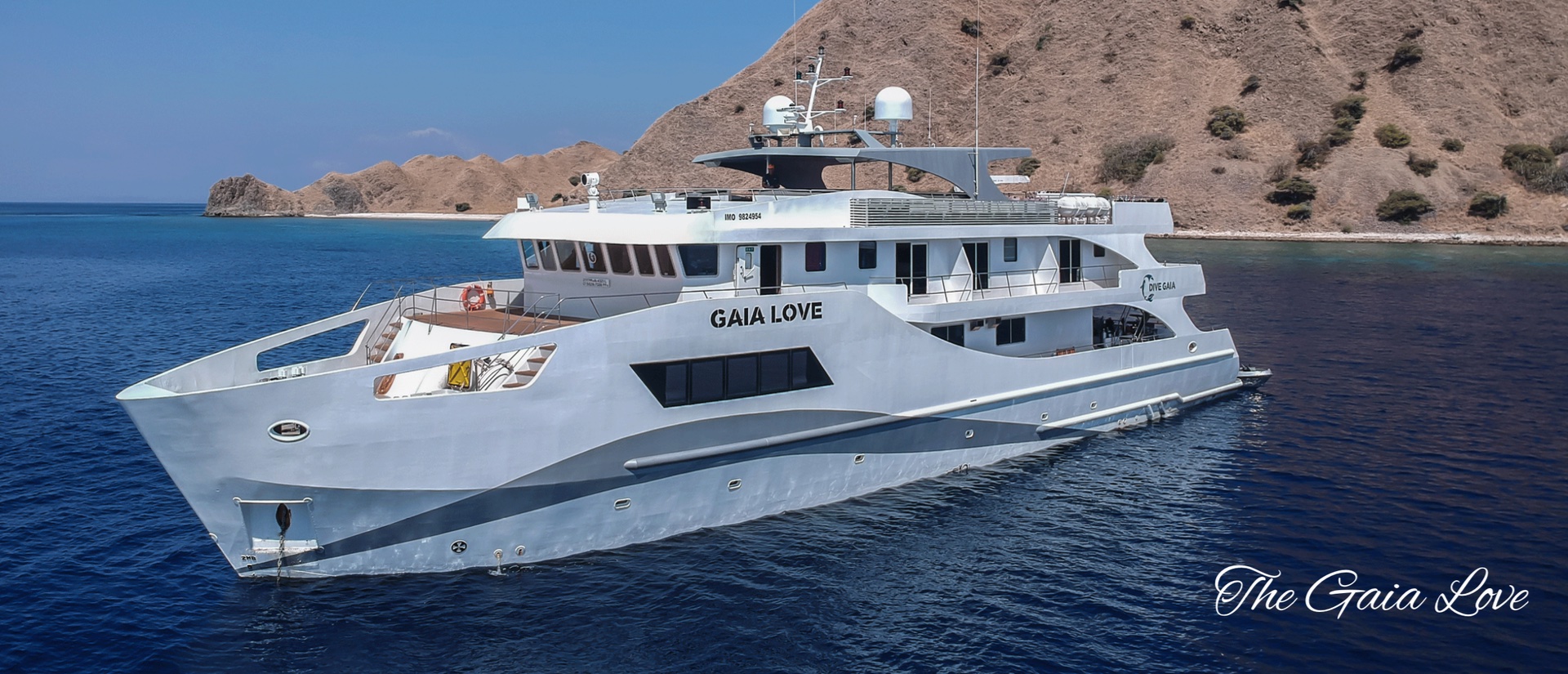
Gaia Love
Alor
20 guests
$554/day
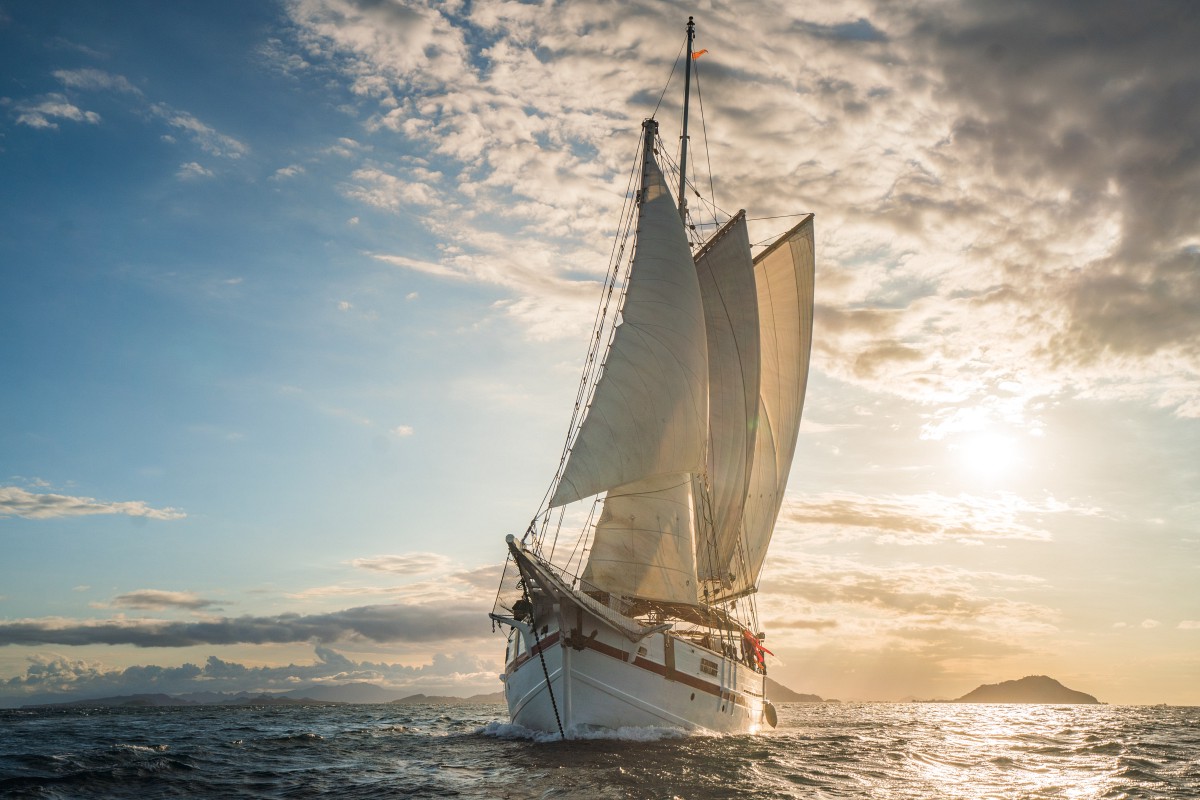
Emperor Raja Laut
Raja Ampat, Indonesia
12 guests31 m
$482/day
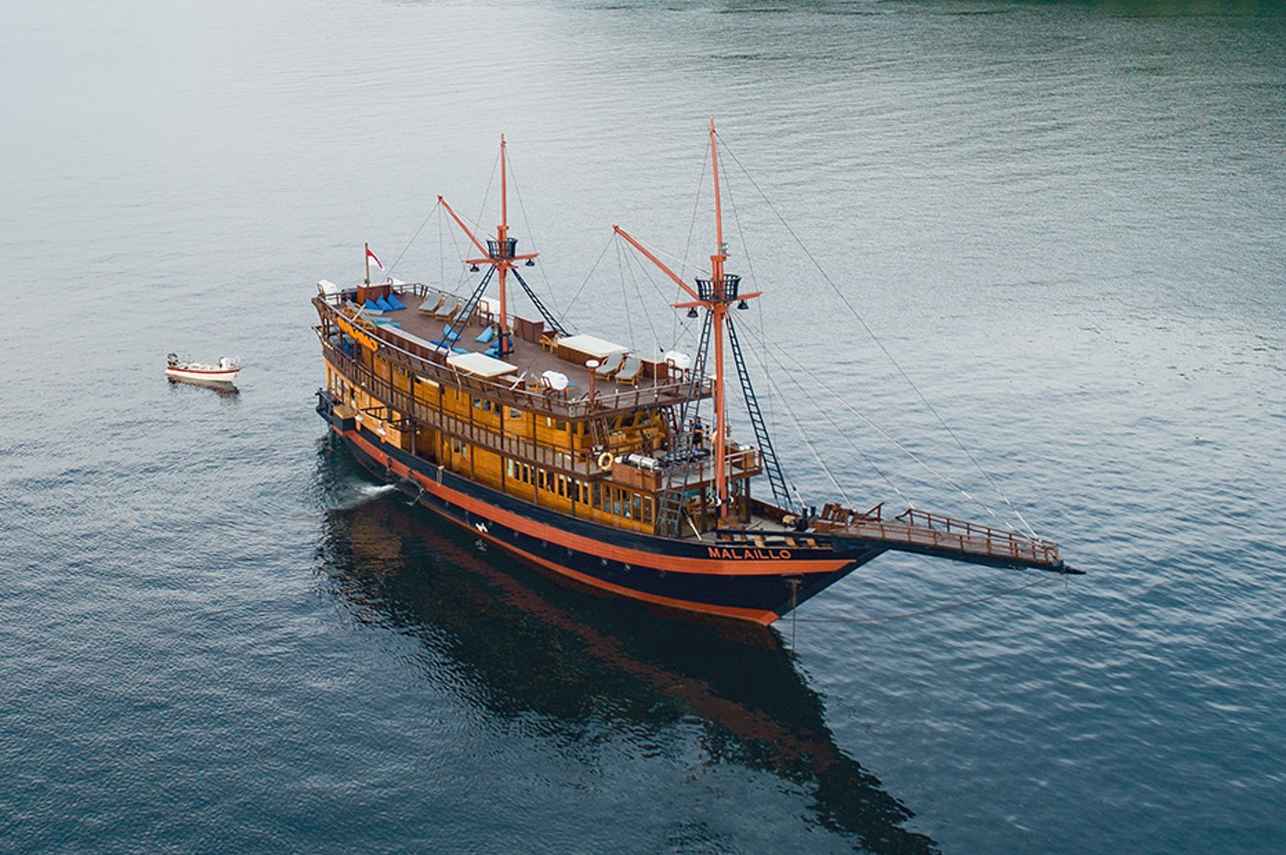
Malaillo
Indonesia
14 guests45.57 m
$348/day
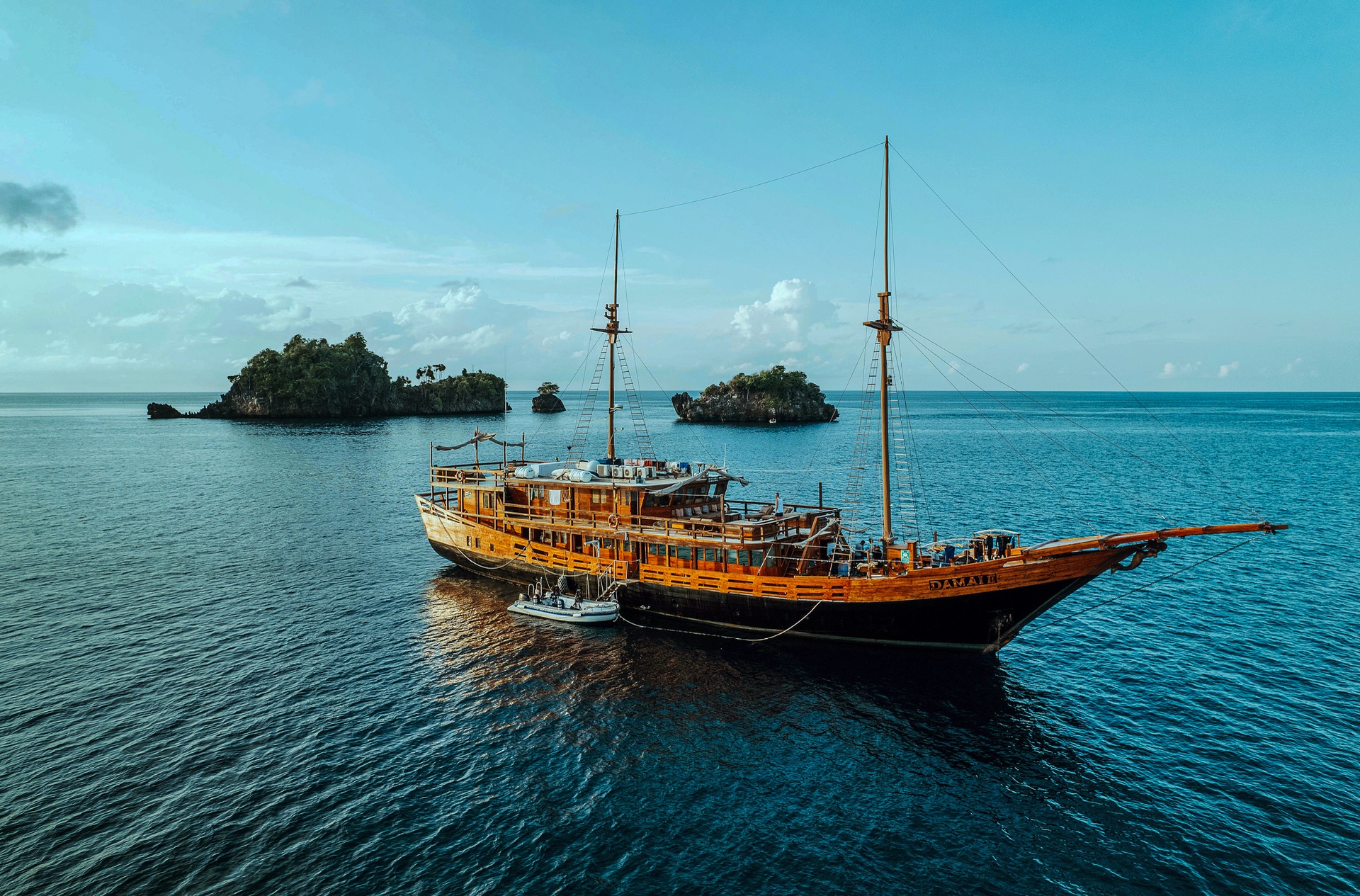
Damai II
Komodo, Indonesia
14 guests
$459/day
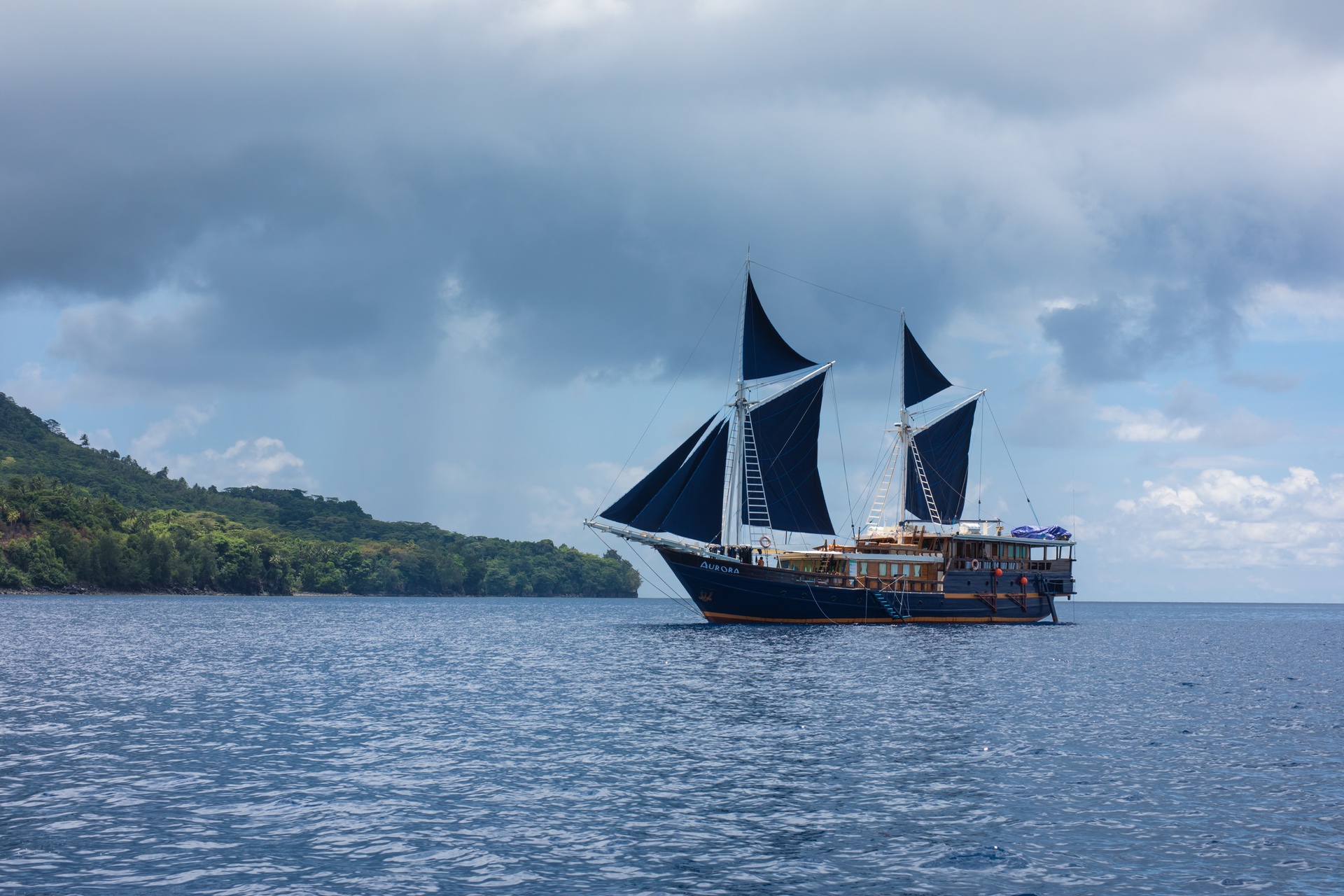
DUNE Aurora
Indonesia
18 guests
$344/day
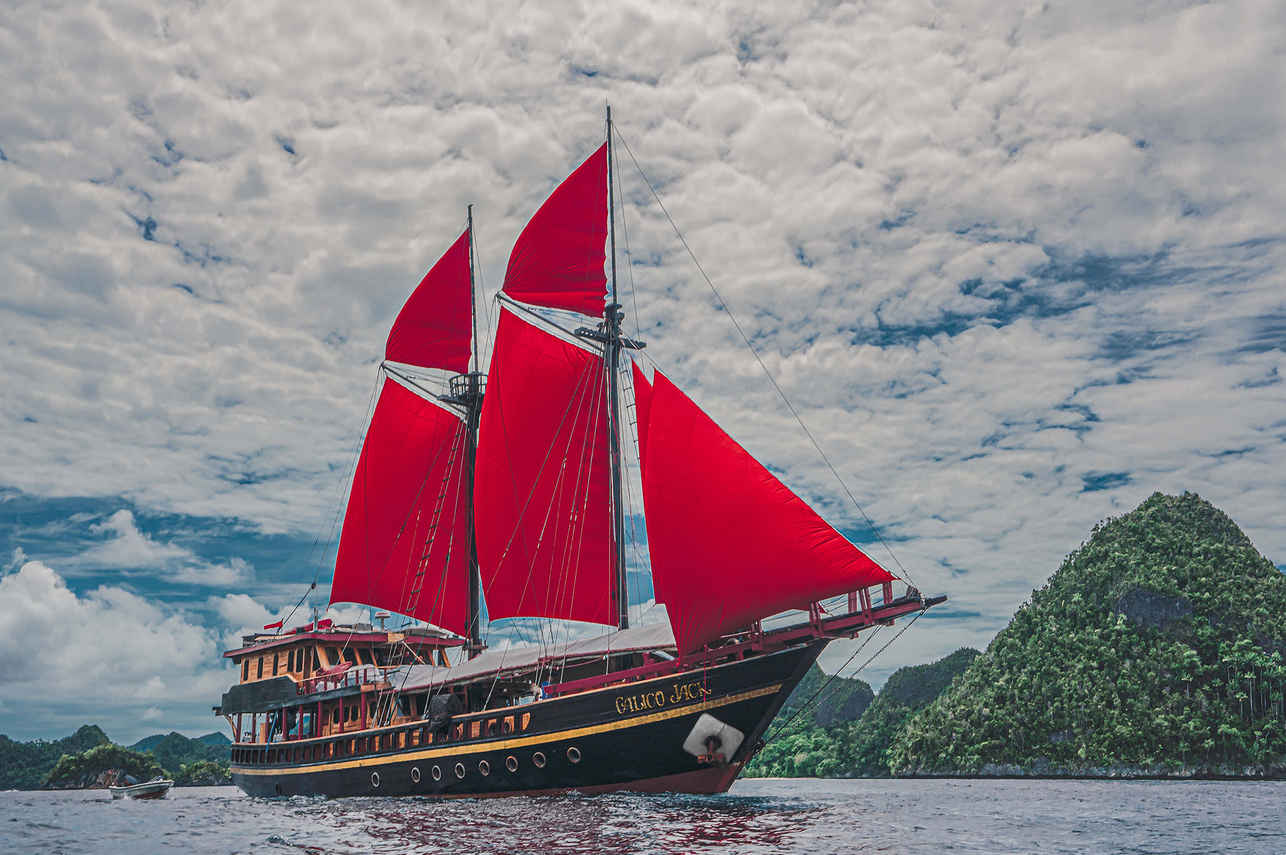
Calico Jack
Indonesia
10 guests30 m
$398/day
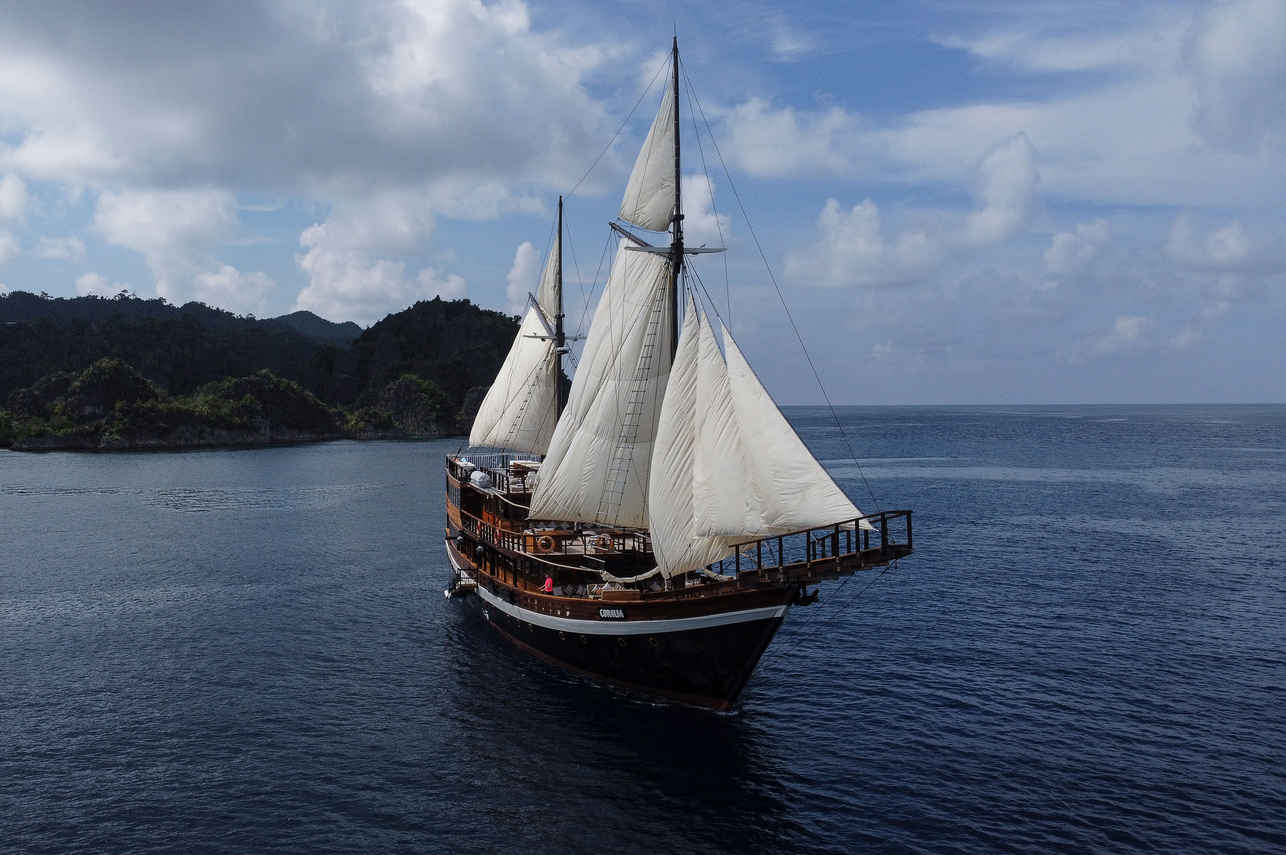
Coralia
Indonesia
16 guests48 m
$547/day
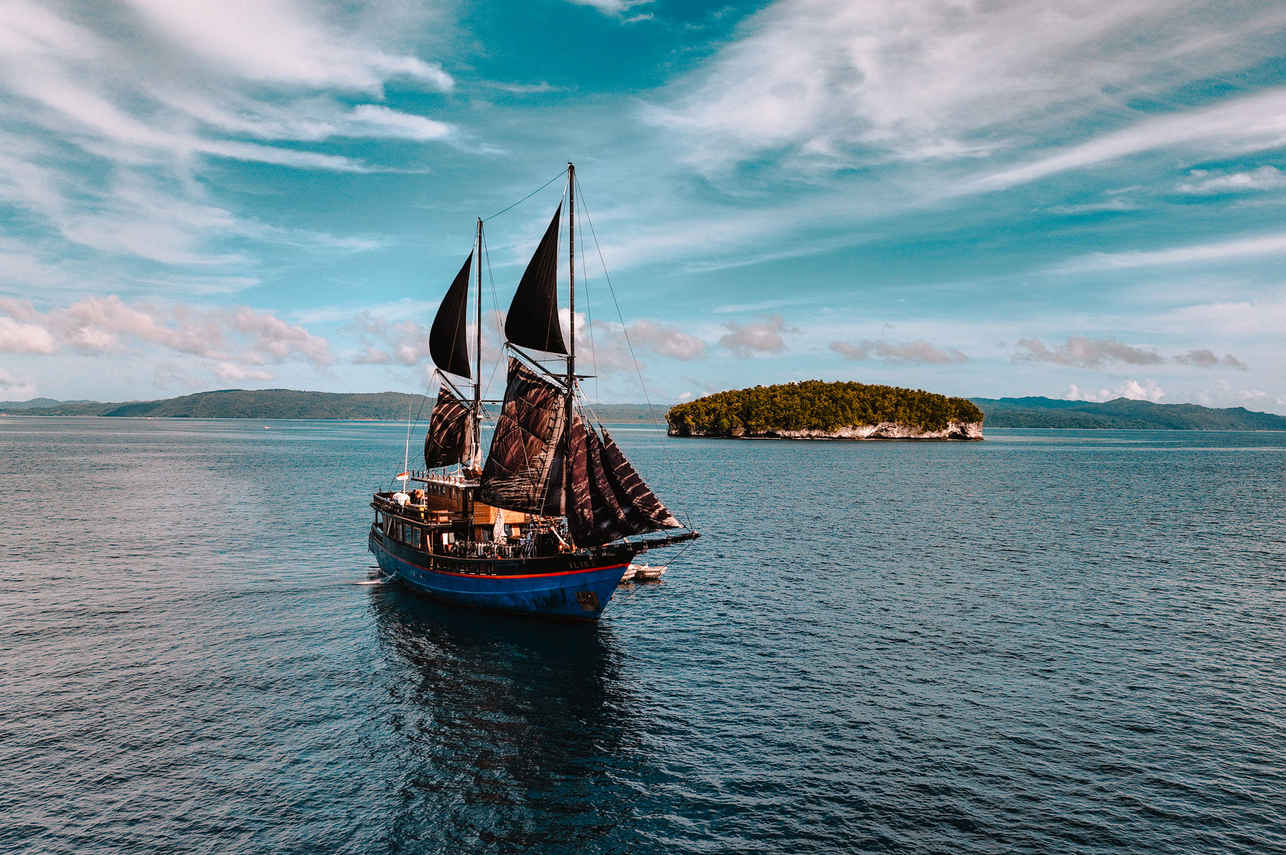
Ilike
Indonesia
16 guests40 m
$298/day
Dive sites similar to Pulau Hatta
Same character, same waters — six more sites divers love for the exact same reasons.Compare seasons, access and liveaboard routes — then pick the site that fits your trip best.
Patinti Strait
Banda Sea
The Patinti Strait, also known as Selat Patiente, is a renowned dive site located in South Halmahera, nestled between the main island of Halmahera and Bacan Island.
- Suitable for
- Advanced
- Current
- Strong
- Access
- Liveaboard only
- Depth
- 5–30 m
- Theme
- Drift / Reef
Banda Api North
Banda Sea
Banda Api North, nestled within Indonesia's remote Banda Sea, offers an extraordinary dive experience shaped by its active volcanic past.
- Suitable for
- Intermediate
- Current
- Strong
- Access
- Liveaboard only
- Depth
- 5–30 m
- Theme
- Reef
Nil Desperandum Atoll
Banda Sea
Nil Desperandum Atoll is an isolated seamount in the Banda Sea, part of the remote 'Forgotten Islands' chain.
- Suitable for
- Advanced
- Current
- Strong
- Access
- Liveaboard only
- Depth
- 20–40 m
- Theme
- Reef
Pohon Miring
Banda Sea
Pohon Miring, located near Banda Neira, is a dive site within the central Banda Islands group, offering a unique blend of marine biodiversity and accessibility.
- Suitable for
- Beginner
- Current
- Strong
- Access
- Liveaboard only
- Depth
- 3–20 m
- Theme
- Reef / Seamount
Dawera Island
Banda Sea
Dawera Island is a captivating dive destination nestled within the Forgotten Islands, a remote chain of islands in the vast Banda Sea, Indonesia.
- Suitable for
- Advanced
- Current
- Moderate
- Access
- Liveaboard only
- Depth
- ≥ 15 m
- Theme
- Reef / Wall
Sermata
Banda Sea
Sermata is part of the Forgotten Islands, a long chain of remote islands and atolls in the Southern Maluku, Indonesia, situated between the nutrient-rich Banda Sea and the Arafura Sea.
- Suitable for
- Advanced
- Current
- Moderate
- Access
- Liveaboard only
- Depth
- 15–40 m
- Theme
- Reef / Wall