About Komba Island
Komba Island, an active volcanic island located in the Banda Sea, sits approximately 50 kilometers north of Lembata Island in East Nusa Tenggara Province. Rising dramatically from a depth of 3,000 meters, this remote seamount is a product of ongoing volcanic activity where the Australian and Sunda tectonic plates meet. Its unique topography features walls that plunge into the deep, adorned with brilliantly colored soft and hard corals that flourish against the dark volcanic rock. The nutrient-rich currents of the Banda Sea, driven by cold upwellings, create an incredibly fertile environment around Komba, supporting a wide spectrum of marine species. This abundance includes vibrant schools of reef fish, various pelagic species, and unique critters that adapt to the volcanic substrate. Divers can expect to encounter healthy reef ecosystems where marine life acts naturally, thanks to the site's remoteness and minimal human impact. Diving here offers an adventurous experience, typically accessed via liveaboard, allowing for exploration of its pristine and undisturbed underwater world. The active seamount fosters unique ecosystems, making Komba Island a distinctive site for those seeking encounters with diverse marine creatures in a dramatic setting.
Highlights
Active volcanic island seamountWalls plunging to 3,000mVibrant corals on volcanic rockNutrient-rich Banda Sea currentsDiverse pelagic and reef lifeRemote, pristine environment
Season calendar
Best months to dive here
Jan
Feb
Mar
Apr
May
Jun
Jul
Aug
Sep
Oct
Nov
Dec
Excellent
Good
Off-Season
Sep – Nov (Sep–Nov)
Calmest seas and best visibility (25–30m). Hammerhead shark schools at their largest. Whale shark sightings increase. All liveaboard operators running Banda Sea expeditions.
Mar – May & Aug (Mar–May, Aug)
Transitional weather with generally good conditions. Visibility 18–25m. Fewer boats operating but still excellent diving.
Jun – Jul & Dec – Feb (Dec–Feb, Jun–Jul)
Monsoon brings rough seas, strong currents, and reduced visibility. Most operators do not run Banda Sea trips. Not recommended for diving.
Dive site facts: Komba Island
- Depth
- Unknown, likely beyond 40m
- Current
- Variable, can be strong
- Visibility
- 15–30 m
- Water temperature
- 26–29°C
- Entry
- Liveaboard tender
- Level
- Advanced recommended, current experience helpful
- Dive type
- Wall, seamount, pelagic
- Region / port
- Banda Sea, East Nusa Tenggara
- Coordinates
- 6.0441° S, 125.7538° E
Conditions & Currents
Diving at Komba Island, like much of the Banda Sea, is influenced by nutrient-rich currents, which can vary. While many sites in the Banda Sea have mild currents and good visibility, some locations, especially those exposed to upwellings, can experience stronger flows. These currents, crucial for feeding the abundant marine life, necessitate experience in current diving. Divers should be prepared for varying conditions, and liveaboard itineraries will account for daily current strengths to optimize dive times. Water visibility generally ranges from 15 to 30 meters, contributing to excellent underwater viewing, while water temperatures typically remain stable between 26 to 29°C.
Marine life & sighting chances

Hard corals
common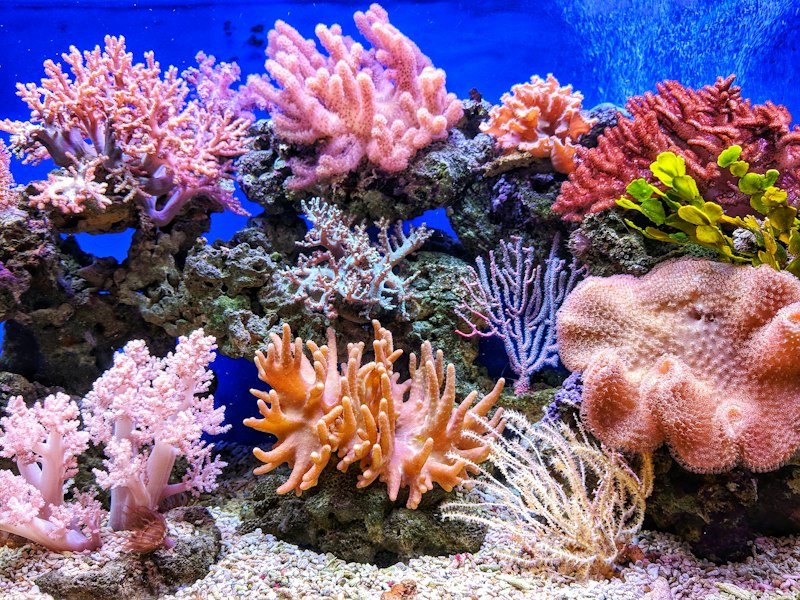
Soft corals
common
Sea fans
common
Reef sharks
occasional
Eagle rays
occasional
Schooling fish
common
Sperm whale
rare
Dolphins
occasional
Killer whales
rare
Lyretail basslet
common
Purple queen
commonPink basslet
commonLori’s basslet
commonScribbled basslet
commonDive profile & how the dive runs
Diving Komba Island typically involves exploring the dramatic volcanic walls that plunge deep into the Banda Sea. Entry is usually by tender, often with a negative entry to descend quickly to the reef face. The dive profile follows the contours of the wall, allowing divers to observe the vibrant coral growth and diverse marine life inhabiting the rocky substrate. Currents can be present and may dictate a drift dive along the wall, offering opportunities to spot pelagics in the blue. Depths can extend beyond 40 meters, with varied bottom features. The turn point is determined by air consumption and no-decompression limits. Safety stops are typically conducted in the shallower sections of the reef, providing an additional chance to observe macro life or schooling fish before surfacing.
Underwater photography
For photography at Komba Island, a wide-angle lens is highly recommended to capture the dramatic underwater topography and the expansive schools of fish often present in the blue water. The vibrant soft and hard corals covering the volcanic walls make for excellent scenic shots. If currents allow for closer inspection, a macro lens can reveal the smaller, unique species adapted to this volcanic environment, such as various basslets. Due to potential depth and varying light, strobes are beneficial for color rendition and enhancing contrast. Maintaining excellent buoyancy is crucial, especially when currents are present, to protect the pristine corals and capture sharp images. Always approach marine life respectfully, avoiding disturbance.
Combine with nearby dive sites
Getting there & logistics
Komba Island is exclusively accessible via liveaboard, due to its remote location in the Banda Sea. Trips often depart from hubs like Maumere (Flores Island) or Kalabahi (Alor Island), connecting with major Indonesian airports such as Bali (Denpasar International Airport). Liveaboard itineraries typically range from 7 to 13 days, combining Komba Island with other dive sites across the Alor Archipelago, the Pantar Strait, and other remote Banda Sea locations. There are no specific permits or park fees mentioned for Komba itself, but general marine park fees for the wider region may apply depending on the liveaboard operator. Divers should plan for domestic flights within Indonesia to reach the departure ports.
Safety & environment
The nearest recompression chamber is likely located in larger regional centers like Bali, meaning evacuation from Komba Island in the remote Banda Sea would be a significant logistical undertaking. Divers must carry comprehensive dive insurance that covers emergency medical treatment and evacuation, including air transport. Due to potentially strong currents and deep dive profiles typical of seamounts and walls, advanced dive training and experience with currents are highly recommended. Always adhere strictly to depth and no-decompression limits, conduct thorough buddy checks, and manage air consumption diligently. Pay close attention to liveaboard briefings and follow guide instructions, as conditions can change rapidly in this dynamic environment.
Who it suits, and who it doesn't
Suited for
- Experienced divers comfortable with currents
- Advanced Open Water certified divers
- Underwater photographers seeking dramatic scenery
- Pelagic enthusiasts and big fish spotters
- Divers seeking remote, pristine dive sites
Less suited for
- Beginner divers or those without current experience
- Divers with limited buoyancy control
- Individuals seeking shore-based diving
- Those prone to seasickness on liveaboards
- Divers preferring shallow, calm reef dives exclusively
FAQ
Komba Island FAQ
What makes Komba Island unique for diving?
Komba Island is an active volcanic seamount rising dramatically from the deep Banda Sea. Its unique geology creates a spectacular underwater landscape of walls adorned with vibrant corals on volcanic rock. The nutrient-rich currents attract diverse marine life, making it a pristine and adventurous dive destination.
What marine life can I expect to see at Komba Island?
You can anticipate encountering abundant hard and soft corals, sea fans, and a wide array of schooling reef fish. Pelagic species like reef sharks, eagle rays, and occasionally even dolphins or whales are sighted. Specific basslet species such as Lyretail, Purple Queen, Pink, Lori's, and Scribbled basslets are also common on the reefs.
When is the best time to dive Komba Island?
The prime diving seasons for Komba Island and the wider Banda Sea are typically from April to May and from September to November. During these months, the conditions are generally favorable for liveaboard expeditions to this remote volcanic island.
What level of diving experience is required for Komba Island?
Komba Island is best suited for experienced and advanced divers, particularly those comfortable with variable and potentially strong currents. Its deep walls and exposure to oceanic conditions mean that good buoyancy control and current diving experience are highly recommended for safety and enjoyment.
How do I get to Komba Island?
Komba Island is in a very remote part of the Banda Sea and is only accessible by liveaboard. Trips often depart from ports like Maumere on Flores Island or Kalabahi in Alor. Divers typically fly into major Indonesian airports and then take domestic flights to reach these liveaboard departure points.
Are there any specific hazards or safety considerations when diving Komba Island?
The primary hazards at Komba Island include potentially strong and unpredictable currents, and the significant depths of the wall dives. Divers must be vigilant about air consumption, adhere to no-decompression limits, and have robust dive insurance. Its remoteness means emergency evacuation can be complex and time-consuming.
Why dive Komba Island from a liveaboard?
Komba Island is one of Banda Sea's signature dive sites. A liveaboard sleeps you on the water and puts you in the water for three to four guided dives per day, including dawn and night dives that day-boat operators rarely offer. You skip the daily commute back to port and reach quieter, less-crowded sites in the same region on a single trip.
Below are the liveaboards that include Komba Island on their Banda Sea itineraries.
Liveaboards diving Komba Island
These liveaboards may visit Komba Island on selected itineraries, the exact dive sites depend on departure, weather and conditions.

Wellenreng
Indonesia
9 guests25 m

Mari
Indonesia
14 guests32 m

Pindito
Indonesia
16 guests38 m

Mermaid II
Komodo, Indonesia
18 guests

Gaia Love
Alor
20 guests

Emperor Raja Laut
Raja Ampat, Indonesia
12 guests31 m

Malaillo
Indonesia
14 guests46 m

Damai II
Komodo, Indonesia
14 guests

DUNE Aurora
Indonesia
18 guests

Calico Jack
Indonesia
10 guests30 m

Coralia
Indonesia
16 guests48 m

Ilike
Indonesia
16 guests40 m
Dive sites similar to Komba Island
Same character, same waters, six more sites divers love for the exact same reasons.Compare seasons, access and liveaboard routes, then pick the site that fits your trip best.
Abila is a notable dive site located within the Alor Islands Marine Park, an area celebrated for its rich marine biodiversity due to its position in the Coral Triangle.
- Suitable for
- Beginner
- Current
- Mild
- Access
- Liveaboard only
- Depth
- —
- Theme
- Reef
© EsriMaxar, Earthstar, GIS
Adonara Channel
Alor
Adonara Channel stands as one of Alor's most iconic dive sites, celebrated for its dynamic currents and exceptionally rich biodiversity.
- Suitable for
- Advanced
- Current
- Strong
- Access
- Liveaboard or dayboat
- Depth
- 10–40 m
- Theme
- Drift / Wall
© EsriMaxar, Earthstar, GIS
Adonara Wall
Indonesia
Adonara is an Indonesian island dive site, renowned for its vibrant underwater topography characterized by submerged seamounts.
- Suitable for
- Intermediate
- Current
- Strong
- Access
- Liveaboard or dayboat
- Depth
- 5–35 m
- Theme
- Seamount / Wall
© EsriMaxar, Earthstar, GIS
Agnay Fish Sanctuary
Philippines
Agnay Fish Sanctuary is nestled in a sheltered bay near the village of Agnay in Romblon, a province celebrated for its rich marine biodiversity.
- Suitable for
- Beginner
- Current
- Mild
- Access
- Dayboat
- Depth
- 9–18 m
- Theme
- Reef
© EsriMaxar, Earthstar, GIS
Ai Island Reef
Banda Sea
Ai Island Reef, nestled within the Banda Sea, offers a remarkable diving experience characterized by its rich marine biodiversity and varied underwater topography.
- Suitable for
- Beginner
- Current
- Strong
- Access
- Liveaboard only
- Depth
- 3–30 m
- Theme
- Reef / Seamount
© EsriMaxar, Earthstar, GIS
Akitsushima
Philippines
The Akitsushima is a distinguished World War II Japanese seaplane tender, sunk in September 1944 during an American air raid in Coron Bay, Palawan.
- Suitable for
- Advanced
- Current
- Strong
- Access
- Dayboat
- Depth
- 22–38 m
- Theme
- Wreck