About Manuk Ridge
Manuk Island, known as the "Snake Island," is an isolated, uninhabited volcanic island within Indonesia's Banda Sea, approximately 160 kilometers from the Banda Islands. Its remote location, primarily accessible via liveaboard, ensures a pristine marine ecosystem, making it a unique dive destination. The underwater topography features black sand slopes, dramatic walls, and coral ridges, all influenced by active geothermal vents that rise amidst the coral reefs, a direct result of the region's position within the Pacific Ring of Fire. The island's active geothermal activity is believed to attract its significant sea snake population, a primary draw for divers. Here, you can expect to be surrounded by numerous olive and banded sea kraits, which are generally curious but harmless. Beyond the snakes, the site hosts schooling trevally and barracuda, sometimes observed in cooperative hunting with the sea snakes. Blacktip and whitetip reef sharks are also spotted in shallower areas, with hammerhead sharks making occasional appearances, particularly in deeper channels and along outer reef slopes. Dive sites like Manuk Ridge and Palm Point are prime locations for pelagic sightings, including mobula rays and hammerheads. The depths vary, allowing for exploration of the volcanic features and marine life interactions around the island. Given its isolated nature and potential for currents, Manuk Island is best experienced on a liveaboard, requiring divers to possess good buoyancy control.
Highlights
Abundant banded sea snakesActive geothermal ventsCooperative hunting behaviorPristine coral ridgesOccasional hammerhead sightingsPelagic marine life
Season calendar
Best months to dive here
Jan
Feb
Mar
Apr
May
Jun
Jul
Aug
Sep
Oct
Nov
Dec
Excellent
Good
Dive site facts: Manuk Ridge
- Depth
- 5–40 m
- Typical dive
- 15–30 m, 50–60 min
- Current
- Light to strong, site-dependent
- Visibility
- 15–40 m (avg. 30 m)
- Water temperature
- 27–30°C
- Entry
- Tender / negative entry
- Level
- Advanced recommended, current experience beneficial
- Dive type
- Wall, pinnacle, pelagic, volcanic reef
- Region / port
- Banda Sea, Maluku
- Coordinates
- 5.7234° S, 129.2178° E
Conditions & Currents
The waters surrounding Manuk Island are generally calm, but divers should anticipate moderate to strong currents, especially in deeper channels and along the outer reef slopes. These currents are crucial for delivering nutrients that sustain the rich marine life, including pelagic species like hammerheads and mobula rays. Divers must be prepared for varying current conditions and maintain excellent buoyancy control to safely navigate these areas, particularly given the density of sea snakes and delicate corals. Visibility typically ranges from 15 to 40 meters, averaging around 30 meters, and is not significantly impacted by rainfall due to the lack of river runoff. Entry is usually via tender, often requiring a negative entry in areas with stronger currents to quickly reach depth.
Marine life & sighting chances
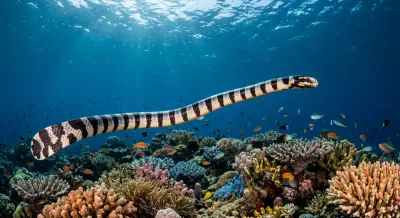
Banded sea krait
year round · common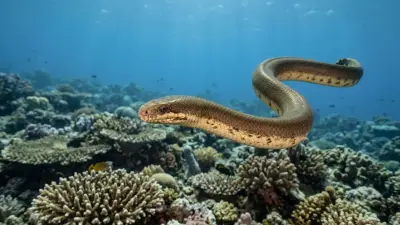
Olive sea snake
year round · common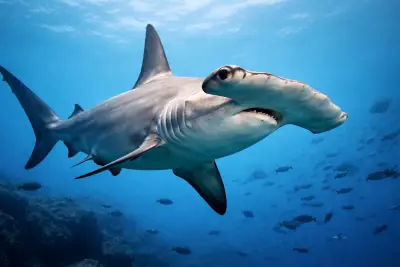
Scalloped hammerhead shark
September-October · occasional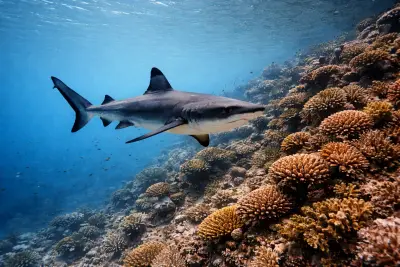
Blacktip reef shark
occasional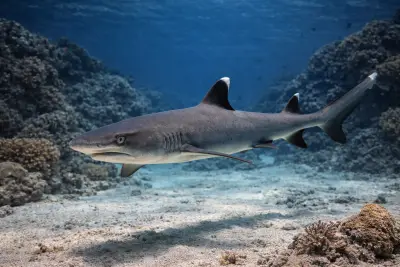
Whitetip reef shark
occasional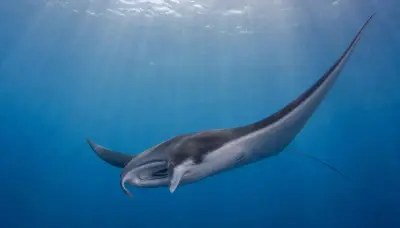
Mobula ray
occasional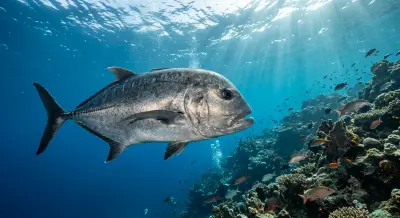
Giant trevally
common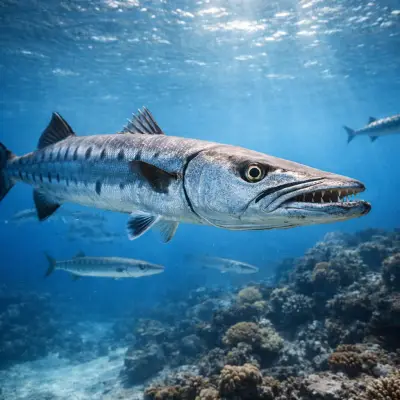
Barracuda
commonDive profile & how the dive runs
Dives at Manuk Ridge typically start with a tender drop close to the reef. A negative entry is often employed in areas with stronger currents to quickly descend to the desired depth. The dive profile focuses on exploring the volcanic features and marine life interactions around the island. Common routes involve following the black sand slopes and coral ridges, keeping an eye out for sea snakes at shallower depths and pelagic species further offshore or in deeper channels. Turn points are determined by air consumption, no-decompression limits, and current conditions. The safety stop is generally conducted in shallower, more sheltered areas of the reef or along the wall, allowing for observation of reef fish and final interactions with sea snakes before ascending to the surface.
Underwater photography
Manuk Ridge offers exceptional opportunities for both wide-angle and macro photography, especially given the unique geothermal activity and prolific marine life. For wide-angle shots, consider a fisheye or wide rectilinear lens to capture the dramatic underwater topography, schooling fish, and the presence of numerous sea snakes. This allows you to frame the entire environment, including the occasional hammerhead. For macro enthusiasts, a 60mm or 100mm lens is ideal for capturing detailed portraits of the inquisitive banded sea kraits and various reef inhabitants. Strobes are essential to bring out the vibrant colors of corals and fish, as well as to properly light the sea snakes, ensuring they are well-exposed against the often-darker volcanic background. Maintain excellent buoyancy to avoid disturbing the fragile corals and the sea snakes, and always respect marine life by keeping a safe distance, even if the snakes approach you.
Combine with nearby dive sites
- Gunung Api
Gunung Api, meaning "Fire Mountain," is a remote dormant volcano rising from the deep Banda Sea, approximately 60 miles from any other…
- Palm Point
Palm Point is a notable dive site located off Manuk Island, an isolated and uninhabited volcanic outpost within the Banda Sea…
- Nil Desperandum Atoll
Nil Desperandum Atoll is an isolated seamount in the Banda Sea, part of the remote 'Forgotten Islands' chain.
- Dusborough
Dusborough is a notable dive site within the Banda Sea's Forgotten Islands, recognized as one of the remote, isolated atolls.
- Serua
Mount Serua is a highlight of the Forgotten Islands, an arc of remote, volcanic atolls in the Southern Maluku region of Indonesia.
Getting there & logistics
Access to Manuk Ridge, like much of the Banda Sea, is primarily achieved via liveaboard expeditions, which typically depart from Ambon. Trips often range from 11 to 12 days, combining Manuk with other remote sites in the Forgotten Islands and the historic Banda Islands. Travelers usually fly into Ambon (AMQ), where they are transferred to the liveaboard. Park and port fees, typically around $390 USD per trip, along with fuel surcharges (approx. $330 USD) and long-distance fees ($360 USD), are mandatory supplements. Liveaboards often integrate Manuk Ridge into itineraries that also visit Ameth at Nusa Laut, the Banda Islands for sites like Batu Kapal, Hatta, and Skaru Reef, and further south to Nil Desperandum Atoll and Dusborough, eventually concluding in ports like Kupang or Maumere depending on the specific route.
Safety & environment
While diving at Manuk Ridge, ensuring safety requires preparedness for its remote location. The nearest recompression chamber is generally in Ambon, meaning evacuation in a diving emergency could be prolonged. Divers should always carry comprehensive dive insurance that includes emergency medical evacuation. Site-specific hazards include the potential for moderate to strong currents, which necessitate good current diving experience and excellent buoyancy control. While the abundant sea snakes are generally non-aggressive, maintaining respectful distance is advised. Divers should also be aware of the active geothermal vents, which can emit warm water, but are generally not a direct hazard. Adhering strictly to dive plan briefings and always diving with a buddy are paramount for a safe experience.
Who it suits — and who it doesn't
Suited for
- Experienced divers comfortable with currents
- Underwater photographers seeking unique subjects
- Pelagic enthusiasts hoping for shark and ray encounters
- Divers interested in volcanic underwater landscapes
- Those seeking remote, uncrowded dive experiences
Less suited for
- Beginner divers or those new to currents
- Divers without comprehensive travel and dive insurance
- Anyone uncomfortable with close encounters with venomous, yet docile, sea snakes
- Divers who prefer shore-based diving or short boat trips
FAQ
Manuk Ridge FAQ
What makes Manuk Ridge unique for diving?
Manuk Ridge is unique due to its active geothermal vents, which contribute to a vibrant ecosystem and attract a significant population of sea snakes. Divers often experience close, yet harmless, encounters with inquisitive banded and olive sea kraits, a rarity in other dive locations. The site also offers dramatic volcanic underwater landscapes and opportunities to spot large pelagics.
What marine life can I expect to see at Manuk Ridge?
You can expect to encounter hundreds of sea snakes, primarily banded and olive sea kraits, which are a major highlight. Additionally, the site hosts schooling trevally and barracuda, and occasional sightings of blacktip, whitetip, and even scalloped hammerhead sharks in deeper areas. Mobula rays are also sometimes seen in the blue.
When is the best time to dive Manuk Ridge?
The optimal periods for diving Manuk Ridge are from March to May and from September to December. During these months, the Banda Sea experiences calmer waters, offering excellent visibility and comfortable water temperatures. September and October are particularly noted for increased chances of hammerhead shark sightings.
Are the sea snakes at Manuk Ridge dangerous?
The sea snakes, predominantly banded and olive sea kraits, at Manuk Ridge are venomous but generally considered docile and non-aggressive towards divers. They are often curious and may approach, but incidents of bites are extremely rare. Maintaining respectful distance and avoiding sudden movements is always recommended for a safe interaction.
What dive experience level is required for Manuk Ridge?
Manuk Ridge is recommended for advanced divers, especially those with experience in current diving. While some areas can be calm, currents can vary from moderate to strong, particularly in deeper channels. Good buoyancy control is essential to navigate the volcanic topography and avoid disturbing the fragile corals and marine life.
Why dive Manuk Ridge from a liveaboard?
Manuk Ridge is one of Banda Sea's signature dive sites. A liveaboard sleeps you on the water and puts you in the water for three to four guided dives per day, including dawn and night dives that day-boat operators rarely offer. You skip the daily commute back to port and reach quieter, less-crowded sites in the same region on a single trip.
Below are the liveaboards that include Manuk Ridge on their Banda Sea itineraries.
Liveaboards diving Manuk Ridge
These liveaboards may visit Manuk Ridge on selected itineraries — the exact dive sites depend on departure, weather and conditions.
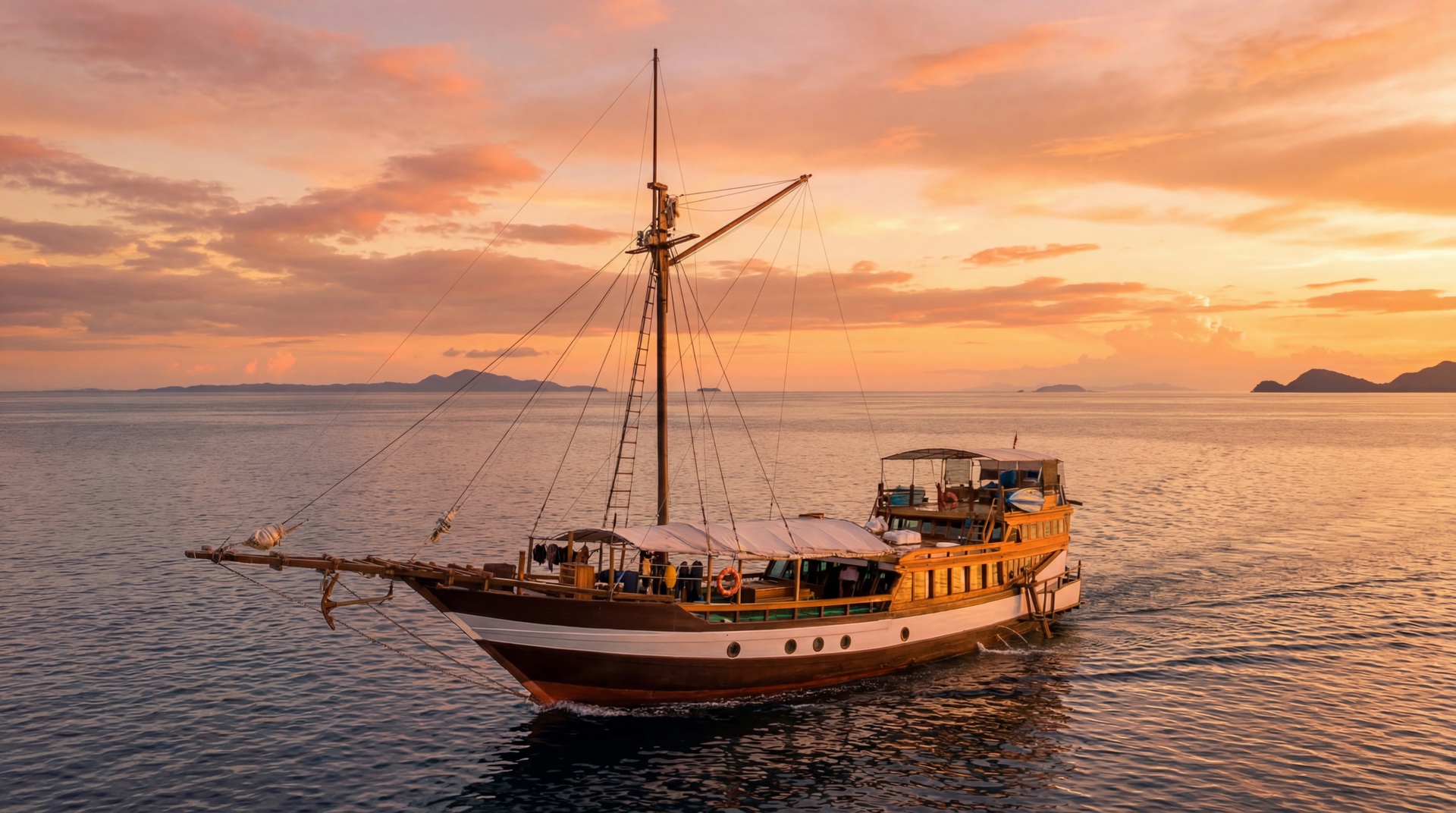
Wellenreng
Indonesia
9 guests25 m
$427/day
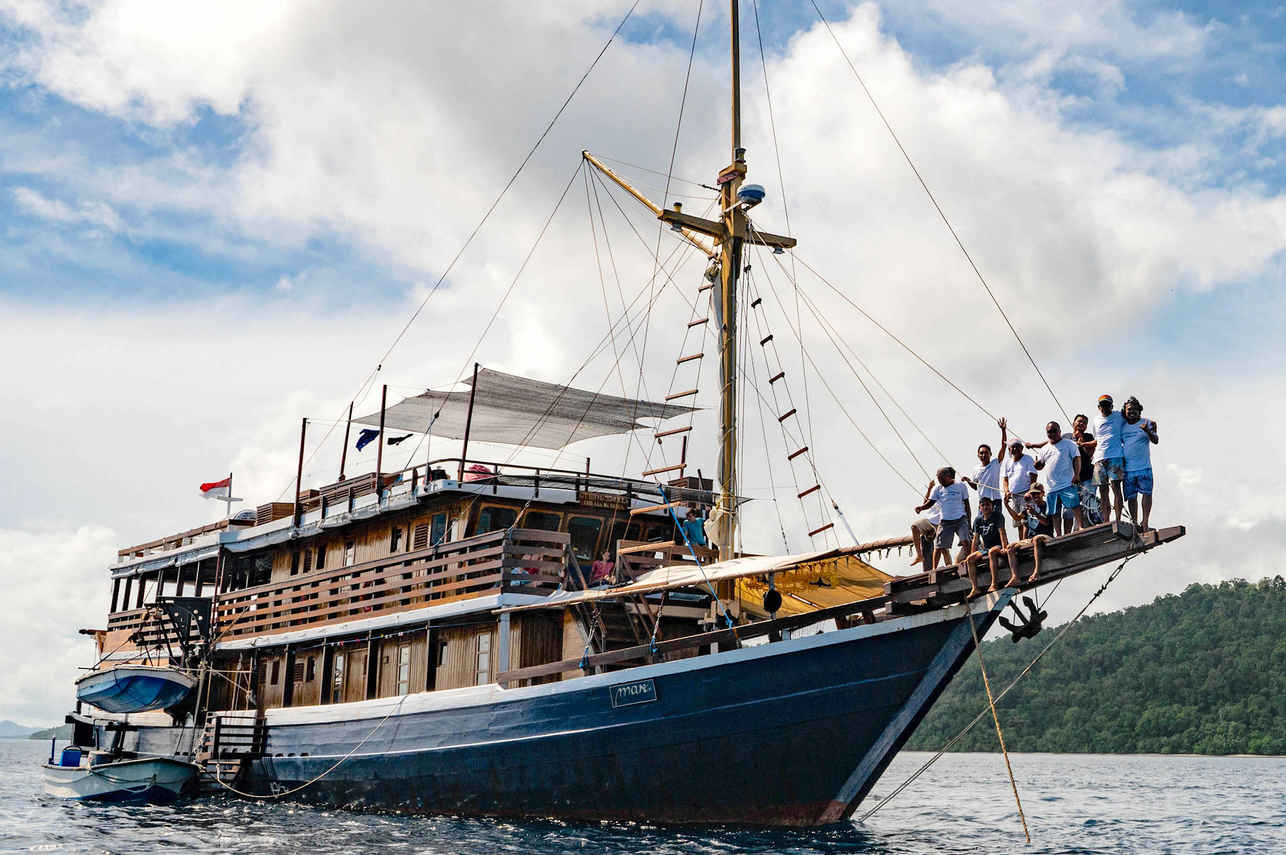
Mari
Indonesia
14 guests32.2 m
$328/day
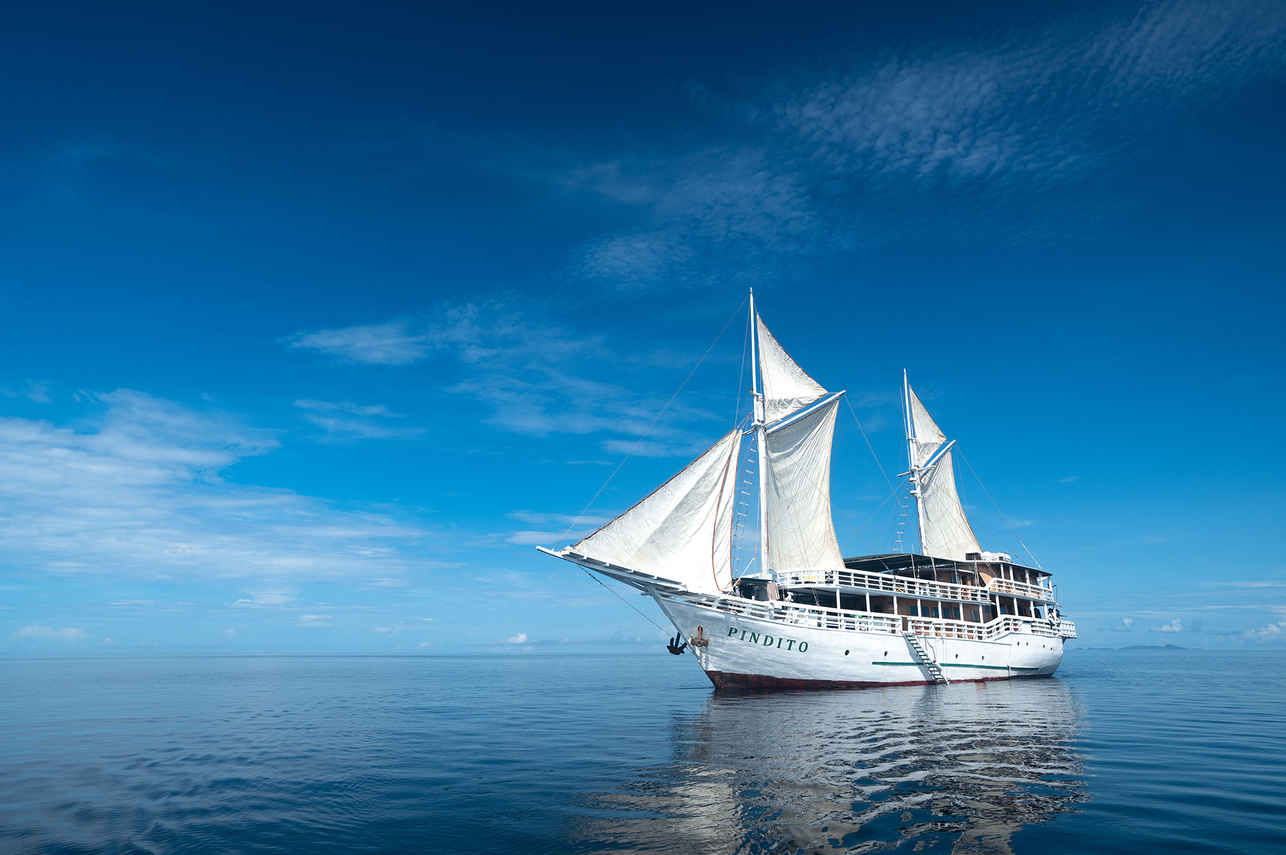
Pindito
Indonesia
16 guests37.79 m
$533/day
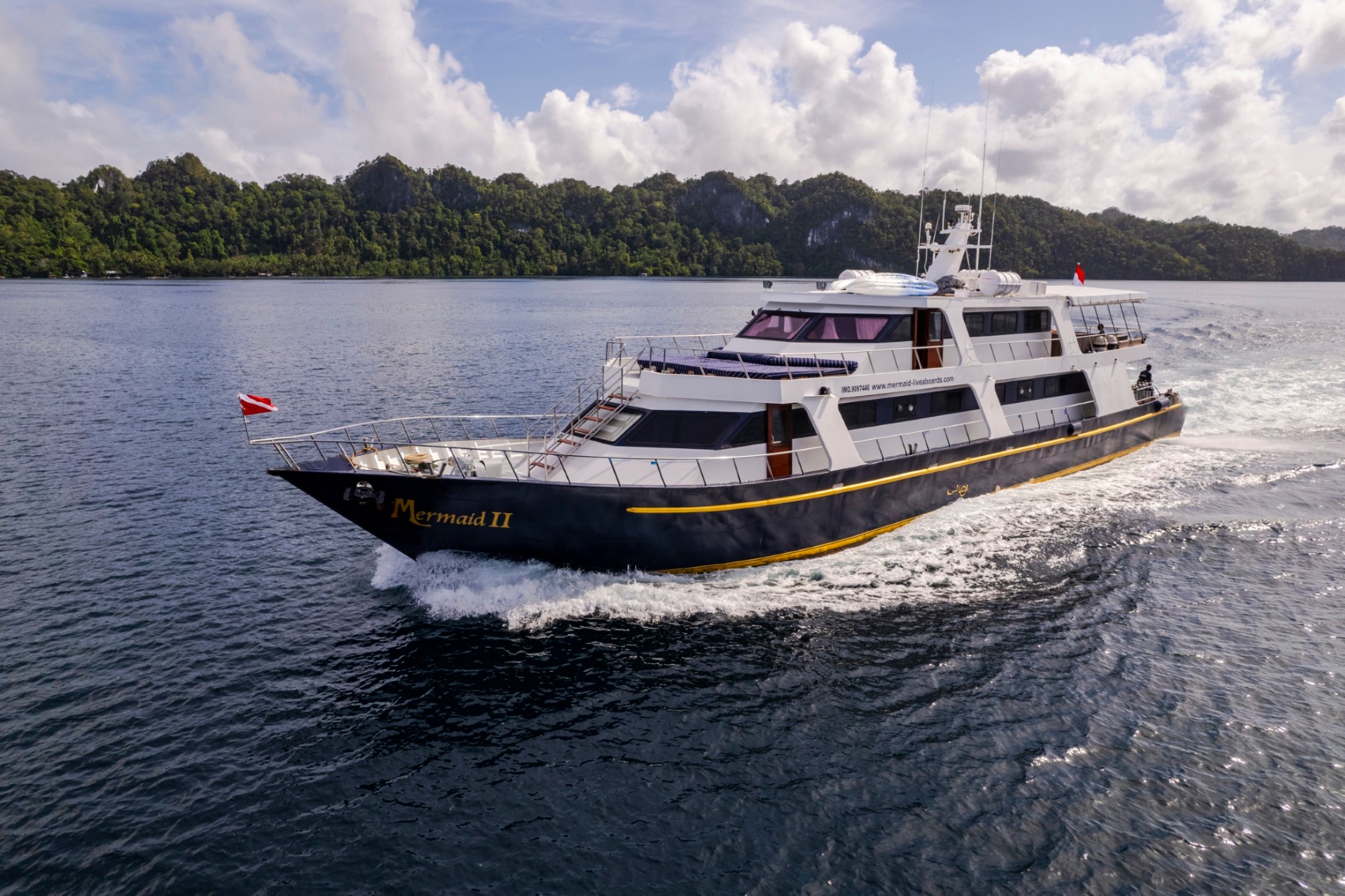
Mermaid II
Komodo, Indonesia
18 guests
$355/day
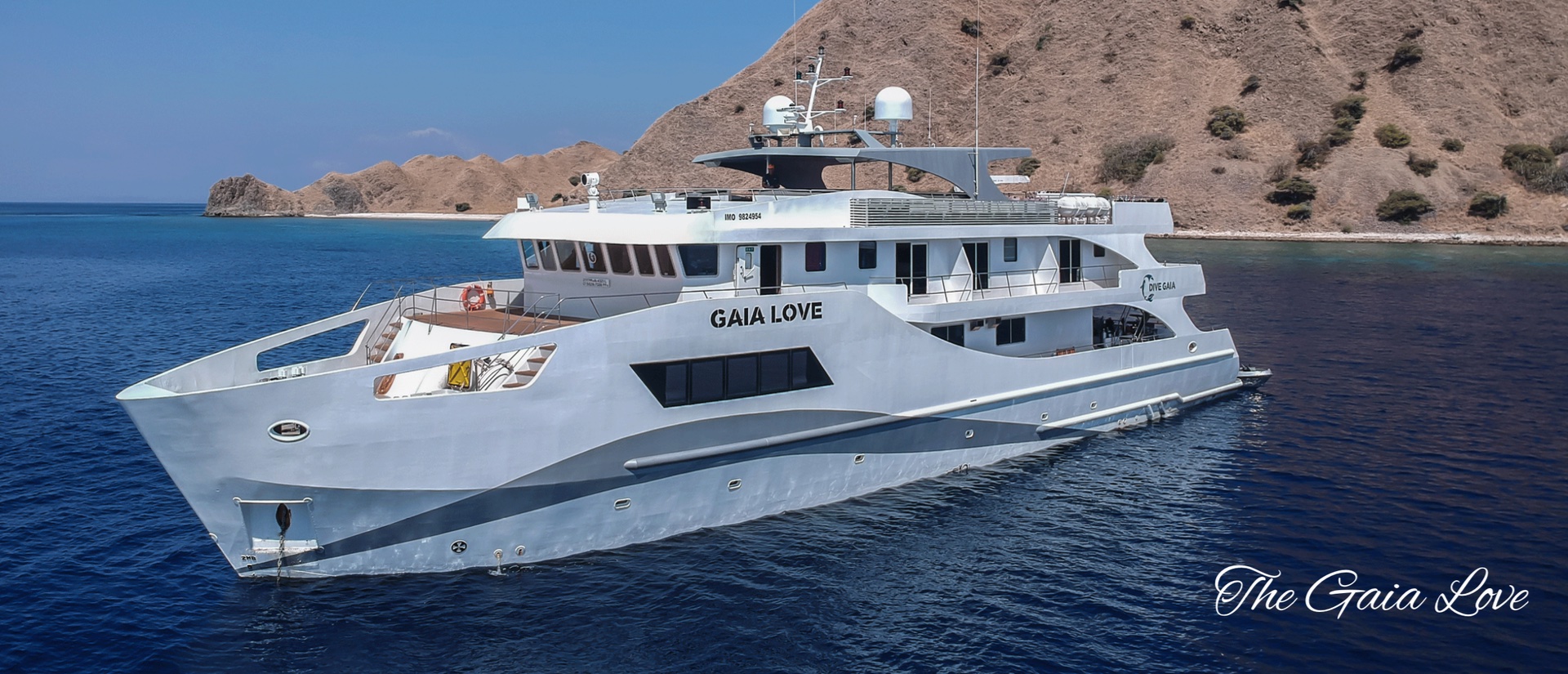
Gaia Love
Alor
20 guests
$554/day
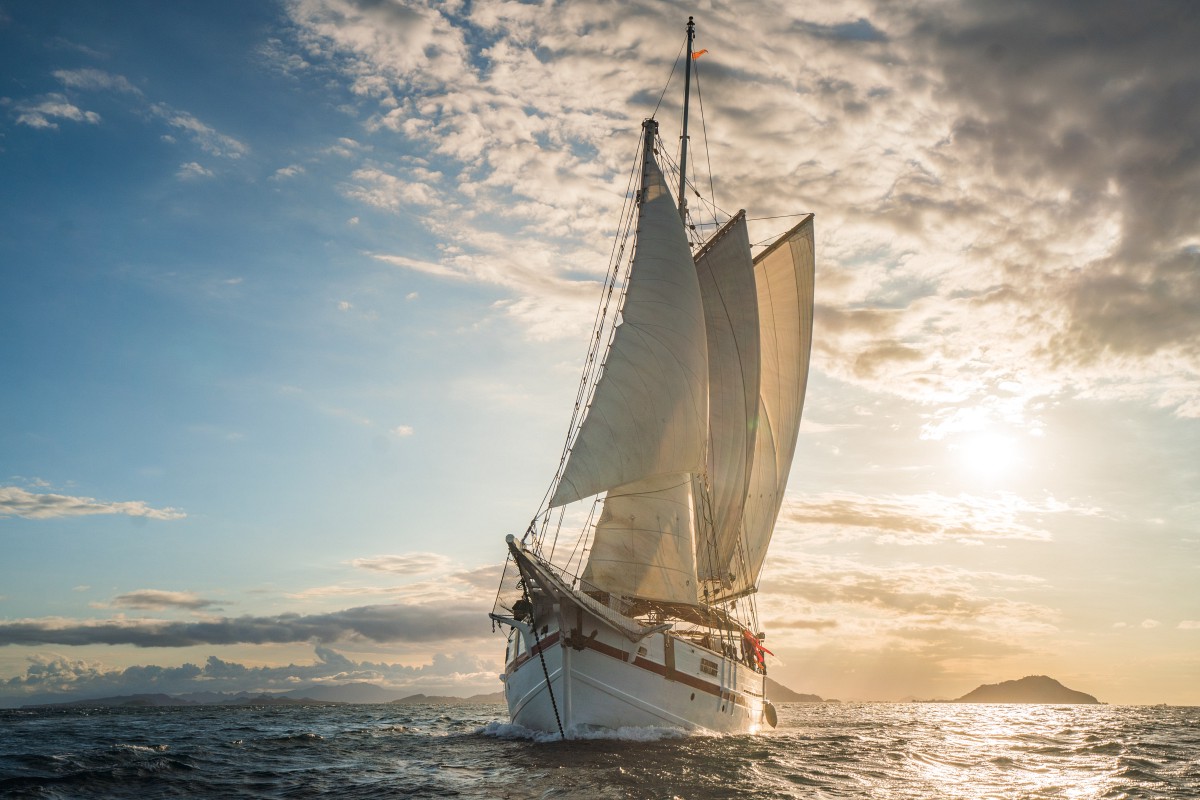
Emperor Raja Laut
Raja Ampat, Indonesia
12 guests31 m
$413/day
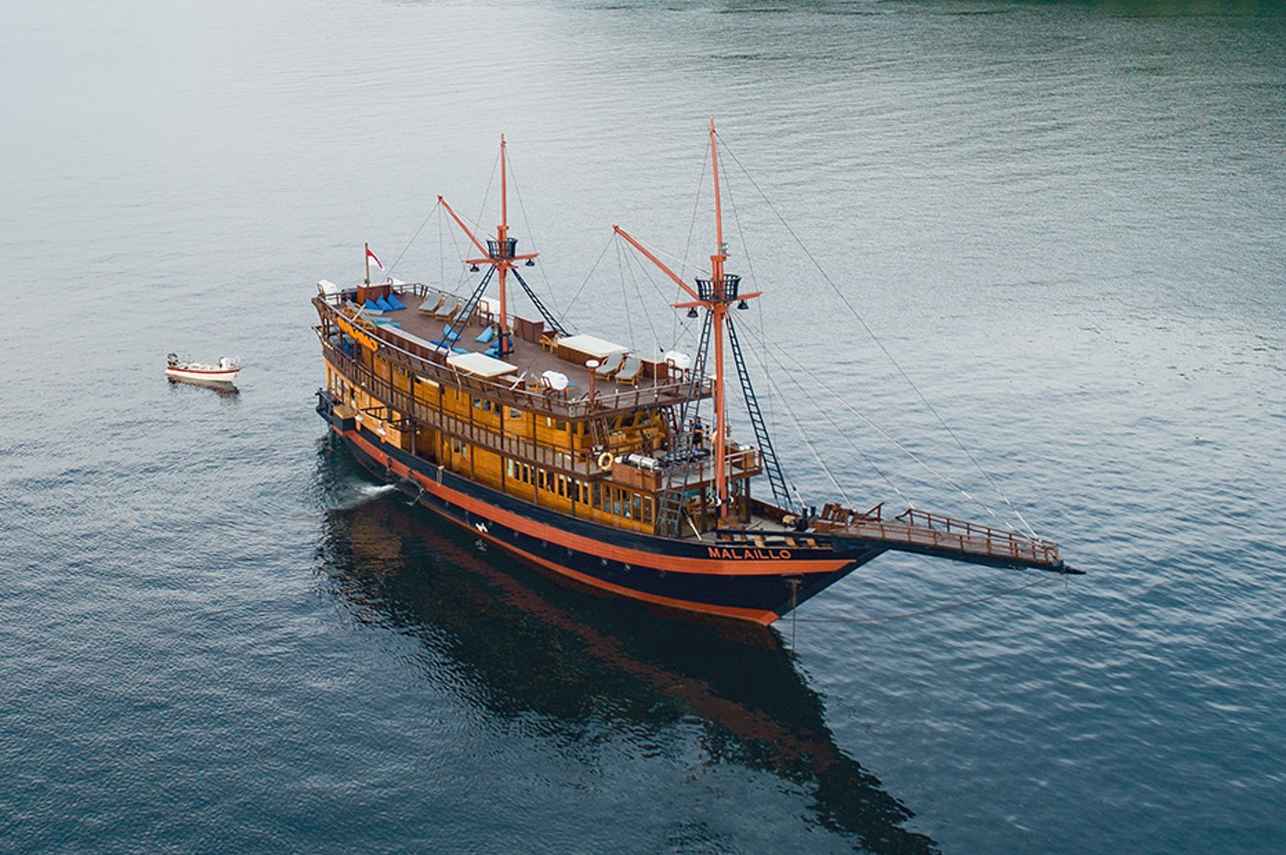
Malaillo
Indonesia
14 guests45.57 m
$348/day
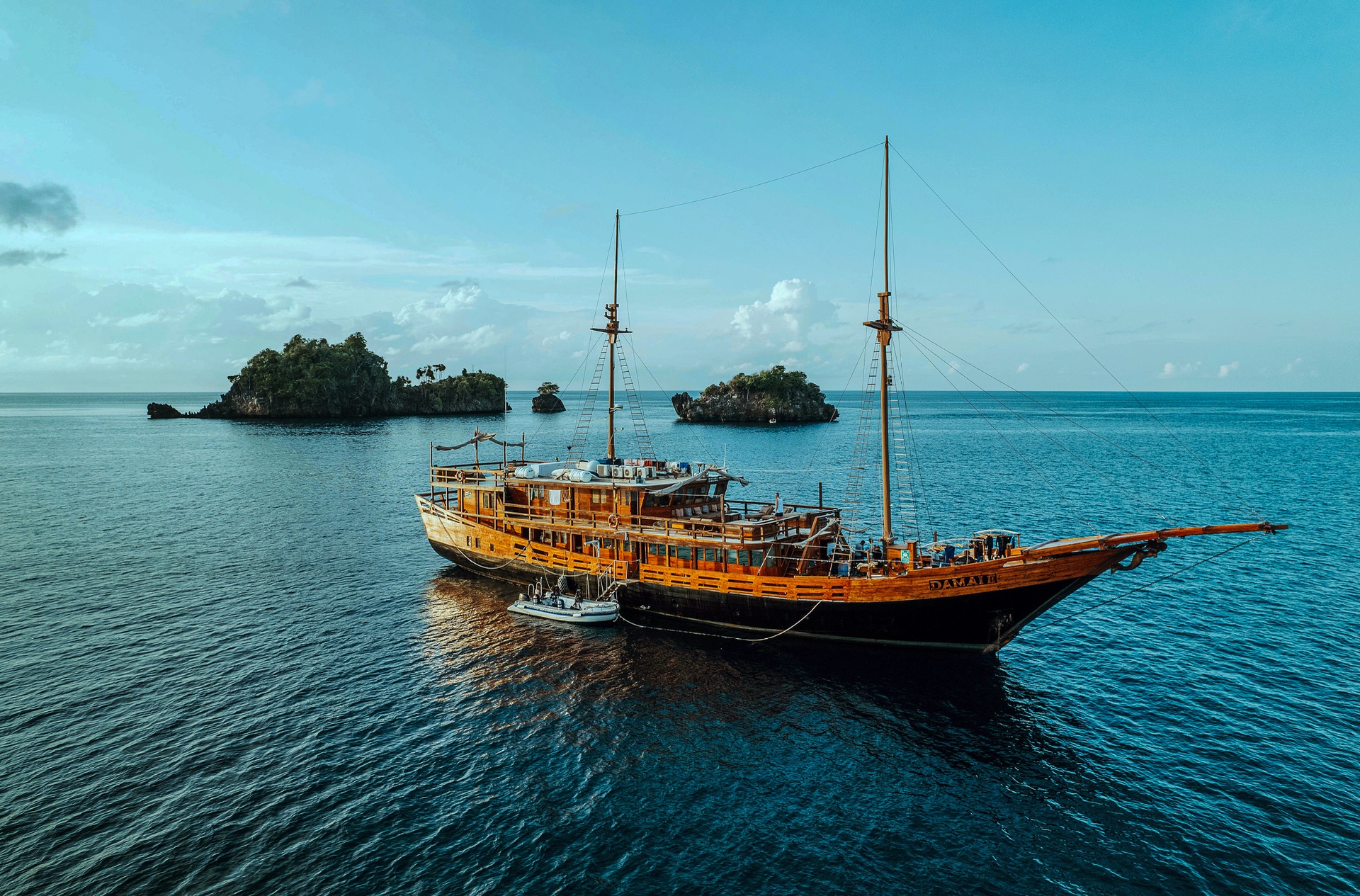
Damai II
Komodo, Indonesia
14 guests
$459/day
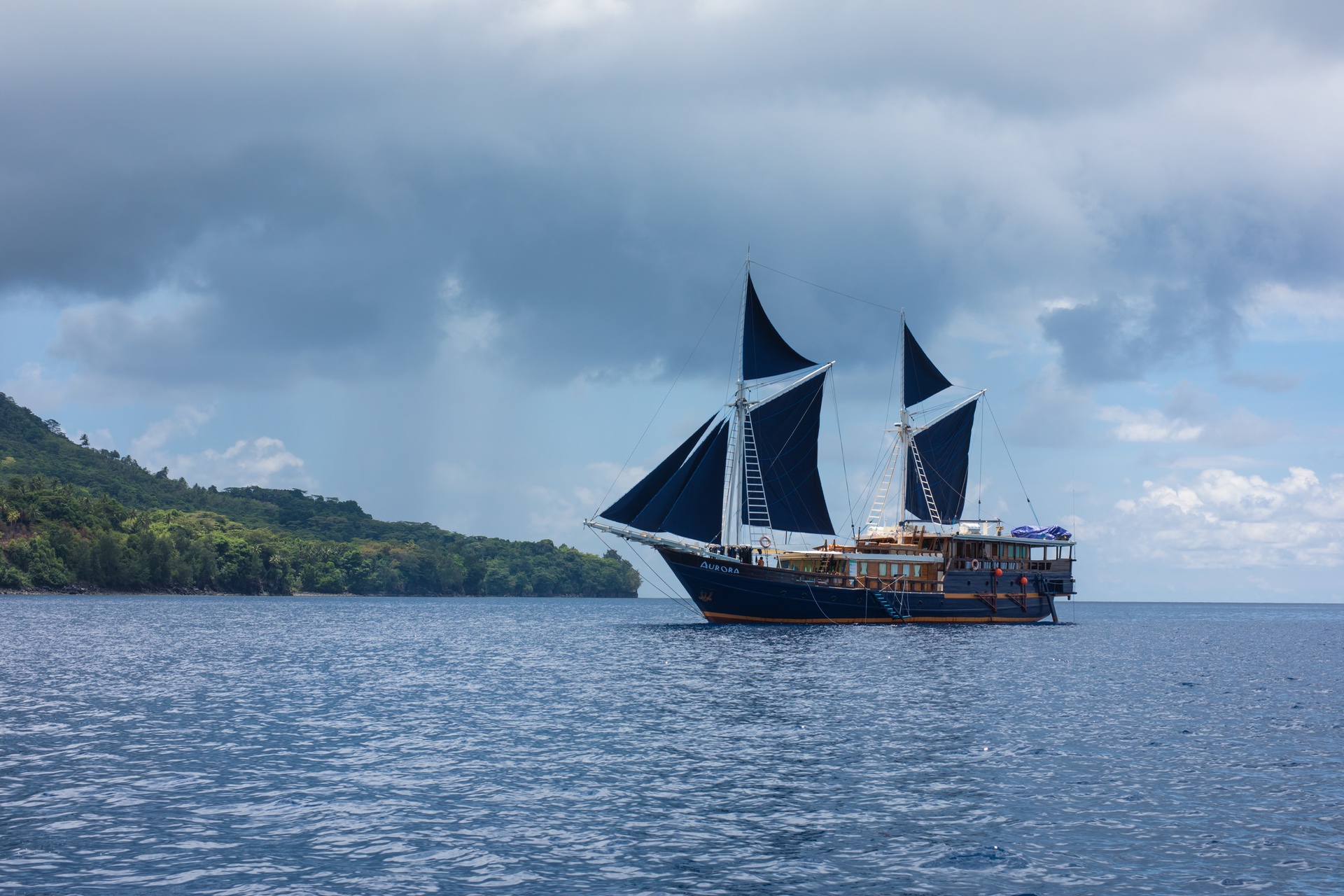
DUNE Aurora
Indonesia
18 guests
$344/day
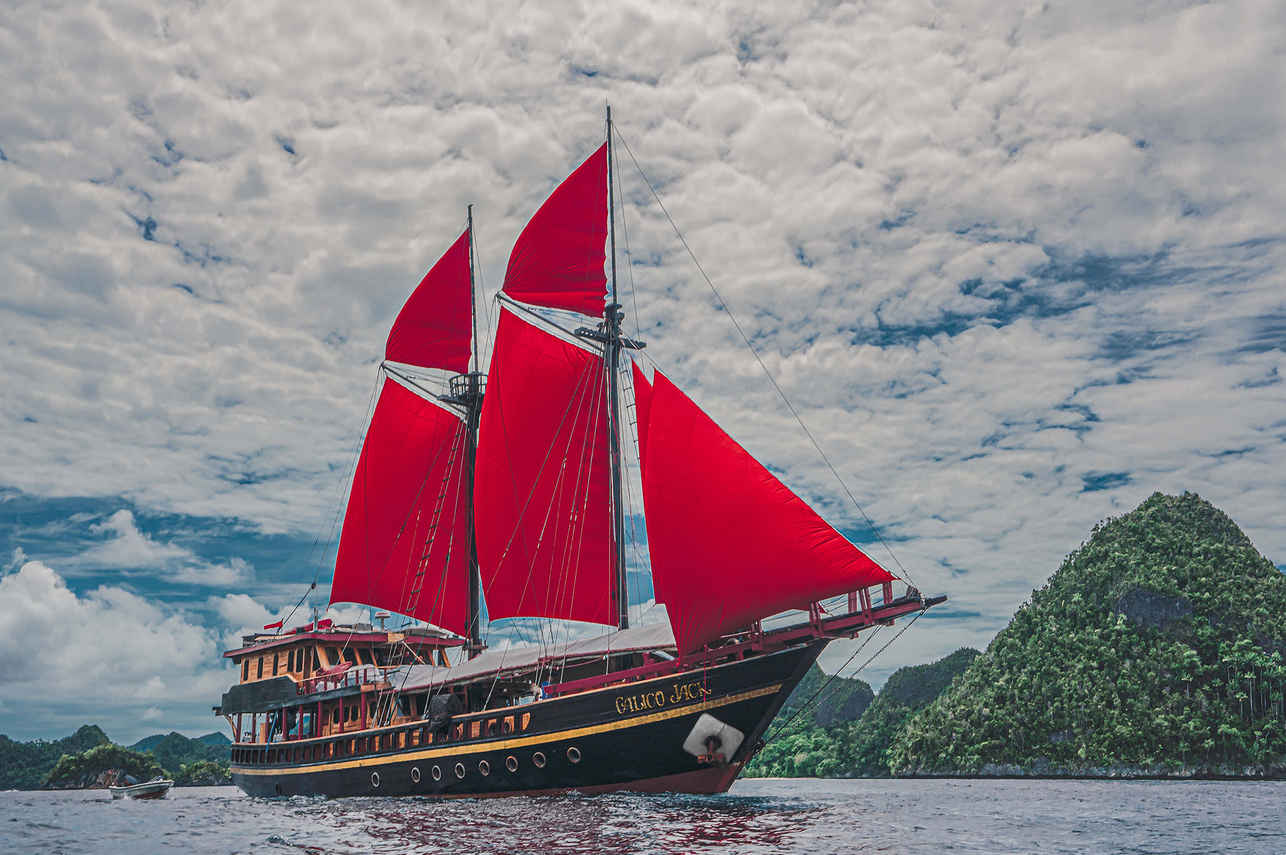
Calico Jack
Indonesia
10 guests30 m
$398/day
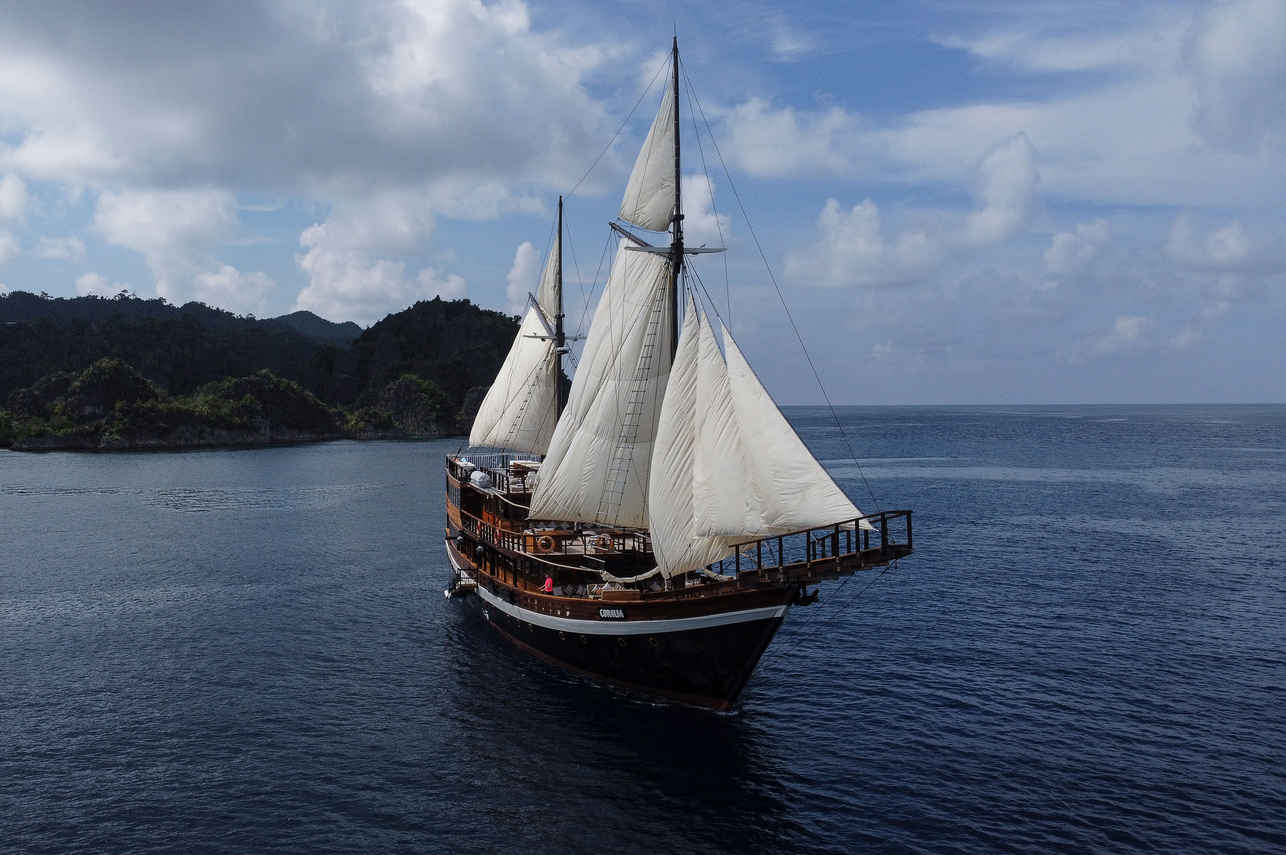
Coralia
Indonesia
16 guests48 m
$577/day
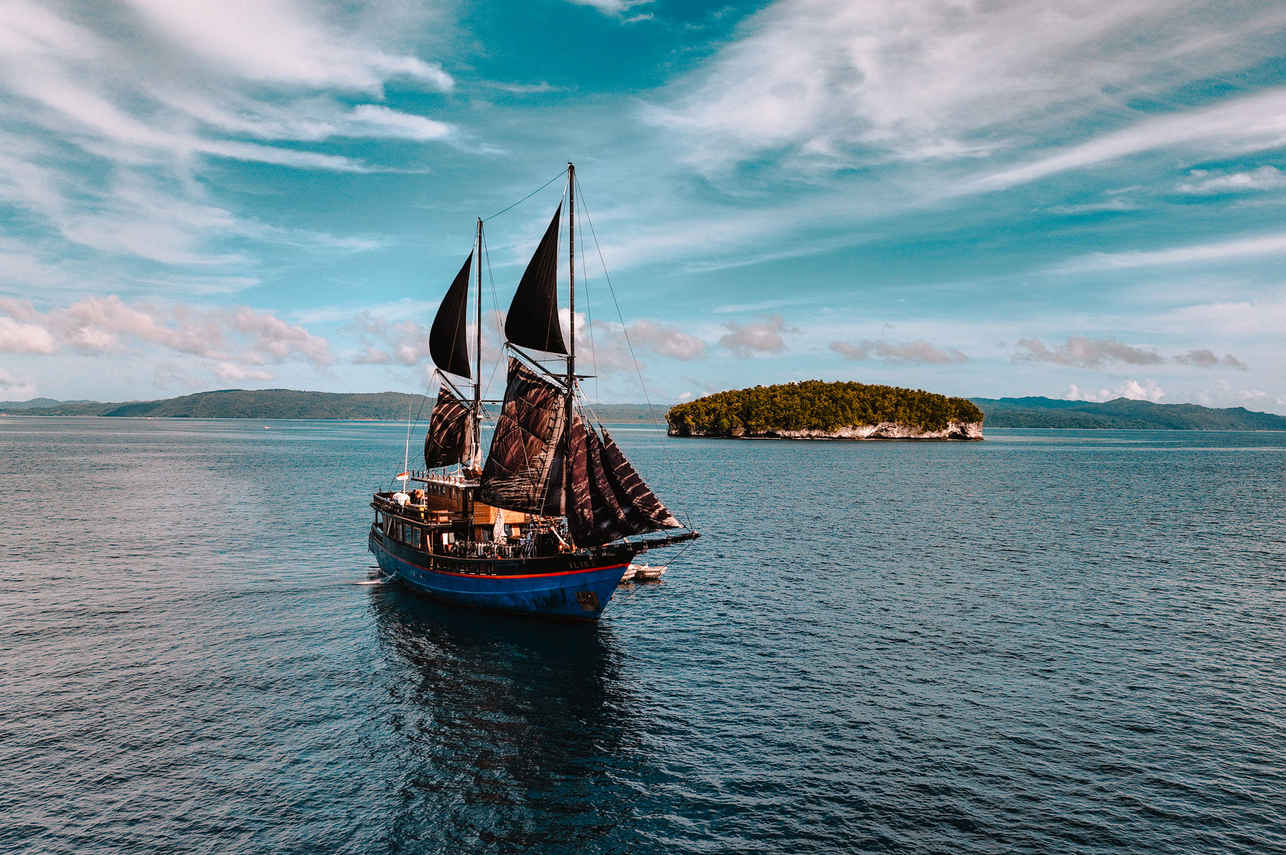
Ilike
Indonesia
16 guests40 m
$298/day
Dive sites similar to Manuk Ridge
Same character, same waters — six more sites divers love for the exact same reasons.Compare seasons, access and liveaboard routes — then pick the site that fits your trip best.
© Esri — Maxar, Earthstar, GIS
Patinti Strait
Banda Sea
The Patinti Strait, also known as Selat Patiente, is a renowned dive site located in South Halmahera, nestled between the main island of Halmahera and Bacan Island.
- Suitable for
- Advanced
- Current
- Strong
- Access
- Liveaboard only
- Depth
- 5–30 m
- Theme
- Drift / Reef
© Esri — Maxar, Earthstar, GIS
Banda Api North
Banda Sea
Banda Api North, nestled within Indonesia's remote Banda Sea, offers an extraordinary dive experience shaped by its active volcanic past.
- Suitable for
- Intermediate
- Current
- Strong
- Access
- Liveaboard only
- Depth
- 5–30 m
- Theme
- Reef
© Esri — Maxar, Earthstar, GIS
Nil Desperandum Atoll
Banda Sea
Nil Desperandum Atoll is an isolated seamount in the Banda Sea, part of the remote 'Forgotten Islands' chain.
- Suitable for
- Advanced
- Current
- Strong
- Access
- Liveaboard only
- Depth
- 20–40 m
- Theme
- Reef
© Esri — Maxar, Earthstar, GIS
Pohon Miring
Banda Sea
Pohon Miring, located near Banda Neira, is a dive site within the central Banda Islands group, offering a unique blend of marine biodiversity and accessibility.
- Suitable for
- Beginner
- Current
- Strong
- Access
- Liveaboard only
- Depth
- 3–20 m
- Theme
- Reef / Seamount
© Esri — Maxar, Earthstar, GIS
Dawera Island
Banda Sea
Dawera Island is a captivating dive destination nestled within the Forgotten Islands, a remote chain of islands in the vast Banda Sea, Indonesia.
- Suitable for
- Advanced
- Current
- Moderate
- Access
- Liveaboard only
- Depth
- ≥ 15 m
- Theme
- Reef / Wall
Sermata is part of the Forgotten Islands, a long chain of remote islands and atolls in the Southern Maluku, Indonesia, situated between the nutrient-rich Banda Sea and the Arafura Sea.
- Suitable for
- Advanced
- Current
- Moderate
- Access
- Liveaboard only
- Depth
- 15–40 m
- Theme
- Reef / Wall