About Mount Serua
Mount Serua is a highlight of the Forgotten Islands, an arc of remote, volcanic atolls in the Southern Maluku region of Indonesia. This dive site is known for its deep-water upwellings that bring nutrient-rich waters to the surface, attracting large pelagic species. The underwater topography consists of dramatic walls and seamounts rising from the deep abyss. These features provide a perfect environment for pelagic action and host pristine coral reefs, offering excellent visibility due to the area's isolation. While the entire Banda Sea is a marine biodiversity hotspot, Serua is specifically recognized for its seasonal hammerhead shark sightings, particularly in the "hammerhead window" months. Divers can also expect to see a variety of other large fish, sponges, and vibrant corals. Given its remote location and potential for strong currents, Serua is exclusively accessible by liveaboard. Dives here are often exhilarating drift dives, showcasing the raw, untouched nature of the Banda Sea's marine ecosystem.
Highlights
Schooling hammerhead sharksDeep-water upwellingsPristine coral wallsRemote seamount divingExceptional pelagic encountersDramatic underwater topography
Season calendar
Best months to dive here
Jan
Feb
Mar
Apr
May
Jun
Jul
Aug
Sep
Oct
Nov
Dec
Excellent
Good
Dive site facts: Mount Serua
- Current
- Variable, can be strong
- Visibility
- 30–50 m
- Water temperature
- 25–29°C
- Entry
- Liveaboard tender / negative entry common
- Level
- Advanced Open Water (AOWD) with current experience
- Dive type
- Wall, seamount, pelagic encounters
- Region / port
- Banda Sea, Forgotten Islands
- Coordinates
- 6.3400° S, 130.0100° E
Conditions & Currents
Currents at Mount Serua are variable and can range from mild to strong, depending on the lunar cycle and specific location around the seamount. The site is characterized by significant deep-water upwellings, which are responsible for attracting large pelagic species but also contribute to the current strength. Divers should be prepared for dynamic conditions and potential drift dives, especially when encountering schooling hammerheads drawn to these nutrient-rich flows. Entry techniques often involve negative entry to quickly descend to the desired depth. Good buoyancy control and current experience are essential, as the exhilarating dives can involve swimming against or riding strong flows. Visibility is generally excellent, often exceeding 30 meters, which is crucial for spotting pelagics in these conditions, and thermoclines bringing cooler water from the deep are common, especially d
Marine life & sighting chances

Scalloped hammerhead shark
October-November · common
Barracuda
common
Reef shark
common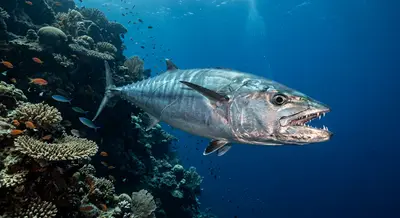
Tuna
common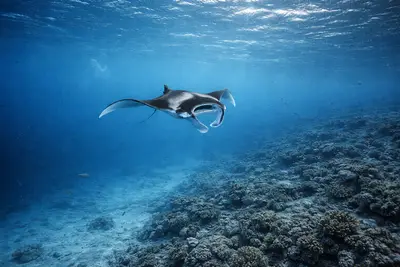
Manta ray
occasional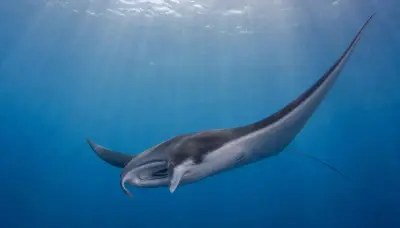
Mobula ray
occasional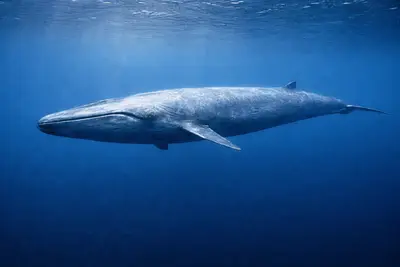
Whale
October-November · occasional
Dolphin
common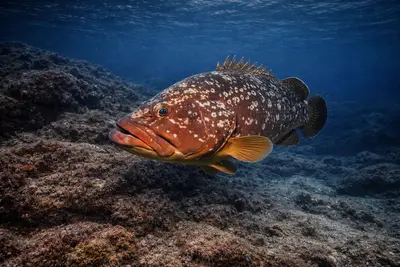
Grouper
common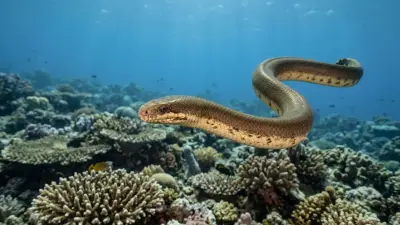
Sea snake
occasional
Hard coral
common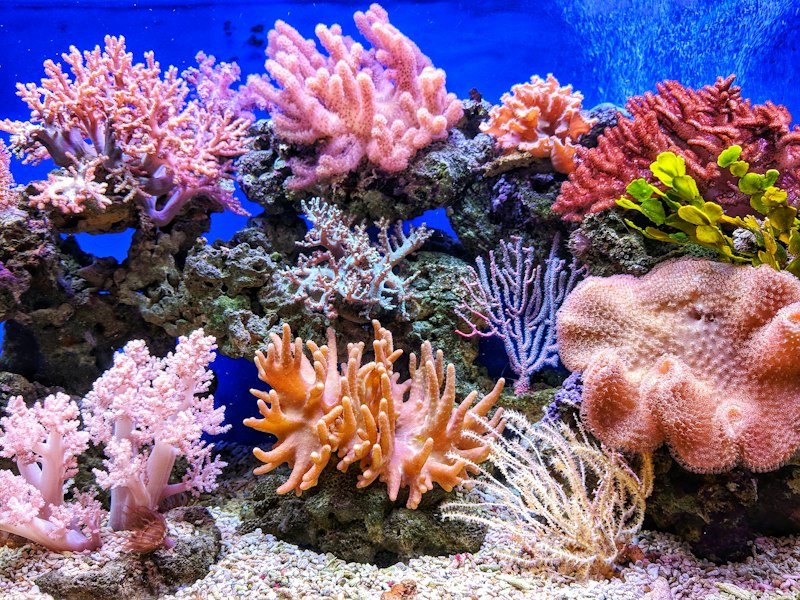
Soft coral
common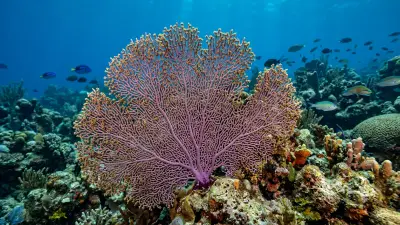
Sea fan
common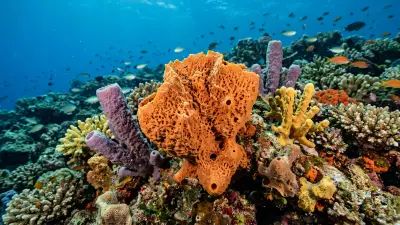
Sponge
commonDive profile & how the dive runs
Dives at Mount Serua typically begin with a negative entry from a liveaboard tender to quickly descend into the blue, aiming to catch sight of schooling pelagics. Divers usually follow the current along deep walls or around the seamount, paying close attention to the open water for hammerhead sharks, which are often found deeper, between 20-30 meters. The presence of strong, nutrient-rich upwellings means the dive often becomes a drift, covering significant distance along the pristine coral formations. Bottom times are dictated by air consumption and no-decompression limits, especially at depths where hammerheads are found, and managing current is key. The safety stop is usually conducted in shallower, more sheltered areas if available, or as a blue-water safety stop, with the liveaboard tender following the divers for pick-up. A dive computer and SMB are essential.
Underwater photography
Mount Serua is a prime location for wide-angle photography, especially during the hammerhead season. A fisheye or wide-angle lens (e.g., 8-15mm or 16-35mm) is recommended to capture schools of sharks and the dramatic seamount topography. Given the excellent visibility often exceeding 30 meters, ambient light can be sufficient in shallower areas, but strobes are crucial for bringing out the vibrant colors of the hard and soft corals on the walls, and for illuminating pelagics in deeper, less lit areas. Buoyancy control is paramount due to potentially strong currents, allowing you to position yourself effectively without damaging the pristine reef. For cetacean sightings, be prepared to quickly switch to video or capture fast-moving subjects.
Combine with nearby dive sites
- Nil Desperandum Atoll
Another remote seamount known for schooling hammerheads in the Forgotten Islands
- Mount Nila
A neighboring island in the Forgotten Islands chain, also offering pelagic encounters
- Manuk Ridge
Often called 'Snake Island,' known for sea snakes and pelagic action
- Koon
A wall dive site with abundant fish life in the Banda Sea
- Pulau Hatta
Features sloping reefs and schools of fish, with potential for eagle rays and hammerheads
Getting there & logistics
Access to Mount Serua and the Forgotten Islands is exclusively via liveaboard, typically departing from Ambon. Divers usually fly into Pattimura Airport (AMQ) in Ambon, with connecting flights available from Jakarta (CGK) or Makassar (UPG). Liveaboard itineraries generally range from 7 to 10 nights, covering a wide area of the Banda Sea, including the Forgotten Islands. Trips are carefully scheduled to align with the 'hammerhead window' in October/November and April/May, when sea conditions are calmer. There are no specific permits or fees mentioned for Serua itself beyond standard liveaboard costs, which often include marine park fees for the broader region. The site is part of extended itineraries that explore multiple remote locations in the Banda Sea.
Safety & environment
Due to the extreme remoteness of Mount Serua and the entire Forgotten Islands region, emergency medical assistance and recompression chamber access are extremely limited. The nearest major medical facilities and recompression chambers would likely be in Ambon or Bali, requiring emergency evacuation by liveaboard or air, which can take many hours. Divers must carry comprehensive dive insurance that covers emergency medical treatment and air evacuation. Site-specific hazards include potentially strong, unpredictable currents and thermoclines. Advanced Open Water certification with significant current experience and a minimum of 50 logged dives are strongly recommended. Nitrox certification is also advisable for extended bottom times. Always dive with a reliable dive computer, an SMB, and follow your dive guide's instructions closely, especially during pelagic-focused dives where depths can vary.
Who it suits — and who it doesn't
Suited for
- Advanced Open Water divers with 50+ logged dives
- Divers with experience in strong currents
- Pelagic enthusiasts seeking hammerhead sharks
- Underwater photographers equipped for wide-angle and fast-moving subjects
- Those who enjoy remote, pristine diving away from crowds
- Liveaboard adventurers
Less suited for
- Novice or Open Water divers
- Divers without current experience
- Those prone to seasickness on open ocean crossings
- Divers seeking easy, sheltered dives
- Individuals not comfortable with remote emergency protocols
FAQ
Mount Serua FAQ
When is the best time to see hammerhead sharks at Mount Serua?
The prime time for hammerhead shark sightings at Mount Serua, often referred to as the 'hammerhead window,' is during October and November. Deep-water upwellings in these months bring schools of scalloped hammerheads from the abyss into recreational diving depths, creating spectacular encounters. Good visibility and calmer seas during this period also contribute to optimal conditions for these pelagic sightings.
What dive experience is required for Mount Serua?
Mount Serua is recommended for Advanced Open Water (AOWD) certified divers with a minimum of 50 logged dives. Due to the potential for strong and variable currents, previous experience diving in challenging current conditions is highly beneficial. Nitrox certification is also advised to maximize bottom time, especially when targeting deeper pelagic encounters.
How do I get to Mount Serua?
Mount Serua is located in the remote Forgotten Islands and is only accessible by liveaboard. Liveaboard trips typically depart from Ambon, Indonesia. You would fly into Pattimura Airport (AMQ) in Ambon, often connecting from larger hubs like Jakarta (CGK) or Makassar (UPG), to begin your liveaboard journey.
What is the water temperature like at Mount Serua?
Water temperatures at Mount Serua generally range between 27°C and 29°C. However, during the hammerhead season in October and November, deep-water upwellings can cause thermoclines that bring cooler water, potentially dropping temperatures to as low as 25°C. A 3mm or 5mm wetsuit is therefore recommended for comfort throughout the dive.
What kind of marine life can I expect to see besides hammerheads?
Beyond the iconic hammerhead sharks, Mount Serua's nutrient-rich waters attract a wide array of marine life. Divers frequently encounter large schools of barracuda, tuna, and reef sharks. Manta and mobula rays are also occasionally sighted, and the pristine reefs are home to a healthy population of hard and soft corals, sea fans, and sponges, creating a vibrant underwater ecosystem.
Why dive Mount Serua from a liveaboard?
Mount Serua is one of Banda Sea's signature dive sites. A liveaboard sleeps you on the water and puts you in the water for three to four guided dives per day, including dawn and night dives that day-boat operators rarely offer. You skip the daily commute back to port and reach quieter, less-crowded sites in the same region on a single trip.
Below are the liveaboards that include Mount Serua on their Banda Sea itineraries.
Liveaboards diving Mount Serua
These liveaboards may visit Mount Serua on selected itineraries — the exact dive sites depend on departure, weather and conditions.
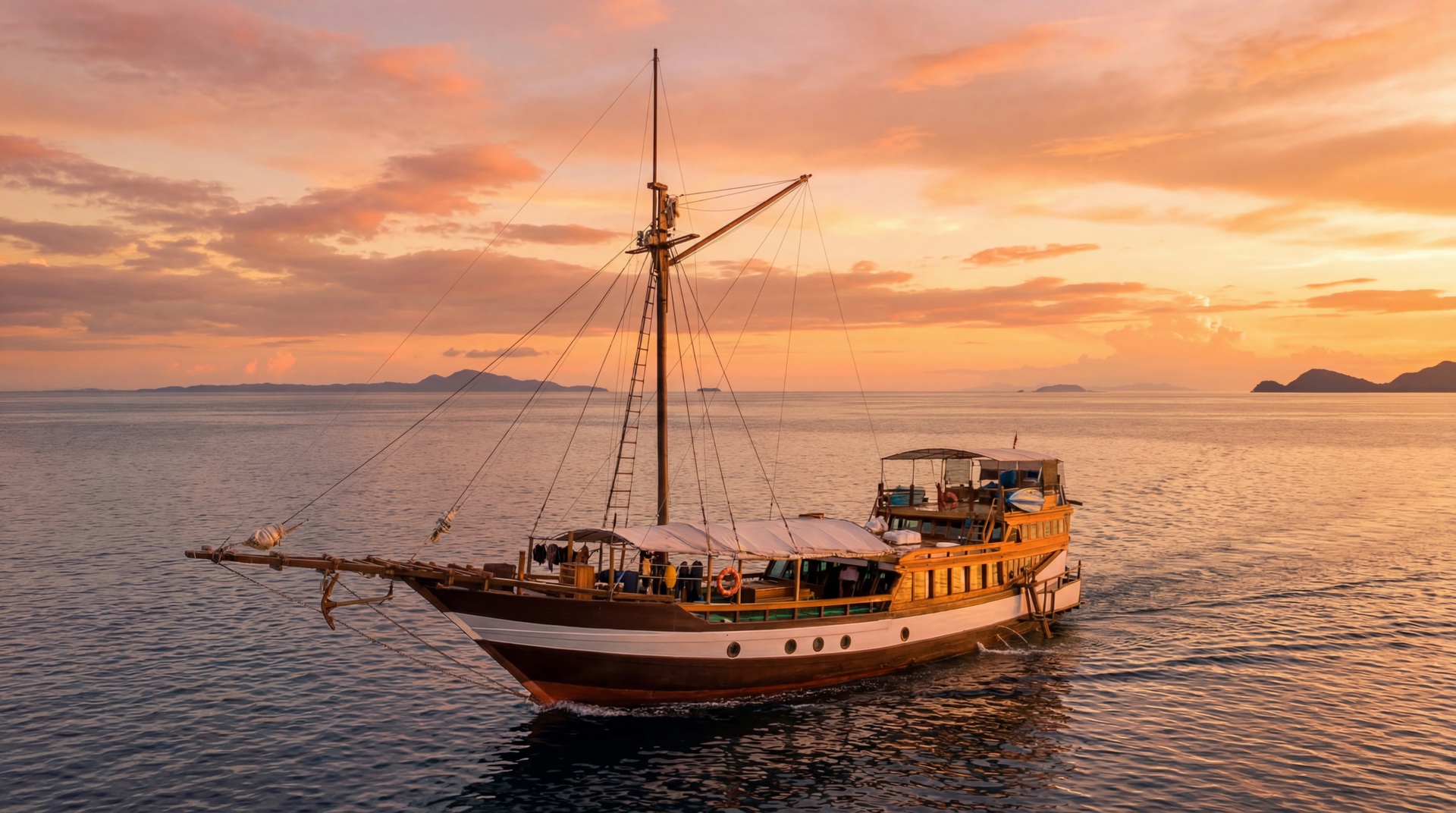
Wellenreng
Indonesia
9 guests25 m
$427/day
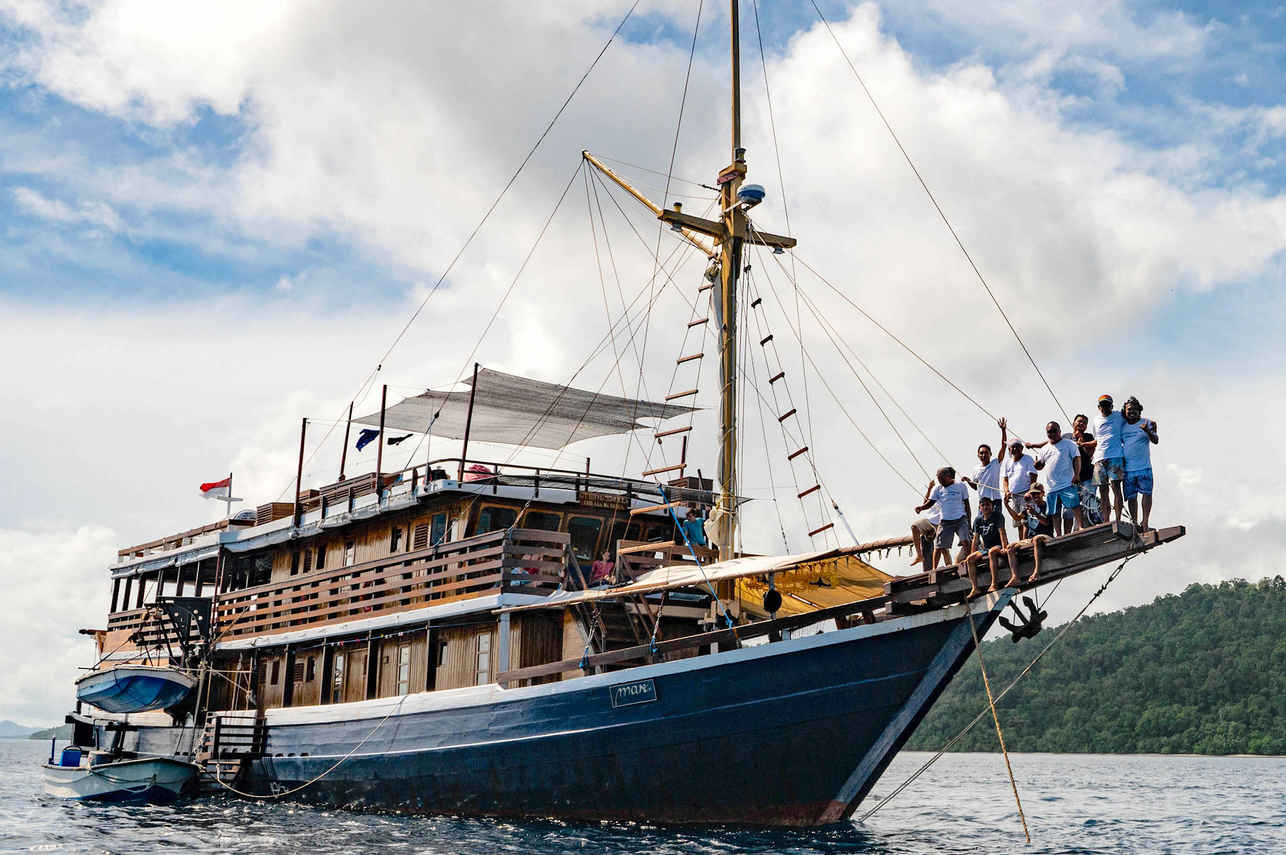
Mari
Indonesia
14 guests32.2 m
$328/day
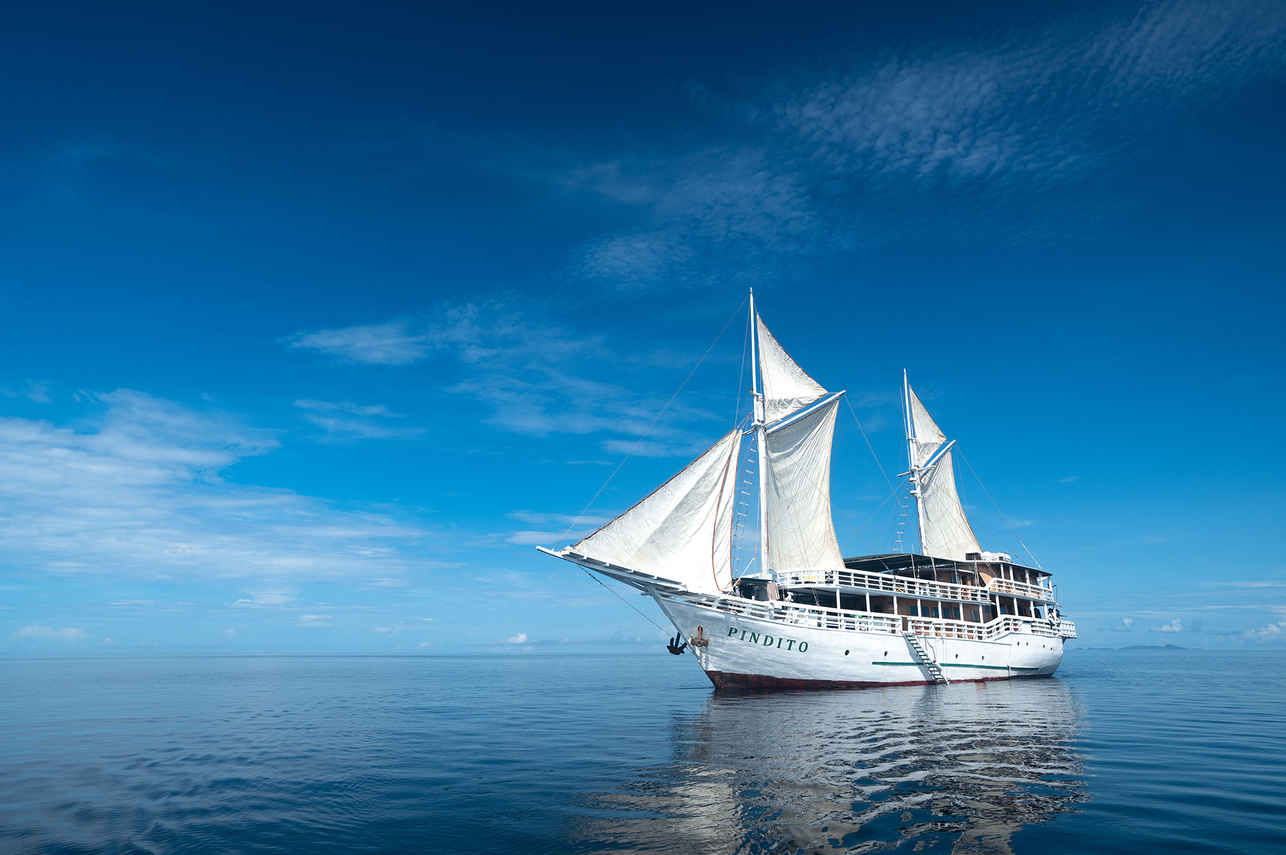
Pindito
Indonesia
16 guests37.79 m
$533/day
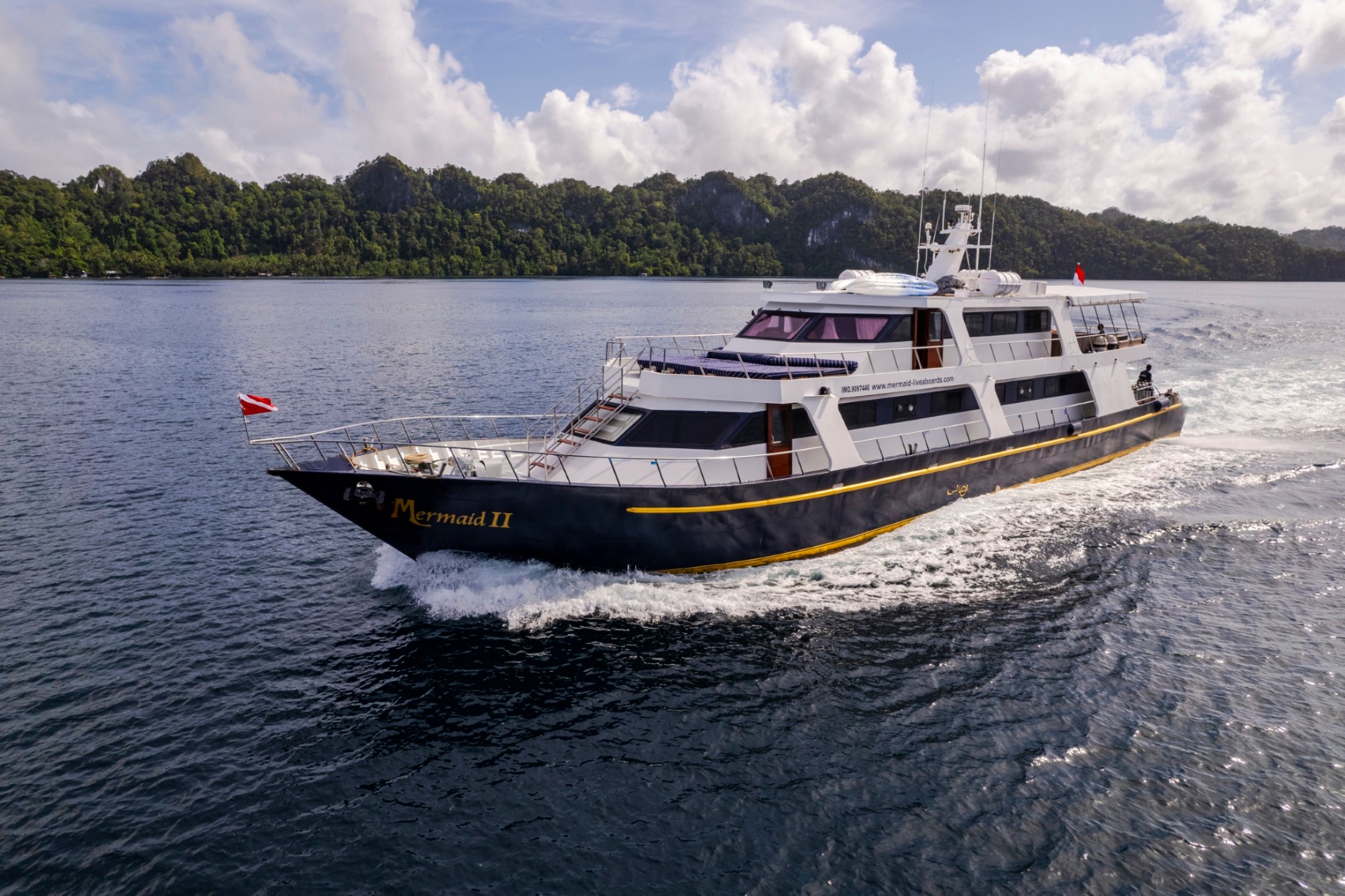
Mermaid II
Komodo, Indonesia
18 guests
$355/day
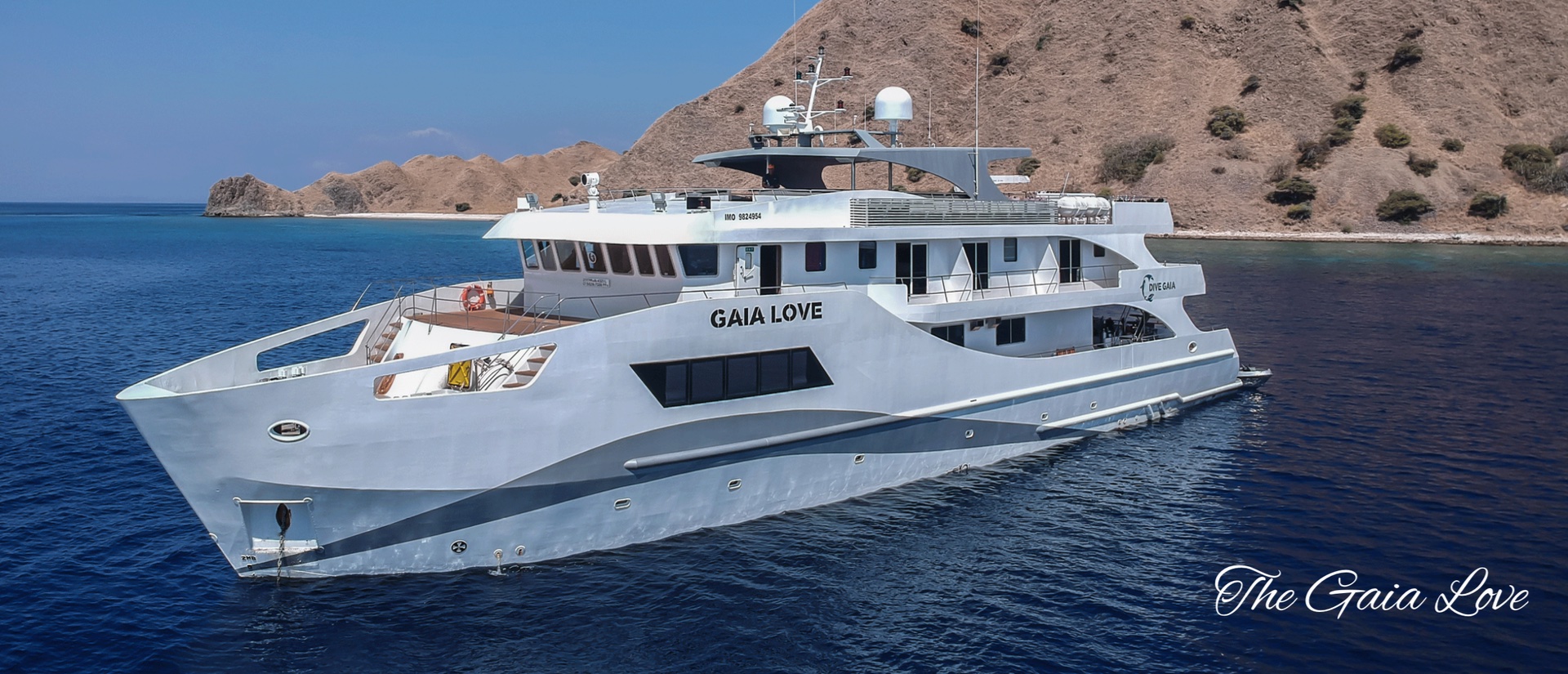
Gaia Love
Alor
20 guests
$554/day
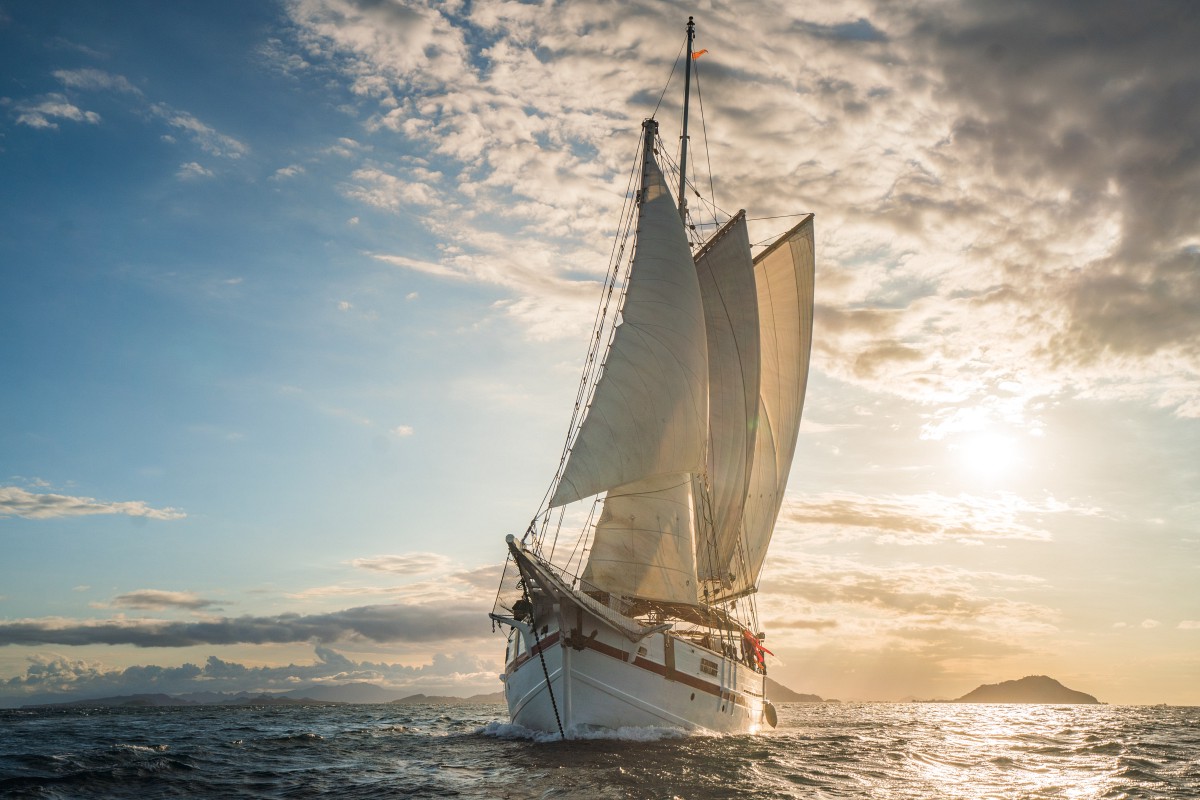
Emperor Raja Laut
Raja Ampat, Indonesia
12 guests31 m
$413/day
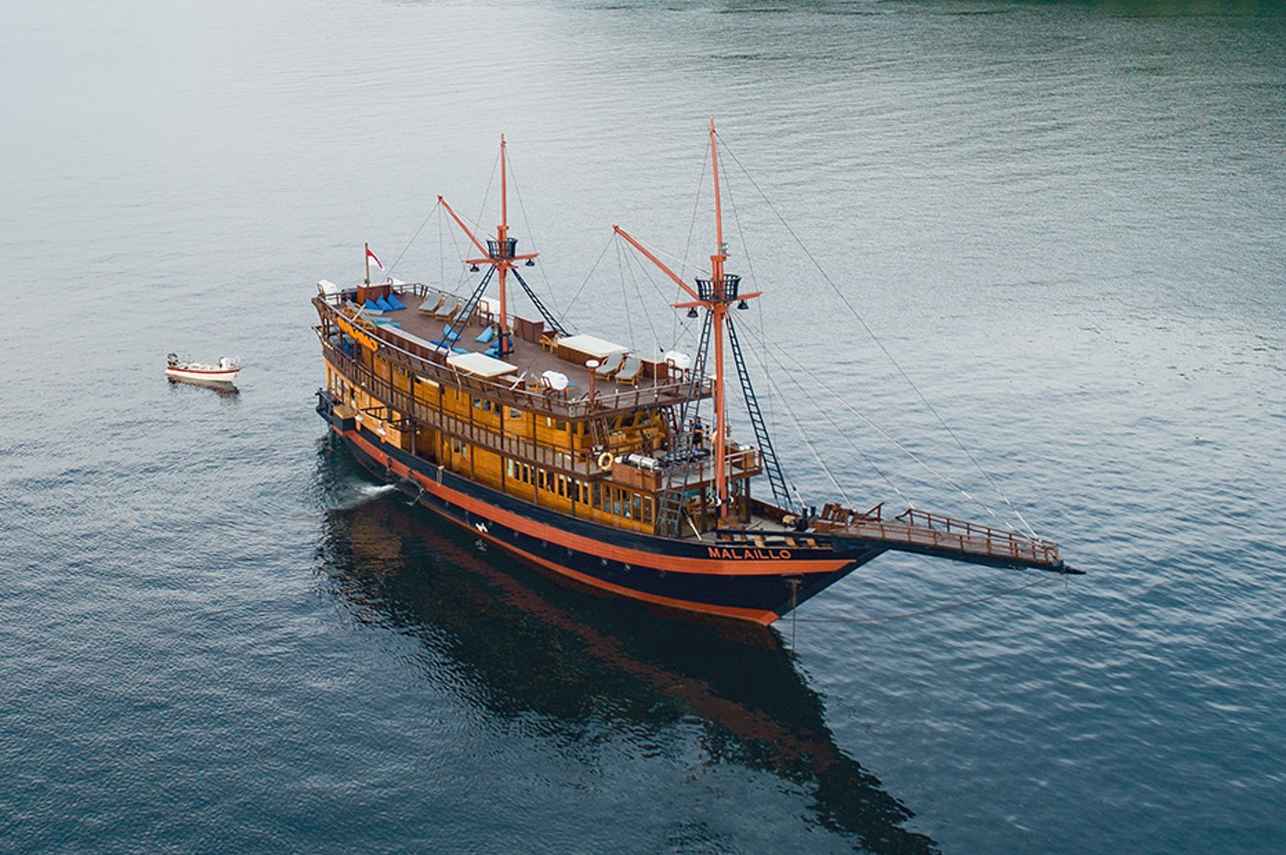
Malaillo
Indonesia
14 guests45.57 m
$348/day
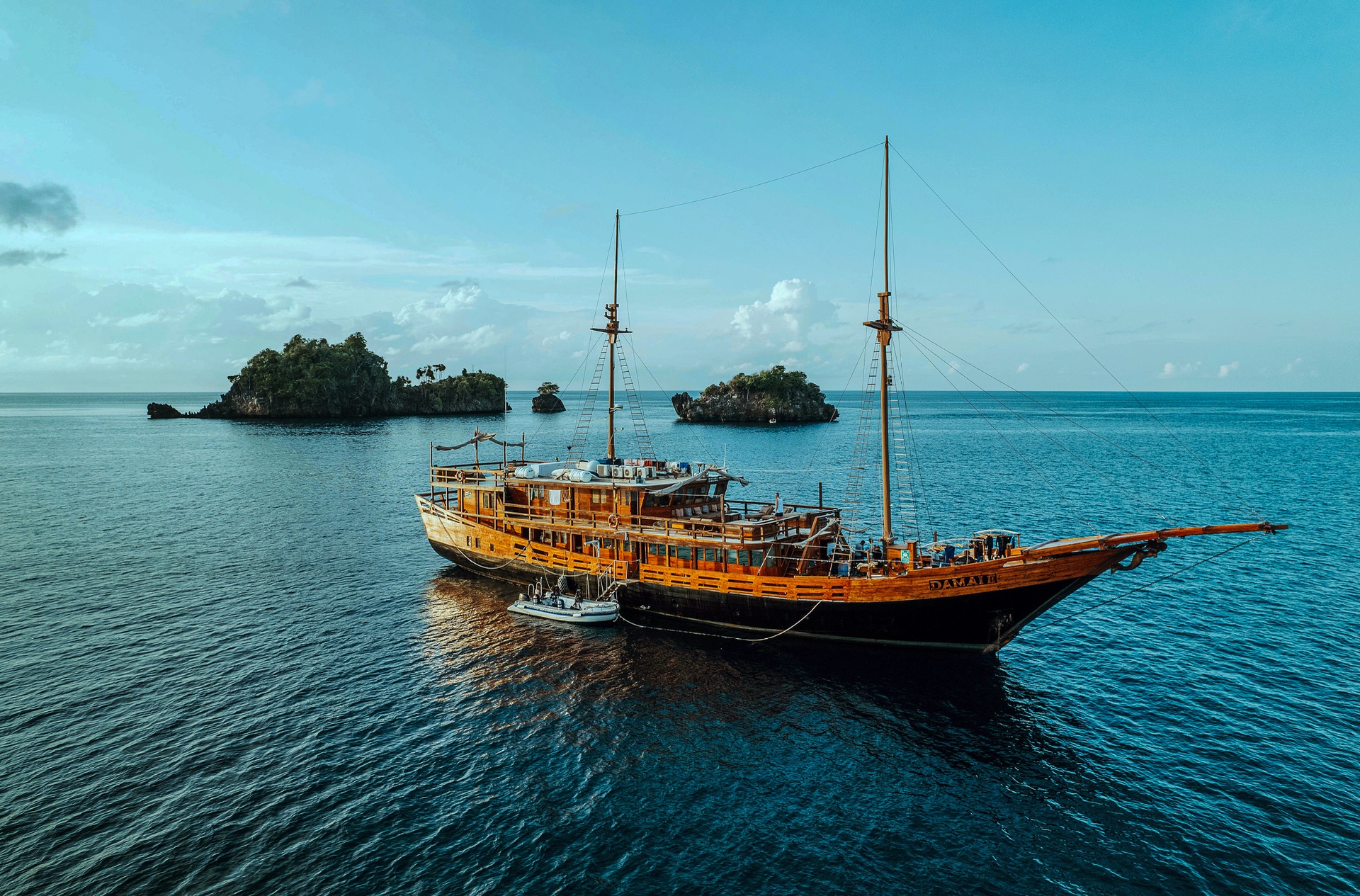
Damai II
Komodo, Indonesia
14 guests
$459/day
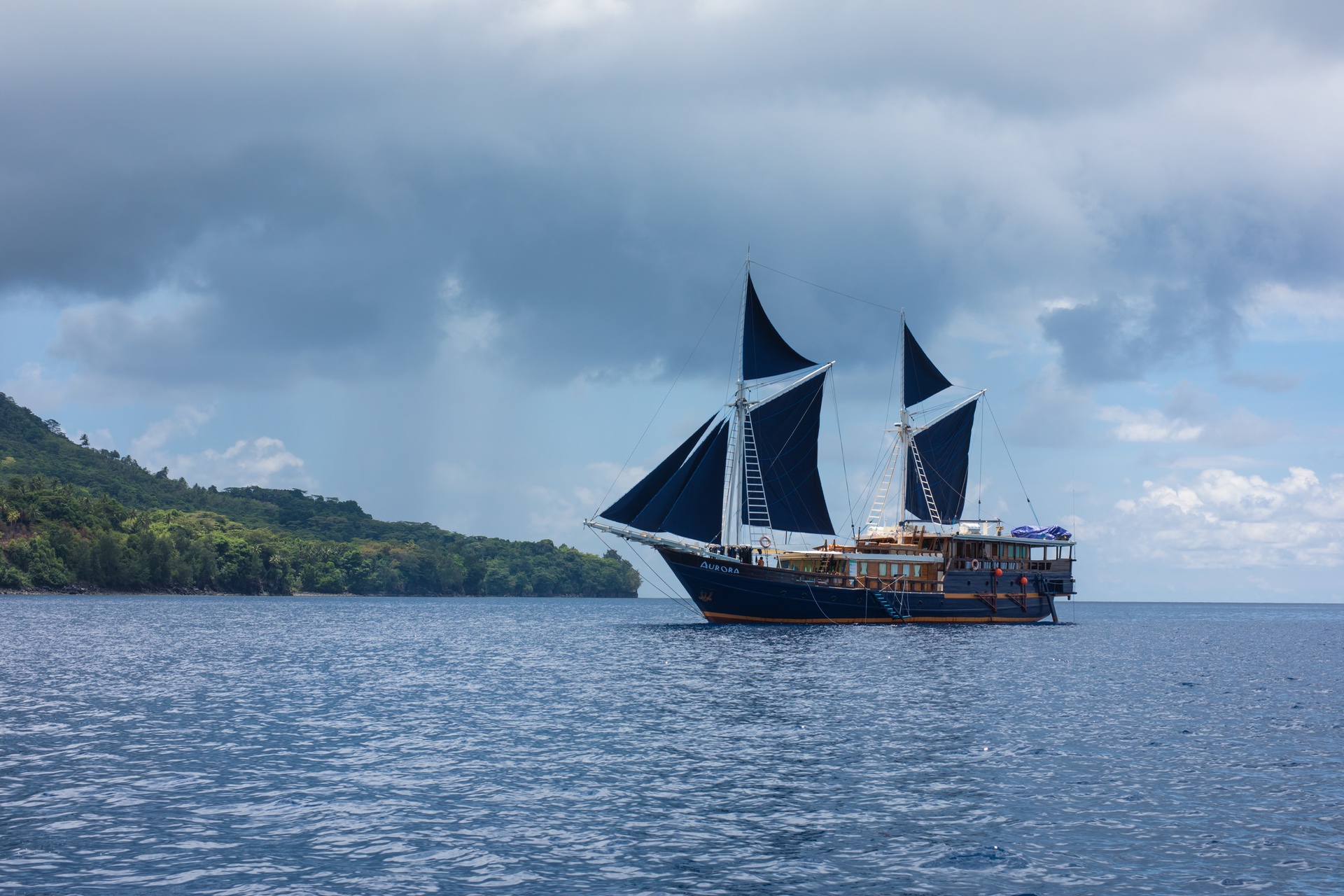
DUNE Aurora
Indonesia
18 guests
$344/day
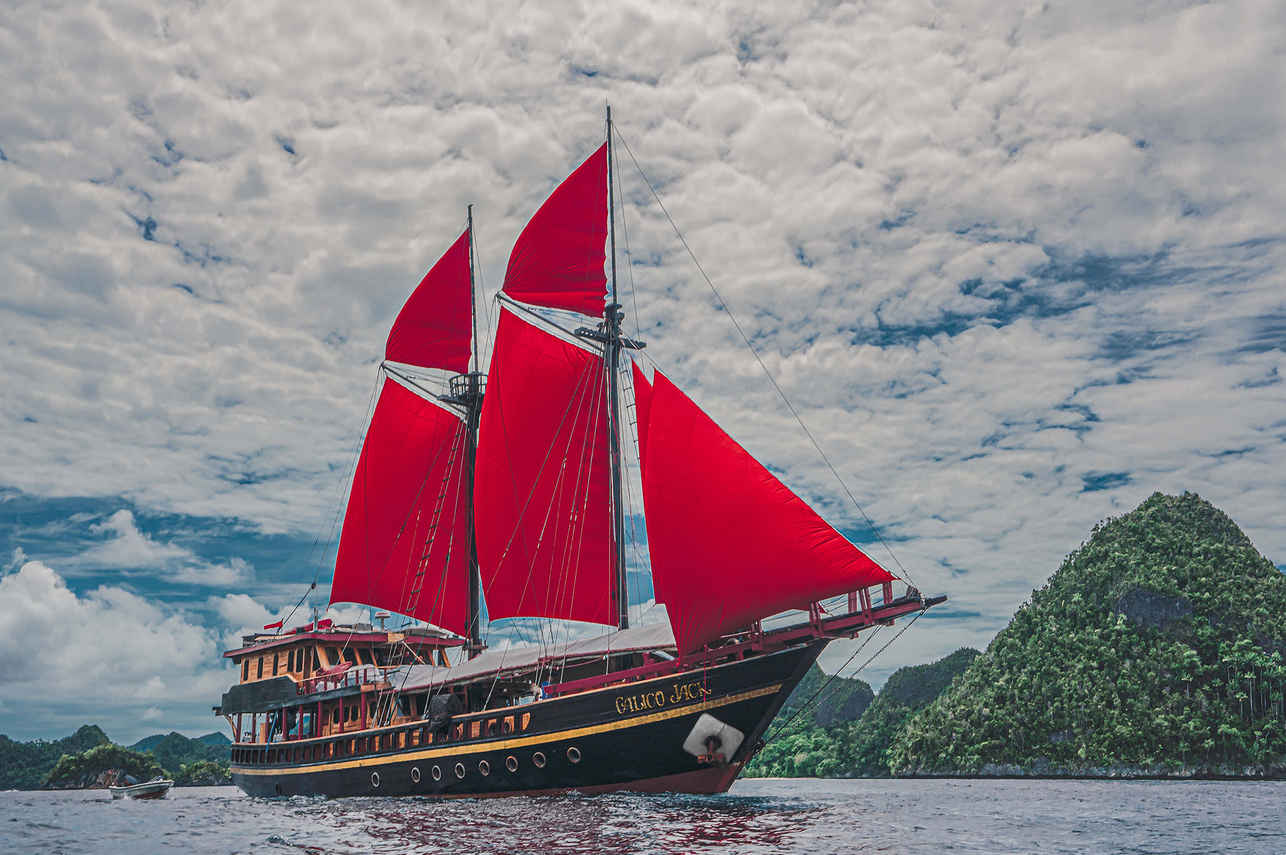
Calico Jack
Indonesia
10 guests30 m
$398/day
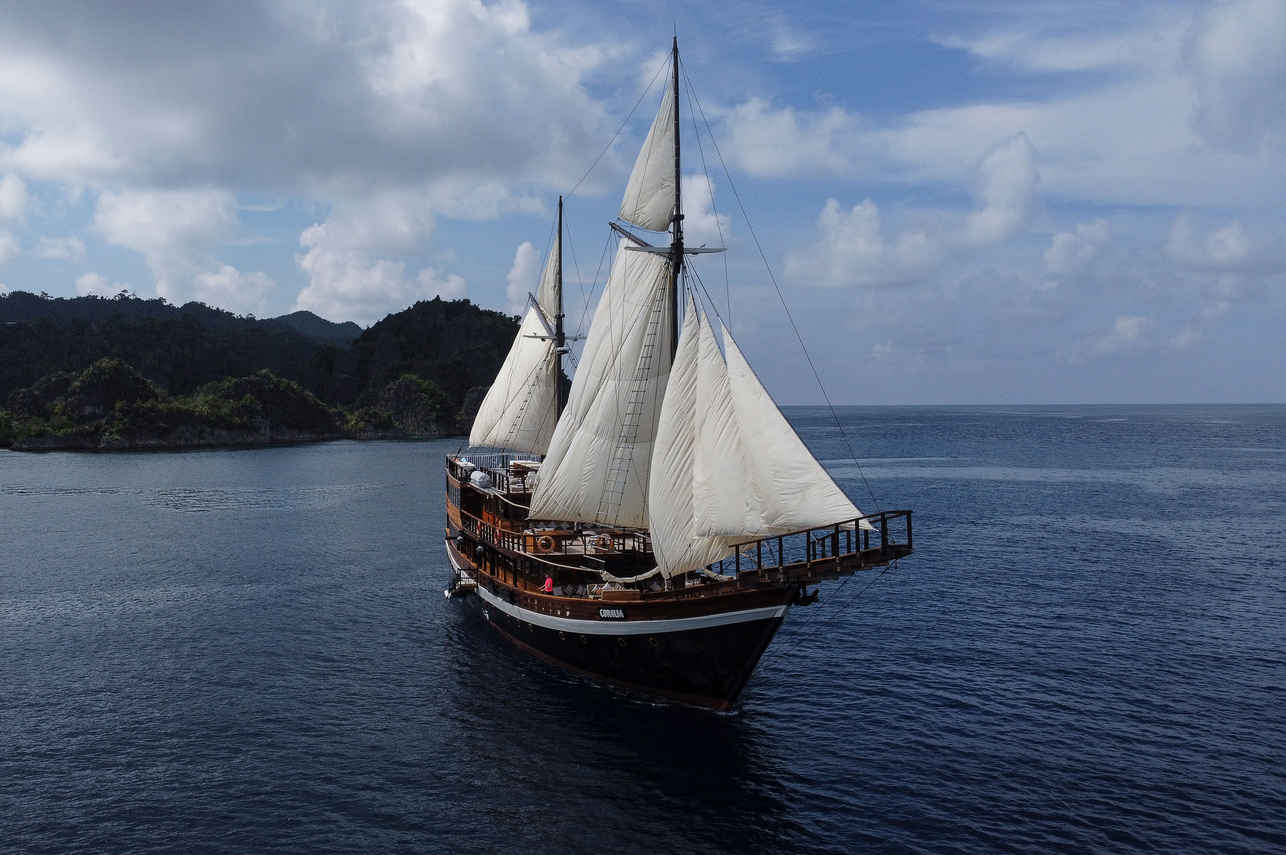
Coralia
Indonesia
16 guests48 m
$577/day
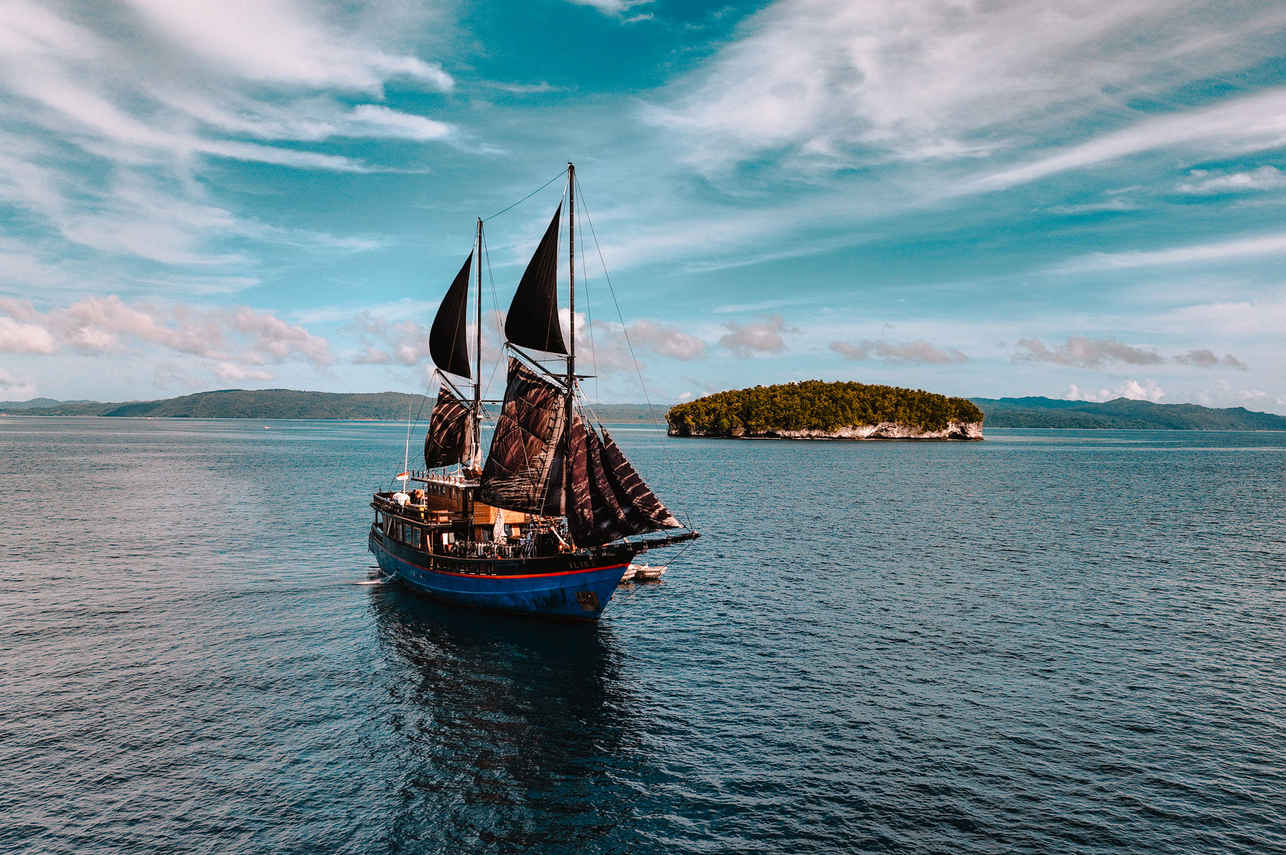
Ilike
Indonesia
16 guests40 m
$298/day
Dive sites similar to Mount Serua
Same character, same waters — six more sites divers love for the exact same reasons.Compare seasons, access and liveaboard routes — then pick the site that fits your trip best.
© Esri — Maxar, Earthstar, GIS
Patinti Strait
Banda Sea
The Patinti Strait, also known as Selat Patiente, is a renowned dive site located in South Halmahera, nestled between the main island of Halmahera and Bacan Island.
- Suitable for
- Advanced
- Current
- Strong
- Access
- Liveaboard only
- Depth
- 5–30 m
- Theme
- Drift / Reef
© Esri — Maxar, Earthstar, GIS
Banda Api North
Banda Sea
Banda Api North, nestled within Indonesia's remote Banda Sea, offers an extraordinary dive experience shaped by its active volcanic past.
- Suitable for
- Intermediate
- Current
- Strong
- Access
- Liveaboard only
- Depth
- 5–30 m
- Theme
- Reef
© Esri — Maxar, Earthstar, GIS
Nil Desperandum Atoll
Banda Sea
Nil Desperandum Atoll is an isolated seamount in the Banda Sea, part of the remote 'Forgotten Islands' chain.
- Suitable for
- Advanced
- Current
- Strong
- Access
- Liveaboard only
- Depth
- 20–40 m
- Theme
- Reef
© Esri — Maxar, Earthstar, GIS
Pohon Miring
Banda Sea
Pohon Miring, located near Banda Neira, is a dive site within the central Banda Islands group, offering a unique blend of marine biodiversity and accessibility.
- Suitable for
- Beginner
- Current
- Strong
- Access
- Liveaboard only
- Depth
- 3–20 m
- Theme
- Reef / Seamount
© Esri — Maxar, Earthstar, GIS
Dawera Island
Banda Sea
Dawera Island is a captivating dive destination nestled within the Forgotten Islands, a remote chain of islands in the vast Banda Sea, Indonesia.
- Suitable for
- Advanced
- Current
- Moderate
- Access
- Liveaboard only
- Depth
- ≥ 15 m
- Theme
- Reef / Wall
Sermata is part of the Forgotten Islands, a long chain of remote islands and atolls in the Southern Maluku, Indonesia, situated between the nutrient-rich Banda Sea and the Arafura Sea.
- Suitable for
- Advanced
- Current
- Moderate
- Access
- Liveaboard only
- Depth
- 15–40 m
- Theme
- Reef / Wall