About Patinti Strait
The Patinti Strait, also known as Selat Patiente, is a renowned dive site located in South Halmahera, nestled between the main island of Halmahera and Bacan Island. This strait acts as a natural channel for robust, nutrient-rich currents, making it a critical hub for marine biodiversity within the Coral Triangle. Its unique geological setting concentrates water flow, leading to an environment where nutrient upwelling significantly boosts fish life, often by up to 40% compared to calmer reefs. Diving here offers a dramatic contrast: in the main current channels, divers encounter thriving pelagic activity, while sheltered reef ridges and coral blocks provide havens for intricate macro life. The topography features steep walls, soft coral gardens in the shallows (up to 15 meters), and deeper structures influenced by strong flows, extending beyond 24 meters. This dynamic environment supports an extensive array of species, from large schooling fish to tiny, well-camouflaged critters. The strait experiences optimal diving conditions from April to October. During the dry season months, especially from June to August, currents are strong, bringing in the most active pelagic encounters and clear visibility. October is noted for coral spawning events, potentially attracting larger filter feeders like whale sharks. Water temperatures consistently remain warm throughout the year, generally between 27°C and 31°C. Patinti Strait is primarily explored via liveaboard, often as part of a longer Halmahera itinerary. Divers should be prepared for drift diving, as the currents are a defining characteristic of this site. Experienced guides manage conditions carefully, ensuring safety briefings cover the specific challenges of strong currents. This site is a highlight for those seeking high-energy pelagic action combined with rich macro opportunities.
Highlights
Nutrient-rich currentsExplosive marine ecosystemMassive schooling fishThrilling drift divesExceptional macro lifeBlacktip and grey reef sharksSoft coral and sponge gardensBetween Halmahera and Bacan
Season calendar
Best months to dive here
Jan
Feb
Mar
Apr
May
Jun
Jul
Aug
Sep
Oct
Nov
Dec
Excellent
Good
Dive site facts: Patinti Strait
- Depth
- 5-30+ m
- Current
- Strong to very strong
- Visibility
- 20-30 m
- Water temperature
- 27-31°C
- Entry
- Liveaboard / Tender
- Level
- Advanced, drift diving experience required
- Dive type
- Drift, pelagic, wall, reef, macro
- Night dive
- Possible in calm bays
- Region / port
- Halmahera, Indonesia
- Coordinates
- 5.2939° S, 129.1040° E
Conditions & Currents
Patinti Strait is defined by its strong, nutrient-rich currents that funnel through the channel between Halmahera and Bacan Island. These currents are often fast-paced and can be challenging, necessitating drift diving experience. During peak season from June to August, currents can be particularly strong, sometimes causing bubbles to be pushed downwards due to the sheer force of the flow. While the main strait experiences significant movement, nearby calm bays and sheltered coral blocks offer reprieve and harbor macro life. Visibility in the strait generally ranges from 20 to 30 meters, reaching up to 30 meters or more during the June to August peak. Divers must be proficient in drift diving techniques, maintain excellent buoyancy, and carefully plan gas consumption due to the current intensity. Boat entry and exit are typically managed by tenders, with thorough briefings provided by ex
Marine life & sighting chances
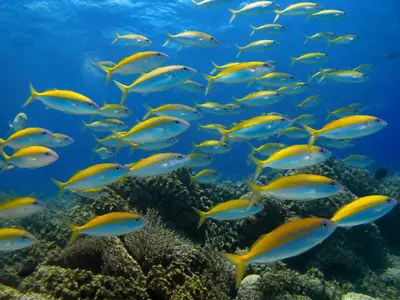
Fusiliers
common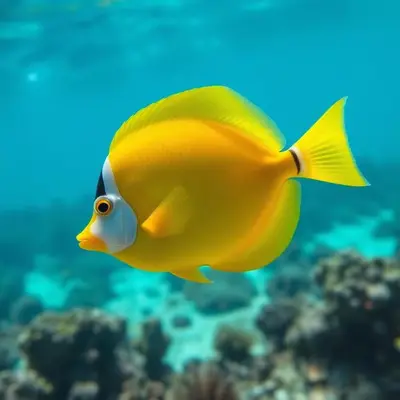
Surgeonfish
common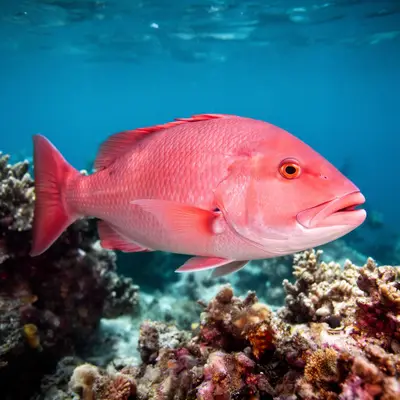
Snapper
common
Barracuda
common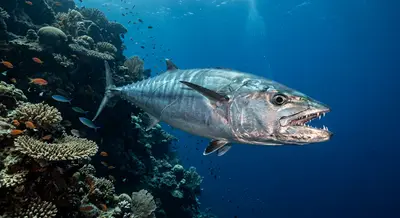
Tuna
occasional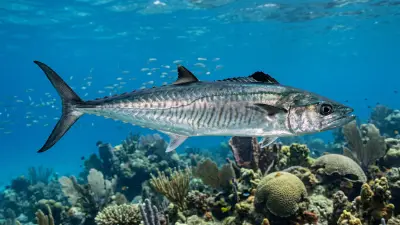
Mackerel
occasional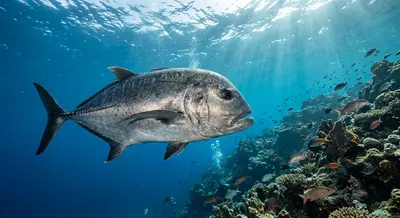
Trevallies
occasional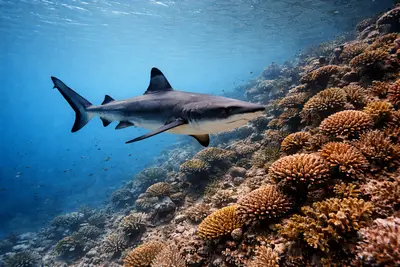
Blacktip reef sharks
common
Grey reef sharks
occasional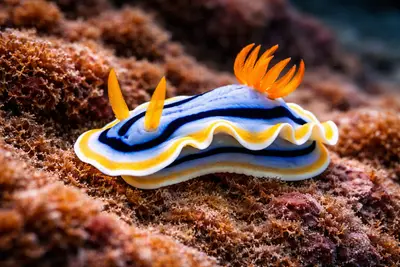
Nudibranchs
commonJuvenile fish
common
Seahorses
occasional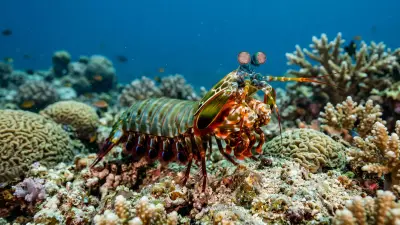
Shrimps
occasional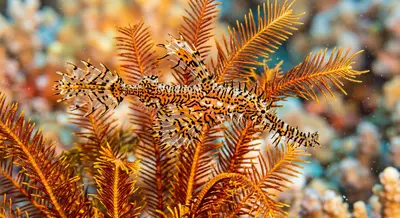
Ghost pipefish
rareDive profile & how the dive runs
Diving in Patinti Strait typically involves a drift dive, leveraging the powerful currents that sweep through the channel. Entry is usually a negative or giant stride from a tender boat, with divers descending quickly to the desired depth. The dive profile often follows a wall or reef slope, allowing the current to carry divers past massive schools of fusiliers, surgeonfish, snapper, and barracuda. The shallows, around 5 to 15 meters, are characterized by lush soft coral and sponge gardens, while blacktip and grey reef sharks patrol deeper sections below 24 meters. Divers often maintain a mid-water position to observe the pelagic action, with opportunities to seek shelter in lee areas or behind coral formations to spot macro life such as nudibranchs, seahorses, and shrimps. The turn point is determined by current strength and air consumption. Safety stops are conducted in calmer areas or by deploying a surface marker buoy for pick-up by the tender, ensuring close supervision due to potentially strong surface currents.
Underwater photography
Patinti Strait offers diverse photographic opportunities, requiring versatility from divers. For wide-angle photography, a fisheye or wide-angle lens is ideal to capture the dramatic underwater topography, vast schools of fish, and pelagic encounters like sharks. Strong strobes are beneficial to illuminate the vibrant soft corals and bring out the colors against the blue water, especially when dealing with moderate visibility. For macro enthusiasts, a macro lens is essential when exploring the sheltered bays and calmer reef patches. Patience is key for finding well-camouflaged subjects such as ghost pipefish, seahorses, or bobtail squid. Good buoyancy control is critical in the strong currents to avoid disturbing the environment and to maintain stable shots. When photographing large schools, position yourself slightly downstream or to the side to avoid startling them. For macro subjects, maintain respectful distance and avoid prolonged harassment.
Combine with nearby dive sites
Getting there & logistics
Access to Patinti Strait is primarily via liveaboard trips originating from various regional hubs. Common departure points for Halmahera itineraries include Sorong, Manado, or other ports in North Maluku. Trips typically range from 7 to 10 days, with the Strait often featuring as a key highlight for its thrilling drift dives. Flights into the region usually involve connecting through major Indonesian airports like Jakarta (CGK) or Manado (MDC). Since Halmahera remains a remote destination, liveaboards are the most efficient and often the only practical way to explore these scattered dive sites. Park fees are generally included in liveaboard packages, but divers should confirm this detail. The site is often combined with other Halmahera locations like Bacan Island for macro opportunities or Goraici Islands for manta encounters, providing a comprehensive Coral Triangle experience without the crowds.
Safety & environment
Diving in Patinti Strait requires an advanced certification and significant drift diving experience due to its consistently strong currents. Divers must maintain excellent buoyancy control and be proficient in deploying a surface marker buoy (SMB) for pick-up. Always follow the dive guide's instructions closely, especially regarding entry, exit, and current management. The nearest recompression chambers would be located in larger regional centers, likely requiring air evacuation; therefore, comprehensive dive insurance covering medical emergencies and evacuation is mandatory. While the area is generally safe, site-specific hazards include unpredictable current shifts and potential downcurrents, as noted by bubbles sometimes going down. Always perform a thorough buddy check and ensure all equipment is securely fastened before entering the water. Night dives are typically conducted in calmer, sheltered bays, mitigating current risks.
Who it suits — and who it doesn't
Suited for
- Experienced divers comfortable with strong currents
- Drift diving enthusiasts
- Photographers seeking both wide-angle pelagics and macro subjects
- Divers looking for uncrowded, pristine reefs
- Those interested in high biodiversity and schooling fish
Less suited for
- Beginner divers or those with limited current experience
- Divers uncomfortable with negative entries
- Individuals prone to seasickness on liveaboards
- Those preferring calm, sheltered dives exclusively
- Divers with limited physical stamina
FAQ
Patinti Strait FAQ
What kind of currents can I expect at Patinti Strait?
Patinti Strait is known for its strong, nutrient-rich currents, which are a defining feature of the dive site. These currents can be fast-paced, especially during the peak diving season from June to August. Divers should be prepared for drift diving and have experience managing strong water flow, as conditions can sometimes be challenging.
What marine life is Patinti Strait famous for?
The strait is renowned for its explosive marine ecosystem, attracting massive schools of fusiliers, surgeonfish, snapper, and barracuda. You can also spot pelagics like tuna, mackerel, and trevallies, along with resident blacktip and grey reef sharks. In calmer, sheltered areas, there are abundant macro subjects such as nudibranchs, seahorses, and various shrimps.
Is Patinti Strait suitable for beginner divers?
No, Patinti Strait is generally not recommended for beginner divers. The strong currents and the need for proficient drift diving experience make it more suitable for advanced divers. Dive operators often require specific certifications or a proven track record of diving in challenging conditions to ensure diver safety.
How do I get to Patinti Strait?
Patinti Strait is best accessed via liveaboard, typically as part of a Halmahera dive itinerary. Liveaboards usually depart from regional airports like Sorong or Manado, which are reachable by domestic flights from major Indonesian hubs. This remote location makes a liveaboard the most practical and rewarding way to experience the site.
What is the best time of year to dive Patinti Strait?
The prime diving season for Patinti Strait is from April to October. During these months, the dry weather brings excellent visibility and consistent water temperatures. The period from June to August is particularly good for strong currents and abundant pelagic action, while October offers chances to witness coral spawning and whale sharks.
Can I do night dives at Patinti Strait?
While the main strait experiences strong currents that are not conducive to night diving, there are sheltered bays and calmer areas around Patinti Strait and nearby Bacan Island that offer excellent night diving opportunities. These spots are perfect for encountering unique critters like robust and ornate ghost pipefish, bobtail squid, and even rare blue-ring octopus or epaulette sharks.
Why dive Patinti Strait from a liveaboard?
Patinti Strait is one of Banda Sea's signature dive sites. A liveaboard sleeps you on the water and puts you in the water for three to four guided dives per day, including dawn and night dives that day-boat operators rarely offer. You skip the daily commute back to port and reach quieter, less-crowded sites in the same region on a single trip.
Below are the liveaboards that include Patinti Strait on their Banda Sea itineraries.
Liveaboards diving Patinti Strait
These liveaboards may visit Patinti Strait on selected itineraries — the exact dive sites depend on departure, weather and conditions.

Wellenreng
Indonesia
9 guests25 m
$426/day
Mari
Indonesia
14 guests32.2 m
$327/day
Pindito
Indonesia
16 guests37.79 m
$533/day
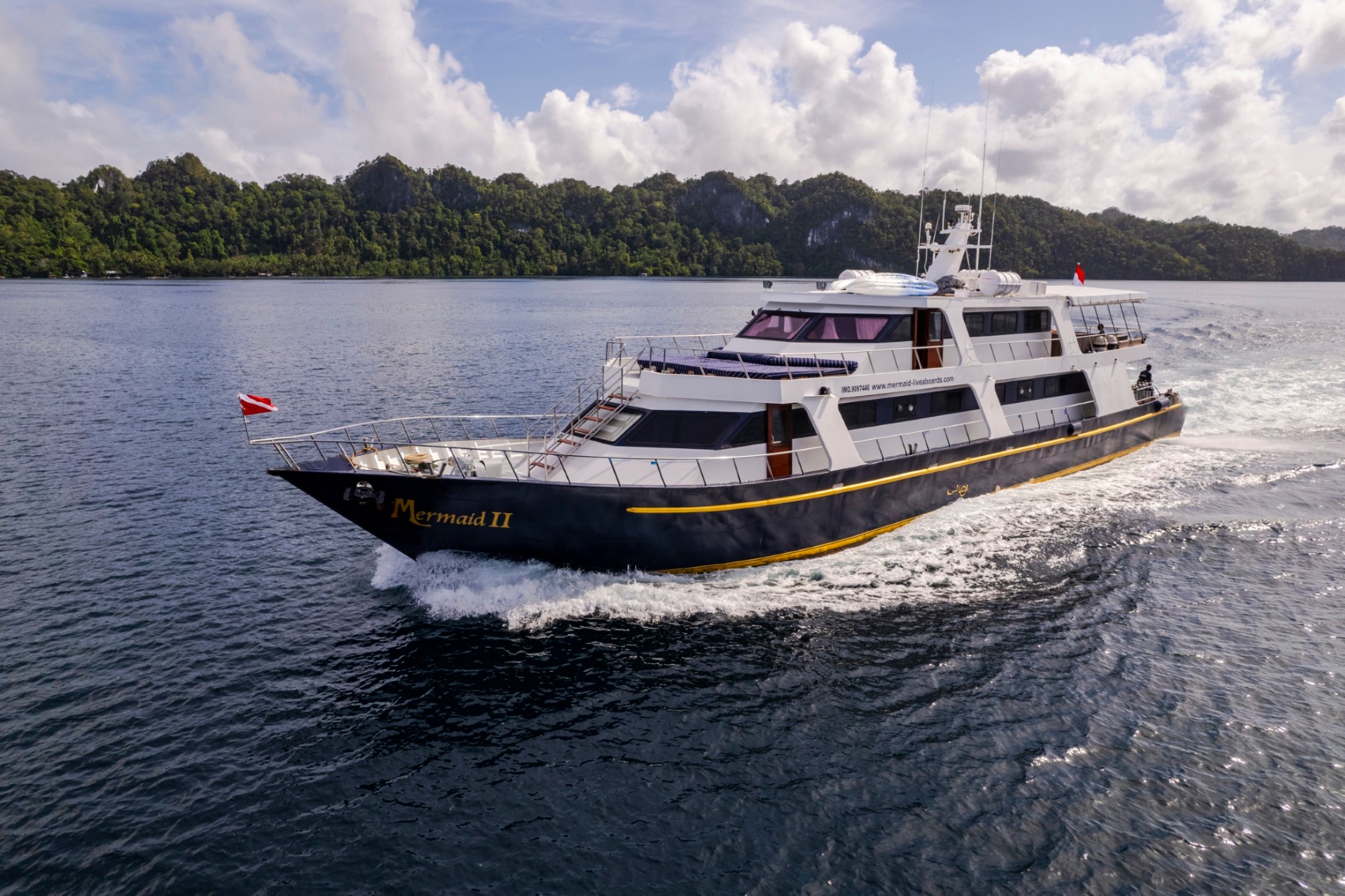
Mermaid II
Komodo, Indonesia
18 guests
$354/day
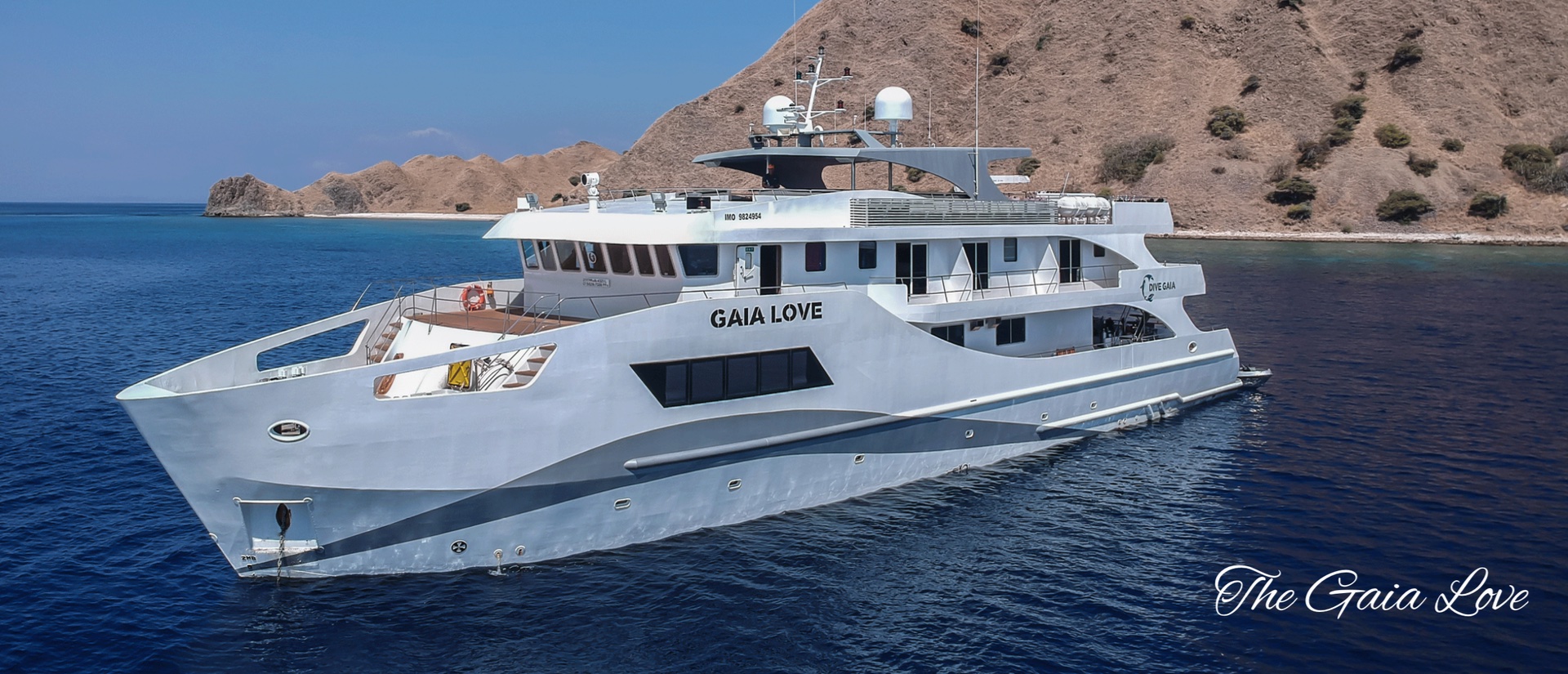
Gaia Love
Alor
20 guests
$554/day

Emperor Raja Laut
Raja Ampat, Indonesia
12 guests31 m
$413/day
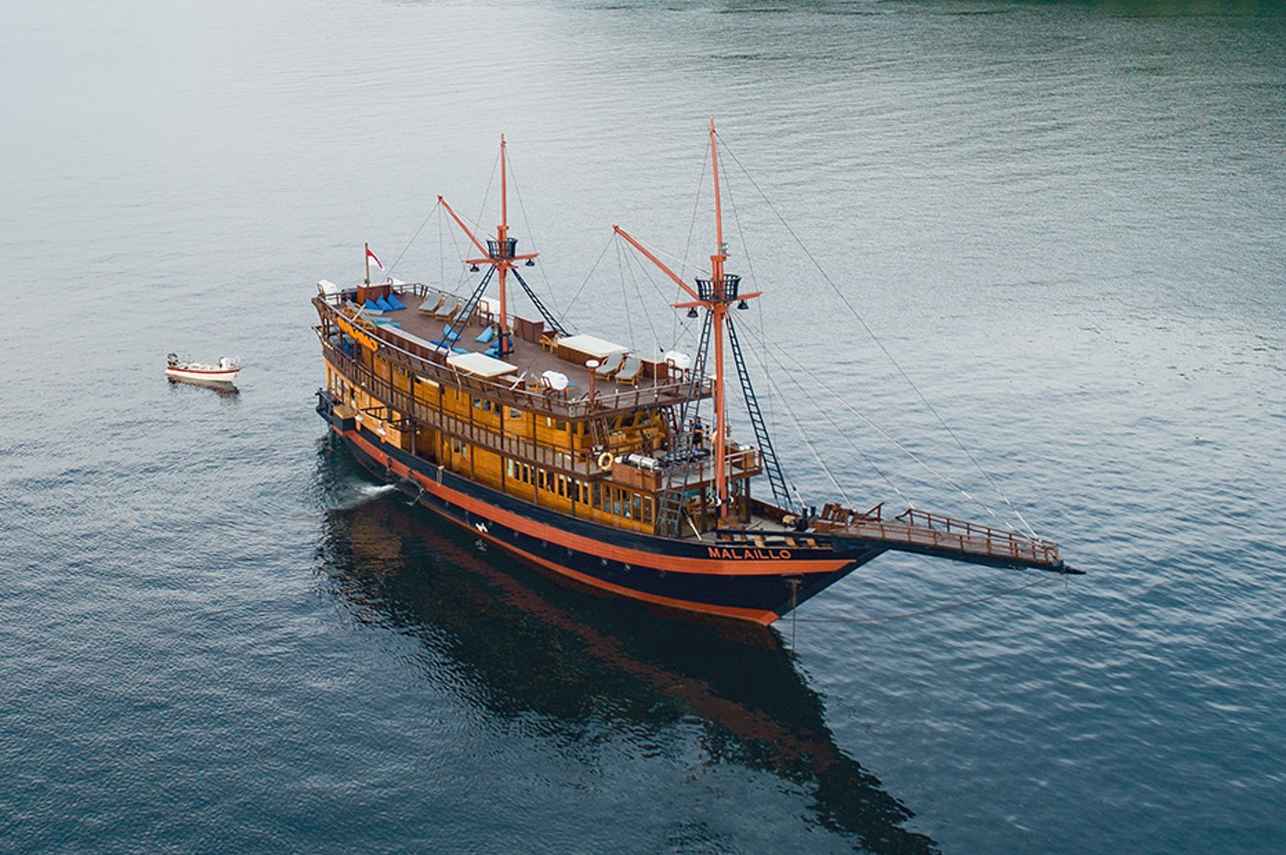
Malaillo
Indonesia
14 guests45.57 m
$348/day
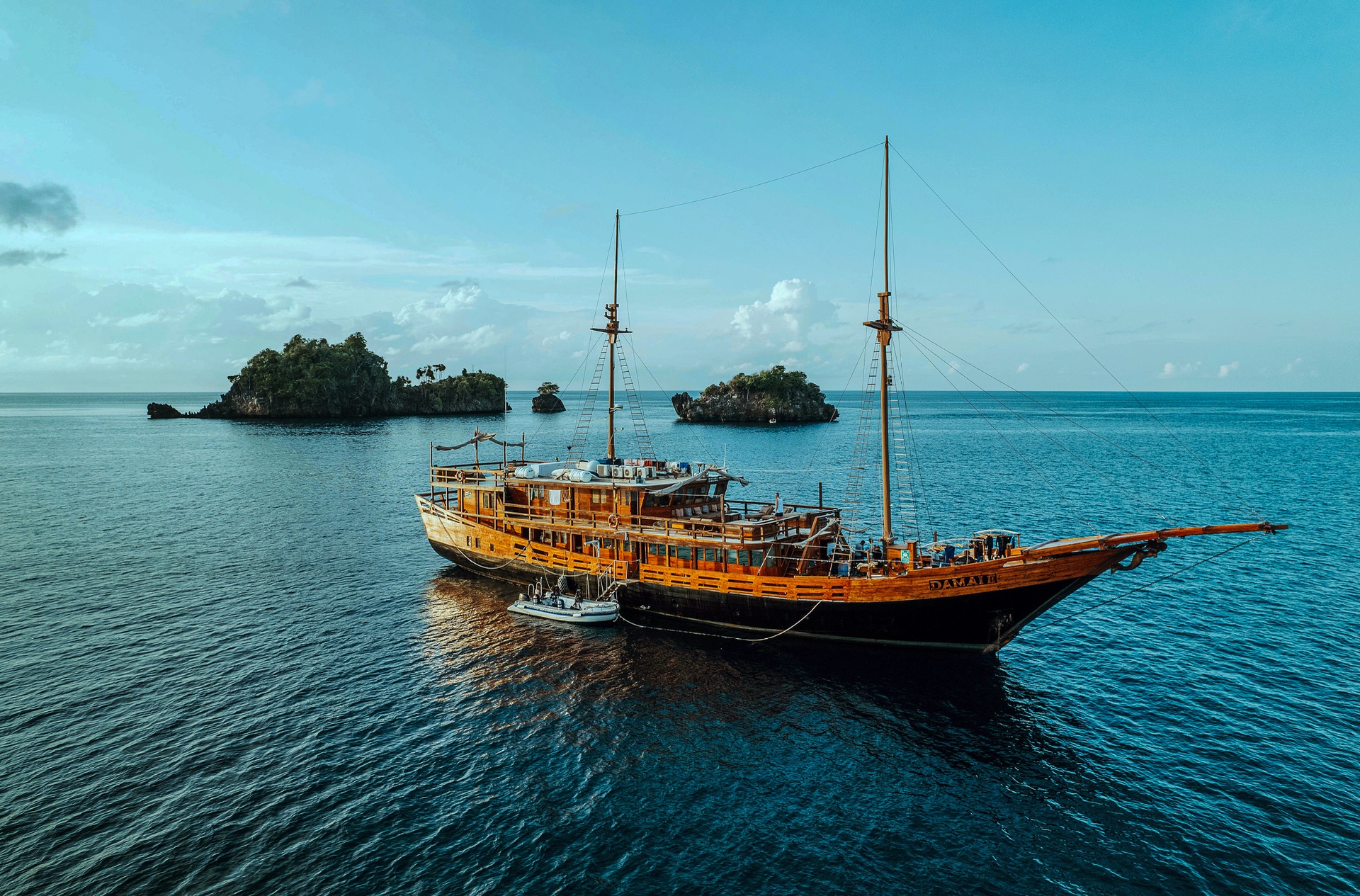
Damai II
Komodo, Indonesia
14 guests
$459/day
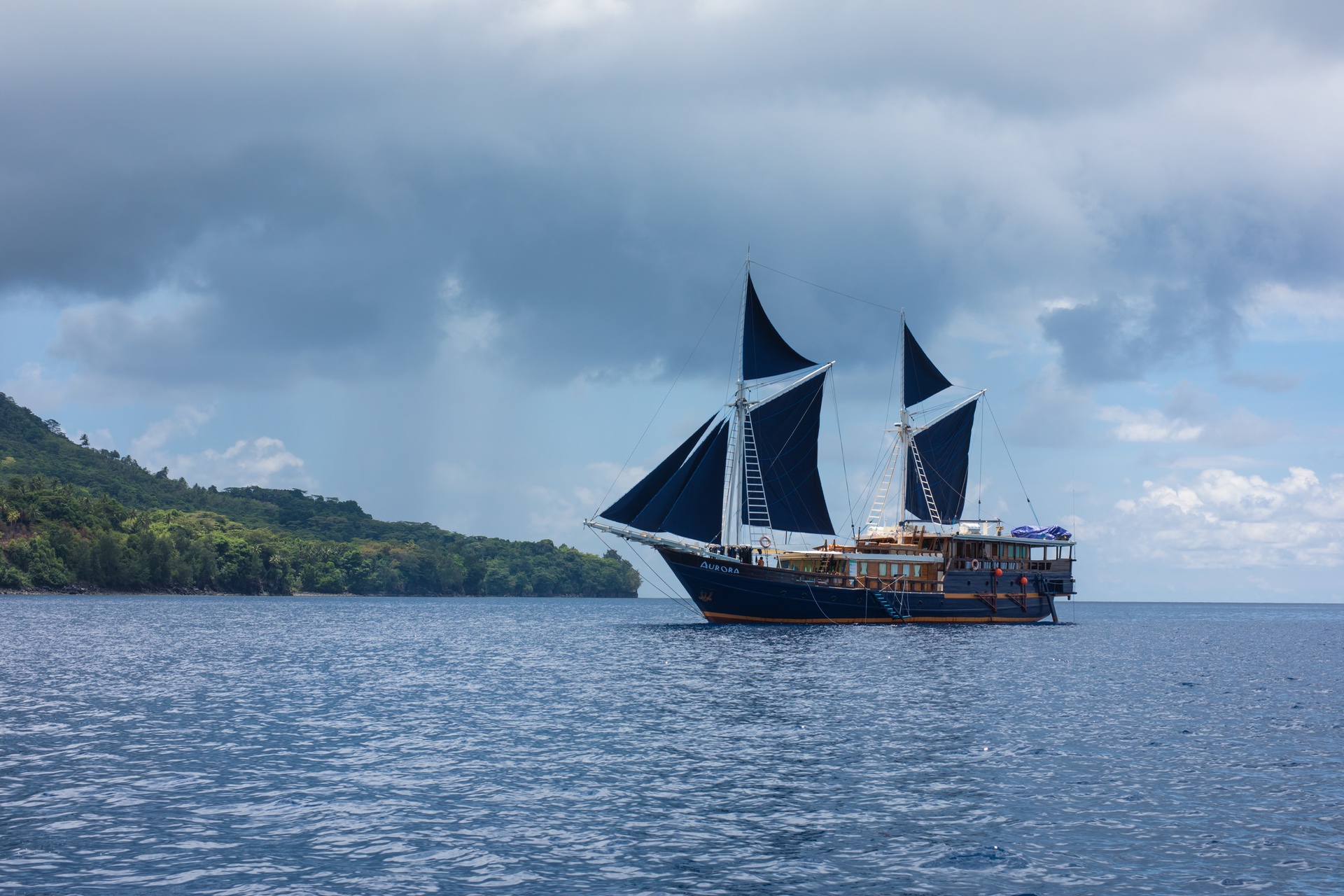
DUNE Aurora
Indonesia
18 guests
$344/day

Calico Jack
Indonesia
10 guests30 m
$398/day
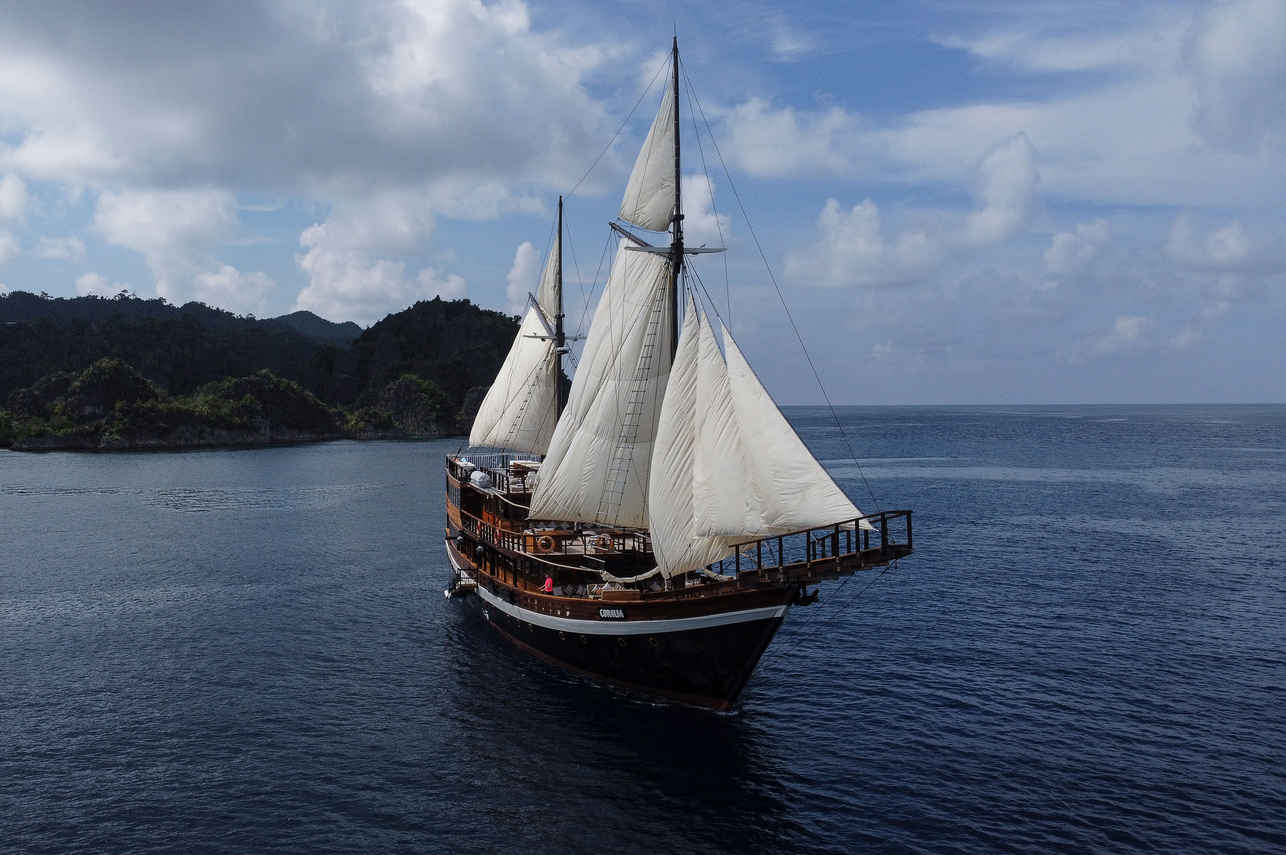
Coralia
Indonesia
16 guests48 m
$577/day
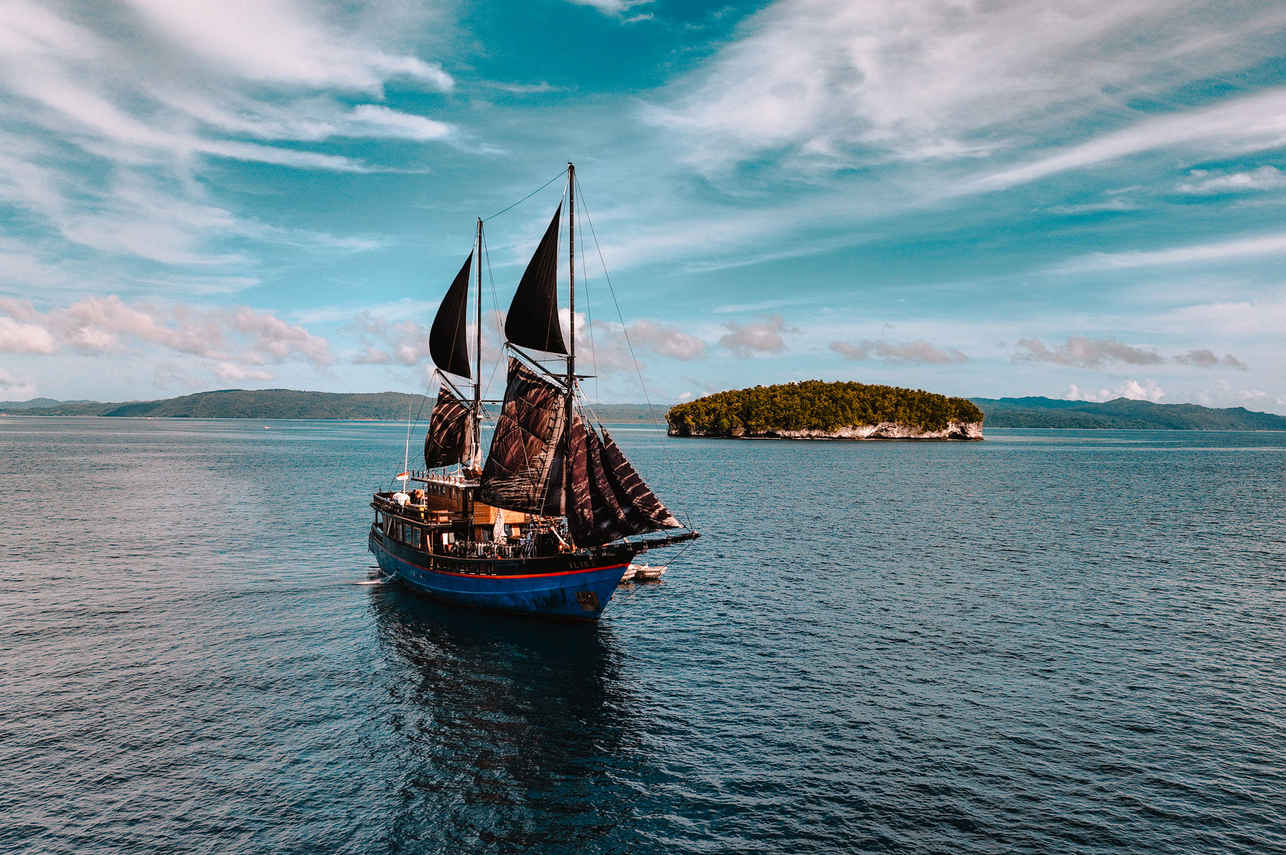
Ilike
Indonesia
16 guests40 m
$298/day
Dive sites similar to Patinti Strait
Same character, same waters — six more sites divers love for the exact same reasons.Compare seasons, access and liveaboard routes — then pick the site that fits your trip best.
© Esri — Maxar, Earthstar, GIS
Banda Api North
Banda Sea
Banda Api North, nestled within Indonesia's remote Banda Sea, offers an extraordinary dive experience shaped by its active volcanic past.
- Suitable for
- Intermediate
- Current
- Strong
- Access
- Liveaboard only
- Depth
- 5–30 m
- Theme
- Reef
© Esri — Maxar, Earthstar, GIS
Nil Desperandum Atoll
Banda Sea
Nil Desperandum Atoll is an isolated seamount in the Banda Sea, part of the remote 'Forgotten Islands' chain.
- Suitable for
- Advanced
- Current
- Strong
- Access
- Liveaboard only
- Depth
- 20–40 m
- Theme
- Reef
© Esri — Maxar, Earthstar, GIS
Pohon Miring
Banda Sea
Pohon Miring, located near Banda Neira, is a dive site within the central Banda Islands group, offering a unique blend of marine biodiversity and accessibility.
- Suitable for
- Beginner
- Current
- Strong
- Access
- Liveaboard only
- Depth
- 3–20 m
- Theme
- Reef / Seamount
© Esri — Maxar, Earthstar, GIS
Serua Island
Banda Sea
Serua Island is located within the remote Banda Sea, a region known as the "Ring of Fire" due to its volcanic islands and immense depths.
- Suitable for
- Advanced
- Current
- Strong
- Access
- Liveaboard only
- Depth
- 8–40 m
- Theme
- Seamount / Wall
© Esri — Maxar, Earthstar, GIS
Dawera Island
Banda Sea
Dawera Island is a captivating dive destination nestled within the Forgotten Islands, a remote chain of islands in the vast Banda Sea, Indonesia.
- Suitable for
- Advanced
- Current
- Moderate
- Access
- Liveaboard only
- Depth
- ≥ 15 m
- Theme
- Reef / Wall
Sermata is part of the Forgotten Islands, a long chain of remote islands and atolls in the Southern Maluku, Indonesia, situated between the nutrient-rich Banda Sea and the Arafura Sea.
- Suitable for
- Advanced
- Current
- Moderate
- Access
- Liveaboard only
- Depth
- 15–40 m
- Theme
- Reef / Wall